
Understanding the Hanged Man for Embracing Surrender Patience and New Perspectives in Daily Life
The Hanged Man is a powerful card symbolizing deliberate pause, surrender, and a transformative shift in perspective. By studying its upright and reversed meanings in various contexts such as love, career, and spirituality, readers learn how to apply its lessons of patience and conscious choice in daily life. This article integrates Rider-Waite-Smith imagery and traditional symbolism to guide learners through practical reading techniques, common interpretive challenges, and reflection questions that deepen understanding and foster personal growth.
Cards explored in this article
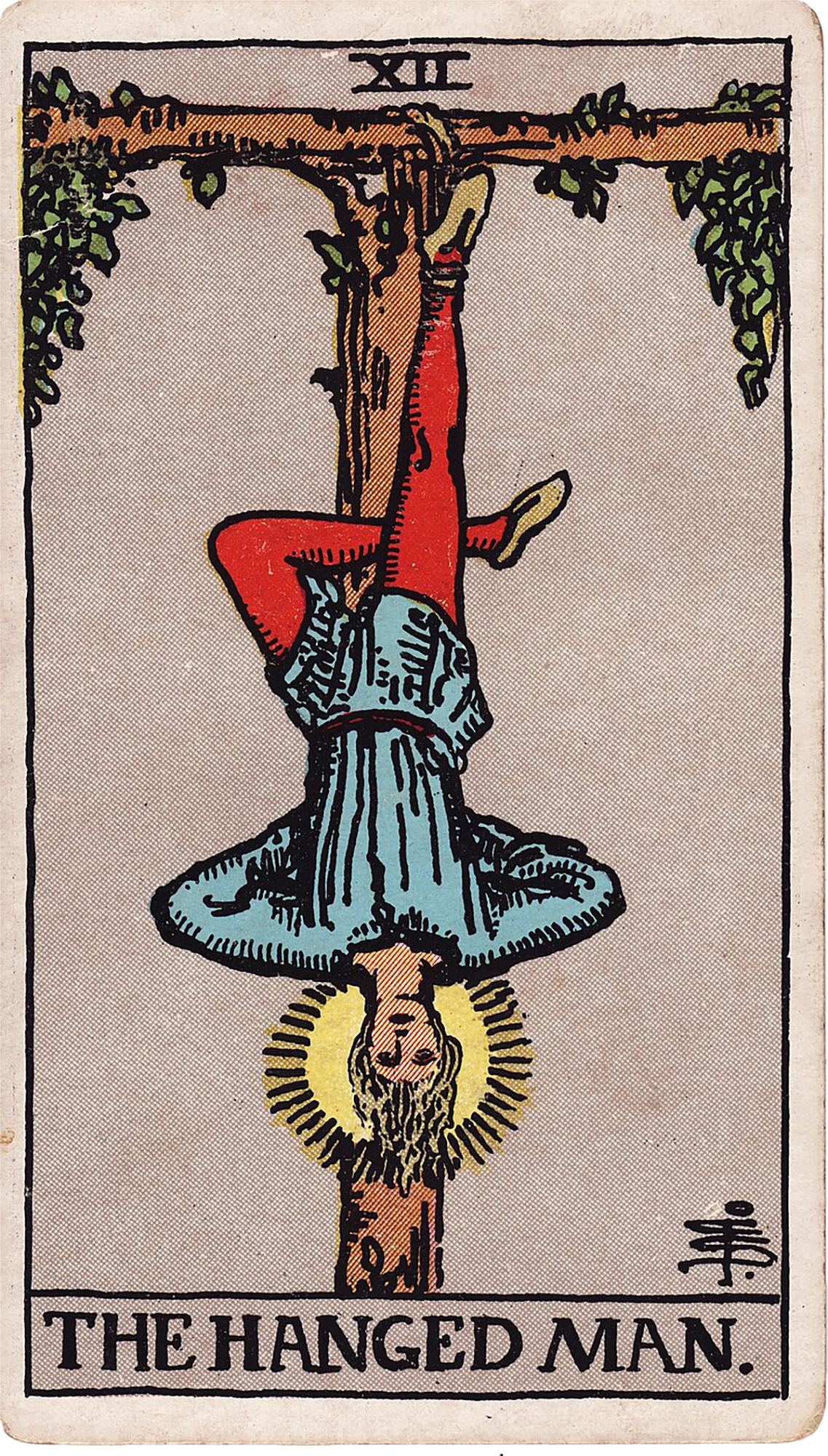 The Hanged Man
Introduction to The Hanged Man and Its Symbolism
The Hanged Man is one of the most visually striking cards in the Rider-Waite-Smith tarot deck, depicting a man suspended upside down by one foot, serene and seemingly at peace despite his inverted position. This imagery conveys themes of surrender, suspension, and a voluntary pause. The figure’s calm demeanor suggests that this state is chosen rather than forced — an intentional release of control to gain new insights. The halo around his head symbolizes enlightenment or spiritual awakening, which often comes from seeing the world from a different angle. Traditionally, the card represents suspension, sacrifice, and the willingness to endure discomfort for growth. In the upright position, The Hanged Man challenges us to stop rushing, to embrace patience, and to open ourselves to fresh perspectives that might otherwise remain hidden. In reverse, the card may indicate resistance to this process, stagnation, or an unhealthy delay.
Techniques for Reading The Hanged Man in a Single Card Context
When The Hanged Man appears alone in a reading, the challenge for the reader is to interpret its invitation to pause and surrender without the clarifying support of other cards. Begin by carefully observing the card’s imagery: the upside-down figure, his expression, and the symbolic halo. Ask what in the querent’s life mirrors this suspension or enforced waiting. It’s important to frame the card not as a final outcome but as a quality or energy influencing the present moment. Next, explore where the querent might benefit from releasing control or adopting a new viewpoint. Use the upright and reversed definitions to probe whether the pause is healthy and conscious (upright) or stuck and resisting (reversed). Avoid treating the card as a passive sign of helplessness; instead, emphasize active engagement with the situation’s complexity through reflection and patience.
Interpreting The Hanged Man in Love Contexts
In matters of love and relationships, The Hanged Man invites a pause from the rush toward decision or action. Upright, it suggests stepping back to gain clarity, perhaps seeing a partnership from a fresh angle or learning to surrender control to deepen intimacy. The card can indicate that current struggles require patience and a willingness to accept things as they are before moving forward. For example, someone rushing to define a relationship might benefit from embracing The Hanged Man’s lesson of suspended judgment. Reversed, it may highlight resistance to change, an unwillingness to release old patterns, or feeling stuck in unproductive emotional loops. In this context, the card encourages exploring where surrender is blocked and how that might be interfering with authentic connection.
The Hanged Man’s Message in Career and Money Readings
Career and financial questions often deal with movement and results, so The Hanged Man’s call for pause can seem counterintuitive or frustrating. Upright, the card suggests that a period of waiting or delayed action is not wasted but necessary for seeing the bigger picture or reconsidering one’s approach. It advises working with current resources and circumstances before pushing ahead and recognizing where a shift in perspective could reveal new opportunities. For example, a stalled project might benefit from re-evaluating priorities rather than forcing progress. Reversed, The Hanged Man can point to stagnation caused by fear of change or martyrdom—taking on too much without boundaries. It warns against pointless delay and encourages the querent to identify where their suspension has become unhealthy or counterproductive.
Applying The Hanged Man as Advice and Challenge
As advice, The Hanged Man directs the seeker to cultivate patience, release the illusion of control, and consciously choose surrender as a form of strength. It invites a mindful examination: what if the best way forward is not through immediate action but through reflection and openness to new insights? This card encourages identifying the next proportionate step rather than waiting for perfect certainty. The challenge lies in resisting the urge to escape discomfort prematurely or to interpret waiting as failure. When reversed, it challenges the seeker to notice where they are stuck in resistance—clinging to outdated beliefs or patterns—and to begin the internal work needed to shift perspective. Both positions emphasize balance: between action and inaction, control and surrender.
The Hanged Man Representing a Person or Outcome
When The Hanged Man symbolizes a person, it often describes someone who embodies patience, introspection, and a willingness to see things differently. This individual may appear passive or non-confrontational but is inwardly engaged in deep processing. They offer wisdom through their example of surrender rather than force. As an outcome card, The Hanged Man suggests that the resolution will require a pause or sacrifice and that progress will come through transformation of perspective rather than direct action. This outcome encourages acceptance of uncertainty and openness to unconventional solutions. It is a reminder that outcomes sometimes unfold best when allowed to develop naturally over time.
Spiritual Reflection and The Hanged Man
Spiritually, The Hanged Man is a symbol of enlightenment achieved through surrender and the renunciation of ego-driven control. The halo in the Rider-Waite-Smith image underscores this theme, indicating that new spiritual insights often arise when we stop struggling and allow ourselves to be 'turned upside down.' This card invites contemplative practice, encouraging the seeker to meet challenges with openness and trust in the process of transformation. Whether through meditation, prayer, or quiet reflection, The Hanged Man reminds us that spiritual growth frequently requires letting go of old identities and embracing vulnerability. The reversed card warns against spiritual stagnation or avoidance of necessary inner work.
Common Mistakes When Interpreting The Hanged Man
One common mistake is to interpret The Hanged Man as simply a negative sign of being stuck or defeated. While it can indicate suspension, the card primarily represents conscious choice rather than victimhood. Treating it as a passive or helpless card undermines its empowering message of surrender as a dynamic act. Another error is to rush to action despite the card’s clear call for pause, missing the opportunity for deeper insight. Additionally, readers sometimes overlook the reversed card’s nuanced meanings, assuming it is always 'bad,' rather than exploring how the energy might be blocked or internalized. Finally, ignoring the card’s rich imagery—such as the man’s calm expression and halo—can lead to superficial readings. Engaging fully with the symbolism anchors interpretation in the card’s transformative potential.
Practical Method for Incorporating The Hanged Man in Daily Life Readings
To work effectively with The Hanged Man in daily life, start by identifying situations where patience and surrender are needed. When this card appears, pause your reading to ask the querent: Where in your life do you feel pressure to act prematurely? Where might a change in perspective illuminate hidden truths? Then explore which aspect of surrender—releasing control, waiting consciously, or adopting a new viewpoint—is most relevant. Encourage journaling or meditation on the card’s imagery and themes to internalize its lessons. Use the upright card to highlight where conscious pause is constructive, and the reversed card to pinpoint resistance or distortion of this energy. This approach transforms The Hanged Man from a static symbol into a practical tool for mindful living.
Practice questions
• In what areas of your life do you feel compelled to act immediately, and how might pausing change your approach?
• Where are you resisting surrender or holding onto control that no longer serves you?
• How can adopting a new perspective help you understand a current challenge more clearly?
• What sacrifices or delays might be necessary for your growth at this moment?
• How do you distinguish between healthy patience and unhealthy stagnation in your experiences?
Comments
Sign in to comment.
Continue learning
Interpreting the Dance of Justice and The Devil: Balancing Morality and Temptation in Tarot Readings
The combination of Justice and The Devil in tarot presents a profound exploration of morality, temptation, and personal accountability. This article unpacks how these cards influen...
Advanced Techniques for Combining The Moon and The Star to Enhance Intuition in Tarot Readings
This article explores advanced techniques to combine the symbolism and energy of The Moon and The Star Tarot cards to enhance intuition during Tarot readings. Drawing from traditio...
Unlocking Life Insights with the Celtic Cross Tarot Spread
This article offers a thorough exploration of the Celtic Cross Tarot Spread, focusing on its application within family and practical life contexts. Using a worked example featuring...
Unlocking Hidden Meanings with The Hermit and The Hanged Man for Spiritual Growth
This article offers an in-depth exploration of The Hermit and The Hanged Man Tarot cards focusing on their roles in spiritual growth. It guides readers through beginner and advance...
Unlocking Personal Insight with the Seven Card Horseshoe Spread
The Seven Card Horseshoe Spread is a practical and insightful Tarot layout ideal for exploring personal and family dynamics. This article breaks down each position—Past, Present, H...
Mastering the Court Cards of Wands for Unlocking Personal Drive and Leadership
The Court Cards of Wands represent a dynamic spectrum of personal energy, ambition, and leadership potential within the Minor Arcana. This article offers a comprehensive exploratio...
Tracing the Origins and Evolution of The Fool Card in Tarot History
The Fool card holds a foundational place in tarot tradition, symbolizing beginnings, openness, and the embrace of uncertainty. This article traces its origins from early European d...
Techniques for Reading Court Cards to Unlock Personality Insights
Court cards in Tarot often represent people, personality traits, or energy patterns within a situation. This article offers a structured approach for beginners and advanced readers...
Unlocking Emotional Transformation with Death and The Moon Tarot Combination
This article explores the rich and complex interaction between the Death and The Moon tarot cards within the Rider-Waite-Smith tradition, focusing on their combined potential to un...
Applying The Star Card to Foster Hope and Renewal in Personal Growth
The Star card in Tarot symbolizes hope, authenticity, and the process of steady renewal. In a single-card reading, The Star encourages embracing what is present, cultivating openne...