
Understanding The Hermit Card in Personal Reflection Spiritual Growth and Everyday Decision Making
The Hermit card invites a journey inward, emphasizing the value of solitude, introspection, and deliberate thought. This article examines how The Hermit's upright and reversed positions shape interpretations in various life contexts including love, career, money, advice, challenges, people, outcomes, and spiritual reflection. Using the traditional Rider-Waite-Smith imagery, learners will understand the card's symbolism, deepen their reading skills, avoid common pitfalls, and apply a practical method for integrating The Hermit's lessons into everyday decision making and personal growth.
Cards explored in this article
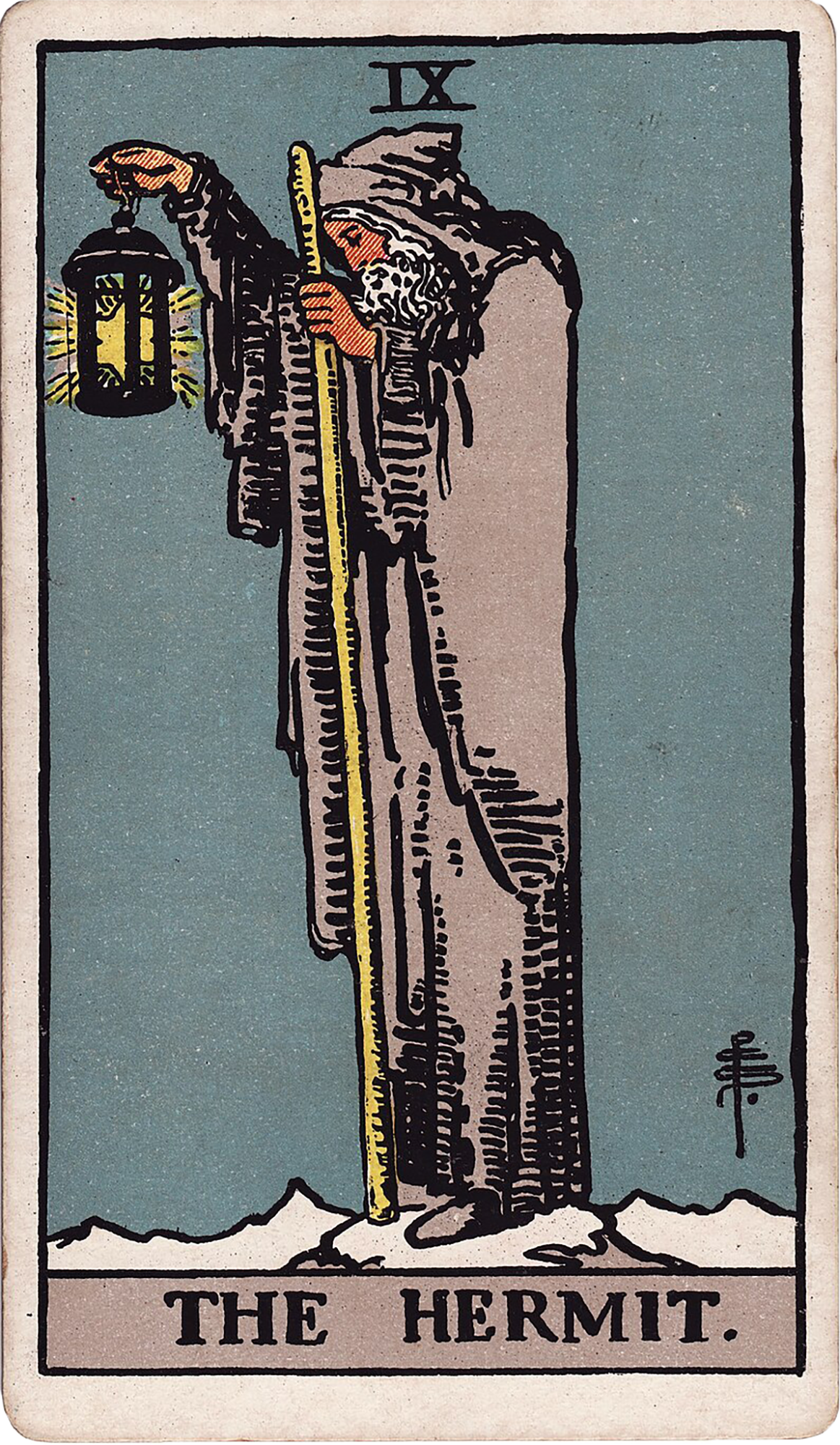 The Hermit
Introduction to The Hermit Card and Its Symbolism
The Hermit card, one of the Major Arcana in the Rider-Waite-Smith deck, depicts an elderly figure cloaked in grey robes standing alone atop a mountain. He holds a lantern illuminated by a six-pointed star and a staff for guidance and support. This imagery symbolizes wisdom gained through solitude, introspection, and spiritual searching. The lantern represents light guiding the way inward and illuminating deeper truths beyond surface distractions. The staff is a tool for steady support during inner exploration, while the mountain signals the achievement involved in reaching this elevated awareness. Understanding these symbols is key to applying The Hermit’s message across different reading contexts.
Core Meanings of The Hermit Upright and Reversed
When The Hermit appears upright, it emphasizes stepping back from the external noise to think clearly and seek depth. It encourages embracing solitude not as loneliness but as a constructive space for honest self-examination and insight. This does not guarantee the situation will be easy, but it suggests that wisdom, direct responses, and clear boundaries can move matters forward effectively. Practically, it invites working with what is visible now and choosing the next proportional step thoughtfully. Reversed, The Hermit shifts focus toward isolation taken too far, avoidance, excessive rumination, or withdrawal that blocks necessary engagement. This position is not inherently "bad" but signals an imbalance or distortion of the hermit energy. It may reveal private psychological struggles or a stage of recognizing old patterns without fully changing them. Context and neighboring cards are crucial to discerning whether the reversed card indicates resistance, recovery, or a temporary pause in the seeker’s process.
Applying The Hermit in Love and Relationships
In love readings, The Hermit upright suggests a period of introspection needed before making relationship decisions. It encourages honest self-reflection about personal needs, boundaries, and the deeper emotional truths that may be overlooked in the rush of interaction. This card asks the querent to seek clarity from within instead of external validation. Reversed in love, The Hermit warns of isolation that may stem from fear or avoidance. It can indicate loneliness or a tendency to withdraw when connection is actually required. For example, a person might be overthinking past hurts or avoiding difficult conversations. The challenge is to balance the need for solitude with openness to healing. In both positions, using the card’s symbolic lantern as a metaphor for inner light can help the querent identify where honesty and clarity are needed to guide relationship choices.
The Hermit’s Role in Career and Work Decisions
Career readings with The Hermit upright highlight the importance of strategic thinking and measured planning. The card advises stepping back from hectic work environments or impulsive moves and taking time to assess goals and values. The mountain in the card’s imagery reminds readers that true achievement requires patience and thoughtful effort. When reversed, The Hermit in career contexts often points to professional isolation or avoidance of necessary action. It may warn against becoming stuck in indecision or internal conflict about one’s career path. This can manifest as reluctance to seek mentorship or collaborate with colleagues, possibly hampering progress. Readers can utilize the symbolism of the staff to represent support systems—whether mentors, peers, or inner resources—that can help navigate career challenges with balance and clarity.
Interpreting The Hermit in Financial and Money Matters
Financially, The Hermit upright encourages prudent reflection on spending, saving, and investing. It signals that now is a time for careful analysis rather than impulsive or risky moves. The lighted lantern symbolizes clarity that emerges from calm, informed consideration of the financial picture. Reversed, the card may reveal unhealthy financial isolation, such as ignoring advice or avoiding confronting money problems. Excessive worry or overanalysis without action can also be indicated. The reversed Hermit challenges querents to find balance—knowing when to seek help and when to trust their internal guidance. In practice, using the card’s imagery, one might visualize the lantern shining on the details of budgets or plans, illuminating hidden risks or opportunities that require attention.
Advice and Challenges When The Hermit Appears
The Hermit as advice urges embracing introspection as a tool for clarity and growth. It encourages asking: Where would a direct response, clearer boundary, or honest evaluation move this situation forward? The card advises patience and acceptance that some answers come through deliberate, proportionate steps rather than quick fixes. Challenges associated with The Hermit often involve balancing solitude with engagement. The upright card can be difficult if it leads to excessive withdrawal or stubborn introspection, while the reversed card highlights the risk of isolation becoming avoidance or fear-driven retreat. Effective reading technique involves noting which aspects of the card’s lesson are already present in the querent’s behavior and which remain blocked or exaggerated. This helps tailor practical guidance toward integration rather than merely forecasting outcomes.
Representing People Through The Hermit Card
The Hermit can represent a person in a reading who embodies wisdom, introspection, and a guiding nature. This person may be a mentor, counselor, or someone who prefers solitude and thoughtful reflection over social engagement. In the reversed position, such a person might be struggling with isolation, withdrawal, or internal conflict. They may resist outside perspectives or be caught in patterns of avoidance. When The Hermit represents a querent, it invites self-identification with the card’s qualities and challenges. It encourages learners to reflect on where they are on the spectrum between constructive solitude and unhealthy isolation.
The Hermit as an Outcome Card
When The Hermit appears as an outcome, it suggests that the result of current circumstances will involve gaining insight through introspection and careful evaluation. Success will come from thoughtful patience rather than haste. If reversed as an outcome, it may indicate that the situation will lead to feelings of loneliness, confusion, or stalling due to internal resistance or avoidance. However, this can also be a transitional phase where old ways are questioned and groundwork for change is laid. Interpreters should look for imagery cues such as the brightness of the lantern to assess the clarity of the outcome and whether the querent is moving toward or away from balanced insight.
The Hermit in Spiritual Reflection and Growth
Spiritually, The Hermit calls for a deep inward journey. The card’s upright message is one of seeking the inner light, wisdom, and personal truth beyond external distractions. It highlights the value of solitude in fostering spiritual maturity. Reversed, The Hermit can indicate spiritual stagnation, avoidance of growth, or difficulty integrating lessons. It suggests paying attention to where spiritual insight is blocked or overshadowed by fear or resistance. Techniques such as meditation, journaling, or guided reflection can help cultivators of spiritual growth use The Hermit’s energy constructively. Visualizing the lantern as inner illumination can be a powerful method to unlock insight and direction.
Common Mistakes and Practical Reading Method for The Hermit
Common mistakes when interpreting The Hermit include assuming the card simply means "being alone" or "loneliness" without distinguishing the constructive solitude from harmful isolation. Another error is to read the card as an automatic sign of withdrawal rather than a nuanced call for deliberate reflection. A practical reading method involves first identifying the card’s position (upright or reversed) and then asking context-specific questions such as: What internal insight is needed here? Where might withdrawal be blocking necessary action? What next measured step can be taken using current resources? Anchoring interpretation in the card’s Rider-Waite-Smith imagery—especially the lantern’s light, the staff, and the mountain—helps maintain a concrete connection to the card’s core symbols. Integrating these symbols with the querent’s current situation and emotional state enables a more grounded, useful reading.
Practice questions
• Where in my life am I currently avoiding necessary introspection or honest evaluation?
• How can I use solitude constructively to gain deeper insight about my personal challenges?
• What boundaries or clearer responses might help me move forward with greater clarity?
• Am I relying too much on internal analysis without taking practical action?
• How do the symbols of the lantern, staff, and mountain appear in my current experience?
Comments
Sign in to comment.
Continue learning
Interpreting the Dance of Justice and The Devil: Balancing Morality and Temptation in Tarot Readings
The combination of Justice and The Devil in tarot presents a profound exploration of morality, temptation, and personal accountability. This article unpacks how these cards influen...
Advanced Techniques for Combining The Moon and The Star to Enhance Intuition in Tarot Readings
This article explores advanced techniques to combine the symbolism and energy of The Moon and The Star Tarot cards to enhance intuition during Tarot readings. Drawing from traditio...
Unlocking Life Insights with the Celtic Cross Tarot Spread
This article offers a thorough exploration of the Celtic Cross Tarot Spread, focusing on its application within family and practical life contexts. Using a worked example featuring...
Unlocking Hidden Meanings with The Hermit and The Hanged Man for Spiritual Growth
This article offers an in-depth exploration of The Hermit and The Hanged Man Tarot cards focusing on their roles in spiritual growth. It guides readers through beginner and advance...
Unlocking Personal Insight with the Seven Card Horseshoe Spread
The Seven Card Horseshoe Spread is a practical and insightful Tarot layout ideal for exploring personal and family dynamics. This article breaks down each position—Past, Present, H...
Mastering the Court Cards of Wands for Unlocking Personal Drive and Leadership
The Court Cards of Wands represent a dynamic spectrum of personal energy, ambition, and leadership potential within the Minor Arcana. This article offers a comprehensive exploratio...
Tracing the Origins and Evolution of The Fool Card in Tarot History
The Fool card holds a foundational place in tarot tradition, symbolizing beginnings, openness, and the embrace of uncertainty. This article traces its origins from early European d...
Techniques for Reading Court Cards to Unlock Personality Insights
Court cards in Tarot often represent people, personality traits, or energy patterns within a situation. This article offers a structured approach for beginners and advanced readers...
Unlocking Emotional Transformation with Death and The Moon Tarot Combination
This article explores the rich and complex interaction between the Death and The Moon tarot cards within the Rider-Waite-Smith tradition, focusing on their combined potential to un...
Applying The Star Card to Foster Hope and Renewal in Personal Growth
The Star card in Tarot symbolizes hope, authenticity, and the process of steady renewal. In a single-card reading, The Star encourages embracing what is present, cultivating openne...