
Understanding The Hermit in Emotional Healing and Personal Reflection
This article delves into The Hermit tarot card as a powerful symbol of introspection, solitude, and conscious insight, emphasizing its role in emotional healing and personal reflection. Using the upright and reversed meanings of The Hermit, readers will learn how to apply its lessons across various life contexts including love, career, finances, advice, challenges, and spiritual development. The discussion anchors interpretations in the traditional Rider-Waite-Smith imagery and symbolism of The Hermit, offering practical guidance for tarot learners to deepen their understanding and avoid common mistakes. Reflection questions and targeted reading techniques aid in integrating The Hermit's wisdom into everyday life.
Cards explored in this article
 The Hermit
Introduction to The Hermit and Its Symbolism
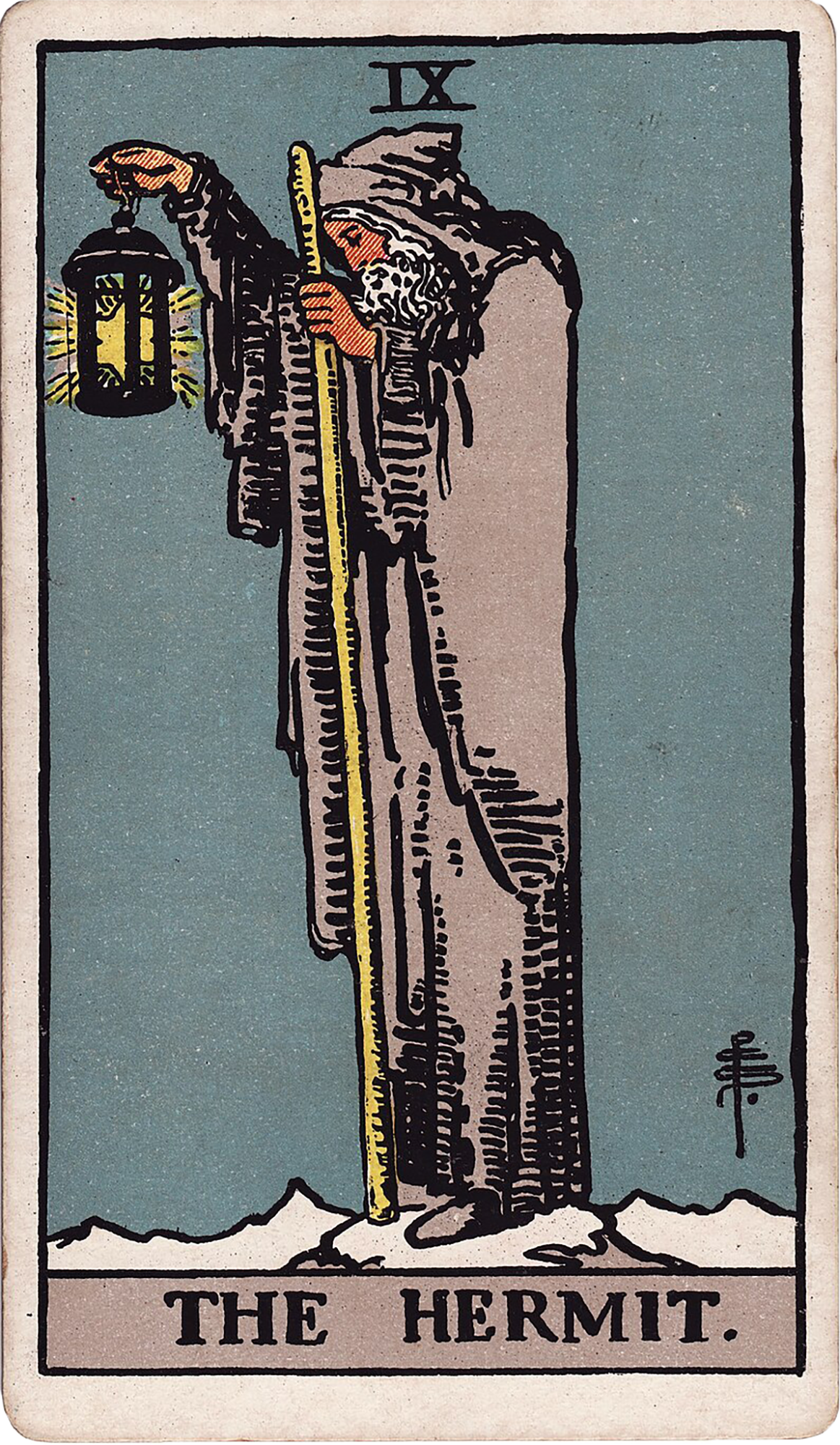
The Hermit is a Major Arcana card in the Rider-Waite-Smith tarot deck, typically depicting an elderly figure standing alone atop a mountain, holding a lantern that shines light on his solitary path. This imagery symbolizes the journey inward — a search for deeper truth, clarity, and wisdom through solitude and contemplation. The Hermit's lantern represents insight and guidance that comes from inner reflection, while the staff signifies support and stability during this personal quest. Understanding The Hermit requires recognizing that it is not about isolation as a punishment or escape but about consciously stepping back from external noise to gain deeper understanding. Both the upright and reversed positions of The Hermit offer unique insights into how this process unfolds in emotional healing and personal reflection.
Upright The Hermit in Emotional Healing
When The Hermit appears upright in a reading focused on emotional healing, it emphasizes the necessity of stepping back from emotional turmoil to engage in honest self-examination. Instead of rushing toward resolution or external validation, the card invites the querent to seek clarity through quiet reflection, journaling, meditation, or therapeutic solitude. This process may expose uncomfortable truths but ultimately leads to more authentic self-understanding and emotional resilience. The lantern in The Hermit's imagery encourages illuminating hidden emotional patterns that may have been overlooked in the rush of daily life. The upright Hermit also signals the moment when the situation has become visible enough to engage consciously, urging the reader to consider what deliberate, proportionate next step is available rather than waiting for perfect certainty.
Reversed The Hermit in Emotional Healing
In reversed position, The Hermit often highlights challenges related to emotional isolation or avoidance. Rather than constructive solitude, the querent may be withdrawing excessively or using detachment as a defense mechanism to avoid necessary emotional engagement. The reversed Hermit can suggest loneliness that feels isolating rather than restorative, or overthinking that leads to paralysis rather than insight. This card encourages examining where emotional processing is stuck or distorted — is the person resisting inner work, caught in negative rumination, or avoiding vulnerability? Reversed Hermit in emotional healing is a prompt to gently acknowledge these blocks and consider how to re-engage with balanced reflection and support.
The Hermit in Love and Relationships
In love contexts, The Hermit encourages introspection about relationship dynamics and personal needs before making decisions. Upright, it suggests taking time alone to understand one’s feelings and boundaries, which can clarify what kind of partnership is genuinely fulfilling. It may indicate a period of singlehood that is valuable for growth, or a need for honest conversation and space within an existing relationship. The lantern symbolizes shining light on hidden aspects of one’s emotional life or the relationship itself. Reversed, The Hermit warns against withdrawing too much from a partner or avoiding emotional conversations. It may point to loneliness, miscommunication, or fear of vulnerability that prevents connection. Recognizing these patterns can open the door to healthier engagement or healing.
The Hermit in Career and Work
In career readings, The Hermit upright advises stepping back to reevaluate professional goals, skills, and motivations. This may mean taking a sabbatical, focusing on solo work, or engaging in further study to gain deeper expertise. The Hermit’s imagery — the mountain representing achievement and perspective — suggests that success comes from thoughtful planning and inner clarity rather than haste. Use the lantern to identify where insight is already present in your career path and consider deliberate, proportionate steps forward. Reversed, The Hermit can indicate burnout, excessive isolation at work, or avoidance of collaborative responsibilities. It may suggest that the querent is stuck in indecision or overly self-critical analysis that blocks action. In such cases, reconnecting with teammates or seeking mentorship can rebalance this energy.
The Hermit in Money and Finances
Financially, The Hermit upright promotes cautious, thoughtful management of resources. It encourages a reflective look at spending habits, savings, and investments, recommending decisions based on clear, sober assessment rather than impulse or external pressure. The card’s symbolism of a lantern lighting a path aligns with seeking financial knowledge or professional advice to illuminate the best course. When reversed, The Hermit may warn of financial isolation, such as hiding money matters, avoiding budgeting, or feeling alone in financial struggles. It can also highlight over-analysis leading to missed opportunities. The key is to find balance between prudent reflection and timely, confident action.
The Hermit as Advice Card
When The Hermit appears as advice, it urges the querent to embrace solitude and introspection as tools for clarity and growth. The card is a reminder that not all answers come from outside sources; sometimes the most valuable insights arise from within. Practically, this may mean setting aside distractions, journaling, meditating, or seeking quiet environments to connect with intuition. The Hermit advises patience and deliberate pacing — not rushing but taking the next right step with awareness. It also encourages honesty about personal boundaries, and where clearer communication or more deliberate choices could improve a situation.
The Hermit as a Challenge
In the challenge position, The Hermit may indicate difficulty with isolation, overthinking, or resistance to self-examination. It can highlight a fear of facing uncomfortable truths or the tendency to withdraw instead of engaging with problems constructively. The card challenges the querent to recognize where they may be avoiding growth or clarity by retreating into solitude that is unproductive or harmful. The imagery reminds that the path to wisdom is illuminated but requires courage to follow through. A practical approach includes seeking support where needed and balancing inner reflection with external action.
The Hermit as a Person
When representing a person, The Hermit is often an individual who values solitude, wisdom, and deep thought. This person may be a mentor, teacher, counselor, or someone who consciously steps back to guide others with insight. The figure’s traditional depiction — an older, wise man with a lantern and staff — symbolizes authority earned through experience and inner discovery. This person might prefer solitude or quiet environments and may encourage others to cultivate their own inner wisdom. In reversed form, The Hermit person might struggle with social withdrawal, emotional avoidance, or excessive introspection that impedes connection.
The Hermit as an Outcome and Spiritual Reflection
As an outcome, The Hermit signals that the querent will gain clarity and wisdom through introspection and possibly solitude. It suggests that answers to current questions will come by turning inward, rather than seeking external validation. Spiritually, The Hermit represents a stage of personal growth involving deep reflection, soul-searching, and the pursuit of inner truth. It is a call to trust one’s inner light and develop spiritual maturity. Both upright and reversed positions invite the reader to examine how the process of solitude and insight is unfolding, whether as balance or imbalance, and how to integrate these lessons into everyday life.
Techniques for Reading The Hermit
When reading The Hermit, begin by observing key visual elements: the lantern (light of insight), the staff (support and authority), the mountain (achievement and perspective), and the figure’s posture (introspective and deliberate). Ask where the querent is being invited to step back and reflect rather than react. Consider what is illuminated by the lantern—what hidden truths or overlooked details are coming to light? In upright readings, focus on constructive solitude and conscious choice; in reversed, look for signs of unhealthy withdrawal or blocked insight. Use open-ended questions like: Where might you benefit from more honest self-reflection? What truths are you avoiding? How can you balance solitude with necessary engagement? Anchor your interpretation in the querent’s current situation and surrounding cards (if applicable), but always respect The Hermit’s emphasis on inner work and patience.
Common Mistakes and How to Avoid Them
A common mistake with The Hermit is to interpret it simply as loneliness or social isolation without considering the quality and purpose of solitude. The card is not about punishment or withdrawal from life but a conscious and constructive process. Another error is to view The Hermit as a passive card indicating inaction; instead, it calls for deliberate, mindful steps grounded in insight. With reversed Hermit, readers often assume 'bad luck' or ‘doom’ rather than exploring nuanced blocks such as avoidance, excessive self-criticism, or psychological withdrawal. Avoid forcing interpretations that do not align with the card’s symbolism or the querent’s context. Instead, explore where the energy of The Hermit is balanced or imbalanced and what that suggests for emotional healing and growth.
Practice questions
• In what areas of my life do I need to step back and reflect before acting?
• How do I experience solitude—does it feel restorative or isolating?
• What hidden truths about my emotions or situation might I be overlooking?
• Where might I be avoiding necessary self-examination or emotional engagement?
• How can I balance inner reflection with reaching out for support when needed?
• What deliberate, proportionate next step can I take to move forward?
• How does my current environment support or challenge my personal reflection?
Comments
Sign in to comment.
Continue learning
Interpreting the Dance of Justice and The Devil: Balancing Morality and Temptation in Tarot Readings
The combination of Justice and The Devil in tarot presents a profound exploration of morality, temptation, and personal accountability. This article unpacks how these cards influen...
Advanced Techniques for Combining The Moon and The Star to Enhance Intuition in Tarot Readings
This article explores advanced techniques to combine the symbolism and energy of The Moon and The Star Tarot cards to enhance intuition during Tarot readings. Drawing from traditio...
Unlocking Life Insights with the Celtic Cross Tarot Spread
This article offers a thorough exploration of the Celtic Cross Tarot Spread, focusing on its application within family and practical life contexts. Using a worked example featuring...
Unlocking Hidden Meanings with The Hermit and The Hanged Man for Spiritual Growth
This article offers an in-depth exploration of The Hermit and The Hanged Man Tarot cards focusing on their roles in spiritual growth. It guides readers through beginner and advance...
Unlocking Personal Insight with the Seven Card Horseshoe Spread
The Seven Card Horseshoe Spread is a practical and insightful Tarot layout ideal for exploring personal and family dynamics. This article breaks down each position—Past, Present, H...
Mastering the Court Cards of Wands for Unlocking Personal Drive and Leadership
The Court Cards of Wands represent a dynamic spectrum of personal energy, ambition, and leadership potential within the Minor Arcana. This article offers a comprehensive exploratio...
Tracing the Origins and Evolution of The Fool Card in Tarot History
The Fool card holds a foundational place in tarot tradition, symbolizing beginnings, openness, and the embrace of uncertainty. This article traces its origins from early European d...
Techniques for Reading Court Cards to Unlock Personality Insights
Court cards in Tarot often represent people, personality traits, or energy patterns within a situation. This article offers a structured approach for beginners and advanced readers...
Unlocking Emotional Transformation with Death and The Moon Tarot Combination
This article explores the rich and complex interaction between the Death and The Moon tarot cards within the Rider-Waite-Smith tradition, focusing on their combined potential to un...
Applying The Star Card to Foster Hope and Renewal in Personal Growth
The Star card in Tarot symbolizes hope, authenticity, and the process of steady renewal. In a single-card reading, The Star encourages embracing what is present, cultivating openne...