
Understanding the High Priestess in Dreams Intuition and Spiritual Guidance
The High Priestess card invites Tarot readers to engage with intuition, hidden knowledge, and spiritual guidance. This article explores the card’s upright and reversed meanings across various life contexts, including love, career, money, advice, challenge, person, outcome, and spiritual reflection. Using the Rider-Waite-Smith imagery as a foundation, learners will understand how to interpret the card’s symbolism, avoid common pitfalls, and apply practical techniques for insightful and balanced readings. By recognizing the card’s call to trust quiet discernment and subtle cues, readers enhance their ability to interpret dreams, foster intuition, and navigate inner mysteries in everyday situations.
Cards explored in this article
 The High Priestess
Introduction to The High Priestess and Its Core Symbolism
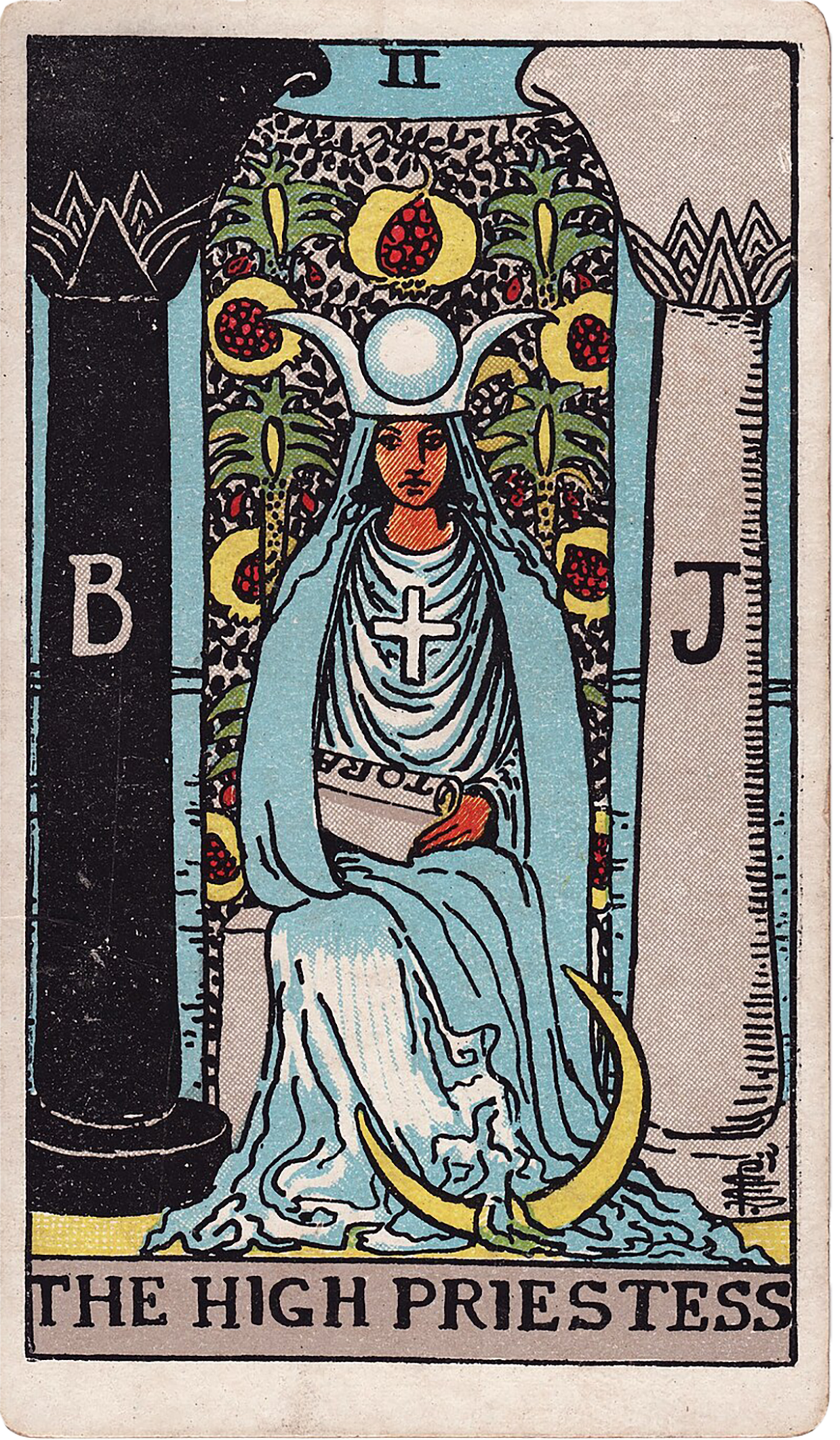
The High Priestess is a pivotal Major Arcana card in Tarot, renowned for representing intuition, mystery, and the subconscious mind. Traditionally depicted in the Rider-Waite-Smith deck as a serene woman seated between two pillars marked B and J (Boaz and Jachin), she guards the veil between the conscious and unconscious realms. The moon at her feet and the pomegranate motif on her robe reinforce themes of fertility, intuition, and hidden knowledge. The scroll she holds, often labeled 'TORA,' symbolizes sacred law and secret wisdom. Understanding these symbols helps readers grasp The High Priestess’s invitation to look beyond surface appearances and listen to inner guidance.
The High Priestess Upright Meaning and Practical Reading Approach
When The High Priestess appears upright, she encourages a patient, introspective approach. This means inviting the querent or yourself to listen beneath surface facts, allowing deeper information to emerge through subtle signs or dreams. Practically, this card suggests working with what is visible now — the central issue is becoming clear enough for conscious engagement. The card asks where a more deliberate, honest choice or clearer boundary can move the situation forward. In readings, avoid rushing to conclusions; instead, note where quiet discernment or intuitive nudges are already influencing behaviors. The High Priestess does not promise ease but the quality of insight necessary to navigate complexity.
The High Priestess Reversed Meaning and Common Interpretive Challenges
Reversed, The High Priestess often signals blocks to intuition such as secrecy, disconnection, or passive avoidance. This state may involve mistaking anxiety or projection for true inner knowing. It is important not to interpret the reversal as inherently negative. Instead, consider where the card’s energy is distorted, delayed, or internalized. For example, the querent may be beginning to recognize an old subconscious pattern but has not yet fully integrated or changed it. In some situations, the reversal indicates privacy or a temporary pause in intuitive clarity. When interpreting reversed cards, always consider neighboring cards and the querent’s context to assess whether this represents resistance, recovery, or imbalance.
Interpreting The High Priestess in Love and Relationships
In a love context, The High Priestess upright suggests a relationship dynamic that benefits from patience, subtle communication, and trust in unspoken understanding. It can highlight the importance of emotional intuition rather than explicit articulation. For singles, it may indicate a time to connect with inner feelings before seeking external relationships. Reversed, the card may warn about secrecy, emotional withholding, or confusing anxiety with intuitive feelings. The querent might be avoiding emotional truth or misreading signs from a partner. Practically, ask where clearer honesty or boundaries can clarify misunderstandings, using the card’s call for deeper honesty as a guide.
The High Priestess in Career and Professional Life
When appearing in career readings, the upright High Priestess encourages working with the knowledge and resources at hand, trusting subtle clues, and avoiding impulsive decisions. It suggests that some aspects of the work environment or project remain hidden or require further reflection before action. This card can also indicate the value of research, confidentiality, or silent observation. Reversed, it may point to missed intuitive signals at work, secrecy that hinders progress, or emotional disengagement. Here the challenge is to identify where clearer boundaries or deliberate choices can unlock productivity or restore balance.
Financial Insights and The High Priestess Guidance
In financial contexts, The High Priestess upright advises careful reflection and caution rather than immediate action. It encourages the querent to listen to financial intuition and look beyond surface numbers for hidden risks or opportunities. The card’s message is to engage consciously with what is known rather than waiting for absolute certainty. Reversed, this card could suggest financial secrecy, confusion, or ignoring inner warnings about spending or investments. It may also highlight anxiety about money mistaken for true insight. The practical question is where clearer financial honesty and more deliberate budgeting or planning are needed.
Advice, Challenge, and Outcome Perspectives with The High Priestess
As advice, The High Priestess asks the reader to pause and trust inner wisdom, cultivating patience and receptivity. It encourages asking where more deliberate choice or clearer boundaries can enhance the situation. As a challenge, the card upright signals the difficulty of working with incomplete information or waiting for deeper insight, while reversed it highlights blocks to intuitive access or emotional avoidance. As an outcome, the upright High Priestess suggests a result shaped by quiet discernment and inner growth rather than external action. Reversed, it may indicate ongoing confusion or that the querent must still confront subconscious patterns before resolution.
Representing a Person Through The High Priestess Card
When The High Priestess represents a person in a reading, it often describes someone introspective, intuitive, and private. Upright, this individual embodies wisdom, calm, and the ability to perceive subtle truths. They may be a guide or mentor figure who encourages reflection over haste. Reversed, the person may be emotionally withdrawn, secretive, or struggling to connect with their intuition. They might also be caught in patterns of avoidance or misinterpretation of their feelings. Observing the card’s imagery—the poised figure, the hidden scroll, and the veil—helps identify this archetype’s qualities and challenges.
Spiritual Reflection and Dream Work with The High Priestess
Spiritually, The High Priestess is a powerful symbol for accessing the subconscious and divine feminine wisdom. She invites readers to pay attention to dreams, symbols, and synchronicities as pathways to inner knowledge. The moon and the veil in the card’s imagery suggest layers of mystery accessible through meditation or dream journaling. Upright, the card encourages embracing spiritual practices that deepen intuitive listening. Reversed, it may indicate spiritual disconnection or confusion, where the seeker’s inner voice is blocked or distorted. In dream work, The High Priestess reminds us that meaning often lies beneath the obvious and requires trust and patience to uncover.
Techniques for Reading The High Priestess with Accuracy and Depth
To read The High Priestess effectively, always ground your interpretation in the card’s Rider-Waite-Smith symbolism and the querent’s context. Begin by observing the card’s central images: the dual pillars, the moon, the scroll, and the pomegranates. Ask what hidden knowledge or subconscious messages may be emerging. For upright cards, encourage patience and subtle exploration; for reversed cards, explore possible blocks or distortions of intuition. Use reflective questions such as 'What is being concealed?' or 'Where is deeper honesty needed?' Combine this with the querent’s situation and emotional tone. Avoid assuming the card predicts easy answers—its strength lies in guiding thoughtful, intuitive inquiry.
Common Mistakes and How to Avoid Them When Interpreting The High Priestess
One frequent mistake is interpreting The High Priestess as purely passive or mysterious without recognizing the active quality of discernment she embodies. Another is overemphasizing secrecy or fear in reversals without exploring the more nuanced possibilities such as internal blockages or recovery phases. Avoid treating the card as a simple yes/no indicator; instead, see it as a call to engage deeper layers of awareness. Refrain from forcing immediate answers when the card encourages patience and reflection. Always consider the card’s interplay with the querent’s emotions and other cards in the spread, even when focusing on a single-card reading.
Practice questions
• In what areas of my life am I being invited to trust intuition over external facts?
• Where might I be avoiding deeper honesty or clearer boundaries?
• How can I cultivate more patience and quiet discernment in decision-making?
• What hidden knowledge or subconscious patterns am I beginning to recognize?
• How can paying attention to dreams and symbols support my spiritual growth?
Comments
Sign in to comment.
Continue learning
Interpreting the Dance of Justice and The Devil: Balancing Morality and Temptation in Tarot Readings
The combination of Justice and The Devil in tarot presents a profound exploration of morality, temptation, and personal accountability. This article unpacks how these cards influen...
Advanced Techniques for Combining The Moon and The Star to Enhance Intuition in Tarot Readings
This article explores advanced techniques to combine the symbolism and energy of The Moon and The Star Tarot cards to enhance intuition during Tarot readings. Drawing from traditio...
Unlocking Life Insights with the Celtic Cross Tarot Spread
This article offers a thorough exploration of the Celtic Cross Tarot Spread, focusing on its application within family and practical life contexts. Using a worked example featuring...
Unlocking Hidden Meanings with The Hermit and The Hanged Man for Spiritual Growth
This article offers an in-depth exploration of The Hermit and The Hanged Man Tarot cards focusing on their roles in spiritual growth. It guides readers through beginner and advance...
Unlocking Personal Insight with the Seven Card Horseshoe Spread
The Seven Card Horseshoe Spread is a practical and insightful Tarot layout ideal for exploring personal and family dynamics. This article breaks down each position—Past, Present, H...
Mastering the Court Cards of Wands for Unlocking Personal Drive and Leadership
The Court Cards of Wands represent a dynamic spectrum of personal energy, ambition, and leadership potential within the Minor Arcana. This article offers a comprehensive exploratio...
Tracing the Origins and Evolution of The Fool Card in Tarot History
The Fool card holds a foundational place in tarot tradition, symbolizing beginnings, openness, and the embrace of uncertainty. This article traces its origins from early European d...
Techniques for Reading Court Cards to Unlock Personality Insights
Court cards in Tarot often represent people, personality traits, or energy patterns within a situation. This article offers a structured approach for beginners and advanced readers...
Unlocking Emotional Transformation with Death and The Moon Tarot Combination
This article explores the rich and complex interaction between the Death and The Moon tarot cards within the Rider-Waite-Smith tradition, focusing on their combined potential to un...
Applying The Star Card to Foster Hope and Renewal in Personal Growth
The Star card in Tarot symbolizes hope, authenticity, and the process of steady renewal. In a single-card reading, The Star encourages embracing what is present, cultivating openne...