
Understanding The Knight of Swords in Decision Making Communication and Ambition
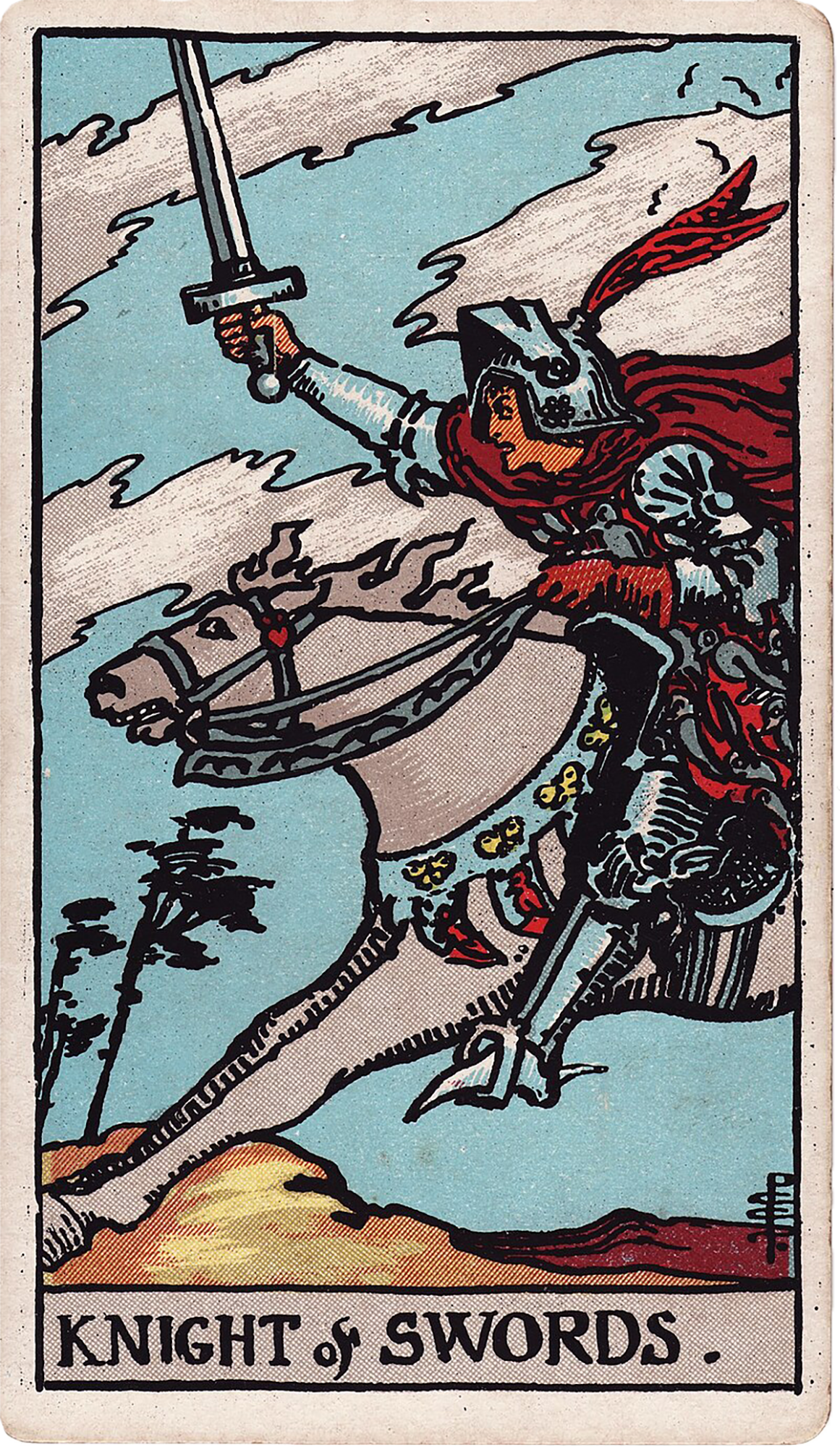
The Knight of Swords represents swift, decisive action, intellectual courage, and clear communication in tarot. This card, seen upright, encourages confronting situations with directness and strategic thinking, while its reversal warns against recklessness and tunnel vision. Through detailed examination of the Knight of Swords in various personal and situational contexts—including love, career, money, advice, challenges, personality traits, outcomes, and spiritual reflection—learners can deepen their interpretive skills. Anchored in Rider-Waite-Smith symbolism, the card’s imagery, such as the charging knight, raised sword, and stormy clouds, highlights themes of mental clarity, urgency, and the consequences of haste. This article offers practical techniques to read the Knight of Swords effectively, avoid common mistakes, and integrate its lessons into nuanced tarot readings.
Cards explored in this article
 Knight of Swords
Introduction to the Knight of Swords and Its Symbolism
The Knight of Swords card from the Rider-Waite-Smith deck features a knight charging forward on a white horse, sword raised high, against a backdrop of turbulent clouds and flying birds. This vivid imagery symbolizes swift movement, intellectual power, and the readiness to confront challenges through thought and communication. The white horse suggests purity and energy, while the raised sword signals action, truth, and decisiveness. In tarot, Swords represent the realm of the mind, communication, conflict, and decision-making. The Knight, as a court card, embodies these qualities dynamically—often reflecting a person or energy that moves quickly and decisively in these domains. The card’s upright meaning centers on courage in debate, cutting through delays, and practical application of ideas, whereas its reversed form draws attention to recklessness, tunnel vision, or aggressive communication that lacks nuance. Understanding these symbols is foundational to interpreting the Knight of Swords across contexts.
Techniques for Reading the Knight of Swords in Single Card Spreads
When the Knight of Swords appears as a single card reading, the key technique is to connect the card’s core meanings—swift action, mental clarity, and communication—with the querent’s question or situation. Start by observing whether the card is upright or reversed, as this sets the tone: upright invites embracing decisive communication and strategic thought, while reversed warns of impulsivity, miscommunication, or mental overwhelm. Next, consider the energy level: the charging knight suggests urgency; ask what decisions or communications require immediate attention. Reflect on the balance between courage and caution, encouraging the querent to act but avoid hasty mistakes. Avoid overgeneralizing the card as simply “speed” or “conflict”; instead, focus on the context of intellectual engagement and the need to align action with clear thinking. Finally, invite the querent to identify where they see this dynamic in their life and what constructive action can amplify or temper this energy.
Knight of Swords Upright in Love and Relationships
In love contexts, the Knight of Swords upright points to direct communication, intellectual connection, and taking bold initiative. This card may represent someone who is mentally sharp, quick-witted, and unafraid to speak their truth. It encourages addressing relationship issues head-on rather than avoiding difficult conversations. The sword raised high signals cutting through emotional confusion with clarity and honesty. However, this energy can feel intense or overwhelming if not balanced with empathy, so it’s important to temper the Knight’s straightforwardness with patience. For singles, the card suggests being proactive in pursuing connections or expressing interest. For couples, it highlights the value of clear dialogue and resolving conflicts swiftly before misunderstandings grow. The urgency in the card’s imagery can indicate a relationship moving quickly or a decision that must be made soon.
Knight of Swords Reversed in Love and Relationships
Reversed, the Knight of Swords warns against recklessness in communication within relationships. This might manifest as impulsive arguments, harsh words, or ignoring the emotional undercurrents in favor of intellectual dominance. The flying birds in the background seem scattered when reversed, symbolizing a lack of clear direction or tunnel vision. There could be a tendency toward blaming, interrupting, or cutting off deeper feelings in favor of ‘winning’ a debate. For singles, it may caution against rushing into relationships without fully understanding the other person. For couples, it invites slowing down and addressing emotional nuances rather than charging ahead with ‘fix-it’ logic. The reversal often signals internal conflicts around communication that may not yet be visible to others, urging reflection on how words and actions affect connection.
Knight of Swords Upright in Career and Ambition
In career readings, the Knight of Swords upright embodies ambition, decisiveness, and strategic planning. It suggests a moment when swift decisions and bold initiatives are required to move projects forward. The knight’s charging posture and raised sword symbolize cutting through bureaucratic delays or mental blocks with clarity and force. This card encourages embracing intellectual courage and speaking up in meetings or negotiations. The white horse’s energy represents the drive and stamina necessary to pursue goals without hesitation. However, this ambition is practical rather than abstract, urging actions suited to present circumstances rather than distant ideals. The Knight of Swords can also indicate a person—perhaps the querent or a colleague—who is enthusiastic, articulate, and ready to tackle challenges head-on.
Knight of Swords Reversed in Career and Ambition
When reversed, the Knight of Swords suggests caution against impulsiveness, recklessness, or aggressive communication in professional contexts. The figure charging forward may be blinded by tunnel vision, moving too quickly without considering consequences or details. This can lead to misunderstandings, conflicts, or burnout. The stormy clouds behind the knight emphasize the potential for chaos when haste overtakes strategy. The reversal could also point to internal hesitation—knowing the need for action but struggling to implement it healthily. It is a reminder to slow down, reevaluate priorities, and communicate more thoughtfully. The reversed Knight of Swords invites simplifying complex plans and ensuring all voices are heard before pushing ahead.
Knight of Swords Upright in Financial and Practical Matters
Financially, the upright Knight of Swords signals the need for prompt, decisive action related to money matters. This can mean making quick investments, negotiating contracts, or cutting through delays in financial decisions. The knight’s sword represents mental clarity and strategy essential for managing resources effectively. This card encourages using intellect and communication skills to resolve financial challenges swiftly. The urgency reflected in the card’s imagery points to an opportunity or situation that requires immediate attention to avoid losses or delays. Practically, it reminds the querent to be proactive rather than passive. However, the card also advises grounding decisions in current realities rather than abstract hopes or fears.
Knight of Swords Reversed in Financial and Practical Matters
In reversed position, financial interpretations warn of recklessness, impulsive spending, or ignoring important details. The Knight of Swords’ reversed energy may reflect rushed decisions that overlook risks, leading to potential losses or misunderstandings. Tunnel vision around money can cause missed warnings or failure to consider long-term consequences. This reversal also points to internal resistance or confusion about financial strategy, which may not be outwardly visible yet affect decision-making. It advises the querent to pause and simplify, seek advice, or clarify goals before acting. Releasing impulsive mental habits and practicing cautious communication around money are key steps toward restoring balance.
Knight of Swords as Advice and Challenge
As advice, the Knight of Swords urges embracing clarity, courage, and swift action appropriate to the current situation. It asks the querent to communicate honestly and decisively, cutting through procrastination or confusion. Acting with mental agility and strategic thought will help overcome obstacles. The card’s practical nature reminds readers to focus on immediate realities rather than lofty ideals. As a challenge, the Knight of Swords can highlight tendencies toward recklessness, impatience, or aggressive communication that create conflict or overlook consequences. The reversed energy may signal internal mental struggles or blocks that prevent consistent action. The lesson is to balance speed with thoughtfulness, simplify complex issues, and communicate with both courage and care.
The Knight of Swords as a Person in a Reading
When representing a person, the Knight of Swords depicts someone energetic, intellectually sharp, and confident in communication. This individual is often a quick thinker, outspoken, and willing to confront challenges head-on. They may be a debater, strategist, or someone who thrives on mental stimulation and rapid progress. The knight’s armor and sword symbolize readiness to defend beliefs and cut through nonsense. However, this person can sometimes appear impatient, rash, or overly aggressive in their approach. Understanding their motivations and encouraging them to consider nuance and consequences can help balance their intensity. The reversed Knight of Swords as a person suggests someone prone to impulsiveness, tunnel vision, or verbal force that may alienate others.
Knight of Swords in Outcome and Spiritual Reflection
As an outcome card, the Knight of Swords signals resolution through decisive action, clear communication, and intellectual courage. The situation is likely to move forward rapidly once mental clarity is achieved and bold steps are taken. The imagery of the charging knight suggests breakthroughs and cutting through obstacles. Spiritually, the card invites reflection on one’s relationship with thought, communication, and ambition. It challenges the querent to examine whether they act from true clarity or impulsive reaction. The stormy clouds behind the knight remind us that mental energy can stir inner turbulence. The Knight of Swords encourages cultivating mindfulness in decision making and speaking with both assertiveness and wisdom. When reversed, spiritual reflection focuses on recognizing internal conflicts, releasing mental rigidity, and practicing patience and empathy.
Common Mistakes and How to Avoid Them When Interpreting the Knight of Swords
One frequent error is reducing the Knight of Swords to mere haste or aggression without acknowledging its intellectual and communicative strengths. The card is not simply about rushing, but about decisive mental clarity and courage. Another mistake is treating the reversed card as just the opposite of the upright, rather than identifying where mental processes have become stuck or imbalanced. Overlooking the card’s practical emphasis—acting in alignment with the present situation rather than abstract ideals—is also common. To avoid these pitfalls, focus on the card’s symbolism: the horse’s motion, the raised sword, and stormy skies all speak to a dynamic mental process requiring balance of speed and strategy. Asking where decisiveness is needed or where impulsiveness threatens progress helps refine interpretation.
Practical Application and Integration into Your Tarot Practice
To integrate the Knight of Swords effectively, practice observing how its themes of swift decision-making, communication, and ambition manifest in querents’ lives. Use the card as a prompt to explore mental habits—are they clear and courageous, or rushed and aggressive? When reading, consider the querent’s question carefully: then relate the card’s imagery and meaning to the specific area of life involved. Encourage clients to notice when they might be charging ahead without full awareness or when they need to cut through confusion with honest dialogue. Combine insights from surrounding cards to assess the energy’s stage—emerging, escalating, or resolving. Finally, reflect on your own mental clarity and balance to deepen your reading intuition around this powerful court card.
Practice questions
• Where in your life is decisive communication or action currently needed?
• How do you balance intellectual courage with empathy in conversations and decisions?
• Have you experienced times when rushing ahead caused unintended consequences? What did you learn?
• In what ways might tunnel vision or mental rigidity be limiting your progress?
• How can you practice speaking your truth while remaining open to nuance and other perspectives?
• What does ambition mean to you, and how do you ensure it is grounded in realistic goals?
• When faced with conflict, do you tend to confront directly or avoid? How does that impact outcomes?
• How might internal mental struggles influence your external communication and choices?
Comments
Sign in to comment.
Continue learning
Interpreting the Dance of Justice and The Devil: Balancing Morality and Temptation in Tarot Readings
The combination of Justice and The Devil in tarot presents a profound exploration of morality, temptation, and personal accountability. This article unpacks how these cards influen...
Advanced Techniques for Combining The Moon and The Star to Enhance Intuition in Tarot Readings
This article explores advanced techniques to combine the symbolism and energy of The Moon and The Star Tarot cards to enhance intuition during Tarot readings. Drawing from traditio...
Unlocking Life Insights with the Celtic Cross Tarot Spread
This article offers a thorough exploration of the Celtic Cross Tarot Spread, focusing on its application within family and practical life contexts. Using a worked example featuring...
Unlocking Hidden Meanings with The Hermit and The Hanged Man for Spiritual Growth
This article offers an in-depth exploration of The Hermit and The Hanged Man Tarot cards focusing on their roles in spiritual growth. It guides readers through beginner and advance...
Unlocking Personal Insight with the Seven Card Horseshoe Spread
The Seven Card Horseshoe Spread is a practical and insightful Tarot layout ideal for exploring personal and family dynamics. This article breaks down each position—Past, Present, H...
Mastering the Court Cards of Wands for Unlocking Personal Drive and Leadership
The Court Cards of Wands represent a dynamic spectrum of personal energy, ambition, and leadership potential within the Minor Arcana. This article offers a comprehensive exploratio...
Tracing the Origins and Evolution of The Fool Card in Tarot History
The Fool card holds a foundational place in tarot tradition, symbolizing beginnings, openness, and the embrace of uncertainty. This article traces its origins from early European d...
Techniques for Reading Court Cards to Unlock Personality Insights
Court cards in Tarot often represent people, personality traits, or energy patterns within a situation. This article offers a structured approach for beginners and advanced readers...
Unlocking Emotional Transformation with Death and The Moon Tarot Combination
This article explores the rich and complex interaction between the Death and The Moon tarot cards within the Rider-Waite-Smith tradition, focusing on their combined potential to un...
Applying The Star Card to Foster Hope and Renewal in Personal Growth
The Star card in Tarot symbolizes hope, authenticity, and the process of steady renewal. In a single-card reading, The Star encourages embracing what is present, cultivating openne...