
Understanding the Many Dimensions of The Hermit in Solitude Reflection and Personal Growth
The Hermit card holds profound significance in tarot readings, symbolizing solitude, introspection, and the quest for inner wisdom. This article unpacks the card’s upright and reversed meanings, demonstrating how its message shifts across diverse contexts including love, career, and spiritual reflection. Anchored in Rider-Waite-Smith imagery, readers will gain practical guidance on interpreting The Hermit with nuance, avoiding common pitfalls, and applying its lessons for conscious personal growth.
Cards explored in this article
 The Hermit
Introduction to The Hermit and Its Core Symbolism
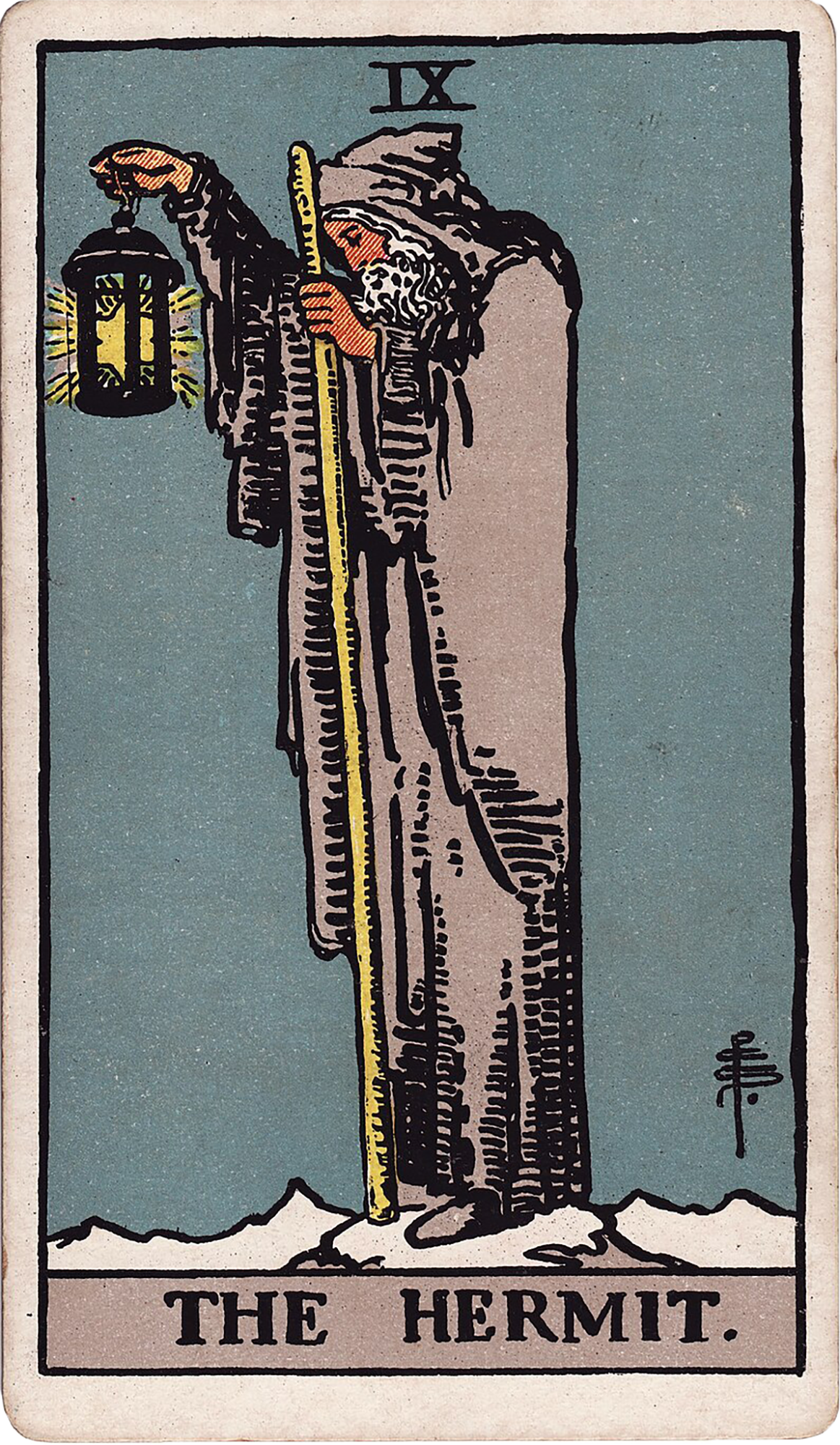
The Hermit is a powerful Major Arcana card traditionally portraying an old sage standing alone on a mountaintop, holding a lantern that illuminates the path ahead. This classic Rider-Waite-Smith image visually embodies the card’s central themes: solitude, inner guidance, and deliberate reflection. Upright, The Hermit encourages the seeker to step back from external noise and distractions to seek deeper clarity and insight. The lantern symbolizes the light of wisdom that comes from within, suggesting that answers are found not from others but through introspective contemplation. Reversed, the card’s meaning shifts, often highlighting the pitfalls of excessive withdrawal, isolation, or avoidance of interaction needed for growth. The Hermit’s imagery thus invites readers to balance solitude with engagement, ensuring reflection remains constructive rather than escapist.
The Hermit in Love Contexts
When The Hermit appears in a love reading, the card invites careful reflection on the state of relationships or one’s inner emotional landscape. Upright, it may suggest a period of deliberate solitude to understand personal needs, boundaries, and desires before committing or reconnecting with others. The figure’s upward gaze and lantern imply searching for authentic connection beyond superficial attraction. This is a time to cultivate deeper self-awareness, which ultimately strengthens relational honesty and intimacy. Conversely, the reversed Hermit can indicate loneliness, emotional withdrawal, or avoidance of vulnerability. It might reveal that one partner is emotionally distant or that the querent is using isolation to escape necessary conversations or healing. The key question is whether solitude is a healing space or a barrier to connection.
Interpreting The Hermit in Career and Work
In career readings, The Hermit encourages introspection about professional goals and the environment. Upright, it suggests a moment to pause and evaluate whether current efforts align with long-term purpose. The lantern’s glow points to the value of inner wisdom over external approval or busywork. Practically, this could mean taking time for skill development, strategic planning, or stepping back from workplace distractions. The Hermit asks readers to engage consciously with what is visible now rather than waiting for perfect conditions. Reversed, the card may reflect workplace isolation, burnout, or reluctance to seek needed support. It can signal excessive analysis leading to indecision or withdrawal from collaborative efforts, hindering progress. Recognizing these patterns allows the querent to shift toward constructive engagement rather than avoidance.
The Hermit and Financial Situations
When consulted about finances, The Hermit advises thoughtful management and cautious planning rather than impulsive actions. Upright, it highlights working within one’s current means and gaining clarity about spending, saving, or investment priorities. The card’s light symbolizes careful examination of financial realities and values, reinforcing that insight is more valuable than rushing. This encourages measured steps that reflect a deeper understanding of one’s financial landscape. The reversed Hermit warns against isolation around money matters—perhaps hiding financial troubles or avoiding essential decisions. It may also suggest overthinking finances to the point of paralysis, missing opportunities to act. The card invites a balanced approach: honest reflection paired with deliberate, well-informed choices.
Advisory Role of The Hermit in Readings
As an advice card, The Hermit urges the querent to embrace patience, solitude, and self-honesty. Upright, it represents the strength found in withdrawing temporarily to gain perspective and clarity. This does not mean escapism but rather intentional reflection to identify the next appropriate step. Given the lantern’s symbolism, the advice is to seek one’s own inner light rather than relying on external validation. In practice, this might mean journaling, meditation, or quiet contemplation before making decisions. When reversed, the advice warns against excessive isolation or avoidance. It suggests that withdrawal may have become a block rather than a resource. In these cases, the querent is encouraged to gently re-engage with reality and seek balance between solitude and participation.
The Hermit as a Challenge Card
When The Hermit appears as a challenge, it signals difficulty in finding clarity or the temptation to retreat excessively. Upright, the challenge may be the courage required to face uncomfortable truths alone or to set effective boundaries despite external pressures. The image of the Hermit standing alone on a peak reminds the reader that growth often involves solitary effort, which can feel isolating. The challenge is to maintain faith in the process. Reversed, the challenge intensifies as the querent may struggle with loneliness, avoidance, or distorted self-analysis. This can manifest as overthinking without action or using solitude to escape accountability. Recognizing these distortions is crucial to overcoming the challenge and restoring productive reflection.
The Hermit Representing a Person or Personality
When The Hermit describes a person, it often points to someone introspective, wise, and independent—one who values solitude and thoughtful reflection. This individual may be a mentor, counselor, or guide figure who helps others find their own light. Upright, such a person is grounded and balanced, comfortable in their own company and able to offer measured advice. Their presence encourages calm and clarity. Reversed, the personality may show traits of withdrawal, social isolation, or emotional distance. They might struggle to connect or be perceived as aloof or overly critical. Understanding which aspect of The Hermit is active can guide how to interact with or learn from this person.
Outcome and Spiritual Reflection Dimensions
As an outcome card, The Hermit suggests that the situation will culminate in greater self-awareness and insight, although not necessarily in immediate resolution or ease. Upright, it promises wisdom gained through patient solitude and conscious engagement with the present moment. The journey may be slow, but it leads to meaningful growth. Reversed, the outcome warns of possible stagnation caused by unresolved inner conflicts or avoidance. It encourages ongoing self-examination and willingness to confront discomfort. Spiritually, The Hermit invites the seeker to honor the sacredness of solitude as a path toward enlightenment. The lantern symbolizes the inner divine spark, reminding readers that true guidance comes from within. The card is a call to cultivate stillness and listen deeply to the soul’s voice.
Practical Techniques for Reading The Hermit
To effectively interpret The Hermit, start by examining the card’s key symbols: the lantern, the staff, the mountaintop, and the Hermit’s posture. The lantern’s light is central—it symbolizes conscious awareness, clarity, and guidance. The staff suggests support and balance during solitary journeys. The mountaintop represents the elevated perspective gained through reflection. In readings, consider the card’s position and surrounding cards to determine whether the Hermit’s energy is constructive or blocked. Ask probing questions: What requires deeper honesty here? Where might slowing down reveal overlooked details? Is solitude being used as a tool or a refuge? Avoid the common mistake of assuming The Hermit denotes mere loneliness or passivity. Instead, emphasize its active, intentional dimension of seeking truth with patience. Use journaling or meditation prompts based on The Hermit’s lessons to deepen client or personal insight.
Common Mistakes and Interpretation Pitfalls
One frequent error is equating The Hermit solely with loneliness or social rejection. While isolation can be a theme, the card’s core message is about purposeful solitude and inner wisdom. Another pitfall is ignoring the reversal’s nuanced message — it is not simply 'bad' but signals where the Hermit’s qualities are distorted or obstructed. Overlooking context can lead to misinterpretation; The Hermit in a love reading differs in focus from a career or spiritual context even though the core themes of reflection apply across. Additionally, readers sometimes expect immediate answers when The Hermit invites patience and gradual insight. Embracing the card’s pace and encouraging clients to engage actively with their inner process leads to richer readings.
Practice questions
• Where in my life am I currently called to step back and reflect more deeply?
• Am I using solitude as a constructive space for growth or as a way to avoid necessary challenges?
• What inner truths might I discover if I embrace patience and deliberate honesty right now?
• How can I balance my need for solitude with healthy engagement in relationships and responsibilities?
• In what ways might my current challenges be an invitation to develop greater wisdom and perspective?
Comments
Sign in to comment.
Continue learning
Interpreting the Dance of Justice and The Devil: Balancing Morality and Temptation in Tarot Readings
The combination of Justice and The Devil in tarot presents a profound exploration of morality, temptation, and personal accountability. This article unpacks how these cards influen...
Advanced Techniques for Combining The Moon and The Star to Enhance Intuition in Tarot Readings
This article explores advanced techniques to combine the symbolism and energy of The Moon and The Star Tarot cards to enhance intuition during Tarot readings. Drawing from traditio...
Unlocking Life Insights with the Celtic Cross Tarot Spread
This article offers a thorough exploration of the Celtic Cross Tarot Spread, focusing on its application within family and practical life contexts. Using a worked example featuring...
Unlocking Hidden Meanings with The Hermit and The Hanged Man for Spiritual Growth
This article offers an in-depth exploration of The Hermit and The Hanged Man Tarot cards focusing on their roles in spiritual growth. It guides readers through beginner and advance...
Unlocking Personal Insight with the Seven Card Horseshoe Spread
The Seven Card Horseshoe Spread is a practical and insightful Tarot layout ideal for exploring personal and family dynamics. This article breaks down each position—Past, Present, H...
Mastering the Court Cards of Wands for Unlocking Personal Drive and Leadership
The Court Cards of Wands represent a dynamic spectrum of personal energy, ambition, and leadership potential within the Minor Arcana. This article offers a comprehensive exploratio...
Tracing the Origins and Evolution of The Fool Card in Tarot History
The Fool card holds a foundational place in tarot tradition, symbolizing beginnings, openness, and the embrace of uncertainty. This article traces its origins from early European d...
Techniques for Reading Court Cards to Unlock Personality Insights
Court cards in Tarot often represent people, personality traits, or energy patterns within a situation. This article offers a structured approach for beginners and advanced readers...
Unlocking Emotional Transformation with Death and The Moon Tarot Combination
This article explores the rich and complex interaction between the Death and The Moon tarot cards within the Rider-Waite-Smith tradition, focusing on their combined potential to un...
Applying The Star Card to Foster Hope and Renewal in Personal Growth
The Star card in Tarot symbolizes hope, authenticity, and the process of steady renewal. In a single-card reading, The Star encourages embracing what is present, cultivating openne...