
Understanding the Many Facets of The Chariot for Personal Willpower Career and Relationship Growth
The Chariot card stands as a powerful emblem of focused willpower, disciplined determination, and the harmonizing of opposing forces. This article examines how The Chariot’s meanings shift and deepen when applied to different life areas including personal growth, career advancement, romantic relationships, financial matters, and spiritual reflection. Using the Rider-Waite-Smith imagery as an interpretive anchor, readers will learn how to navigate upright and reversed positions, identify common pitfalls, and apply practical methods for insightful single-card readings. This approach equips learners to unlock The Chariot’s lessons on direction, boundaries, and deliberate movement towards goals.
Cards explored in this article
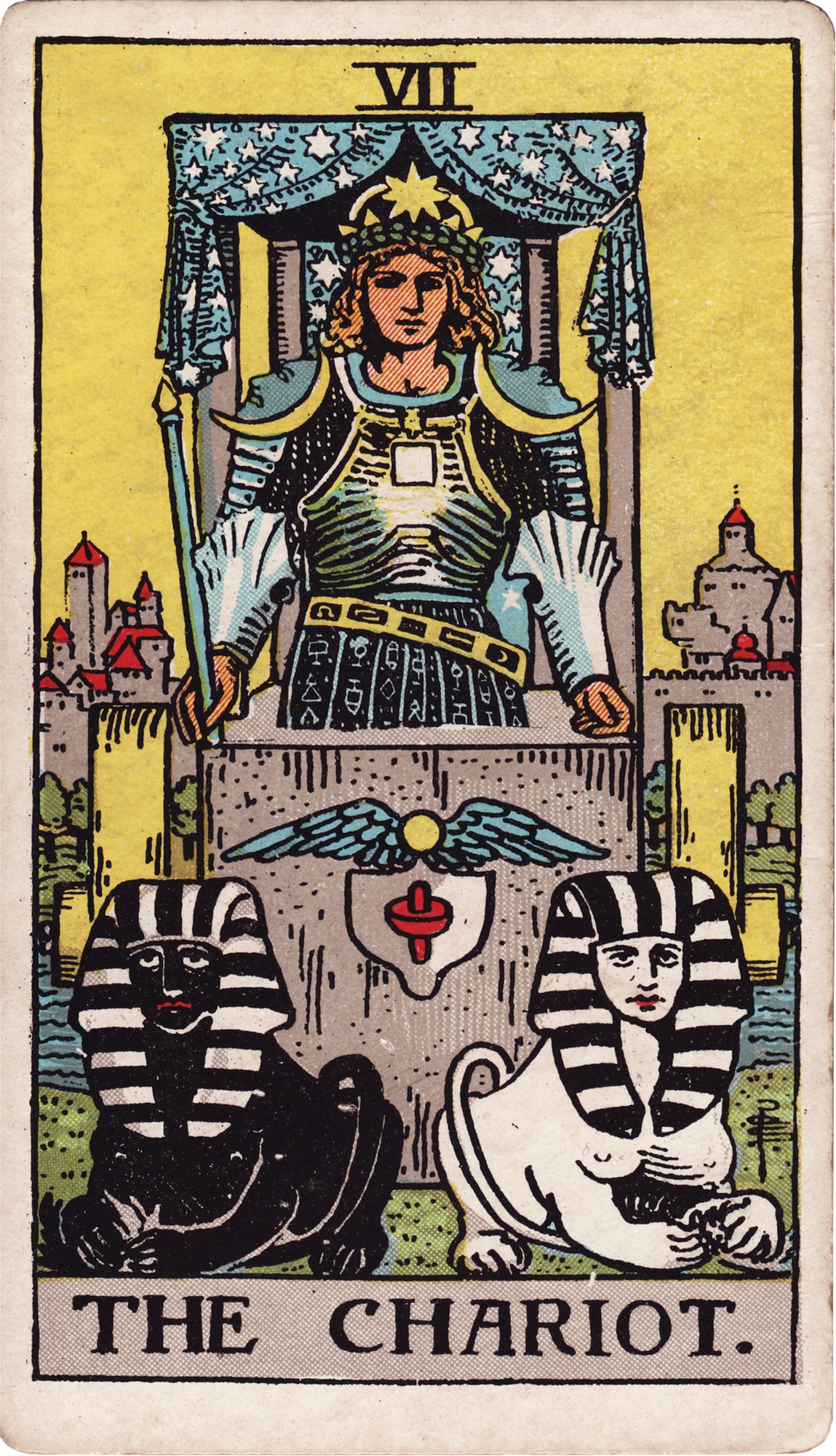 The Chariot
Introduction to The Chariot’s Symbolism and Core Meaning
The Chariot is traditionally depicted as a strong figure steering a chariot led by two sphinxes or horses, typically one black and one white, symbolizing opposing forces or impulses. The driver wears armor and a laurel crown, representing victory and protection. This imagery conveys the essence of The Chariot: the mastery of conflicting energies through focused will and disciplined control. Upright, it signals choosing a clear direction and harnessing inner and outer forces with determination. The card does not promise smoothness but encourages the reader to engage consciously with the present reality, setting clearer boundaries, or making deliberate choices that move life forward. In reversed position, The Chariot warns of scattered efforts, loss of direction, or internal conflicts that hinder progress. It may also mark a psychological turning point or a need for realignment rather than outright failure.
The Chariot in Personal Willpower and Self-Growth
When The Chariot appears in a personal development context, it highlights the necessity of aligning one’s inner impulses and external actions. The upright card encourages you to recognize where you can assert control, set clearer boundaries, or choose a path with intention rather than reacting to circumstances. The symbolism of the two sphinxes underscores the challenge of balancing conflicting desires or motivations. For example, a person struggling between comfort and ambition might find The Chariot urging them to deliberately engage their determination and discipline to move forward. In reversed form, The Chariot can indicate internal confusion or over-aggression with oneself. Instead of harmonizing, energies pull in different directions, causing frustration or burnout. The reversed card invites reflection on where personal willpower might be misdirected, too forceful, or simply blocked by unresolved internal conflicts. Practitioners should consider this a time for recalibration rather than immediate action.
Interpreting The Chariot in Career and Professional Life
In career readings, The Chariot signals a moment when clear direction and disciplined effort are crucial. The upright card suggests that although the path may not be easy, success depends on harnessing competing demands—such as creative ideas versus practical constraints—into a unified forward movement. The figure’s armor and crown hint at achieving victory through persistence and strategic control. The Chariot encourages working with present resources, recognizing the visible aspects of the situation, and choosing the next step deliberately rather than waiting for perfect conditions. Reversed, The Chariot may point to scattered energies, impulsive decisions, or frustration stemming from a lack of control or clear goals. It can suggest that inner conflicts about career direction are interfering with progress. Rather than forcing outcomes, readers should advise clients to pause and reflect on internal motivations and external pressures. Neighboring cards can clarify if this is temporary resistance or a sign to rethink the approach.
Applying The Chariot to Relationship and Love Contexts
When The Chariot appears in a love or relationship reading, it often represents control, direction, and the need for honest communication and boundaries. Upright, it may indicate a relationship moving forward through mutual effort, where both partners consciously choose a direction together despite challenges. The card’s imagery of steering opposing forces suggests balancing individual needs and shared goals. It asks where clearer honesty or more deliberate choices could advance the partnership. In reversed position, The Chariot can highlight conflicts about control, misaligned desires, or attempts to force progress prematurely. It might reflect a loss of relationship direction or internal struggles within one partner about commitment or emotional boundaries. This reversal invites a pause to resolve underlying tensions before proceeding. It also suggests exploring more private psychological dynamics that affect the relationship’s momentum.
Understanding The Chariot in Financial and Material Matters
In the context of money and finances, The Chariot calls for a disciplined, strategic approach. Upright, it highlights the importance of working with available resources, making clear decisions, and moving forward with determination despite uncertainty. The symbolism of controlled chariot movement reminds the reader that financial success often comes from balancing opposing impulses such as spending versus saving or risk versus caution. If reversed, The Chariot warns of impulsive financial behavior, scattered efforts, or attempts to push outcomes prematurely. It suggests checking where financial decisions may be driven by unresolved internal conflicts, unrealistic expectations, or forceful approaches that backfire. The reversed card encourages regaining control through reflection, reestablishing boundaries, and adopting a more measured, patient strategy.
The Chariot as Advice Challenge and Outcome Card
When The Chariot emerges as advice, it urges the querent to take conscious control of their circumstances, align conflicting motivations, and choose a deliberate direction even if the path is challenging. It encourages clarity in boundaries, deeper honesty, and purposeful action. The reader can highlight the card’s lesson by inviting the querent to identify the next proportionate step they can take now, making use of the visible situation. As a challenge card, The Chariot may reveal struggles with direction, control, or balancing competing demands. The challenge lies in mastering impulses without forcing outcomes prematurely or losing focus. It can also signal the difficulty of maintaining discipline over time. When The Chariot appears as an outcome, it often suggests victory through persistence and willpower. However, success is not guaranteed to be easy or immediate; rather, the outcome is shaped by how well the querent integrates the card’s energy—focused determination and harmonizing inner tensions—into their actions.
Person and Spiritual Reflection Perspectives on The Chariot
In the person context, The Chariot may represent someone who embodies discipline, willpower, and control, often a leader or someone determined to overcome obstacles. This person balances opposing forces within themselves or their environment and pushes forward with confidence. Observing The Chariot figure’s posture and armor can give clues about their readiness to face conflict and maintain direction. Spiritually, The Chariot invites reflection on the mastery of dualities within oneself—the light and dark, conscious and unconscious impulses—and the quest for higher will aligned with purposeful action. It asks the seeker to consider where their spiritual journey requires more deliberate choice and integration rather than passive waiting. Reversed, the spiritual meaning can point to inner conflicts or resistance to growth that must be acknowledged and healed.
Practical Reading Techniques and Common Interpretation Mistakes
When reading The Chariot, it is vital to ground interpretation in the card’s imagery: the charioteer’s focused gaze, the black and white sphinxes or horses, the armor, and the laurel wreath. These elements symbolize control, opposing forces, protection, and victory. Readers should ask: What opposing energies are present and how can they be aligned? What direction is currently visible? A common mistake is to presume The Chariot guarantees smooth progress or instant success. Instead, it emphasizes disciplined effort and conscious choices even when the path is challenging. Another pitfall is to interpret the reversed card as purely negative. Reversal often signals internal psychological processes, delays, or imbalances rather than catastrophe. In single-card readings, context and question framing are critical. Encourage clients to consider where they can take the next deliberate step and how they might harmonize conflicting impulses in the situation. Use the upright/reversed distinction to explore whether the energy is accessible or blocked. This nuanced approach leads to richer, more actionable insights.
Conclusion and Integrative Insights
The Chariot’s many facets reveal a complex card rich in symbolism and practical guidance. Its core themes of willpower, direction, and balancing opposing forces resonate across personal development, career, relationships, finance, advice, challenge, and spiritual growth. By anchoring interpretation in the Rider-Waite-Smith imagery and asking pointed questions about control, boundaries, and deliberate choice, readers can access The Chariot’s constructive energies even in difficult situations. Whether upright or reversed, The Chariot invites us to engage actively with the present moment, identify the next proportional step, and align our internal and external worlds. This holistic understanding empowers learners to use The Chariot not as a fixed prediction but as a dynamic symbol of personal empowerment and growth.
Practice questions
• Where in my life am I currently experiencing conflicting impulses that need alignment?
• What deliberate choice or clearer boundary could help me move forward in my career or relationships?
• How do I typically react when faced with challenges—do I force outcomes or pause for recalibration?
• In what ways can I harness my willpower more effectively without exhausting myself?
• What does the imagery of The Chariot’s sphinxes or horses symbolize about my current situation?
• How might the reversed position of The Chariot reflect internal blocks I need to address?
• What next small step can I take today that embodies The Chariot’s lesson of conscious movement?
Comments
Sign in to comment.
Continue learning
Interpreting the Dance of Justice and The Devil: Balancing Morality and Temptation in Tarot Readings
The combination of Justice and The Devil in tarot presents a profound exploration of morality, temptation, and personal accountability. This article unpacks how these cards influen...
Advanced Techniques for Combining The Moon and The Star to Enhance Intuition in Tarot Readings
This article explores advanced techniques to combine the symbolism and energy of The Moon and The Star Tarot cards to enhance intuition during Tarot readings. Drawing from traditio...
Unlocking Life Insights with the Celtic Cross Tarot Spread
This article offers a thorough exploration of the Celtic Cross Tarot Spread, focusing on its application within family and practical life contexts. Using a worked example featuring...
Unlocking Hidden Meanings with The Hermit and The Hanged Man for Spiritual Growth
This article offers an in-depth exploration of The Hermit and The Hanged Man Tarot cards focusing on their roles in spiritual growth. It guides readers through beginner and advance...
Unlocking Personal Insight with the Seven Card Horseshoe Spread
The Seven Card Horseshoe Spread is a practical and insightful Tarot layout ideal for exploring personal and family dynamics. This article breaks down each position—Past, Present, H...
Mastering the Court Cards of Wands for Unlocking Personal Drive and Leadership
The Court Cards of Wands represent a dynamic spectrum of personal energy, ambition, and leadership potential within the Minor Arcana. This article offers a comprehensive exploratio...
Tracing the Origins and Evolution of The Fool Card in Tarot History
The Fool card holds a foundational place in tarot tradition, symbolizing beginnings, openness, and the embrace of uncertainty. This article traces its origins from early European d...
Techniques for Reading Court Cards to Unlock Personality Insights
Court cards in Tarot often represent people, personality traits, or energy patterns within a situation. This article offers a structured approach for beginners and advanced readers...
Unlocking Emotional Transformation with Death and The Moon Tarot Combination
This article explores the rich and complex interaction between the Death and The Moon tarot cards within the Rider-Waite-Smith tradition, focusing on their combined potential to un...
Applying The Star Card to Foster Hope and Renewal in Personal Growth
The Star card in Tarot symbolizes hope, authenticity, and the process of steady renewal. In a single-card reading, The Star encourages embracing what is present, cultivating openne...