
Understanding the Roles and Impact of the Court Cards in the Suit of Pentacles
The Court Cards in the Suit of Pentacles represent key stages and archetypes in managing material resources, personal growth, and practical responsibilities. This article examines the Page, Knight, Queen, and King of Pentacles as distinct yet interconnected energies that illuminate lessons about work, money, health, routine, and long-term stability. By grounding interpretation in the Rider-Waite-Smith symbolism and the supplied card meanings, readers develop a nuanced understanding of how these cards function in readings. Emphasis is placed on interpreting upright and reversed positions, recognizing common pitfalls, and applying practical techniques to integrate their guidance into everyday life.
Cards explored in this article
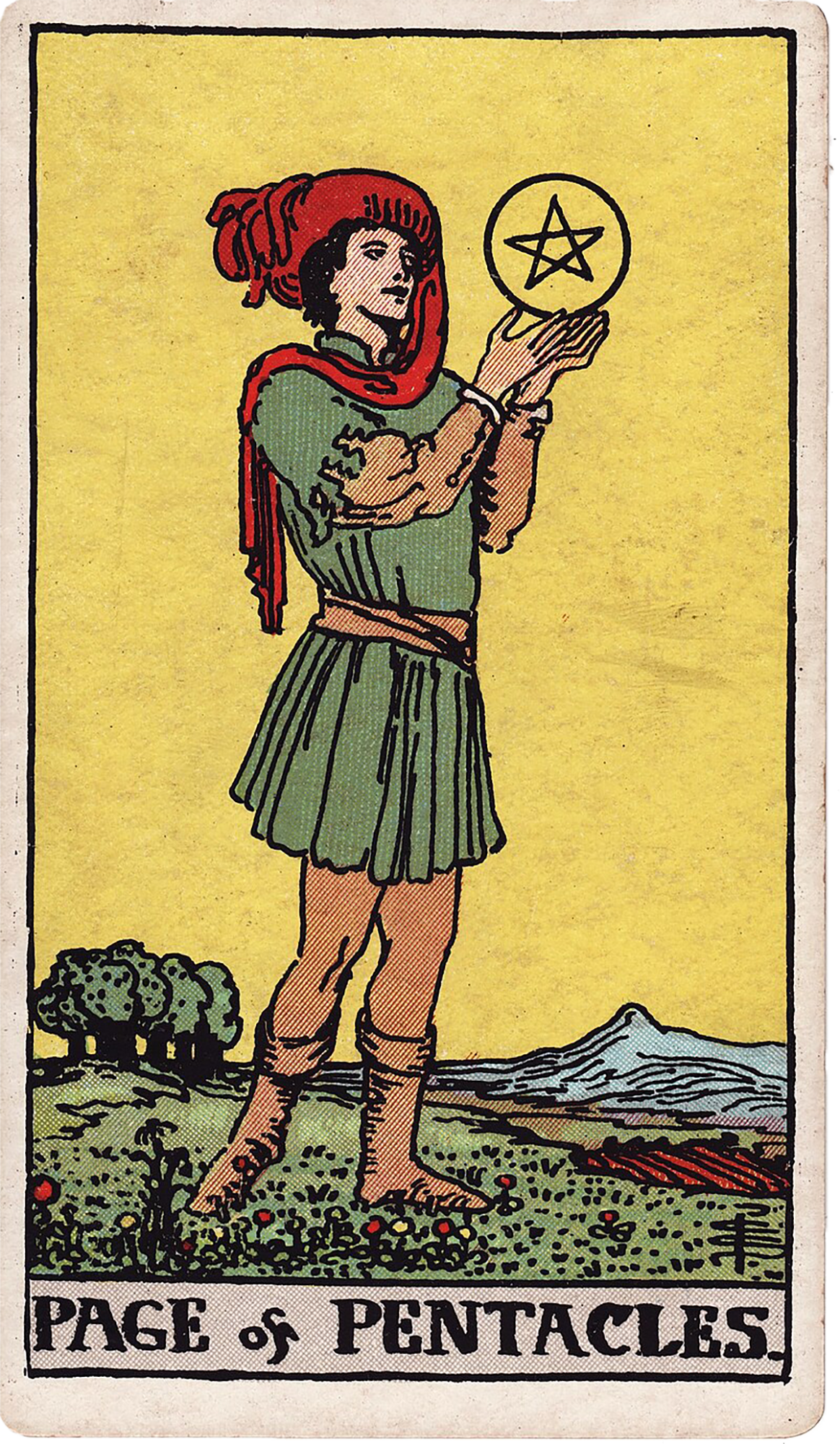 Page of Pentacles
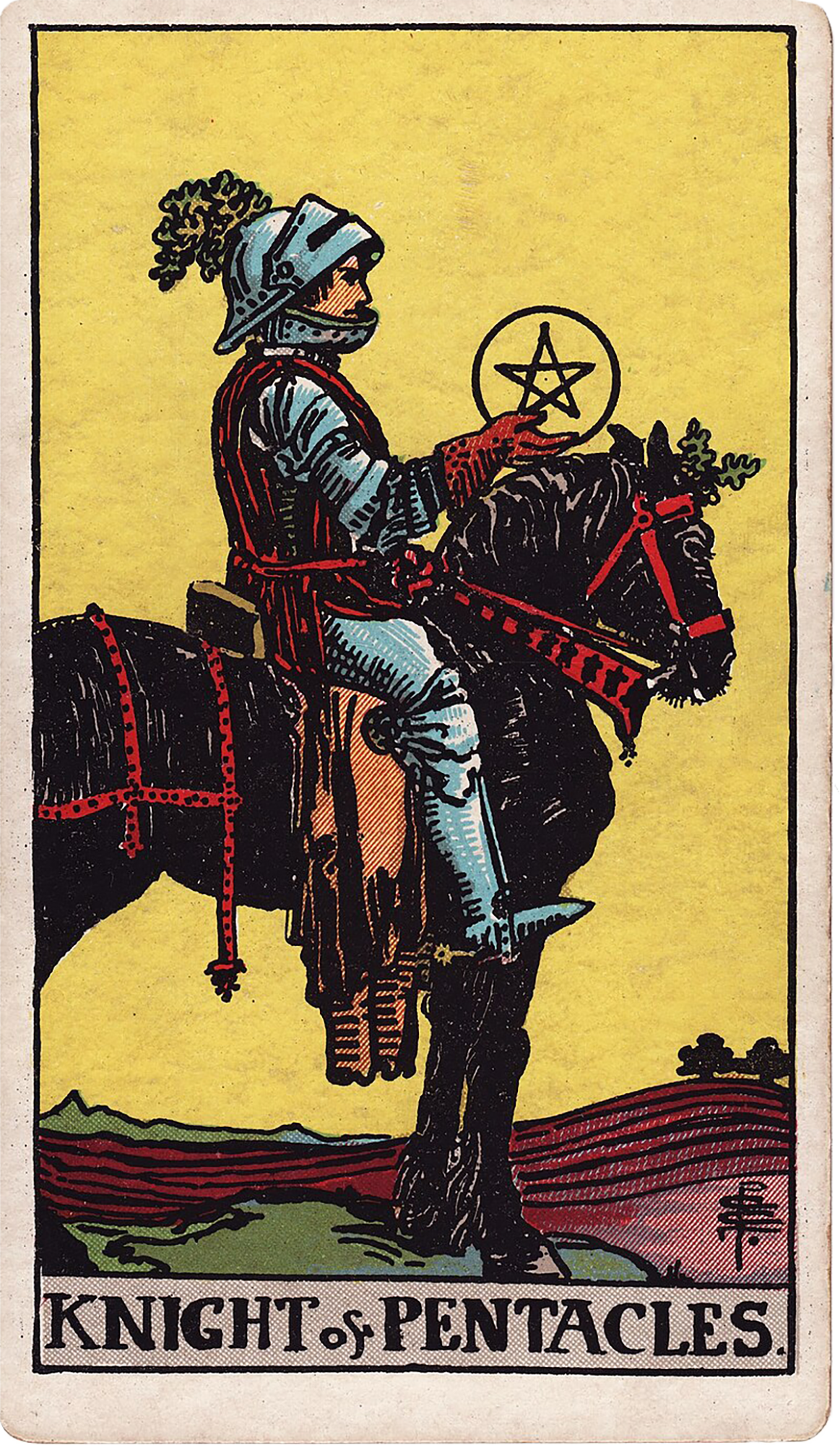 Knight of Pentacles
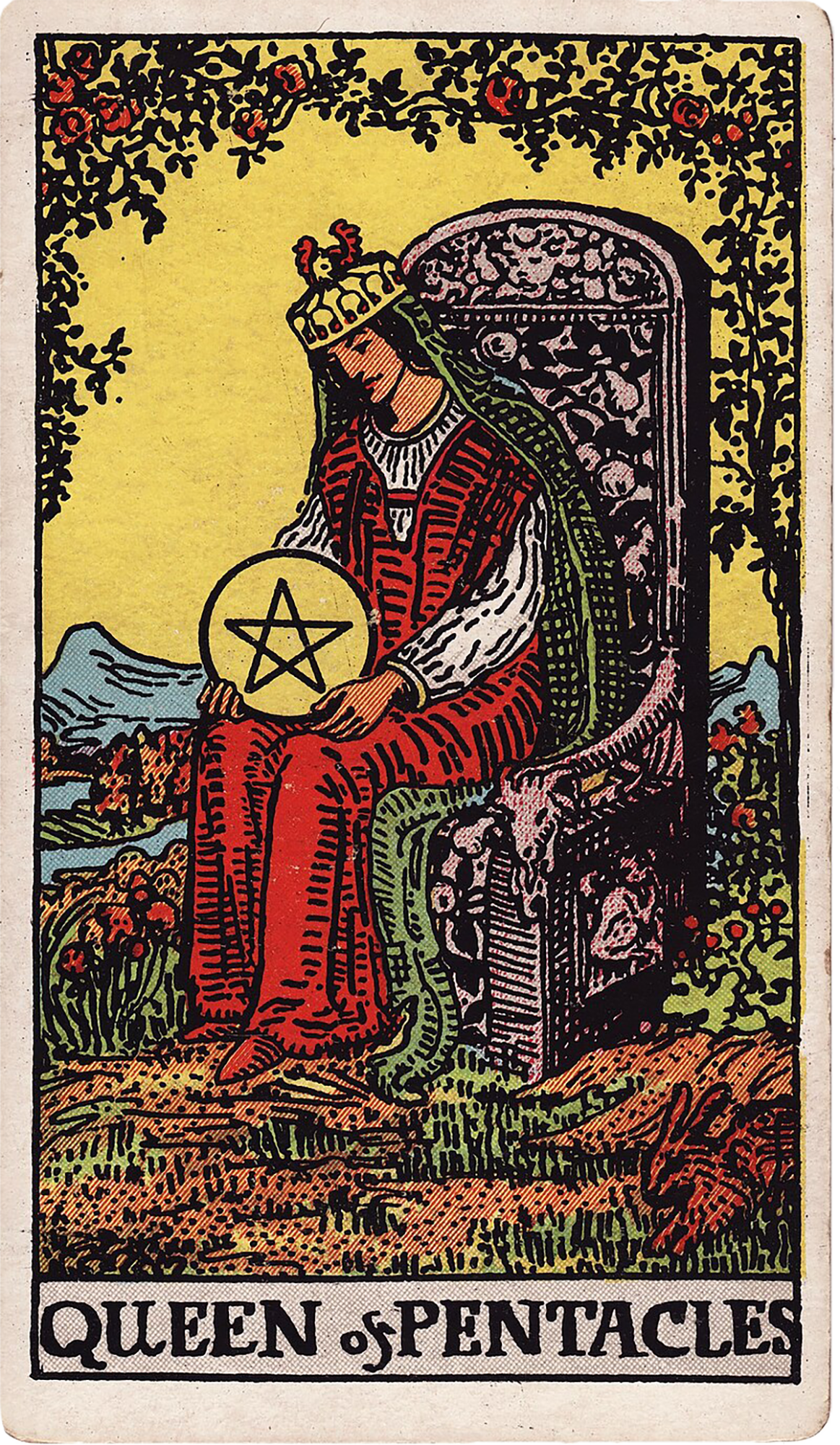 Queen of Pentacles
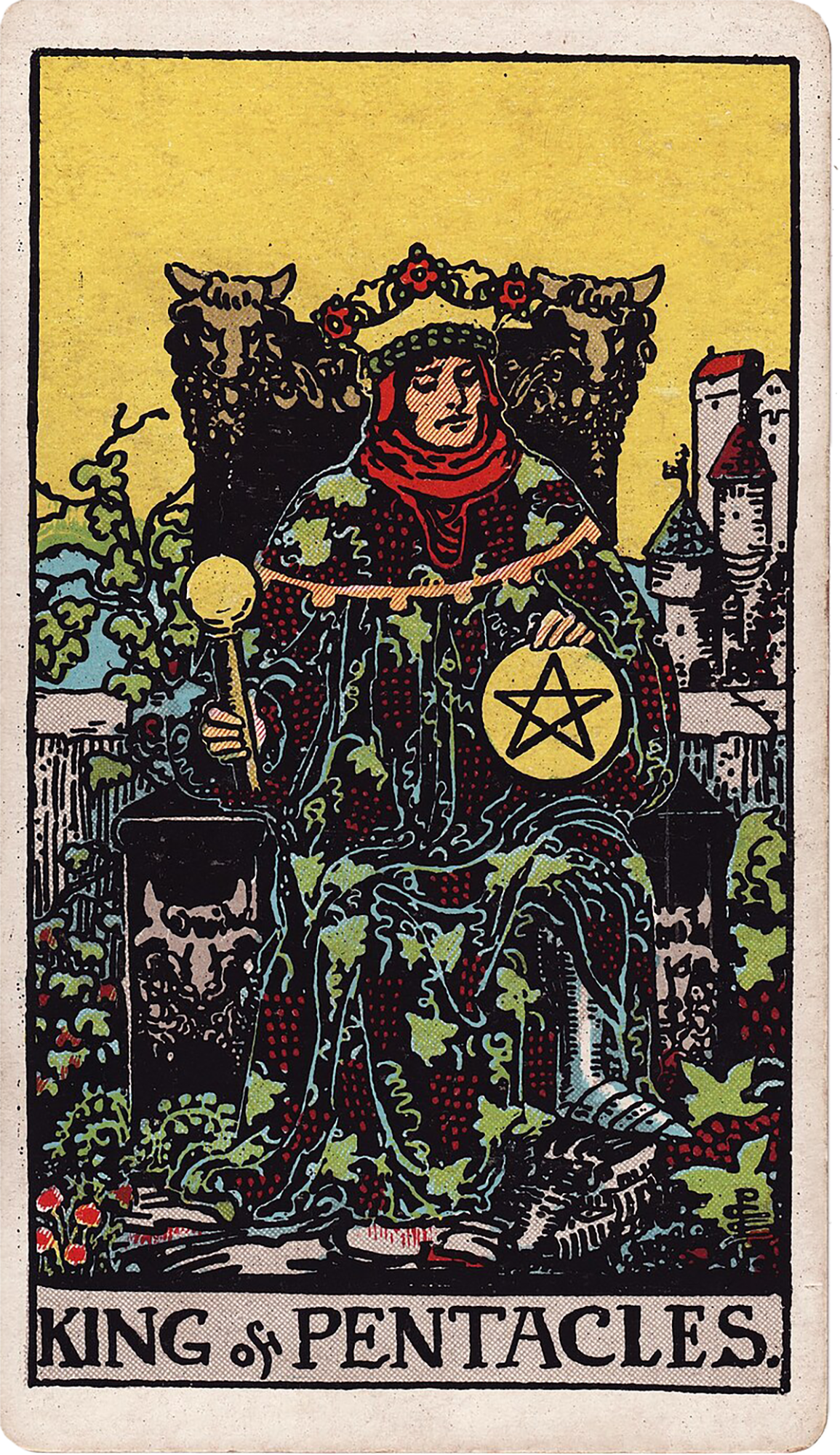 King of Pentacles
Introduction to the Suit of Pentacles and Court Cards
The Suit of Pentacles in the Minor Arcana traditionally symbolizes the material world — encompassing wealth, work, health, routine, and physical resources. Its court cards, namely the Page, Knight, Queen, and King of Pentacles, personify evolving archetypes that help us understand different stages of engagement with practical life. Unlike numbered cards that often describe situations or energies, court cards frequently embody characters or attitudes that influence or reflect how one approaches tangible realities. This article will explore these four court cards, drawing on the Rider-Waite-Smith symbolism and the detailed descriptions provided. Using these cards as visual and interpretative anchors, we will unpack their roles, identify lessons they offer, and reflect on their impact when they appear in readings.
The Page of Pentacles as the Embodiment of Beginner Energy and Practical Learning
The Page of Pentacles is the youthful, inquisitive figure who represents new beginnings in the material realm. In Rider-Waite-Smith imagery, the Page holds a single pentacle, gazing at it attentively, which symbolizes focused learning, curiosity, and the seed of a practical skill or opportunity. Upright, this card urges the querent to engage with real, tangible tasks: starting a plan, learning a craft, or taking a material opportunity seriously. It highlights studying, discipline, and laying groundwork with realistic expectations. In reversed position, as described, the Page warns about procrastination, poor study habits, and unfocused or unrealistic plans. The reversal invites readers to examine where efforts have stalled or become confused — is the querent intellectually understanding a lesson but failing to apply it? This internal blockage is crucial to notice, emphasizing the need to simplify, practice, or communicate more clearly before progress resumes. From a practical reading perspective, the Page of Pentacles often indicates a phase where potential is abundant but not yet fully realized. Readers should look around the card in the spread to see if the situation is just beginning, developing, or at a pressure point. Interpreting the Page requires a balance between encouraging learning and cautioning against inexperience or naivety.
Knight of Pentacles as the Steady Executor of Routine and Reliability
The Knight of Pentacles embodies a mature, methodical approach to material matters. In Rider-Waite-Smith imagery, the Knight sits firmly on a stationary horse, signifying slow but steady progress, reliability, and dedication to routine rather than impulsiveness. This card’s upright meaning revolves around perseverance, consistent effort, and practical problem-solving. Upright, the Knight of Pentacles encourages the querent to trust slow, methodical progress and to maintain discipline even when results seem gradual. This energy is about working within established routines to build long-term material stability and health. Reversed, the Knight warns of stagnation, stubbornness, or confusing slow movement for no progress. It may signal workaholism or burnout and invites a critical look at where persistence becomes rigidity or where action is lacking despite effort. As with the Page, the reversal asks readers to identify blockages — perhaps the routine is no longer serving growth and needs reassessment. For practical readings, the Knight of Pentacles suggests commitment to the mundane tasks that underpin success. When this card appears, it highlights the importance of patience, reliability, and incremental progress rather than dramatic leaps. An effective interpretation differentiates between healthy steadiness and unproductive inertia.
Queen of Pentacles as the Archetype of Practical Nurture and Competence
The Queen of Pentacles represents nurturing care combined with material competence. Rider-Waite-Smith imagery shows the Queen seated comfortably in a natural setting, holding a pentacle thoughtfully, merging care for home and resources with personal well-being. She symbolizes an ability to make resources genuinely support life rather than mere status or superficial wealth. Upright, this card highlights nurturance, practical responsibility, and competence in managing finances, health, and everyday resources. The Queen’s lesson is about balancing work, self-care, and care for others with grounded sensibility. Reversed, the Queen of Pentacles points toward challenges like overwork, self-neglect, financial anxiety, or controlling tendencies disguised as care. The reversal warns against defining self-worth solely by productivity or usefulness. Instead of seeing the reversal as oppositional, readers are encouraged to explore which aspects of nurturing or competence have become unbalanced or rigid. In readings, the Queen of Pentacles invites reflection on how care is given and received — is it empowering or enabling? It encourages cultivating a practical, compassionate relationship with material life and personal health.
King of Pentacles as the Symbol of Mature Stewardship and Stability
The King of Pentacles stands for mastery and stewardship of material resources. Rider-Waite-Smith depicts the King seated on a throne adorned with bulls, symbolizing strength, abundance, and business acumen. He embodies security, mature financial management, and a capacity to build stability not only for himself but for others. Upright, the King calls attention to wise investment of resources, leadership in business or personal affairs, and grounded competence. The card advises practical, responsible action that supports long-term growth and community well-being. When reversed, the King warns against greed, rigidity, misuse of power, or becoming so attached to security that growth is stifled. The reversal invites exploration of where excessive control or fear is blocking healthier development. As with all Pentacles court reversals, this is less about total failure and more about an internal stalemate needing conscious attention. In practice, the King of Pentacles encourages readers to assess how the querent handles power and responsibility. It suggests leadership, but also prudent stewardship that balances ambition with ethics and care.
Practical Techniques for Reading the Court Cards in the Suit of Pentacles
When interpreting the court cards of Pentacles, it is essential to consider their developmental progression: from the Page’s beginner energy, through the Knight’s steady routine, to the Queen’s nurturing competence, culminating in the King’s mature stewardship. This framework helps locate the querent’s current relationship with material resources and practical life. Use the Rider-Waite-Smith imagery as a visual guide: observe the posture, setting, and symbolic elements — such as the pentacle itself, animals, and environment — to deepen intuitive understanding. For example, the Page’s focused gaze on the pentacle reflects attentive learning, while the Knight’s stationary horse signals measured progress. Always contextualize the court cards within the surrounding spread. For instance, if the Page of Pentacles appears near cards indicating new projects, it reinforces a fresh start in a practical domain. If the Knight is reversed alongside cards suggesting burnout, it highlights unhealthy persistence. Avoid common mistakes like interpreting court cards purely as personality types or making definitive predictions. Instead, treat them as dynamic energies or lessons that the querent is embodying or needs to engage with. Remember that reversals are not simply opposites but nuanced states where energies may be stuck, excessive, or underdeveloped. Finally, integrate reflection questions (see below) to invite querents to consider their material habits, attitudes toward responsibility, and balance between work and care.
Common Mistakes and How to Avoid Them in Interpretation
One frequent error in reading the Pentacles court cards is reducing them to stereotypes—seeing the Page as just a 'young student' or the King as a 'rich businessman'—without appreciating their symbolic roles in material lessons. Instead, focus on the card’s message about stages of engagement with resources, skills, and responsibility. Another pitfall is treating reversals as simple negatives or failures. The supplied descriptions encourage readers to look for where energy is stuck or misapplied. This approach avoids fatalism and promotes actionable insights. Ignoring the context of the broader spread is common but detrimental. For example, the Queen of Pentacles upright can be nurturing and balanced, but paired with overly chaotic cards, it might signal enabling behaviors. Always synthesize the court card’s message with surrounding influences. Finally, overemphasizing abstract ideals instead of practical realities leads to misinterpretation. The Suit of Pentacles is inherently grounded; the court cards call for responses fitting the immediate stage and material conditions.
Reflection Questions to Deepen Understanding of Pentacles Court Cards
When the Page of Pentacles appears, ask: What new practical skill or opportunity am I ready to focus on? Where do I need to commit to learning or realistic planning? Facing the Knight of Pentacles, consider: How am I maintaining steady progress? Am I confusing slow but steady movement with stagnation? With the Queen of Pentacles, reflect: How do I balance caring for others and myself? Am I equating my worth too closely with productivity or usefulness? When the King of Pentacles shows up, ask: How am I stewarding my resources and responsibilities? Is my attachment to security preventing growth or generosity? Use these questions to engage the querent or yourself in meaningful self-inquiry that aligns with the cards’ practical lessons.
Practice questions
• What new practical skills or opportunities am I being invited to explore as suggested by the Page of Pentacles?
• In what areas of my life do I need to cultivate steady, reliable routines like the Knight of Pentacles?
• How can I nurture both my material resources and personal well-being with the balance exemplified by the Queen of Pentacles?
• Am I practicing mature stewardship of my resources, responsibilities, and power in the way the King of Pentacles advises?
• Where might my relationship to material stability be stuck, excessive, or underdeveloped as indicated by reversed Pentacles court cards?
Comments
Sign in to comment.
Continue learning
Interpreting the Dance of Justice and The Devil: Balancing Morality and Temptation in Tarot Readings
The combination of Justice and The Devil in tarot presents a profound exploration of morality, temptation, and personal accountability. This article unpacks how these cards influen...
Advanced Techniques for Combining The Moon and The Star to Enhance Intuition in Tarot Readings
This article explores advanced techniques to combine the symbolism and energy of The Moon and The Star Tarot cards to enhance intuition during Tarot readings. Drawing from traditio...
Unlocking Life Insights with the Celtic Cross Tarot Spread
This article offers a thorough exploration of the Celtic Cross Tarot Spread, focusing on its application within family and practical life contexts. Using a worked example featuring...
Unlocking Hidden Meanings with The Hermit and The Hanged Man for Spiritual Growth
This article offers an in-depth exploration of The Hermit and The Hanged Man Tarot cards focusing on their roles in spiritual growth. It guides readers through beginner and advance...
Unlocking Personal Insight with the Seven Card Horseshoe Spread
The Seven Card Horseshoe Spread is a practical and insightful Tarot layout ideal for exploring personal and family dynamics. This article breaks down each position—Past, Present, H...
Mastering the Court Cards of Wands for Unlocking Personal Drive and Leadership
The Court Cards of Wands represent a dynamic spectrum of personal energy, ambition, and leadership potential within the Minor Arcana. This article offers a comprehensive exploratio...
Tracing the Origins and Evolution of The Fool Card in Tarot History
The Fool card holds a foundational place in tarot tradition, symbolizing beginnings, openness, and the embrace of uncertainty. This article traces its origins from early European d...
Techniques for Reading Court Cards to Unlock Personality Insights
Court cards in Tarot often represent people, personality traits, or energy patterns within a situation. This article offers a structured approach for beginners and advanced readers...
Unlocking Emotional Transformation with Death and The Moon Tarot Combination
This article explores the rich and complex interaction between the Death and The Moon tarot cards within the Rider-Waite-Smith tradition, focusing on their combined potential to un...
Applying The Star Card to Foster Hope and Renewal in Personal Growth
The Star card in Tarot symbolizes hope, authenticity, and the process of steady renewal. In a single-card reading, The Star encourages embracing what is present, cultivating openne...