
Understanding the Roles and Personalities of the Page Knight Queen and King of Pentacles
This article delves into the distinct roles and personalities of the court cards in the Pentacles suit: the Page, Knight, Queen, and King. These cards represent stages of development and mastery over material and practical aspects of life such as work, health, resources, and stability. By examining their upright and reversed meanings, Rider-Waite-Smith symbolism, and practical reading techniques, learners gain a nuanced understanding of how these cards communicate constructive energies and challenges in tarot spreads.
Cards explored in this article
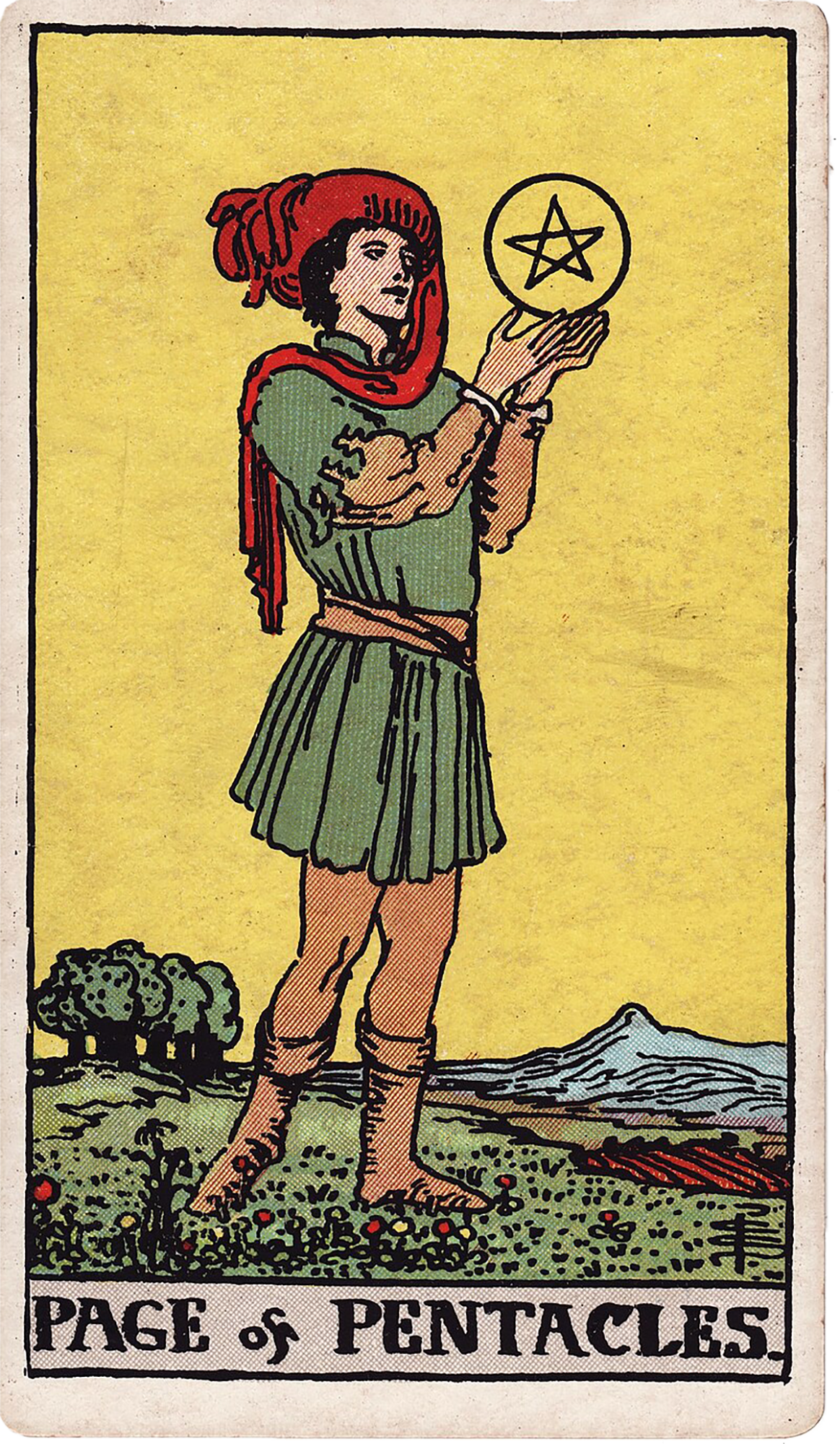 Page of Pentacles
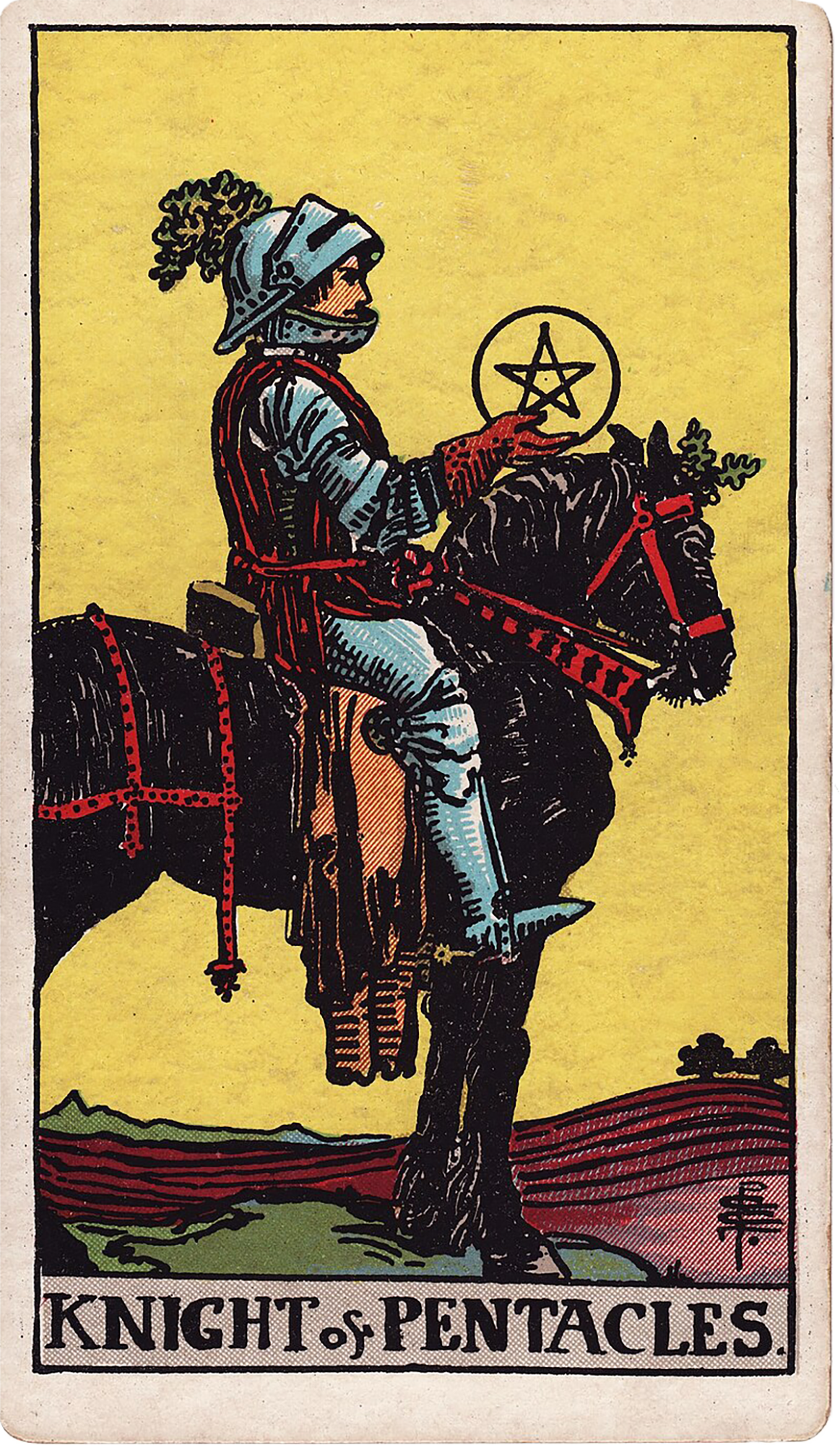 Knight of Pentacles
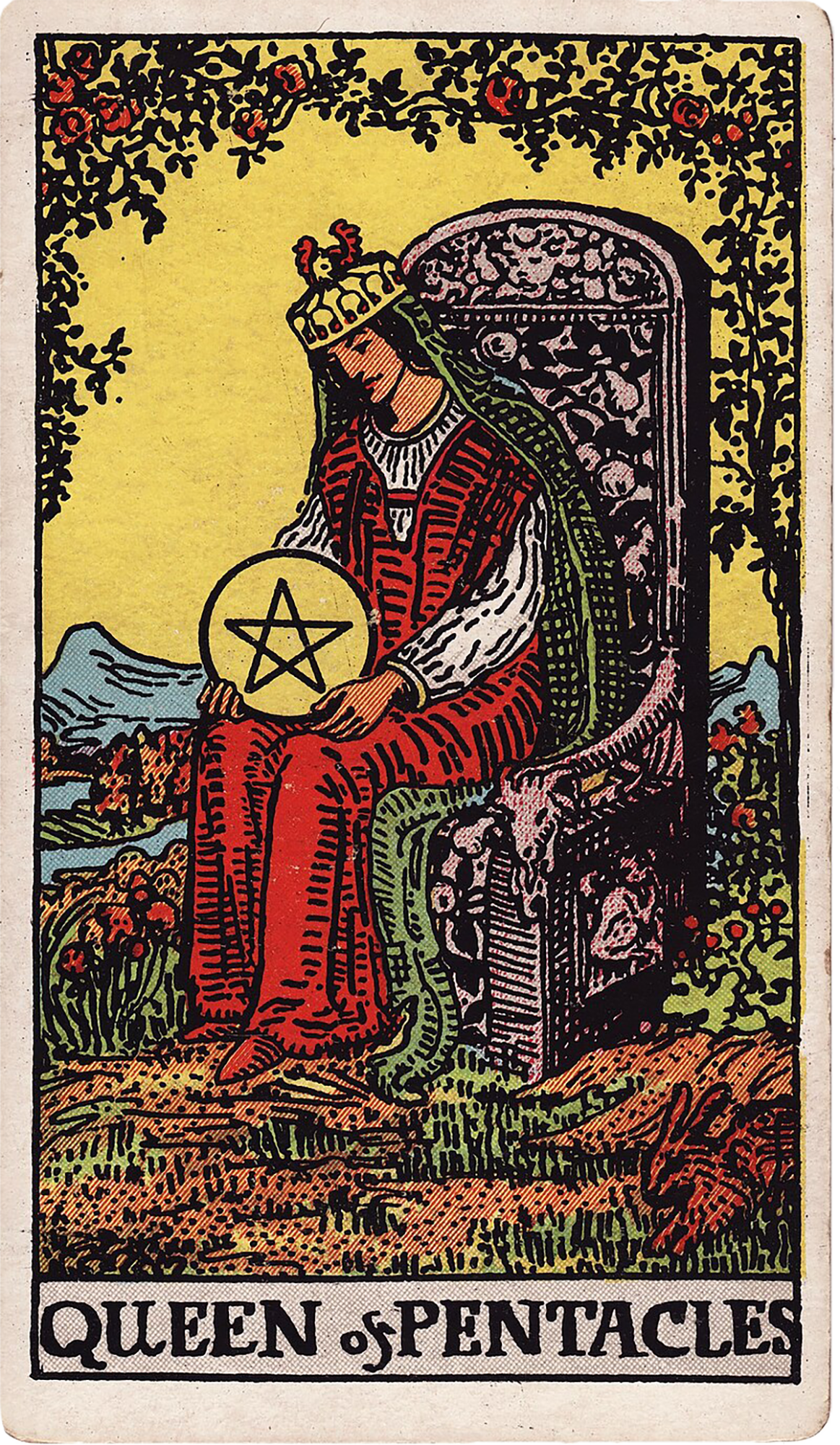 Queen of Pentacles
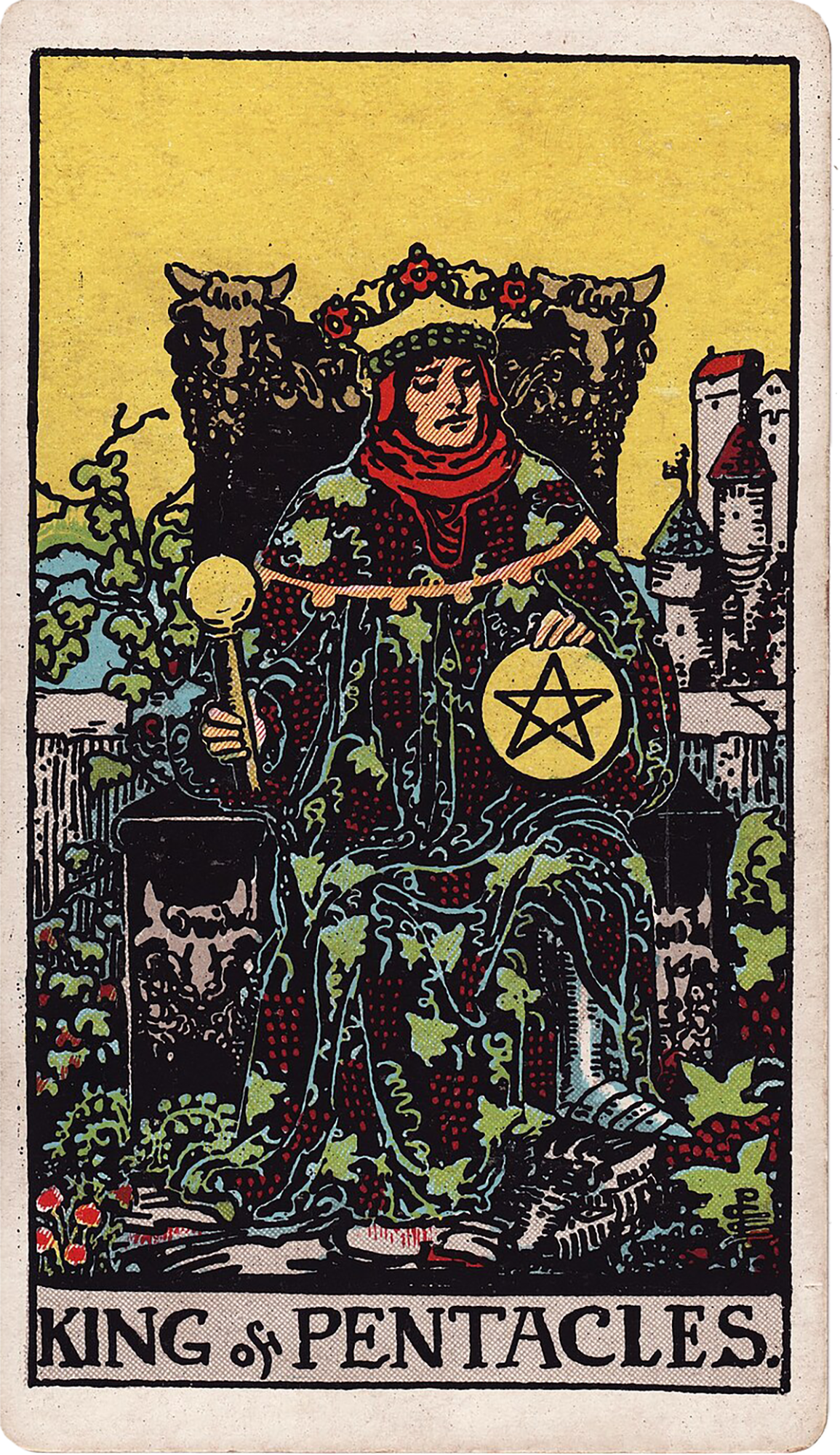 King of Pentacles
Introduction to the Pentacles Court Cards
The Pentacles suit in tarot centers on the material world: work, money, health, routines, and long-term stability. Within this suit, the court cards—the Page, Knight, Queen, and King—serve as archetypes describing personalities, attitudes, and stages of mastery over these themes. Unlike the numbered cards, which often depict processes or situations, court cards personify energies or people that influence a reading's material or practical aspects. This article focuses on the Page, Knight, Queen, and King of Pentacles, each carrying unique lessons around practical skill, reliability, nurture, and stewardship.
Page of Pentacles The Eager Learner and Practical Beginner
The Page of Pentacles is the youthful figure who symbolizes the spark of new beginnings in the material realm. Upright, this card highlights beginner energy focused on learning practical skills, initiating realistic plans, or taking on material opportunities with seriousness. The Rider-Waite-Smith image typically shows a young person gazing intently at a single pentacle, emphasizing concentration and potential. This card invites readers to consider where a constructive pattern of learning or resource management is emerging in a querent's life. Reversed, the Page of Pentacles points to procrastination, poor study habits, or lack of follow-through. It signals where the process of growth or development has stalled, perhaps due to internal resistance or unrealistic expectations. Key to interpreting the reversed Page is to ask what part of the learning curve requires simplification, acknowledgment, or renewed practice to restore momentum. Common mistakes with the Page include seeing it as merely a childlike or naive card, rather than appreciating its role in signaling the start of tangible, grounded action. Practically, when the Page appears, readers should anchor their interpretations in present-stage realities: is the querent ready to invest effort in skill-building or material stability?
Knight of Pentacles The Steady and Reliable Worker
The Knight of Pentacles represents steady progress, reliability, and methodical execution. Upright, this card reflects a personality that advances through routine and diligence rather than drama or rapid change. The Rider-Waite-Smith image often shows a knight mounted on a solid horse, holding a pentacle with calm determination, emphasizing persistence and careful management. This card's energy tends to support long-term projects and emphasizes the value of consistency over flashy efforts. It asks readers to recognize where slow but sure progress is happening, or where such an approach is required. When reversed, the Knight of Pentacles warns of stagnation, stubbornness, or confusing slow movement with actual lack of progress. It may also highlight workaholism or an overly rigid approach that stifles growth. The reversal invites reflection on where routines have become burdensome or counterproductive and what adjustments are necessary to regain flow. Readers often err by viewing the Knight as dull or uninteresting; instead, its strength lies in endurance and dependability, qualities vital in achieving material security. In practice, combining the Knight's meaning with surrounding cards helps clarify if the current pace is appropriate or needs recalibration.
Queen of Pentacles The Practical Nurturer and Competent Provider
The Queen of Pentacles embodies practical nurture, competence, and an ability to make resources support real-life needs rather than status or appearances alone. Upright, she represents a mature and grounded figure who balances care for others with self-sufficiency. In Rider-Waite-Smith imagery, the Queen is often seated comfortably with symbols of abundance and nature, such as a rabbit or flourishing greenery, highlighting fertility, health, and material comfort. This card encourages readers to see where practical care and resource management nurture stability and wellbeing. Reversed, the Queen raises concerns about overwork, self-neglect, financial anxiety, or controlling tendencies disguised as care. She may indicate measuring self-worth purely through productivity or usefulness, leading to burnout or imbalance. The reversal asks the reader to identify where nurturing has become conditional or where internal pressures undermine genuine wellbeing. A common interpretive pitfall is to oversimplify the Queen as just a maternal figure; she also shows competence in managing life's physical demands with wisdom and generosity. In readings, her appearance highlights the importance of practical support systems and the quality of care, both given and received.
King of Pentacles The Mature Steward and Builder of Stability
The King of Pentacles represents mature stewardship of resources, business competence, and the creation of lasting stability that supports not only oneself but others as well. Upright, he symbolizes authority grounded in experience, responsibility, and successful management of wealth or practical affairs. Rider-Waite-Smith iconography generally depicts the King seated on a throne decorated with bulls or vines, symbols of strength, fertility, and abundance. This card suggests a stage of mastery where material success has been achieved through steady effort and wise decisions. It invites reflection on how security can be maintained without sacrificing growth or generosity. Reversed, the King warns of greed, rigidity, obsession with status, or misuse of financial power. It may highlight becoming so attached to security that further development stops, or ethical lapses arise from fear or control. Interpretively, it is important not to reduce the King to mere wealth or power; he embodies responsible leadership and the challenge of balancing personal benefit with stewardship toward others. In readings, the King encourages examining how resources are managed and whether this management fosters true security or restricts potential.
Integrating the Pentacles Court Cards in Readings
When these four court cards appear in a spread, they often mark a progression or spectrum of material-related energies: from the nascent potential of the Page through the steady effort of the Knight, the nurturing competence of the Queen, and the mature leadership of the King. Readers should consider where the querent currently is on this path or which qualities they need to develop. A practical approach involves anchoring interpretations in the Rider-Waite-Smith imagery and the core Pentacles themes—work, money, health, routine, and resources. For instance, if the Page of Pentacles appears upright, look for where new practical learning or opportunity is emerging. If reversed, explore blockages in starting or committing to these efforts. Contextual cards are crucial: do the surrounding cards emphasize growth, pressure, or resolution? This helps discern if the card's energy is beginning, developing, or reaching a critical point. Common mistakes include treating court cards as fixed personalities or predicting specific people without considering symbolic roles. Instead, see them as dynamic energies or advice tailored to the querent’s stage of material development.
Techniques and Tips for Interpreting the Pentacles Court Cards
1. Observe the imagery in detail: The Rider-Waite-Smith illustrations provide rich symbolism such as the posture of the figure, the environment, and animal motifs. For example, the Page’s focused gaze at the pentacle indicates concentrated learning. 2. Consider upright and reversed meanings as part of a continuum rather than binary opposites. Reversed cards often signal where energy is stuck or needs recalibration, not just failure or negativity. 3. Relate the cards to the querent’s life stage and questions. The Knight’s slow but steady energy might be positive advice in a financial reading but could suggest stubbornness in a relationship context. 4. Use the suit’s elemental association (Earth) to ground interpretations in tangible, physical realities. 5. Avoid jumping to personal identification; instead, interpret court cards as roles, energies, or internal states unless the context clearly indicates an external person. 6. Practice by drawing simple spreads focusing on career, health, or finance and note how each court card’s message shifts depending on position and neighboring cards.
Examples of Interpretations in Readings
Example 1: A querent asks about starting a new career path. The upright Page of Pentacles appears along with cards indicating opportunity and growth. Interpretation: This suggests a promising beginning stage where hands-on learning and practical planning are key; the querent is encouraged to embrace study and skill development. Example 2: A reading about financial challenges includes the reversed Knight of Pentacles. Interpretation: This might point to stagnation or stubborn habits blocking progress. The querent may need to break routine or address burnout to regain forward momentum. Example 3: When a querent struggles with balancing family and work, the upright Queen of Pentacles shows up. Interpretation: This signals the importance of nurturing practical care for self and others, managing resources wisely to support wellbeing without self-sacrifice. Example 4: The King of Pentacles reversed appears in a business inquiry. Interpretation: Warning of potential greed, rigidity, or misuse of power. The querent should examine leadership style and financial ethics to ensure sustainable success.
Conclusion and Applied Wisdom
Understanding the Page, Knight, Queen, and King of Pentacles requires appreciating their roles as stages and personalities embodying practical mastery in the material realm. Their lessons center on how to begin, sustain, nurture, and steward resources and stability responsibly. By grounding interpretations in the Rider-Waite imagery, considering upright and reversed nuances, and applying careful context analysis, tarot readers can offer insightful guidance that supports real-world growth and balance. The Pentacles court cards remind learners that material realms require ongoing attention, practicality, and adaptability. Instead of abstract ideals, these cards invite engagement with concrete realities—work, health, money, and routine—and encourage evolving one’s relationship to these domains with responsibility and care.
Practice questions
• How does the Page of Pentacles encourage practical beginnings in your own life or a querent's situation?
• In what ways might the Knight of Pentacles’ steady approach be both a strength and a limitation?
• How can the nurturing qualities of the Queen of Pentacles be balanced to avoid self-neglect or control?
• What signs indicate that the King of Pentacles’ stewardship is becoming rigid or overly focused on security?
• How do the court cards of Pentacles together illustrate a developmental journey through material mastery?
• When reading these court cards, how can you differentiate between internal energies and external persons?
Comments
Sign in to comment.
Continue learning
Interpreting the Dance of Justice and The Devil: Balancing Morality and Temptation in Tarot Readings
The combination of Justice and The Devil in tarot presents a profound exploration of morality, temptation, and personal accountability. This article unpacks how these cards influen...
Advanced Techniques for Combining The Moon and The Star to Enhance Intuition in Tarot Readings
This article explores advanced techniques to combine the symbolism and energy of The Moon and The Star Tarot cards to enhance intuition during Tarot readings. Drawing from traditio...
Unlocking Life Insights with the Celtic Cross Tarot Spread
This article offers a thorough exploration of the Celtic Cross Tarot Spread, focusing on its application within family and practical life contexts. Using a worked example featuring...
Unlocking Hidden Meanings with The Hermit and The Hanged Man for Spiritual Growth
This article offers an in-depth exploration of The Hermit and The Hanged Man Tarot cards focusing on their roles in spiritual growth. It guides readers through beginner and advance...
Unlocking Personal Insight with the Seven Card Horseshoe Spread
The Seven Card Horseshoe Spread is a practical and insightful Tarot layout ideal for exploring personal and family dynamics. This article breaks down each position—Past, Present, H...
Mastering the Court Cards of Wands for Unlocking Personal Drive and Leadership
The Court Cards of Wands represent a dynamic spectrum of personal energy, ambition, and leadership potential within the Minor Arcana. This article offers a comprehensive exploratio...
Tracing the Origins and Evolution of The Fool Card in Tarot History
The Fool card holds a foundational place in tarot tradition, symbolizing beginnings, openness, and the embrace of uncertainty. This article traces its origins from early European d...
Techniques for Reading Court Cards to Unlock Personality Insights
Court cards in Tarot often represent people, personality traits, or energy patterns within a situation. This article offers a structured approach for beginners and advanced readers...
Unlocking Emotional Transformation with Death and The Moon Tarot Combination
This article explores the rich and complex interaction between the Death and The Moon tarot cards within the Rider-Waite-Smith tradition, focusing on their combined potential to un...
Applying The Star Card to Foster Hope and Renewal in Personal Growth
The Star card in Tarot symbolizes hope, authenticity, and the process of steady renewal. In a single-card reading, The Star encourages embracing what is present, cultivating openne...