
Understanding the Roles and Symbolism of the Court Cards in the Suit of Wands
This article offers a comprehensive exploration of the Court Cards in the Suit of Wands, focusing on the Page, Knight, Queen, and King. It examines their symbolic roles in the context of fire energy—motivation, creativity, and identity—and provides practical advice for interpreting these cards upright and reversed. The discussion is grounded in Rider-Waite-Smith symbolism and emphasizes how to integrate these cards into readings thoughtfully, with examples and reflection questions to enhance learner understanding.
Cards explored in this article
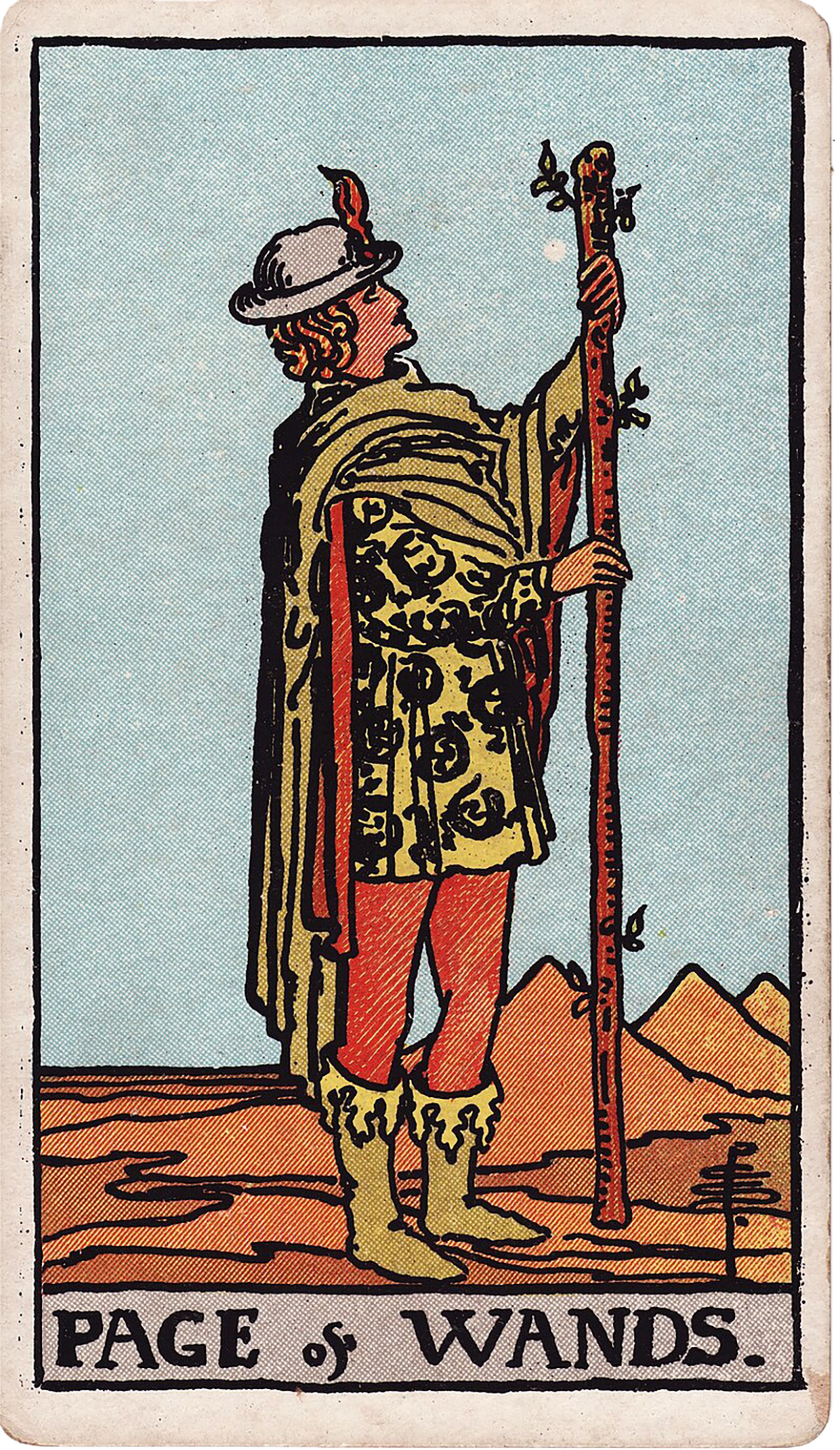 Page of Wands
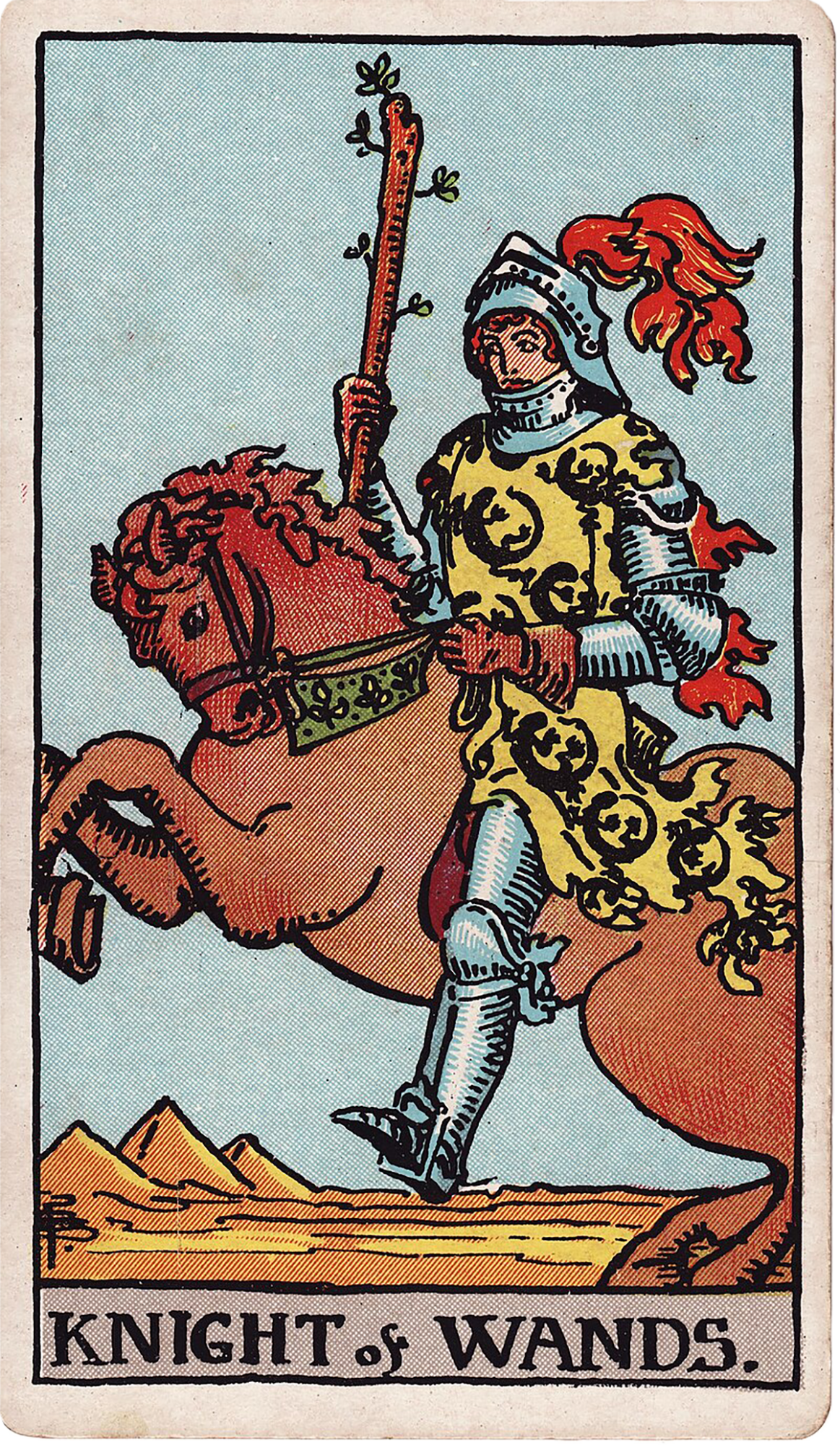 Knight of Wands
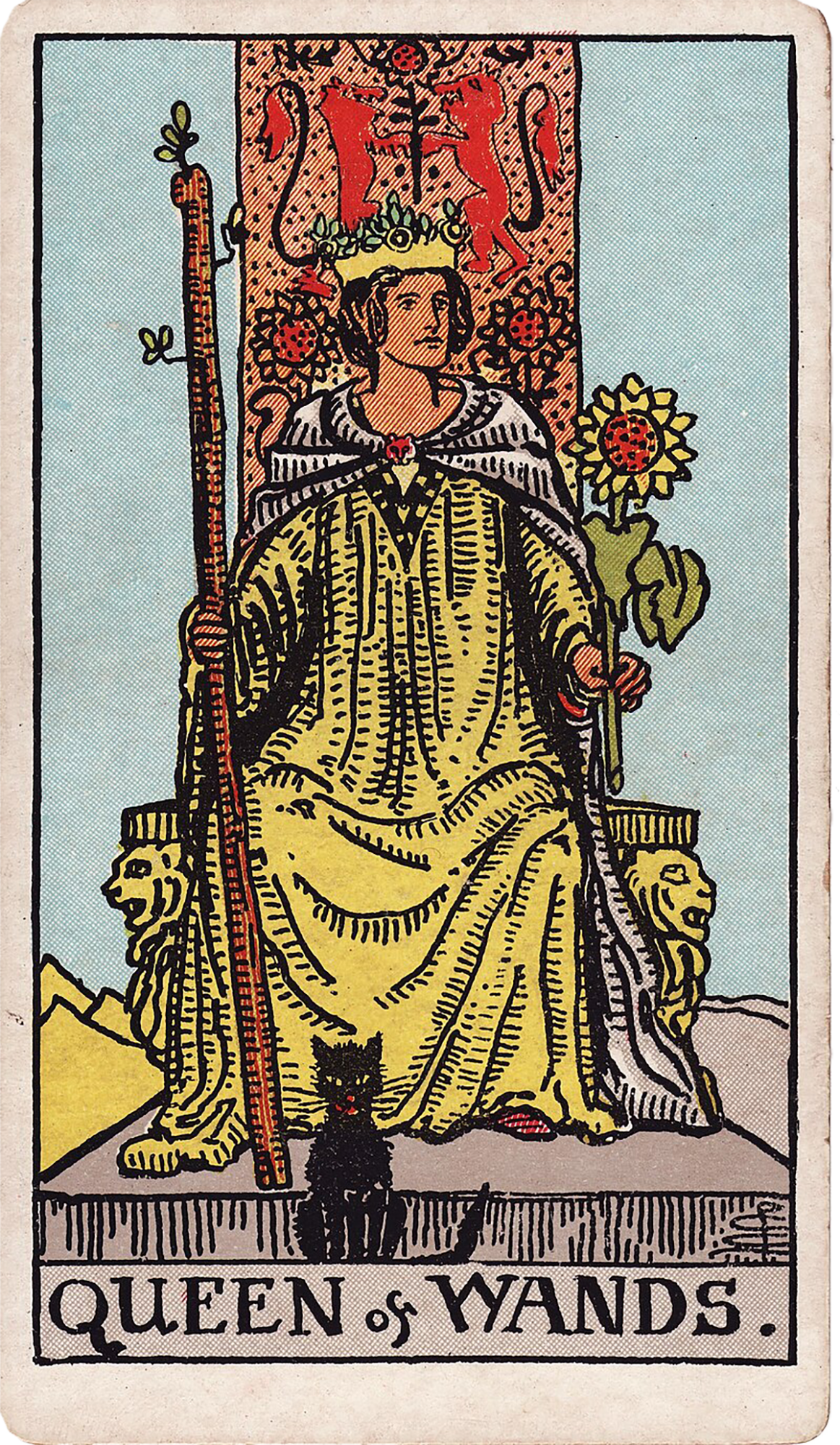 Queen of Wands
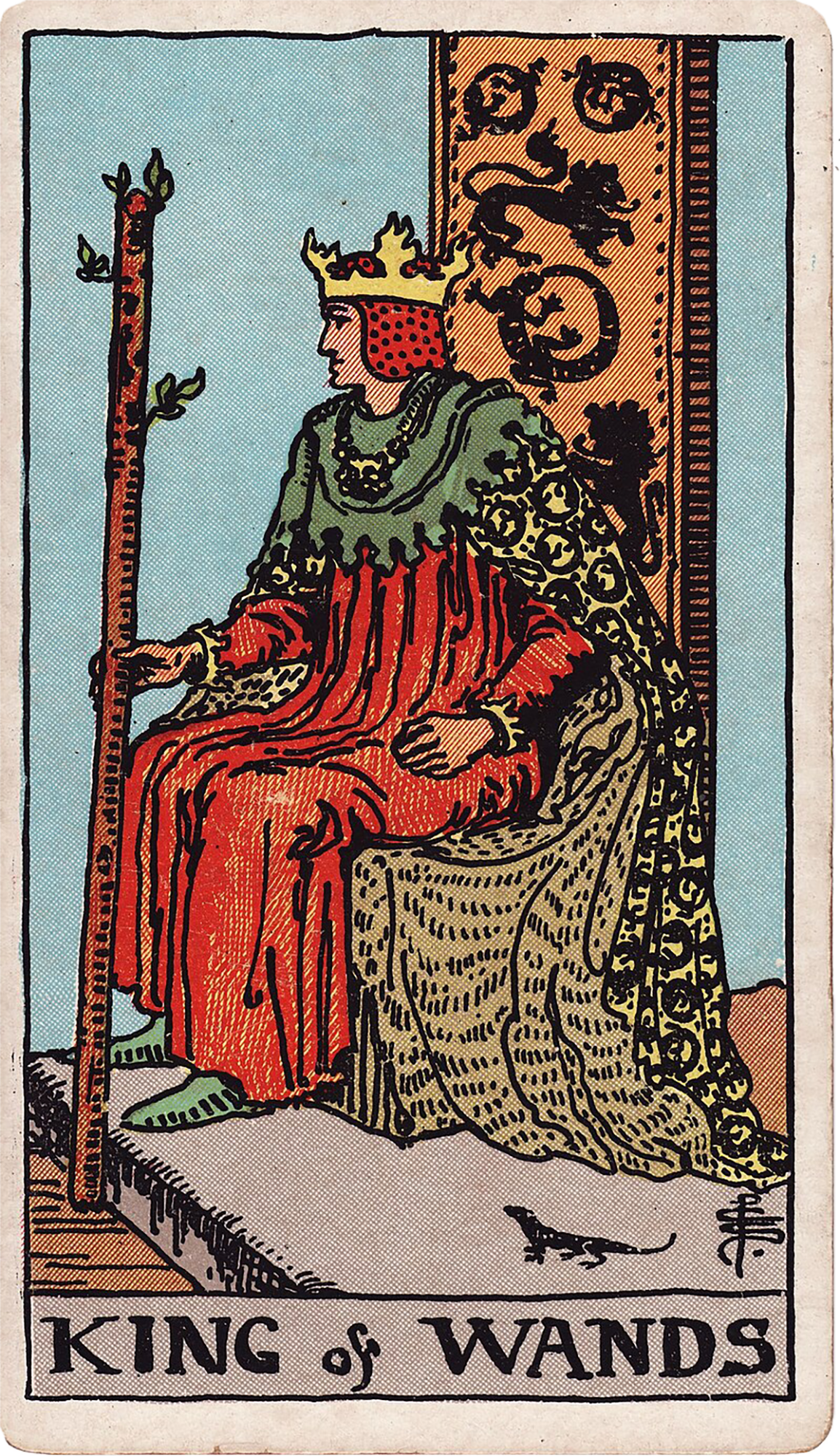 King of Wands
Introduction to the Court Cards in the Suit of Wands
The Court Cards in the Suit of Wands—Page, Knight, Queen, and King—represent distinct stages and expressions of the fiery energy associated with Wands. Unlike numbered cards, these cards personify qualities, attitudes, and roles that illustrate how motivation, creativity, ambition, initiative, and personal energy manifest in human behavior. Understanding these archetypes within the framework of the Rider-Waite-Smith symbolism and VoxFati’s practical approach to tarot helps readers move beyond prediction toward insightful interpretation. Each card embodies a developmental phase or mode of engagement with the creative force symbolized by Wands, and learning to read their upright and reversed meanings can guide nuanced insights into a querent’s current energies and challenges.
The Page of Wands as the Embodiment of Beginner Energy
The Page of Wands is the initiating spark in the Suit of Wands. Upright, this card signals curiosity, experimentation, and the arrival of a new idea or message that invites exploration. The Page’s youthful figure, often holding a budding wand against a barren landscape, symbolically represents the potential and raw energy of beginnings. This card asks the reader to focus on present realities—where motivation and creativity are just starting to form—and encourages practical action appropriate to this stage. Reversed, the Page points to immaturity or inconsistency. The energy may be scattered or ungrounded, revealing fear of failure or a lack of follow-through. This reversed position also suggests an internal blockage where the lesson of youthful enthusiasm hasn’t fully matured into consistent practice. Readers should examine what needs simplification or honest acknowledgment before progress can resume. When reading the Page of Wands, emphasize identifying where new creative ventures or ambitions are emerging, and consider the querent’s willingness to experiment and learn. Look for surrounding cards that indicate whether this energy is developing smoothly or facing obstacles.
The Knight of Wands and the Power of Decisive Movement
The Knight of Wands embodies dynamic energy, ambition, and decisive action. Upright, he represents courage and speed combined with a sense of direction—a rider charging forward with motivation but also the need for focus. His imagery, often showing a knight in armor on a rearing horse, underscores movement and the restless pursuit of goals. This card demands an interpretation that balances rapid progress with mindful awareness of direction and consequences. Reversed, the Knight warns of recklessness, anger, or chasing excitement without commitment. The energy may be diffuse or misdirected, leading to unfinished ventures. Internally, it may reflect frustration or impulsiveness not visible to others. This reversal invites readers to reflect on where the querent’s energy is scattered, urging a pause to reassess and regain focus. In practical readings, the Knight of Wands is a call to harness fiery energy with purposeful intent. It suggests that while enthusiasm and action are valuable, without clarity and patience, the fire can burn out or cause harm. Comparing the Knight’s energy with that of the Page helps trace the evolution from initial curiosity to active pursuit.
The Queen of Wands as Creative Leadership and Confident Warmth
The Queen of Wands exudes visible confidence, independence, and social warmth. Upright, she represents mastery over the creative force, showing leadership that uplifts rather than diminishes others. The Queen’s imagery, typically a poised woman holding a flowering wand with a black cat nearby, symbolizes fertility of ideas, transformation, and intuition. Her presence in a reading highlights motivated creativity, steady ambition, and the ability to inspire through authentic identity. Reversed, the Queen reveals shadow aspects such as jealousy, insecurity disguised by performance, or burnout from constant strength. It may also point to manipulation through charm or control. This card’s reversal directs attention inward toward unresolved emotional patterns or an imbalance in how one projects energy socially. When interpreting the Queen, readers should balance appreciation for her warmth and leadership with awareness of potential vulnerabilities. Her role within the suit illustrates how creative energy matures into sustained, confident expression that influences others constructively.
The King of Wands and the Mature Direction of Creative Force
The King of Wands embodies the pinnacle of creative energy management: mature vision, courage, entrepreneurship, and responsibility. Upright, he represents the conscious and disciplined direction of one’s creative power. Traditional imagery shows a regal figure seated confidently, holding a flowering wand, symbolizing growth, authority, and the fruitful realization of ambition. Reversed, the King focuses on domination, impatience, and temper. It may indicate grandiosity or failure to communicate vision clearly, resulting in unrealistic expectations placed upon others. This reversal suggests the need for introspection on leadership style and the impact of one’s energy on the environment. In readings, the King of Wands encourages the querent to embrace responsibility for the energy they exert in the world. It demonstrates the culmination of the Wands journey—transforming raw passion into purposeful, sustainable leadership.
Common Challenges and Mistakes in Reading Wands Court Cards
One frequent mistake is treating reversed cards simply as opposites of their upright meanings. Instead, reversed Court Cards in the Suit of Wands often signal where the energetic process is stuck or distorted. For example, the Knight reversed may not solely imply failure but rather a lack of direction or restlessness needing acknowledgment. Another challenge is ignoring the developmental narrative between the cards. The Page, Knight, Queen, and King represent stages from beginner curiosity to mature leadership. Skipping this progression can lead to fragmented interpretations. A further pitfall is reading the Court Cards as personality types without considering their situational context. These cards do not define fixed identities but illustrate modes of energy the querent is embodying or encountering. Use surrounding cards and question context to ground these interpretations. Lastly, failing to connect the imagery with the card’s symbolic message can weaken a reading. Paying attention to details like the budding wand of the Page, the horse’s motion with the Knight, the Queen’s confident posture, and the King’s authoritative presence enriches the interpretive depth.
Integrating Court Cards of Wands into Practical Tarot Readings
When the Page of Wands appears upright, ask where new opportunities, ideas, or messages invite exploration. Pair this with questions about the querent’s willingness to experiment or take initiative. If reversed, explore fears of failure or inconsistency in following through. For the Knight of Wands upright, focus on where decisive action and courage are needed. Assess if speed is appropriate or if better direction is required. Reversed, investigate impulsiveness or frustration with delays. The Queen of Wands upright encourages readings about confident leadership, social warmth, and creative independence. Reversed, it invites reflection on emotional insecurities or manipulative tendencies. The King of Wands upright highlights mature vision and responsibility. Use it to discuss entrepreneurship and the ethical use of power. Reversed, it can reveal issues with control or impatience that require conscious adjustment. In all cases, use surrounding cards to determine whether the energy is beginning, developing, under pressure, or moving toward resolution. This situational awareness prevents rigid or overly literal interpretations, fostering a fluid, responsive reading style.
Conclusion Reflecting on the Court Cards of the Suit of Wands
The Court Cards in the Suit of Wands offer a rich tapestry of symbolic lessons about human engagement with fire energy—motivation, creativity, identity, and willpower. From the tentative curiosity of the Page through the restless momentum of the Knight, to the confident leadership of the Queen and the visionary authority of the King, these cards map a developmental journey. Approaching these cards as dynamic processes rather than static personalities enables tarot readers to provide meaningful guidance anchored in the querent’s lived experience. The practical advice to consider each card’s stage, energetic quality, and reversal as a sign of blockage or imbalance opens a pathway for nuanced interpretation. By studying the supplied images and meanings of the Page, Knight, Queen, and King of Wands, learners deepen their understanding of how to read court cards effectively, supporting their growth as insightful and responsible tarot practitioners.
Practice questions
• How does understanding the developmental progression from Page to King influence your interpretation of Wands court cards?
• In what ways can the reversals of these cards reveal internal blockages rather than simply negative traits?
• How can attention to the specific imagery of each card enhance your reading accuracy?
• What practical steps can you take to avoid reading court cards as fixed personality types?
• How might the surrounding cards help you determine the stage of energy (beginning, developing, pressure, resolution) represented by a Wands court card?
Comments
Sign in to comment.
Continue learning
Interpreting the Dance of Justice and The Devil: Balancing Morality and Temptation in Tarot Readings
The combination of Justice and The Devil in tarot presents a profound exploration of morality, temptation, and personal accountability. This article unpacks how these cards influen...
Advanced Techniques for Combining The Moon and The Star to Enhance Intuition in Tarot Readings
This article explores advanced techniques to combine the symbolism and energy of The Moon and The Star Tarot cards to enhance intuition during Tarot readings. Drawing from traditio...
Unlocking Life Insights with the Celtic Cross Tarot Spread
This article offers a thorough exploration of the Celtic Cross Tarot Spread, focusing on its application within family and practical life contexts. Using a worked example featuring...
Unlocking Hidden Meanings with The Hermit and The Hanged Man for Spiritual Growth
This article offers an in-depth exploration of The Hermit and The Hanged Man Tarot cards focusing on their roles in spiritual growth. It guides readers through beginner and advance...
Unlocking Personal Insight with the Seven Card Horseshoe Spread
The Seven Card Horseshoe Spread is a practical and insightful Tarot layout ideal for exploring personal and family dynamics. This article breaks down each position—Past, Present, H...
Mastering the Court Cards of Wands for Unlocking Personal Drive and Leadership
The Court Cards of Wands represent a dynamic spectrum of personal energy, ambition, and leadership potential within the Minor Arcana. This article offers a comprehensive exploratio...
Tracing the Origins and Evolution of The Fool Card in Tarot History
The Fool card holds a foundational place in tarot tradition, symbolizing beginnings, openness, and the embrace of uncertainty. This article traces its origins from early European d...
Techniques for Reading Court Cards to Unlock Personality Insights
Court cards in Tarot often represent people, personality traits, or energy patterns within a situation. This article offers a structured approach for beginners and advanced readers...
Unlocking Emotional Transformation with Death and The Moon Tarot Combination
This article explores the rich and complex interaction between the Death and The Moon tarot cards within the Rider-Waite-Smith tradition, focusing on their combined potential to un...
Applying The Star Card to Foster Hope and Renewal in Personal Growth
The Star card in Tarot symbolizes hope, authenticity, and the process of steady renewal. In a single-card reading, The Star encourages embracing what is present, cultivating openne...