
Understanding the Transformative Power of The Hanged Man in Spiritual Surrender and New Perspectives
The Hanged Man tarot card is a profound symbol of deliberate pause, surrender, and transforming perspectives. This article explores how its upright and reversed meanings apply across various contexts including love, career, finances, challenges, advice, personal identity, outcomes, and spirituality. Using Rider-Waite-Smith imagery as a foundation, readers learn practical techniques for interpreting this card in single-card readings, avoiding common pitfalls, and inviting constructive change through conscious engagement rather than passive waiting.
Cards explored in this article
 The Hanged Man
Introduction to The Hanged Man and its Symbolism
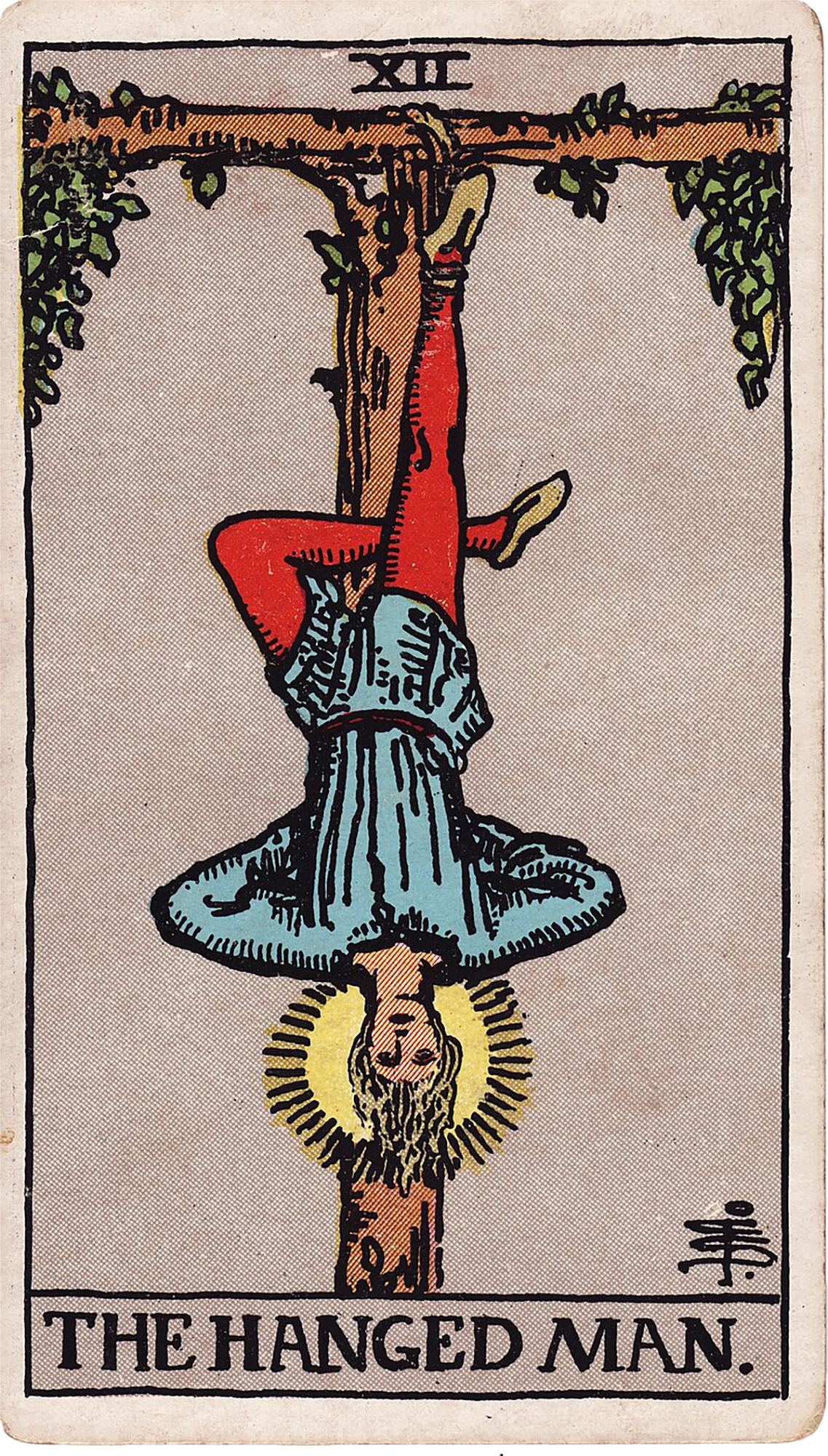
The Hanged Man is one of the most enigmatic and contemplative cards in the Rider-Waite-Smith tarot deck. Visually, it depicts a figure suspended upside down by one foot, with a calm, almost serene expression, a halo around his head, and hands bound or relaxed. This iconic posture signals suspension, surrender, and a radical change in perspective. Traditionally, the card symbolizes voluntary pause, sacrifice, and the ability to see the world from an entirely new viewpoint. In upright position, it encourages conscious letting go and openness to transformation, while reversed it often signals resistance to these processes or unhealthy stagnation. The card’s core lesson is that true insight and change often require stepping out of habitual control and embracing uncertainty with deliberate patience and reflection.
Practical Technique for Reading The Hanged Man in Single-Card Readings
When The Hanged Man appears as a single card, the reader’s first task is to notice that this card rarely implies immediate action or straightforward solutions. Instead, it invites a reflective stance. The key question is: Where can pausing, letting go, or shifting perspective open up new understanding? A practical method is to first observe the card’s imagery - the inverted figure, the peaceful face, the halo - and ask what this symbolism suggests about the querent’s current situation. Then consider whether the card is upright or reversed, as this changes the interpretation from constructive surrender to potential resistance or delay. Finally, identify what element of the querent’s life might benefit from conscious acceptance or more deliberate choice, and where impatience or avoidance might be causing harm.
The Hanged Man in Love and Relationship Contexts
In love readings, The Hanged Man upright suggests a time to pause, reflect, and perhaps release control over the relationship dynamics. The card encourages seeing love from a new angle — breaking old patterns or expectations and embracing empathy through surrender. For example, if a couple is stuck in conflict, The Hanged Man advises stepping back to understand each other’s perspectives rather than pushing for immediate solutions. It can also indicate a period of waiting for emotional clarity or a shift in feelings, emphasizing conscious patience. Reversed, this card may highlight stubbornness, martyrdom, or resistance to changing relationship roles. It warns against sacrificing oneself to unhealthy dynamics or refusing to let go of past grievances that block growth.
The Hanged Man in Career and Work Contexts
When The Hanged Man appears in career or work-related questions, it signals the need for deliberate pause and reconsideration of one’s professional trajectory. Upright, it can mean that the querent is at a crossroads and needs to adopt a new methodology or perspective rather than rushing forward in the same way. This could involve retraining, re-evaluating values, or accepting a temporary delay as part of a larger transformation. It encourages working with what one currently has and using the waiting time productively. The reversed card in this context may indicate frustration, feeling stuck without learning, or resisting necessary changes. It cautions against martyrdom through overwork or clinging to outdated roles and asks the querent to explore where control is blocking growth.
The Hanged Man in Financial and Money Contexts
In financial readings, The Hanged Man upright advises being patient and cautious rather than making impulsive decisions. It suggests that the current financial situation may require a period of waiting, reassessment, and wise judgment rather than immediate action. This card encourages the querent to look at money matters from a fresh perspective, perhaps considering alternative budgeting or investment strategies. It may also reflect a time when resources are limited but can be used creatively with thoughtful planning. Reversed, The Hanged Man points to stagnation, financial paralysis, or self-imposed limitations due to fear or denial. It warns of the danger of ignoring necessary changes or becoming stuck in unproductive financial habits.
The Hanged Man as Advice and Challenge
As advice, The Hanged Man urges the querent to embrace surrender and patience as active, transformative processes rather than passive waiting. It counsels releasing the need for immediate control and opening up to new insights that emerge only when the usual ways of acting are suspended. This is a call to deeper honesty and more deliberate choices. The challenge posed by The Hanged Man, especially when reversed, is to recognize where resistance or martyrdom is causing stagnation. The card asks the querent to identify which parts of their mindset or behavior block the possibility of change and to courageously step into uncertainty in order to grow.
The Hanged Man as a Person and Outcome Card
When The Hanged Man represents a person, it typically describes someone who embodies patience, wisdom through sacrifice, or spiritual insight gained by stepping outside conventional norms. This person may be contemplative, willing to delay gratification, or able to see situations from uncommon perspectives. As an outcome card, The Hanged Man suggests that the resolution will not come through force or speed but through a conscious pause, reevaluation, and conscious surrender. The final outcome involves growth that is slow but profound, with the querent gaining new understanding and the ability to act with greater clarity after the period of suspension.
The Hanged Man in Spiritual Reflection and Transformation
Spiritually, The Hanged Man represents surrender to the divine flow and the transformation that occurs when egoic control loosens. The halo in the Rider-Waite-Smith imagery highlights enlightenment that arises from altered states of consciousness and the willingness to embrace paradox and uncertainty. Upright, it symbolizes the spiritual practice of letting go and trusting that transformation is underway even if results are not immediately visible. Reversed, it can indicate inner resistance to spiritual growth, clinging to old beliefs, or martyr complexes that inhibit true surrender. In all cases, the card invites the seeker to view spiritual evolution as a process requiring patience, perspective shifts, and the courage to face discomfort in order to find deeper truth.
Common Mistakes and How to Avoid Them When Interpreting The Hanged Man
One common mistake is to interpret The Hanged Man as simply bad luck or an indication of paralysis without growth. The card is not a sign of passive victimhood but of active, conscious pause that offers transformative potential. Another error is to impose a rushed timeline onto the card's message; The Hanged Man invites patience and warns against forcing outcomes prematurely. Readers should avoid assuming the card predicts immediate resolution or sudden change. Instead, look for clues in the querent’s situation about what perspective or control needs adjustment. Additionally, confusion often arises about reversal meanings — rather than assuming negativity, see the reversed card as highlighting blocks or internalized challenges in applying the card's upright lessons.
Practical Reading Method and Interpretation Logic Anchored in Rider-Waite-Smith Imagery
A practical reading method begins by observing the Hanged Man’s posture: upside down but serene, with a glowing halo indicating enlightenment and acceptance. The figure’s one foot tied and the other free suggests voluntary suspension rather than imprisonment. These visual cues guide the interpretation toward conscious surrender and spiritual insight. When upright, the card advises looking for where the querent can pause to gain clarity, using the peace on the figure’s face as a model for internal attitude. When reversed, the lack of calm or the blockage of flow highlights where resistance or impatience distorts growth. The card’s color palette — muted blues and yellows — underscores calm and illumination, supporting readings that emphasize thoughtful reflection. By returning to these visual symbols in every context, the reader can ground abstract interpretations in concrete imagery, helping clients connect more deeply with the message.
Practice questions
• Where in my life might I be resisting a necessary pause or new perspective?
• How can I practice surrendering control in a way that opens up growth rather than stagnation?
• What old patterns or expectations can I release to gain clearer insight into my situation?
• In what areas am I confusing waiting with passivity rather than constructive reflection?
• How does the imagery of The Hanged Man inspire me to embrace uncertainty with peace?
Comments
Sign in to comment.
Continue learning
Interpreting the Dance of Justice and The Devil: Balancing Morality and Temptation in Tarot Readings
The combination of Justice and The Devil in tarot presents a profound exploration of morality, temptation, and personal accountability. This article unpacks how these cards influen...
Advanced Techniques for Combining The Moon and The Star to Enhance Intuition in Tarot Readings
This article explores advanced techniques to combine the symbolism and energy of The Moon and The Star Tarot cards to enhance intuition during Tarot readings. Drawing from traditio...
Unlocking Life Insights with the Celtic Cross Tarot Spread
This article offers a thorough exploration of the Celtic Cross Tarot Spread, focusing on its application within family and practical life contexts. Using a worked example featuring...
Unlocking Hidden Meanings with The Hermit and The Hanged Man for Spiritual Growth
This article offers an in-depth exploration of The Hermit and The Hanged Man Tarot cards focusing on their roles in spiritual growth. It guides readers through beginner and advance...
Unlocking Personal Insight with the Seven Card Horseshoe Spread
The Seven Card Horseshoe Spread is a practical and insightful Tarot layout ideal for exploring personal and family dynamics. This article breaks down each position—Past, Present, H...
Mastering the Court Cards of Wands for Unlocking Personal Drive and Leadership
The Court Cards of Wands represent a dynamic spectrum of personal energy, ambition, and leadership potential within the Minor Arcana. This article offers a comprehensive exploratio...
Tracing the Origins and Evolution of The Fool Card in Tarot History
The Fool card holds a foundational place in tarot tradition, symbolizing beginnings, openness, and the embrace of uncertainty. This article traces its origins from early European d...
Techniques for Reading Court Cards to Unlock Personality Insights
Court cards in Tarot often represent people, personality traits, or energy patterns within a situation. This article offers a structured approach for beginners and advanced readers...
Unlocking Emotional Transformation with Death and The Moon Tarot Combination
This article explores the rich and complex interaction between the Death and The Moon tarot cards within the Rider-Waite-Smith tradition, focusing on their combined potential to un...
Applying The Star Card to Foster Hope and Renewal in Personal Growth
The Star card in Tarot symbolizes hope, authenticity, and the process of steady renewal. In a single-card reading, The Star encourages embracing what is present, cultivating openne...