
Understanding the Unique Life Lessons of the Court Cards in the Suit of Swords
The Court Cards of the Suit of Swords—Page, Knight, Queen, and King—present a progressive journey through the mental and communicative challenges central to human experience. Each card embodies a unique archetype related to thought, truth, conflict, and decision-making, enriched by Rider-Waite-Smith symbolism. This article delves into their upright and reversed meanings, practical reading methods, common interpretive challenges, and how to integrate their lessons into a Tarot reading focused on the Minor Arcana’s family dynamics within the Suit of Swords.
Cards explored in this article
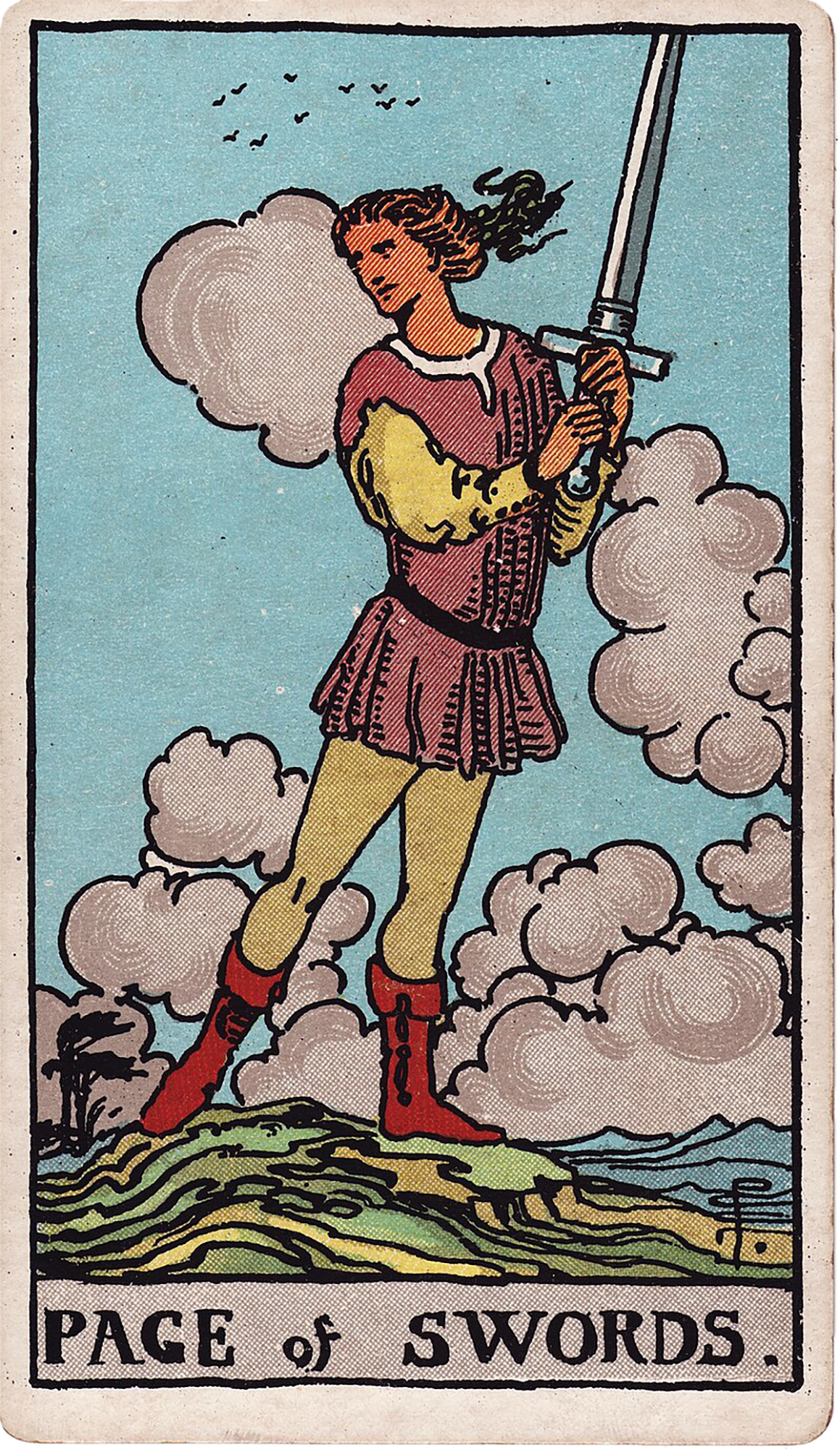 Page of Swords
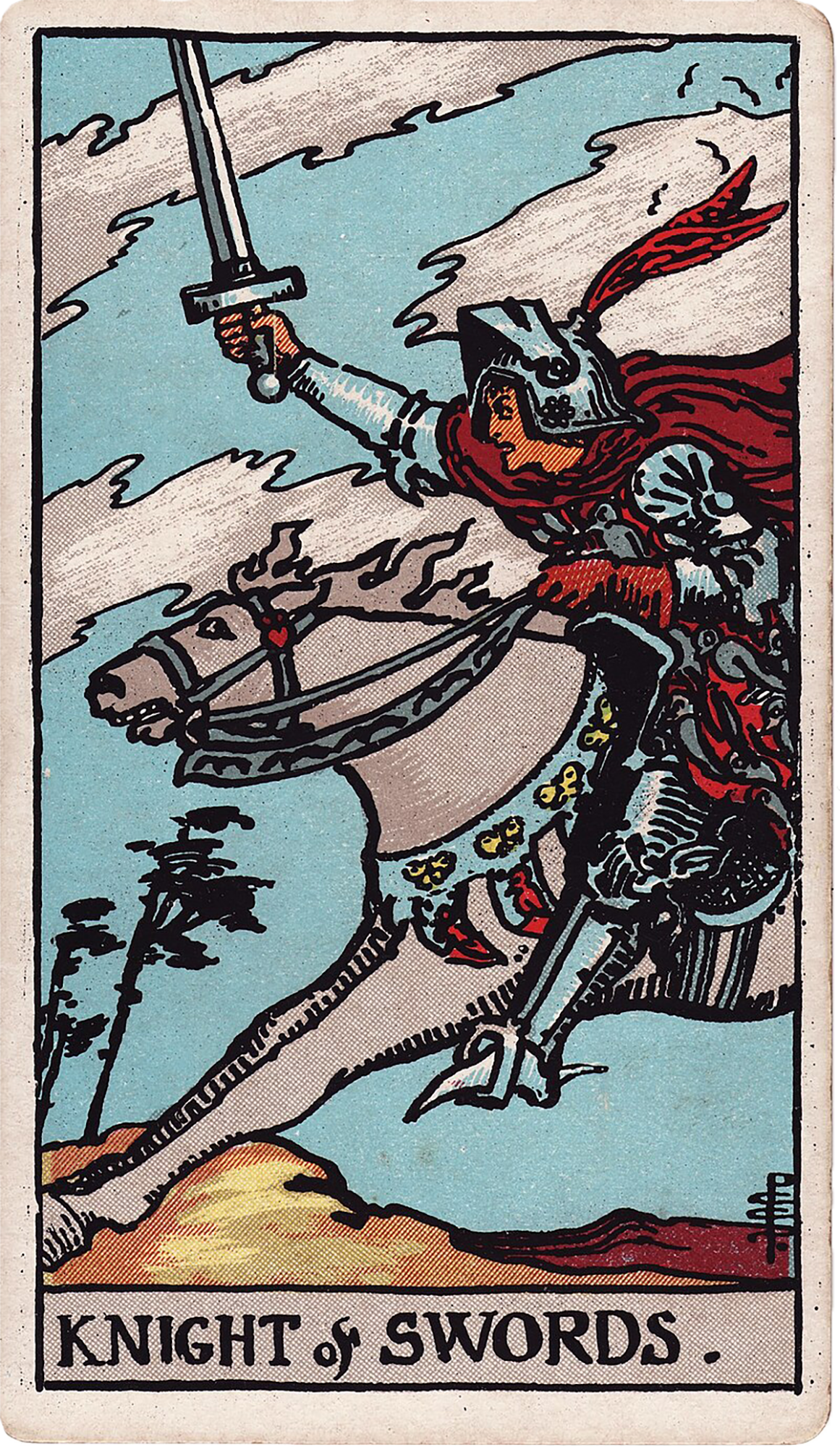 Knight of Swords
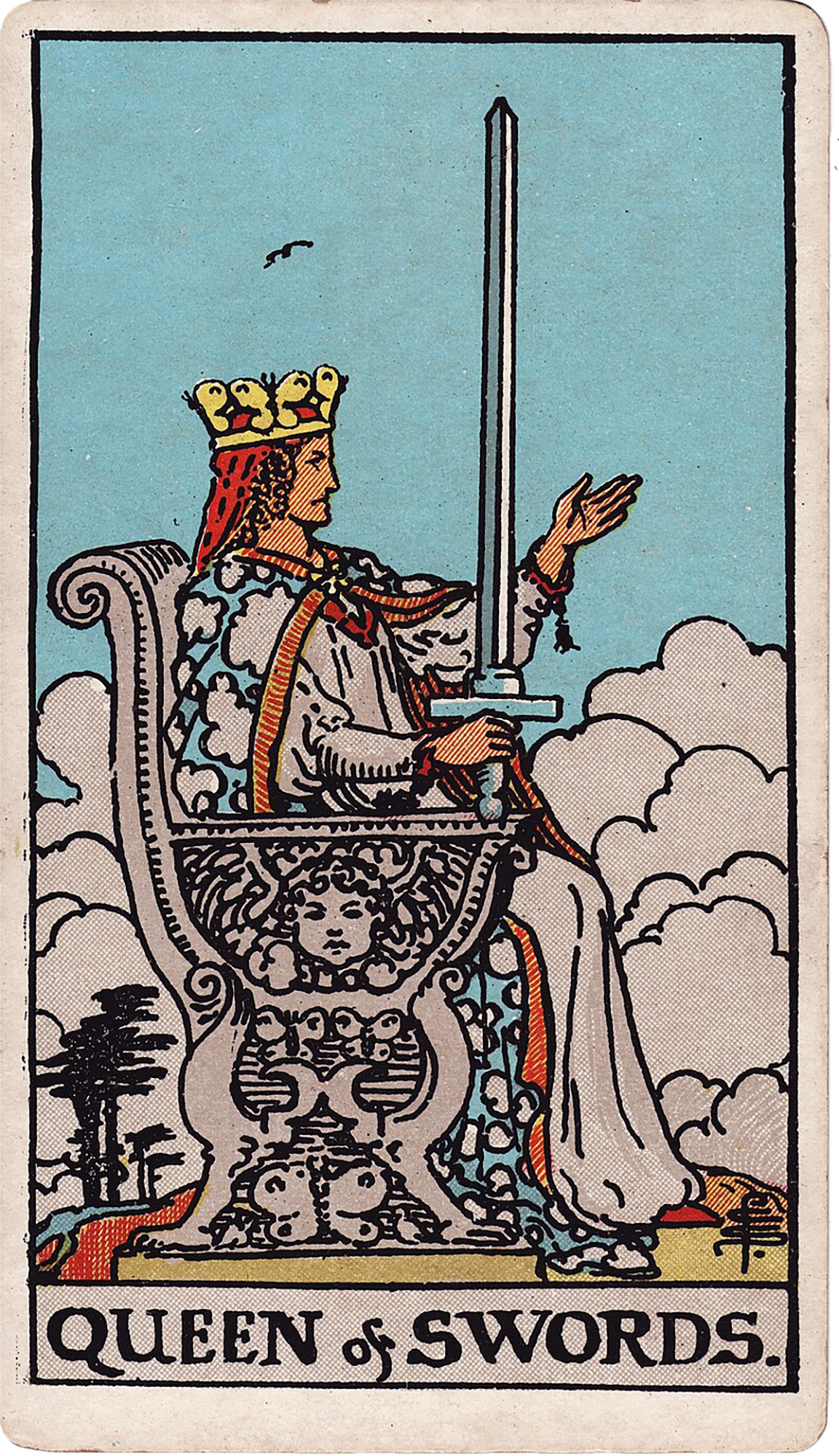 Queen of Swords
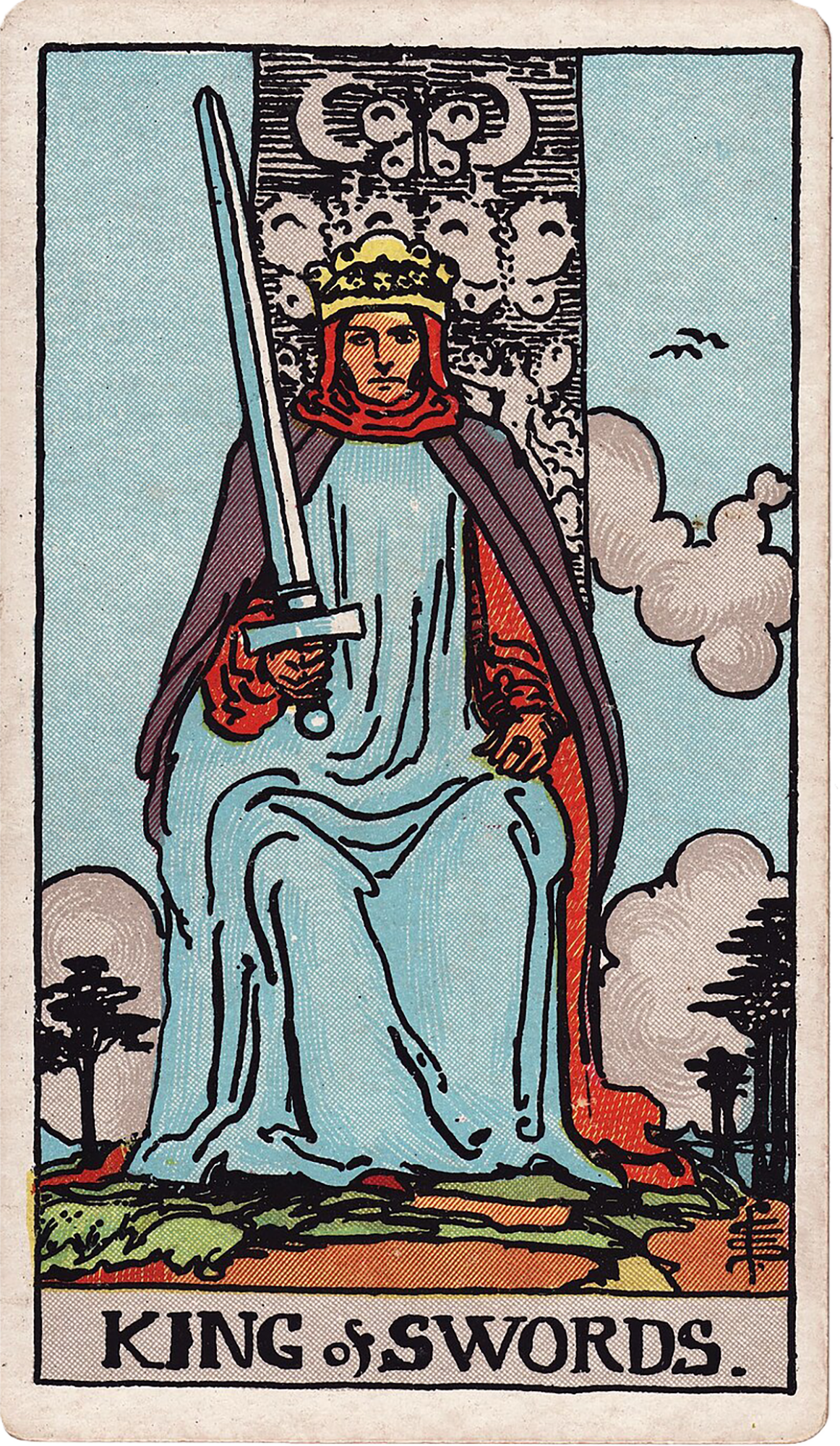 King of Swords
Introduction to the Suit of Swords and Its Court Cards
The Suit of Swords traditionally corresponds to the element of Air, symbolizing intellect, communication, conflict, and decision-making. Its Court Cards—the Page, Knight, Queen, and King—represent distinct stages and expressions of the mental and communicative processes. Unlike numbered cards that often depict situations or states, Court Cards personify energies and attitudes we can embody or encounter. Understanding these cards means recognizing the unique life lessons they offer about managing thought patterns, verbal interactions, boundaries, and leadership in conflict and truth-seeking. The Rider-Waite-Smith deck provides rich visual clues—such as the posture, gaze, and symbols each figure holds—that deepen our understanding of these lessons.
Page of Swords The Apprentice of Thought and Vigilance
The Page of Swords is an embodiment of mental curiosity, vigilance, and the desire to gather information. His upright image, often shown with a raised sword and alert stance, symbolizes readiness to engage with truth and intellectual challenges. In practice, this card highlights a phase where learning, questioning, and cautious communication are key. The card asks readers to focus on practical responses rather than abstract ideals: where can mental agility and strategic thought be applied to improve the current situation? Reversed, the Page warns about the pitfalls of gossip, defensiveness, or scattered attention. Rather than viewing the reversal as a mere negative counterpart, it points to a process stuck in immature or inconsistent thinking. The lesson might involve simplifying communication, practicing patience in listening, or acknowledging internal mental conflicts before progress can be made. In readings, consider the Page’s positioning to discern whether mental energy is just beginning to stir or is being misdirected.
Knight of Swords The Warrior of Swift Action and Decisive Intellect
The Knight of Swords depicts a figure charging forward with determination and clarity, embodying swift, decisive action, courage in debate, and the ability to cut through delay. His energy is about harnessing the power of intellect and strategy to confront challenges head-on. The card’s upright meaning encourages taking bold, well-informed steps aligned with truth and justice, while recognizing the need to balance speed with awareness. When reversed, the Knight’s energy can become reckless or aggressive, demonstrating tunnel vision or verbal force that ignores nuance and consequences. This reversal suggests that the lesson involves slowing down, reflecting on motivations, and avoiding impulsiveness. Readers should explore whether the querent is moving so fast that they miss critical subtleties or alienate others. The Knight teaches when to act decisively and when to apply strategic restraint.
Queen of Swords The Sovereign of Clear-Minded Independence and Boundaries
The Queen of Swords represents a mature intellectual authority grounded in honesty and clear boundaries. Her upright image—often depicted with a stern but fair gaze and a raised sword—symbolizes clarity, independence, and communication that values truth without unnecessary cruelty. She models how to balance intellect with emotional complexity, maintaining integrity while fostering connection. Reversed, the Queen cautions against bitterness, excessive criticism, isolation, and using intellect as a shield against emotions. The reversal indicates a blockage in integrating mental clarity with emotional maturity. Rather than a simple negative, it highlights the need to practice empathy, soften harsh judgments, and reconnect with vulnerability. In readings, the Queen’s presence signals critical reflection on how boundaries and truth are managed in relationships and personal decisions.
King of Swords The Embodiment of Strategic Judgment and Ethical Authority
The King of Swords stands as the archetype of mature intellectual authority, strategic judgment, and principled decisions made with evidence and fairness. His upright posture and crown signify sovereignty over the mental realm and the application of clear, ethical leadership. The King teaches how to wield intellect responsibly, balancing power with justice and integrity. In reverse, the King’s qualities can distort into coldness, intellectual arrogance, manipulation, or abuse of authority. This reversal often marks a failure to see people as full participants rather than problems. The lesson involves humility, accountability, and reconnecting with ethical principles. When this card appears, readers should explore where authority is either used wisely or abused, encouraging reflection on the impact of decisions on others.
Practical Techniques for Reading Swords Court Cards
When reading the Swords Court Cards, begin by anchoring interpretation in their Rider-Waite-Smith imagery. Note the posture, gaze, direction of the sword, and surrounding environment. These details illuminate the card’s energy: for example, the Page’s alert, youthful stance signals curiosity, while the King’s firm, seated position denotes authority. Context is critical—observe surrounding cards to identify whether the Court Card’s energy is emerging, developing, peaking, or resolving. Upright cards often invite active engagement with mental challenges, while reversals suggest areas needing integration or healing. Avoid common mistakes such as treating reversals as purely negative or assuming Court Cards always represent people. Instead, see them as symbolic energies or internal states. Reflect on how each card’s lesson fits into the querent’s broader life narrative, especially regarding communication, truth, and decision-making. Encourage querents to consider these cards as invitations to self-awareness rather than fixed predictions.
Common Challenges and Interpretive Pitfalls
A frequent challenge is over-identifying Court Cards with individuals, which can limit the depth of meaning. The Swords Court Cards especially represent mental and communicative qualities that can manifest within anyone’s psyche or situation. Another pitfall is ignoring the subtlety between upright and reversed meanings, often reducing reversals to mere negatives. Instead, reversals highlight where a process has become stuck or distorted, inviting nuanced exploration. Additionally, readers may overlook the practical, present-focused nature of the Swords energy, instead theorizing abstract ideals. The Rider-Waite-Smith symbolism encourages responses that fit current circumstances, emphasizing actionable insight. Finally, neglecting the developmental progression from Page through King can obscure the life lesson continuum these cards represent—from learning and vigilance to mature ethical authority.
Integrating Court Card Lessons into the Suit of Swords Family
The Court Cards function as a family within the Suit of Swords, each representing a stage in mastering the element of Air’s domains. The Page starts the journey with curiosity and vigilance, the Knight embodies action and strategy, the Queen brings clarity and boundary-setting, and the King culminates in mature judgment and ethical leadership. Together, they model how the mind and communication evolve and interact within conflict, truth-seeking, and decision-making. Their lessons are complementary and cumulative, encouraging readers to see them not as isolated symbols but as parts of an integrated process. When these cards appear in a reading, consider their relationships and order. Do they suggest a growth path, a current challenge in one area, or a call to embody a particular mental quality? This family perspective enriches interpretation and offers the querent a roadmap for personal development.
Reflection and Practical Application
To deepen your understanding of the Swords Court Cards, practice journaling with each card’s upright and reversed meanings. Reflect on moments when you embodied the Page’s curiosity, the Knight’s decisiveness, the Queen’s clarity, or the King’s strategic authority. Consider where you may be stuck in reversed qualities such as defensiveness, recklessness, bitterness, or coldness. In readings, invite querents to relate these cards to personal or interpersonal mental patterns. Use questions like: How is your communication fostering truth or conflict? Where do you need clearer boundaries or more strategic thinking? What intellectual attitudes are serving or hindering you now? By integrating these insights, the Court Cards of the Suit of Swords become not only diagnostic tools but catalysts for conscious growth in the realm of mind and communication.
Practice questions
• In what ways do you notice the mental curiosity and vigilance of the Page of Swords in your current life?
• Have you experienced the swift, decisive energy of the Knight of Swords acting either constructively or recklessly in your decisions?
• Where might you be embodying the Queen of Swords’ clear boundaries and honest communication, and where might bitterness or excessive criticism be present?
• How do you relate to the King of Swords’ mature intellectual authority and strategic judgment? Are there areas where these qualities could be better integrated?
• How can understanding the progression from Page to King in the Suit of Swords inform your approach to challenges involving thought, communication, or conflict?
Comments
Sign in to comment.
Continue learning
Interpreting the Dance of Justice and The Devil: Balancing Morality and Temptation in Tarot Readings
The combination of Justice and The Devil in tarot presents a profound exploration of morality, temptation, and personal accountability. This article unpacks how these cards influen...
Advanced Techniques for Combining The Moon and The Star to Enhance Intuition in Tarot Readings
This article explores advanced techniques to combine the symbolism and energy of The Moon and The Star Tarot cards to enhance intuition during Tarot readings. Drawing from traditio...
Unlocking Life Insights with the Celtic Cross Tarot Spread
This article offers a thorough exploration of the Celtic Cross Tarot Spread, focusing on its application within family and practical life contexts. Using a worked example featuring...
Unlocking Hidden Meanings with The Hermit and The Hanged Man for Spiritual Growth
This article offers an in-depth exploration of The Hermit and The Hanged Man Tarot cards focusing on their roles in spiritual growth. It guides readers through beginner and advance...
Unlocking Personal Insight with the Seven Card Horseshoe Spread
The Seven Card Horseshoe Spread is a practical and insightful Tarot layout ideal for exploring personal and family dynamics. This article breaks down each position—Past, Present, H...
Mastering the Court Cards of Wands for Unlocking Personal Drive and Leadership
The Court Cards of Wands represent a dynamic spectrum of personal energy, ambition, and leadership potential within the Minor Arcana. This article offers a comprehensive exploratio...
Tracing the Origins and Evolution of The Fool Card in Tarot History
The Fool card holds a foundational place in tarot tradition, symbolizing beginnings, openness, and the embrace of uncertainty. This article traces its origins from early European d...
Techniques for Reading Court Cards to Unlock Personality Insights
Court cards in Tarot often represent people, personality traits, or energy patterns within a situation. This article offers a structured approach for beginners and advanced readers...
Unlocking Emotional Transformation with Death and The Moon Tarot Combination
This article explores the rich and complex interaction between the Death and The Moon tarot cards within the Rider-Waite-Smith tradition, focusing on their combined potential to un...
Applying The Star Card to Foster Hope and Renewal in Personal Growth
The Star card in Tarot symbolizes hope, authenticity, and the process of steady renewal. In a single-card reading, The Star encourages embracing what is present, cultivating openne...