
Unlocking Leadership and Responsibility Lessons Through the Court Cards of Pentacles
The Court Cards of Pentacles — Page, Knight, Queen, and King — uniquely embody lessons of leadership and responsibility within the Minor Arcana. These cards reflect different developmental stages in managing resources, nurturing others, and sustaining stability. This article delves into their practical symbolism, upright and reversed meanings, and instructional value in tarot readings focused on family and personal growth. By anchoring interpretations in Rider-Waite-Smith imagery and the supplied card contexts, readers learn how to identify and apply lessons about maturity, stewardship, and grounded leadership in their tarot practice.
Cards explored in this article
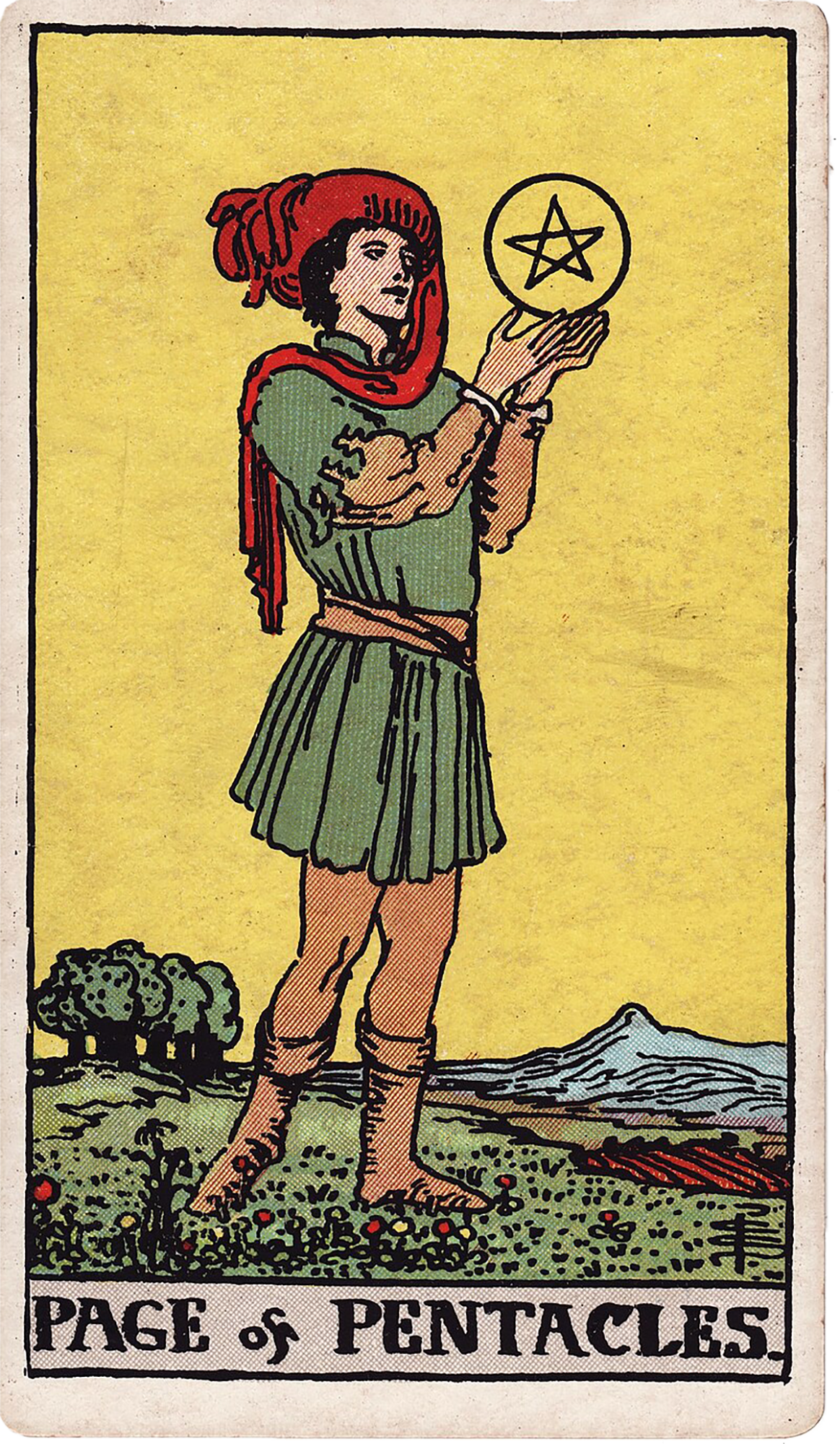 Page of Pentacles
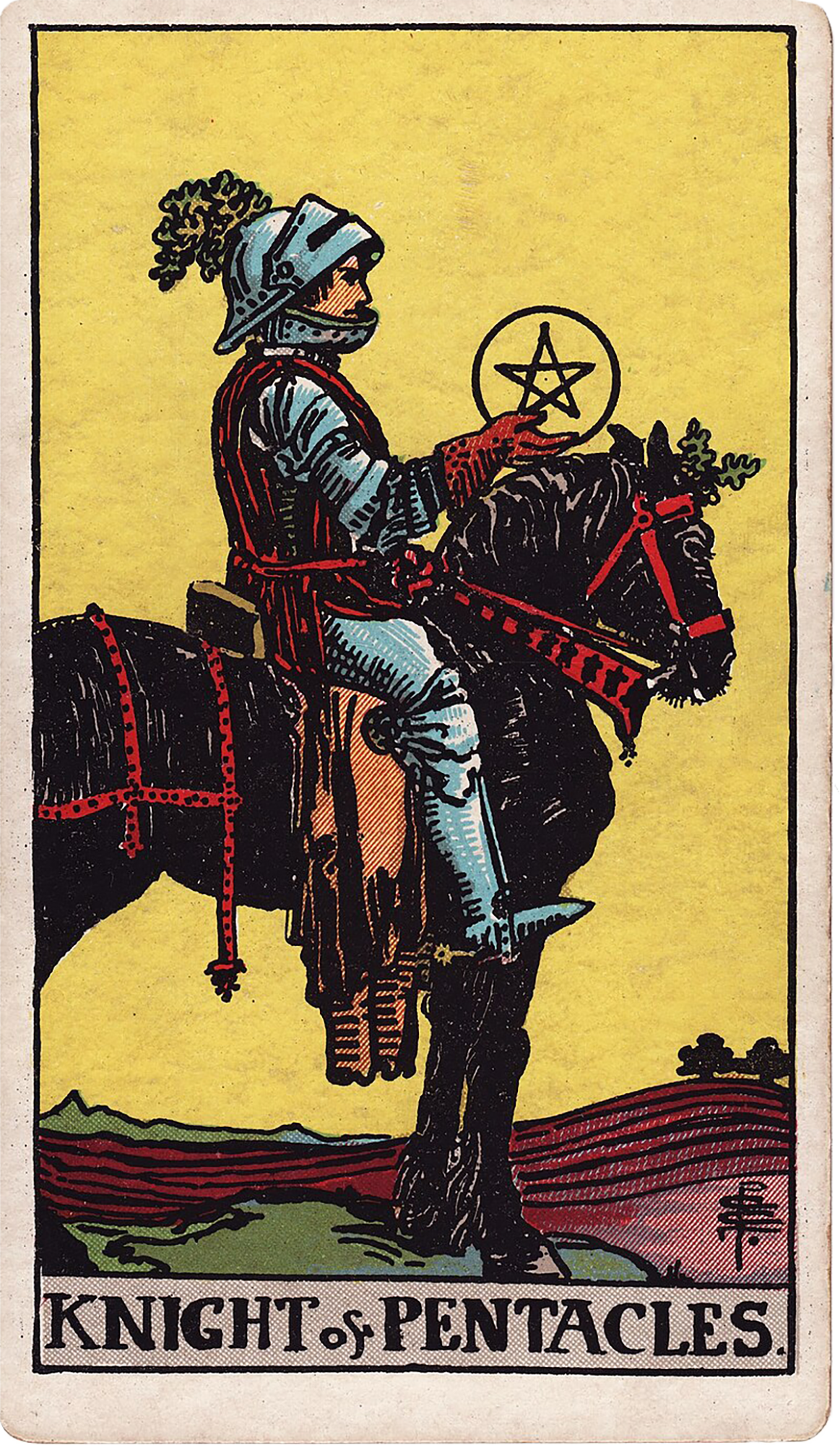 Knight of Pentacles
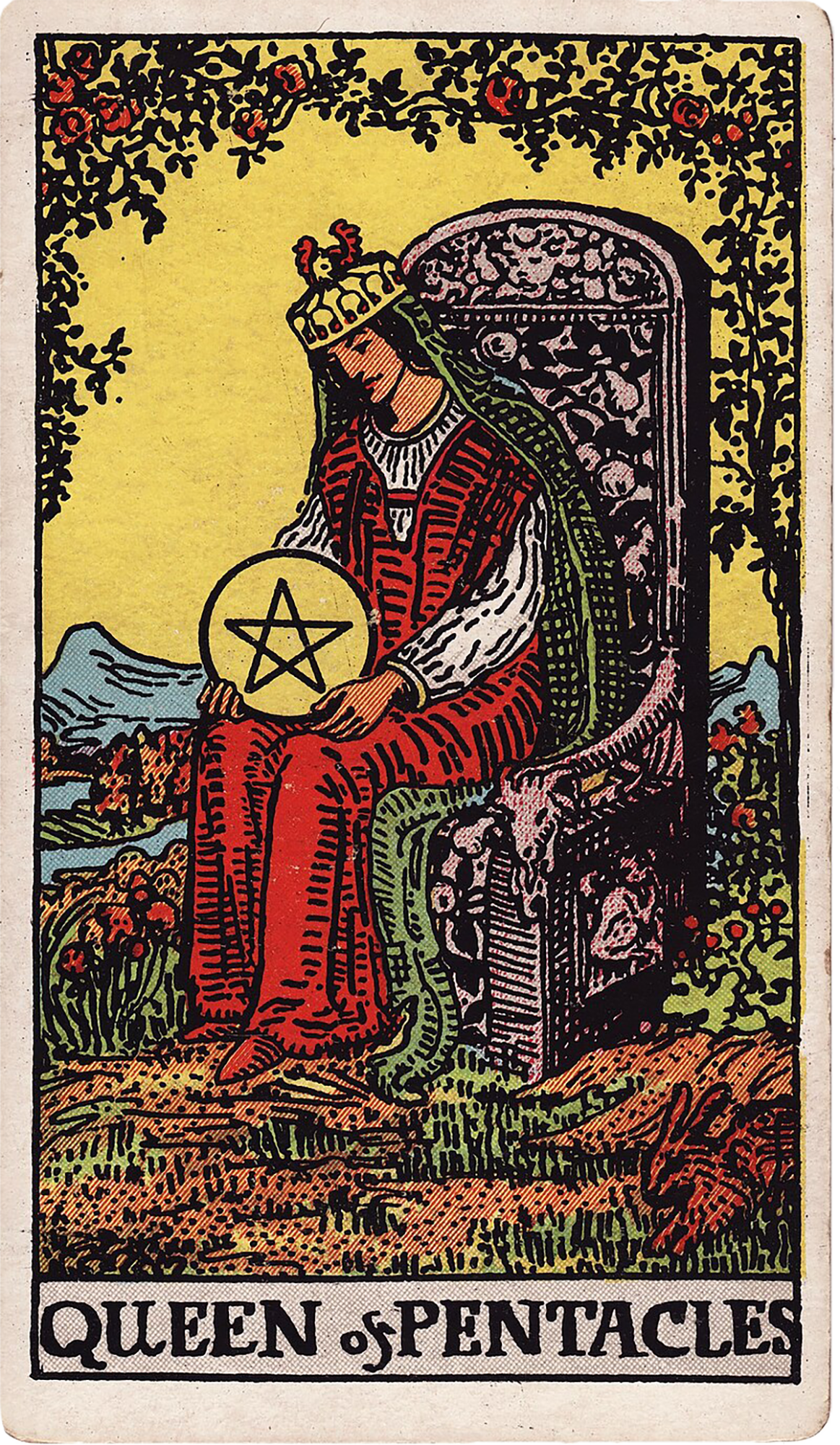 Queen of Pentacles
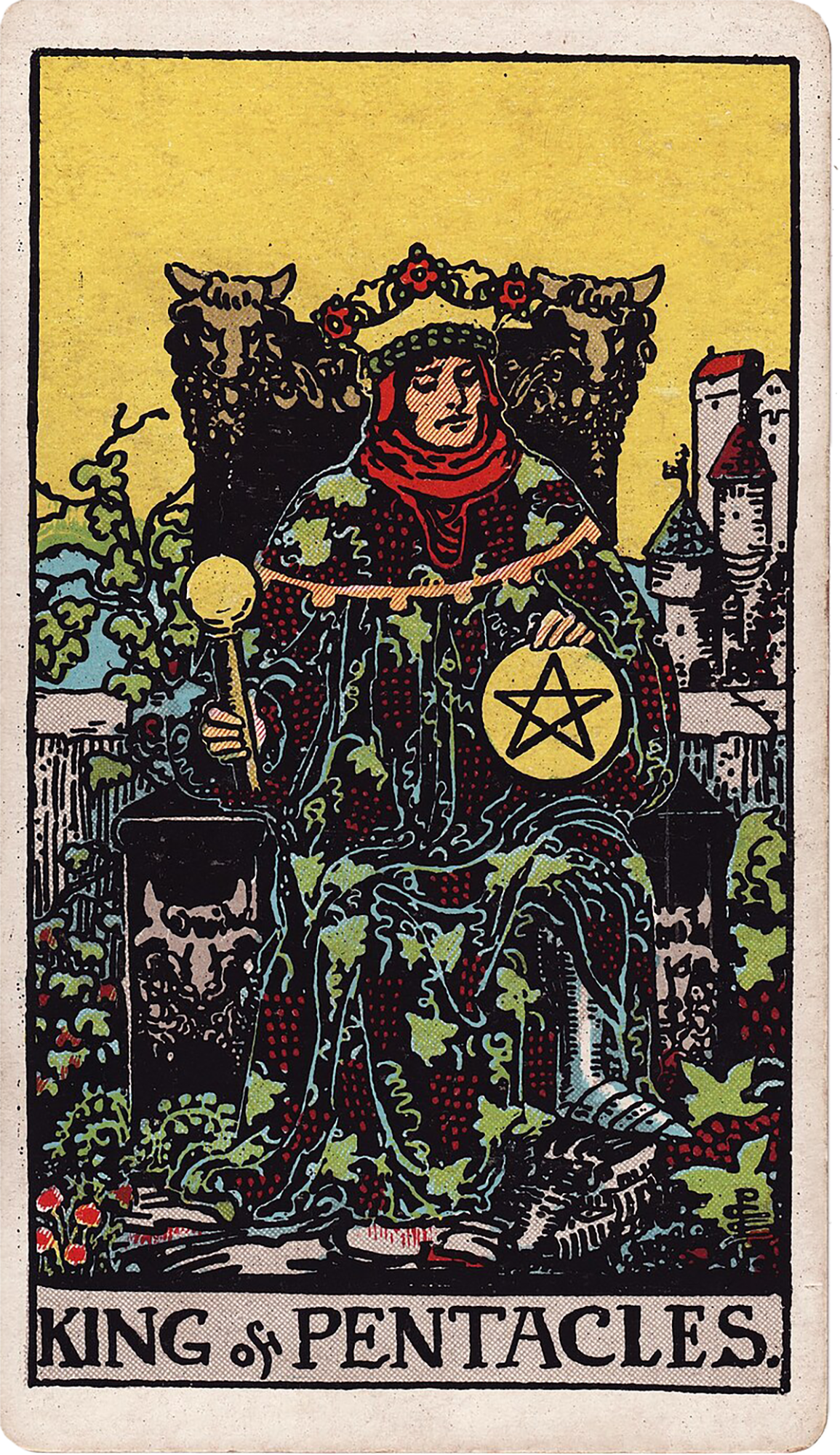 King of Pentacles
Introduction to the Pentacles Court Cards as Leadership Archetypes
The Court Cards in the Pentacles suit represent evolving facets of leadership and responsibility. Unlike the often more flamboyant or emotionally driven court cards in other suits, Pentacles courts emphasize practical competence, stewardship, and grounded care. These qualities are essential in family life and long-term material stability — themes that resonate deeply in readings about personal development and relational dynamics. The four cards — Page, Knight, Queen, and King — offer a developmental journey from learning and exploration to mastery and mature guidance. Understanding each card’s symbolic nuances from the Rider-Waite-Smith tradition, along with modern interpretations, equips readers to unlock powerful insights about leadership within their tarot practice.
Page of Pentacles: The Leadership of Learning and Practical Beginnings
The Page of Pentacles embodies the energy of a novice eager to learn and establish practical skills. Upright, this card signals a time for realistic planning, dedicated study, and responding thoughtfully to material opportunities — whether in work, health, or financial matters. The Page invites readers to notice the early stage of a process and encourage actions that build foundational competence. The image of the Page gazing at the pentacle symbolizes focused intention and the tangible potential of the present moment. In readings about family or leadership, this card can represent a young family member or a new role requiring responsibility and attention to detail. It teaches that leadership often begins with patience, humility, and commitment to learning practical steps rather than rushing to abstract ideals. Reversed, the Page of Pentacles warns of procrastination, scattered focus, or superficial handling of responsibilities. It suggests internal blocks—perhaps fears or unrealistic expectations—that must be acknowledged and simplified before genuine progress can occur. In practice, readers should explore what is hindering follow-through and gently guide clients toward consistent, grounded effort.
Knight of Pentacles: The Leadership of Steady Execution and Reliability
Progressing from the Page’s learning, the Knight of Pentacles represents mature, reliable leadership grounded in routine and perseverance. Upright, this card symbolizes steady execution rather than dramatic or impulsive action. The Knight is the archetype of a dependable guardian who steadily advances plans related to work, finances, health, or family welfare. Visually, the Knight’s posture and earthy tone convey a calm, methodical approach to responsibility. In family contexts, this card often speaks to leaders or caretakers who prioritize consistent effort and long-term stability over quick results or emotional volatility. When reversed, the Knight of Pentacles signals stagnation, stubbornness, or confusing mere slow movement with meaningful progress. It cautions against workaholism or inflexible adherence to routine that may block growth. Readers should consider whether the client needs to reassess priorities, introduce flexibility, or release unproductive habits to regain balanced leadership.
Queen of Pentacles: The Leadership of Practical Nurture and Competence
The Queen of Pentacles embodies nurturing leadership blended with practical competence. Upright, she represents the ability to manage resources so they support real-life needs rather than superficial status. The Queen’s imagery, often showing her comfortably seated with a pentacle held securely, reflects grounded care, financial savvy, and a balance of warmth and responsibility. In family readings, she can denote a figure who skillfully balances caregiving with resource management, promoting health, comfort, and long-term security. Her leadership style is inclusive and supportive, emphasizing competence and emotional warmth. Reversed, the Queen cautions against overwork, neglect of self-care, or excessive control masked as care. Financial anxiety or tying self-worth solely to usefulness may also be present. Readers should help clients recognize when nurturing turns into self-sacrifice or control, encouraging healthier boundaries and self-compassion.
King of Pentacles: The Leadership of Mature Stewardship and Stability
At the pinnacle of Pentacles leadership stands the King of Pentacles, symbolizing mature stewardship of resources and business competence. Upright, this card reflects a leader who builds stability not only for personal benefit but also to support others, embodying responsible authority and financial wisdom. The King’s imagery traditionally includes symbols of wealth and abundance, underscoring his role as a provider and protector. In family dynamics, the King of Pentacles can represent a patriarchal figure or anyone who holds a position of trusted responsibility. His leadership is measured, pragmatic, and focused on sustainable growth and security. When reversed, the King warns of greed, rigidity, or misuse of financial or social power. Attachment to security can become a barrier to growth, and status obsession may skew priorities. Readers should explore where clients may be clinging too tightly to control or material safety, and guide toward releasing these patterns to restore balanced stewardship.
Techniques for Interpreting Pentacles Court Cards in Readings
When working with the Pentacles court cards, context is crucial. Readers should pay close attention to the surrounding cards to determine the stage of development or pressure the card represents. For example, the Page may indicate a new opportunity or the start of a learning curve, while the Knight suggests ongoing effort and steady progress. Reversals should not be viewed simply as opposites but rather as indicators of where leadership or responsibility lessons have become stuck or distorted. Asking questions such as “What needs simplifying?” or “Which habits require adjustment?” helps deepen the reading. Visual symbolism also offers clues. Observe posture, facial expressions, colors, and objects. For instance, the Page’s intent gaze on the pentacle invites focus on tangible goals, while the King’s regal bearing suggests authority and mature control. These images ground abstract concepts in concrete, relatable lessons. Practically, encouraging clients to reflect on their own leadership styles, family roles, and resource management can make readings transformative. For learners, practicing with the four Pentacles court cards in various family or career spread positions sharpens insight into evolving responsibility and stewardship themes.
Common Mistakes and How to Avoid Them
A common pitfall is treating court cards as fixed personality types rather than dynamic stages or roles. Each Pentacles court card can represent a mindset, an approach, or a phase of growth rather than a literal person. Another error is neglecting the reversed meanings or oversimplifying them as mere failures or negatives. Reversals often signal internal processes or areas needing adjustment rather than outright blockages. Additionally, ignoring the suit’s earthy, practical context can lead to abstract or overly emotional interpretations. Pentacles court cards root leadership lessons in material reality, daily routines, and tangible outcomes. To avoid these mistakes, integrate symbolism with the client’s situation, examine card positions, and always seek the developmental story the cards tell together. Reflect on leadership as a balance between responsibility and adaptability.
Applying Lessons from the Pentacles Court to Family and Personal Growth
The Pentacles court cards offer a rich framework for exploring family roles and leadership lessons. For example, the Page’s eager learning may represent a young person starting to take on family responsibilities or an adult embarking on new financial goals. The Knight’s steady progress echoes the ongoing work needed to maintain family stability. The Queen’s role highlights the importance of nurturing environments founded on competence and balanced care, vital in family harmony. The King challenges readers and clients to consider how mature stewardship can protect and empower the family unit without becoming rigid or controlling. In practical readings, integrating these cards into family spreads helps clients visualize leadership as a continuum of growth, care, and responsibility. Encouraging journaling or reflection on each card’s theme can deepen personal insight. Ultimately, the Pentacles court cards guide readers to recognize that leadership is not just authority but the ongoing, practical work of nurturing, sustaining, and growing resources and relationships.
Practice questions
• How do the stages represented by the Page, Knight, Queen, and King of Pentacles reflect different leadership styles in your life?
• In what ways might procrastination or rigidity be impacting your ability to lead or take responsibility?
• How can you balance practical nurturance with self-care inspired by the Queen of Pentacles’ lessons?
• What does mature stewardship mean to you, and how might you embody the King of Pentacles’ attributes more fully?
• Where in your family or community do you see these Pentacles court archetypes playing out?
• How might recognizing internal blocks, as suggested by reversed cards, help you cultivate healthier leadership habits?
Comments
Sign in to comment.
Continue learning
Interpreting the Dance of Justice and The Devil: Balancing Morality and Temptation in Tarot Readings
The combination of Justice and The Devil in tarot presents a profound exploration of morality, temptation, and personal accountability. This article unpacks how these cards influen...
Advanced Techniques for Combining The Moon and The Star to Enhance Intuition in Tarot Readings
This article explores advanced techniques to combine the symbolism and energy of The Moon and The Star Tarot cards to enhance intuition during Tarot readings. Drawing from traditio...
Unlocking Life Insights with the Celtic Cross Tarot Spread
This article offers a thorough exploration of the Celtic Cross Tarot Spread, focusing on its application within family and practical life contexts. Using a worked example featuring...
Unlocking Hidden Meanings with The Hermit and The Hanged Man for Spiritual Growth
This article offers an in-depth exploration of The Hermit and The Hanged Man Tarot cards focusing on their roles in spiritual growth. It guides readers through beginner and advance...
Unlocking Personal Insight with the Seven Card Horseshoe Spread
The Seven Card Horseshoe Spread is a practical and insightful Tarot layout ideal for exploring personal and family dynamics. This article breaks down each position—Past, Present, H...
Mastering the Court Cards of Wands for Unlocking Personal Drive and Leadership
The Court Cards of Wands represent a dynamic spectrum of personal energy, ambition, and leadership potential within the Minor Arcana. This article offers a comprehensive exploratio...
Tracing the Origins and Evolution of The Fool Card in Tarot History
The Fool card holds a foundational place in tarot tradition, symbolizing beginnings, openness, and the embrace of uncertainty. This article traces its origins from early European d...
Techniques for Reading Court Cards to Unlock Personality Insights
Court cards in Tarot often represent people, personality traits, or energy patterns within a situation. This article offers a structured approach for beginners and advanced readers...
Unlocking Emotional Transformation with Death and The Moon Tarot Combination
This article explores the rich and complex interaction between the Death and The Moon tarot cards within the Rider-Waite-Smith tradition, focusing on their combined potential to un...
Applying The Star Card to Foster Hope and Renewal in Personal Growth
The Star card in Tarot symbolizes hope, authenticity, and the process of steady renewal. In a single-card reading, The Star encourages embracing what is present, cultivating openne...