
Unlocking Personality Traits Through the Court Cards of Cups for Emotional Intelligence
This article delves into the family suit of Cups court cards—Page, Knight, Queen, and King—to unlock personality traits crucial for emotional intelligence development. Using detailed card images and their Rider-Waite-Smith symbolism, learners will discover how each card reflects different emotional stages, challenges, and growth opportunities. The article offers practical reading methods to interpret these cards in spreads, common interpretation pitfalls, and how to link upright and reversed meanings to internal emotional processes rather than simple opposites. Anchored in the supplied cards’ imagery and conventional meanings, readers will develop a nuanced understanding of emotional skills like empathy, intuition, and emotional leadership through the lens of Tarot.
Cards explored in this article
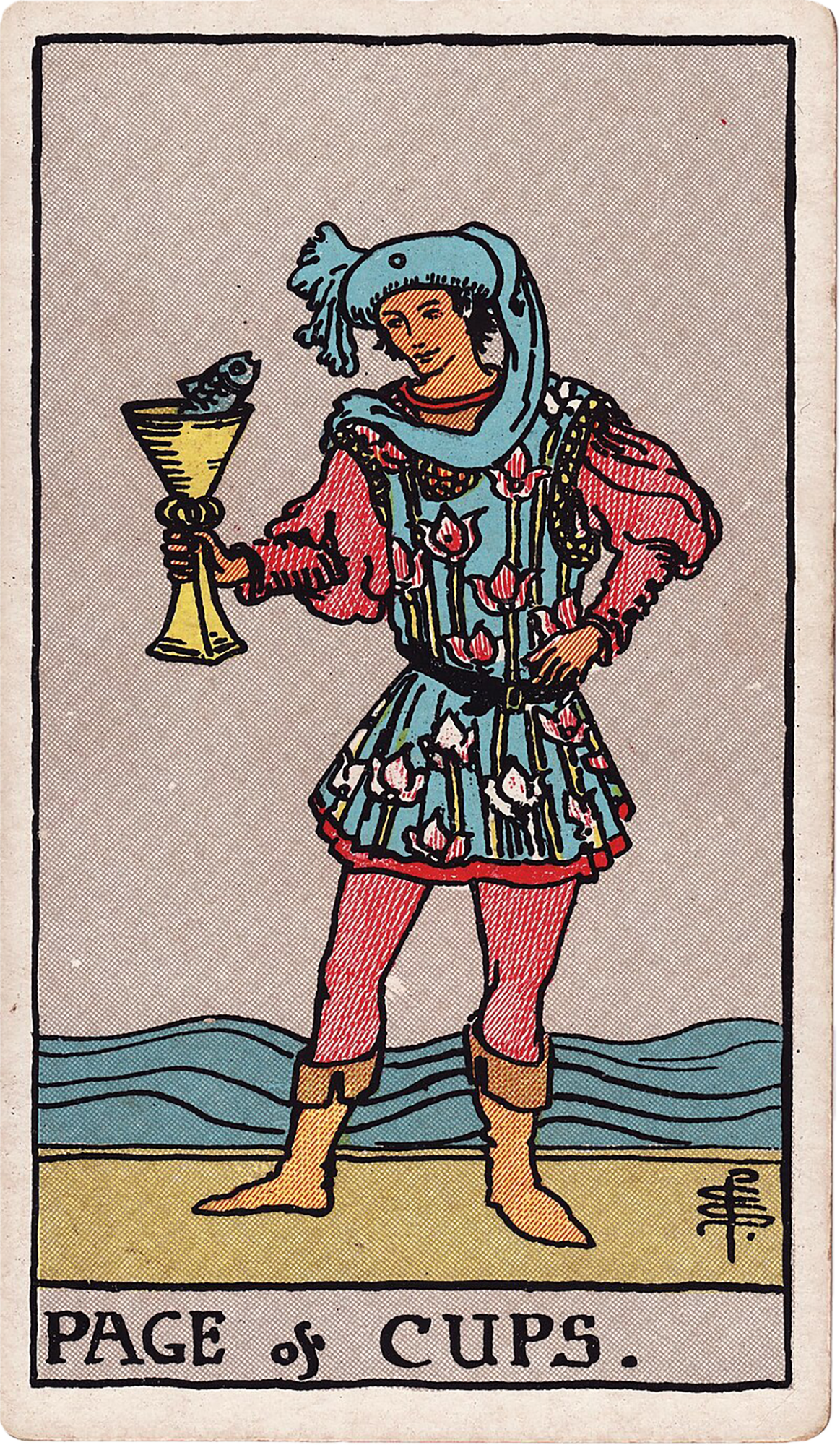 Page of Cups
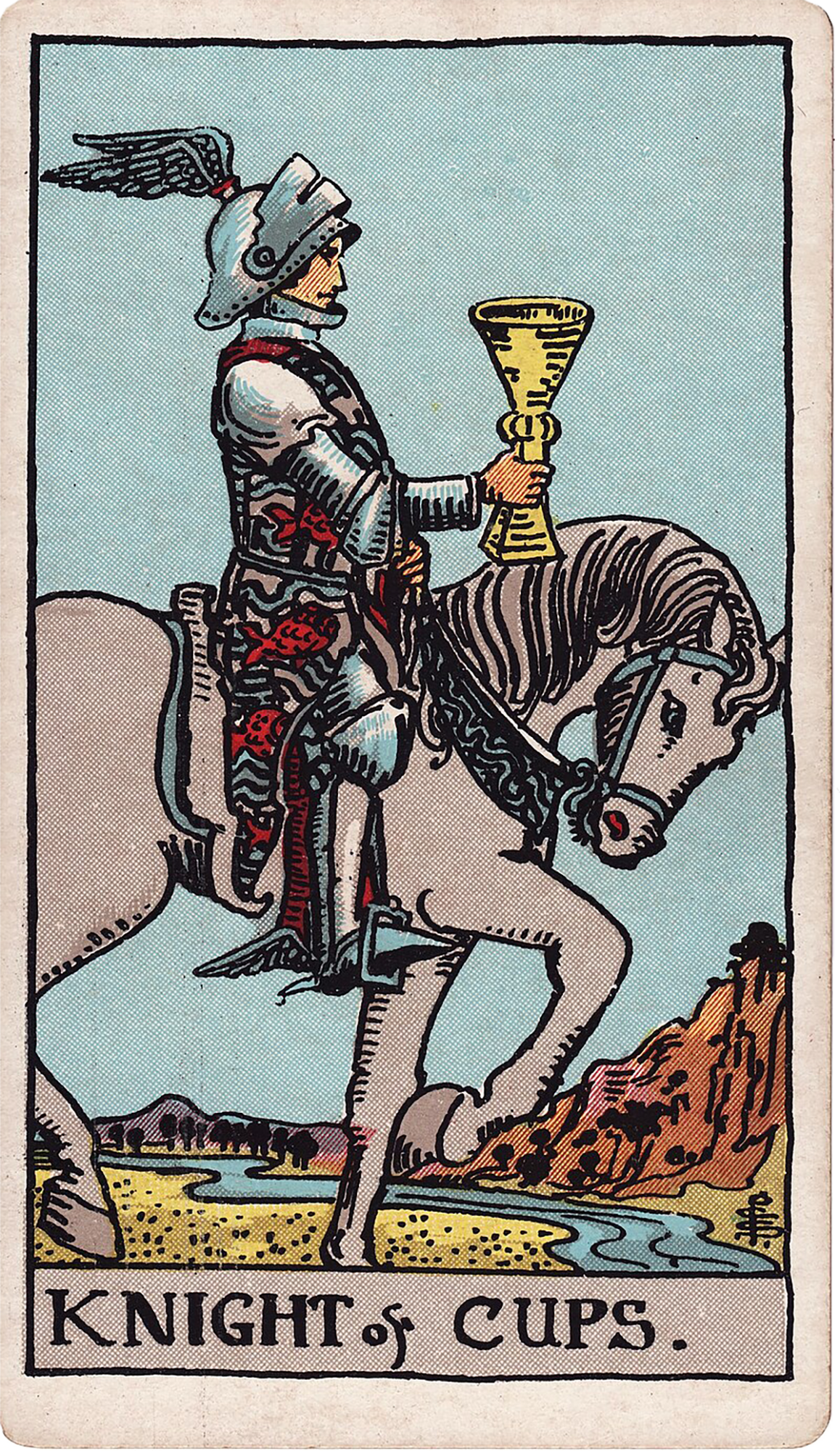 Knight of Cups
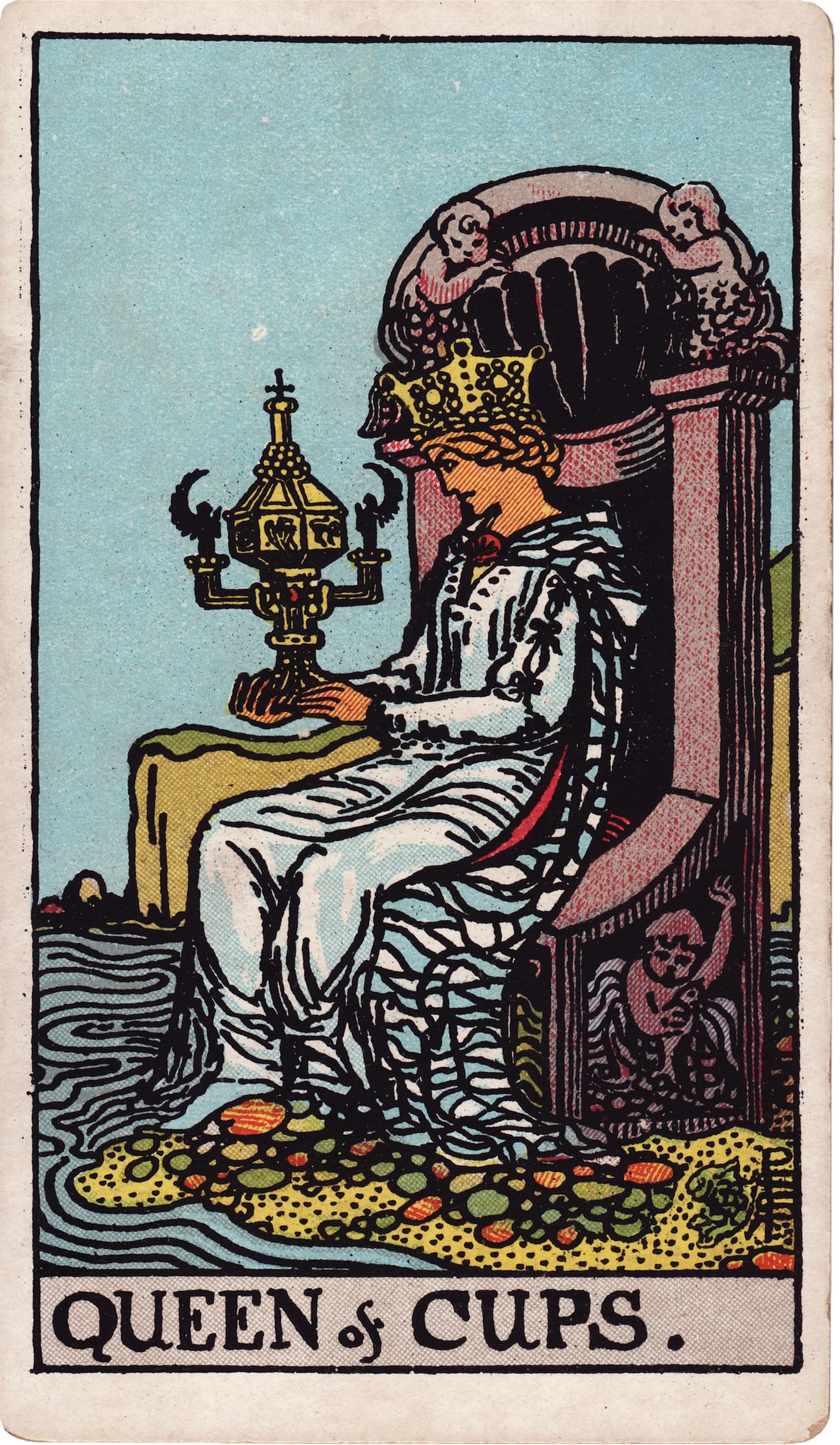 Queen of Cups
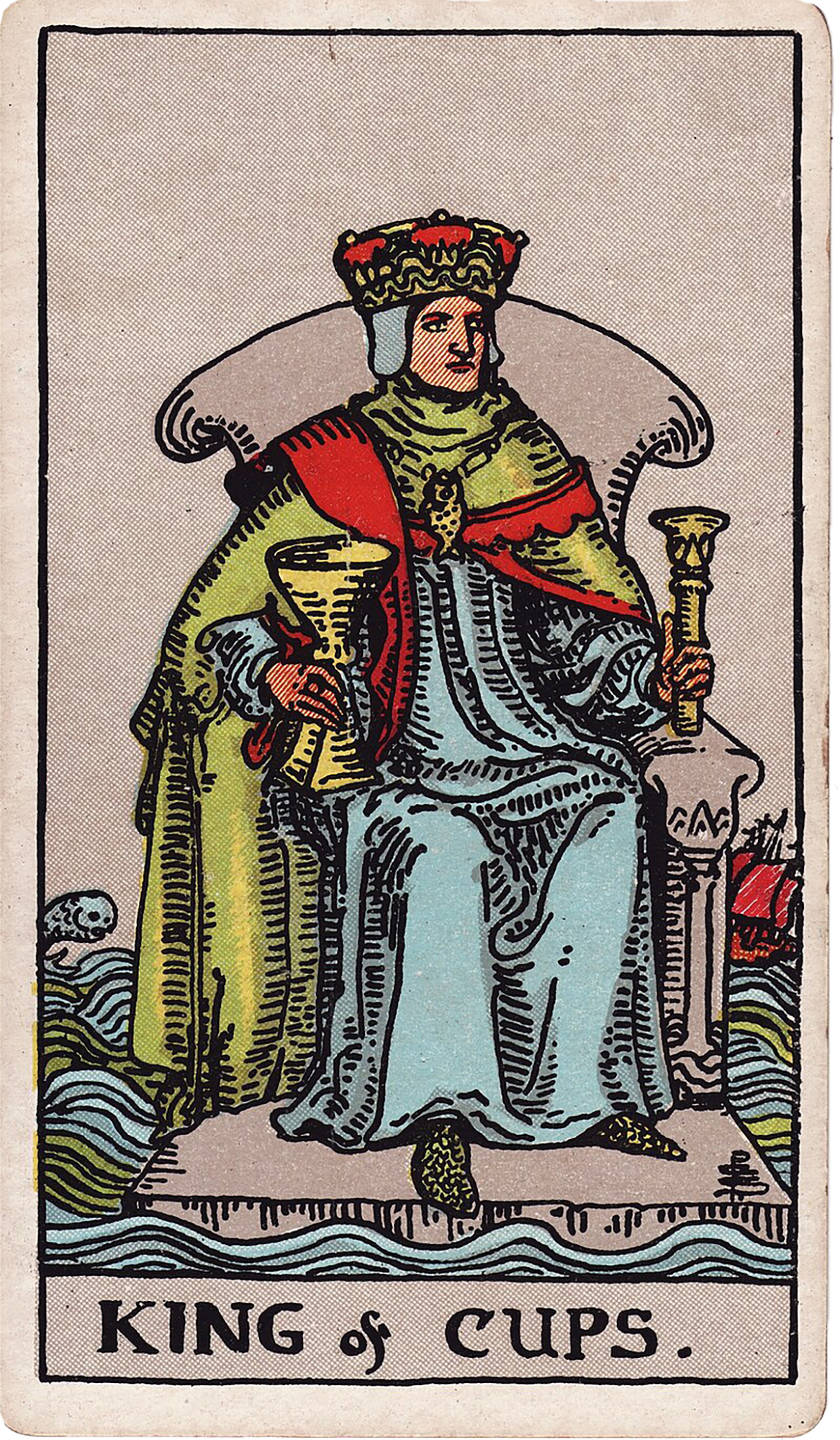 King of Cups
Introduction to the Emotional Intelligence Lessons of the Cups Court Cards
The Cups suit in Tarot traditionally relates to emotions, relationships, intuition, and the way feelings are processed. The court cards within this suit — the Page, Knight, Queen, and King of Cups — represent evolving personality traits and emotional capacities within a family or inner psychological dynamic. Understanding these cards as a sequence unlocks a roadmap for emotional intelligence development. The Rider-Waite-Smith imagery provides rich symbolic cues that tie each card’s personality traits to practical life lessons. Rather than using these cards solely as predictive tools, learners can explore how they reflect patterns of emotional maturity, challenges, and relational navigation. This article will guide you through how to interpret these cards’ upright and reversed positions, recognize common reading pitfalls, and apply practical techniques to improve both your Tarot skills and your self-awareness.
The Page of Cups as the Emotional Initiate and Intuitive Messenger
The Page of Cups symbolizes the beginning of emotional exploration and creative intuition. Upright, this card highlights unexpected emotional messages, curiosity, and receptivity to feelings. The Rider-Waite-Smith image shows a youthful figure holding a cup from which a fish peeks out, symbolizing surprises arising from the subconscious and imaginative realms. This card encourages learners to respond to emotional cues in the present moment rather than imposing abstract ideals. Reversed, the Page of Cups points to emotional immaturity, hypersensitivity, or dismissing intuition because it arrives unconventionally. It rarely means a complete absence of emotional awareness but indicates where growth has become stuck — perhaps a fear of vulnerability or ignoring subtle emotional signals. In a reading, focus on what emotional message or creative impulse is emerging. Ask where curiosity rather than judgment can guide you. This card's energy is foundational for emotional intelligence: it teaches noticing and naming feelings before reacting. A common mistake is to treat the reversed Page as simply 'bad' or 'blocked' without investigating which emotional habits need simplifying or practicing to regain emotional openness.
The Knight of Cups as the Pursuer of Emotional Aspirations and Romantic Idealism
The Knight of Cups portrays a figure in motion pursuing what the heart values with grace and emotional intention. Upright, this card invites you to engage your imagination, emotional expression, and relational openness. The imagery of a knight on horseback carrying a cup illustrates an active pursuit of emotional goals, artistic impulses, or heartfelt offers. This card asks for a response fitting the current emotional stage and reminds readers that feelings require ongoing intention and balance. When reversed, the Knight warns against idealization, moodiness, or chasing fantasies detached from real relationships. It may reveal unconscious patterns of seduction without substance or emotional promises that cannot be kept. The reversal often highlights internal emotional disconnects rather than overt external behaviors. In practice, the Knight encourages asking whether emotional pursuits align with reality and mutual respect or if they reflect internal projections. Avoid the pitfall of assuming the Knight’s emotional drive is always mature; it can be impulsive or unrealistic. Use surrounding cards to assess whether emotional energy is growing healthily or becoming pressured.
The Queen of Cups as the Embodiment of Emotional Maturity and Empathic Receptivity
The Queen of Cups represents emotional maturity, empathy, and intuitive understanding while maintaining an inner container for feelings. Upright, the card depicts a serene woman holding a closed cup, symbolizing guarded but deep emotional receptivity. She is empathetic without losing herself, embodying compassion and psychic openness. This card teaches how to balance feeling deeply with healthy boundaries, an essential aspect of emotional intelligence. Reversed, the Queen may indicate emotional overwhelm, codependency, or difficulty distinguishing intuition from anxiety. It can suggest absorption of others' moods to a draining degree or withdrawal into fantasy as a coping mechanism. The reversal invites examination of where emotional boundaries have eroded or where intuition is clouded by fear. Practically, the Queen encourages readers to cultivate empathy that is both open and contained. A common mistake is to confuse emotional empathy with emotional enmeshment; the Queen’s lesson is to feel compassionately without losing autonomy. In spreads, observe how this card's energy interacts with others to spot healthy or toxic emotional dynamics.
The King of Cups as the Ideal of Steady Emotional Leadership and Composure
The King of Cups stands for steady emotional leadership: the ability to feel deeply without being swayed by every emotional wave. Upright, this card shows a composed figure seated on a throne surrounded by water, symbolizing mastery over the emotional realm without repression. The King creates safety through emotional balance and genuine vulnerability, guiding others with empathy and calm authority. The reversed King draws attention to emotional manipulation, repression, or mood control by withdrawal. It describes someone who may appear calm externally but refuses true vulnerability, or who uses emotions to control rather than connect. This reversal is less about outright emotional absence and more about disconnect between feeling and expression. In readings, the King encourages reflection on emotional integrity and leadership within relationships or inner emotional regulation. Avoid interpreting the reversed King as simply 'negative'; instead, ask where emotional expression has been constrained or distorted. The King’s energy challenges us to cultivate authentic emotional authority rooted in compassion.
Techniques for Interpreting the Cups Court Cards in Emotional Intelligence Readings
When working with the Cups court cards, a key technique is to view them as stages or aspects of emotional development rather than isolated symbols. Begin by identifying which card appears and its orientation. Consider the card’s personality traits, emotional skills, and potential blocks as lenses for understanding the querent’s or situation’s emotional dynamics. Integrate the card’s Rider-Waite-Smith symbolism: the youthful curiosity of the Page, the questing energy of the Knight, the calm empathy of the Queen, and the steady leadership of the King. Reflect on how water imagery, cups, and posture communicate openness, boundary setting, or emotional flow. Use surrounding cards to determine whether the emotional energy is emerging, developing, under pressure, or resolving. Avoid common mistakes such as taking reversals as simple opposites, or forcing the cards into predictive roles. Instead, ask where emotional processes have stalled or need nurturing. Frame interpretations to highlight emotional learning and opportunity for growth. Practically, encourage querents to relate the cards to their real-life emotional patterns, relationships, and intuitive signals. This approach deepens emotional intelligence by turning Tarot into a mirror for self-awareness and compassionate action.
Common Interpretation Pitfalls and How to Avoid Them
A frequent error when reading the Cups court cards is treating reversed cards as purely negative or the 'opposite' of upright meanings. Instead, reversals often indicate internal emotional blocks, developmental pauses, or aspects not yet integrated into conscious awareness. Asking what emotional habits need simplifying, acknowledged, or released provides more nuanced insight. Another mistake is over-romanticizing the Knight of Cups or Queen of Cups without recognizing possible immaturity or enmeshment risks. Emotional intelligence requires balancing idealism with grounded awareness. Ignoring the sequence or family relationship among the court cards can weaken readings. Seeing these cards as parts of an evolving emotional personality offers richer context. Lastly, detaching the cards from their Rider-Waite-Smith symbols such as the fish in the Page’s cup or the closed chalice held by the Queen risks losing depth in interpretation. Always integrate visual cues to support and enrich your understanding.
Practical Examples and Exercises to Develop Emotional Intelligence Using Cups Court Cards
To deepen your emotional intelligence with the Cups court cards, try reflective journaling exercises for each card. For instance, with the Page of Cups, note moments when curiosity about your feelings helped you respond constructively rather than react impulsively. Use the Knight of Cups to explore your emotional aspirations and how they align with reality. Ask yourself if you tend to chase fantasies or genuinely connect. Reflect on times you embodied the Queen of Cups’ empathy and where you might have blurred boundaries or absorbed others' moods excessively. For the King of Cups, consider your emotional leadership: how do you maintain composure during emotional turbulence, and where might you resist vulnerability? In Tarot practice, pull a single Cups court card in response to questions about relationships or inner emotional states. Note upright or reversed position and relate the card’s traits to your experience. Over time, track patterns and growth areas. Applying this method transforms the Cups court cards from predictive symbols into tools of emotional self-mastery.
Practice questions
• How do the different Cups court cards represent stages of emotional growth in your own life?
• Where in your emotional experience do you recognize the curiosity of the Page of Cups or the idealism of the Knight of Cups?
• In what relationships do you embody the Queen of Cups’ empathy and where might you need healthier boundaries?
• How do you practice steady emotional leadership like the King of Cups, especially during challenging times?
• When you encounter reversed Cups court cards in readings, what internal emotional blocks or unintegrated feelings might they indicate?
• How can Tarot symbolism, especially from the Rider-Waite-Smith deck, deepen your understanding of your emotional patterns?
Comments
Sign in to comment.
Continue learning
Interpreting the Dance of Justice and The Devil: Balancing Morality and Temptation in Tarot Readings
The combination of Justice and The Devil in tarot presents a profound exploration of morality, temptation, and personal accountability. This article unpacks how these cards influen...
Advanced Techniques for Combining The Moon and The Star to Enhance Intuition in Tarot Readings
This article explores advanced techniques to combine the symbolism and energy of The Moon and The Star Tarot cards to enhance intuition during Tarot readings. Drawing from traditio...
Unlocking Life Insights with the Celtic Cross Tarot Spread
This article offers a thorough exploration of the Celtic Cross Tarot Spread, focusing on its application within family and practical life contexts. Using a worked example featuring...
Unlocking Hidden Meanings with The Hermit and The Hanged Man for Spiritual Growth
This article offers an in-depth exploration of The Hermit and The Hanged Man Tarot cards focusing on their roles in spiritual growth. It guides readers through beginner and advance...
Unlocking Personal Insight with the Seven Card Horseshoe Spread
The Seven Card Horseshoe Spread is a practical and insightful Tarot layout ideal for exploring personal and family dynamics. This article breaks down each position—Past, Present, H...
Mastering the Court Cards of Wands for Unlocking Personal Drive and Leadership
The Court Cards of Wands represent a dynamic spectrum of personal energy, ambition, and leadership potential within the Minor Arcana. This article offers a comprehensive exploratio...
Tracing the Origins and Evolution of The Fool Card in Tarot History
The Fool card holds a foundational place in tarot tradition, symbolizing beginnings, openness, and the embrace of uncertainty. This article traces its origins from early European d...
Techniques for Reading Court Cards to Unlock Personality Insights
Court cards in Tarot often represent people, personality traits, or energy patterns within a situation. This article offers a structured approach for beginners and advanced readers...
Unlocking Emotional Transformation with Death and The Moon Tarot Combination
This article explores the rich and complex interaction between the Death and The Moon tarot cards within the Rider-Waite-Smith tradition, focusing on their combined potential to un...
Applying The Star Card to Foster Hope and Renewal in Personal Growth
The Star card in Tarot symbolizes hope, authenticity, and the process of steady renewal. In a single-card reading, The Star encourages embracing what is present, cultivating openne...