
Unlocking Practical and Leadership Lessons from the Knight Queen and King of Pentacles
This article delves into the practical and leadership teachings embodied by the Knight, Queen, and King of Pentacles, three court cards in the Minor Arcana’s Pentacles suit. Anchored in Rider-Waite-Smith symbolism and detailed card meanings, it explains how each card conveys unique lessons about work, resource stewardship, stability, and responsibility. Readers will gain a grounded approach for interpreting these cards in spreads, recognize common misinterpretations, and learn techniques for connecting card imagery with real-world situations. The article also outlines how to handle reversed cards, offering nuanced perspectives on internal blocks or excesses. Ideal for Tarot learners, this guide situates the Knight, Queen, and King of Pentacles as a family unit that teaches steady progress, nurturing leadership, and mature stewardship within the practical sphere of material life.
Cards explored in this article
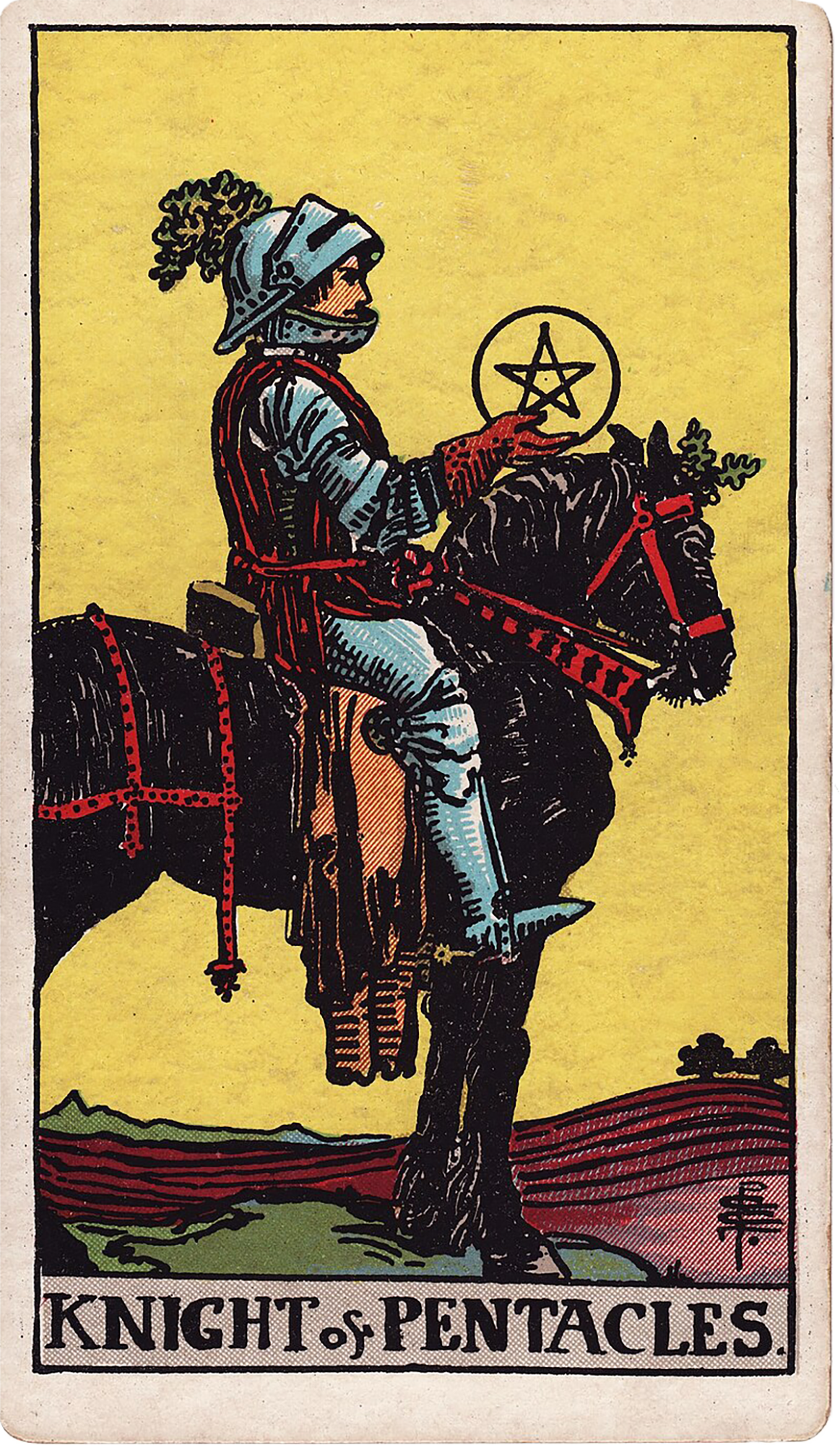 Knight of Pentacles
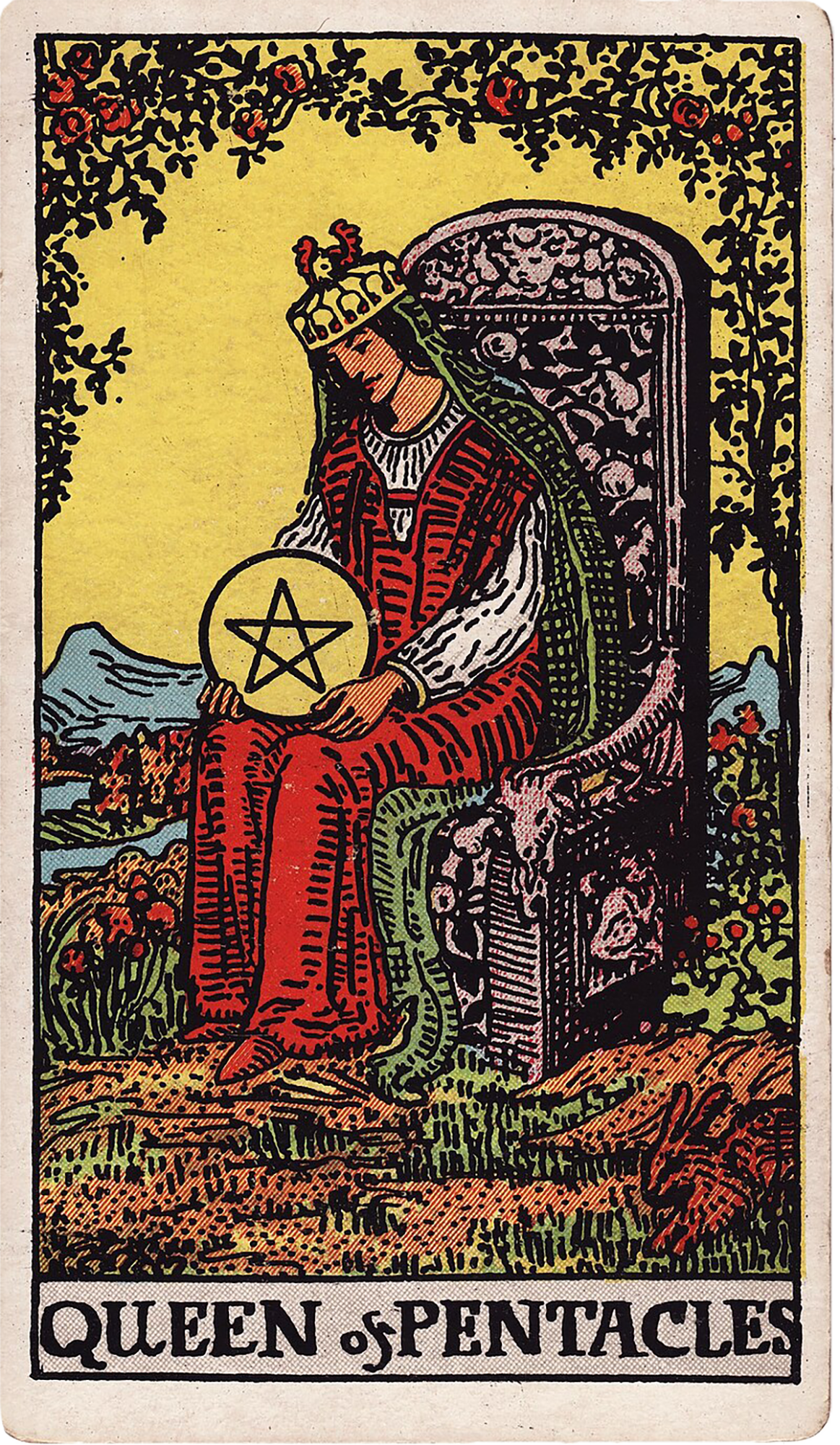 Queen of Pentacles
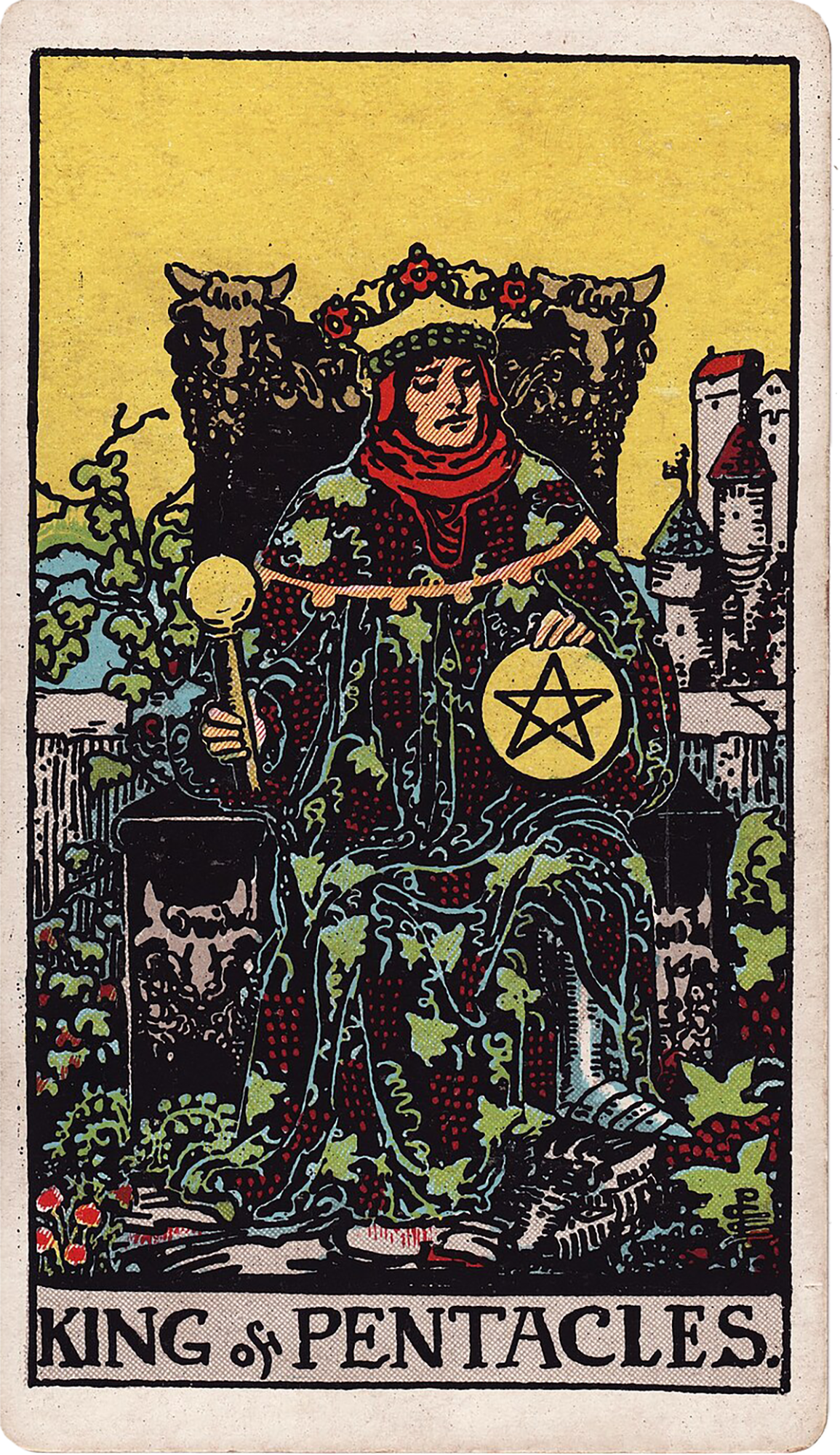 King of Pentacles
Introduction to the Pentacles Suit and Its Court Cards
The suit of Pentacles in the Minor Arcana is fundamentally linked to material aspects of life including work, money, health, routine, resources, craft, the body, and long-term stability. It represents the tangible world and how we navigate it with practicality and grounded effort. Within this suit, the Knight, Queen, and King of Pentacles form a family trio of court cards, each illustrating distinct archetypes of practical behavior and leadership. Understanding these cards as a family unit helps learners appreciate the continuum of growth stages and responsibilities they embody. These cards are not merely characters but reflect energies and lessons that can be applied to reading situations involving personal development, career, financial management, and health.
The Knight of Pentacles as the Embodiment of Steady Progress
The upright Knight of Pentacles highlights steady execution, reliability, and progress through routine rather than dramatic or impulsive actions. In the Rider-Waite-Smith deck, the Knight is depicted on a dark horse, calmly holding a pentacle with focused attention, symbolizing diligent effort and patience. This card invites readers to recognize where progress is made by consistent, practical steps rather than sudden leaps. It suggests a phase of development where hands-on work and commitment to daily responsibilities are essential. When reversed, the Knight of Pentacles warns of stagnation, stubbornness, or confusing slow movement with no movement. It calls attention to the risk of workaholism, boredom, or internal blockages that prevent forward momentum. Rather than seeing the reversal as simply negative, it asks the reader to explore what patterns or attitudes have caused the process to stall and what practical adjustments are needed. For Tarot learners, a common mistake is to overlook the card’s emphasis on routine and become frustrated by its slow pace. Instead, readers should use the surrounding cards to understand if the Knight’s energy is just beginning, building strength, under pressure, or nearing resolution.
The Queen of Pentacles as a Model of Practical Nurture and Competence
The Queen of Pentacles upright symbolizes practical nurture, competence, and the ability to manage resources to support real-life needs rather than mere status or appearances. The Rider-Waite-Smith image shows the Queen seated in a stable environment, holding a pentacle and surrounded by natural abundance, reflecting her grounded nature and care for both material and emotional well-being. This card teaches that leadership involves not just personal success but creating environments where others can thrive through thoughtful resource management and nurturing. The Queen combines warmth with fiscal responsibility and health awareness, emphasizing that care must be practical and sustainable. Reversed, the Queen of Pentacles points to overwork, self-neglect, financial anxieties, or controlling tendencies masked as care. It may indicate measuring self-worth solely through usefulness or external productivity. Rather than an opposite meaning, the reversal suggests an imbalance or blockage in the nurturing process that requires awareness and recalibration. Readers often misinterpret the Queen as passive or purely maternal; however, she is an active leader in her domain, balancing assertiveness and empathy. Paying attention to the card’s imagery—her steady gaze, the comfortable throne, the flourishing garden—helps learners anchor interpretations in the real-world qualities of competence and grounded care.
The King of Pentacles as a Symbol of Mature Stewardship and Stability
The King of Pentacles upright embodies mature stewardship of resources, business competence, and the building of lasting stability that supports not only oneself but others as well. The Rider-Waite-Smith deck illustrates the King seated with regal composure, surrounded by symbols of wealth and security, including a golden pentacle and lush vines, representing prosperity and responsible guardianship. This card teaches that true leadership in the material realm requires balancing ambition with ethical management, long-term vision, and generosity. It signals mastery over the practical domain and the ability to create structures that endure through time and support community. When reversed, the King of Pentacles can reveal issues such as greed, rigidity, obsession with status, misuse of financial power, or an excessive clinging to security that stifles growth. The reversal encourages examination of where control has become harmful or where fear of change prevents advancement. A common interpretive error is to reduce the King to a stereotypical wealthy figure; instead, readers should focus on his role as a steward and leader who integrates strength with responsibility. Noting the card’s rich imagery—his firm posture, the thriving vineyard, the elaborate cloak—helps ground interpretations in stability combined with active leadership.
Interpreting the Knight Queen and King of Pentacles Together in a Spread
When the Knight, Queen, and King of Pentacles appear together or in related positions in a spread, they often represent a developmental or leadership progression within a practical context. The Knight suggests a phase of active, patient work and groundwork laying. The Queen introduces a nurturing and responsible management of resources and relationships, emphasizing care and competence. The King represents the culmination of these efforts into mature leadership, stewardship, and sustainable success. In practical readings, these cards together may highlight themes of career growth, financial management, or family leadership roles evolving through stages. They encourage readers to assess where the querent’s current situation falls within this trajectory and what qualities need strengthening. It is useful to consider their reversed states as pointers to internal challenges or external obstacles affecting this progression. For example, a reversed Knight might signal difficulty in initiating action, a reversed Queen could warn of burnout, and a reversed King might suggest unhealthy attachments to control or material security. Using the cards’ imagery and traditional symbolism to visualize this family dynamic helps readers narrate coherent stories within a spread, making interpretations more nuanced and actionable.
Techniques for Connecting Card Imagery with Practical Lessons
Anchoring interpretation in the imagery of the Knight, Queen, and King of Pentacles enhances accuracy and depth. Key Rider-Waite-Smith symbols include: - The pentacles they hold or display, representing material focus and resource management. - Their postures and facial expressions indicating temperament—steady, calm, controlled. - Surrounding elements such as the horse (Knight’s steady movement), natural abundance (Queen’s garden), and wealth symbols (King’s throne and vines). Begin by observing these visual cues and asking how they relate to the querent’s situation. For example, the Knight’s slow but sure horse suggests progress through persistence, so ask if the querent is overlooking small but meaningful steps. The Queen’s lush environment invites questions about balancing care for self and others. The King’s wealth and composure suggest evaluating leadership style and long-term planning. Practicing this technique helps avoid generic or overly simplistic readings, instead developing interpretations that resonate with the querent’s lived experience.
Common Mistakes and How to Avoid Them in Reading These Court Cards
Several pitfalls commonly occur when interpreting the Knight, Queen, and King of Pentacles: 1. Overlooking the subtleties of the Pentacles suit by focusing only on material wealth and ignoring health, routine, and emotional stability. 2. Treating reversed cards as simply negative, rather than exploring blocked processes or internal dynamics. 3. Assigning rigid gender roles or stereotypes to the court cards instead of embracing their archetypal lessons. 4. Ignoring the progression or relationship between these court cards, leading to fragmented or inconsistent readings. 5. Reading the Knight as impulsive rather than steady, the Queen as passive, or the King as merely wealthy without leadership qualities. Avoid these by consistently returning to card imagery, suit themes, and the cards’ practical lessons. Use reflection questions to deepen understanding and contextualize meanings within the querent’s situation.
Practical Reading Method for the Pentacles Court Family
When one or more of these cards appear in a reading, consider the following method: 1. Identify the card(s) and note whether they are upright or reversed. 2. Observe the Rider-Waite-Smith imagery closely—posture, symbols, colors. 3. Anchor the meaning in the context of pentacles: material resources, work, health, and stability. 4. Determine where the card fits in a practical lifecycle—initiation and steady work (Knight), nurturing growth and competence (Queen), or mature leadership and stewardship (King). 5. Use surrounding cards to clarify if the energy is emerging, developing, under stress, or resolving. 6. Reflect on reversed cards as signs of internal block or excess and explore what needs adjustment. 7. Ask reflective questions to ask the querent or yourself: Are routines supporting or hindering progress? Is care balanced or controlling? Is leadership responsible or rigid? This technique creates a layered interpretation that respects the cards’ complexity and practical focus.
Conclusion Unlocking Family Suit and Court Card Wisdom
The Knight, Queen, and King of Pentacles offer rich, interconnected lessons in practical action, nurturing leadership, and mature stewardship of resources. Approaching these cards as a family within the Pentacles suit helps Tarot learners deepen their understanding of material and leadership dynamics in readings. By focusing on Rider-Waite-Smith symbolism, practical themes, and nuanced reversed meanings, readers can unlock grounded insights that empower querents to navigate work, health, finance, and family responsibilities with skill and awareness. Ultimately, these court cards teach that steady progress, compassionate competence, and responsible leadership build the foundation for lasting stability and growth.
Practice questions
• Where in your life do you see the steady, patient energy of the Knight of Pentacles at work or in need of cultivation?
• How do you balance practical nurture and competence as shown by the Queen of Pentacles in your daily routines and relationships?
• In what ways might your leadership or stewardship reflect the mature, responsible qualities of the King of Pentacles?
• Are there any areas where you might be stuck, overworking, or too rigid in managing your resources or responsibilities?
• How can you apply the lessons of these Pentacles court cards to support long-term material and emotional stability?
Comments
Sign in to comment.
Continue learning
Interpreting the Dance of Justice and The Devil: Balancing Morality and Temptation in Tarot Readings
The combination of Justice and The Devil in tarot presents a profound exploration of morality, temptation, and personal accountability. This article unpacks how these cards influen...
Advanced Techniques for Combining The Moon and The Star to Enhance Intuition in Tarot Readings
This article explores advanced techniques to combine the symbolism and energy of The Moon and The Star Tarot cards to enhance intuition during Tarot readings. Drawing from traditio...
Unlocking Life Insights with the Celtic Cross Tarot Spread
This article offers a thorough exploration of the Celtic Cross Tarot Spread, focusing on its application within family and practical life contexts. Using a worked example featuring...
Unlocking Hidden Meanings with The Hermit and The Hanged Man for Spiritual Growth
This article offers an in-depth exploration of The Hermit and The Hanged Man Tarot cards focusing on their roles in spiritual growth. It guides readers through beginner and advance...
Unlocking Personal Insight with the Seven Card Horseshoe Spread
The Seven Card Horseshoe Spread is a practical and insightful Tarot layout ideal for exploring personal and family dynamics. This article breaks down each position—Past, Present, H...
Mastering the Court Cards of Wands for Unlocking Personal Drive and Leadership
The Court Cards of Wands represent a dynamic spectrum of personal energy, ambition, and leadership potential within the Minor Arcana. This article offers a comprehensive exploratio...
Tracing the Origins and Evolution of The Fool Card in Tarot History
The Fool card holds a foundational place in tarot tradition, symbolizing beginnings, openness, and the embrace of uncertainty. This article traces its origins from early European d...
Techniques for Reading Court Cards to Unlock Personality Insights
Court cards in Tarot often represent people, personality traits, or energy patterns within a situation. This article offers a structured approach for beginners and advanced readers...
Unlocking Emotional Transformation with Death and The Moon Tarot Combination
This article explores the rich and complex interaction between the Death and The Moon tarot cards within the Rider-Waite-Smith tradition, focusing on their combined potential to un...
Applying The Star Card to Foster Hope and Renewal in Personal Growth
The Star card in Tarot symbolizes hope, authenticity, and the process of steady renewal. In a single-card reading, The Star encourages embracing what is present, cultivating openne...