
Unlocking Practical and Leadership Qualities Through the Court Cards of Pentacles
The Court Cards of Pentacles—Page, Knight, Queen, and King—offer a rich tapestry of practical and leadership lessons within the Minor Arcana. This article delves into their traditional Rider-Waite-Smith symbolism, upright and reversed meanings, and their roles in representing stages of personal growth related to work, resources, and stewardship. By examining their imagery and contextual meanings, learners will acquire techniques to unlock the practical and leadership qualities these cards symbolize. This education equips readers to interpret these cards not as fixed predictions but as guides to evolving skills, attitudes, and responsibilities within family and broader life contexts.
Cards explored in this article
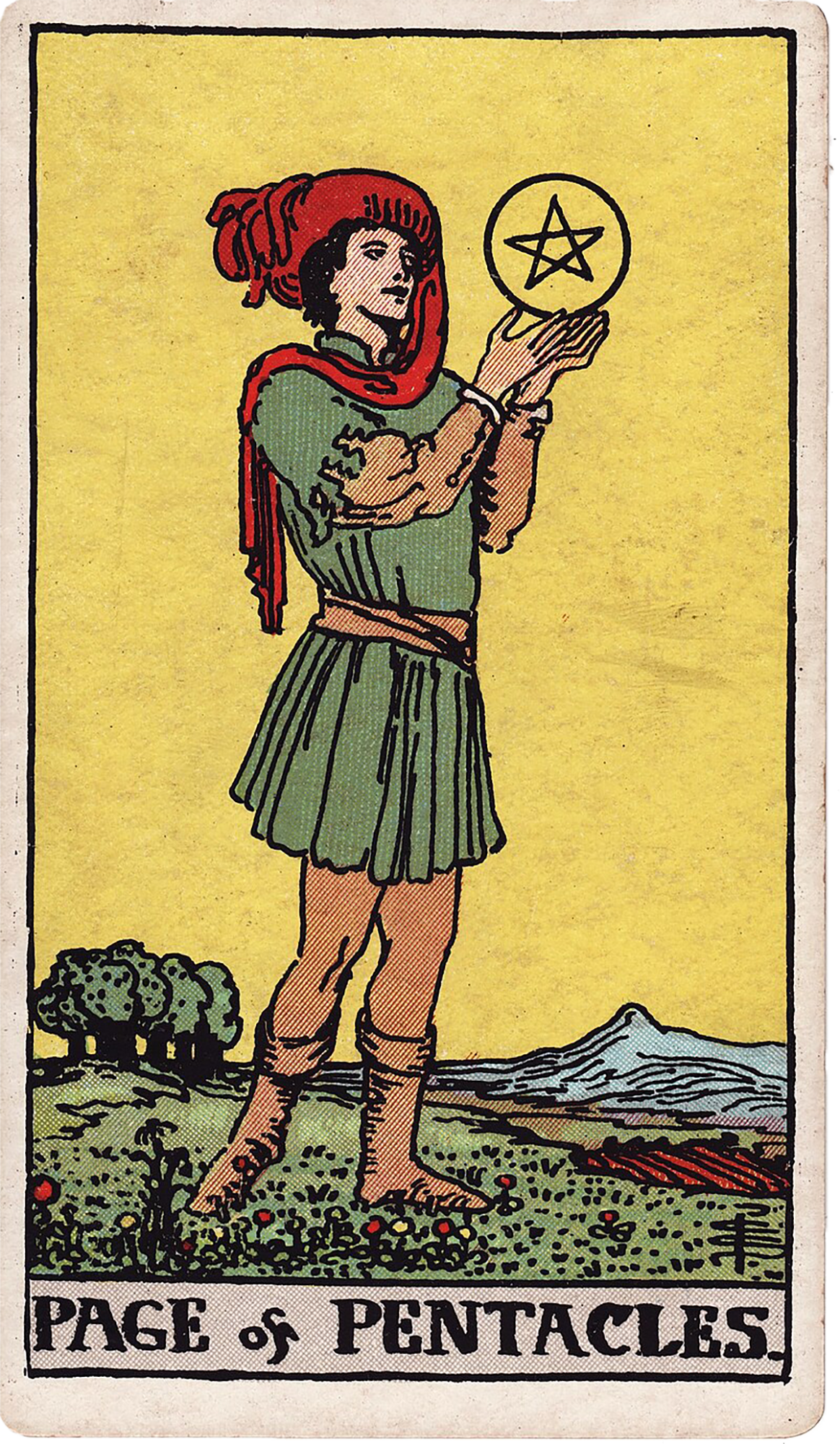 Page of Pentacles
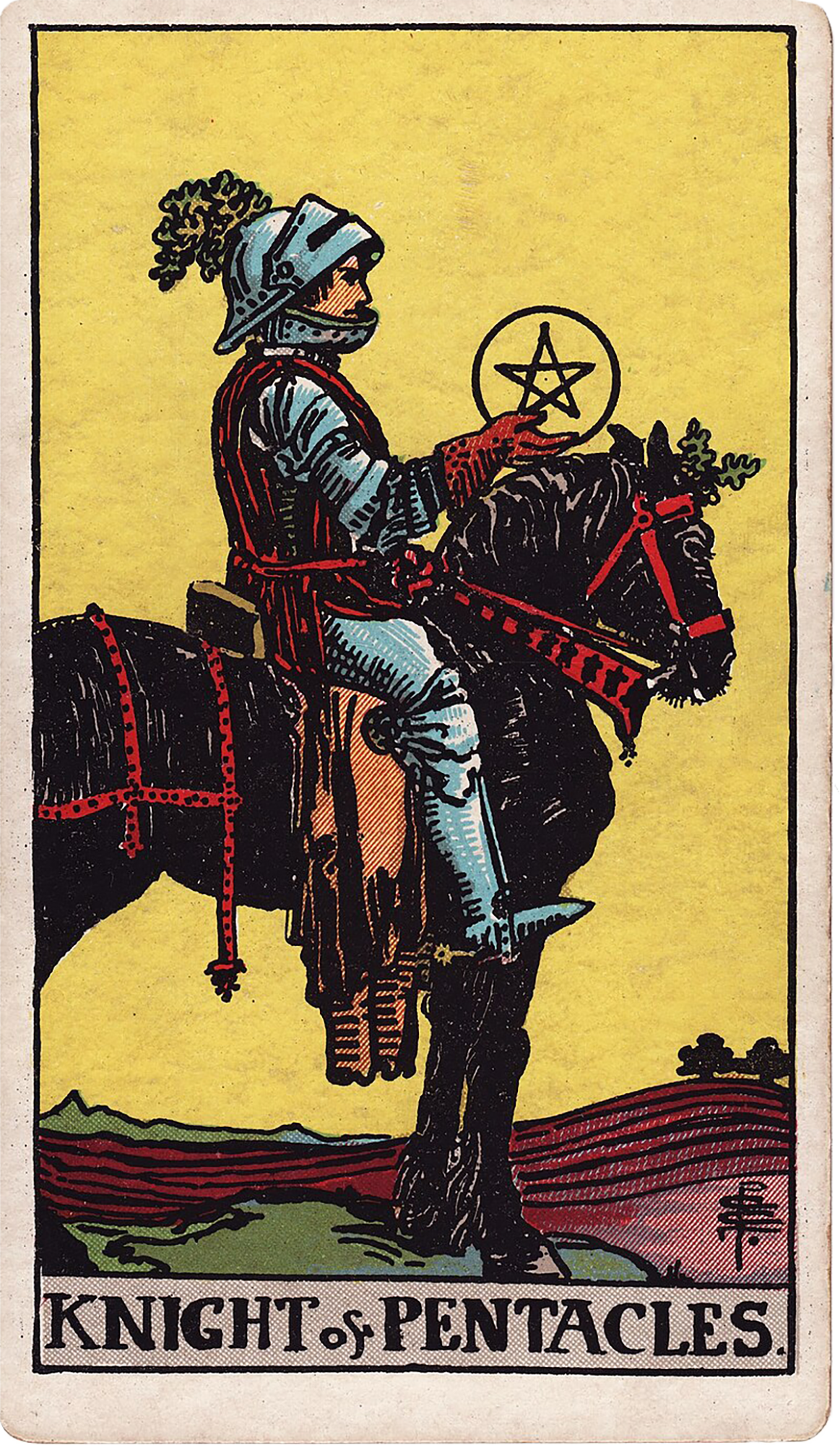 Knight of Pentacles
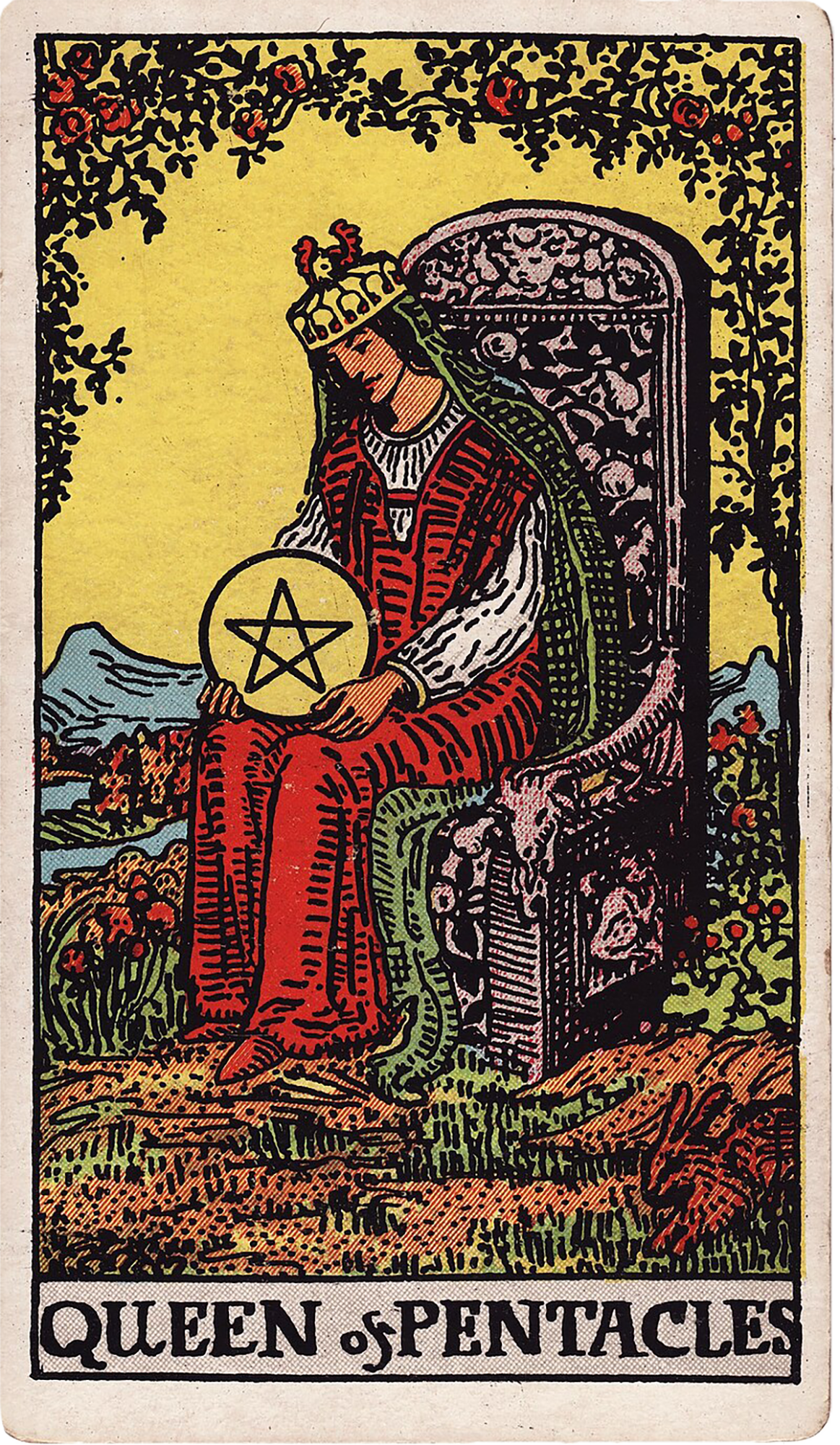 Queen of Pentacles
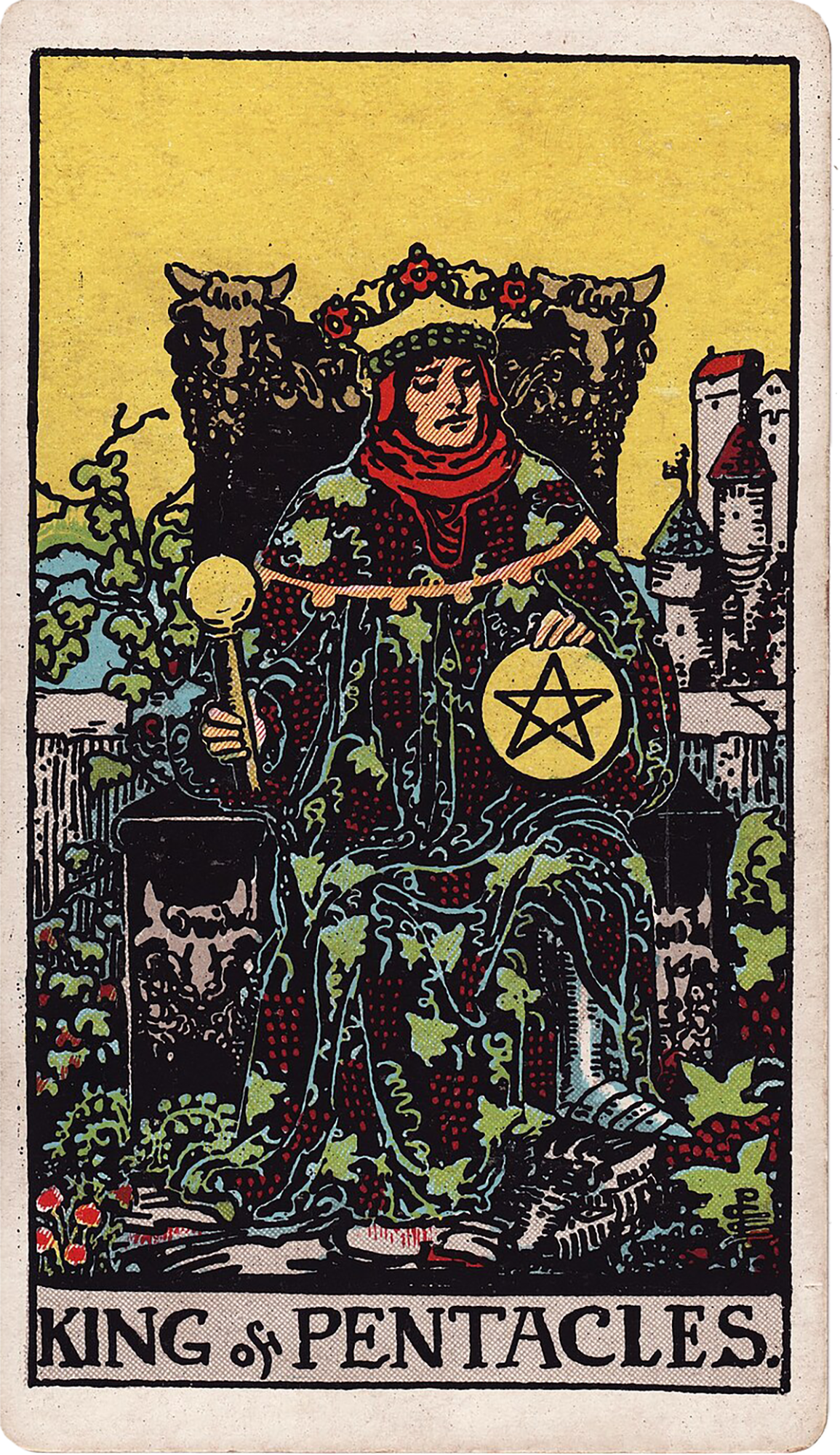 King of Pentacles
Understanding the Pentacles Suit and Its Court Cards
The Pentacles suit in tarot is grounded in the material world—work, money, health, routine, and physical resources. The court cards within this suit represent distinct archetypes navigating these themes through different stages of maturity and responsibility. The Page of Pentacles embodies beginner energy and the initial curiosity around practical skills or material opportunities. The Knight of Pentacles builds on this through steady, reliable effort and routine progress. The Queen of Pentacles brings mature nurture, competence, and resource management with a focus on real-life stability. Finally, the King of Pentacles symbolizes the peak of practical leadership, marked by stewardship, business acumen, and the ability to support others financially and emotionally.
The Page of Pentacles as a Gateway to Practical Learning
The Page of Pentacles visually depicts a youthful figure gazing thoughtfully at a pentacle, symbolizing the potential for growth grounded in material reality. Upright, the card encourages embracing beginner lessons related to skills, work, or health and invites practical, present-focused responses. It reminds us that success begins with realistic planning and active engagement. Reversed, this card warns of procrastination or focusing on material gain without developing true competence. When reading, observe if the querent exhibits enthusiasm for a new project but struggles to follow through or if internal blocks are causing stagnation. Rather than simply seeing the reversal as failure, consider what needs simplification or renewed practice to revive the learning process.
Knight of Pentacles and the Power of Consistent Leadership
The Knight of Pentacles is traditionally depicted as a steady rider on a horse, symbolizing reliable progress without haste or drama. Upright, this card highlights the importance of routine, persistence, and meticulous effort in material pursuits. It champions practical leadership that values endurance over flair. In contrast, the reversed Knight of Pentacles calls attention to issues like stubbornness, stagnation, or confusing slow and steady progress with no progress at all. For readers, this card encourages evaluating where persistence becomes rigidity or where burnout replaces effective leadership. The Knight’s lesson is to balance patience with adaptability, ensuring that routine supports growth rather than impeding it.
Queen of Pentacles as the Embodiment of Practical Nurture
The Queen of Pentacles radiates warmth and competence, depicted in traditional Rider-Waite-Smith imagery as a figure seated, surrounded by abundant natural symbols, holding a pentacle securely. Upright, she represents practical nurture—using resources to support life’s tangible needs rather than status or appearance. She teaches how to harmonize work, home, and health with skill and care. Reversed, the card may reveal patterns of overwork, self-neglect, or measuring worth solely by productivity. When this card appears, readers should explore whether the querent is experiencing imbalance in care—either giving too much or not enough—or financial anxiety that undermines confidence. The Queen’s message is to cultivate sustainable competence that nurtures both self and others.
King of Pentacles as Mature Stewardship and Leadership
The King of Pentacles stands as the ultimate figure of material mastery and leadership in the suit. The Rider-Waite-Smith deck shows him seated on a throne adorned with bulls and vines, symbols of wealth and fertility, holding a pentacle with assured command. Upright, he embodies business competence, responsible resource management, and the ability to create long-term stability for oneself and the community. The reversed King signals potential pitfalls like greed, rigidity, or becoming overly attached to security to the point that growth halts. In practical readings, this card asks where leadership may have become controlling or where financial power is misused. It challenges the querent to balance security with openness to change and to exercise stewardship that benefits many.
Techniques for Reading Pentacles Court Cards in Practice
When interpreting the court cards of Pentacles, first consider their upright or reversed position to identify where practical energies are flowing or stuck. Anchor your reading in the imagery: the youthfulness of the Page, the steady horse of the Knight, the nurturing posture of the Queen, and the commanding presence of the King. Observe the querent’s current stage—are they beginning a project (Page), in a phase of disciplined work (Knight), balancing resources and care (Queen), or leading with mature responsibility (King)? Use surrounding cards to contextualize: are material issues developing, reaching pressure, or moving toward resolution? Avoid rigidly applying these cards as fixed personality types or predictions; instead, see them as reflections of qualities and lessons to integrate. Encourage querents to reflect on practical actions, leadership behaviors, and family or community roles these cards evoke.
Common Mistakes and How to Avoid Them
A frequent error is reading Pentacles court cards purely as people rather than symbols of energy or stages. While court cards can represent individuals, their richer meaning lies in the qualities and processes they depict. Another mistake is interpreting reversed cards simply as negative or opposite to upright meanings; instead, reversals invite investigation into where energy is stuck or overextended. Ignoring contextual clues from surrounding cards or the querent’s situation leads to superficial readings. Additionally, overemphasizing abstract ideals rather than the grounded, practical advice Pentacles offer can obscure their lessons. Finally, conflating slow progress with stagnation without nuance misses the Knight’s vital teaching about the value of steady effort.
Practical Examples Anchored to Card Imagery and Meaning
Consider a querent drawing the Page of Pentacles upright when embarking on a new career path. The card’s image of youthful curiosity and focus on the pentacle suggests they should prioritize practical learning and realistic planning rather than getting lost in abstract dreams. If reversed, it might prompt the querent to assess procrastination or gaps in foundational skills before advancing. In another reading, the Knight of Pentacles upright near cards indicating routine or health could highlight the power of consistent self-care or steady work habits, while reversed it might warn against burnout or stubborn refusal to adjust routines. When the Queen of Pentacles appears upright, her image encourages nurturing home environments and managing resources thoughtfully; reversed, she signals the need to address self-neglect or financial anxiety. The King of Pentacles upright challenges the querent to embody mature leadership and responsible stewardship, while reversed invites reflection on any attachment to control or misuse of power. Each card’s Rider-Waite-Smith symbolism provides a visual anchor to these interpretations, grounding the reading in tangible lessons.
Reflection and Integration for Personal Growth
The Court Cards of Pentacles serve as a mirror reflecting our evolving relationship with material reality and leadership within family or community. By engaging deeply with each card’s symbolism and lessons, learners can unlock practical pathways for growth. Reflection questions such as: Where am I embodying the beginner’s curiosity of the Page? How does my daily routine support or hinder my goals like the Knight’s steady progress? Am I nurturing myself and others sustainably as the Queen models? Where might I need to balance control and openness as the King advises? These inquiries help integrate tarot wisdom beyond divination into lived experience. Ultimately, the Pentacles court cards invite us to cultivate grounded leadership marked by competence, care, and responsible stewardship.
Practice questions
• In what areas of my life do I need to adopt the beginner’s focus and practical learning of the Page of Pentacles?
• How can I create routines that support steady progress without becoming rigid or stagnant like potential Knight of Pentacles pitfalls?
• Where might I be neglecting self-care or overextending myself in ways the Queen of Pentacles would caution against?
• What does mature stewardship and leadership mean for me in my current family or work roles as the King of Pentacles exemplifies?
• How do I balance attachment to material security with openness to growth and change?
• Which qualities from these Pentacles court cards do I most need to develop right now?
Comments
Sign in to comment.
Continue learning
Interpreting the Dance of Justice and The Devil: Balancing Morality and Temptation in Tarot Readings
The combination of Justice and The Devil in tarot presents a profound exploration of morality, temptation, and personal accountability. This article unpacks how these cards influen...
Advanced Techniques for Combining The Moon and The Star to Enhance Intuition in Tarot Readings
This article explores advanced techniques to combine the symbolism and energy of The Moon and The Star Tarot cards to enhance intuition during Tarot readings. Drawing from traditio...
Unlocking Life Insights with the Celtic Cross Tarot Spread
This article offers a thorough exploration of the Celtic Cross Tarot Spread, focusing on its application within family and practical life contexts. Using a worked example featuring...
Unlocking Hidden Meanings with The Hermit and The Hanged Man for Spiritual Growth
This article offers an in-depth exploration of The Hermit and The Hanged Man Tarot cards focusing on their roles in spiritual growth. It guides readers through beginner and advance...
Unlocking Personal Insight with the Seven Card Horseshoe Spread
The Seven Card Horseshoe Spread is a practical and insightful Tarot layout ideal for exploring personal and family dynamics. This article breaks down each position—Past, Present, H...
Mastering the Court Cards of Wands for Unlocking Personal Drive and Leadership
The Court Cards of Wands represent a dynamic spectrum of personal energy, ambition, and leadership potential within the Minor Arcana. This article offers a comprehensive exploratio...
Tracing the Origins and Evolution of The Fool Card in Tarot History
The Fool card holds a foundational place in tarot tradition, symbolizing beginnings, openness, and the embrace of uncertainty. This article traces its origins from early European d...
Techniques for Reading Court Cards to Unlock Personality Insights
Court cards in Tarot often represent people, personality traits, or energy patterns within a situation. This article offers a structured approach for beginners and advanced readers...
Unlocking Emotional Transformation with Death and The Moon Tarot Combination
This article explores the rich and complex interaction between the Death and The Moon tarot cards within the Rider-Waite-Smith tradition, focusing on their combined potential to un...
Applying The Star Card to Foster Hope and Renewal in Personal Growth
The Star card in Tarot symbolizes hope, authenticity, and the process of steady renewal. In a single-card reading, The Star encourages embracing what is present, cultivating openne...