
Unlocking Practical Growth and Responsibility Through the Court Cards of Pentacles
The Court Cards of Pentacles—Page, Knight, Queen, and King—represent stages of practical growth, responsibility, and material mastery within the Tarot's Minor Arcana. This article unpacks their traditional and contemporary meanings, anchored in Rider-Waite-Smith symbolism, to help learners interpret these cards in ways that emphasize realistic action, steady progress, nurturing competence, and mature stewardship. Through detailed examination of upright and reversed positions, the article offers practical reading methods, common pitfalls, and reflection prompts to deepen understanding of how these cards teach lessons about work, money, health, routine, and resource management in personal and professional contexts.
Cards explored in this article
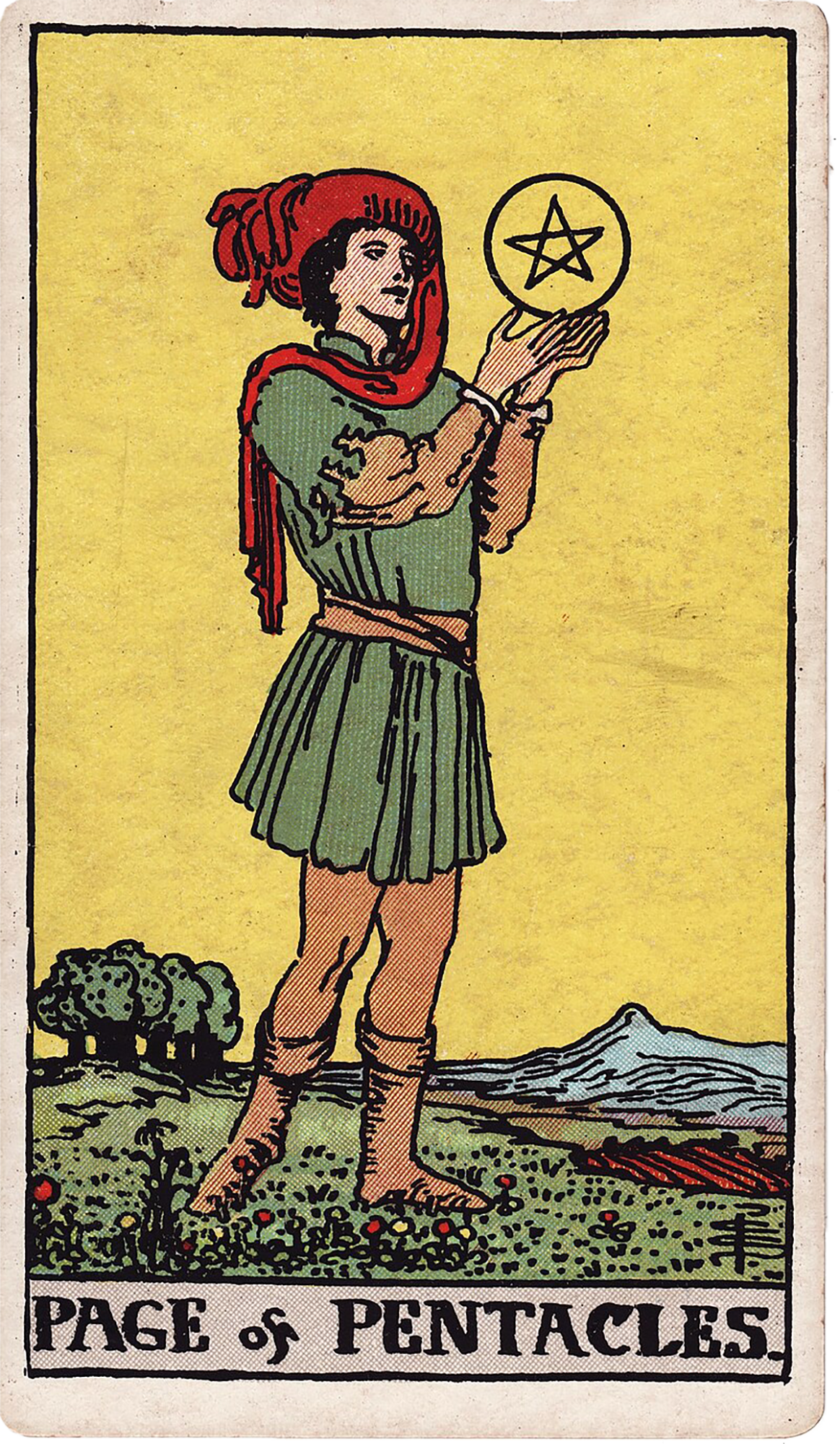 Page of Pentacles
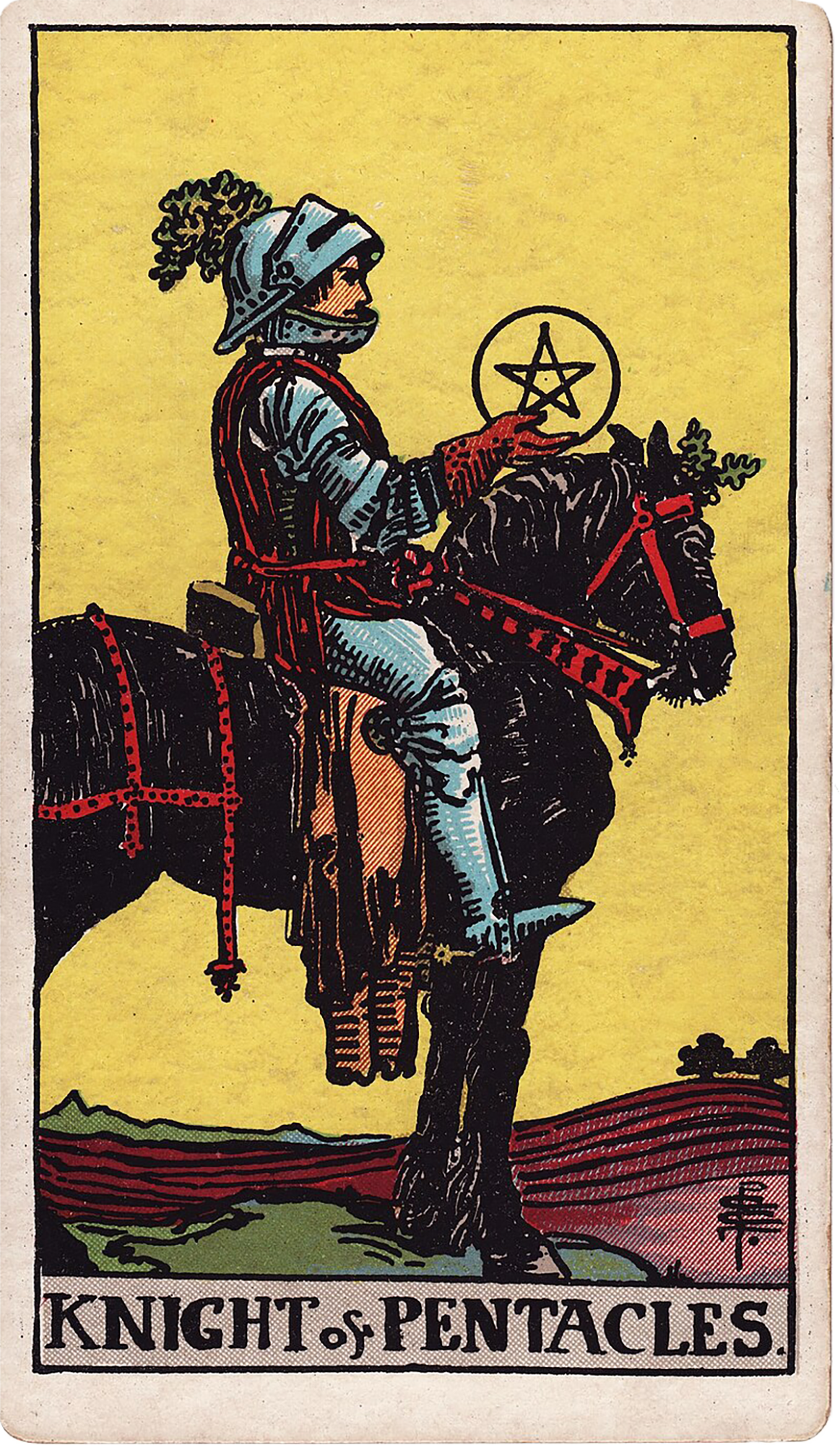 Knight of Pentacles
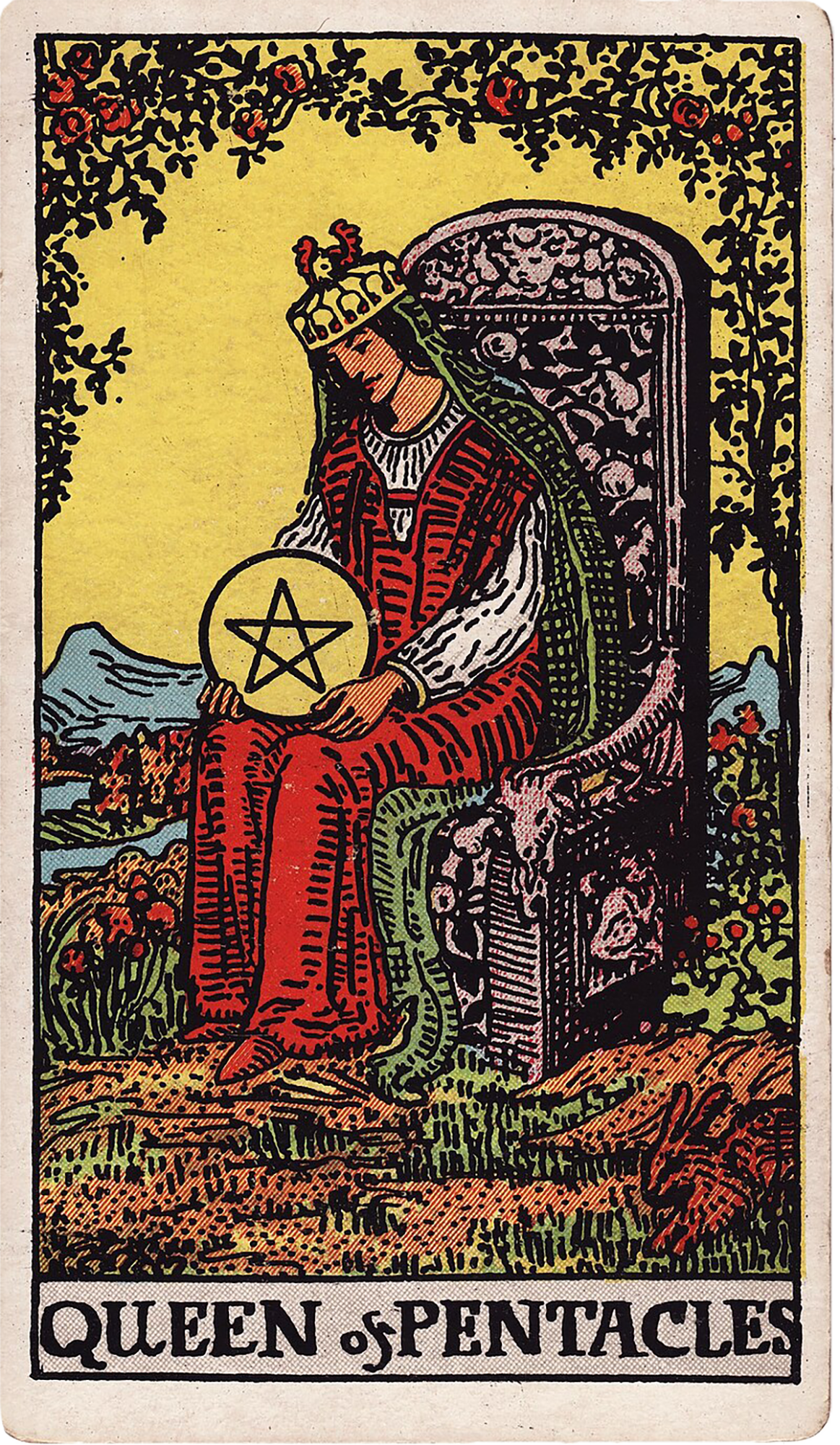 Queen of Pentacles
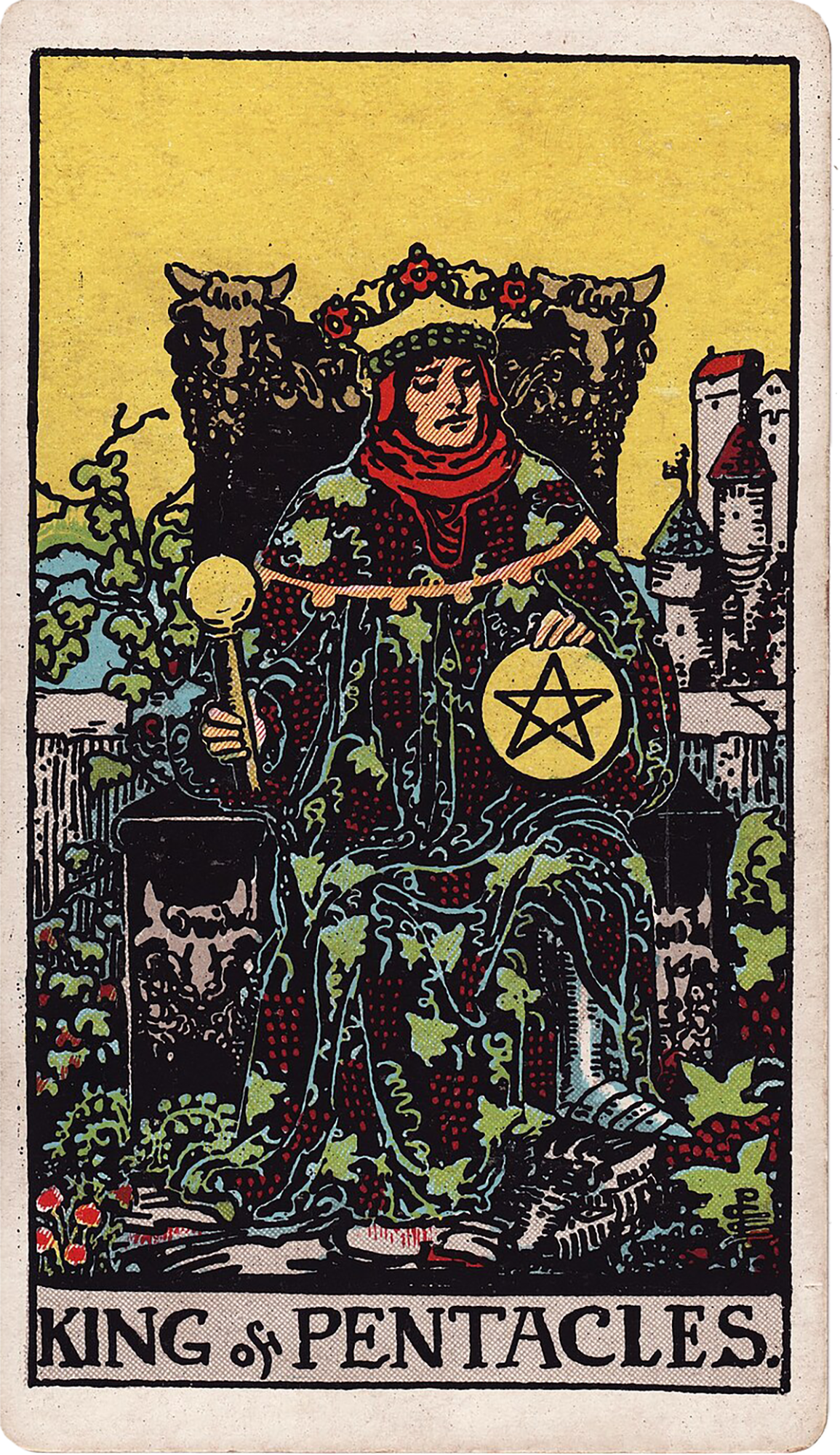 King of Pentacles
Introduction to the Pentacles Court Cards and Practical Growth
Within the Minor Arcana, the suit of Pentacles is associated with the material world: work, money, health, routine, physical resources, craft, and long-term stability. The Court Cards in Pentacles—Page, Knight, Queen, and King—symbolize different developmental stages and approaches to managing practical matters and responsibilities. Rooted in Rider-Waite-Smith symbolism, these cards offer a narrative of growth and increasing competence that reflects familial roles and internal maturity rather than mere social status. Understanding these cards helps Tarot learners unlock lessons about how individuals progress from beginner efforts to skilled stewardship within family, work, and community contexts.
Page of Pentacles as the Seed of Practical Learning
The Page of Pentacles embodies the initial spark of practical opportunity and the energy of a beginner willing to learn and apply skills grounded in reality. The card’s imagery traditionally shows a youth holding a pentacle with focused attention, symbolizing tangible goals and material potential. Upright, this card encourages focusing on what is present—such as starting a realistic plan or taking a material opportunity seriously—and applying effort toward building competence in areas like work, money, or health. Reversed, the Page warns of procrastination, unrealistic planning, or failing to translate knowledge into practice. Rather than simply negating the upright meaning, the reversal asks the reader to identify where learning is stuck and what habits or attitudes might be blocking progress. In readings, the Page often signals the phase of learning or beginning a new project, inviting querents to consider practical next steps rather than abstract ideals.
Knight of Pentacles as Steady Progress and Reliability
The Knight of Pentacles represents the mature energy of persistent, disciplined work and steady progress through routine and reliability. Rider-Waite-Smith imagery typically depicts the knight mounted on a sturdy horse, symbolizing cautious movement and pragmatic action rather than haste. Upright, this card highlights the value of consistent effort, dependability, and managing resources responsibly—even when the work feels slow or monotonous. In contrast to dramatic or impulsive behavior, the Knight’s strength lies in endurance and attention to detail. Reversed, the Knight may point to stagnation, rigidity, or confusing slow but dedicated effort with lack of progress. It may also suggest workaholism or unwillingness to adapt. When reading this card, it’s important to examine whether the querent is effectively harnessing routine and discipline or whether these qualities have become obstacles. The Knight often advises embracing responsibility with patience and practical wisdom.
Queen of Pentacles as Nurturing Competence and Practical Care
The Queen of Pentacles embodies practical nurture, competence, and the ability to transform resources into real-life support. In Rider-Waite-Smith iconography, she is typically seated comfortably with pentacle in hand, surrounded by symbols of abundance and nature—a reflection of grounded, caring stewardship. Upright, the Queen teaches the importance of balancing material competence with nurturing care, emphasizing health, family, and everyday wellbeing. She suggests managing resources not for status but to support a rich quality of life. Reversed, this card draws attention to difficulties such as overwork, self-neglect, controlling tendencies disguised as care, or anxiety about financial security. In readings, it invites reflection on how care is delivered and received and whether personal worth is being measured too strictly by usefulness. The Queen’s lesson is about mature, empathetic management of the practical aspects of life.
King of Pentacles as Mastery, Stability, and Stewardship
The King of Pentacles represents the culmination of practical growth: mature stewardship of resources, business competence, and creating stability that supports others as well as oneself. Rider-Waite-Smith symbolism typically shows a regal figure seated confidently with a pentacle, surrounded by symbols of wealth and security, embodying grounded authority. Upright, the King reflects mastery, responsibility, and wise management of finances and health. He encourages building stability that sustains growth and community wellbeing. Reversed, the card warns against greed, rigidity, obsession with status, or clinging so tightly to security that growth is blocked. Rather than simply negative, the reversal asks readers to identify where control or fear limits freedom or generosity. In practical Tarot readings, the King signals a mature phase where leadership and stewardship are necessary, and it urges the querent to evaluate how well their material foundations support their values and responsibilities.
Practical Techniques for Reading Pentacles Court Cards
Interpreting the Court Cards of Pentacles effectively requires anchoring the reading in the present stage of the querent’s journey and matching the card’s energy to real-life contexts rather than abstract ideals. Start by examining the card’s upright or reversed position to understand whether the energy is flowing or stuck. Then, consider the surrounding cards to see if the Pentacles Court Card energy is just beginning (Page), in steady development (Knight), nurturing and managing current resources (Queen), or exercising mature stewardship (King). Avoid common mistakes such as reading reversed cards simply as negative opposites; instead, explore where the process is blocked or excessive. Encourage querents to reflect on where practical habits, routines, or attitudes can be simplified, improved, or released. Use imagery clues—like the youth’s focus on the pentacle, the Knight’s steady horse, the Queen’s natural abundance, or the King’s regal security—to ground the interpretation in concrete themes of learning, persistence, nurture, and mastery.
Common Mistakes and How to Avoid Them
A frequent error in reading Pentacles Court Cards is to interpret them through social stereotypes rather than developmental or energetic stages. For example, assuming the Queen must represent a mother figure or the King a strict authority without considering the card’s practical themes limits depth. Another mistake is treating reversals as mere 'bad luck' or 'failures' rather than signals of stalled energy needing recalibration. Ignoring context is also problematic; the meaning of the Page of Pentacles in a career spread differs from that in a health reading. To avoid these pitfalls, always link the card’s imagery and traditional meanings to the querent’s specific situation and stage of growth. Emphasize the cards’ invitation to practical action, responsibility, and realistic planning rather than abstract ideals or dramatic outcomes.
Reflection Questions to Deepen Your Understanding
When working with the Pentacles Court Cards, ask yourself and your querent these questions: Where am I in the process of developing practical skills or managing resources? What routines or habits have I established that support steady progress? How do I balance nurturing care with competence in my daily life? In what ways am I exercising mature stewardship, and where might I be clinging to control or security out of fear? When a card appears reversed, what blocks or imbalances are present, and what practical steps can ease them? These questions turn reading into a dialog that fosters insight and growth.
Conclusion Unlocking Responsibility and Growth Through the Pentacles Court
The Court Cards of Pentacles provide a rich framework for understanding how practical growth and responsibility unfold in stages that mirror real-life development. From the eager learner of the Page through the disciplined Knight and nurturing Queen to the masterful King, these cards invite Tarot readers and querents to engage with material reality—work, money, health, routines, and resources—in ways that are constructive, patient, and grounded. By focusing on Rider-Waite-Smith symbolism and practical lessons, learners can interpret these cards not as fixed archetypes but as dynamic guides for personal and familial responsibility. Ultimately, the Pentacles Court Cards teach that growth is a process requiring realistic goals, steady effort, compassionate care, and wise stewardship.
Practice questions
• What practical skill or project am I currently beginning that relates to the energy of the Page of Pentacles?
• How am I maintaining steady progress in my responsibilities similar to the Knight of Pentacles?
• In what ways do I nurture myself and others with competence like the Queen of Pentacles?
• Where am I demonstrating mature stewardship or could improve my management of resources as the King of Pentacles suggests?
• When I encounter obstacles or setbacks, how can I identify and release blocks to practical growth reflected in reversed Pentacles Court Cards?
Comments
Sign in to comment.
Continue learning
Interpreting the Dance of Justice and The Devil: Balancing Morality and Temptation in Tarot Readings
The combination of Justice and The Devil in tarot presents a profound exploration of morality, temptation, and personal accountability. This article unpacks how these cards influen...
Advanced Techniques for Combining The Moon and The Star to Enhance Intuition in Tarot Readings
This article explores advanced techniques to combine the symbolism and energy of The Moon and The Star Tarot cards to enhance intuition during Tarot readings. Drawing from traditio...
Unlocking Life Insights with the Celtic Cross Tarot Spread
This article offers a thorough exploration of the Celtic Cross Tarot Spread, focusing on its application within family and practical life contexts. Using a worked example featuring...
Unlocking Hidden Meanings with The Hermit and The Hanged Man for Spiritual Growth
This article offers an in-depth exploration of The Hermit and The Hanged Man Tarot cards focusing on their roles in spiritual growth. It guides readers through beginner and advance...
Unlocking Personal Insight with the Seven Card Horseshoe Spread
The Seven Card Horseshoe Spread is a practical and insightful Tarot layout ideal for exploring personal and family dynamics. This article breaks down each position—Past, Present, H...
Mastering the Court Cards of Wands for Unlocking Personal Drive and Leadership
The Court Cards of Wands represent a dynamic spectrum of personal energy, ambition, and leadership potential within the Minor Arcana. This article offers a comprehensive exploratio...
Tracing the Origins and Evolution of The Fool Card in Tarot History
The Fool card holds a foundational place in tarot tradition, symbolizing beginnings, openness, and the embrace of uncertainty. This article traces its origins from early European d...
Techniques for Reading Court Cards to Unlock Personality Insights
Court cards in Tarot often represent people, personality traits, or energy patterns within a situation. This article offers a structured approach for beginners and advanced readers...
Unlocking Emotional Transformation with Death and The Moon Tarot Combination
This article explores the rich and complex interaction between the Death and The Moon tarot cards within the Rider-Waite-Smith tradition, focusing on their combined potential to un...
Applying The Star Card to Foster Hope and Renewal in Personal Growth
The Star card in Tarot symbolizes hope, authenticity, and the process of steady renewal. In a single-card reading, The Star encourages embracing what is present, cultivating openne...