
Unlocking Practical Lessons from the Court Cards of Pentacles
This article delves into the court cards of the Pentacles suit—Page, Knight, Queen, and King—offering learners a comprehensive guide to their practical lessons and family-oriented themes. Utilizing the Rider-Waite-Smith symbolism and VoxFati's nuanced interpretations, it reveals how these cards reflect stages of growth, responsibility, and material stewardship in contexts of work, money, health, and nurturing within family and community settings. The article further explains how to interpret upright and reversed positions, common challenges in readings, and practical techniques for applying these cards’ wisdom in everyday life and tarot spreads.
Cards explored in this article
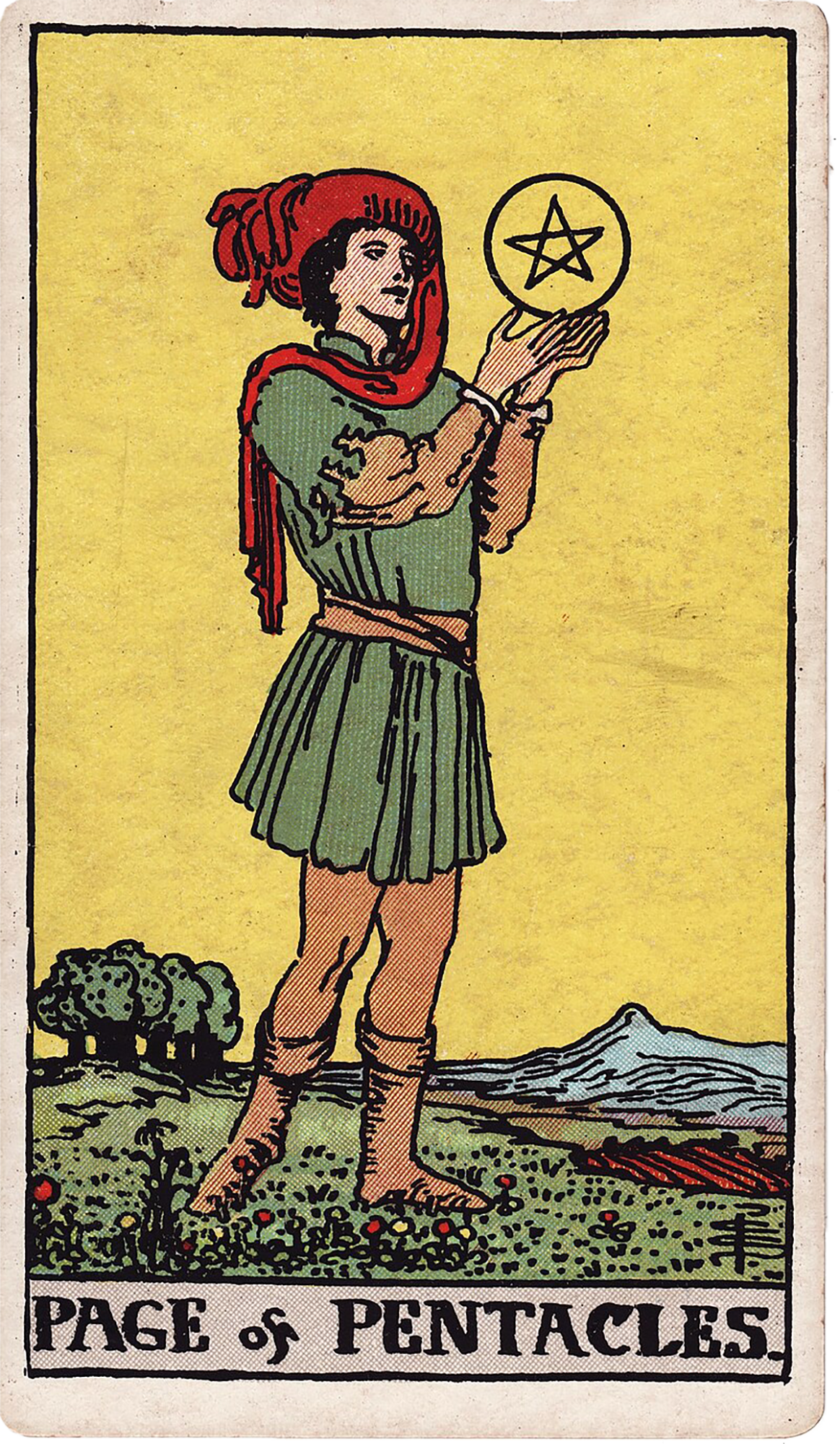 Page of Pentacles
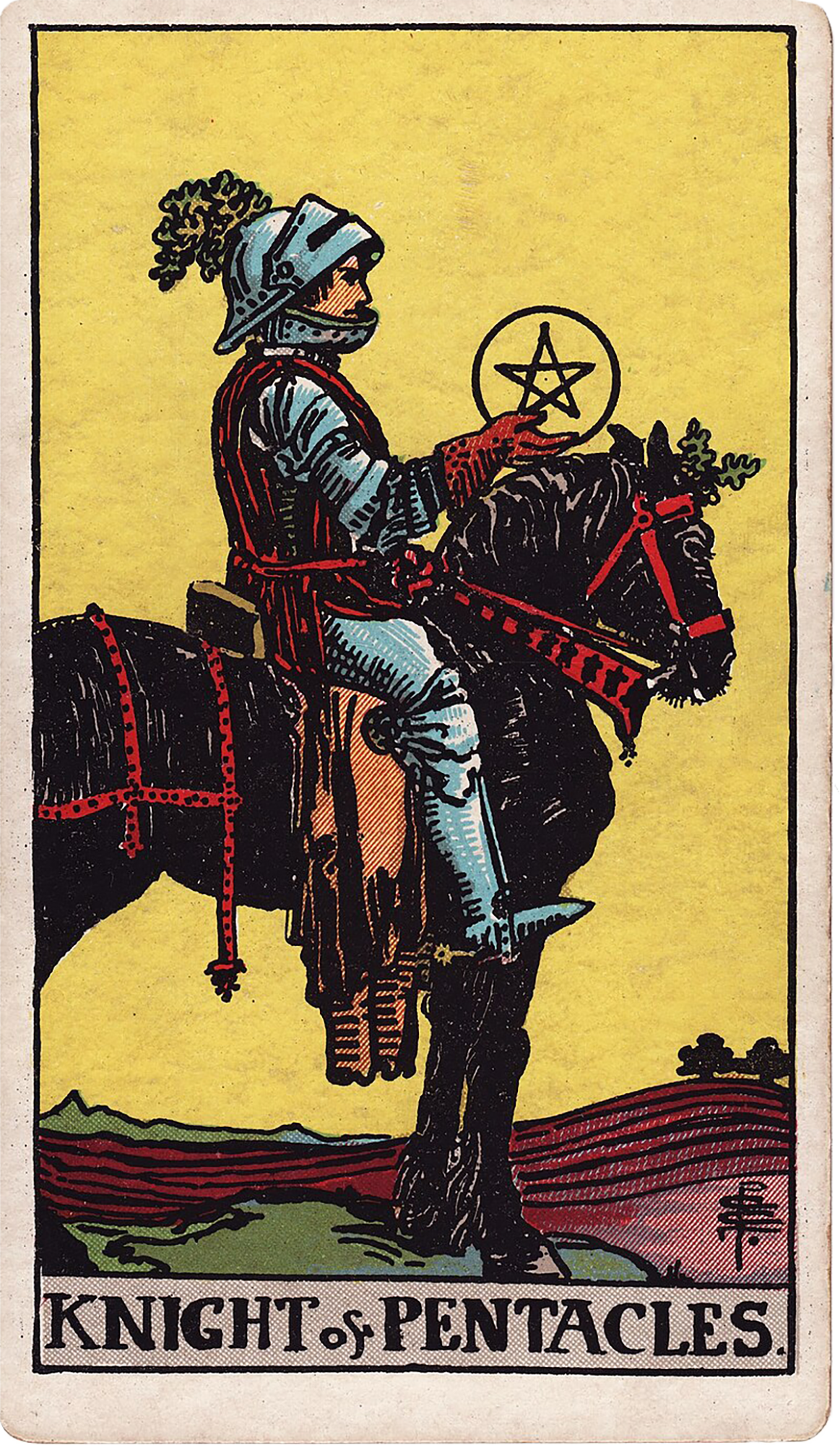 Knight of Pentacles
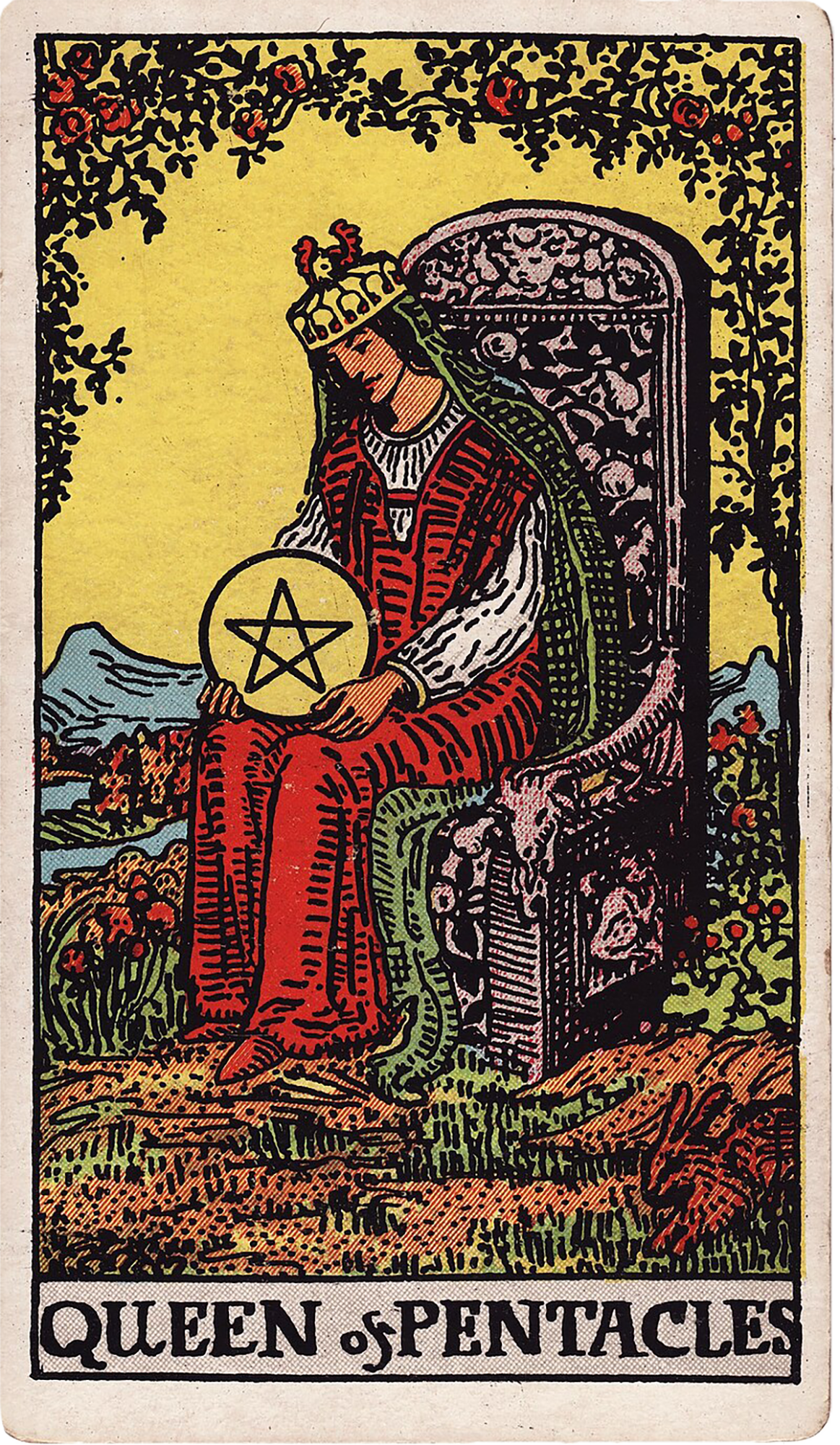 Queen of Pentacles
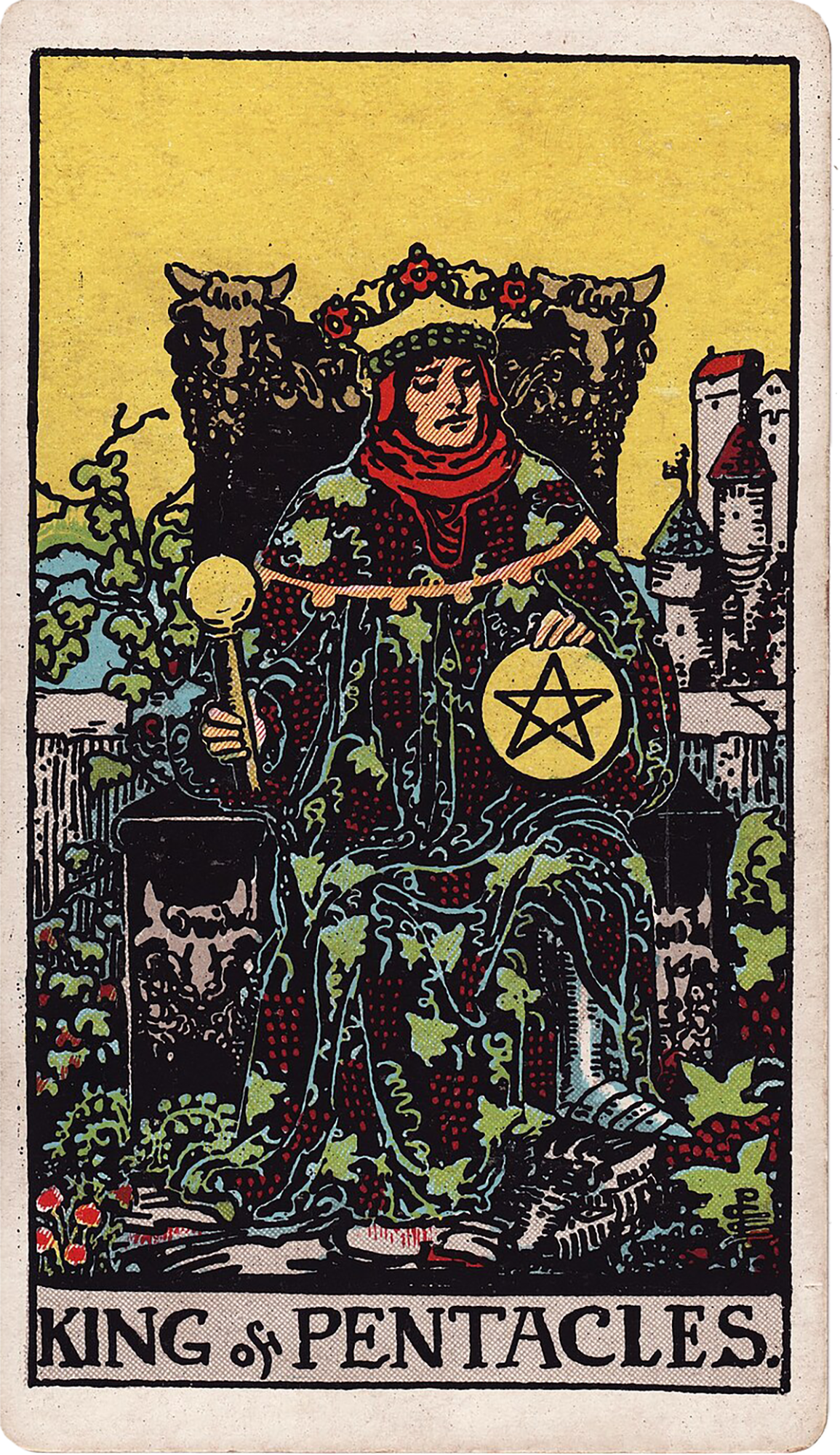 King of Pentacles
Understanding the Pentacles Court Cards in Context
The Pentacles suit in the Minor Arcana traditionally symbolizes material realities such as work, money, health, routine, and long-term stability. The court cards within this suit—Page, Knight, Queen, and King—represent evolving roles and energies related to these themes. Each card embodies a stage of development or a particular archetype within family and practical life. They can point to people, inner states, or situations demanding a grounded approach. The Rider-Waite-Smith imagery is rich with symbolic cues: the Pentacles themselves represent resources and manifestation; the posture and attire of the figures suggest their relationship with material matters; and their expressions reveal their emotional engagement with these concerns. VoxFati’s interpretations emphasize practical responses fitted to the present stage rather than abstract ideals, encouraging readers to anchor their readings in realistic, actionable insights.
Page of Pentacles as the Embodiment of Beginner Energy and Practical Learning
The Page of Pentacles highlights the initial steps toward mastering a skill, starting a realistic plan, or approaching material opportunities seriously. The Rider-Waite-Smith card shows a young figure attentively studying a pentacle, symbolizing curiosity and eagerness to learn grounded knowledge. This card asks the querent to focus on tangible progress rather than lofty ambitions. In family contexts, the Page represents someone—a child, young adult, or even an archetype of beginner energy—ready to develop competence and take responsibility related to resources or health. When upright, the card suggests that the situation can be handled through practical skills and steady effort. It may indicate a project or habit in early stages that will benefit from dedication and consistency. Reversed, the Page warns of procrastination, poor study habits, or focusing on material gain without building competence. It is not simply a negative but a sign to examine where growth has stalled, perhaps due to unrealistic expectations or internal resistance. Readers should use supporting cards to assess whether the Page’s energy is emerging, faltering, or requiring refinement.
Knight of Pentacles Exemplifies Steady Progress and Reliability
The Knight of Pentacles represents persistence, reliability, and slow, steady progress. In the Rider-Waite-Smith deck, the Knight rides a stationary horse, symbolizing deliberate, patient effort rather than impulsive action. This energy is essential in family dynamics and work environments that demand endurance and practical responsibility. Upright, the Knight encourages consistent routines and dependable execution—the kind of steady work that builds lasting security. This card often suggests practical resource management and a no-nonsense attitude toward health or finances. Reversed, it signals stagnation, stubbornness, or burnout; sometimes it points to mistaking slow and steady for no movement at all. The reversal invites the querent to reassess routines and avoid rigid or overly cautious behavior that blocks growth. Interpreters should explore how the Knight’s energy interfaces with other cards to determine if the lesson is about pacing, commitment, or releasing unproductive habits.
Queen of Pentacles as the Archetype of Practical Nurture and Competence
The Queen of Pentacles embodies practical care, competence, and the nurturing of resources to support real-life needs rather than status or appearances. The Rider-Waite-Smith image of the Queen sitting comfortably with a pentacle in hand and surrounded by abundance reflects her grounded ability to create security for herself and others. In family readings, she often represents a person—traditionally a mature woman or mother figure—who balances work, household, and emotional care with skill and grace. Upright, she signifies the successful integration of resourcefulness and nurture, encouraging the querent to adopt a similar approach to care and responsibility. Reversed, she warns against overwork, self-neglect, or controlling tendencies that confuse value with utility. This reversal asks readers to consider whether the querent is measuring worth solely through productivity and to explore possibilities for self-care and healthy boundaries.
King of Pentacles as the Mature Steward of Stability and Growth
The King of Pentacles represents mastery over material concerns, mature stewardship of resources, and the ability to build stability that supports not only oneself but also others. The Rider-Waite-Smith card portrays a regal figure seated firmly on his throne, adorned with symbols of wealth and security, highlighting his competence and business acumen. In the context of family and community, the King often suggests a patriarchal or leadership role with responsibility for sustaining long-term welfare. Upright, he encourages practical wisdom, generosity, and balanced management of assets and health. Reversed, the King cautions against greed, rigidity, or an unhealthy attachment to security that stifles growth. Readers should consider whether the querent needs to release control or reassess their relationship to power and resources. The card also invites reflection on how financial power might be wielded ethically within family or organizational structures.
Techniques for Reading the Pentacles Court Cards Practically
When interpreting the Pentacles court cards, it is essential to ground readings in the present stage and practical realities of the querent’s life. Begin by identifying each card’s role in the narrative: is the Page signaling a new opportunity or learning phase? Is the Knight reinforcing persistence? Is the Queen nurturing resources or calling attention to care imbalances? Is the King emphasizing leadership or warning against rigidity? Use the surrounding cards to clarify whether energy is building, reaching pressure, or moving toward resolution. Pay close attention to whether cards appear upright or reversed, as reversals often indicate internal blocks or areas needing adjustment rather than straightforward opposites. Avoid abstract idealism and instead ask: What concrete actions or attitudes does this card invite right now? How can the querent apply the card’s lesson in work, health, or family roles? Common pitfalls include over-identifying court cards with specific people without considering symbolic or situational meanings, or treating reversals simplistically as bad omens. Instead, approach each card as a dynamic indicator of process—what is developing, what is stuck, and what might be transformed through awareness and effort.
Applying the Court Cards of Pentacles in Family and Suit-Based Spreads
In spreads focusing on family dynamics or suit-based themes, the Pentacles court cards offer rich layers of meaning. These cards can represent family members or archetypes—such as a studious young adult (Page), a dependable but slow-moving parent or sibling (Knight), a nurturing caregiver balancing many responsibilities (Queen), or a provider with business sense and a protective nature (King). When they appear together, they can chart an arc from learning and beginning (Page), through steady work (Knight), to mature care (Queen) and finally responsible leadership (King). This progression can reflect family roles, stages of personal growth, or cycles within work and health routines. In practical reading, contrast these cards with other suits to see how material concerns interact with emotional (Cups), intellectual (Swords), or active (Wands) energies. For example, if the Page of Pentacles appears near Cups cards, the reading might emphasize learning to nurture emotional well-being alongside material stability. If the King of Pentacles appears with Swords cards, it may highlight the need for clear communication in financial or family leadership. Always consider suits as complementary forces that deepen the story told by the Pentacles court cards.
Reflection and Integration for Tarot Learners
Integrating the lessons of the Pentacles court cards requires both intellectual understanding and lived experience. Tarot learners should reflect on where these archetypes appear in their own lives or in the clients they read for. Are you starting a new project or skill like the Page? Are you maintaining steady progress through routine as the Knight advises? Are you balancing care for others with competence like the Queen? Or are you managing resources and leadership responsibilities as the King exemplifies? Practice reading these cards in multiple positions and contexts to build nuance. Notice how upright and reversed meanings interplay with other cards and the querent’s situation. Ask questions about what practical action fits the present stage, and explore what internal blockages might be hinted at by reversals. Over time, the Pentacles court cards reveal themselves as guides for grounded, responsible, and nurturing engagement with the material world and family life.
Practice questions
• Which Pentacles court card energy do I most resonate with in my current life stage and why?
• How can I apply the practical lessons of the Page of Pentacles to overcome procrastination or unrealistic planning?
• In what areas might I be showing Knight of Pentacles energy positively or negatively, such as persistence versus stagnation?
• How can I embody the nurturing competence of the Queen of Pentacles without falling into overwork or self-neglect?
• Where might I be holding onto King of Pentacles energy too rigidly, preventing growth or healthy sharing of resources?
• How do these court cards interact with other suits in my readings to provide a fuller picture of family or work dynamics?
• What practical steps can I take to move from stuck or reversed Pentacles court card energies to healthier, upright expressions?
Comments
Sign in to comment.
Continue learning
Interpreting the Dance of Justice and The Devil: Balancing Morality and Temptation in Tarot Readings
The combination of Justice and The Devil in tarot presents a profound exploration of morality, temptation, and personal accountability. This article unpacks how these cards influen...
Advanced Techniques for Combining The Moon and The Star to Enhance Intuition in Tarot Readings
This article explores advanced techniques to combine the symbolism and energy of The Moon and The Star Tarot cards to enhance intuition during Tarot readings. Drawing from traditio...
Unlocking Life Insights with the Celtic Cross Tarot Spread
This article offers a thorough exploration of the Celtic Cross Tarot Spread, focusing on its application within family and practical life contexts. Using a worked example featuring...
Unlocking Hidden Meanings with The Hermit and The Hanged Man for Spiritual Growth
This article offers an in-depth exploration of The Hermit and The Hanged Man Tarot cards focusing on their roles in spiritual growth. It guides readers through beginner and advance...
Unlocking Personal Insight with the Seven Card Horseshoe Spread
The Seven Card Horseshoe Spread is a practical and insightful Tarot layout ideal for exploring personal and family dynamics. This article breaks down each position—Past, Present, H...
Mastering the Court Cards of Wands for Unlocking Personal Drive and Leadership
The Court Cards of Wands represent a dynamic spectrum of personal energy, ambition, and leadership potential within the Minor Arcana. This article offers a comprehensive exploratio...
Tracing the Origins and Evolution of The Fool Card in Tarot History
The Fool card holds a foundational place in tarot tradition, symbolizing beginnings, openness, and the embrace of uncertainty. This article traces its origins from early European d...
Techniques for Reading Court Cards to Unlock Personality Insights
Court cards in Tarot often represent people, personality traits, or energy patterns within a situation. This article offers a structured approach for beginners and advanced readers...
Unlocking Emotional Transformation with Death and The Moon Tarot Combination
This article explores the rich and complex interaction between the Death and The Moon tarot cards within the Rider-Waite-Smith tradition, focusing on their combined potential to un...
Applying The Star Card to Foster Hope and Renewal in Personal Growth
The Star card in Tarot symbolizes hope, authenticity, and the process of steady renewal. In a single-card reading, The Star encourages embracing what is present, cultivating openne...