
Unlocking Practical Life Lessons from the Court Cards of the Suit of Swords
The Court Cards of the Suit of Swords—Page, Knight, Queen, and King—offer rich, practical insights into how mental energy, communication, and decision-making unfold in everyday life. This article breaks down the traditional Rider-Waite-Smith symbolism and upright/reversed meanings of each card, emphasizing skills such as curiosity, decisive action, independent thinking, and mature judgment. By anchoring lessons in the specific imagery and meanings of these cards, Tarot learners will gain clarity on how to identify and work with these energies in readings. Techniques for recognizing stuck processes, common interpretative pitfalls, and step-by-step guidance to apply these lessons practically in spreads are also covered.
Cards explored in this article
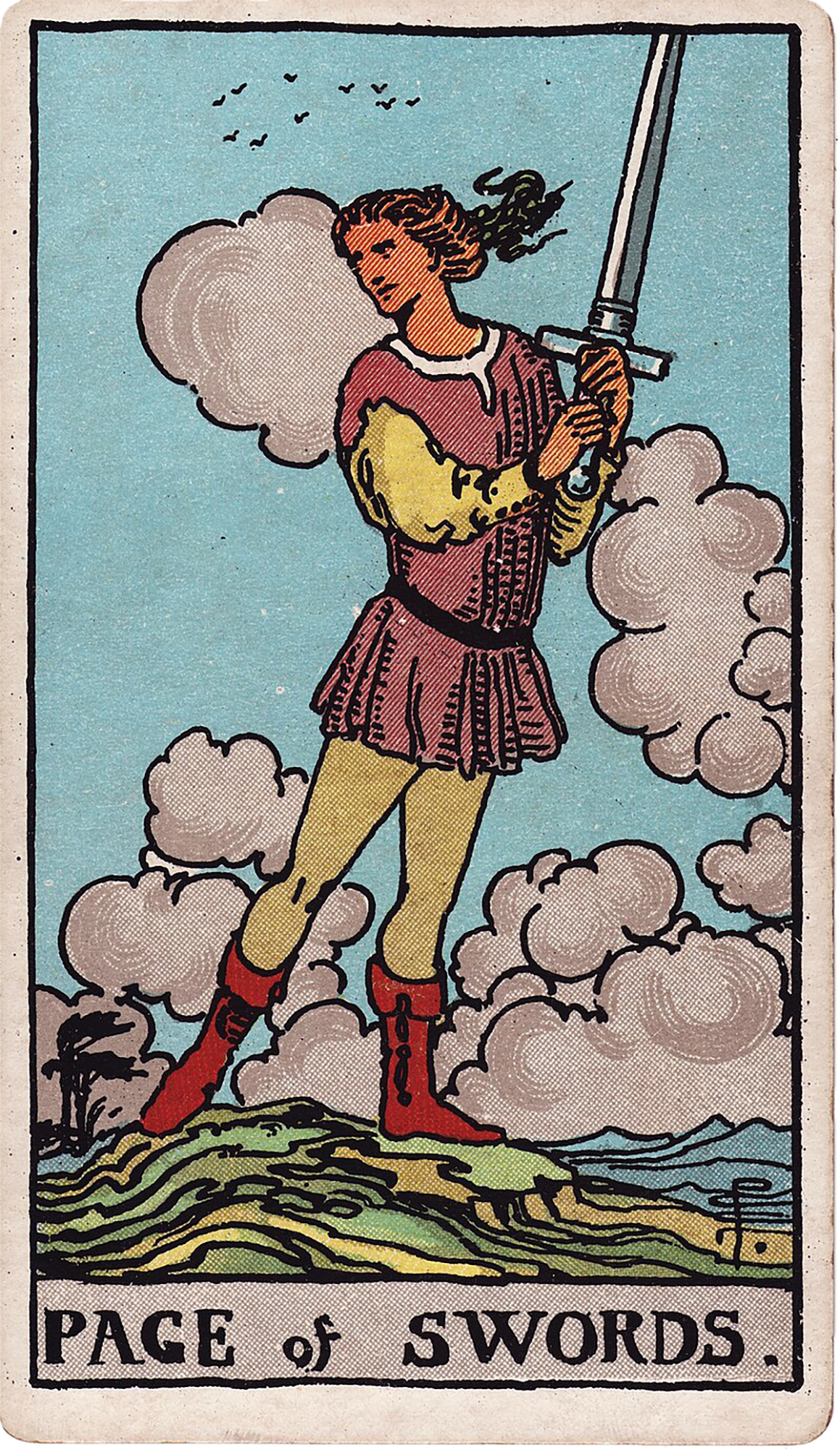 Page of Swords
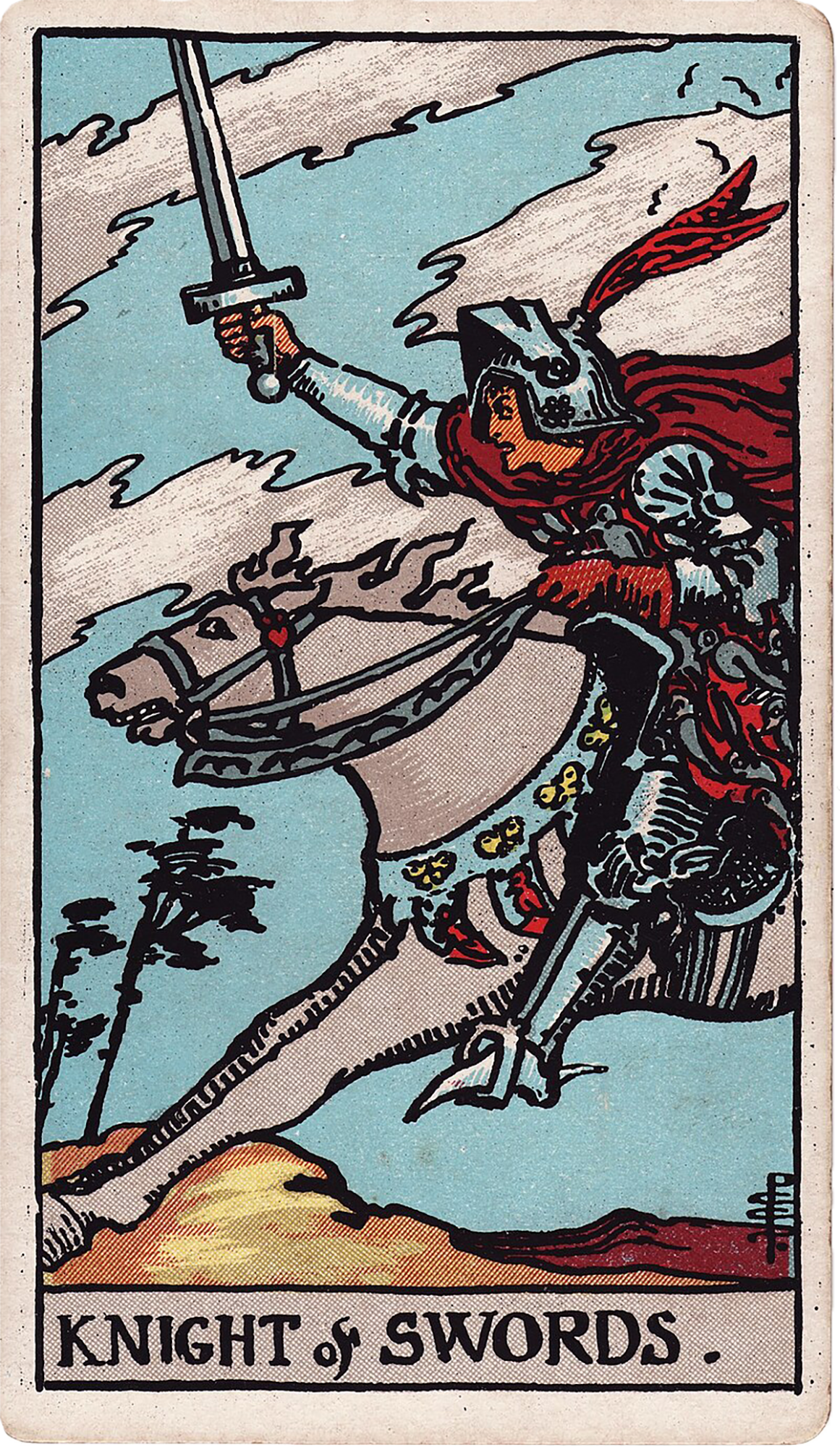 Knight of Swords
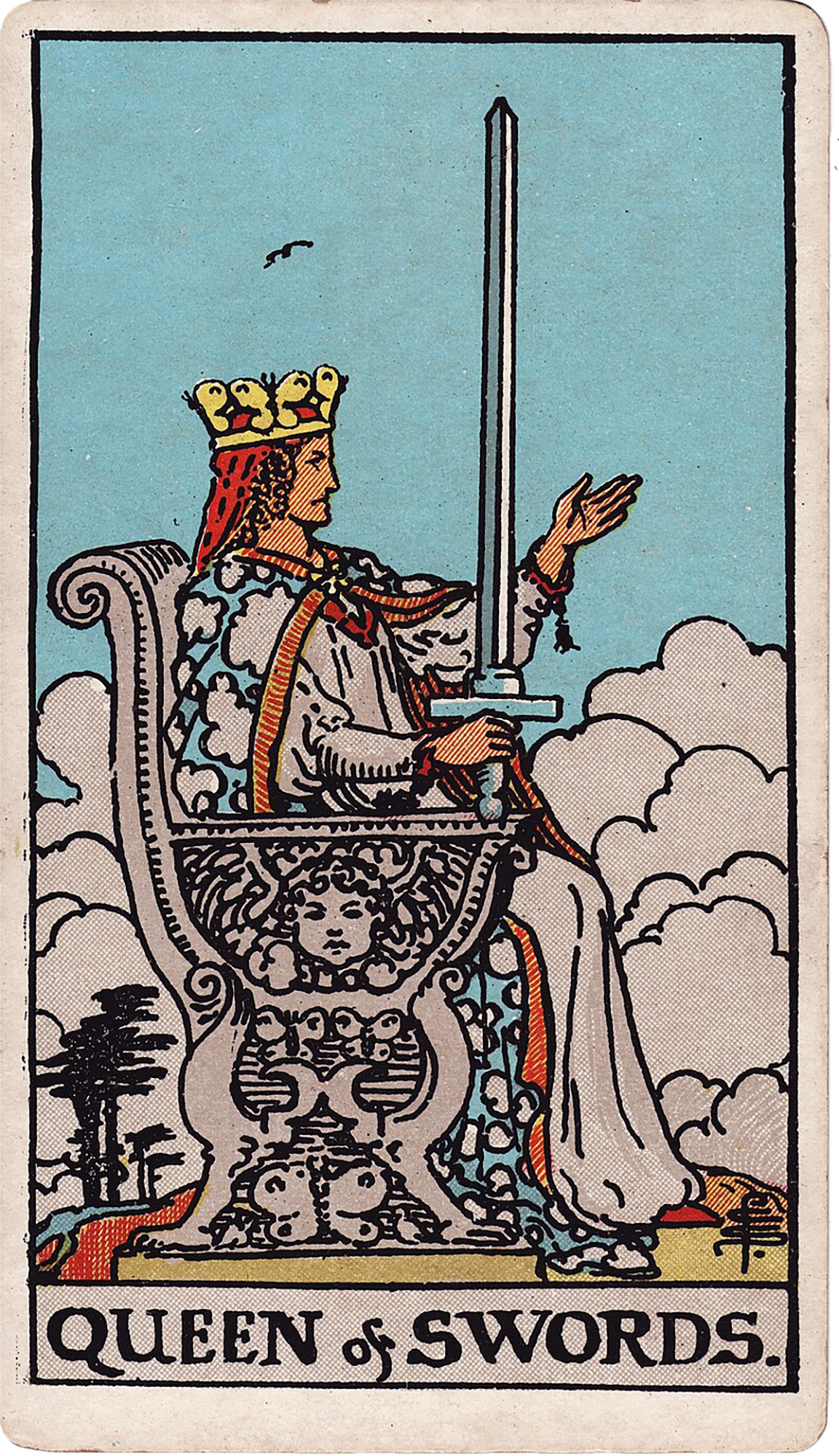 Queen of Swords
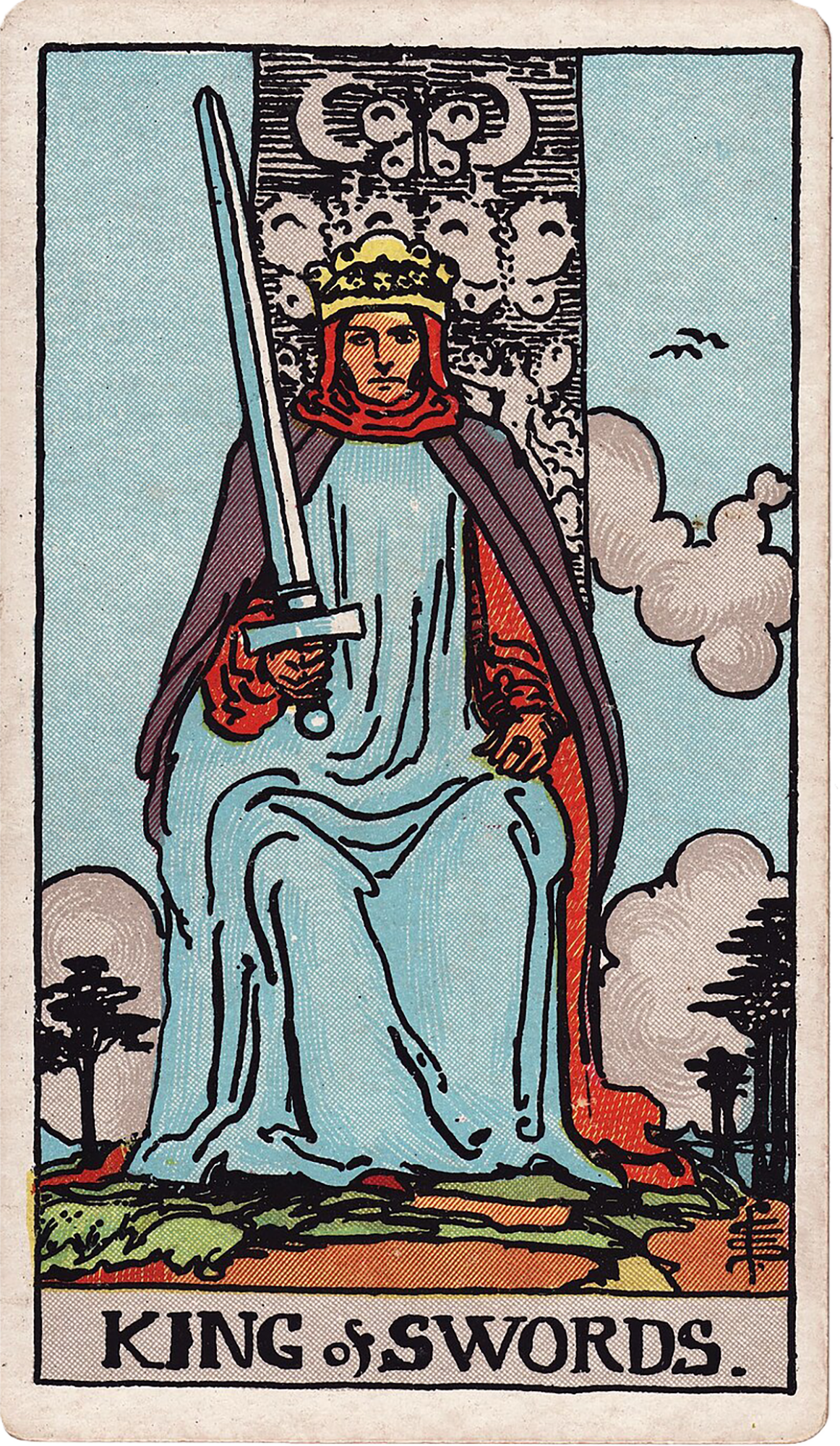 King of Swords
Introduction to the Suit of Swords and Its Court Cards
The Suit of Swords traditionally represents the realm of the mind, intellect, communication, and conflict. As part of the Minor Arcana, it deals with how thoughts and ideas manifest, how truths are revealed, and how decisions are made. Within this suit, the Court Cards—Page, Knight, Queen, and King—personify stages of mental development and modes of engaging with truth and challenge. Each Court Card not only depicts a character but embodies a practical life lesson about how to navigate mental habits, communication styles, and conflict resolution. The Rider-Waite-Smith deck’s illustrations provide visual cues that bring these lessons to life, making them accessible to Tarot learners seeking real-world application.
Page of Swords Practical Lessons and Imagery Interpretation
The Page of Swords signals mental curiosity and vigilance. The figure stands alert, holding a sword upright, eyes scanning the horizon, symbolizing a readiness to question and gather information. This card suggests the early stages of intellectual engagement, where careful observation and asking the right questions are key. Practically, the Page encourages learners to focus on what is happening now—responding to facts rather than ideals. In readings, this card often points to a situation manageable through clear thought, communication, and strategic questioning. Reversed, it warns against scattered attention, defensive behavior, or speaking prematurely. This reversal invites reflection on whether the querent’s mental process has become tangled or stuck. Instead of viewing reversed as simply negative, consider what needs to be simplified or better communicated to restore clarity. For example, if the Page of Swords reversed appears in a career reading, it might indicate gossip at work or jumping to conclusions without full information. Recognizing this helps the querent pause and reassess their communication style.
Knight of Swords Practical Lessons and Imagery Interpretation
The Knight of Swords embodies swift, decisive action and intellectual courage. Depicted mounted on a charging horse, sword raised high, this knight charges forward with focus and determination, ready to cut through delay and confusion. The card’s lesson is about harnessing mental energy to pursue goals assertively and to engage in debates or conflicts with clarity. When upright, it encourages the reader to act decisively and to trust their ability to strategize. However, its reversed form highlights recklessness, aggression, or tunnel vision—acting too quickly without considering nuances or consequences. Rather than interpreting reversed as failure, use it as a prompt to slow down and integrate awareness of context and impact. In practical terms, the Knight of Swords can appear during moments requiring quick decisions, such as crisis management or urgent problem solving. A common mistake is to ignore the card’s demand for balance between speed and prudence. The Rider-Waite imagery supports this through the knight’s intense gaze and forward motion, reminding us that action must be purposeful, not impulsive.
Queen of Swords Practical Lessons and Imagery Interpretation
The Queen of Swords personifies clear-minded independence and honest, compassionate communication. She sits upright on her throne, holding a sword pointed upward—ready to cut through illusion—while her other hand gestures outward, symbolizing openness. This queen models boundaries that protect without cruelty, speaking truth with fairness. The lesson here is about cultivating intellectual maturity balanced with empathy. Upright, the Queen advises setting honest boundaries and valuing truth without unnecessary harshness. Reversed, she warns against bitterness, excessive criticism, or emotional avoidance by intellectualizing feelings. This reversal invites the querent to examine where emotional complexity is being neglected or where communication is cutting rather than healing. A practical reading example might involve family or workplace dynamics where honesty is needed but must be tempered with sensitivity. The Rider-Waite symbolism of clouds parting behind the queen emphasizes clarity emerging from emotional complexity, reinforcing the balance she represents.
King of Swords Practical Lessons and Imagery Interpretation
The King of Swords represents mature intellectual authority and principled decision-making. Seated on his throne, sword upright and gaze steady, he embodies strategic judgment grounded in evidence and ethics. This card teaches the importance of leading with integrity and clarity, balancing logic with fairness. Upright, the King signals mastery over mental habits and the ability to navigate complex situations thoughtfully. Reversed, it cautions against coldness, arrogance, or abuse of power—treating people as obstacles rather than collaborators. This reversal encourages self-examination on the use of authority and whether compassion is being sacrificed for control. Practically, the King of Swords may appear when leadership or legal matters require decisive but fair handling. The imagery, including the firm grip on the sword and the throne adorned with butterflies (symbolizing transformation), supports the theme of thoughtful governance rooted in change and insight.
Techniques for Reading and Applying Court Card Lessons in Spreads
When working with the Court Cards of Swords, it is essential to contextualize their energies within the specific question and spread position. Begin by observing the card’s posture, gaze, and surrounding symbols in the Rider-Waite-Smith deck to connect with the depicted energy. Anchor your interpretation in the card’s practical lessons: curiosity and vigilance (Page), swift decisive action (Knight), clear independence with boundaries (Queen), and mature strategic authority (King). Consider whether the card is upright or reversed not as binary, but as a sign of where the mental or communicative process is flourishing or stuck. Use surrounding cards to identify if the energy is emerging, gaining pressure, or resolving. Avoid common mistakes such as overgeneralizing court cards as personality types; instead, focus on the mode of mental engagement or communication they reveal. Practically, invite querents to reflect on how these styles appear in their lives and what adjustments might improve their thinking or interactions.
Common Mistakes and How to Avoid Them in Interpretation
A frequent error is treating Court Cards as fixed personalities rather than dynamic mental processes. For example, assuming a querent is literally like the Knight of Swords ignores the card’s broader lesson about decisive mental action. Another mistake is seeing reversed cards only as negative omens instead of signals of stuck or incomplete processes. For instance, the Queen of Swords reversed may highlight unacknowledged emotional pain rather than mere harshness. Additionally, ignoring the card’s imagery and symbolism leads to shallow readings. The visual cues in Rider-Waite-Smith—like the Page’s watchful eyes or the King’s firm grip—offer vital context that anchors interpretation. To avoid these pitfalls, focus on practical questions: Where is mental energy constructive or obstructed? What communication style is being encouraged or cautioned against? How does this energy fit the querent’s current stage or situation?
Applying Court Card Lessons to Everyday Life and Self-Reflection
Beyond readings, the Court Cards of Swords offer valuable frameworks for self-awareness and growth. The Page invites cultivating curiosity and vigilance—practicing mindful questioning rather than assumptions. The Knight challenges us to balance courage and speed with thoughtful consideration of consequences. The Queen encourages setting honest boundaries and embracing emotional complexity rather than avoiding it through cold intellect. The King models leadership rooted in principle, evidence, and fairness rather than manipulation or arrogance. Reflecting on these archetypes in daily decisions, communication styles, and conflict situations helps develop healthier mental habits. For example, noticing a tendency toward Knight-like impulsiveness can prompt pausing before action. Recognizing Queen-like harshness may lead to more compassionate conversations. These cards thus serve as guides for practical mental and communicative skills essential in family, work, and community life.
Practice questions
• In what areas of your life do you recognize the mental curiosity and vigilance of the Page of Swords?
• How do you balance decisiveness and caution in situations that require swift action, as exemplified by the Knight of Swords?
• Where might you need to establish clearer boundaries or communicate truth with compassion like the Queen of Swords?
• How do you exercise intellectual authority and strategic judgment in your leadership roles in ways that reflect the King of Swords?
• When you encounter reversed Court Cards of Swords, what stuck mental or communication patterns might they be highlighting?
• How can you use the imagery of each card to deepen your understanding of their practical lessons in readings?
Comments
Sign in to comment.
Continue learning
Interpreting the Dance of Justice and The Devil: Balancing Morality and Temptation in Tarot Readings
The combination of Justice and The Devil in tarot presents a profound exploration of morality, temptation, and personal accountability. This article unpacks how these cards influen...
Advanced Techniques for Combining The Moon and The Star to Enhance Intuition in Tarot Readings
This article explores advanced techniques to combine the symbolism and energy of The Moon and The Star Tarot cards to enhance intuition during Tarot readings. Drawing from traditio...
Unlocking Life Insights with the Celtic Cross Tarot Spread
This article offers a thorough exploration of the Celtic Cross Tarot Spread, focusing on its application within family and practical life contexts. Using a worked example featuring...
Unlocking Hidden Meanings with The Hermit and The Hanged Man for Spiritual Growth
This article offers an in-depth exploration of The Hermit and The Hanged Man Tarot cards focusing on their roles in spiritual growth. It guides readers through beginner and advance...
Unlocking Personal Insight with the Seven Card Horseshoe Spread
The Seven Card Horseshoe Spread is a practical and insightful Tarot layout ideal for exploring personal and family dynamics. This article breaks down each position—Past, Present, H...
Mastering the Court Cards of Wands for Unlocking Personal Drive and Leadership
The Court Cards of Wands represent a dynamic spectrum of personal energy, ambition, and leadership potential within the Minor Arcana. This article offers a comprehensive exploratio...
Tracing the Origins and Evolution of The Fool Card in Tarot History
The Fool card holds a foundational place in tarot tradition, symbolizing beginnings, openness, and the embrace of uncertainty. This article traces its origins from early European d...
Techniques for Reading Court Cards to Unlock Personality Insights
Court cards in Tarot often represent people, personality traits, or energy patterns within a situation. This article offers a structured approach for beginners and advanced readers...
Unlocking Emotional Transformation with Death and The Moon Tarot Combination
This article explores the rich and complex interaction between the Death and The Moon tarot cards within the Rider-Waite-Smith tradition, focusing on their combined potential to un...
Applying The Star Card to Foster Hope and Renewal in Personal Growth
The Star card in Tarot symbolizes hope, authenticity, and the process of steady renewal. In a single-card reading, The Star encourages embracing what is present, cultivating openne...