
Unlocking Practical Life Lessons Through the Court Cards of Swords
This article delves deeply into the court cards of the Swords suit—Page, Knight, Queen, and King—to unlock practical life lessons they offer. Grounded in Rider-Waite-Smith symbolism and enriched by the specific upright and reversed meanings of each card, it guides Tarot learners on how to interpret these figures in readings. Focusing on mental habits, communication, truth, and strategic thinking, the article discusses common pitfalls and provides techniques for applying these lessons to real-life situations. Practical reading methods and interpretation logic help readers develop nuanced, grounded insights rather than deterministic forecasts.
Cards explored in this article
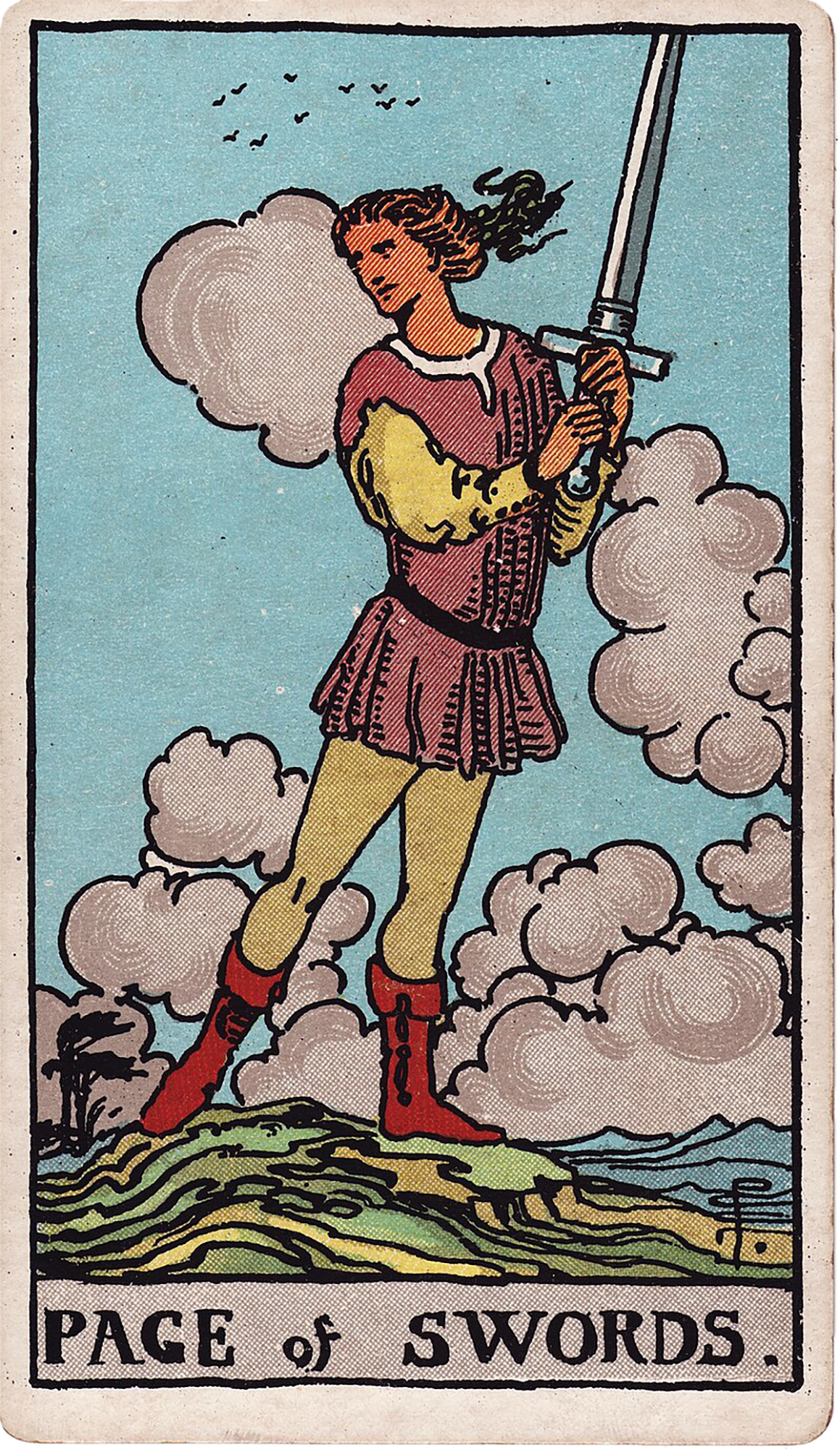 Page of Swords
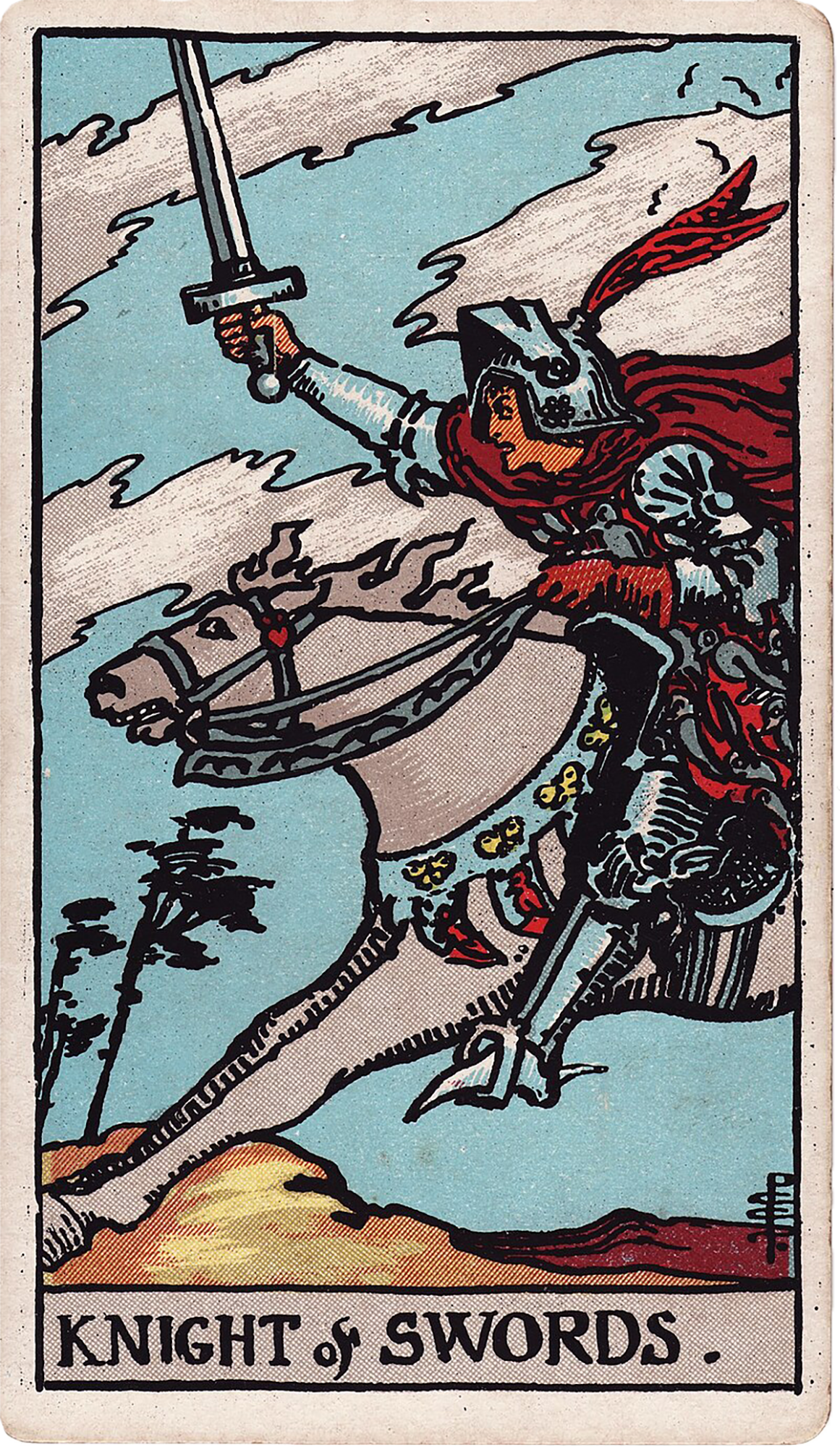 Knight of Swords
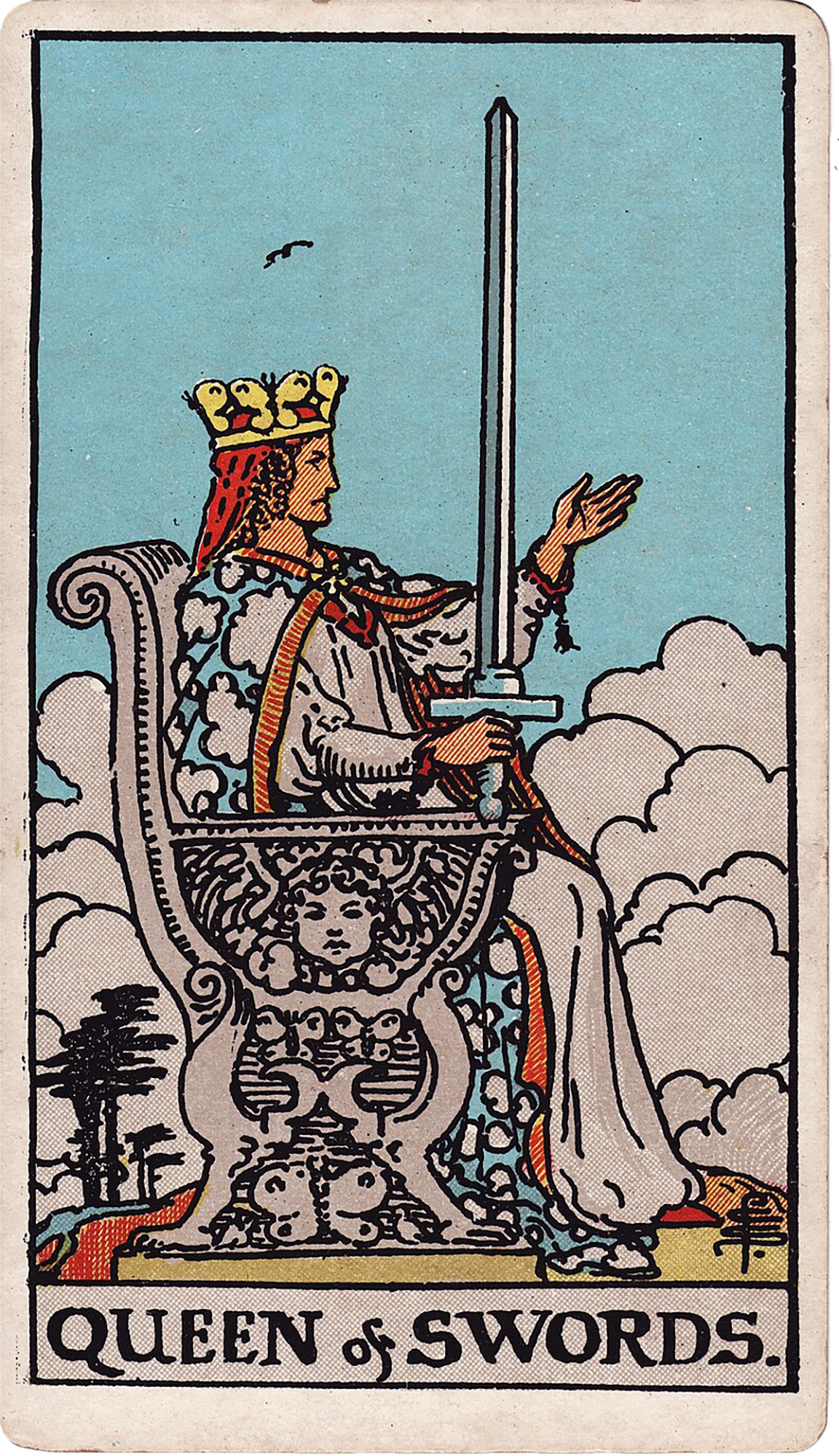 Queen of Swords
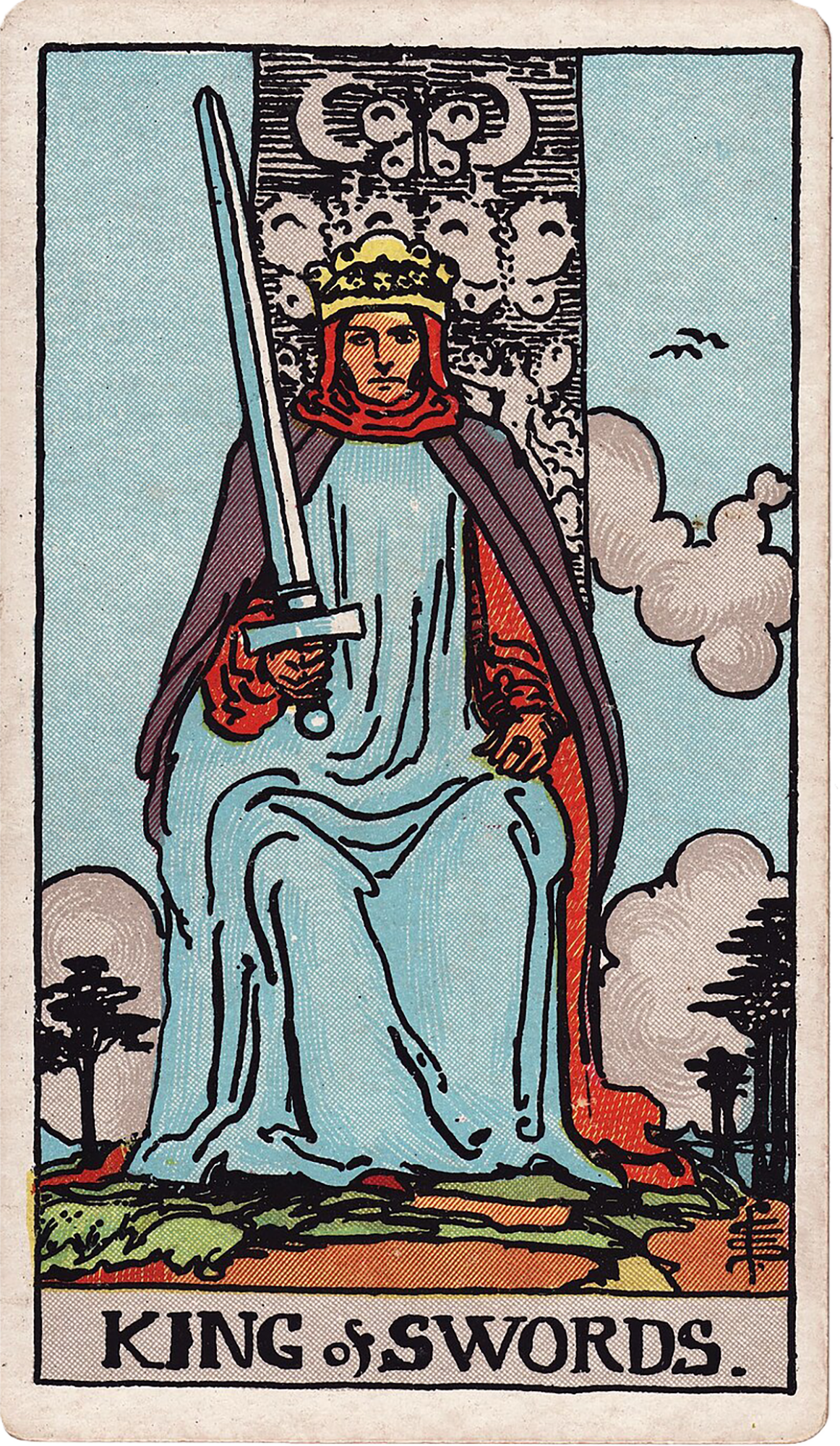 King of Swords
Introduction to the Court Cards of Swords and Their Family Suit Context
The suit of Swords in Tarot traditionally symbolizes the realm of intellect, thought, communication, conflict, and decision-making. Within this suit, the court cards—the Page, Knight, Queen, and King of Swords—represent distinct stages and facets of mental and communicative maturity. They act as archetypal figures embodying how we engage with truth, strategy, and the consequences of mental habits. Unlike the numbered cards that describe situations or energies, the court cards personify energies and offer practical lessons on handling intellectual challenges and interpersonal dynamics. Understanding these figures as a family helps readers grasp the progression from curiosity and learning (Page), through action and decisiveness (Knight), to mature clarity and boundaries (Queen), culminating in strategic authority and principled judgment (King). This familial framework supports interpreting readings by identifying where the querent or situation aligns within the mental development cycle.
Page of Swords as a Lesson in Mental Curiosity and Vigilance
The Page of Swords is the youthful messenger of the mind’s eager energy. Upright, it highlights mental curiosity, vigilance, and the desire to ask questions and gather information. In Rider-Waite-Smith imagery, the Page stands alert with a raised sword, symbolizing readiness to cut through confusion with clear thought. Practically, this card advises focusing on the present stage rather than abstract ideals. For example, a querent facing a complex problem might be encouraged to research carefully, question assumptions, and stay mentally agile. Reversed, the Page warns of pitfalls like gossip, defensiveness, scattered attention, or prematurely arguing without full understanding. This blockage often shows where mental energy is misdirected or stuck. Rather than treating the reversed Page as simply negative, readers should explore what needs simplification or better communication to restore healthy mental engagement. Recognizing the Page’s role in the Swords family as the beginner or learner helps frame reading advice around developing clarity and vigilance before moving on to action.
Knight of Swords Teaching Decisive Action and Courage in Communication
The Knight of Swords embodies swift, decisive movement and intellectual courage. Upright, this card symbolizes the ability to cut through delay, confront challenges head-on, and push forward with strategic intent. Rider-Waite-Smith imagery depicts the Knight charging forward, sword raised, underscoring kinetic mental energy and bold communication. In practical Tarot readings, the Knight advises taking decisive steps once enough information (Page’s domain) is gathered. It encourages courage in debate and clarity in conflict resolution. However, in reversed position, the Knight’s energy can become reckless, aggressive, or tunnel-visioned—moving too fast without considering nuance or consequences. This suggests a need to pause, reassess, and avoid ignoring important details. Readers should use surrounding cards to gauge whether this energy is premature or pressured. The Knight’s role as the active agent within the Swords family helps learners recognize when swift intellectual action is needed—and when it becomes counterproductive.
Queen of Swords Offering Lessons in Clear-Minded Independence and Honest Boundaries
The Queen of Swords represents refined intellectual authority combined with emotional honesty and clear boundaries. Upright, she embodies independence, truthful communication, and the ability to balance logic without cruelty. The Rider-Waite-Smith image often shows her with a sword upright, a symbol of mental clarity, while her posture suggests openness but firm boundaries. This card encourages readers and querents to practice honest, straightforward communication that respects truth but avoids unnecessary harshness. It teaches the practical lesson of managing conflict with wisdom rather than emotion-driven reaction. Reversed, the Queen warns against bitterness, excessive criticism, isolation, or using intellect as a shield from emotional complexity. This reversal invites reflection on whether one is avoiding vulnerability or becoming harshly judgmental. Understanding the Queen’s place in the court cards helps learners see this as a stage of mature thought and communication, emphasizing balance and integrity.
King of Swords as a Model of Mature Intellectual Authority and Strategic Judgment
The King of Swords represents the pinnacle of intellectual development in the suit—mature authority, strategic judgment, and decisions rooted in principle and evidence. Upright, the King symbolizes mastery of mental faculties and ethical leadership, as shown in Rider-Waite-Smith imagery by his seated posture and firm grip on the sword, demonstrating control and clarity. This card guides readers toward responses grounded in thoughtful analysis, fairness, and long-term vision. It encourages applying lessoned wisdom to complex problems, weighing consequences mindfully. When reversed, the King cautions against intellectual arrogance, manipulation, coldness, or abuse of authority. This invites a reassessment of how power and intellect are wielded and whether people are being treated as collaborators rather than obstacles. The King’s role as the final court card in Swords frames the reading around the integration of all previous lessons—curiosity, action, and clear boundaries—into principled leadership.
Techniques for Reading the Court Cards of Swords in Practical Contexts
When interpreting the court cards of Swords, it’s vital to approach them as dynamic characters within a mental and communicative journey. Start by identifying whether the card appears upright or reversed to understand whether the energy is constructive or blocked. Next, consider the card’s stage within the Swords family to see if the querent is in a phase of learning (Page), active engagement (Knight), mature discernment (Queen), or leadership (King). Contextualize the message by examining surrounding cards to determine whether the energy is emerging, developing, pressured, or resolving. For example, the Page of Swords paired with cards indicating new beginnings will reinforce a call for learning and curiosity, whereas coupled with stressful cards, it may highlight nervous energy or scattered thoughts. Avoid common mistakes like reading court cards as fixed personality types or concrete predictions. Instead, focus on practical advice related to thought processes, communication strategies, and decision-making skills. Encourage querents to reflect on their current mental habits and how they can harness or refine the energy represented by these figures. Using imagery from the Rider-Waite-Smith deck, emphasize visual cues such as the posture, direction of gaze, and sword position to deepen intuitive understanding.
Common Pitfalls and How to Avoid Them When Interpreting Swords Court Cards
A frequent error is treating reversed court cards as simply the opposite of upright meanings, which oversimplifies complex internal dynamics. Instead, view reversals as indications of where growth is halted, distorted, or in need of attention. Another pitfall is ignoring the practical stage of the querent’s situation—applying abstract ideals rather than responses that fit the current moment. For instance, reading the Knight of Swords as just impulsive aggression misses its potential for courageous, decisive action when timed well. Similarly, misreading the Queen of Swords as cold or unfeeling overlooks her wisdom in balancing truth with compassion. Avoid projecting fixed character judgments onto these cards; they represent energies and lessons, not permanent personality traits. Lastly, neglecting the family suit context dilutes interpretation depth. Always anchor readings by reflecting on how the card’s lessons about thought, communication, and mental habits fit together within the querent’s broader journey.
Practical Examples of Applying Court of Swords Lessons in Life and Readings
Consider a querent struggling with a workplace conflict. Drawing the Page of Swords upright might suggest stepping back to gather more information and ask clarifying questions before reacting. If the Knight of Swords appears reversed nearby, it warns against rushing into confrontations without considering consequences. The Queen of Swords could then advise establishing clear, honest boundaries in communication to maintain respect and truth without harshness. If the King of Swords appears upright, it recommends applying strategic judgment and principled decision-making to resolve the conflict sustainably. In a personal growth context, these cards may encourage developing intellectual curiosity (Page), courage to act on truth (Knight), emotional honesty paired with mental clarity (Queen), and mature leadership over one’s mental habits and decisions (King). By visualizing the imagery—such as the Page’s vigilant stance or the King’s commanding presence—learners can internalize these lessons as practical guides rather than abstract concepts.
Practice questions
• Where in my life do I see the mental energy of the Page of Swords — curiosity and questioning — needing stronger expression?
• In what situations might I be rushing forward like the Knight of Swords without fully considering nuance or consequences?
• How can I embody the Queen of Swords’ balance of honesty and compassionate boundaries in my communication?
• Am I exercising the mature intellectual authority of the King of Swords, or do I risk intellectual arrogance or manipulation?
• How do the reversed meanings of these court cards highlight areas where my mental or communicative processes are stuck or misdirected?
Comments
Sign in to comment.
Continue learning
Interpreting the Dance of Justice and The Devil: Balancing Morality and Temptation in Tarot Readings
The combination of Justice and The Devil in tarot presents a profound exploration of morality, temptation, and personal accountability. This article unpacks how these cards influen...
Advanced Techniques for Combining The Moon and The Star to Enhance Intuition in Tarot Readings
This article explores advanced techniques to combine the symbolism and energy of The Moon and The Star Tarot cards to enhance intuition during Tarot readings. Drawing from traditio...
Unlocking Life Insights with the Celtic Cross Tarot Spread
This article offers a thorough exploration of the Celtic Cross Tarot Spread, focusing on its application within family and practical life contexts. Using a worked example featuring...
Unlocking Hidden Meanings with The Hermit and The Hanged Man for Spiritual Growth
This article offers an in-depth exploration of The Hermit and The Hanged Man Tarot cards focusing on their roles in spiritual growth. It guides readers through beginner and advance...
Unlocking Personal Insight with the Seven Card Horseshoe Spread
The Seven Card Horseshoe Spread is a practical and insightful Tarot layout ideal for exploring personal and family dynamics. This article breaks down each position—Past, Present, H...
Mastering the Court Cards of Wands for Unlocking Personal Drive and Leadership
The Court Cards of Wands represent a dynamic spectrum of personal energy, ambition, and leadership potential within the Minor Arcana. This article offers a comprehensive exploratio...
Tracing the Origins and Evolution of The Fool Card in Tarot History
The Fool card holds a foundational place in tarot tradition, symbolizing beginnings, openness, and the embrace of uncertainty. This article traces its origins from early European d...
Techniques for Reading Court Cards to Unlock Personality Insights
Court cards in Tarot often represent people, personality traits, or energy patterns within a situation. This article offers a structured approach for beginners and advanced readers...
Unlocking Emotional Transformation with Death and The Moon Tarot Combination
This article explores the rich and complex interaction between the Death and The Moon tarot cards within the Rider-Waite-Smith tradition, focusing on their combined potential to un...
Applying The Star Card to Foster Hope and Renewal in Personal Growth
The Star card in Tarot symbolizes hope, authenticity, and the process of steady renewal. In a single-card reading, The Star encourages embracing what is present, cultivating openne...