
Unlocking Practical Life Wisdom Through the Page Knight Queen and King of Pentacles
The Page, Knight, Queen, and King of Pentacles form a powerful family group within the Minor Arcana that offers profound insights into practical life wisdom. This article explores their lessons on work, money, health, routine, and resource management through Rider-Waite-Smith symbolism and modern Tarot technique. By understanding these court cards’ energies—beginning learning, steady progress, nurturing competence, and mature stewardship—students can apply grounded guidance to real-world situations. We analyze upright and reversed meanings, common interpretive challenges, and practical reading methods to unlock their constructive potential in Tarot spreads.
Cards explored in this article
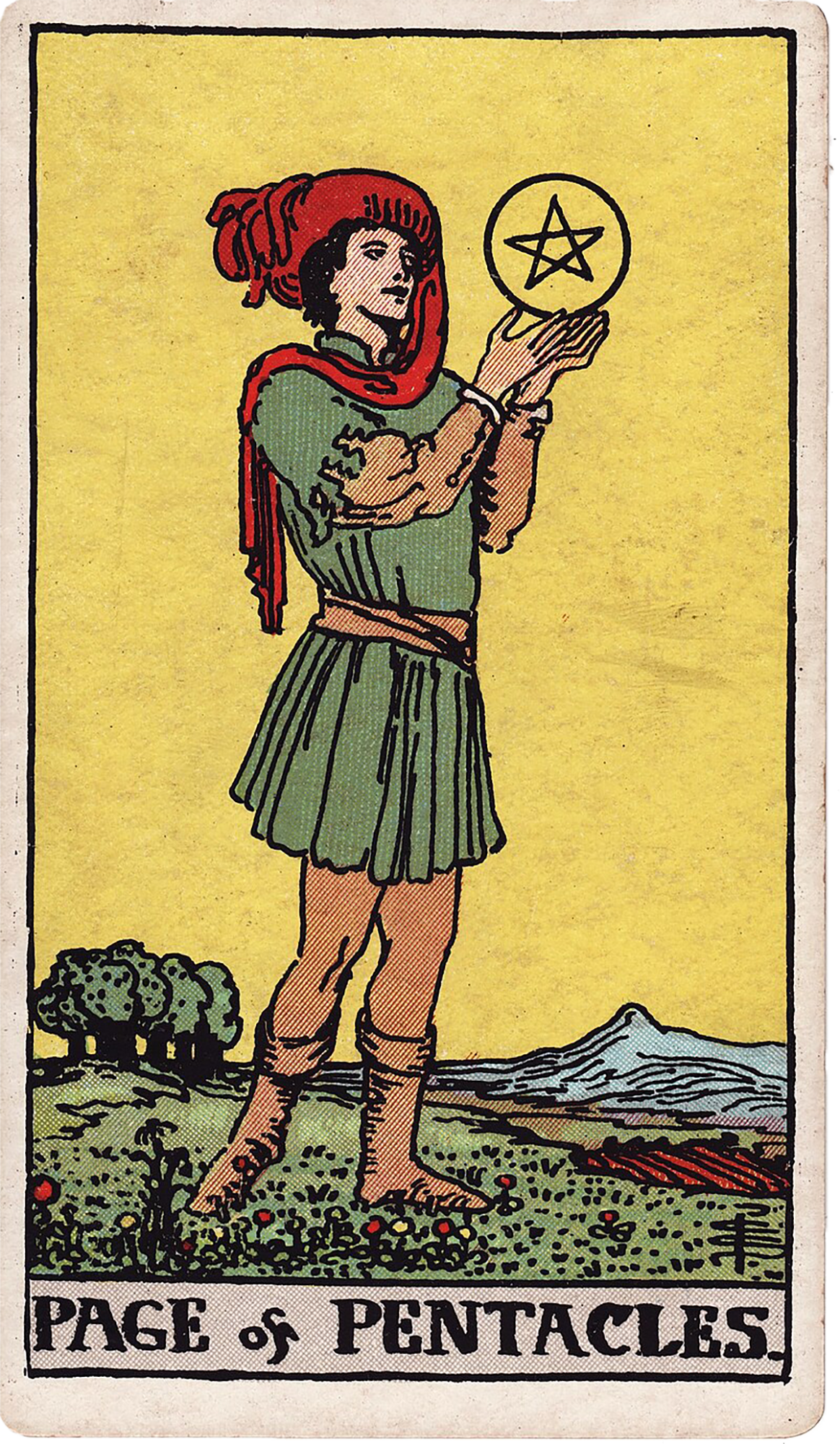 Page of Pentacles
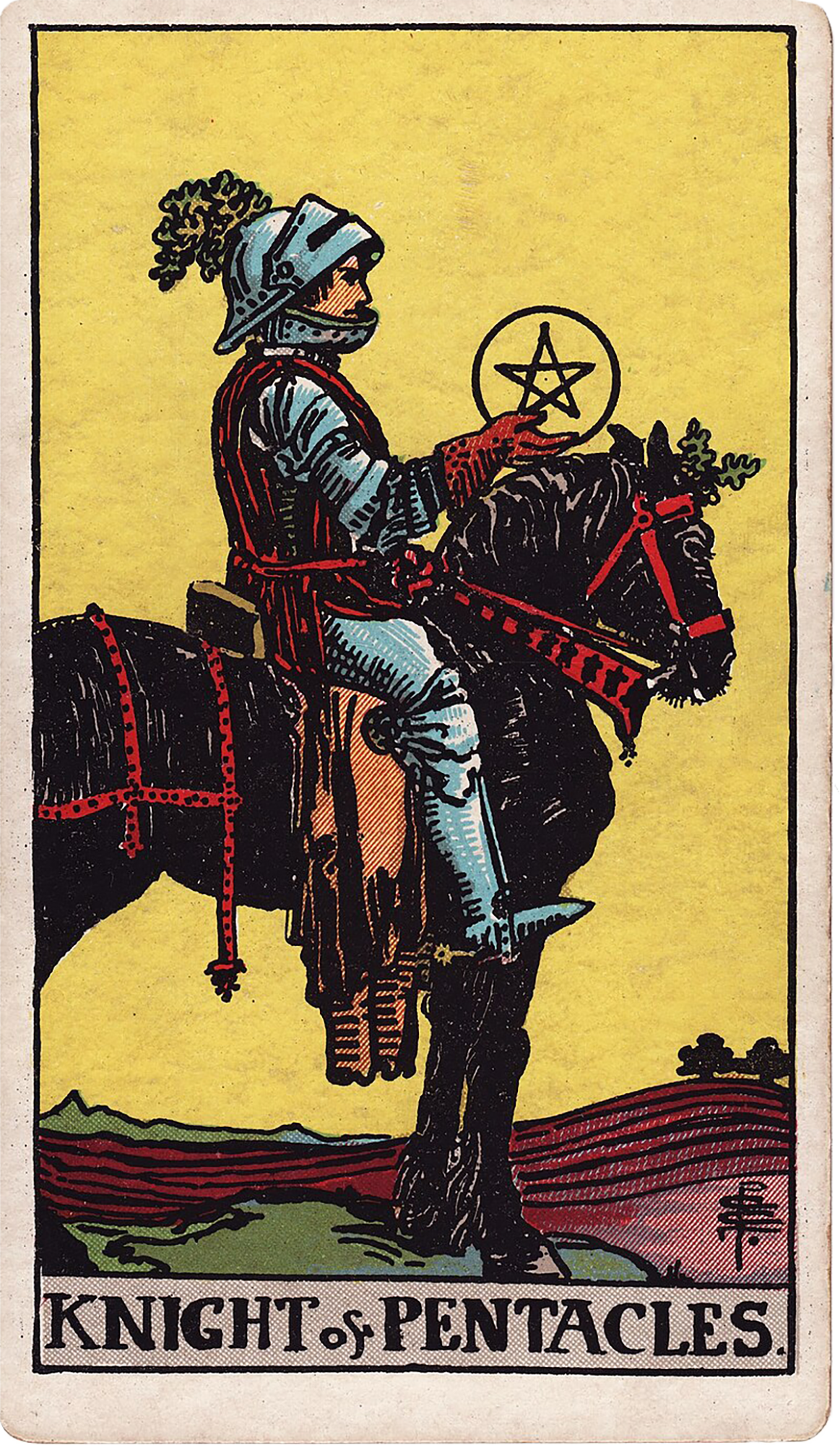 Knight of Pentacles
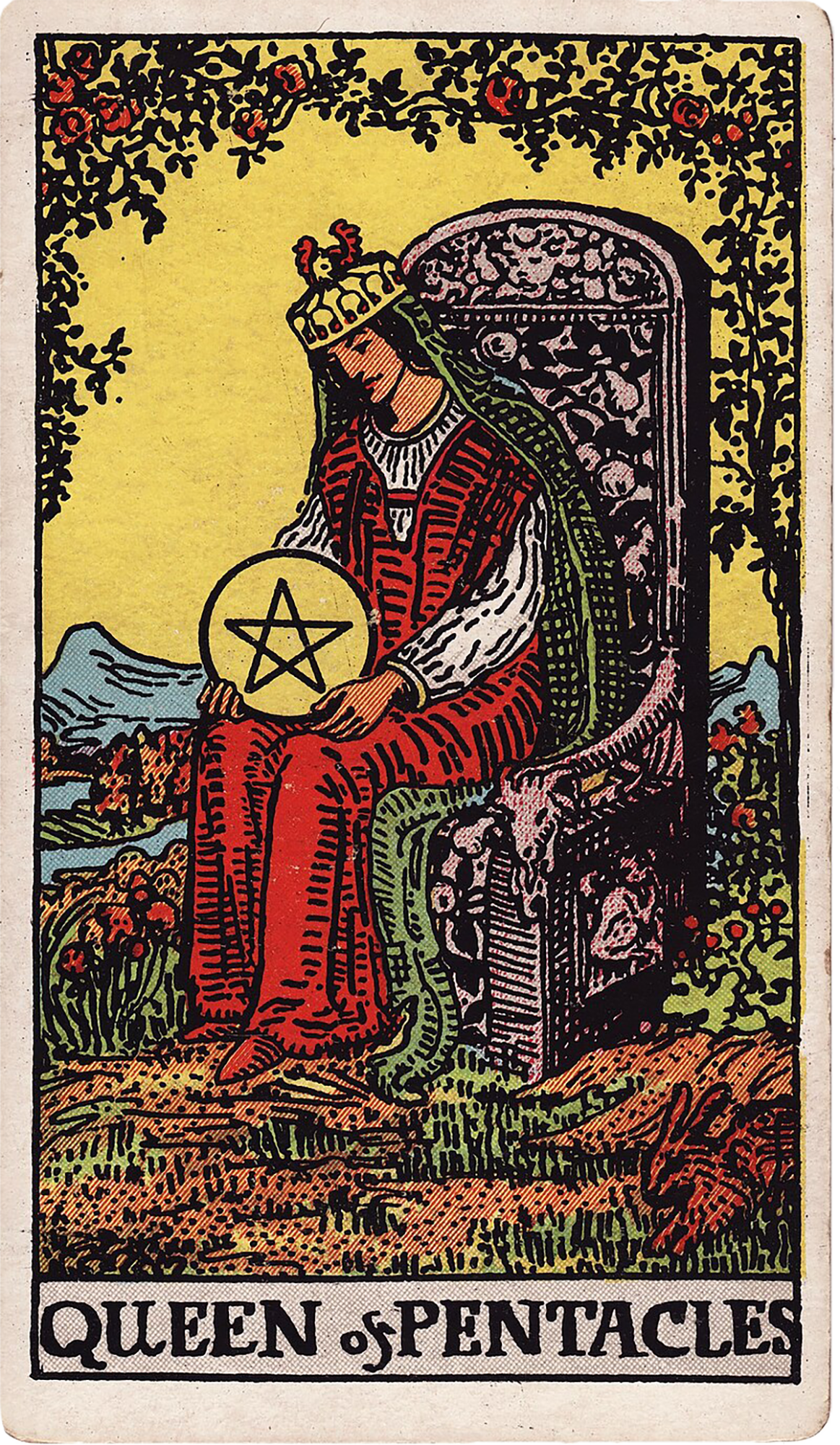 Queen of Pentacles
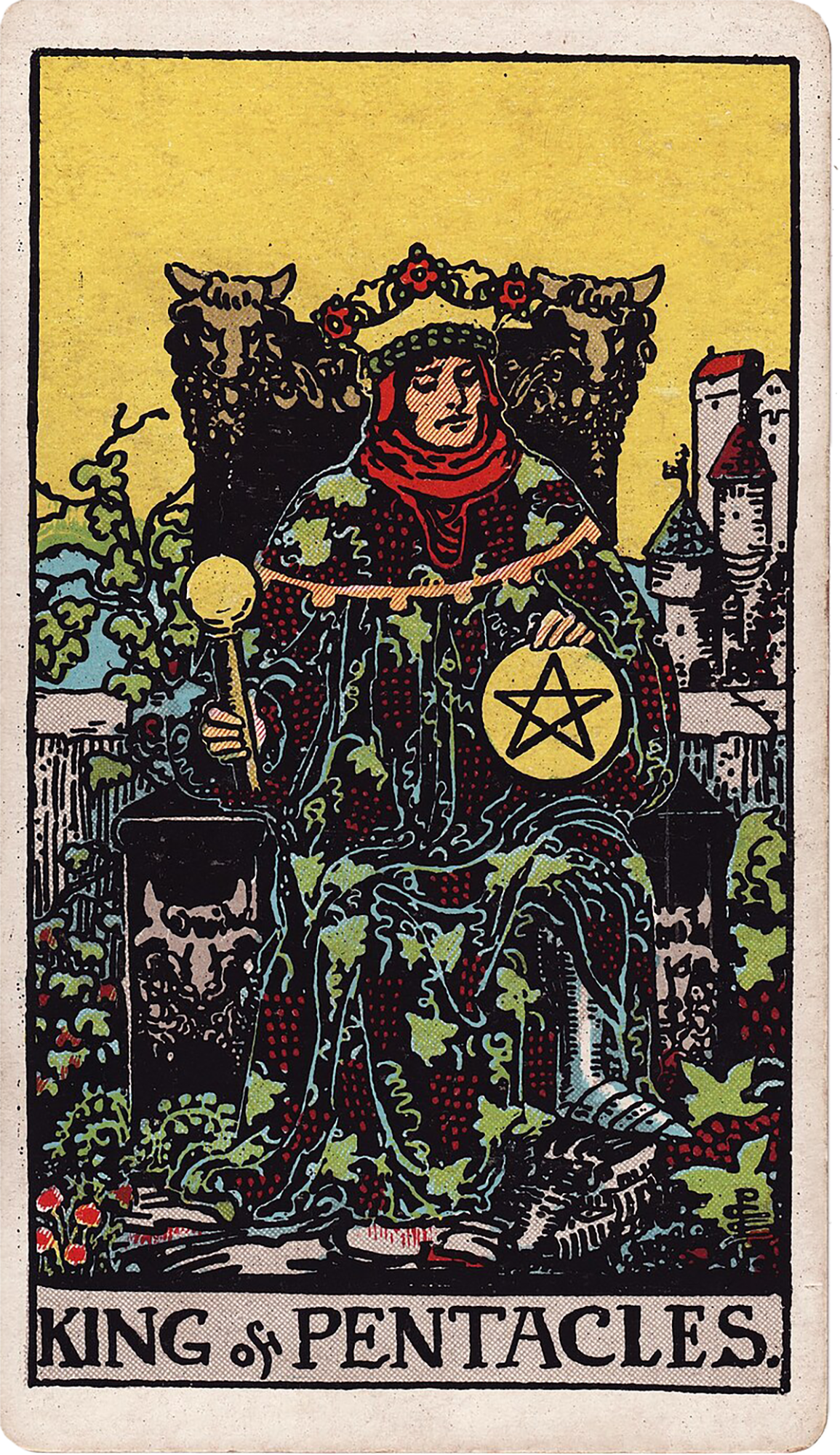 King of Pentacles
Introduction to the Pentacles Family Suit and Court Cards
The Pentacles suit in Tarot traditionally represents the material world, encompassing work, money, health, routine, resources, craft, and long-term stability. The four court cards—the Page, Knight, Queen, and King—serve as archetypes illustrating stages of personal and practical development within this domain. Understanding their relationship as a family grouping deepens a reader’s ability to interpret their messages in context and recognize growth patterns or blockages in practical affairs. Each card expresses a distinct energy and role that, when combined, offer comprehensive guidance on managing tangible aspects of life.
Page of Pentacles Practical Lessons and Symbolism
The Page of Pentacles embodies beginner energy focused on learning practical skills, starting realistic plans, or recognizing material opportunities. The Rider-Waite-Smith image depicts a young person holding a pentacle with intent concentration, symbolizing grounded curiosity and readiness to invest effort. Upright, this card encourages learners to identify where they can develop competence through study, practice, and attention to details related to work, money, or health. It signals that the core task is clear but requires patience and realism rather than abstract ideals. Reversed, the Page alerts to procrastination, poor habits, or superficial focus on money without true understanding. A common mistake is to treat its reversal as mere laziness rather than a sign that the learning process needs simplification, acknowledgment of blocks, or better communication. Readers should look for surrounding cards indicating whether the Page’s energy is emerging, struggling, or close to breakthrough and adjust interpretations accordingly.
Knight of Pentacles Steadfast Progress and Its Challenges
The Knight of Pentacles represents steady execution, reliability, and progress through consistent routine rather than dramatic actions. In the Rider-Waite-Smith deck, the Knight sits firmly on his horse holding a pentacle, symbolizing methodical work and responsibility. Upright, this card advises persistence in practical matters, highlighting that success often comes from discipline and gradual improvement. It reminds readers that material stability is built step-by-step, with focus on tangible results. However, reversed, the Knight warns against stagnation, stubbornness, or confusing slow steady work with inactivity. It can also indicate workaholism or resistance to necessary change. A common misinterpretation is to equate slow progress with failure, but the Knight teaches respect for natural rhythms and encourages assessing when persistence becomes rigidity. Effective reading involves comparing this card’s energy with the Page’s learner mindset and the Queen’s nurturing competence to gauge the current stage of practical development.
Queen of Pentacles Nurturing Practical Competence
The Queen of Pentacles symbolizes practical nurture, competence, and the ability to make resources serve real life needs rather than status or appearance. The Rider-Waite-Smith image shows a serene woman seated with a pentacle, surrounded by lush nature, indicating grounded care and material abundance. Upright, the Queen advises balancing work and self-care, managing finances wisely, and creating supportive environments at home or work. She embodies mature resourcefulness that values sustainability and tangible benefits. Reversed, she highlights risks of overwork, self-neglect, financial anxiety, or controlling care that measures self-worth through usefulness alone. Readers often mistake reversed Queen cards as mere weakness but should see them as signals to simplify responsibilities and re-prioritize self-nurture. This card’s lessons integrate beautifully with the Knight’s steady work ethic and the King’s overarching stewardship, revealing family patterns of practical care.
King of Pentacles Mature Stewardship and Stability
The King of Pentacles stands for mature stewardship of resources, business competence, and building lasting stability that supports both self and others. In Rider-Waite-Smith symbolism, he sits confidently on a throne adorned with bulls and grapevines, representing strength, wealth, and fruitful enterprise. Upright, the King encourages confident management of finances, investments, health, and routines with an eye toward legacy and community support. It is a card of achievement resulting from disciplined, realistic strategies and respect for material realities. When reversed, the King warns against greed, rigidity, obsession with status, misuse of power, or an attachment to security that prevents growth. Readers should avoid interpreting this simply as failure; instead, it marks a need to reassess values and openness to change. The King’s role completes the Pentacles family cycle by showing how foundational lessons in the Page, Knight, and Queen culminate in sustainable leadership.
Practical Reading Techniques for the Pentacles Court Cards
When working with the Page, Knight, Queen, and King of Pentacles in readings, it is essential to view them as stages or aspects of a practical journey rather than isolated messages. Start by identifying the card’s position in the spread and surrounding cards indicating material themes such as work, money, or health. Note the card’s orientation (upright or reversed) to understand where energy is flowing or stuck. Use the Rider-Waite-Smith imagery to connect with each card’s symbolic details—such as the Page’s youth and potential, the Knight’s steady horse, the Queen’s lush environment, and the King’s royal symbols—to anchor interpretations in concrete visuals. Avoid over-intellectualizing; instead, ask what realistic actions or attitudes fit the querent’s current stage. Look for family suit patterns showing development, stagnation, or imbalance among the court cards, which helps tailor advice. Finally, remind learners that these cards do not guarantee outcomes but invite reflection on practical wisdom applicable to everyday life.
Common Mistakes and How to Avoid Them
A frequent error when interpreting the Pentacles court cards is treating reversal as pure negativity or the exact opposite of upright meanings. Instead, reversed cards often indicate internal blocks or areas needing refinement. For example, a reversed Page of Pentacles may show a gap between intellectual understanding and lived practice rather than failure. Another mistake is ignoring the cards’ practical, grounded nature and reading them too abstractly or spiritually. These cards call for realistic, stage-appropriate responses, not idealized visions. Overlooking the family suit dynamic is another pitfall; interpreting a court card alone without considering its relationship to others in the suit can miss developmental context. Additionally, equating slow steady progress (Knight) with inactivity or interpreting nurturing care (Queen) as weakness can distort messages. To avoid this, carefully compare the cards’ imagery, symbolism, and traditional meanings, and check consistency with the querent’s situation.
Applying Pentacles Court Card Lessons in Daily Life
The lessons embodied by the Page, Knight, Queen, and King of Pentacles are highly applicable to practical challenges faced daily. The Page inspires commitment to learning and starting grounded projects with realistic expectations. The Knight encourages persistence and trust in steady, routine effort over shortcuts or impulsive actions. The Queen models nurturing self-care alongside competence, advocating balance between responsibility and personal wellbeing. The King exemplifies mature leadership managing resources wisely for long-term stability and the benefit of others. By reflecting on which card’s energy resonates most strongly at a given time, individuals can gain clarity on how to approach work, finances, health, or home life. Using these cards as a framework for self-assessment and decision-making enhances grounded problem-solving and growth. Readers should encourage querents to recognize stages of development and adjust their strategies in alignment with these archetypes.
Practice questions
• Which Pentacles court card energy currently influences your approach to practical matters like work or finances?
• In what ways might you be experiencing the Page of Pentacles’ beginner energy or its reversed challenges?
• How can steady routine and persistence, as shown by the Knight of Pentacles, improve your progress?
• Are you nurturing yourself and your resources effectively like the Queen of Pentacles, or is there a need for better balance?
• What does mature stewardship mean for you personally in the spirit of the King of Pentacles?
• Where do you notice any stagnation or rigidity in your material life that these cards might be highlighting?
• How can awareness of these court cards’ stages support your realistic goal setting and growth?
Comments
Sign in to comment.
Continue learning
Interpreting the Dance of Justice and The Devil: Balancing Morality and Temptation in Tarot Readings
The combination of Justice and The Devil in tarot presents a profound exploration of morality, temptation, and personal accountability. This article unpacks how these cards influen...
Advanced Techniques for Combining The Moon and The Star to Enhance Intuition in Tarot Readings
This article explores advanced techniques to combine the symbolism and energy of The Moon and The Star Tarot cards to enhance intuition during Tarot readings. Drawing from traditio...
Unlocking Life Insights with the Celtic Cross Tarot Spread
This article offers a thorough exploration of the Celtic Cross Tarot Spread, focusing on its application within family and practical life contexts. Using a worked example featuring...
Unlocking Hidden Meanings with The Hermit and The Hanged Man for Spiritual Growth
This article offers an in-depth exploration of The Hermit and The Hanged Man Tarot cards focusing on their roles in spiritual growth. It guides readers through beginner and advance...
Unlocking Personal Insight with the Seven Card Horseshoe Spread
The Seven Card Horseshoe Spread is a practical and insightful Tarot layout ideal for exploring personal and family dynamics. This article breaks down each position—Past, Present, H...
Mastering the Court Cards of Wands for Unlocking Personal Drive and Leadership
The Court Cards of Wands represent a dynamic spectrum of personal energy, ambition, and leadership potential within the Minor Arcana. This article offers a comprehensive exploratio...
Tracing the Origins and Evolution of The Fool Card in Tarot History
The Fool card holds a foundational place in tarot tradition, symbolizing beginnings, openness, and the embrace of uncertainty. This article traces its origins from early European d...
Techniques for Reading Court Cards to Unlock Personality Insights
Court cards in Tarot often represent people, personality traits, or energy patterns within a situation. This article offers a structured approach for beginners and advanced readers...
Unlocking Emotional Transformation with Death and The Moon Tarot Combination
This article explores the rich and complex interaction between the Death and The Moon tarot cards within the Rider-Waite-Smith tradition, focusing on their combined potential to un...
Applying The Star Card to Foster Hope and Renewal in Personal Growth
The Star card in Tarot symbolizes hope, authenticity, and the process of steady renewal. In a single-card reading, The Star encourages embracing what is present, cultivating openne...