
Unlocking Practical Wisdom and Character Traits Through the Court Cards of Pentacles
The Court Cards of Pentacles—Page, Knight, Queen, and King—offer profound insights into practical wisdom and character development within the realm of the Minor Arcana. Rooted in the themes of work, money, health, routine, and long-term material stability, these cards embody stages of growth and mastery in managing resources and responsibility. This article explores each card’s upright and reversed meanings, connects their symbolism to real-life applications, and provides techniques for integrating their lessons into Tarot readings. Learners will discover how to interpret these cards not as fixed predictions but as invitations to deepen understanding of practical challenges and strengths, aiding clients or personal development in areas such as planning, perseverance, nurturing, and stewardship.
Cards explored in this article
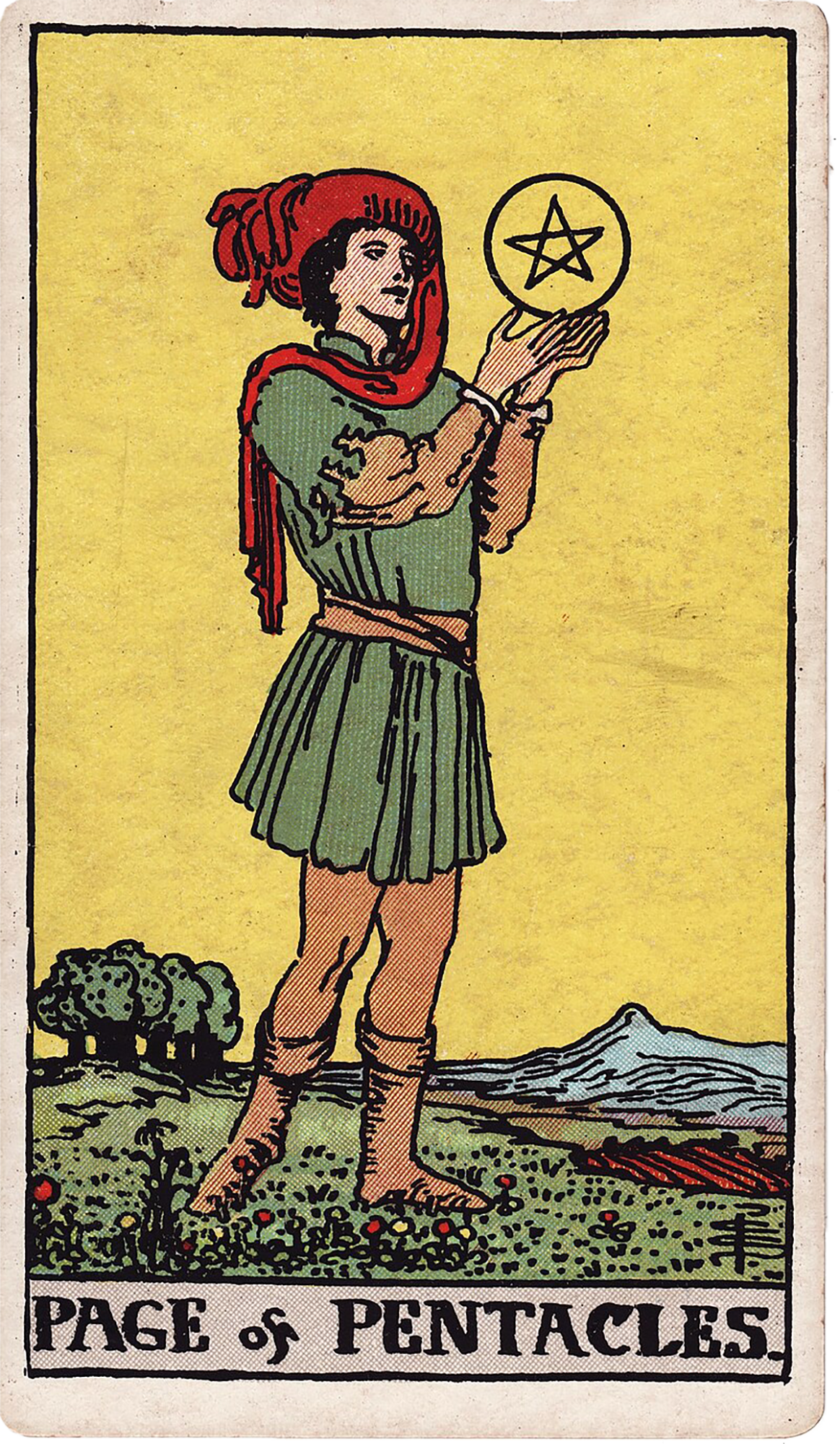 Page of Pentacles
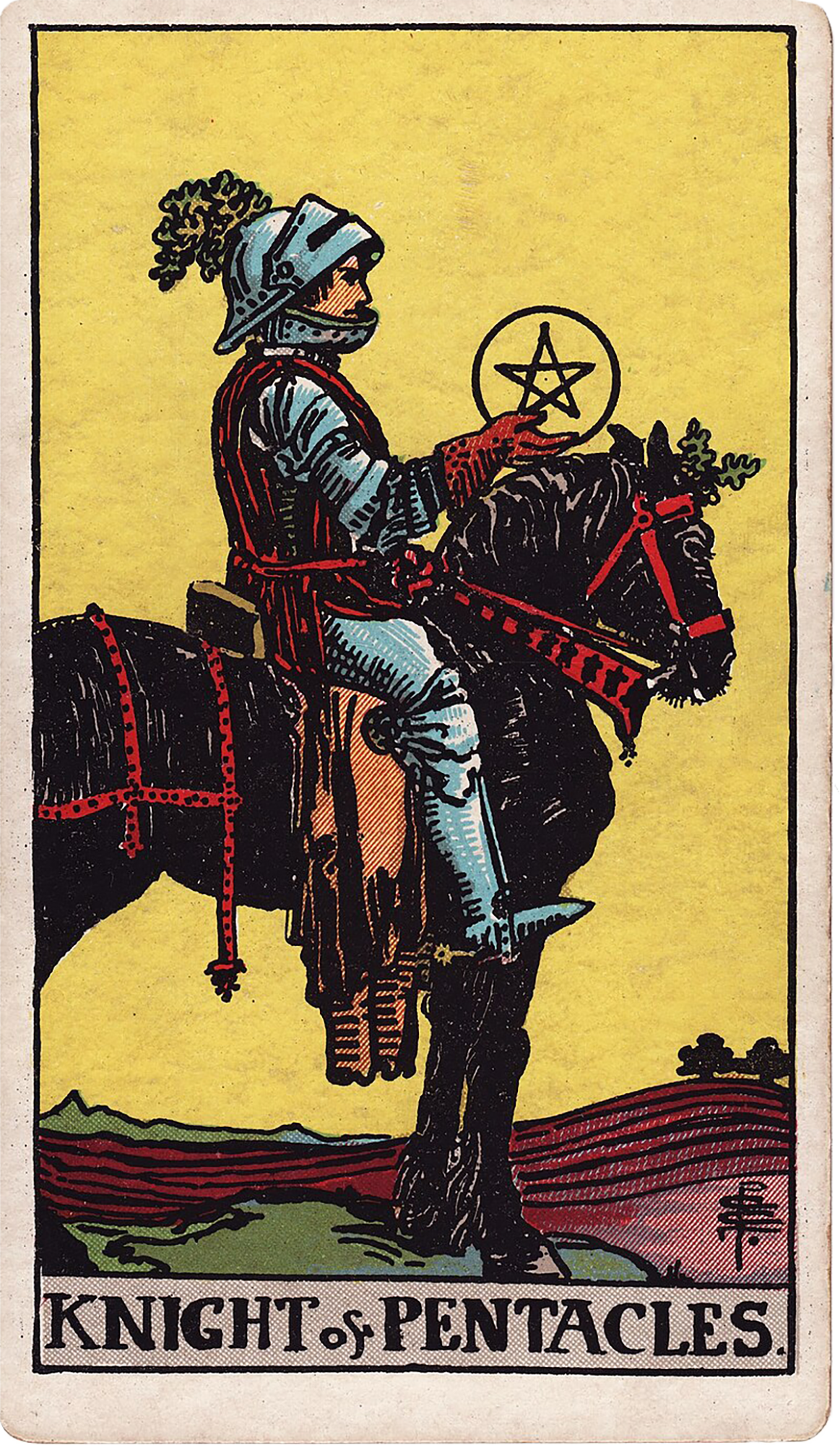 Knight of Pentacles
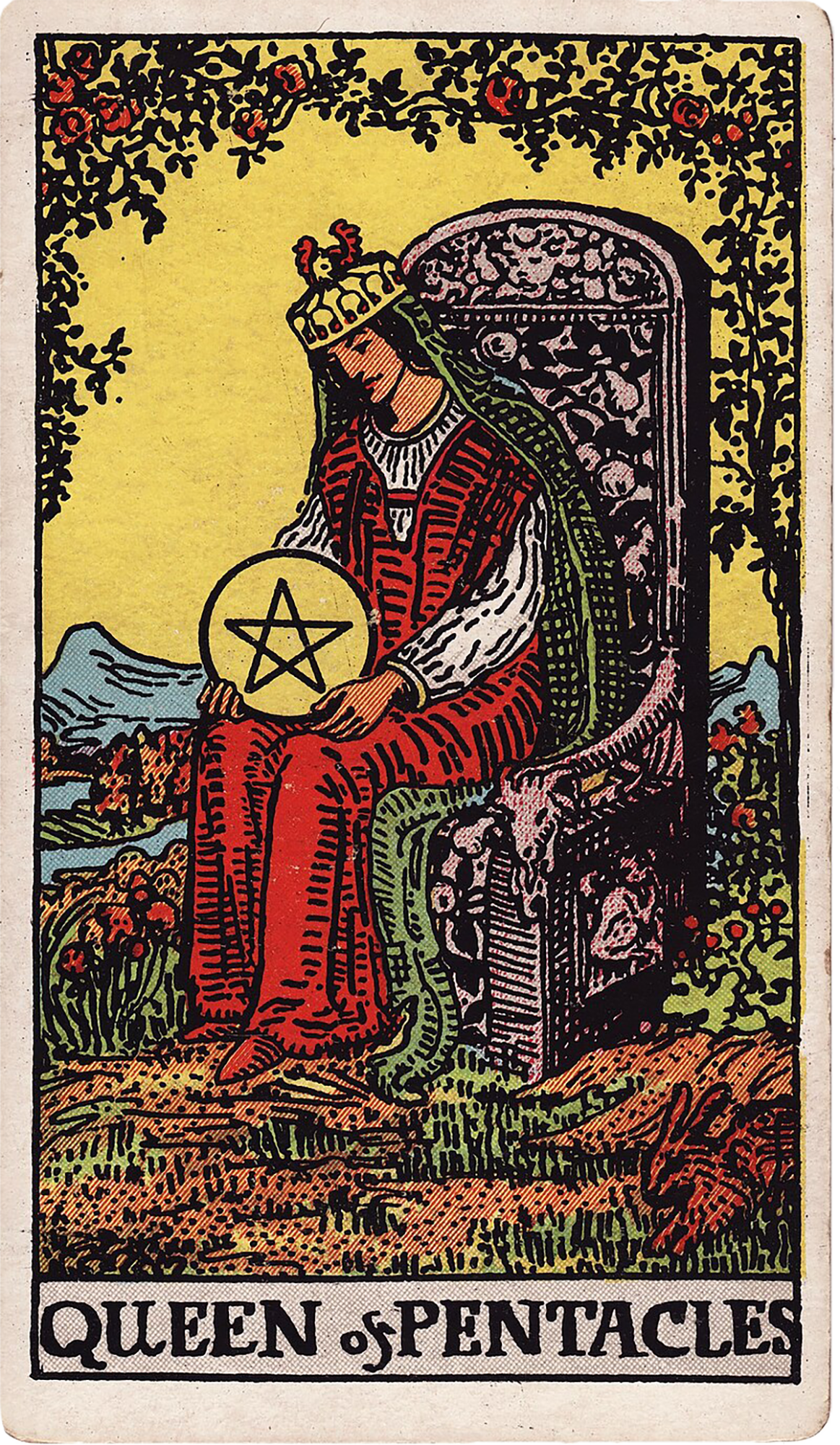 Queen of Pentacles
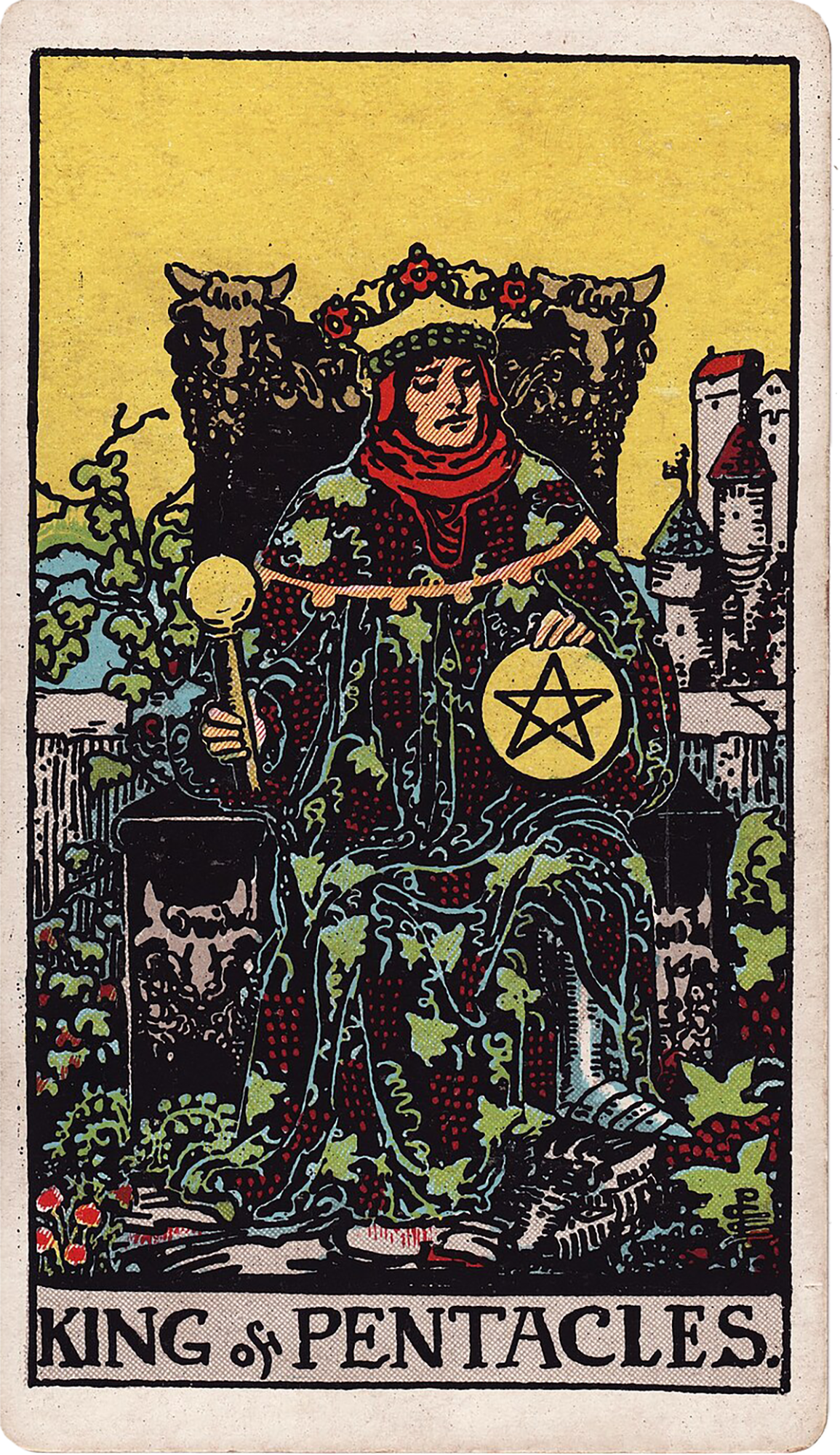 King of Pentacles
Introduction to the Pentacles Court Cards and Their Practical Focus
The Pentacles suit in Tarot traditionally relates to material aspects of life—work, money, health, routine, physical resources, and craftsmanship. The Court Cards within this suit—Page, Knight, Queen, and King of Pentacles—represent evolving stages of experience and mastery in these domains. Unlike the abstract or emotional lessons found in other suits, Pentacles' Court Cards emphasize grounded, real-world skills and character traits that support long-term stability. Each card invites the reader to consider how practical wisdom develops over time, from learning and opportunity to reliable action, nurturing, and mature stewardship. This practical focus is reflected in the Rider-Waite-Smith imagery, where each figure is depicted with symbols of abundance, careful attention, and resourcefulness, reinforcing their connection to tangible realities.
Page of Pentacles as the Embodiment of Beginner Energy and Practical Learning
The Page of Pentacles signals the start of a journey focused on acquiring new skills or engaging with material opportunities realistically. Upright, this card encourages learners and querents to embrace beginner energy with dedication to study, planning, and taking concrete action rather than getting lost in abstract ideals. The Page often appears when a situation requires practical effort in areas like health regimes, financial planning, education, or craftwork. The Rider-Waite-Smith imagery, showing a young figure examining a pentacle, symbolizes curiosity and the grounding of ideas into tangible goals. Reversed, the Page of Pentacles highlights common stumbling blocks such as procrastination, poor study habits, and unrealistic expectations. It warns against focusing on money or results without developing the necessary competence. Readers should look beyond intellectual understanding and assess whether the practical lesson is being embodied consistently. The reversal invites reflection on simplifying goals, acknowledging internal resistance, and recommitting to the learning process.
Knight of Pentacles as a Model of Steady Progress and Reliability
The Knight of Pentacles represents the phase of steady execution and disciplined progress through routine and persistence. Upright, this card is a hallmark of reliability, patience, and attention to detail. Its Rider-Waite-Smith imagery shows a knight calmly seated on a horse, holding a pentacle with firm control, symbolizing conscientious work and commitment to building lasting foundations. In practice, the Knight urges readers to value consistent effort over dramatic or impulsive actions. This card frequently appears when a matter demands perseverance in work, health habits, or resource management. The reversed Knight cautions against stagnation, rigidity, or confusing slow progress with immobility. It may reveal workaholism or resistance to necessary adaptation. When reversed, the card prompts examination of where routine becomes a limiting pattern rather than a strength and where flexibility or renewed motivation might be needed.
Queen of Pentacles as the Archetype of Practical Nurture and Competence
The Queen of Pentacles embodies the integration of competence with nurturing care, emphasizing the ability to make resources support real-life needs rather than superficial status. Upright, she suggests generosity grounded in practical wisdom, managing household, finances, health, or work environments with loving attention and skill. The Rider-Waite-Smith card depicts a mature woman surrounded by lush nature holding a pentacle, symbolizing fertility, security, and abundance rooted in care. Interpreting this card involves recognizing how personal or external resources contribute to wellbeing and sustainability. Reversed, the Queen warns of overwork, self-neglect, financial anxiety, or a tendency to measure self-worth solely through usefulness. It challenges readers to reflect on balance between care for others and self-care, and to recognize when control or fear may be hindering a healthier expression of nurture.
King of Pentacles as a Symbol of Mature Stewardship and Stability
The King of Pentacles represents the pinnacle of material mastery and responsible leadership. Upright, he is a figure of business competence, wise investment of resources, and the creation of stability that supports both self and community. The Rider-Waite-Smith imagery shows a confident king seated on a throne adorned with symbols of wealth, surrounded by grapes and a carved bull, alluding to abundance, strength, and grounded authority. This card invites readers to consider qualities such as generosity, long-term vision, and ethical stewardship in financial or practical decisions. When reversed, the King cautions against greed, rigidity, obsession with status, or misuse of power. It signals that attachment to security may block growth or that external appearances overshadow genuine stability. Reflection on simplifying goals, embracing adaptability, and ethical responsibility is encouraged when this card appears reversed.
Techniques for Reading Pentacles Court Cards in Practical Contexts
When interpreting the Court Cards of Pentacles, focus on the stage of development and the practical lesson each card embodies rather than fixed outcomes. Begin by identifying the card’s upright or reversed orientation and the specific challenges or strengths it highlights. Use surrounding cards in the spread to understand whether the card’s energy is emerging, developing, pressured, or resolving. Anchor your reading in observable realities related to work, money, health, routine, or resource management. For example, the Page of Pentacles may indicate the need to start a realistic plan, while the Knight suggests steady follow-through. Be attentive to common pitfalls indicated by reversed cards, such as procrastination or rigidity, and encourage querents to reflect on internal blocks or external circumstances. Visualize the Rider-Waite-Smith imagery to deepen your interpretations: the youthful study of the Page, the steady horse of the Knight, the nurturing garden of the Queen, and the opulent throne of the King. These images provide clues to the cards’ energies and can help translate abstract concepts into accessible advice.
Common Mistakes and How to Avoid Them
A frequent error in reading Pentacles Court Cards is treating reversed cards as simple opposites of their upright meanings. Instead, view reversals as indications of where processes are stuck, which may involve excess or deficiency of the card’s energy, or lessons understood intellectually but not yet embodied. Another mistake is neglecting the practical context and reading these cards as purely symbolic or emotional. Since Pentacles focus on material reality, readings should ground lessons in real-world scenarios such as work habits, financial decisions, health routines, or tangible skill development. Avoid generalizations disconnected from the querent’s situation. Always ask what stage the querent may be in—from beginner (Page) through steady effort (Knight), nurturing competence (Queen), to mature responsibility (King)—and tailor your guidance accordingly.
Applying the Court Cards of Pentacles to Personal and Client Readings
When these Court Cards appear in readings, invite querents to consider their relationship with practical matters. The Page of Pentacles may prompt a focus on learning and planning, encouraging them to commit to concrete steps. The Knight suggests valuing persistence and routine, while the Queen highlights the importance of nurturing oneself and others with competence and care. The King calls for reflection on mature leadership and ethical stewardship of resources. Encourage reflection on reversed cards as opportunities to identify blocks and clarify what needs to be released or practiced. For example, a reversed Queen might signal a need to rebalance self-care with caregiving or address anxiety about financial worth. Use open-ended questions to help querents articulate where practical wisdom may be out of alignment and how to restore it. Overall, these cards serve as guides to developing grounded character traits and a pragmatic approach to life's material demands, offering actionable insights that support growth and stability.
Practice questions
• Where in my life am I embodying the beginner energy represented by the Page of Pentacles, and how can I commit more fully to learning and practice?
• In what areas am I demonstrating the steady, reliable progress symbolized by the Knight of Pentacles, and where might I be stagnating or overly rigid?
• How do I nurture myself and others practically, reflecting the qualities of the Queen of Pentacles, and where might imbalance or self-neglect occur?
• Am I exercising mature stewardship over my resources and responsibilities like the King of Pentacles, or is fear or greed limiting my growth?
• What blockages or habits are indicated by any reversed Pentacles Court Cards in my readings, and how can I simplify or adjust my approach to regain healthy momentum?
Comments
Sign in to comment.
Continue learning
Interpreting the Dance of Justice and The Devil: Balancing Morality and Temptation in Tarot Readings
The combination of Justice and The Devil in tarot presents a profound exploration of morality, temptation, and personal accountability. This article unpacks how these cards influen...
Advanced Techniques for Combining The Moon and The Star to Enhance Intuition in Tarot Readings
This article explores advanced techniques to combine the symbolism and energy of The Moon and The Star Tarot cards to enhance intuition during Tarot readings. Drawing from traditio...
Unlocking Life Insights with the Celtic Cross Tarot Spread
This article offers a thorough exploration of the Celtic Cross Tarot Spread, focusing on its application within family and practical life contexts. Using a worked example featuring...
Unlocking Hidden Meanings with The Hermit and The Hanged Man for Spiritual Growth
This article offers an in-depth exploration of The Hermit and The Hanged Man Tarot cards focusing on their roles in spiritual growth. It guides readers through beginner and advance...
Unlocking Personal Insight with the Seven Card Horseshoe Spread
The Seven Card Horseshoe Spread is a practical and insightful Tarot layout ideal for exploring personal and family dynamics. This article breaks down each position—Past, Present, H...
Mastering the Court Cards of Wands for Unlocking Personal Drive and Leadership
The Court Cards of Wands represent a dynamic spectrum of personal energy, ambition, and leadership potential within the Minor Arcana. This article offers a comprehensive exploratio...
Tracing the Origins and Evolution of The Fool Card in Tarot History
The Fool card holds a foundational place in tarot tradition, symbolizing beginnings, openness, and the embrace of uncertainty. This article traces its origins from early European d...
Techniques for Reading Court Cards to Unlock Personality Insights
Court cards in Tarot often represent people, personality traits, or energy patterns within a situation. This article offers a structured approach for beginners and advanced readers...
Unlocking Emotional Transformation with Death and The Moon Tarot Combination
This article explores the rich and complex interaction between the Death and The Moon tarot cards within the Rider-Waite-Smith tradition, focusing on their combined potential to un...
Applying The Star Card to Foster Hope and Renewal in Personal Growth
The Star card in Tarot symbolizes hope, authenticity, and the process of steady renewal. In a single-card reading, The Star encourages embracing what is present, cultivating openne...