
Unlocking Practical Wisdom and Growth Lessons from the Court Cards of Pentacles
The Court Cards of Pentacles represent a family of practical energies essential for guiding material matters, personal growth, and long-term stability. This article unpacks the lessons from the Page, Knight, Queen, and King of Pentacles, focusing on their upright and reversed meanings and how these lessons can be applied to real-life situations. By closely examining their Rider-Waite-Smith imagery and traditional symbolism, readers will learn to interpret these cards in Tarot spreads with nuance, fostering deeper understanding and practical application in areas such as work, health, routine, and resource management.
Cards explored in this article
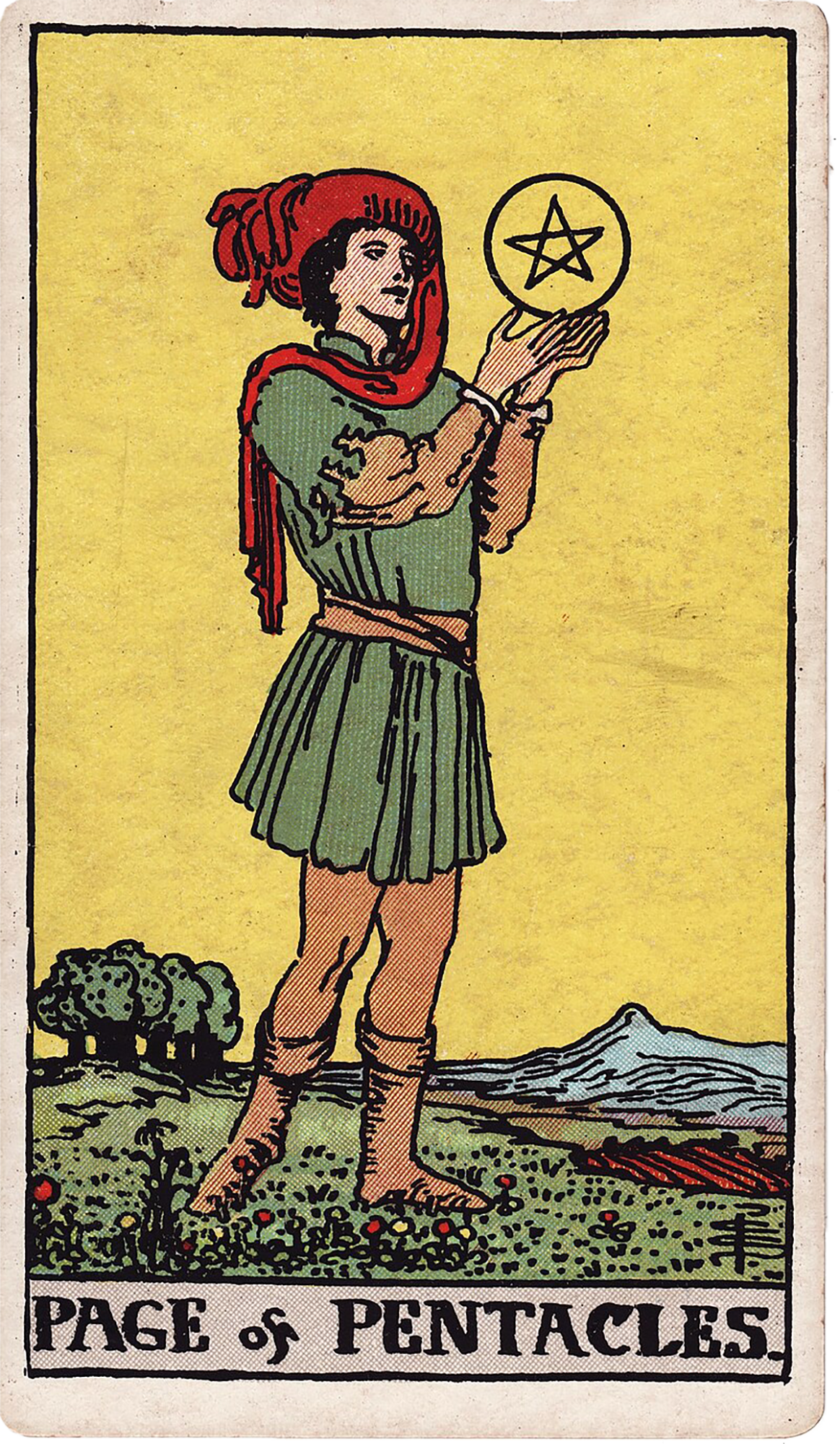 Page of Pentacles
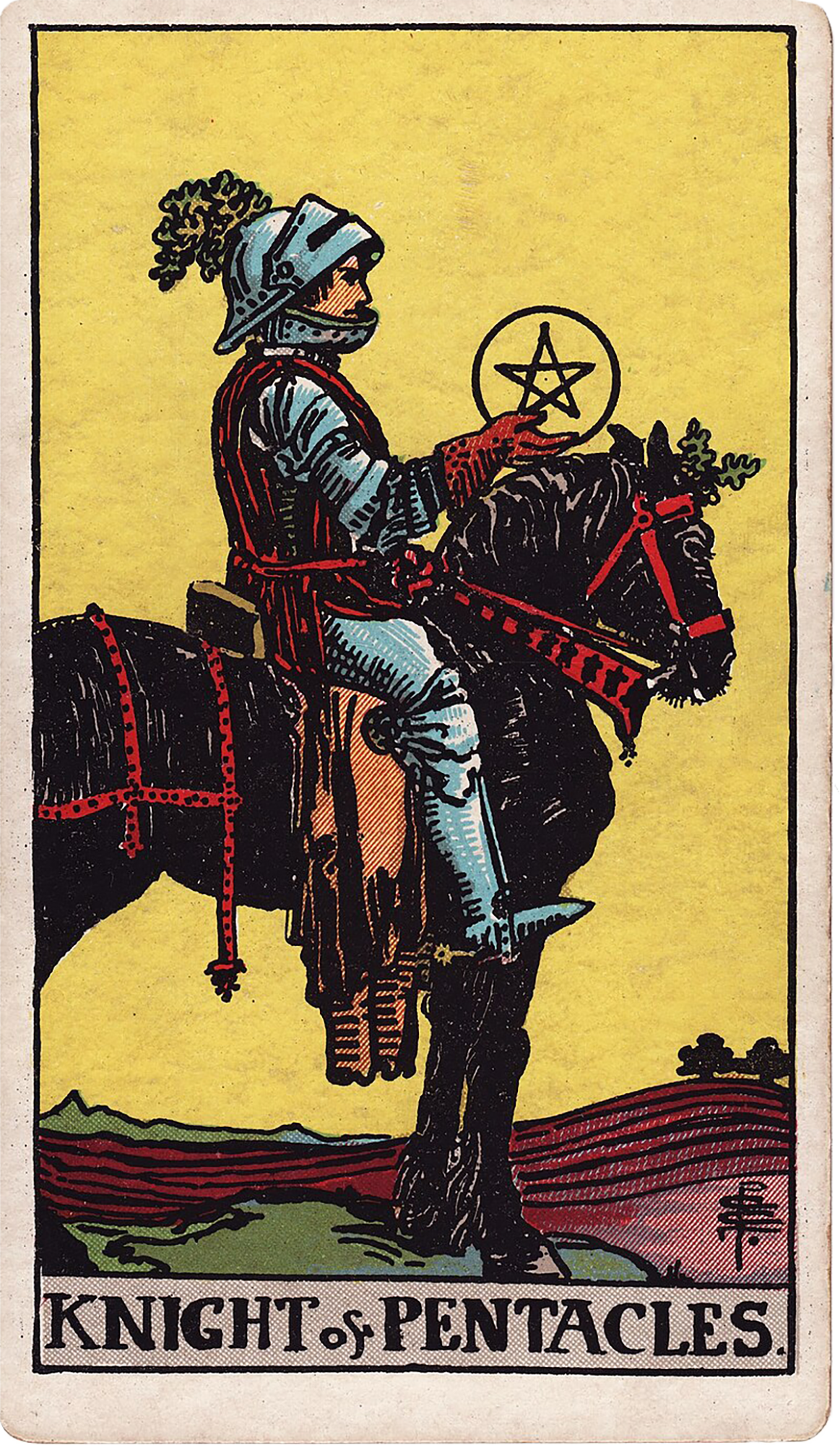 Knight of Pentacles
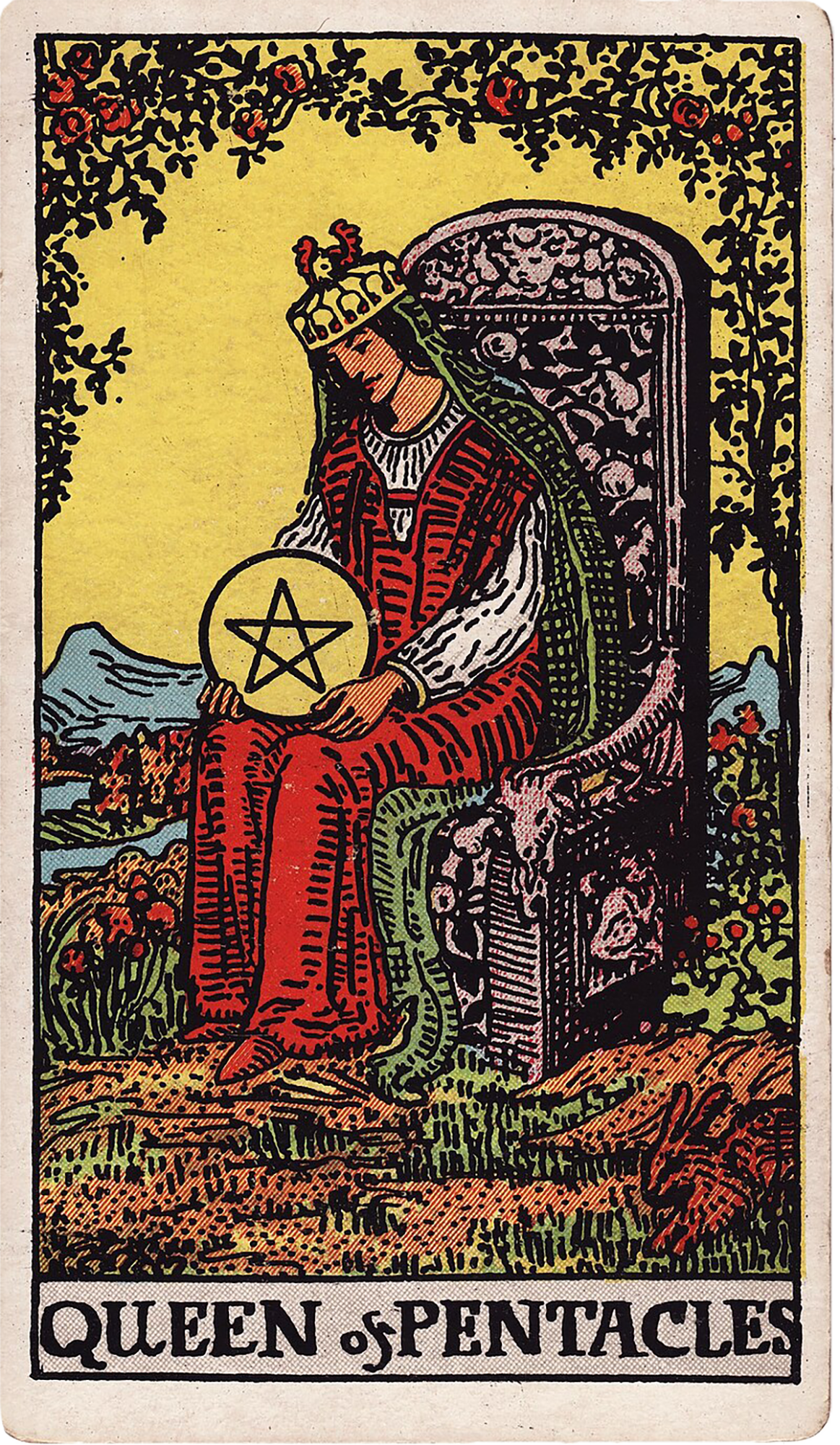 Queen of Pentacles
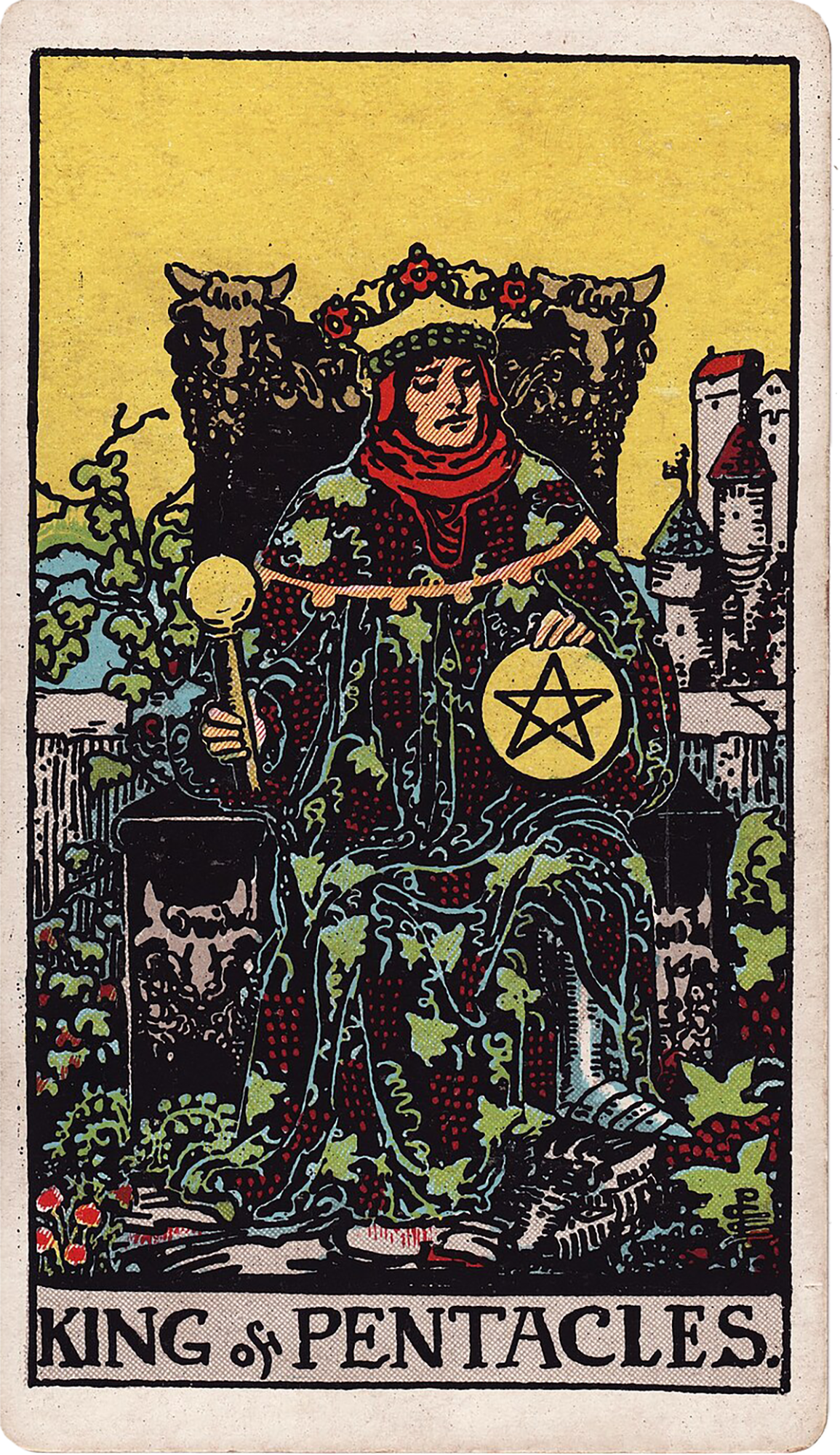 King of Pentacles
Understanding the Pentacles Court Card Family and Their Place in the Minor Arcana
The Pentacles suit belongs to the Minor Arcana and symbolizes the material and physical realm: work, money, health, resources, and the body. The Court Cards within this suit—Page, Knight, Queen, and King—represent evolving stages of mastery and personal development related to these themes. Unlike abstract or emotional cues found in other suits, Pentacles Court Cards emphasize tangible progress, practical skills, and the stewardship of resources. The Rider-Waite-Smith deck portrays these figures with visual elements that communicate groundedness, attentiveness, and responsibility, making them essential guides for interpreting material circumstances and personal growth related to the practical aspects of life.
Page of Pentacles Upright and Reversed Insights for Beginners and Learners
The Page of Pentacles (image supplied) encapsulates beginner energy focused on learning and practical ambition. Upright, this card encourages taking a material opportunity seriously—whether starting a new job, skill, or health routine—with a mindset grounded in realism rather than idealism. The Rider-Waite-Smith imagery shows a young figure holding a pentacle with focused attention, symbolizing the birth of practical plans and the potential for growth. Reversed, the Page of Pentacles draws attention to procrastination, scattered focus, or superficial engagement with material matters. It may reveal internal resistance or poor planning habits that stall progress. In practical reading, rather than seeing reversal as mere failure, it signals where learning or application is stuck. Ask what needs simplification or better communication. For example, a querent facing financial difficulties might need to reassess their budget or improve study habits rather than abandon their goals. Common mistakes include over-intellectualizing the card’s lesson without applying it and confusing youthful enthusiasm with actual readiness. By anchoring interpretation in present realities rather than abstract ideals, the Page guides constructive first steps toward material competence.
Knight of Pentacles as a Symbol of Reliability and Steady Progress
The Knight of Pentacles (image supplied) represents a stage of steady execution and practical reliability. His posture in the Rider-Waite-Smith deck—calm, focused, and deliberate atop a stationary horse—emphasizes progress through routine and persistence rather than haste or drama. Upright, this card suggests success through patience, consistent work, and attention to detail in matters of health, money, or craft. Reversed, the Knight warns of stagnation, stubbornness, or confusing slow movement with inactivity. The card may indicate workaholism or resistance to necessary change. Practically, it prompts reflection on whether persistence is serving growth or becoming a block. For example, a querent might need to balance steady effort with flexibility rather than pushing forward blindly. Techniques for reading this card include considering its position in the spread to determine whether the energy is developing or reaching pressure points, and noting any cards that highlight imbalance or rigidity. The Knight's lesson is best appreciated as commitment to practical rhythms that build toward lasting stability.
Queen of Pentacles and the Art of Practical Nurture and Competence
The Queen of Pentacles (image supplied) embodies practical nurture, competence, and the ability to make resources support real life beyond superficial status. In Rider-Waite-Smith symbolism, she is seated comfortably with a pentacle, surrounded by natural abundance, reflecting grounded care and resourcefulness. Upright, she teaches how to create environments—financial, physical, or emotional—that are stable and nurturing. When reversed, this Queen draws attention to overwork, self-neglect, or controlling tendencies masked as care. Financial anxiety or measuring self-worth by productivity alone can also be indicated. The reversal signals a need for balance between giving and self-care. For example, a querent overwhelmed by responsibilities might need to delegate or set boundaries to restore health. A practical reading technique involves using surrounding cards to identify if nurturing is healthy or draining. Interpretation focuses on acknowledging where care is effective and where it requires adjustment, emphasizing the importance of competence coupled with compassion.
King of Pentacles as Mature Stewardship and Sustainable Growth
The King of Pentacles (image supplied) represents mature stewardship of resources, business competence, and stability that supports both self and others. The Rider-Waite-Smith depiction shows a confident figure on a throne adorned with symbols of wealth and agriculture, highlighting connection with grounded abundance and responsibility. Upright, he emphasizes leadership that balances growth with security and ethical use of power. Reversed, the King warns against greed, rigidity, obsession with status, or misuse of financial power. Attachment to security to the point of blocking growth is a key concern. In readings, this card invites reflection on whether material success is aligned with integrity and whether openness to change is present. For instance, a querent in a leadership role might need to reassess decisions to avoid stagnation caused by fear. To read this card effectively, note how it interacts with challenges or opportunities in the spread. Interpretation logic involves recognizing that true mastery involves not only accumulation but also wise and ethical distribution of resources and care for long-term sustainability.
Practical Techniques for Interpreting Pentacles Court Cards in Spreads
When working with the Pentacles Court Cards, it is essential to anchor interpretations in the present stage of the querent’s material reality and growth rather than fixed outcomes. Start by identifying the card’s position: is it signaling a new beginning (Page), steady process (Knight), mature care (Queen), or leadership and mastery (King)? Next, assess whether the card is upright or reversed to understand where the energy flows or where blocks exist. Avoid interpreting reversals as simply negative; instead, see them as indicators of where attention is needed to restore balance or progress. Use surrounding cards to contextualize the Court Card’s influence. For example, nearby Wands might emphasize ambition or creativity, while Cups could highlight emotional support necessary for practical success. Be alert to repetition of Pentacles cards, which can signal strong material themes requiring pragmatic focus. Finally, encourage querents to consider how the lessons embodied by these cards reflect their current habits, challenges, and opportunities in work, finance, health, or personal development. This practical grounding makes the reading more actionable and insightful.
Common Misinterpretations and How to Avoid Them
A frequent mistake when reading Pentacles Court Cards is to apply generic labels such as 'financial success' or 'work' without considering the nuanced levels of growth and potential internal blocks these cards reveal. For example, the Page of Pentacles is not simply about money but about initiating realistic and practical learning—missing this can lead to overly optimistic or vague advice. Another error is treating reversals as purely negative omens. The Pentacles Court Cards reversed often highlight where a process is stalled or needs recalibration rather than failure. This requires patient questioning and reflection. Additionally, readers sometimes overlook the symbolism in the Rider-Waite-Smith imagery, such as the posture of the Knight or the natural surroundings of the Queen. These visual cues are vital for understanding the card’s practical and energetic qualities. Avoid these pitfalls by always relating cards back to tangible, present circumstances and by using the Court Cards as guides to practical wisdom and growth stages, not as fixed identities.
Applying Lessons from Pentacles Court Cards to Real Life Growth
The Pentacles Court Cards offer a valuable framework for understanding personal and material growth as a process rather than a fixed state. The Page reminds us to start with grounded learning and realistic planning. The Knight teaches steady, reliable effort and the importance of routine. The Queen encourages nurturing competence that balances care for others and self, while the King models mature stewardship combined with ethical leadership. Practically, readers can help querents see where they are in this progression and what mindset or actions are needed next. For example, someone stuck at the Page stage might need to focus on building discipline and practical skills, while another influenced by the reversed King might reflect on loosening control and embracing growth. By integrating these lessons into coaching, therapy, or self-reflection, the Court Cards of Pentacles become tools for unlocking sustainable success, well-being, and balanced resource management.
Practice questions
• Where in my life am I embodying the beginner energy of the Page of Pentacles, and how can I cultivate more practical focus?
• Am I demonstrating the steady progress and reliability of the Knight of Pentacles, or do I risk stagnation or burnout?
• How can I balance nurturing others with self-care in the spirit of the Queen of Pentacles?
• In what ways am I practicing mature stewardship and ethical leadership like the King of Pentacles?
• What internal blocks or imbalances are indicated if I encounter reversed Pentacles Court Cards in a reading?
Comments
Sign in to comment.
Continue learning
Interpreting the Dance of Justice and The Devil: Balancing Morality and Temptation in Tarot Readings
The combination of Justice and The Devil in tarot presents a profound exploration of morality, temptation, and personal accountability. This article unpacks how these cards influen...
Advanced Techniques for Combining The Moon and The Star to Enhance Intuition in Tarot Readings
This article explores advanced techniques to combine the symbolism and energy of The Moon and The Star Tarot cards to enhance intuition during Tarot readings. Drawing from traditio...
Unlocking Life Insights with the Celtic Cross Tarot Spread
This article offers a thorough exploration of the Celtic Cross Tarot Spread, focusing on its application within family and practical life contexts. Using a worked example featuring...
Unlocking Hidden Meanings with The Hermit and The Hanged Man for Spiritual Growth
This article offers an in-depth exploration of The Hermit and The Hanged Man Tarot cards focusing on their roles in spiritual growth. It guides readers through beginner and advance...
Unlocking Personal Insight with the Seven Card Horseshoe Spread
The Seven Card Horseshoe Spread is a practical and insightful Tarot layout ideal for exploring personal and family dynamics. This article breaks down each position—Past, Present, H...
Mastering the Court Cards of Wands for Unlocking Personal Drive and Leadership
The Court Cards of Wands represent a dynamic spectrum of personal energy, ambition, and leadership potential within the Minor Arcana. This article offers a comprehensive exploratio...
Tracing the Origins and Evolution of The Fool Card in Tarot History
The Fool card holds a foundational place in tarot tradition, symbolizing beginnings, openness, and the embrace of uncertainty. This article traces its origins from early European d...
Techniques for Reading Court Cards to Unlock Personality Insights
Court cards in Tarot often represent people, personality traits, or energy patterns within a situation. This article offers a structured approach for beginners and advanced readers...
Unlocking Emotional Transformation with Death and The Moon Tarot Combination
This article explores the rich and complex interaction between the Death and The Moon tarot cards within the Rider-Waite-Smith tradition, focusing on their combined potential to un...
Applying The Star Card to Foster Hope and Renewal in Personal Growth
The Star card in Tarot symbolizes hope, authenticity, and the process of steady renewal. In a single-card reading, The Star encourages embracing what is present, cultivating openne...