
Unlocking Practical Wisdom and Leadership Traits Through the Court Cards of Pentacles
The Court Cards of Pentacles—Page, Knight, Queen, and King—offer profound lessons in practical wisdom, steady progress, nurturing leadership, and mature stewardship. Rooted in the domain of work, resources, health, and stability, these cards represent a family suit that guides us through learning, persistence, care, and authority in the material world. This article examines their upright and reversed meanings within the Rider-Waite-Smith tradition, emphasizing how to interpret their energies in readings. By closely analyzing the symbolism and patterns of each card, learners can unlock practical approaches to personal growth and leadership development tied to the Pentacles suit. The article also addresses common interpretive challenges, situates the cards within overall spread context, and offers reflective questions to deepen understanding.
Cards explored in this article
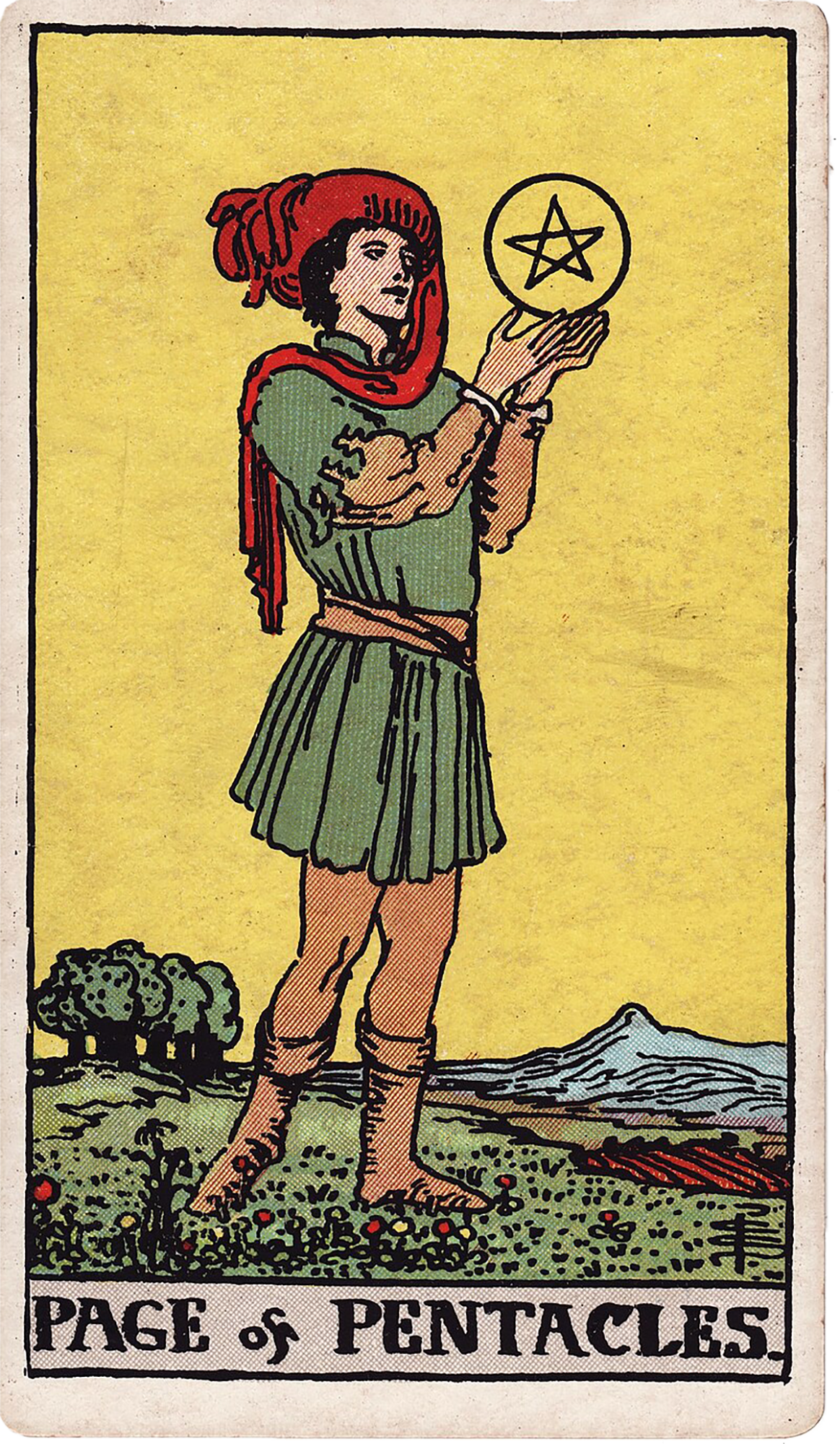 Page of Pentacles
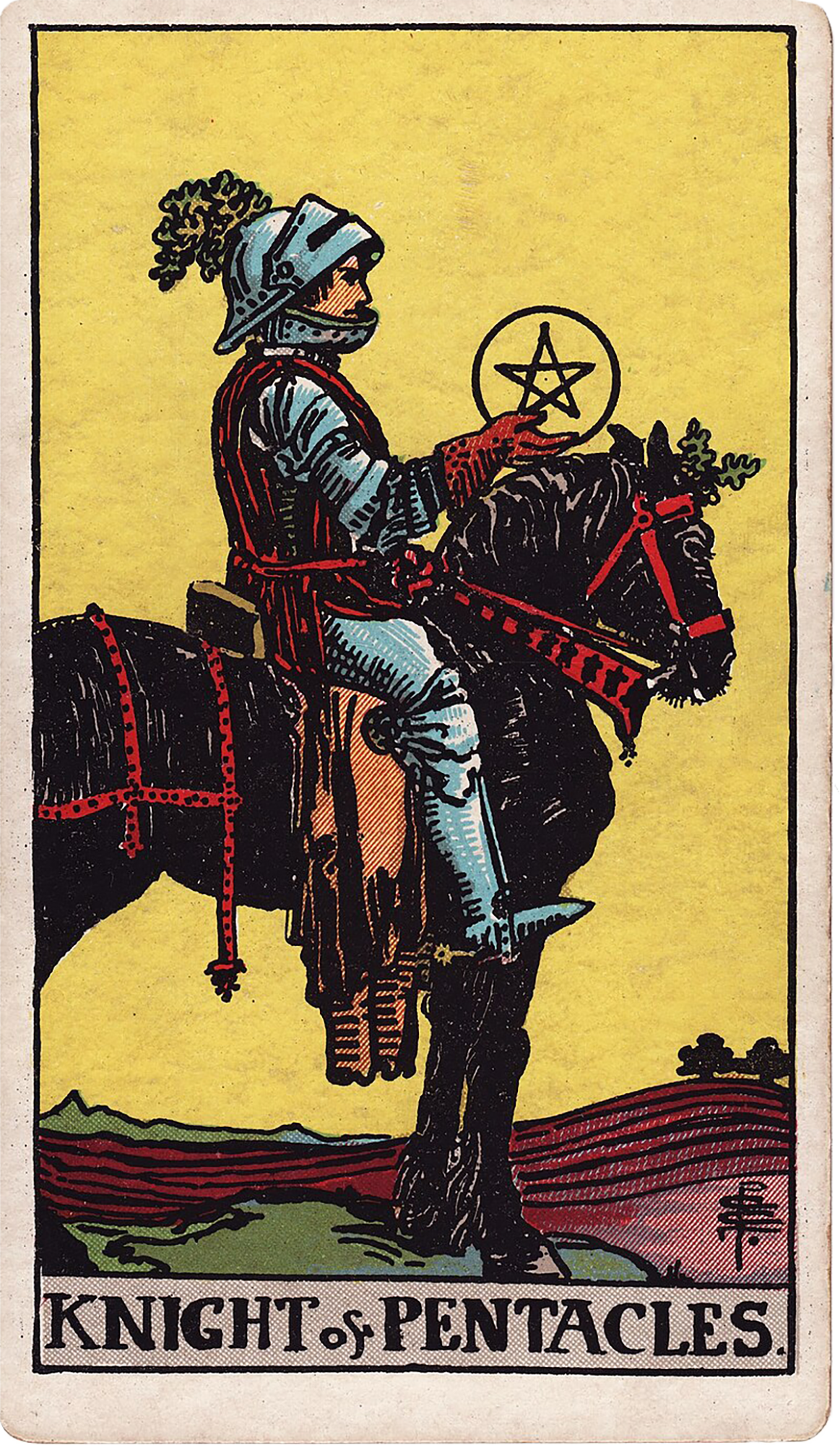 Knight of Pentacles
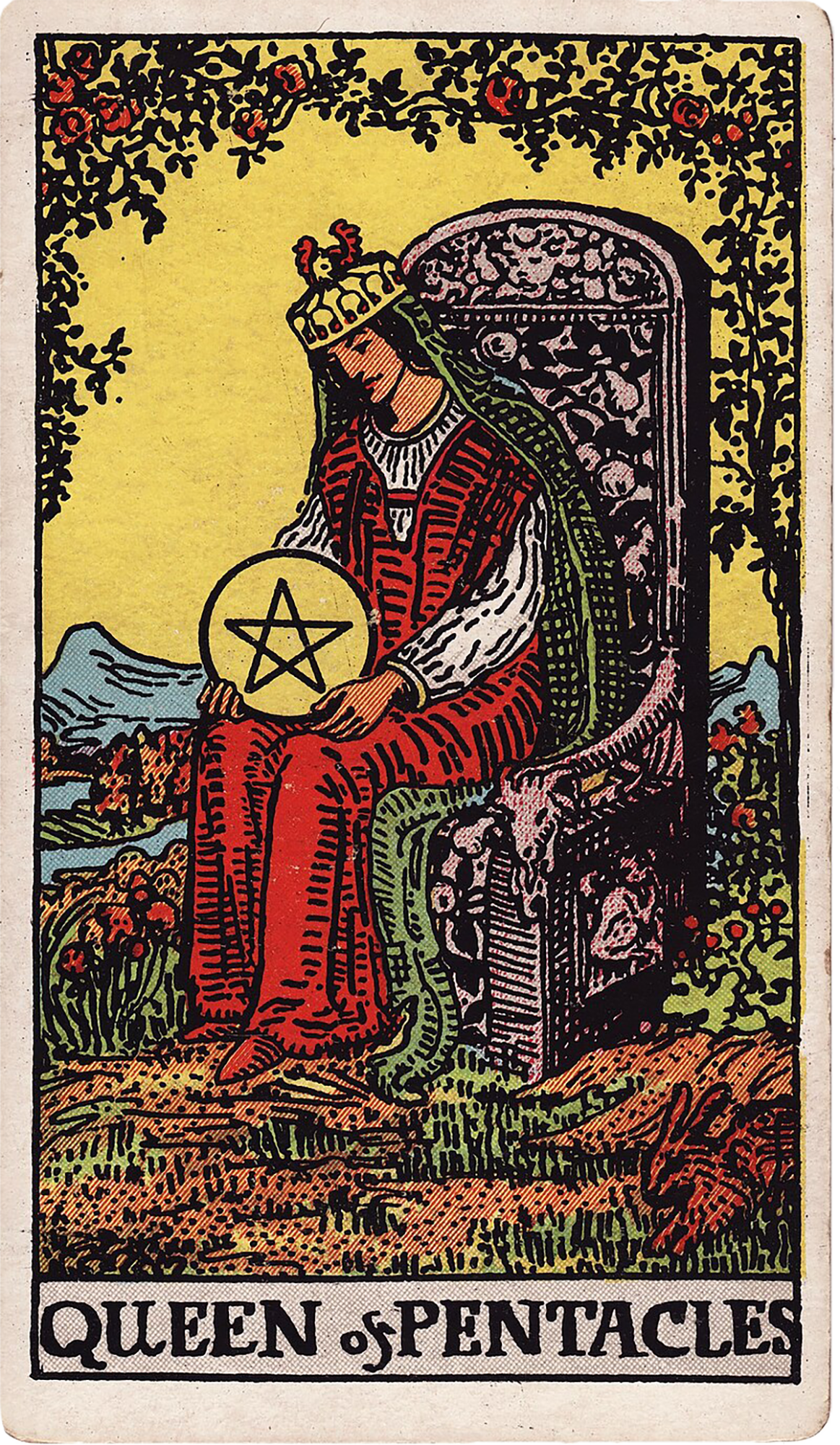 Queen of Pentacles
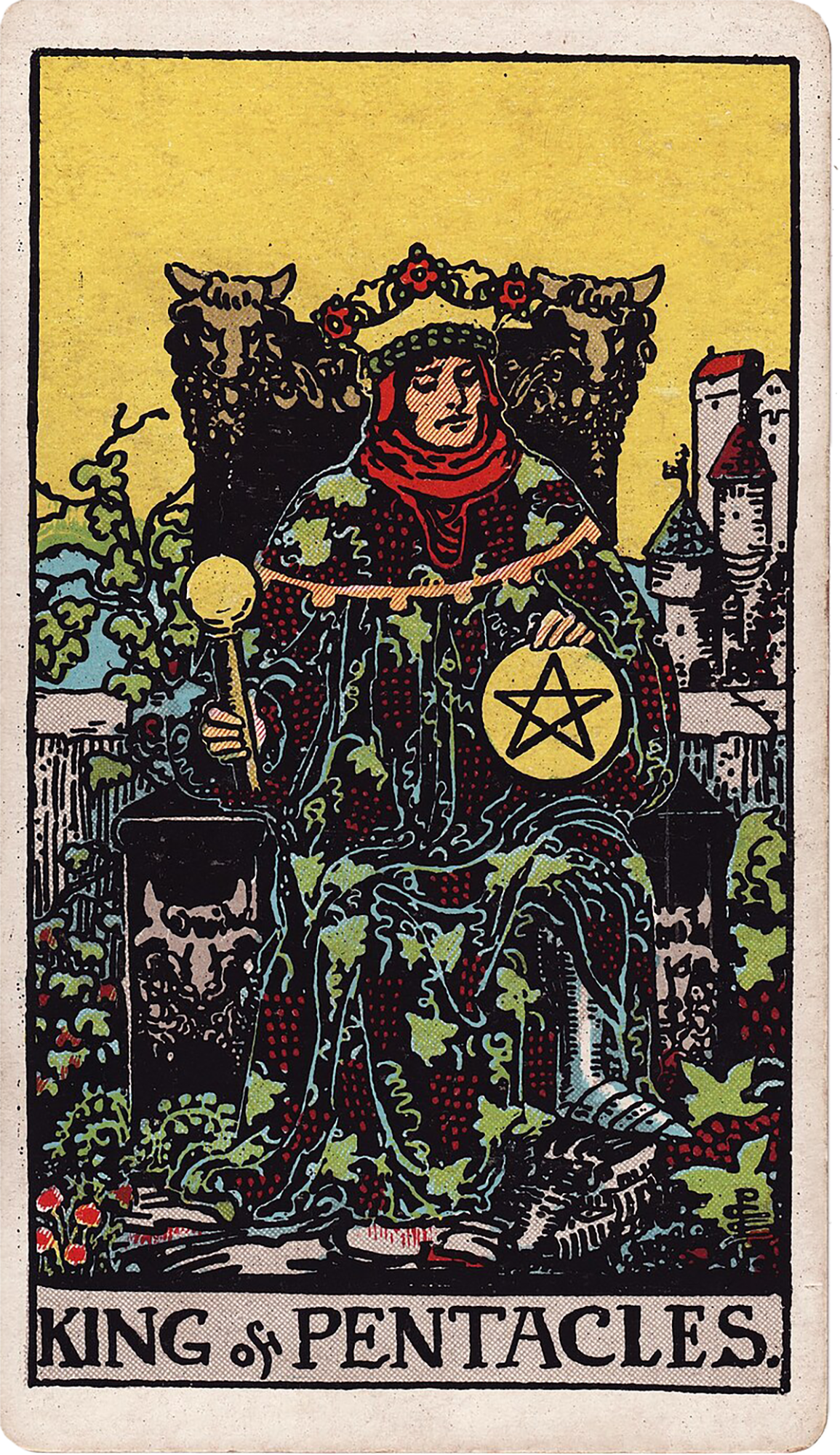 King of Pentacles
Introduction to the Court Cards of Pentacles as a Family Suit
The Minor Arcana's Pentacles suit is firmly connected to tangible aspects of life: money, work, health, routine, resources, and long-term material security. Within this suit, the Court Cards—Page, Knight, Queen, and King—form a family that embodies stages of growth and leadership in these areas. Each card represents a specific archetype and approach to managing the physical and material dimensions of existence. Understanding their interplay provides practical guidance on how to behave, lead, and evolve practically and responsibly. Unlike the more abstract or emotional suits, Pentacles require grounded responses to present circumstances. Their Court Cards invite readers to observe where they stand on the spectrum from learning new skills and ideas (Page), steady and reliable work (Knight), nurturing competence (Queen), to mature leadership and stewardship (King). This family suit reflects a natural progression of mastery and responsibility that applies not only to finances or craft but also to personal health, daily habits, and community roles.
Overview of Upright and Reversed Meanings in Practical Context
The upright Court Cards of Pentacles consistently emphasize practical, stage-appropriate responses rather than abstract ideals: - Page of Pentacles upright signals beginner energy focused on learning realistic skills and plans. - Knight upright reflects steady, reliable progress through routine and persistence. - Queen upright embodies nurturing practical competence and resource management. - King upright highlights mature stewardship and stable leadership. In contrast, reversed cards point to where these energies have become blocked or distorted. For example, the Page reversed warns of procrastination and poor follow-through; the Knight reversed cautions against stagnation or confusing slow movement with no progress; the Queen reversed signals overwork or self-neglect; and the King reversed highlights greed or rigidity that stall growth. Importantly, the reversal is not simply the opposite but an invitation to examine where the process is stuck and what needs adjustment, whether it's simplifying plans, releasing control, or addressing internal conflicts. This nuanced approach helps avoid binary interpretations and deepens the practical wisdom gained from readings.
Detailed Exploration of the Page of Pentacles
The Page of Pentacles represents the initial phase of practical learning and opportunity. In the Rider-Waite-Smith deck, the Page is depicted as a young figure holding a pentacle attentively, symbolizing focus on material potential and new beginnings in work or health. Upright, this card encourages embracing realistic plans and developing skills with patience. It asks readers to identify where beginner energy is present and what concrete steps can strengthen progress. For example, starting a new course related to career advancement or setting a health routine fits this energy. Reversed, the Page highlights procrastination, scattered focus, or unrealistic expectations about material goals. The image of the pentacle might feel out of reach or misunderstood internally, suggesting a need to simplify goals, improve study habits, or communicate intentions clearly. Practically, readers should ask: Are I or the querent willing to invest time and effort into learning? Are the plans achievable now or too abstract? Surrounding cards can clarify whether the Page's energy is in its early stages or facing pressure to mature.
Understanding the Knight of Pentacles’ Steady Progress
The Knight of Pentacles embodies reliability, routine, and methodical advancement. Traditionally shown as a knight on a stationary horse holding a pentacle, the card emphasizes diligence over drama and slow but steady movement. Upright, the Knight signals progress through consistent effort rather than leaps or shortcuts. It suggests that patience and routine work will bring tangible results in fields related to money, health, craft, or resource management. When reversed, the Knight warns against stagnation, stubbornness, or mistaking slow progress for no progress. The imagery may feel static, urging the querent to reassess their habits or avoid workaholism that ignores well-being. For practical readings, it helps to identify whether the Knight’s energy is helping maintain stability or causing inertia. Questions like "Is persistence turning into stubbornness?" or "Are the routines sustainable?" support balanced interpretations.
The Queen of Pentacles as Nurturer and Competent Manager
The Queen of Pentacles represents practical nurture, competence, and the ability to make resources work for real-life needs rather than status. Her traditional image, seated comfortably with symbols of abundance like a pentacle and natural surroundings, underscores grounded care and financial or health stewardship. Upright, she invites readers to embody nurturing leadership—balancing self-care with caring for others, managing resources wisely, and cultivating comfort without excess. This card often appears when the querent or a key person provides steady support through competence and kindness. Reversed, the Queen may reveal overwork, self-neglect, or financial anxiety. She can also signify controlling care that becomes burdensome or measuring self-worth solely through productivity. In readings, consider how the Queen’s energy interacts with the querent’s life: Are they balancing care for self and others? Are resources managed to support wellbeing or just appearances? This card encourages reflection on healthy nurture and competence.
King of Pentacles as Mature Steward and Leader
The King of Pentacles stands for mature stewardship, business competence, and building stability that supports both self and community. Iconographically, the King sits confidently on a throne adorned with symbols of wealth and earthly power, representing mastery over material realities. Upright, this card calls for leadership marked by responsible resource management, generosity, and strategic planning. It encourages long-term thinking and the capacity to create secure foundations. When reversed, the King may indicate greed, rigidity, or being overly attached to security at the cost of growth. The reversed King warns of misuse of power or stagnation born of fear. In Tarot practice, look for how the King’s energy manifests in leadership roles or financial decisions. Is authority exercised with wisdom and care, or is it coercive and fearful? The King invites reflection on mature responsibility and the balance between stability and flexibility.
Techniques for Reading the Court Cards of Pentacles in Spreads
When working with the Pentacles court cards, consider these techniques: 1. Contextual Anchoring: Always relate the card's practical themes back to the querent’s current material and physical circumstances. For example, a Page of Pentacles may discuss new job opportunities or health regimes. 2. Layered Meaning: Notice upright or reversed position as an indication of where the energy flows or is stuck rather than a strict good/bad dichotomy. 3. Spread Position: The card’s placement helps discern the stage of the process—whether learning, execution, nurturing, or leadership is the focus. 4. Imagery Focus: Observe traditional Rider-Waite symbols such as the pentacle, natural elements, and posture for clues about focus, attitude, and groundedness. 5. Interaction with Surrounding Cards: Use adjacent cards to understand if the Pentacles energy is developing, under pressure, or moving toward resolution. 6. Reflective Questioning: Encourage querents to consider what practical steps or habits align with the card’s lessons. By applying these techniques, readers can unlock nuanced interpretations that move beyond surface-level material concerns into deep insights about personal growth and leadership.
Common Mistakes and How to Avoid Them
Readers often fall into certain pitfalls when interpreting Pentacles court cards: - Oversimplifying Reversals: Treating reversed cards as purely negative rather than signals of blockage or needed adjustment. - Ignoring Suit Context: Reading the court cards without anchoring them in Pentacles’ material and practical sphere can cause confusion. - Abstract Idealism: Imposing unrealistic or overly spiritual meanings rather than focusing on the present stage and tangible realities. - Neglecting Family Dynamics: Failing to see the Page, Knight, Queen, and King as a progression or family with interrelated lessons. - Overlooking Imagery Details: Missing important Rider-Waite symbols that clarify the card’s message. Overcome these mistakes by studying the cards thoroughly, practicing contextual reading, and integrating reflection questions to keep interpretations grounded and constructive.
Practical Examples of Readings with the Pentacles Court Cards
Consider a querent facing career uncertainty. Drawing the Page of Pentacles upright suggests a time to focus on learning new skills or preparing realistic plans. The Knight following indicates the need for steady, persistent effort rather than rushing. The Queen may appear when nurturing self-care and work-life balance becomes vital. Finally, the King could signal a forthcoming phase of confident leadership and financial stability. If the Page appears reversed, the reading might highlight procrastination or an unclear plan needing simplification. A reversed Knight warns against stubbornness or burnout, inviting rest or a new approach. A reversed Queen may reveal neglecting personal wellbeing, while a reversed King could caution about greed or resistance to change. Such examples illustrate the Court Cards' role as teachers of practical wisdom, guiding readers to recognize where they are and what leadership traits are needed to move forward effectively.
Reflection Questions to Deepen Your Understanding
To internalize the lessons of the Pentacles court cards, reflect on the following: - Where in my life am I embodying the beginner’s curiosity and practical learning of the Page of Pentacles? - How do I maintain steady progress like the Knight of Pentacles, and where might I be stuck or overly rigid? - In what ways do I nurture myself and others with the competence and care of the Queen of Pentacles? - How do I practice mature stewardship and leadership akin to the King of Pentacles, balancing security and growth? - When these energies feel blocked or reversed, what simplifications or shifts are needed? Reflecting on these questions regularly supports integrating the Pentacles court cards’ practical wisdom into everyday decisions and leadership roles.
Practice questions
• Where in my life am I currently learning new practical skills as the Page of Pentacles suggests?
• How can I cultivate consistent and steady progress like the Knight of Pentacles without becoming rigid or stagnant?
• What does practical nurture look like for me in the spirit of the Queen of Pentacles?
• Am I embodying mature stewardship and balanced leadership similar to the King of Pentacles?
• What habits or attitudes might be blocking my material or personal growth according to the reversed Pentacles court cards?
• How can I better align my actions with the present stage of development rather than abstract ideals?
Comments
Sign in to comment.
Continue learning
Interpreting the Dance of Justice and The Devil: Balancing Morality and Temptation in Tarot Readings
The combination of Justice and The Devil in tarot presents a profound exploration of morality, temptation, and personal accountability. This article unpacks how these cards influen...
Advanced Techniques for Combining The Moon and The Star to Enhance Intuition in Tarot Readings
This article explores advanced techniques to combine the symbolism and energy of The Moon and The Star Tarot cards to enhance intuition during Tarot readings. Drawing from traditio...
Unlocking Life Insights with the Celtic Cross Tarot Spread
This article offers a thorough exploration of the Celtic Cross Tarot Spread, focusing on its application within family and practical life contexts. Using a worked example featuring...
Unlocking Hidden Meanings with The Hermit and The Hanged Man for Spiritual Growth
This article offers an in-depth exploration of The Hermit and The Hanged Man Tarot cards focusing on their roles in spiritual growth. It guides readers through beginner and advance...
Unlocking Personal Insight with the Seven Card Horseshoe Spread
The Seven Card Horseshoe Spread is a practical and insightful Tarot layout ideal for exploring personal and family dynamics. This article breaks down each position—Past, Present, H...
Mastering the Court Cards of Wands for Unlocking Personal Drive and Leadership
The Court Cards of Wands represent a dynamic spectrum of personal energy, ambition, and leadership potential within the Minor Arcana. This article offers a comprehensive exploratio...
Tracing the Origins and Evolution of The Fool Card in Tarot History
The Fool card holds a foundational place in tarot tradition, symbolizing beginnings, openness, and the embrace of uncertainty. This article traces its origins from early European d...
Techniques for Reading Court Cards to Unlock Personality Insights
Court cards in Tarot often represent people, personality traits, or energy patterns within a situation. This article offers a structured approach for beginners and advanced readers...
Unlocking Emotional Transformation with Death and The Moon Tarot Combination
This article explores the rich and complex interaction between the Death and The Moon tarot cards within the Rider-Waite-Smith tradition, focusing on their combined potential to un...
Applying The Star Card to Foster Hope and Renewal in Personal Growth
The Star card in Tarot symbolizes hope, authenticity, and the process of steady renewal. In a single-card reading, The Star encourages embracing what is present, cultivating openne...