
Unlocking Practical Wisdom Leadership and Growth with the Court Cards of Pentacles
The Court Cards of Pentacles—Page, Knight, Queen, and King—offer profound insights into practical wisdom, leadership, and growth within the Minor Arcana. Each card represents a stage of development in managing resources, work, health, and long-term stability. This article explores their symbolism and lessons, highlighting how they function as a family suit teaching incremental progress and grounded responsibility. By understanding their upright and reversed meanings and applying contextual interpretation, tarot learners can unlock actionable guidance for personal and professional situations. Emphasizing the Rider-Waite-Smith imagery and practical reading methods, this article connects theory with real-world application, helping readers deepen their relationship with the Pentacles court cards and their transformative potential.
Cards explored in this article
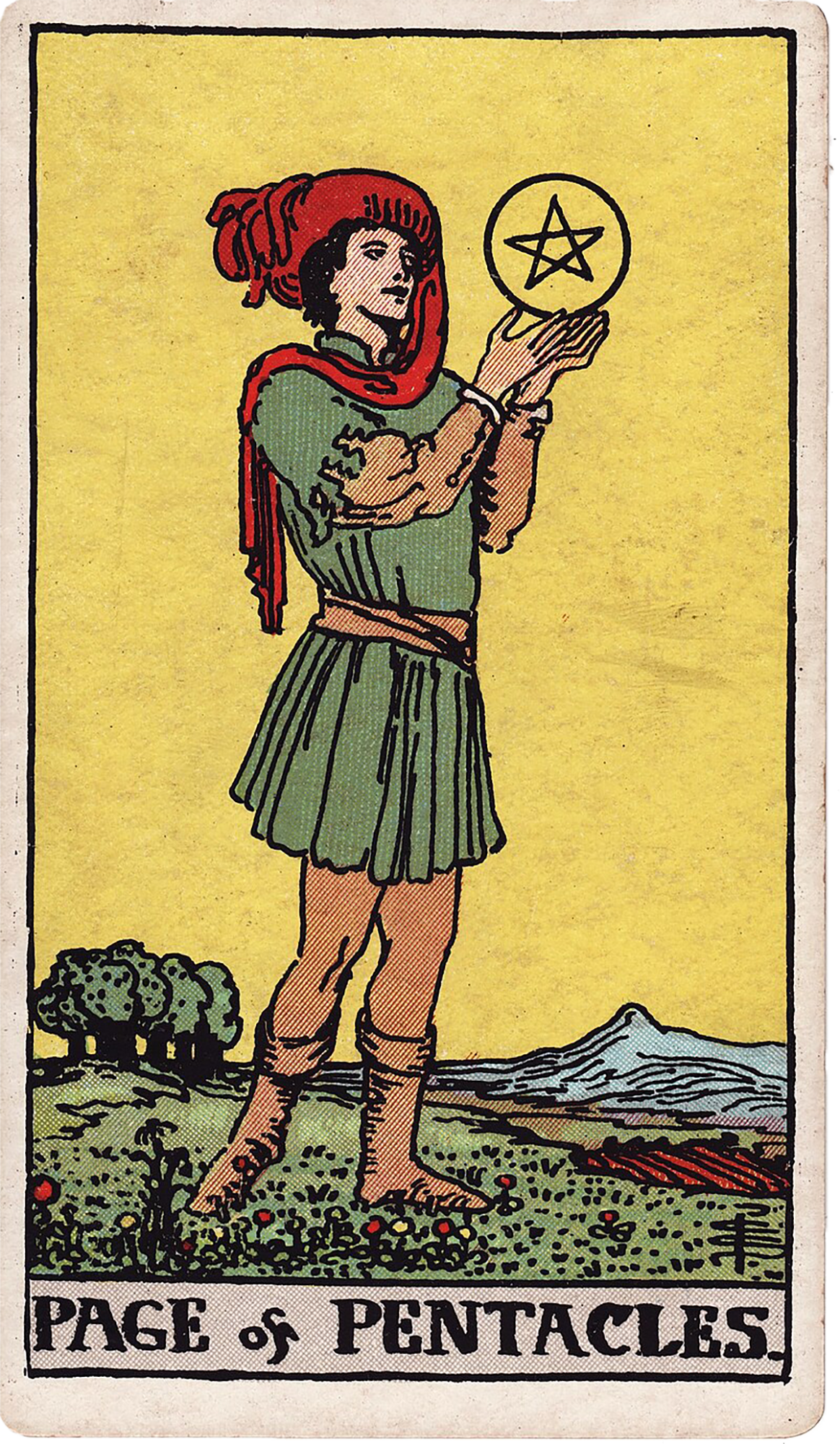 Page of Pentacles
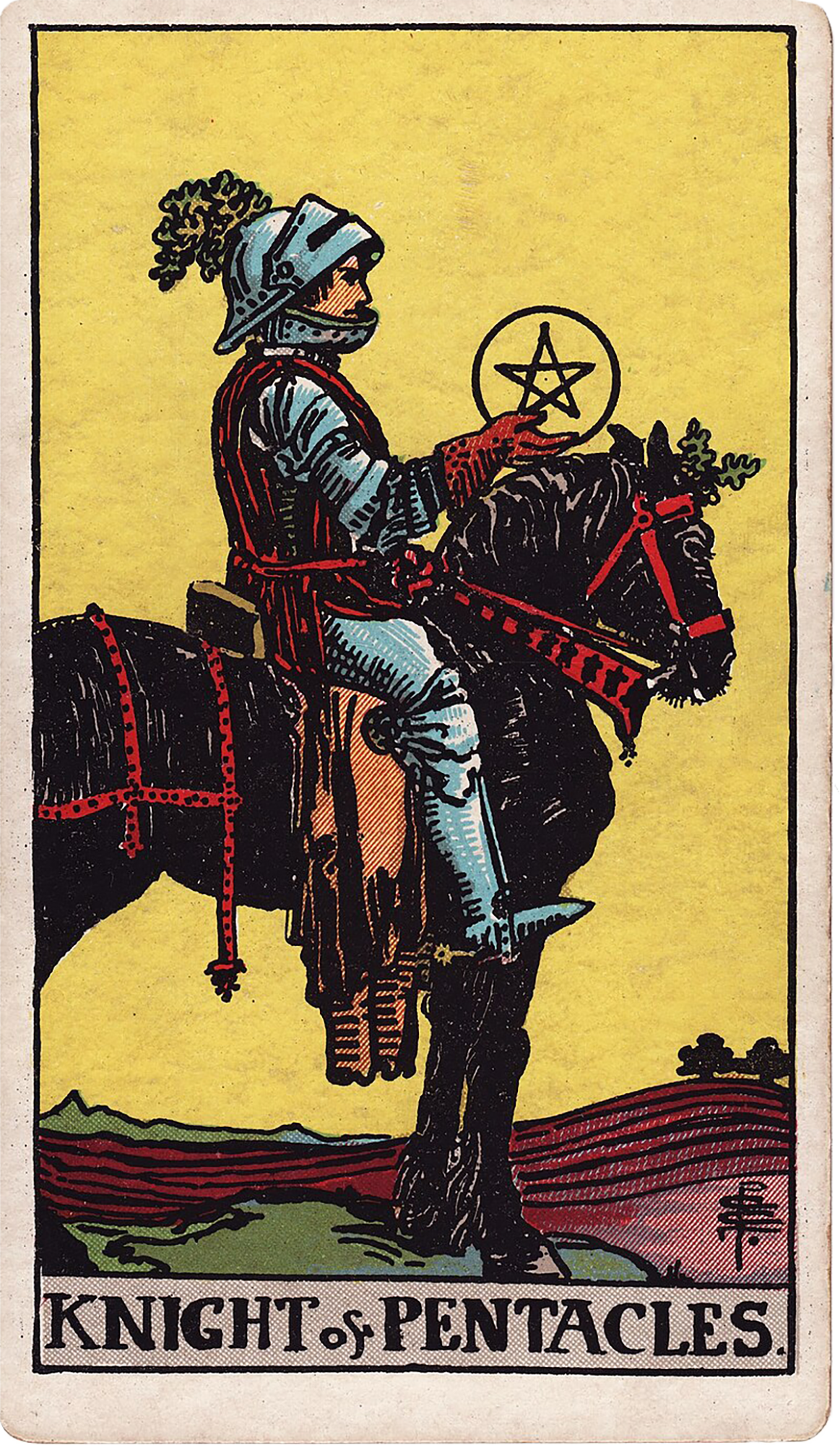 Knight of Pentacles
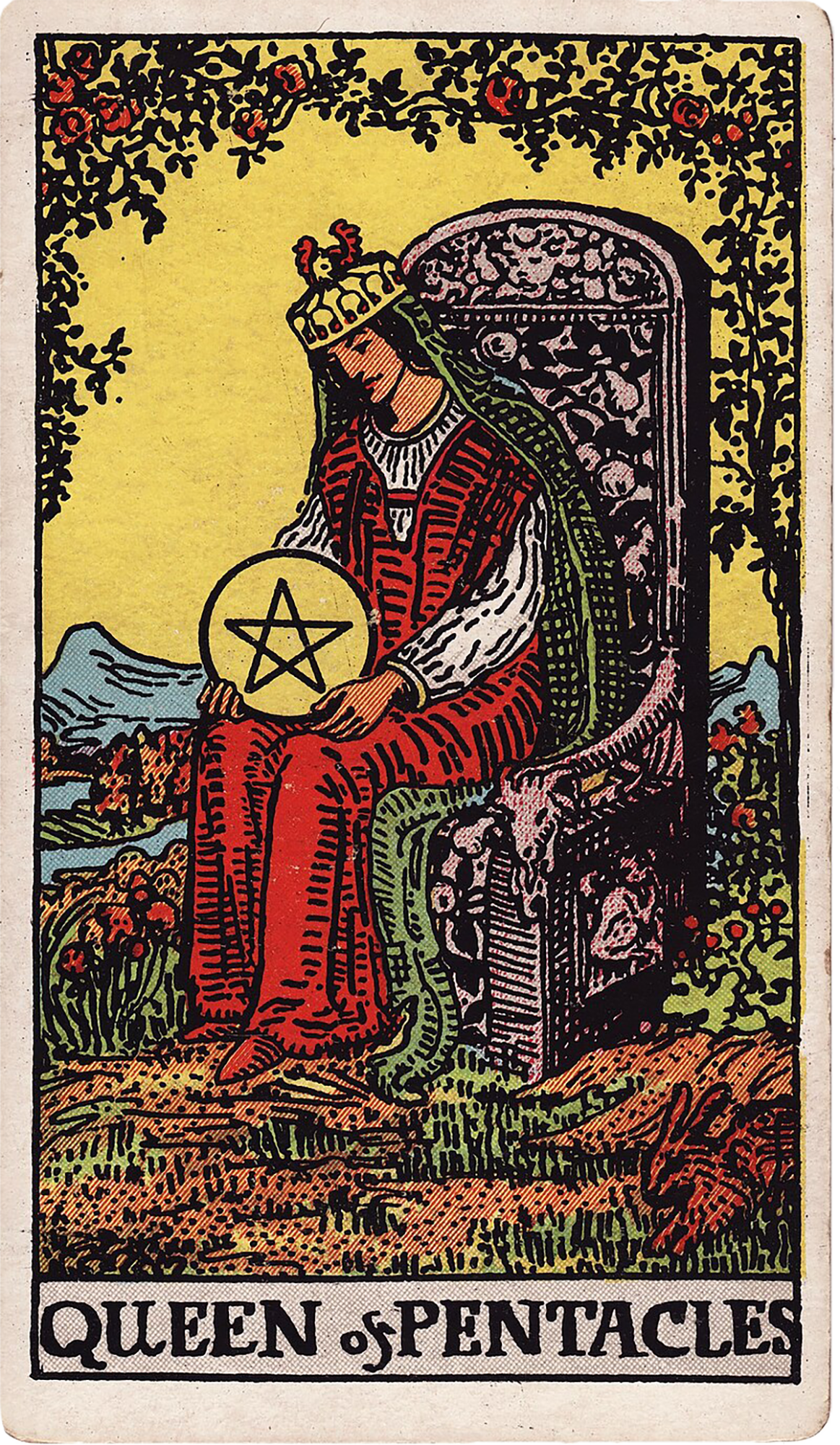 Queen of Pentacles
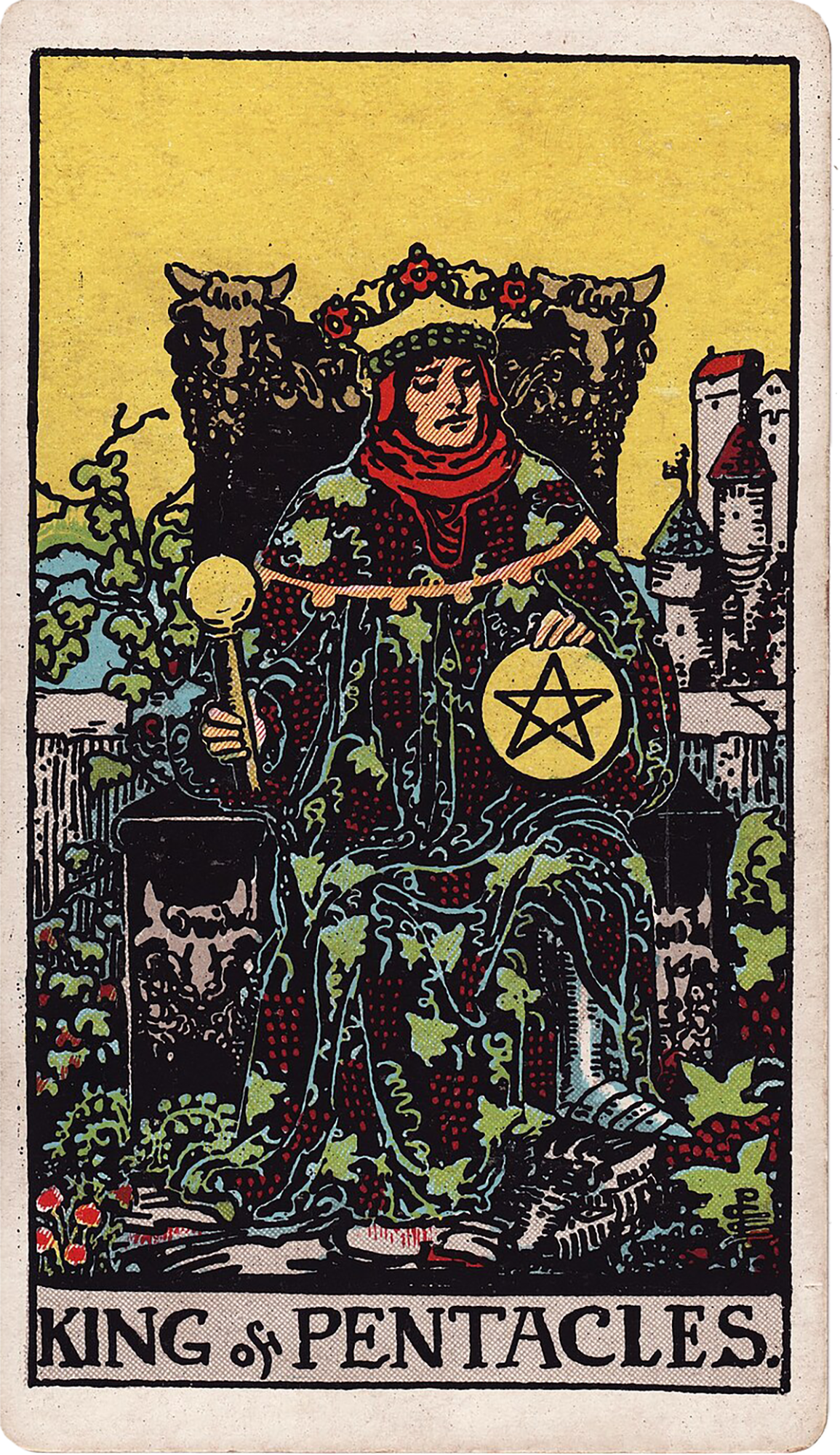 King of Pentacles
Understanding the Family Suit of Pentacles and Its Court Cards
The Pentacles suit in Tarot symbolizes material aspects of life: work, money, health, routine, resources, craft, the body, and long-term material stability. Within this suit, the Court Cards—Page, Knight, Queen, and King—operate as a family unit or developmental hierarchy, teaching us how to cultivate practical wisdom, leadership, and personal growth. Each card embodies a stage of maturity and mastery, from the eager beginner to the experienced steward, offering nuanced lessons that apply to everyday challenges and opportunities. The Rider-Waite-Smith (RWS) deck imagery reinforces these themes. For example, the Page of Pentacles is depicted as a young figure holding a pentacle with intent focus, symbolizing the start of a practical journey. The Knight rides steadily, embodying perseverance and reliability. The Queen exudes nurturing competence, surrounded by flourishing nature, and the King sits firmly with symbols of wealth and stability, representing mature stewardship. These visual cues guide interpretation by anchoring the cards in a tangible, symbolic context.
Page of Pentacles Lessons on Beginning Practical Endeavors
The Page of Pentacles marks the outset of a practical journey. Upright, this card highlights beginner energy focused on learning a practical skill or starting a realistic plan. It urges the querent to engage seriously with material opportunities, applying effort to manifest long-term stability. The Page encourages realistic, grounded action rather than abstract ideals, emphasizing the importance of adapting to the present stage. In readings, look at the Page as a signal to cultivate discipline, study habits, and attention to detail. For instance, someone starting a new job or educational course might see the Page's call to focus on skill acquisition and practical growth. The card’s surrounding imagery—rich earth, a single pentacle, and attentive posture—remind us that this is a time for planting seeds rather than expecting immediate harvests. Reversed, the Page warns of procrastination, overambition without follow-through, or misplaced focus on money rather than competence. Here, the lesson shifts to recognizing where the process has stalled internally. The reversal is not simply negative; it suggests examining what needs simplification or disciplined practice to get back on track. This nuanced understanding helps avoid common mistakes like impatience or scattered effort.
Knight of Pentacles and Steady Progress through Routine
The Knight of Pentacles represents the next stage after the Page: steady, reliable progress achieved through routine and persistence. The Rider-Waite-Smith image of the Knight on a slow-moving horse, holding the pentacle firmly, emphasizes responsibility and methodical effort rather than flashy or impulsive action. Upright, the Knight encourages the querent to maintain consistency and diligence in managing work, money, health, or craft. It affirms that slow and steady wins the race, highlighting the value of dependable execution for long-term material stability. This card often appears when progress requires patience, attention to detail, and endurance over dramatic change. When reversed, the Knight of Pentacles can point to stagnation, boredom, or workaholism. It warns against confusing slow movement with no movement, or becoming so rigid that growth halts. The reversal invites reflection on what routines might be draining rather than supporting growth, and what needs to be released or restructured to regain momentum. By treating this not as a failure but as a signal to recalibrate, readers can better guide querents toward sustainable progress.
Queen of Pentacles as a Model of Practical Nurture and Competence
The Queen of Pentacles embodies mature, practical nurture paired with competence. In the RWS imagery, she sits comfortably amid nature’s abundance, holding a pentacle close, symbolizing her ability to harness resources to support real life rather than status or superficial gain. Upright, the Queen teaches lessons about balancing care for self and others, managing finances wisely, and cultivating physical and emotional well-being. She asks the querent to embody grounded generosity and competent stewardship, turning resources into tangible security and comfort. The Queen’s presence in a reading often encourages practical problem-solving combined with empathetic leadership within family or community contexts. Reversed, the Queen warns of overwork, self-neglect, or excessive control disguised as care. Financial anxiety or measuring self-worth solely through usefulness can create unhealthy dynamics. In this state, the lesson is to recognize where boundaries are blurred and to reestablish balance between nurturing and self-care. The reversal prompts deeper inquiry into internal blocks that interfere with authentic competence.
King of Pentacles and Mature Stewardship for Sustainable Growth
Symbolizing the pinnacle of the Pentacles court hierarchy, the King of Pentacles represents mature stewardship, business competence, and the ability to build stability that supports both self and others. The RWS image shows the King seated confidently with symbols of wealth and abundance, projecting authority grounded in practical wisdom. Upright, this card teaches leadership lessons focused on responsible management of resources, strategic planning, and creating systems for lasting success. The King models the integration of material mastery with ethical considerations, inviting the querent to act as a reliable pillar within their personal, professional, or communal spheres. When reversed, the King cautions against greed, rigidity, status obsession, or misuse of financial power. It signals that attachment to security may have become so strong that it blocks growth and adaptation. Rather than viewing the reversal as a failure, the reader should explore where control needs loosening and where humility or generosity can restore balance. The King reversed challenges querents to examine their relationship with power and to foster sustainable leadership.
Practical Techniques for Reading the Pentacles Court Cards
Reading the Court Cards of Pentacles effectively involves grounding interpretation in their developmental family structure and integrating symbolism with situational context. Start by identifying the card’s role in the querent’s current stage: Is the Page signaling the beginning of a practical venture? Is the Knight affirming steady progress? Does the Queen’s nurturing energy suggest managing resources for care, or is the King urging mature leadership? Use the card’s upright or reversed position to explore where energy flows freely or where blockages and internal conflicts arise. Avoid seeing reversals as purely negative; instead, treat them as invitations to diagnose stuck processes and find actionable steps toward healthier expressions of the card’s core themes. Pay close attention to surrounding cards for clues about external influences, challenges, or supports. For example, a Page of Pentacles alongside cards related to education or new projects emphasizes learning, while the Queen of Pentacles paired with cards about family or health can highlight nurturing responsibilities. Common mistakes include overgeneralizing court cards as personality types rather than stages or roles, ignoring the suit’s material grounding, or missing reversal subtleties. Practice anchoring readings visually by referring to the classic Rider-Waite-Smith imagery, which reinforces the card’s core lessons and helps maintain interpretive consistency.
Contextual Examples and Application in Readings
Consider a querent exploring a career change who draws the Page of Pentacles upright. This suggests a time to focus on practical skill-building and realistic planning rather than rushing into impulsive decisions. Advising the querent to start small, gather resources, and commit to disciplined learning aligns with the card’s energy. If the Knight of Pentacles appears reversed in a health reading, it might highlight stagnation or burnout from overwork. Here, encouraging a break from monotonous routines and introducing variety or rest can help restore balance. A family-focused reading drawing the Queen of Pentacles reversed might reveal a caretaker overwhelmed by responsibilities or measuring self-worth through utility. The reader can suggest self-care practices and boundary setting to prevent burnout. Finally, the King of Pentacles upright in a financial reading points to mature management and strategic growth, recommending long-term investment and responsible stewardship. Reversed, it warns against greed or inflexibility, prompting reflection on values and ethical choices. These contextualized interpretations illustrate how the Pentacles court cards’ lessons unfold in everyday situations, helping querents embody practical wisdom and leadership.
Practice questions
• How do the stages represented by the Page, Knight, Queen, and King of Pentacles reflect my current approach to managing practical responsibilities?
• In what areas of my life might I be exhibiting procrastination or rigidity as suggested by the reversed Pentacles court cards?
• How can I balance nurturing others with self-care following the example of the Queen of Pentacles?
• What does mature stewardship of my resources look like in the spirit of the King of Pentacles?
• How can I apply the grounded symbolism of the Rider-Waite-Smith Pentacles court cards to better understand my practical challenges and growth?
Comments
Sign in to comment.
Continue learning
Interpreting the Dance of Justice and The Devil: Balancing Morality and Temptation in Tarot Readings
The combination of Justice and The Devil in tarot presents a profound exploration of morality, temptation, and personal accountability. This article unpacks how these cards influen...
Advanced Techniques for Combining The Moon and The Star to Enhance Intuition in Tarot Readings
This article explores advanced techniques to combine the symbolism and energy of The Moon and The Star Tarot cards to enhance intuition during Tarot readings. Drawing from traditio...
Unlocking Life Insights with the Celtic Cross Tarot Spread
This article offers a thorough exploration of the Celtic Cross Tarot Spread, focusing on its application within family and practical life contexts. Using a worked example featuring...
Unlocking Hidden Meanings with The Hermit and The Hanged Man for Spiritual Growth
This article offers an in-depth exploration of The Hermit and The Hanged Man Tarot cards focusing on their roles in spiritual growth. It guides readers through beginner and advance...
Unlocking Personal Insight with the Seven Card Horseshoe Spread
The Seven Card Horseshoe Spread is a practical and insightful Tarot layout ideal for exploring personal and family dynamics. This article breaks down each position—Past, Present, H...
Mastering the Court Cards of Wands for Unlocking Personal Drive and Leadership
The Court Cards of Wands represent a dynamic spectrum of personal energy, ambition, and leadership potential within the Minor Arcana. This article offers a comprehensive exploratio...
Tracing the Origins and Evolution of The Fool Card in Tarot History
The Fool card holds a foundational place in tarot tradition, symbolizing beginnings, openness, and the embrace of uncertainty. This article traces its origins from early European d...
Techniques for Reading Court Cards to Unlock Personality Insights
Court cards in Tarot often represent people, personality traits, or energy patterns within a situation. This article offers a structured approach for beginners and advanced readers...
Unlocking Emotional Transformation with Death and The Moon Tarot Combination
This article explores the rich and complex interaction between the Death and The Moon tarot cards within the Rider-Waite-Smith tradition, focusing on their combined potential to un...
Applying The Star Card to Foster Hope and Renewal in Personal Growth
The Star card in Tarot symbolizes hope, authenticity, and the process of steady renewal. In a single-card reading, The Star encourages embracing what is present, cultivating openne...