
Unlocking the Leadership Styles of the King Queen and Knight of Pentacles
This article delves deep into the leadership styles embodied by the King, Queen, and Knight of Pentacles within the Minor Arcana, focusing on the family Suit of Pentacles and its Court Cards. It explores how each figure represents distinct yet interconnected approaches to leadership, from steady routine and practical nurture to mature resource management. Using traditional Rider-Waite-Smith symbolism alongside upright and reversed meanings, readers will discover techniques for interpreting these cards in spreads, common challenges, and practical methods to unlock their lessons in personal and professional contexts. The article highlights the importance of situational responsiveness, encouraging learners to connect deeply with the cards' imagery and energy for insightful tarot practice.
Cards explored in this article
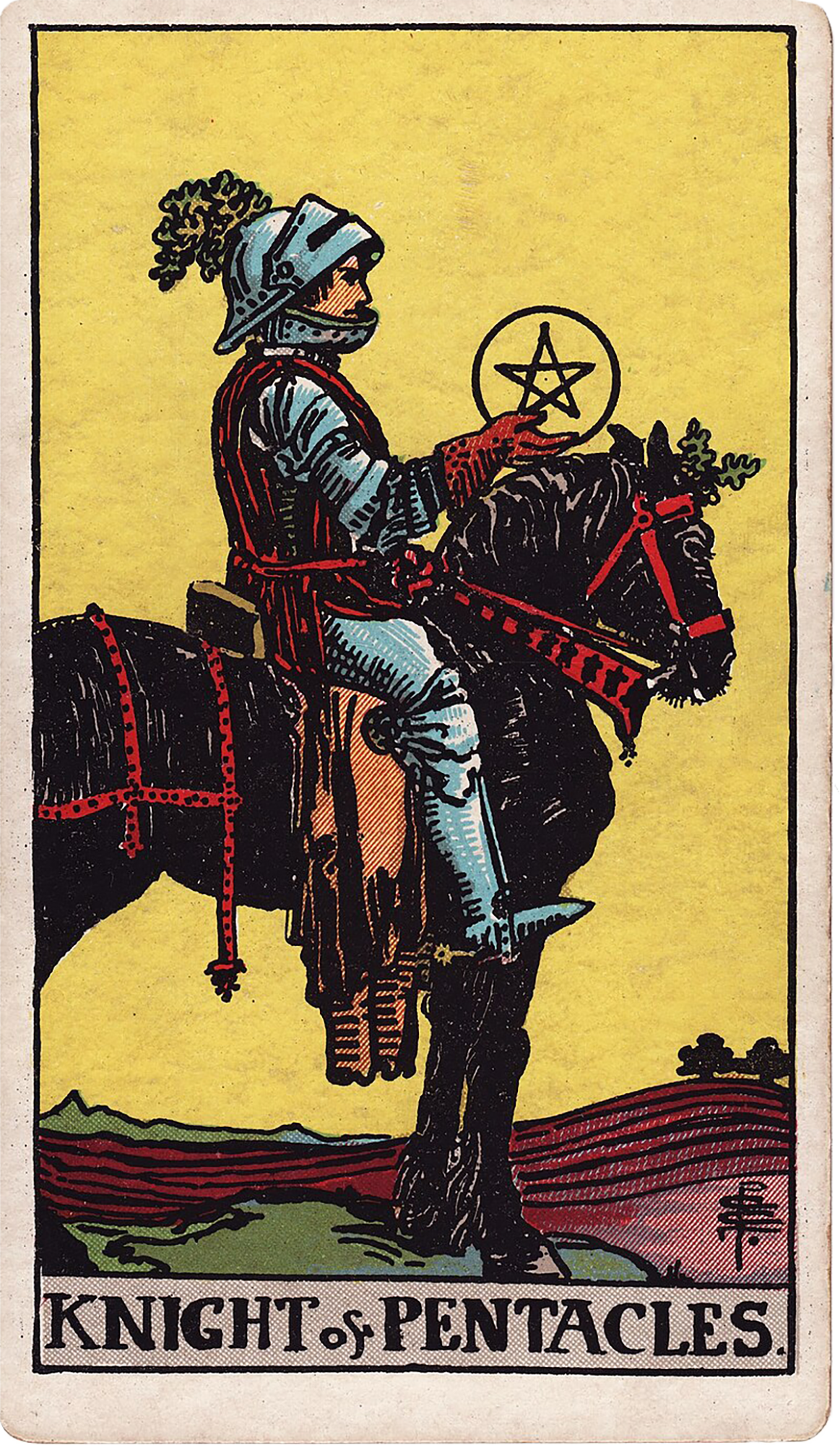 Knight of Pentacles
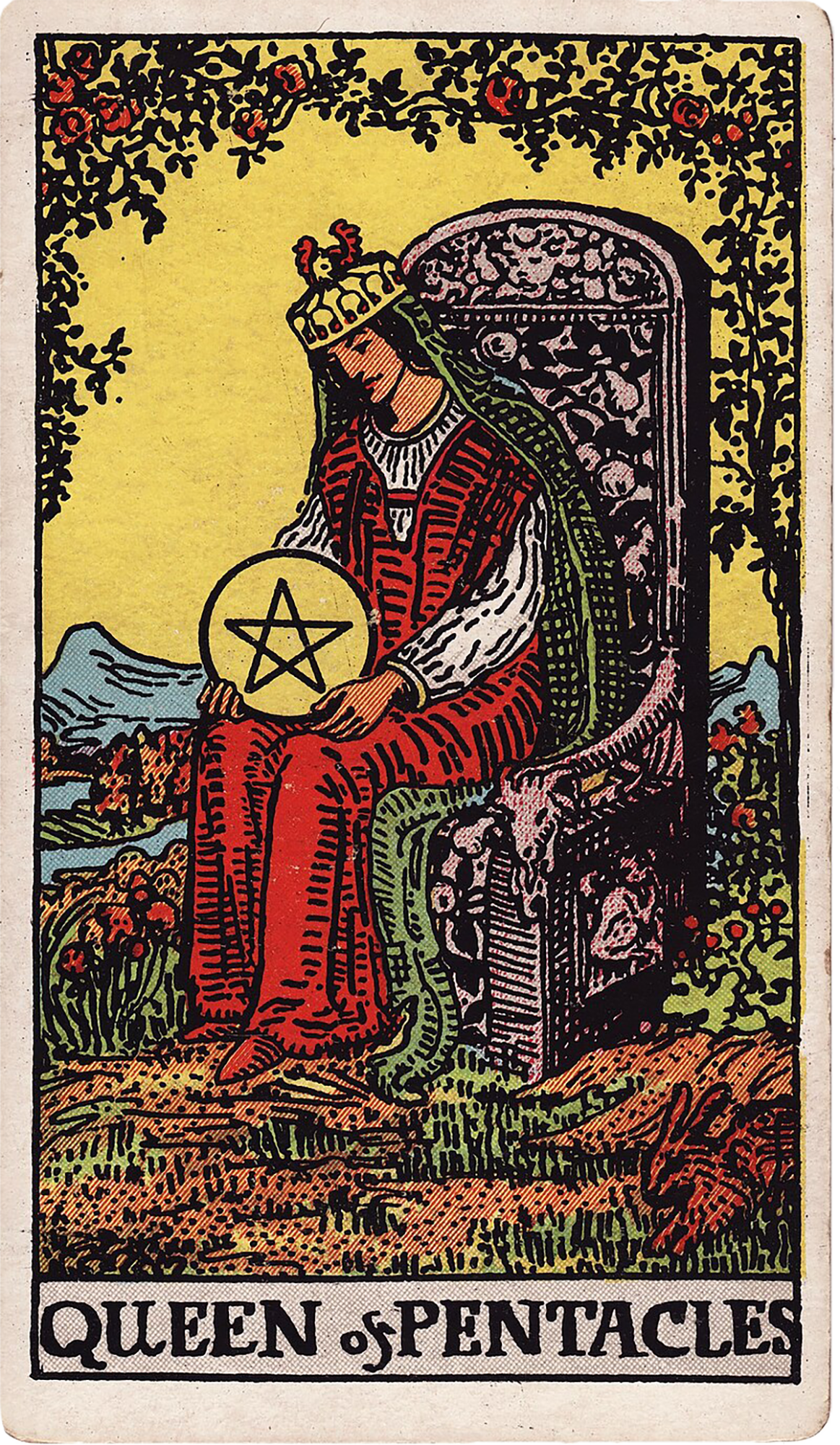 Queen of Pentacles
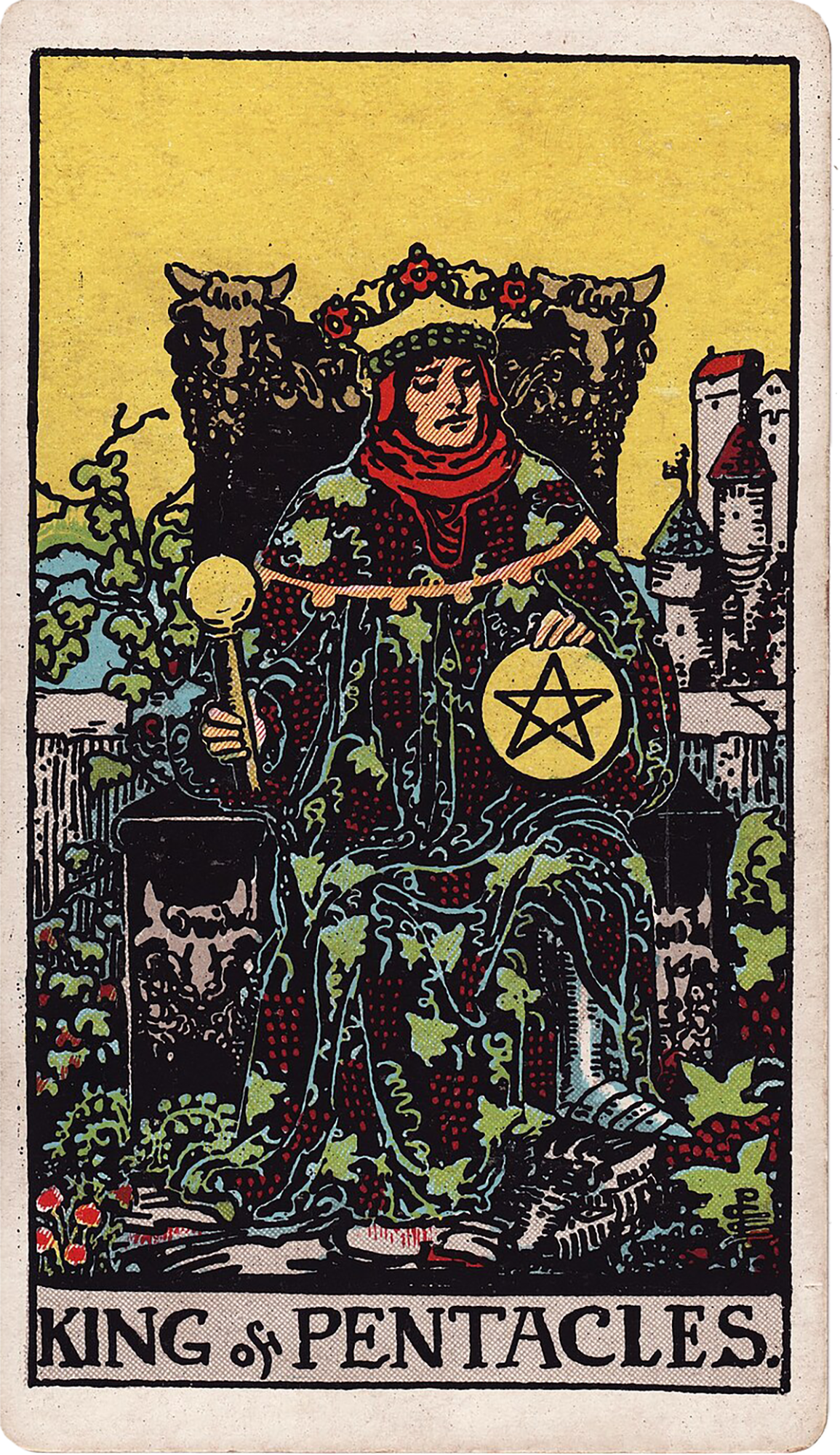 King of Pentacles
Introduction to the Suit of Pentacles and Its Court Cards
The Suit of Pentacles in Tarot is traditionally associated with material aspects of life such as work, money, health, and the physical body. It represents the element of Earth, grounding its lessons in tangible resources, long-term stability, and everyday routines. Within this suit, the Court Cards — the Knight, Queen, and King of Pentacles — embody distinct leadership styles that provide valuable insight when interpreting readings. These figures represent stages and modes of managing resources and responsibilities, each offering a unique approach to handling life's practical challenges. Understanding these archetypes enriches Tarot practice by connecting symbolic imagery with real-world leadership dynamics.
The Knight of Pentacles Steady and Reliable Leadership
The Knight of Pentacles is a figure of diligence and faithful execution. In the Rider-Waite-Smith deck, he is depicted as a knight clad in armor, riding a calm, steadfast horse, holding a single pentacle. This imagery symbolizes a leadership style grounded in careful, consistent effort rather than sudden action or dramatic gestures. Upright, the Knight of Pentacles encourages handling situations through routine, patience, and practical skills like craft, resource management, and perseverance. This card calls readers to meet the present stage of a challenge without idealizing the outcome—a lesson in realistic progress. When reversed, the Knight warns of stagnation, workaholism, or stubbornness, signaling that the steady pace has become either too slow or internally conflicted. Rather than seeing reversal as simply negative, consider where the process has stalled. For example, is there an overattachment to routine that obstructs adaptability? Reflect on what needs simplification or release to restore balanced progress. Practical reading techniques involve looking for how the Knight’s energy fits within the broader narrative of the spread—whether it signals a beginning phase of consistent work, a developing habit, or a pressure point where persistence is tested. Learners should avoid common mistakes such as equating 'slow' with 'bad' or ignoring the value of incremental effort.
The Queen of Pentacles Practical Nurture and Competence
The Queen of Pentacles in the Rider-Waite-Smith deck is seated comfortably in a lush natural setting, holding a golden pentacle while surrounded by symbols of fertility and abundance. She represents a leadership style grounded in practical nurture, competence, and making resources serve real life rather than superficial status. This queen embodies care that is both capable and balanced—she tends not only to material wealth but also to health, home, and emotional well-being. Upright, the Queen of Pentacles advises responding to situations with grounded care and measured competence. She reminds readers that personal worth and leadership arise from usefulness and support rather than external validation. This energy is particularly helpful in readings focused on family, finances, or health, encouraging steady nurturing rather than grandiose plans. When reversed, the Queen can indicate overwork, financial anxiety, or controlling behaviors related to care. Her reversal invites reflection on boundaries and self-care—has nurturing become self-neglect or manipulation? Learners should explore where lessons remain understood intellectually but not embodied, looking for signs of imbalance in the querent’s approach to responsibility. In readings, the Queen of Pentacles can signal a phase where competence and nurturing need to be cultivated consciously. Practical methods include asking what resources or routines support real-life stability and which may hinder it. Avoid interpreting this card as purely maternal; instead, focus on its broader theme of practical stewardship.
The King of Pentacles Mature Stewardship and Stability
The King of Pentacles presents a figure of mature authority and business competence. Traditionally depicted as a regal man surrounded by symbols of wealth and security, such as vines, coins, and a throne, he embodies the leadership style of stable, responsible stewardship. His energy is about managing resources not only for personal benefit but to support others as well, representing long-term financial and material stability. Upright, the King of Pentacles encourages readers to approach situations with the wisdom of experience, balancing ambition with prudence and generosity. This card is a call to build foundations that can endure pressures and sustain growth. Its energy is practical and grounded, emphasizing realistic goals over fleeting status or risky ventures. Reversed, the King warns against greed, rigidity, or an obsession with status that blocks growth. It may indicate misuse of power or attachment to security that prevents necessary change. Learners should examine areas where control has become inflexible and where openness to evolution is required for healthier leadership. In practical Tarot reading, the King of Pentacles often points to a moment of consolidation or mature decision-making. It urges readers to assess the sustainability of current strategies and consider how leadership impacts not just the self but the wider community.
Interpreting the Family Suit and Court Card Lessons in Context
When reading the King, Queen, and Knight of Pentacles together, it is important to see them as parts of a leadership continuum within the suit’s material focus. The Knight represents the energy of steady, hands-on development; the Queen embodies nurturing competence that supports life holistically; and the King stands for mature, responsible stewardship of resources and people. Each card reflects a stage or style rather than fixed personality types, allowing readers to apply their lessons flexibly depending on the querent’s situation. In spreads, observe how these cards interact with surrounding Pentacles cards and other suits. The presence of the Knight might highlight a phase of building sustainable routines, the Queen may emphasize the management of resources with empathy and care, while the King could signal the need for strategic maturity. Pay attention to whether cards appear upright or reversed to understand where lessons are integrated or where growth is blocked. A common reading mistake is to isolate Court Cards as static characters rather than dynamic energies. Instead, consider where the querent’s leadership approach aligns with or diverges from these archetypes. For example, a reversed Queen alongside a reversed Knight might suggest burnout from too much responsibility without adequate nurturing or routine, signaling a need for balanced care and rest.
Practical Techniques for Unlocking Leadership Lessons in Readings
To practically apply the lessons of the King, Queen, and Knight of Pentacles in Tarot readings, follow these steps: 1. Visual Anchoring: Begin by carefully observing the Rider-Waite-Smith imagery of each card. Note the knight’s patient horse, the queen’s fertile environment, and the king’s opulent throne. These images ground the card’s meaning in visual symbols that evoke steadiness, nurture, and authority. 2. Contextual Interpretation: Place each card within the querent’s situation. Ask what stage of development or leadership is currently relevant—is it a moment for steady work, nurturing support, or strategic oversight? 3. Upright and Reversed Awareness: Use reversal not as a simple negative but as a signal to explore what is stuck or overemphasized. For example, reversed Knight asks where routine has become rigid or stagnant; reversed Queen invites inquiry into self-care boundaries; reversed King challenges attachment to security. 4. Relationship Reading: When multiple Pentacles Court Cards appear, explore how their energies complement or conflict. This can reveal complex leadership dynamics, such as a need to balance practical nurture with steady effort or mature control. 5. Reflection and Integration: Encourage querents to reflect on their own leadership style. Which qualities resonate most? Where might they need to develop patience, nurture, or stewardship? This deepens Tarot’s role as a tool for personal growth rather than mere prediction. Common pitfalls include ignoring the cards’ practical focus and seeking abstract ideals or overrelying on personality typing. Instead, embrace the cards as guides to real-world, actionable leadership lessons.
Conclusion Embracing the Pentacles Leadership Archetypes for Growth
The King, Queen, and Knight of Pentacles offer rich and nuanced lessons about leadership grounded in material reality, routine, and responsibility. By unlocking their distinct styles — steady, nurturing, and mature — Tarot learners gain powerful tools to interpret practical challenges with clarity and compassion. These Court Cards teach that effective leadership is not about grand gestures but about meeting each moment with appropriate care, competence, and wisdom. Integrating their upright and reversed meanings, alongside Rider-Waite-Smith symbolism, encourages a flexible and reflective Tarot practice. Whether guiding a querent through financial decisions, health routines, or personal development, these Pentacles leaders remind us that genuine stability grows from steady effort, balanced support, and thoughtful stewardship.
Practice questions
• In what areas of my life do I embody the steady, patient leadership of the Knight of Pentacles?
• How can I balance practical nurture with self-care in the spirit of the Queen of Pentacles?
• Where do I need to develop the mature stewardship and responsibility represented by the King of Pentacles?
• Am I holding too rigidly to routines or resources in a way that might limit growth?
• How do the images and symbols in each Pentacles Court Card relate to my current challenges?
Comments
Sign in to comment.
Continue learning
Interpreting the Dance of Justice and The Devil: Balancing Morality and Temptation in Tarot Readings
The combination of Justice and The Devil in tarot presents a profound exploration of morality, temptation, and personal accountability. This article unpacks how these cards influen...
Advanced Techniques for Combining The Moon and The Star to Enhance Intuition in Tarot Readings
This article explores advanced techniques to combine the symbolism and energy of The Moon and The Star Tarot cards to enhance intuition during Tarot readings. Drawing from traditio...
Unlocking Life Insights with the Celtic Cross Tarot Spread
This article offers a thorough exploration of the Celtic Cross Tarot Spread, focusing on its application within family and practical life contexts. Using a worked example featuring...
Unlocking Hidden Meanings with The Hermit and The Hanged Man for Spiritual Growth
This article offers an in-depth exploration of The Hermit and The Hanged Man Tarot cards focusing on their roles in spiritual growth. It guides readers through beginner and advance...
Unlocking Personal Insight with the Seven Card Horseshoe Spread
The Seven Card Horseshoe Spread is a practical and insightful Tarot layout ideal for exploring personal and family dynamics. This article breaks down each position—Past, Present, H...
Mastering the Court Cards of Wands for Unlocking Personal Drive and Leadership
The Court Cards of Wands represent a dynamic spectrum of personal energy, ambition, and leadership potential within the Minor Arcana. This article offers a comprehensive exploratio...
Tracing the Origins and Evolution of The Fool Card in Tarot History
The Fool card holds a foundational place in tarot tradition, symbolizing beginnings, openness, and the embrace of uncertainty. This article traces its origins from early European d...
Techniques for Reading Court Cards to Unlock Personality Insights
Court cards in Tarot often represent people, personality traits, or energy patterns within a situation. This article offers a structured approach for beginners and advanced readers...
Unlocking Emotional Transformation with Death and The Moon Tarot Combination
This article explores the rich and complex interaction between the Death and The Moon tarot cards within the Rider-Waite-Smith tradition, focusing on their combined potential to un...
Applying The Star Card to Foster Hope and Renewal in Personal Growth
The Star card in Tarot symbolizes hope, authenticity, and the process of steady renewal. In a single-card reading, The Star encourages embracing what is present, cultivating openne...