
Unlocking the Personality Traits and Roles of the Knight Queen and King of Pentacles in Tarot
This article offers an in-depth exploration of the Knight, Queen, and King of Pentacles cards in the Minor Arcana, focusing on their personality traits, roles, and lessons within the Pentacles suit. Anchored by the traditional Rider-Waite-Smith symbolism and using the supplied card imagery, it guides learners through practical interpretation techniques, common pitfalls, and how to apply these cards contextually in readings. Learn how to distinguish between upright and reversed meanings, understand court card dynamics, and integrate these insights into your tarot practice to better understand the qualities of stability, nurture, and stewardship represented by these figures.
Cards explored in this article
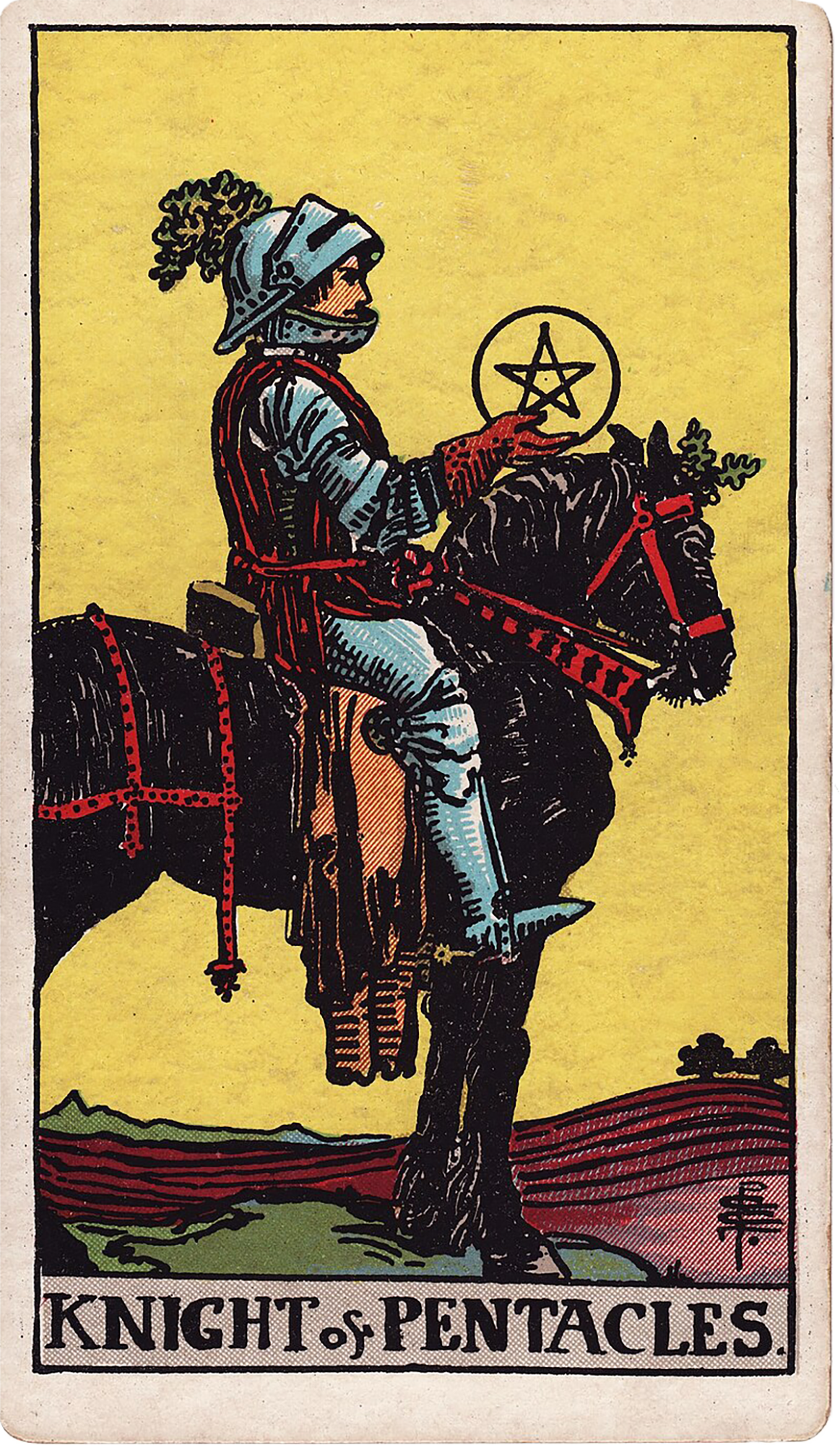 Knight of Pentacles
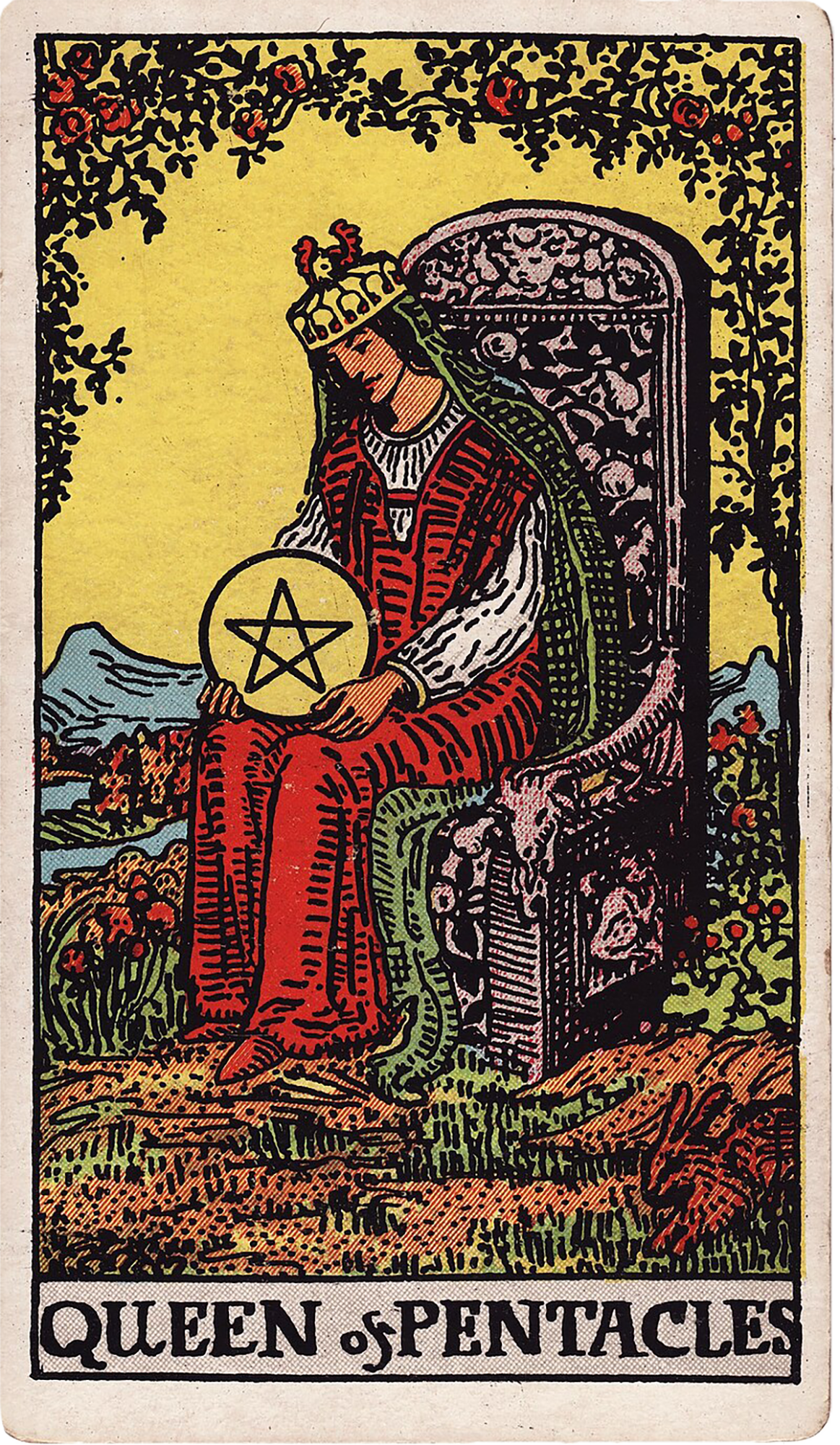 Queen of Pentacles
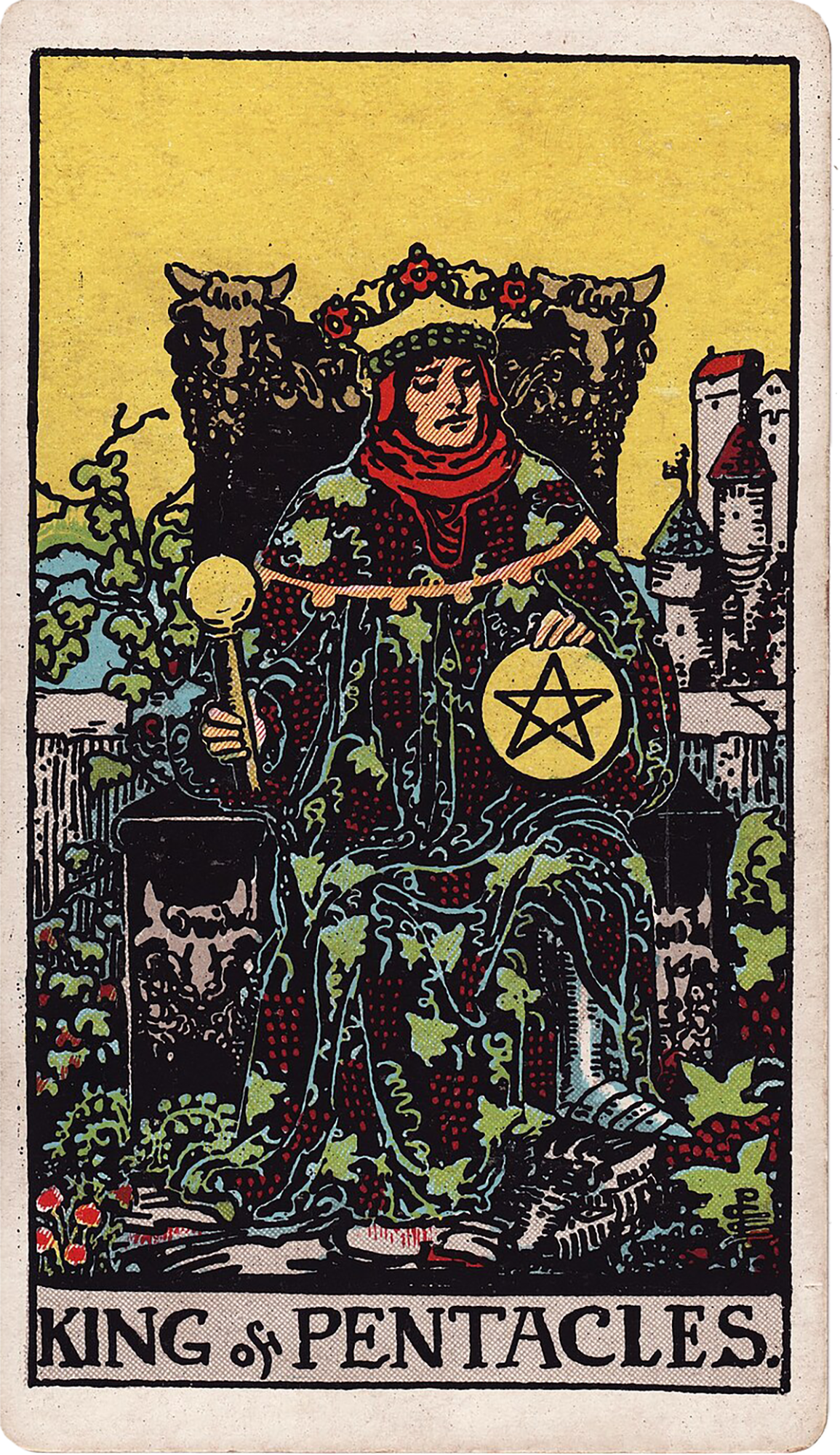 King of Pentacles
Introduction to the Pentacles Court Cards
The Pentacles suit in tarot is deeply connected to material reality, encompassing work, money, health, routine, resources, craft, and long-term stability. The court cards — Knight, Queen, and King of Pentacles — represent distinct personalities and roles within this family suit. Each embodies different stages and expressions of practical energy, offering unique lessons for understanding how we interact with the material world. This article will focus exclusively on the Knight, Queen, and King of Pentacles, using their provided Rider-Waite-Smith imagery and meanings to explore their upright and reversed interpretations more thoroughly.
Knight of Pentacles Personality and Role
The Knight of Pentacles illustrates steady, reliable progress, emphasizing routine and consistent effort over flashy or dramatic action. Upright, this card asks readers to recognize and support ongoing, patient work processes. The Knight is the embodiment of practical persistence — a craftsman who moves forward through discipline rather than impulse. The card’s symbolism in the Rider-Waite-Smith deck shows a knight on a stationary horse, armored and holding a pentacle, reflecting immobility paired with readiness and responsibility. This imagery suggests a focus on methodical, grounded action rather than reckless adventure. In readings, the upright Knight of Pentacles points to situations where success depends on dependable work, ongoing care, and attention to detail. When reversed, the card highlights stagnation, stubbornness, or workaholism, where progress is confused with mere busywork or internal blocks prevent consistent practice. The reversal signals a need to reassess and simplify, preventing burnout or unproductive rigidity.
Queen of Pentacles Personality and Role
The Queen of Pentacles represents the archetype of practical nurture and competence. Upright, she symbolizes the ability to manage resources in a way that supports real-life needs, health, and well-being rather than superficial status. The Rider-Waite-Smith image depicts a regal woman seated comfortably, holding a pentacle close to her, surrounded by natural abundance, emphasizing grounded maternal care and financial savvy. The Queen’s energy is about balancing care for oneself and others through tangible support—whether managing household finances, nurturing health, or fostering creative projects. She models how to create stability while remaining attuned to the environment. Reversed, the Queen of Pentacles points to challenges like overwork, self-neglect, financial anxiety, or controlling tendencies disguised as care. This reversal invites reflection on where nurturing has become enabling or where personal worth is too heavily tied to utility and productivity. The card urges a return to balanced self-care and realistic boundaries.
King of Pentacles Personality and Role
The King of Pentacles embodies mature stewardship and business acumen. Upright, he signifies the ability to build and maintain lasting security, often extending support to others. The Rider-Waite-Smith King is depicted as a confident figure adorned in rich robes, surrounded by symbols of wealth and abundance, underscoring mastery over material domains. He represents leadership that is grounded, ethical, and focused on sustainable prosperity. When this card appears upright, it encourages practical management, wise investment of resources, and responsible authority. When reversed, the King warns of greed, rigidity, obsession with status, or misuse of financial power. Such blockage can also manifest as an unhealthy attachment to security that prevents growth or adaptation. The reversal suggests examining where control has turned to stagnation or where ethical considerations are being compromised.
Common Misinterpretations and How to Avoid Them
A frequent mistake when interpreting Pentacles court cards is to treat them solely as literal people or reductively as mere indicators of finances or work. These cards are best understood as complex archetypes embodying energy patterns and lessons within the material realm. For instance, the Knight of Pentacles is not simply a ‘hard worker’ but a symbol of dependable progression, which may manifest as patience rather than speed. Misreading the reversed Knight as mere laziness ignores the deeper internal resistance or burnout it signals. Similarly, the Queen of Pentacles is not just a ‘mother figure’ but a lesson in balanced nurture and resource management. Ignoring the reversed card’s call for self-care can lead to readings that overlook emotional exhaustion. The King of Pentacles should not be narrowly cast as a businessman or money-focused person but recognized for mature leadership and stewardship qualities. Overlooking reversed signs of greed or rigidity can miss important ethical or emotional stagnation issues. Avoid these mistakes by always situating each card within the reading’s context and considering their upright and reversed nuances as aspects of evolving processes rather than fixed labels.
Practical Techniques for Reading the Knight Queen and King of Pentacles
To effectively incorporate the Knight, Queen, and King of Pentacles in your readings, start by identifying the stage of material energy each card represents: the Knight as active and developing, the Queen as nurturing and stabilizing, and the King as mastering and leading. Observe the surrounding cards to determine whether the Pentacles energy is emerging, under pressure, or reaching resolution. This will help pinpoint whether the card’s lesson is about initiating steady work (Knight), balancing care and resources (Queen), or exercising mature stewardship (King). Use imagery as an anchor: note the Knight’s stationary horse and armor for reliability; the Queen’s lush natural surroundings and her attentive posture for nurturing competence; and the King’s confident demeanor and opulence for mature authority. When reversed cards appear, resist the urge to simply invert meanings. Instead, ask where the process is stuck or imbalanced. For example, reversed Knight may suggest the need to simplify tasks, reversed Queen might call for improved self-care, and reversed King often indicates a critical review of control or greed issues. Encourage clients or yourself to reflect on which qualities resonate more intellectually versus those actively lived. This approach facilitates deeper, practical insights rather than surface-level predictions.
Interpreting Court Cards within the Family Suit Framework
Court cards function like family members within their suit, representing different phases or styles of engaging with the suit’s domain. In Pentacles, which governs the material and physical realm, the Knight, Queen, and King each offer a model for how energy is expressed and managed. The Knight acts like a dependable sibling or youth, learning and applying discipline. The Queen resembles the nurturing parent or guardian, focused on creating a supportive environment through care and practicality. The King embodies the wise elder or leader who has accumulated experience and now guides others with responsibility. By viewing these cards as a family, one can trace developmental narratives in readings: from the eagerness and persistence of the Knight, through the attentive nurture of the Queen, culminating in the mature authority of the King. This perspective enriches interpretation by framing Pentacles court cards not as isolated symbols but as interconnected roles influencing growth and material wellbeing.
Conclusion and Integration for Tarot Learners
Understanding the Knight, Queen, and King of Pentacles in tarot involves appreciating their nuanced roles within the suit’s material kingdom. By anchoring interpretations in their Rider-Waite-Smith imagery and supplied meanings, learners can develop a grounded approach to court cards. Remember to contextualize upright and reversed meanings as dynamic stages in a process rather than rigid opposites. Incorporate practical techniques such as observing card surroundings, reflecting on family suit dynamics, and focusing on lived versus intellectual understanding. Applying these insights will enhance the clarity and depth of your tarot readings, particularly around themes of work, money, health, resource management, and long-term stability. Embrace these court cards as guides to practical wisdom and balanced stewardship in your tarot practice.
Practice questions
• How do the Knight, Queen, and King of Pentacles each represent different ways of managing material resources and stability?
• In what ways can the reversed meanings of these cards reveal internal blocks or imbalances rather than just external situations?
• How does the family suit framework help deepen understanding of court card relationships and developmental lessons?
• What specific imagery in the supplied Rider-Waite-Smith cards most strongly conveys each card’s personality and energy?
• How can you apply the lessons of these Pentacles court cards practically in your daily life or reading practice?
Comments
Sign in to comment.
Continue learning
Interpreting the Dance of Justice and The Devil: Balancing Morality and Temptation in Tarot Readings
The combination of Justice and The Devil in tarot presents a profound exploration of morality, temptation, and personal accountability. This article unpacks how these cards influen...
Advanced Techniques for Combining The Moon and The Star to Enhance Intuition in Tarot Readings
This article explores advanced techniques to combine the symbolism and energy of The Moon and The Star Tarot cards to enhance intuition during Tarot readings. Drawing from traditio...
Unlocking Life Insights with the Celtic Cross Tarot Spread
This article offers a thorough exploration of the Celtic Cross Tarot Spread, focusing on its application within family and practical life contexts. Using a worked example featuring...
Unlocking Hidden Meanings with The Hermit and The Hanged Man for Spiritual Growth
This article offers an in-depth exploration of The Hermit and The Hanged Man Tarot cards focusing on their roles in spiritual growth. It guides readers through beginner and advance...
Unlocking Personal Insight with the Seven Card Horseshoe Spread
The Seven Card Horseshoe Spread is a practical and insightful Tarot layout ideal for exploring personal and family dynamics. This article breaks down each position—Past, Present, H...
Mastering the Court Cards of Wands for Unlocking Personal Drive and Leadership
The Court Cards of Wands represent a dynamic spectrum of personal energy, ambition, and leadership potential within the Minor Arcana. This article offers a comprehensive exploratio...
Tracing the Origins and Evolution of The Fool Card in Tarot History
The Fool card holds a foundational place in tarot tradition, symbolizing beginnings, openness, and the embrace of uncertainty. This article traces its origins from early European d...
Techniques for Reading Court Cards to Unlock Personality Insights
Court cards in Tarot often represent people, personality traits, or energy patterns within a situation. This article offers a structured approach for beginners and advanced readers...
Unlocking Emotional Transformation with Death and The Moon Tarot Combination
This article explores the rich and complex interaction between the Death and The Moon tarot cards within the Rider-Waite-Smith tradition, focusing on their combined potential to un...
Applying The Star Card to Foster Hope and Renewal in Personal Growth
The Star card in Tarot symbolizes hope, authenticity, and the process of steady renewal. In a single-card reading, The Star encourages embracing what is present, cultivating openne...