
Unlocking the Symbolic Language and Elemental Associations of the Ace Tarot Cards for New Beginnings
The Ace cards in Tarot represent the purest form of energy within their suits, signaling fresh starts and potent opportunities. This article delves into the symbolic language and elemental correspondences of the Ace of Wands, Ace of Cups, Ace of Swords, and Ace of Pentacles. Drawing upon their Rider-Waite-Smith imagery and practical meanings, readers will understand how to interpret these cards in both upright and reversed positions. The guide also offers strategies to avoid common interpretive pitfalls and provides a structured approach for incorporating these powerful cards into Tarot readings focused on new beginnings.
Cards explored in this article
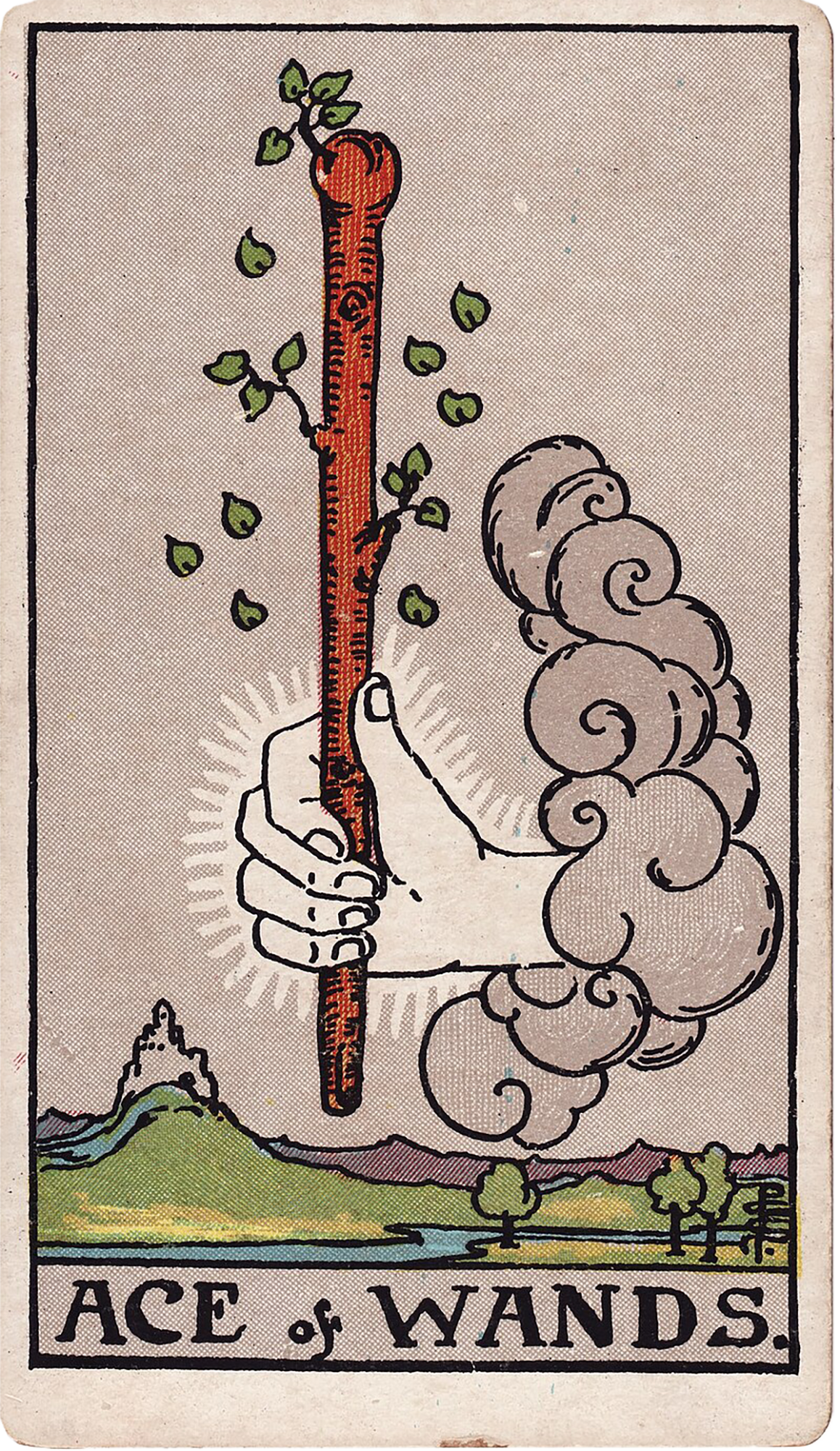 Ace of Wands
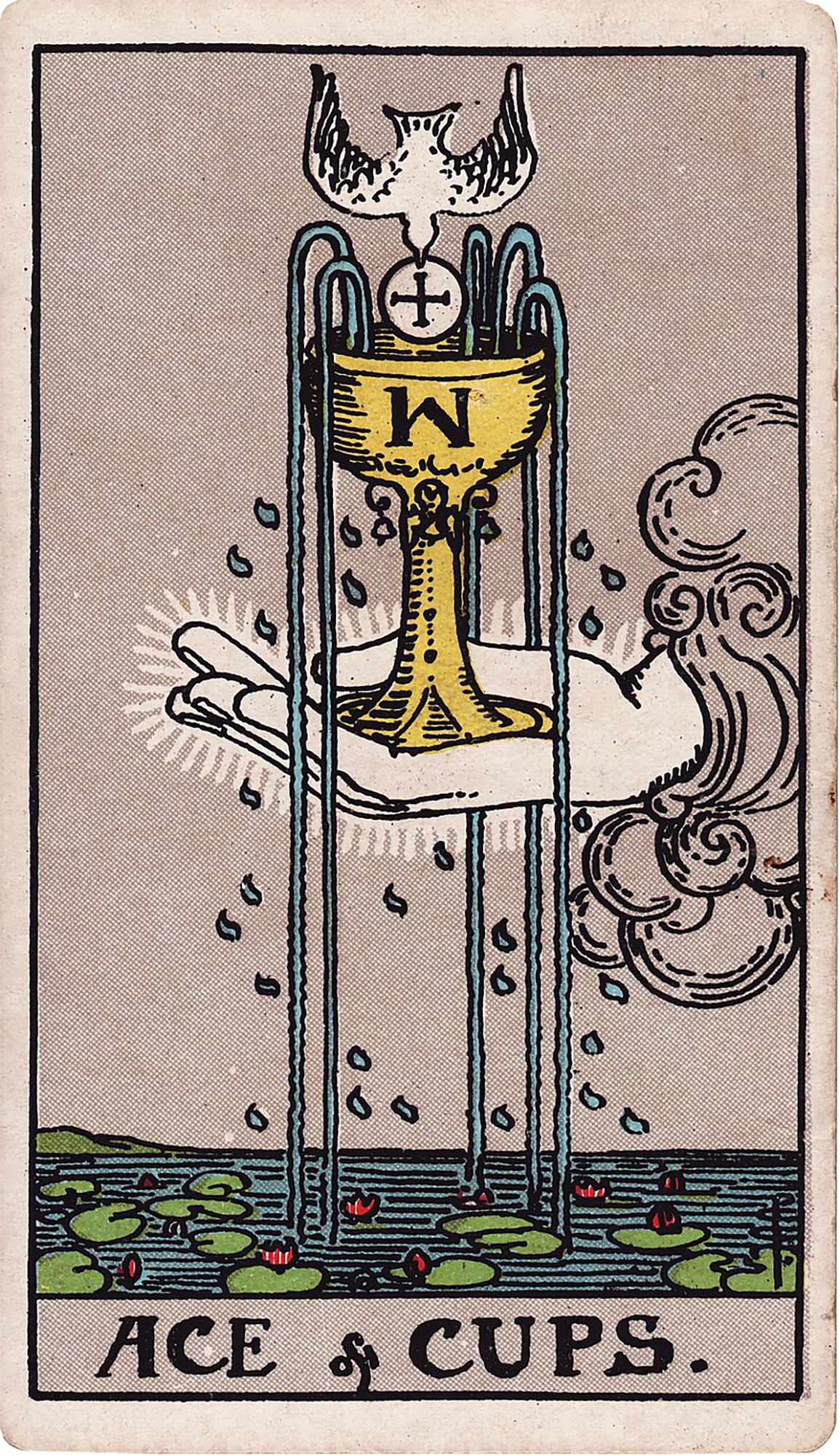 Ace of Cups
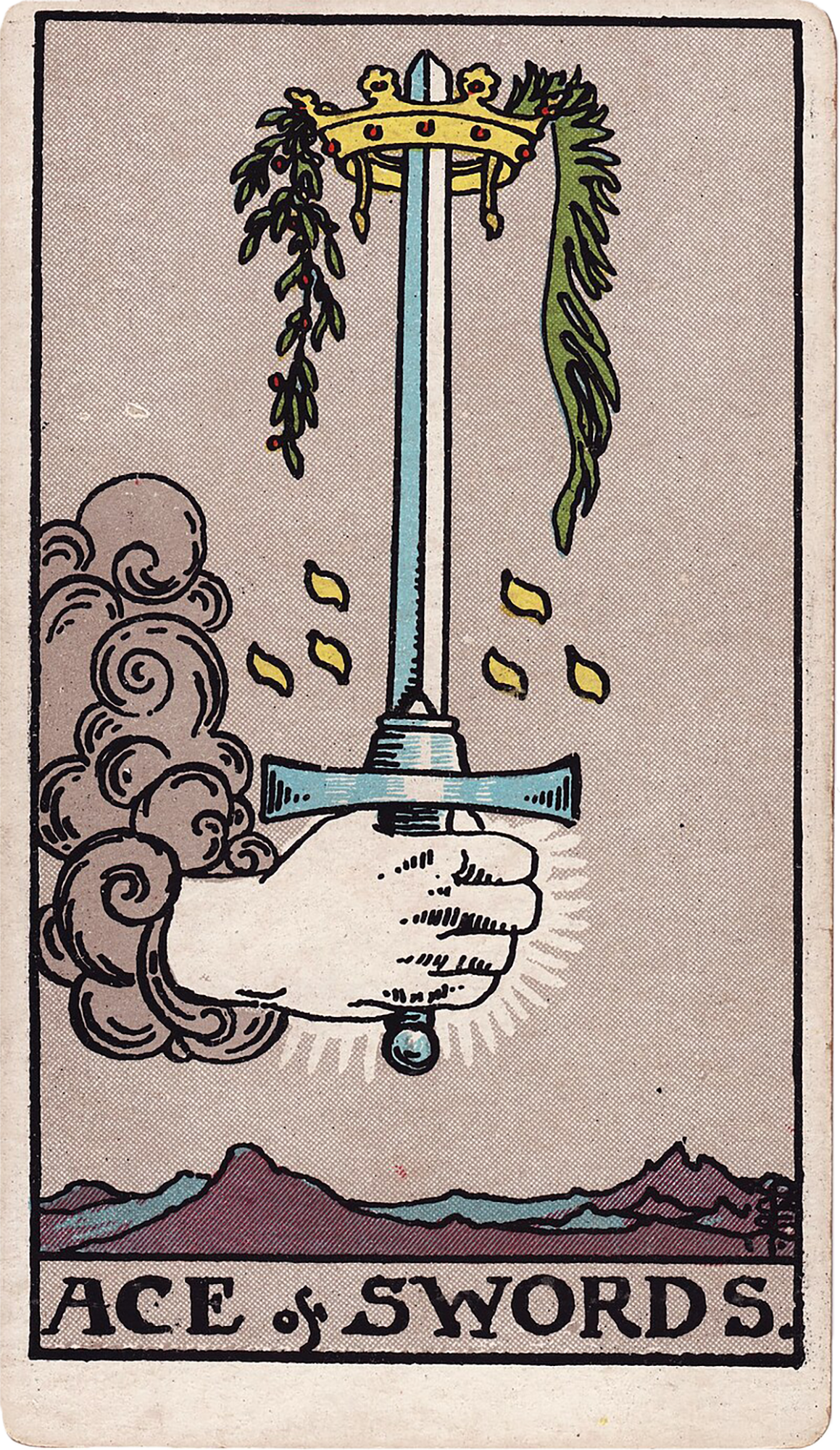 Ace of Swords
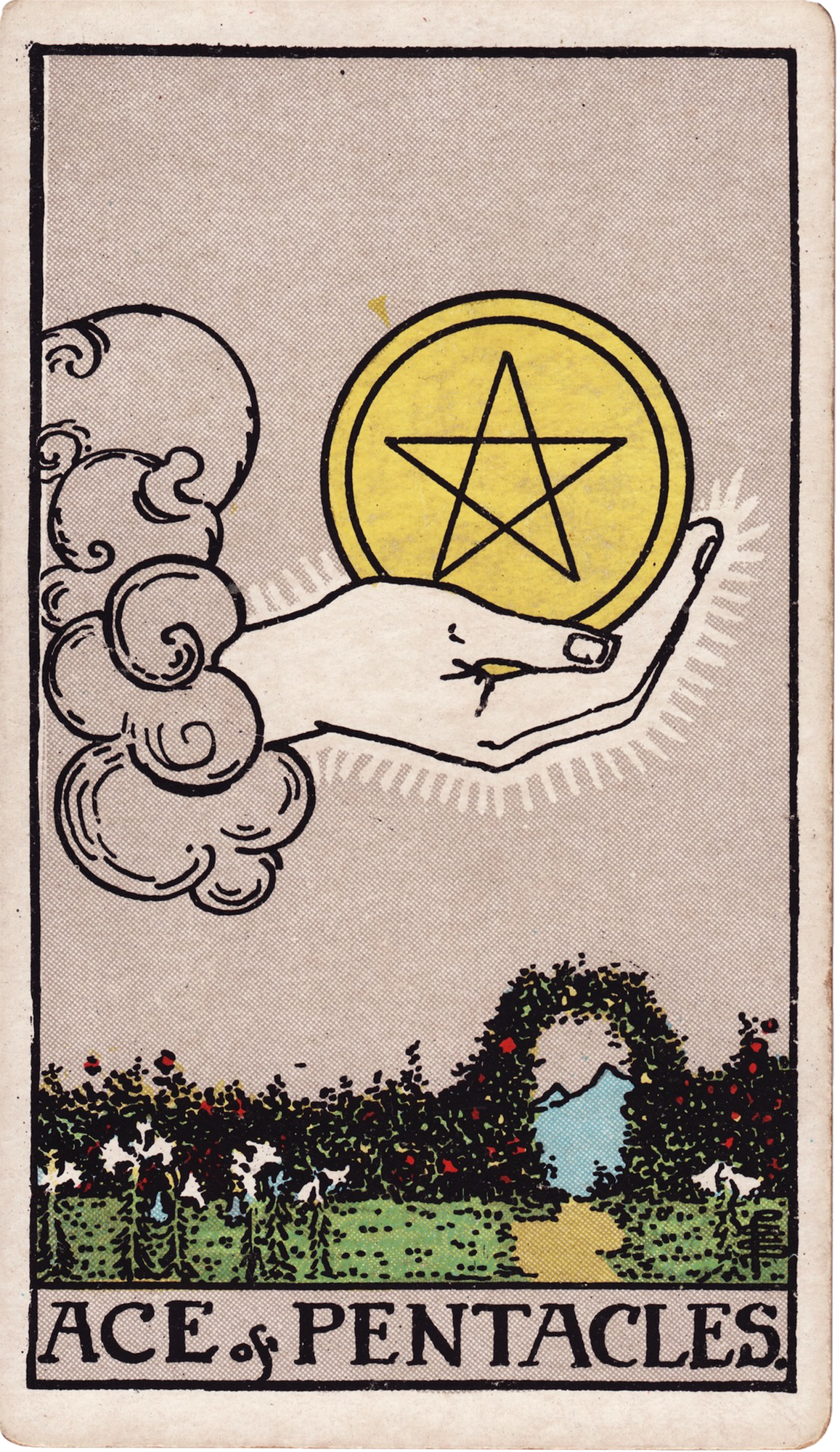 Ace of Pentacles
Introduction to the Aces as Symbols of New Beginnings
In Tarot, the Aces are the seeds from which the entire suit grows. They embody raw potential, the initial spark of energy that can manifest as creativity, emotion, intellect, or physical reality depending on the suit. Within the Rider-Waite-Smith tradition, the four Aces—Wands, Cups, Swords, and Pentacles—each align with one of the classical elements: Fire, Water, Air, and Earth, respectively. These elemental associations provide a framework to understand the core energies the cards invite us to engage with in our readings. The Aces are rarely about completion; instead, they signify the inception of a journey, the moment where possibility is most fluid and open.
Elemental Associations and Their Symbolic Language
Each Ace card corresponds to one of the four elements, which deeply influences its meaning and symbolism. The Ace of Wands aligns with Fire, representing motivation, creativity, and the impulse to act. Its image often shows a hand holding a blooming wand, symbolizing burgeoning energy and the potential for growth. The Ace of Cups embodies Water, focusing on emotions, relationships, and intuitive receptivity. Its imagery of a cup overflowing with water highlights abundance in feeling and spiritual opening. The Ace of Swords relates to Air, symbolizing thought, communication, and intellectual breakthroughs. The depiction of a sword piercing the sky conveys clarity and the cutting away of confusion. Finally, the Ace of Pentacles connects to Earth, representing material beginnings such as work, health, and resources. Its imagery of a hand presenting a pentacle against a lush garden background invites focus on tangible opportunities and practical foundations. This elemental framework allows readers to interpret the cards not simply as individual symbols but as expressions of broader energies shaping a querent’s situation.
Detailed Exploration of the Ace of Wands
The Ace of Wands calls attention to a fresh impulse that wants expression through action and creativity. Upright, it signals a new motivation or ambition that requires a practical first step to prevent enthusiasm from fading. The Rider-Waite-Smith image shows a hand emerging from a cloud holding a sprouting wand, emphasizing the birth of creative energy and the presence of potential. In readings, this card suggests that the querent is at the start of a venture involving identity, initiative, or energy direction. Surrounded by other cards, the Ace of Wands can clarify whether the energy is emerging, building, under pressure, or nearing resolution. Reversed, the card points to blocked inspiration, scattered efforts, or hesitation caused by waiting for perfect conditions. Importantly, the reversal is not simply the absence of fire but an indication that something internal needs to be acknowledged or simplified. Common mistakes include interpreting the card as a guarantee of success without considering the practical response it demands. Instead, readers should focus on the need for timely action and alignment with present circumstances.
Detailed Exploration of the Ace of Cups
The Ace of Cups symbolizes the opening of the emotional field, inviting affection, compassion, and intuitive receptivity. Upright, it shows a cup overflowing with five streams of water, each representing the flow of feelings, creativity, and spiritual nourishment. This overflowing abundance encourages expression but also necessitates a response fitting to the querent's current emotional stage. In many spreads, this card points toward managing situations through emotional intelligence, relationship skills, and intuitive awareness. Even though it heralds new emotional beginnings, the card may involve some effort or discomfort as feelings are processed and integrated. The reversed Ace of Cups indicates emotional blockage, fear of vulnerability, or unexpressed feelings that may be impacting the querent internally. Misreading this card as purely positive emotional bliss ignores the practical aspect emphasized by its symbolic language: the need for honest engagement with emotions and relationships. The card urges recognition of the emotional phase the querent is in and the actions necessary to nurture healthy feelings.
Detailed Exploration of the Ace of Swords
The Ace of Swords represents the birth of clear insight, decisive communication, and intellectual breakthroughs. Its imagery—a hand holding a sword upright with a crown and laurel—signals truth cutting through confusion and the opening of mental clarity. The card’s Air element ties it to thoughts, decisions, conflict resolution, and strategic thinking. When upright, this Ace suggests that the querent is positioned to handle mental challenges by applying reason, truthful discourse, and well-considered judgments. It encourages harnessing the power of thought constructively. The reversal warns of confusion, misuse of logic, harsh judgments, or weaponized truth that harms rather than clarifies. As with all reversals, the implication is that the intellectual process is stuck and requires reflection or rebalancing. A common interpretive error is to treat the Ace of Swords as a symbol of mere mental toughness or aggression. Instead, the card’s symbolism calls for incisive clarity and ethical use of intellect to foster understanding and resolution.
Detailed Exploration of the Ace of Pentacles
The Ace of Pentacles signals a tangible opportunity or resource that can grow into lasting material stability. The card’s Earth element grounds it in themes of work, health, money, routine, craftsmanship, and physical well-being. Rider-Waite-Smith imagery features a hand presenting a golden pentacle against a lush garden, embodying prosperity and the promise of growth through practical care. Upright, this card encourages consistent, pragmatic action to cultivate the new resource or opportunity. It often denotes beginnings that require establishing a solid foundation rather than quick gains. Reversed, the Ace of Pentacles may indicate missed chances, scarcity mindset, or attempts to shortcut the necessary groundwork. The reversal invites examination of where planning or resource management has faltered. Readers should avoid interpreting this card solely as financial windfall or immediate success. Instead, the symbolism guides a focus on the practical steps and responsibilities involved in nurturing material prosperity.
Techniques for Reading the Aces in Practice
When encountering an Ace card, consider several layers of interpretation: 1. Contextual Stage: Determine whether the card is signaling the start of energy in a new area, a developing process, mounting pressure, or movement toward resolution. Use surrounding cards to clarify this timeline. 2. Elemental Focus: Anchor your reading in the elemental associations—Fire (Wands), Water (Cups), Air (Swords), Earth (Pentacles)—and consider how these energies interact with the querent’s situation. 3. Upright vs. Reversed: Instead of viewing reversals as simple opposites, explore what internal or external blockages exist. Ask what needs acknowledgment, simplification, or practice to restore flow. 4. Practical Response: Each Ace asks for a practical, stage-appropriate response rather than abstract idealism. Determine the actionable step or mindset shift needed at present. 5. Avoid Overgeneralization: Resist reading Aces as automatic positive omens. Their power lies in potential that must be engaged responsibly. By following these techniques, readers can deliver nuanced interpretations that help querents understand and act on new beginnings.
Common Interpretive Mistakes and How to Avoid Them
Several pitfalls often arise in reading the Ace Tarot cards: - Treating the card as a guaranteed outcome rather than a potential that requires effort. - Ignoring the elemental nature of each Ace and thus missing subtleties in the type of energy represented. - Viewing reversed cards as purely negative without exploring internal blocks or lessons. - Overlooking the practical, present-stage focus of the Aces’ messages in favor of abstract or idealistic interpretations. - Neglecting to use surrounding cards and spread context to refine meaning. To avoid these errors, always ground interpretations in the card’s imagery and elemental symbolism, consider the querent’s unique context, and emphasize actionable insights.
Practical Examples of Ace Cards in New Beginning Scenarios
Consider a querent starting a new creative project who draws the Ace of Wands upright. The card highlights the presence of a fresh motivated impulse but urges immediate practical action to maintain momentum. A reversal might suggest the querent is hesitating or scattered, needing to simplify their approach. In a relationship reading, the Ace of Cups upright could indicate the opening of new emotional possibilities or a need to express compassion and vulnerability. Reversed, it might point to emotional walls or unacknowledged feelings holding the querent back. For intellectual challenges, the Ace of Swords may reveal a moment of clarity or a critical conversation. If reversed, it warns against premature judgments or confusion that requires reassessment. In financial or career contexts, the Ace of Pentacles suggests a new material opportunity that must be nurtured with steady effort. Its reversal highlights risks of missed opportunities or poor preparation. By anchoring interpretations to these concrete scenarios and the cards’ imagery, readers help querents understand the nature of new beginnings and how to align with those energies.
Conclusion Unlocking the Language of Aces for Growth and Insight
The Ace Tarot cards are powerful symbols of new beginnings, each carrying its elemental essence and urging practical engagement with nascent energies. By closely examining the Rider-Waite-Smith imagery and integrating elemental correspondences, readers can deliver rich, nuanced interpretations. Understanding the upright and reversed meanings as a process rather than fixed outcomes allows deeper insight into where growth is blocked or encouraged. Ultimately, unlocking the symbolic language of the Aces equips learners to guide querents through transitions with clarity, realism, and hope. The Aces invite us to embrace the potential within beginnings, recognizing that every fresh impulse requires thoughtful action to blossom into fulfillment.
Practice questions
• How can understanding the elemental associations of the Ace cards deepen your Tarot interpretations?
• In what ways do the upright and reversed meanings of the Aces reflect different stages of a process rather than fixed outcomes?
• How might you incorporate the practical action emphasis of the Aces into your own reading style?
• What common mistakes have you noticed when interpreting new beginnings in Tarot, and how can you avoid them?
• How does anchoring your interpretation in the Rider-Waite-Smith imagery clarify the meaning of each Ace card?
Comments
Sign in to comment.
Continue learning
Interpreting the Dance of Justice and The Devil: Balancing Morality and Temptation in Tarot Readings
The combination of Justice and The Devil in tarot presents a profound exploration of morality, temptation, and personal accountability. This article unpacks how these cards influen...
Advanced Techniques for Combining The Moon and The Star to Enhance Intuition in Tarot Readings
This article explores advanced techniques to combine the symbolism and energy of The Moon and The Star Tarot cards to enhance intuition during Tarot readings. Drawing from traditio...
Unlocking Life Insights with the Celtic Cross Tarot Spread
This article offers a thorough exploration of the Celtic Cross Tarot Spread, focusing on its application within family and practical life contexts. Using a worked example featuring...
Unlocking Hidden Meanings with The Hermit and The Hanged Man for Spiritual Growth
This article offers an in-depth exploration of The Hermit and The Hanged Man Tarot cards focusing on their roles in spiritual growth. It guides readers through beginner and advance...
Unlocking Personal Insight with the Seven Card Horseshoe Spread
The Seven Card Horseshoe Spread is a practical and insightful Tarot layout ideal for exploring personal and family dynamics. This article breaks down each position—Past, Present, H...
Mastering the Court Cards of Wands for Unlocking Personal Drive and Leadership
The Court Cards of Wands represent a dynamic spectrum of personal energy, ambition, and leadership potential within the Minor Arcana. This article offers a comprehensive exploratio...
Tracing the Origins and Evolution of The Fool Card in Tarot History
The Fool card holds a foundational place in tarot tradition, symbolizing beginnings, openness, and the embrace of uncertainty. This article traces its origins from early European d...
Techniques for Reading Court Cards to Unlock Personality Insights
Court cards in Tarot often represent people, personality traits, or energy patterns within a situation. This article offers a structured approach for beginners and advanced readers...
Unlocking Emotional Transformation with Death and The Moon Tarot Combination
This article explores the rich and complex interaction between the Death and The Moon tarot cards within the Rider-Waite-Smith tradition, focusing on their combined potential to un...
Applying The Star Card to Foster Hope and Renewal in Personal Growth
The Star card in Tarot symbolizes hope, authenticity, and the process of steady renewal. In a single-card reading, The Star encourages embracing what is present, cultivating openne...