
Unlocking the Symbolic Language of the Court Cards in the Suit of Swords
The court cards of the Suit of Swords represent varied expressions of mental energy, communication, and decision-making styles within the symbolic framework of tarot. This article unpacks the specific meanings and imagery of the Page, Knight, Queen, and King of Swords, grounding interpretations in Rider-Waite-Smith symbolism and the practical context of the cards as shown in the supplied images. Readers will gain an understanding of how to recognize developmental stages of mental and communicative dynamics in spreads, avoid common pitfalls in reading court cards, and apply nuanced interpretation strategies that acknowledge both upright and reversed positions. By focusing deeply on these four court cards, learners can better appreciate the family symbolism inherent in the Suit of Swords, enhancing both their symbolic literacy and practical tarot skills.
Cards explored in this article
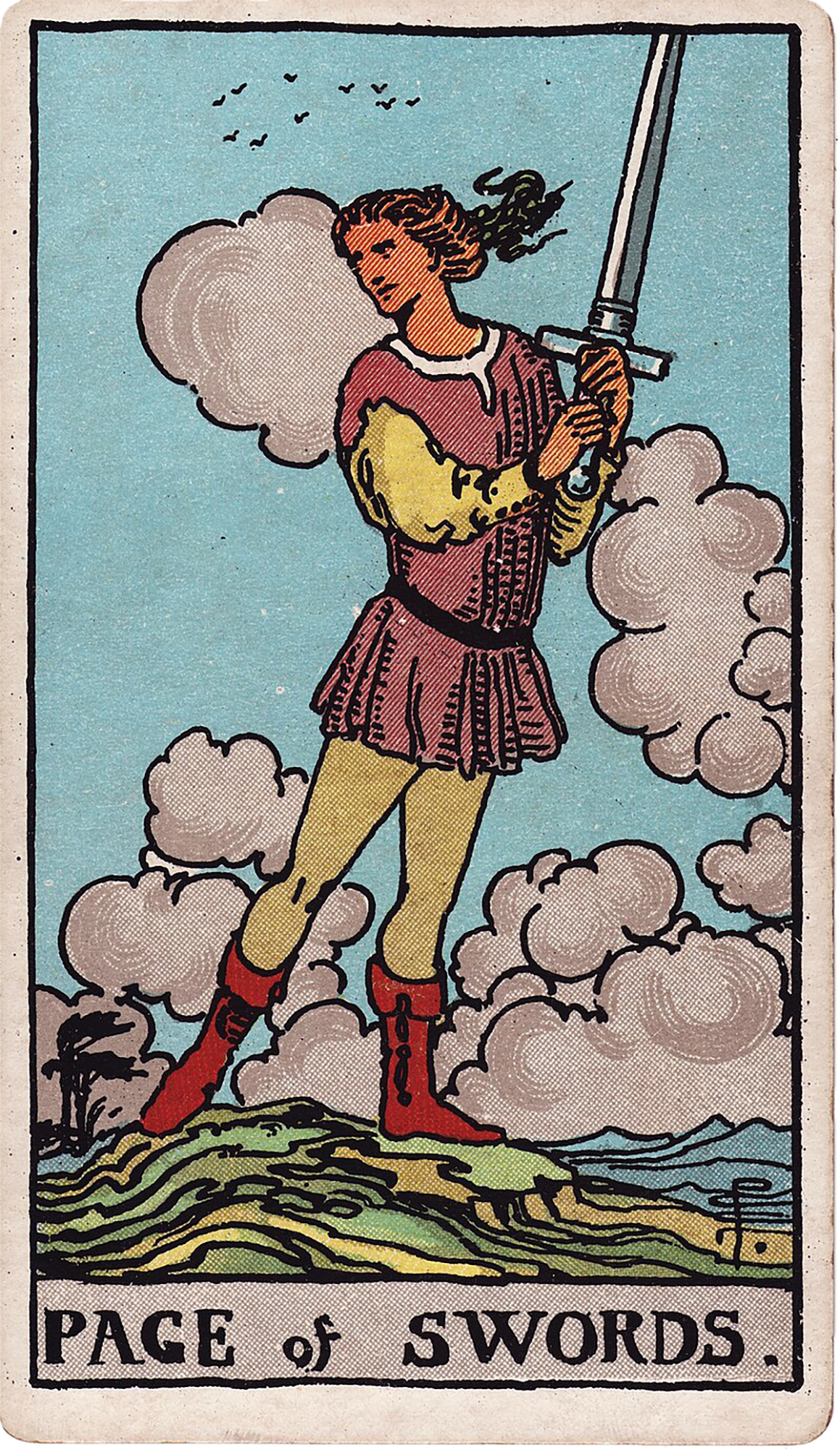 Page of Swords
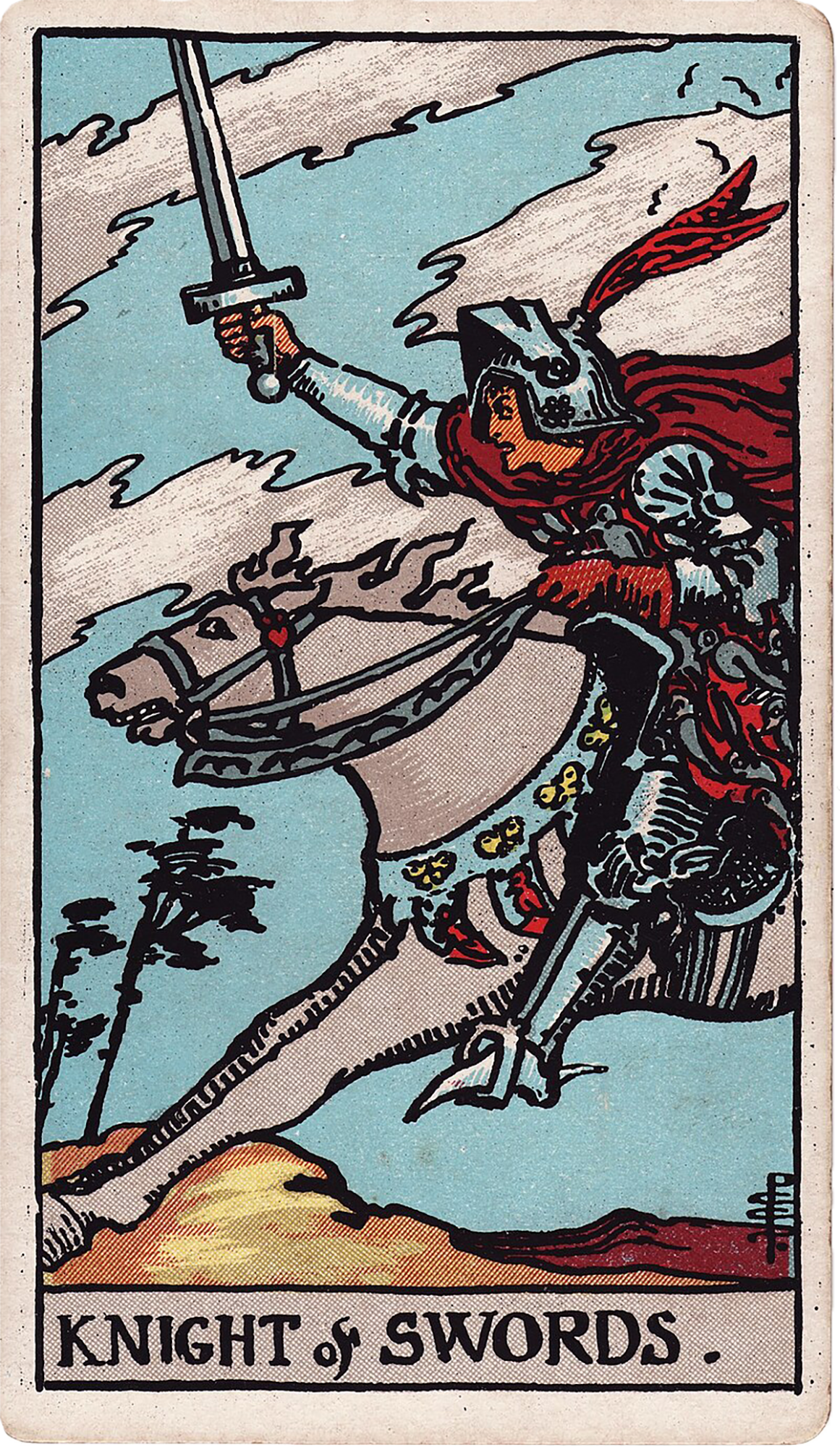 Knight of Swords
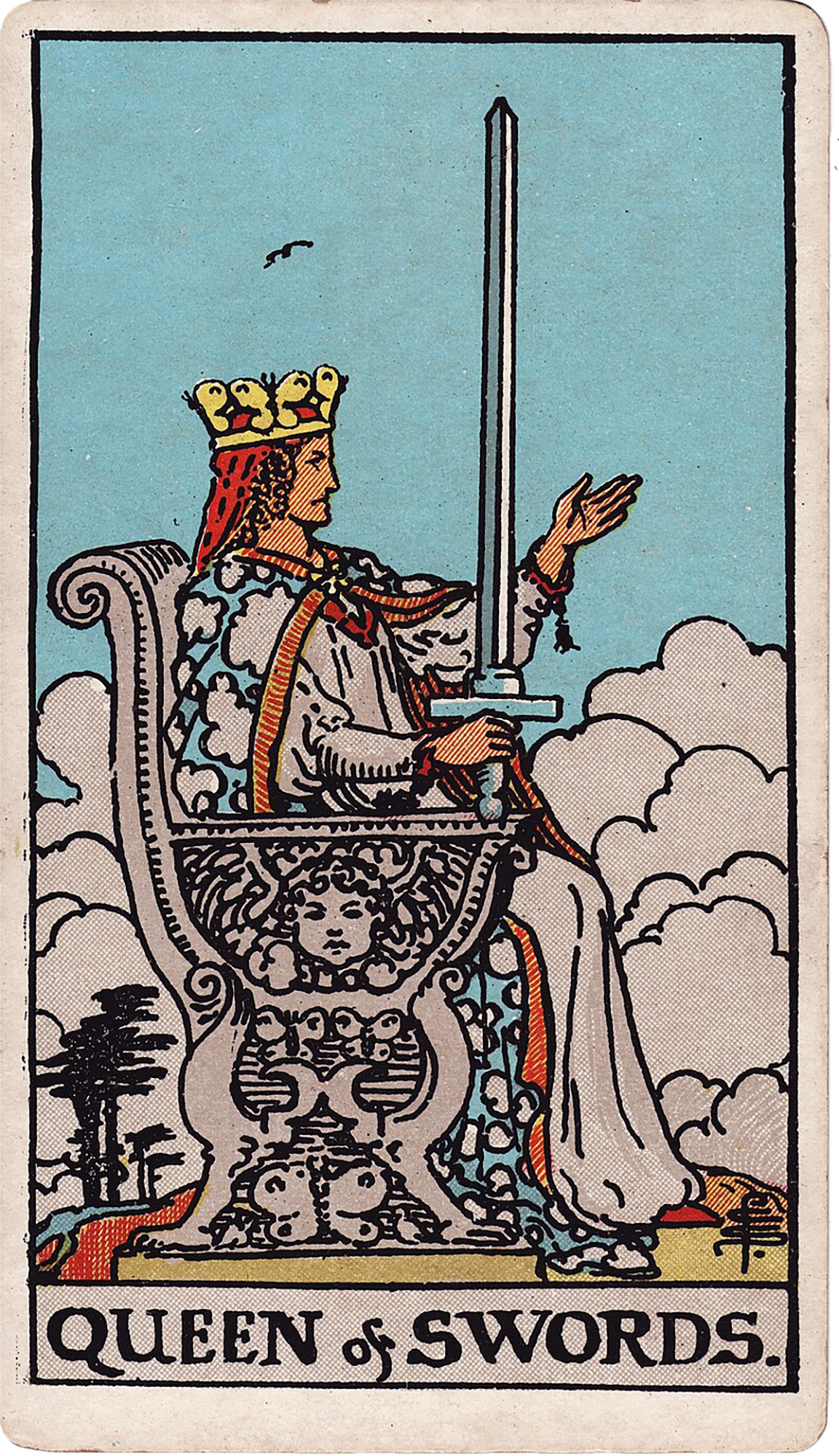 Queen of Swords
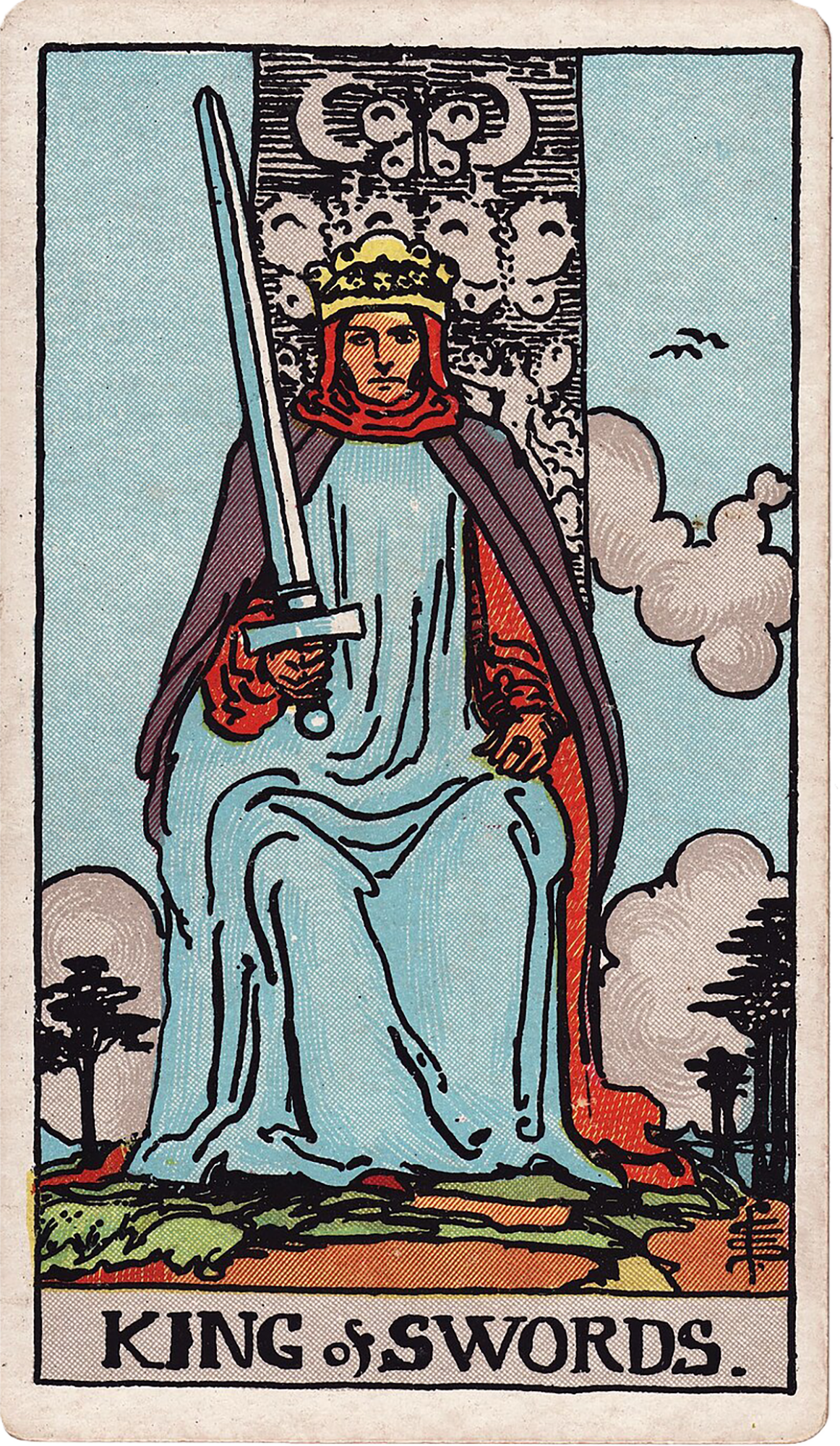 King of Swords
Understanding the Court Cards as a Family within the Suit of Swords
The court cards of the Suit of Swords—Page, Knight, Queen, and King—function as archetypal figures that represent evolving stages and facets of intellectual and communicative energy. Unlike numbered cards, which often describe situations or developments, court cards personify modes of thought, approach to conflict, and styles of interaction. In the Rider-Waite-Smith deck, each figure wields a sword, symbolizing mental clarity, power, and the ability to cut through confusion. The imagery for these cards emphasizes different maturity levels, temperaments, and attitudes toward truth, communication, and decision-making. When reading, it is valuable to view these cards as a symbolic family or hierarchy that can reflect internal processes or actual people within the querent's life. This family symbolism helps articulate the complexity of the mental and communicative landscape that the Suit of Swords governs.
Page of Swords as the Embodiment of Mental Curiosity and Vigilance
The Page of Swords introduces an energy of alertness, curiosity, and youthful intellectual engagement. The figure holds the sword aloft, eyes scanning the horizon, symbolizing vigilance and readiness to learn or confront new ideas. Traditionally, the Page can signal beginnings in thought processes or communication patterns. This card's upright meaning highlights a practical approach to gathering information and questioning assumptions, emphasizing skills like strategy, truth-seeking, and clear communication. When upright, the Page encourages active engagement with mental challenges, though it may still carry some effort or discomfort as new patterns develop. Reversed, the Page warns of scattered attention, defensiveness, or premature conclusions. The imagery suggests that the mental process is stuck or misdirected—perhaps gossip or internal conflict is disrupting clarity. Instead of seeing the reversed Page as simply a negative, readers should investigate where the mental process is blocked or overwhelmed and what simplifications or reflections are needed for healthier communication to resume.
Knight of Swords as the Archetype of Swift, Decisive Action
The Knight of Swords captures the energy of rapid movement, courage in debate, and cutting through delays or confusion. The image of the Knight charging forward with sword drawn signifies decisive intellectual action and a readiness to confront challenges head-on. Upright, this card encourages harnessing clear strategy and forthright communication to resolve issues efficiently. It reflects mental agility but also requires awareness of the context to avoid reckless or impulsive behavior. Reversed, the Knight cautions against recklessness, tunnel vision, or aggressive verbal confrontations. The symbolism warns that speed without nuance can lead to unintended consequences or emotional harm. Rather than rejecting the reversed meaning, tarot practitioners should consider where the querent or situation is moving too fast or ignoring important subtleties, and what steps are necessary to regain balance and thoughtful insight.
Queen of Swords as the Figure of Clear-Minded Independence and Honesty
The Queen of Swords is traditionally a symbol of intellectual maturity, independence, and clear, honest communication. Her upright image often shows a seated figure holding a sword upright, with a gaze that suggests both compassion and firmness. The Queen embodies setting healthy boundaries and communicating truth without cruelty or unnecessary emotional entanglement. When upright, this card encourages clarity, strategic thinking, and balanced honesty in relationships or decisions. The Queen’s intellectual authority is tempered by a humane approach, integrating thought and feeling in measured ways. Reversed, the Queen can represent bitterness, excessive criticism, or emotional withdrawal. The imagery invites reflection on whether intellect is being used defensively to avoid vulnerability or if communication has become harsh or isolating. Readers should explore what emotional or mental adjustments might release this stuck energy and restore a healthier integration of head and heart.
King of Swords as the Symbol of Mature Intellectual Authority and Strategic Judgment
The King of Swords stands as a figure of mature, principled leadership in the realm of thought and communication. The Rider-Waite-Smith image portrays the King seated on a throne adorned with symbols of air and justice, holding a sword upright as a sign of clarity and authority. Upright, he represents decisions based on evidence and principle, strategic judgment, and the wise application of intellect. This card encourages readers to seek balanced authority that treats others as participants rather than problems and to employ logic and truth as tools for constructive outcomes. Reversed, the King signals potential abuses of intellectual power—coldness, manipulation, or arrogance. The reversal asks the reader to probe where judgment has become rigid or disconnected from ethical considerations and what must be communicated or acknowledged to return to balanced, fair leadership.
Technique for Reading the Suit of Swords Court Cards in Practice
When interpreting the Page, Knight, Queen, and King of Swords, start by situating each card within the querent’s context and the broader narrative of the spread. Because these cards represent different stages or modes of mental and communicative energy, consider whether the reading points to emerging ideas (Page), immediate action (Knight), refined communication (Queen), or mature strategic thinking (King). Pay close attention to the card’s position and surrounding cards to understand if the energy is beginning, developing, under pressure, or moving toward resolution. Upright cards often indicate constructive application of Swords qualities, while reversed cards suggest blockages, excesses, or internalized challenges. Do not treat reversals simply as opposites; instead, explore what mental habit or communicative pattern is stuck and what needs simplification, acknowledgment, or practice. For example, the reversed Knight of Swords may not only warn of recklessness but also urge slowing down to regain clarity. Using this approach, readers can offer nuanced guidance that supports the querent’s mental and emotional growth.
Common Mistakes and How to Avoid Them
A frequent error in reading these court cards is treating them as fixed personality types rather than dynamic symbolic energies. Remember that each court card can represent a process or approach to thought rather than a specific person. Avoid overly deterministic interpretations that pigeonhole querents or situations. Another mistake is equating reversed cards with purely negative outcomes. Instead, view reversals as invitations to deeper exploration of what internal or external blockages exist and how the querent might move toward healing or balance. Overlooking the context of the spread and the nuanced symbolism in the rider-waite-smith imagery can also lead to shallow readings. Always anchor your interpretation in the card’s symbolism, posture, facial expression, and environment as shown in the supplied images. This practice enriches the reading with layered meanings connected to traditional tarot wisdom.
Reflection and Application for Learners
Interpreting the court cards in the Suit of Swords is as much about understanding the symbolic language of intellect, communication, and justice as it is about applying practical reading skills. Reflect on where in your own life or in your readings you see the patterns embodied by the Page, Knight, Queen, and King. How do these figures mirror different mental states or communication styles? Practice by drawing these cards in various positions and journaling their meanings in context. Notice how surrounding cards influence their interpretation and how upright and reversed positions shift the narrative. Continually return to the Rider-Waite-Smith imagery to deepen your symbolic literacy, and consider these court cards not only as static personalities but as evolving energies that guide mental clarity, strategy, and truthful communication.
Practice questions
• How does viewing the court cards as a symbolic family within the Suit of Swords enhance your understanding of mental and communicative processes?
• In what ways can the Page of Swords’ vigilant curiosity be both constructive and challenging in real-life situations?
• How might the Knight of Swords’ energy be balanced to avoid recklessness while still encouraging decisive action?
• What lessons can the Queen of Swords teach about setting boundaries and communicating honestly without causing unnecessary harm?
• How can the King of Swords’ mature intellectual authority be practiced responsibly to avoid coldness or manipulation?
• When you encounter reversed court cards in the Suit of Swords, what strategies help you explore the underlying blockages or imbalances?
Comments
Sign in to comment.
Continue learning
Interpreting the Dance of Justice and The Devil: Balancing Morality and Temptation in Tarot Readings
The combination of Justice and The Devil in tarot presents a profound exploration of morality, temptation, and personal accountability. This article unpacks how these cards influen...
Advanced Techniques for Combining The Moon and The Star to Enhance Intuition in Tarot Readings
This article explores advanced techniques to combine the symbolism and energy of The Moon and The Star Tarot cards to enhance intuition during Tarot readings. Drawing from traditio...
Unlocking Life Insights with the Celtic Cross Tarot Spread
This article offers a thorough exploration of the Celtic Cross Tarot Spread, focusing on its application within family and practical life contexts. Using a worked example featuring...
Unlocking Hidden Meanings with The Hermit and The Hanged Man for Spiritual Growth
This article offers an in-depth exploration of The Hermit and The Hanged Man Tarot cards focusing on their roles in spiritual growth. It guides readers through beginner and advance...
Unlocking Personal Insight with the Seven Card Horseshoe Spread
The Seven Card Horseshoe Spread is a practical and insightful Tarot layout ideal for exploring personal and family dynamics. This article breaks down each position—Past, Present, H...
Mastering the Court Cards of Wands for Unlocking Personal Drive and Leadership
The Court Cards of Wands represent a dynamic spectrum of personal energy, ambition, and leadership potential within the Minor Arcana. This article offers a comprehensive exploratio...
Tracing the Origins and Evolution of The Fool Card in Tarot History
The Fool card holds a foundational place in tarot tradition, symbolizing beginnings, openness, and the embrace of uncertainty. This article traces its origins from early European d...
Techniques for Reading Court Cards to Unlock Personality Insights
Court cards in Tarot often represent people, personality traits, or energy patterns within a situation. This article offers a structured approach for beginners and advanced readers...
Unlocking Emotional Transformation with Death and The Moon Tarot Combination
This article explores the rich and complex interaction between the Death and The Moon tarot cards within the Rider-Waite-Smith tradition, focusing on their combined potential to un...
Applying The Star Card to Foster Hope and Renewal in Personal Growth
The Star card in Tarot symbolizes hope, authenticity, and the process of steady renewal. In a single-card reading, The Star encourages embracing what is present, cultivating openne...