
Unlocking the Symbolism and Elemental Meanings of the Suit of Swords for Deeper Tarot Insight
The Suit of Swords is a powerful component of Tarot that embodies the element of Air, representing intellect, communication, conflict, and the mental realm. This article explores the symbolism and elemental meanings of four major Sword cards—the Ace, Page, Knight, and Queen of Swords—offering deep insight into how their imagery and traditional Rider-Waite-Smith associations can enhance practical Tarot reading. Through detailed card analysis, contextual examples, and recommended interpretation strategies, learners will gain tools to navigate the challenges and opportunities these cards reveal. Recognizing the layered messages of upright and reversed positions and understanding common interpretative pitfalls unlocks more nuanced readings and enriches the connection to the Suit’s energetic theme of mental clarity and decision-making.
Cards explored in this article
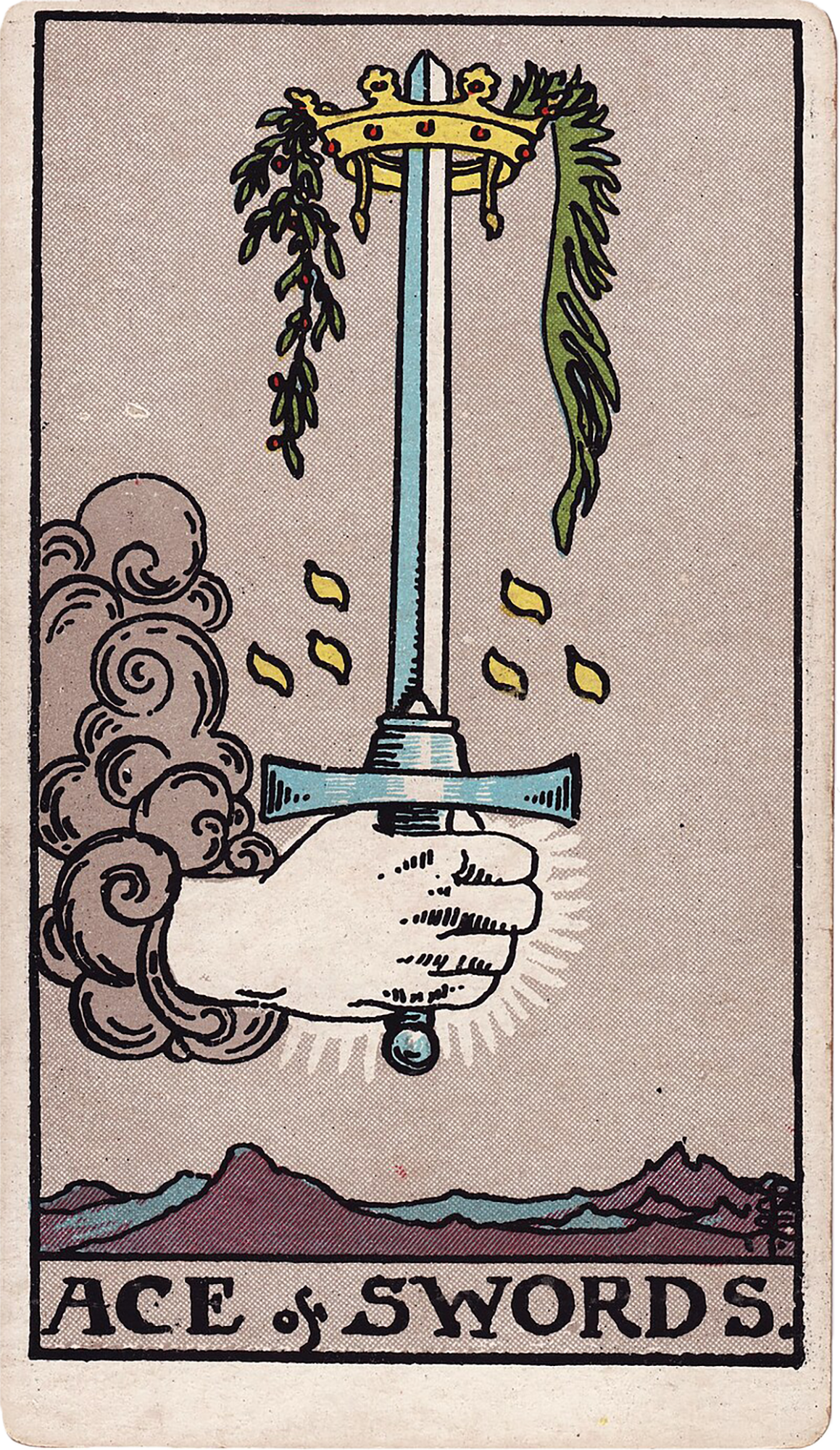 Ace of Swords
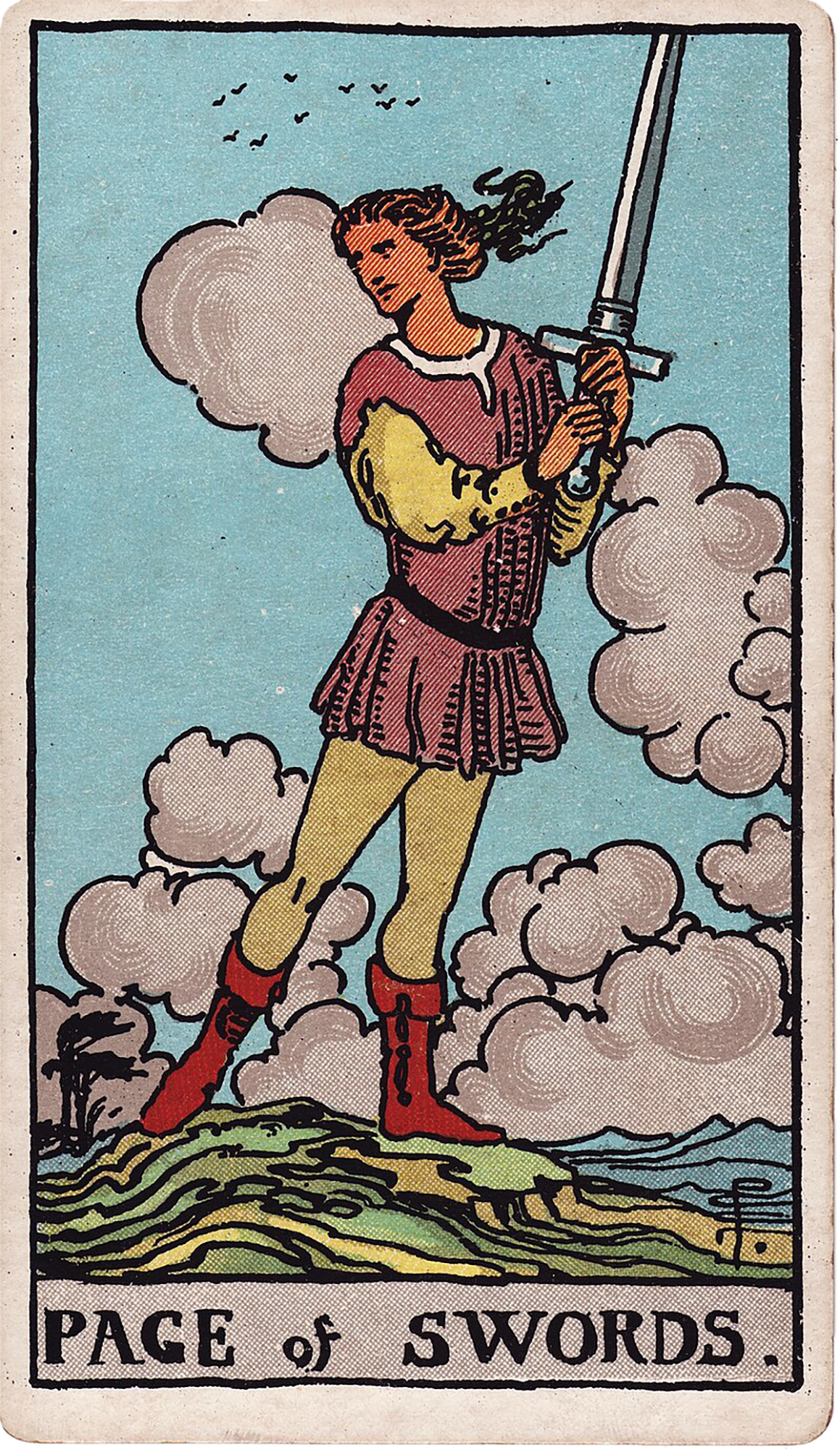 Page of Swords
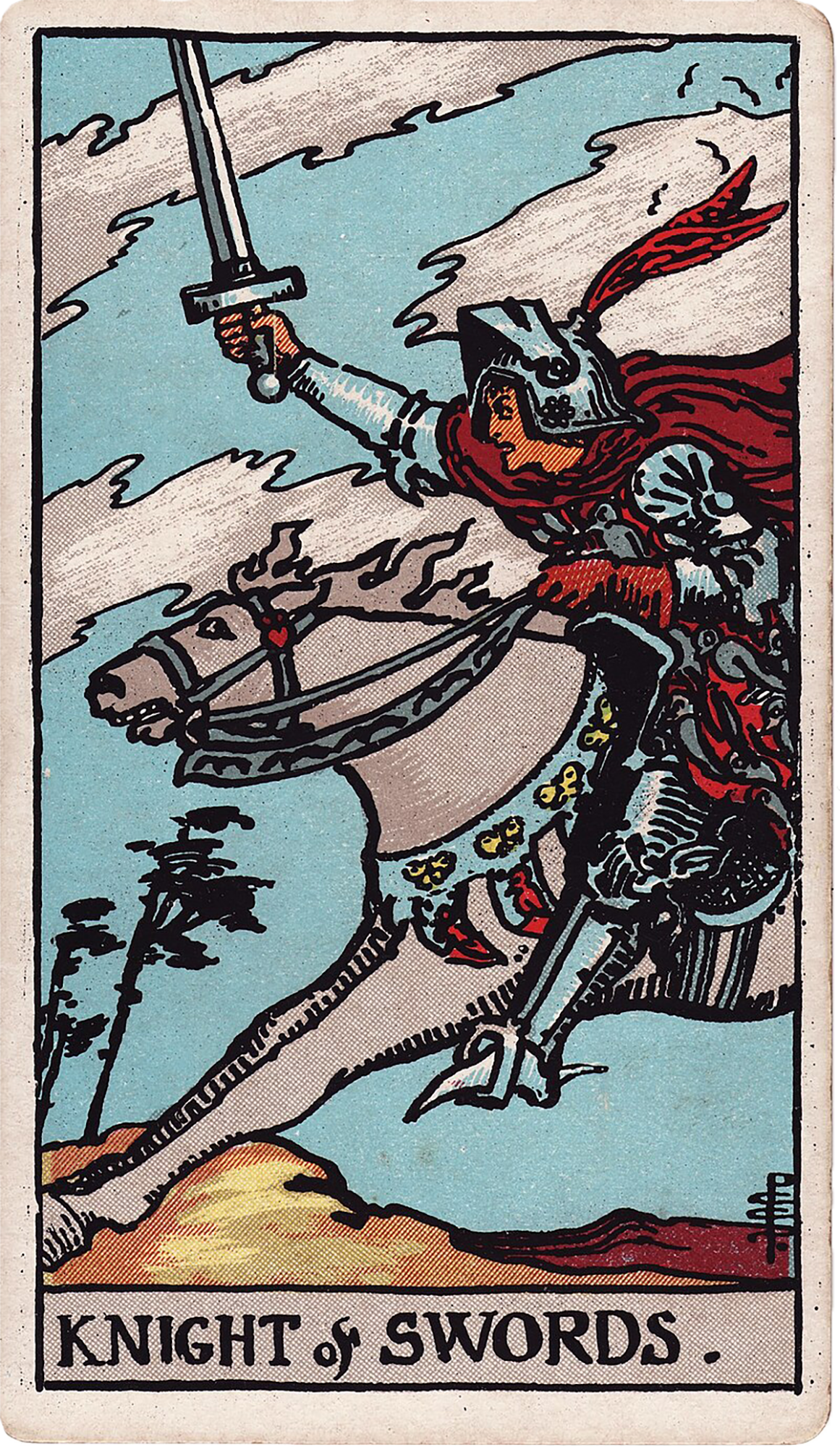 Knight of Swords
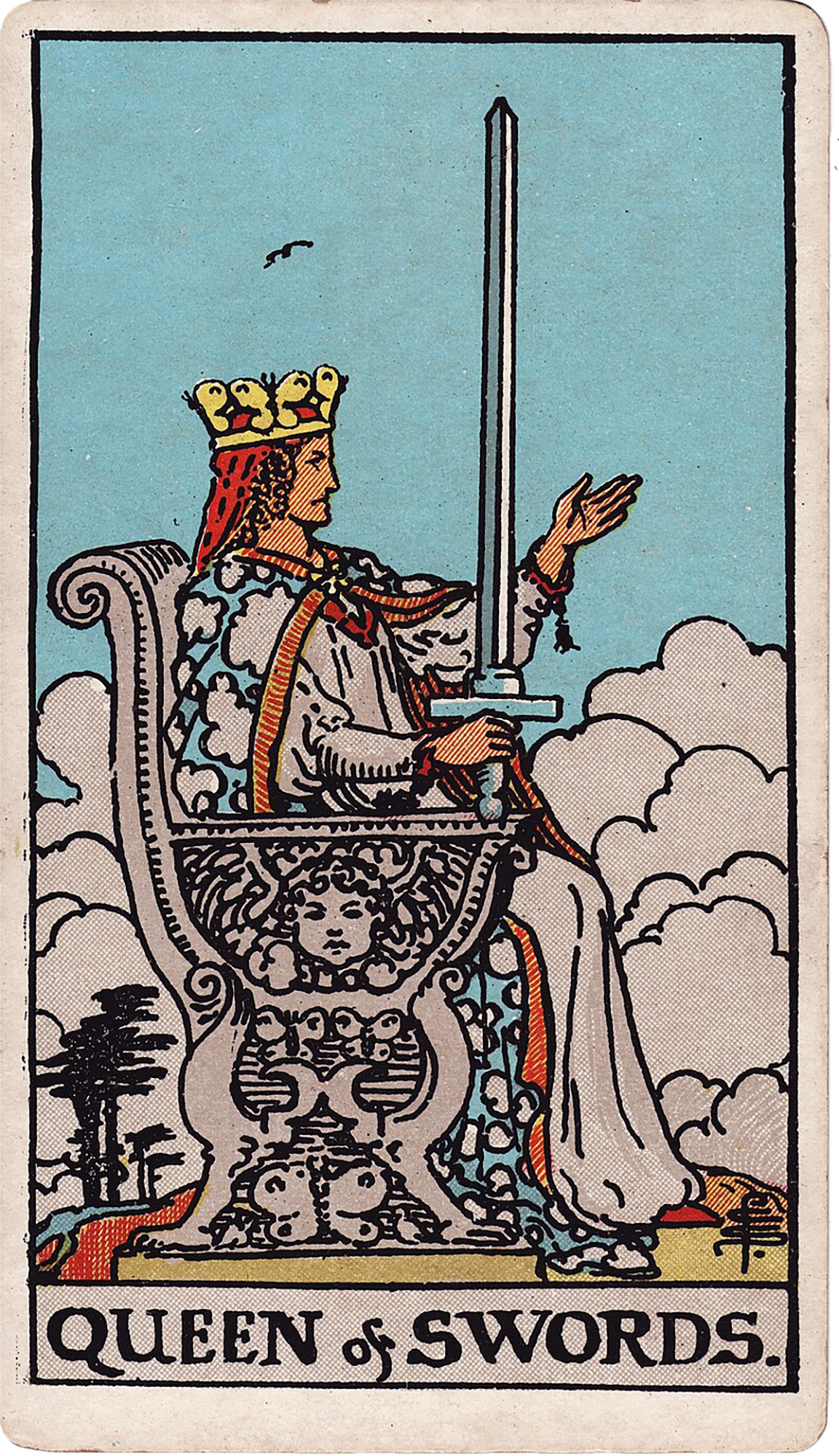 Queen of Swords
Introduction to the Suit of Swords and Its Elemental Meaning
In Tarot, the Suit of Swords corresponds to the element of Air, which governs the mind, communication, and intellectual pursuits. Traditionally associated with thought processes, conflict, decisions, and the consequences of mental habits, Swords invite us to examine how we wield our intellect in daily life. Recognizing the elemental context is crucial; Air is invisible yet powerful, moving swiftly and cutting through illusion. This elemental energy often manifests as clarity of thought, but also as challenges such as conflict and struggle. The Suit of Swords therefore symbolizes both the potential for insight and the tension inherent in mental or communicative challenges. The Rider-Waite-Smith deck visually reinforces this through imagery of swords piercing clouds or held upright with emphasis on sharp clarity or defensive posture.
Ace of Swords Symbolism and Interpretation Techniques
The Ace of Swords, as the beginning card of the Suit, represents the birth of clear insight or intellectual breakthrough. Upright, it signals a decisive moment where confusion is cut through, offering an opportunity for truthful communication or strategic action. The imagery often depicts a single sword crowned or surrounded by light, symbolizing the dawning of mental clarity. Its practical reading involves identifying where in the querent’s life a new perspective or decision is needed. The card encourages responses grounded in present realities rather than abstract ideals. In reversal, the Ace warns about misuse of logic, harshness, or intellectual confusion. Readers should avoid interpreting reversed Aces as mere opposites and instead probe where mental processes have stagnated or become harmful. Asking what must be simplified or communicated can reveal pathways back to constructive clarity.
Page of Swords as a Symbol of Mental Curiosity and Vigilance
The Page of Swords embodies youthful curiosity, mental agility, and the desire to gather information with vigilance. Upright, this card depicts a figure alert with a sword raised, ready to explore ideas or defend truth. It encourages asking questions and cautious communication as a way forward. Its symbolism highlights the early stages of intellectual engagement and learning. When reading the Page upright, one should consider where the querent is beginning a mental or communicative process, and what practical steps can nurture careful observation or inquiry. Reversed, the Page signals scattered attention, defensiveness, or gossip. Rather than treating this as merely a negative, readers should explore how impulsive or misdirected communication is impeding progress. Reflection on what needs to be released or better understood will support healthier expression of the card’s core themes.
Knight of Swords and the Dynamics of Swift Decision and Action
The Knight of Swords represents rapid, decisive action, intellectual courage, and the ability to cut through delays or confusion. His imagery typically shows a knight charging forward, sword raised high, symbolizing boldness and mental force. Upright, this card encourages energetic pursuit of clarity and the courage to engage directly with conflict or debate. The Knight’s message is practical: where is swift mental action needed, and how can the querent balance speed with awareness of consequences? Reversed, the Knight warns against recklessness, tunnel vision, or aggressive communication. It highlights situations where speed has overtaken nuance, causing harm or misunderstanding. In interpretation, readers should look beyond a simple warning and ask how the querent can temper their approach, simplify their aims, and practice mindful communication to regain control.
Queen of Swords as a Guide to Clear-Minded Independence and Honest Boundaries
The Queen of Swords symbolizes mature intellect, independence, and communication grounded in honesty without cruelty. Visually, she is often depicted as a poised figure holding a sword upright, with a clear, discerning gaze. Her presence in a spread encourages setting honest boundaries and embracing truth with compassion. Upright, she advises clarity in thought and speech, valuing fairness and emotional maturity. When the Queen appears reversed, her qualities may become distorted into bitterness, excessive criticism, or intellectual avoidance of emotional complexity. The reversal invites reflection on internal blocks or imbalances in expressing intellect and emotion. Practical reading suggests looking at where honesty is needed but must be tempered with kindness, or where isolation is hindering growth. The Queen’s energy prompts integration of mental clarity with empathetic communication.
Common Mistakes in Interpreting the Suit of Swords and How to Avoid Them
A common error when reading Swords is to treat reversed cards as simply the opposite of their upright meanings. This can oversimplify complex psychological or situational dynamics. Instead, consider reversals as signals that the mental or communicative process has stalled or become unhealthy. Another pitfall is ignoring the practical and present-moment focus of the Suit; readers sometimes interpret Swords too abstractly rather than looking for real-world decisions or communication tasks. Additionally, overemphasizing conflict without recognizing the Suit’s potential for constructive thought and strategy limits reading depth. To avoid these mistakes, always place Sword cards within the broader narrative of the spread and ask how their energies are manifesting currently. Use surrounding cards to gauge the stage of development—whether beginning, evolving, or resolving—and maintain awareness of the querent’s lived experience.
Practical Techniques for Reading Swords Cards for Deeper Insight
To deepen insight when working with the Suit of Swords, start by identifying the elemental Air attributes in the card imagery and meanings: thought, communication, conflict, and truth. Anchor your interpretation in the practical advice the cards offer — what decisions or conversations does the querent face? For example, with the Ace of Swords, look for signs of an intellectual breakthrough or the need for clear communication. With the Page of Swords, focus on vigilance and asking pertinent questions. The Knight’s urgency calls for swift but mindful action, while the Queen urges balancing honesty with emotional intelligence. When cards appear reversed, pause to ask what mental habits, communication blocks, or emotional defenses are interfering. Use journaling or dialogue prompts to probe these areas with querents. Finally, always cross-reference Sword cards with neighboring cards to understand the mental journey’s beginning, tension, or resolution phases.
Examples and Interpretation Logic Anchored to the Supplied Cards
Consider a spread featuring the upright Ace of Swords. The querent may be experiencing a moment of clarity about a complex problem—perhaps a conflict at work or a major decision requiring truth and strategy. The card’s imagery invites recognition of this sharp insight and encourages action that aligns with present realities rather than wishful thinking. If reversed, the same card warns of mental confusion or harsh judgment, prompting the reader to explore where the querent’s logic might be weaponized or clouded. With the Page of Swords upright, the querent might be in an investigative phase, gathering facts cautiously; reversed, it cautions against gossip or defensiveness. The Knight of Swords upright signals a time for swift, brave communication or action, but reversed, it suggests recklessness or ignoring consequences. Lastly, the Queen of Swords upright supports setting honest boundaries and clear communication, while reversed she points to bitterness or intellectual avoidance of feelings. By repeatedly referring to the imagery and traditional symbolism—swords held upright or pointed downward, figures’ postures, facial expressions—readers can ground their interpretations in concrete visual clues rather than abstract guesses.
Practice questions
• How does the elemental association of Air shape the core themes of the Suit of Swords?
• In what ways can the Ace of Swords inform decisions that require clear intellectual insight?
• How can recognizing the Page of Swords’ curiosity and vigilance enhance your approach to gathering information?
• What are some practical ways to balance the Knight of Swords’ urgency with thoughtful consideration?
• How do the upright and reversed Queen of Swords illustrate the balance between honest communication and emotional complexity?
• What strategies can help identify when Sword card reversals indicate stuck mental processes rather than simply negative outcomes?
• How can the imagery of these Sword cards guide you in distinguishing between healthy conflict and destructive argument?
Comments
Sign in to comment.
Continue learning
Interpreting the Dance of Justice and The Devil: Balancing Morality and Temptation in Tarot Readings
The combination of Justice and The Devil in tarot presents a profound exploration of morality, temptation, and personal accountability. This article unpacks how these cards influen...
Advanced Techniques for Combining The Moon and The Star to Enhance Intuition in Tarot Readings
This article explores advanced techniques to combine the symbolism and energy of The Moon and The Star Tarot cards to enhance intuition during Tarot readings. Drawing from traditio...
Unlocking Life Insights with the Celtic Cross Tarot Spread
This article offers a thorough exploration of the Celtic Cross Tarot Spread, focusing on its application within family and practical life contexts. Using a worked example featuring...
Unlocking Hidden Meanings with The Hermit and The Hanged Man for Spiritual Growth
This article offers an in-depth exploration of The Hermit and The Hanged Man Tarot cards focusing on their roles in spiritual growth. It guides readers through beginner and advance...
Unlocking Personal Insight with the Seven Card Horseshoe Spread
The Seven Card Horseshoe Spread is a practical and insightful Tarot layout ideal for exploring personal and family dynamics. This article breaks down each position—Past, Present, H...
Mastering the Court Cards of Wands for Unlocking Personal Drive and Leadership
The Court Cards of Wands represent a dynamic spectrum of personal energy, ambition, and leadership potential within the Minor Arcana. This article offers a comprehensive exploratio...
Tracing the Origins and Evolution of The Fool Card in Tarot History
The Fool card holds a foundational place in tarot tradition, symbolizing beginnings, openness, and the embrace of uncertainty. This article traces its origins from early European d...
Techniques for Reading Court Cards to Unlock Personality Insights
Court cards in Tarot often represent people, personality traits, or energy patterns within a situation. This article offers a structured approach for beginners and advanced readers...
Unlocking Emotional Transformation with Death and The Moon Tarot Combination
This article explores the rich and complex interaction between the Death and The Moon tarot cards within the Rider-Waite-Smith tradition, focusing on their combined potential to un...
Applying The Star Card to Foster Hope and Renewal in Personal Growth
The Star card in Tarot symbolizes hope, authenticity, and the process of steady renewal. In a single-card reading, The Star encourages embracing what is present, cultivating openne...