
Unlocking the Symbolism of The Hanged Man in Tarot for Surrender and New Perspectives
The Hanged Man tarot card invites readers to explore the themes of intentional pause, surrender, and gaining fresh perspectives. This article examines both upright and reversed positions of The Hanged Man as depicted in the supplied Rider-Waite-Smith-inspired imagery, emphasizing its symbolism in personal and situational transformation. Through detailed exploration of the card's symbols, practical reading advice, and common interpretive pitfalls, learners can deepen their understanding of how this archetype functions as a powerful tool for awareness and growth in tarot readings.
Cards explored in this article
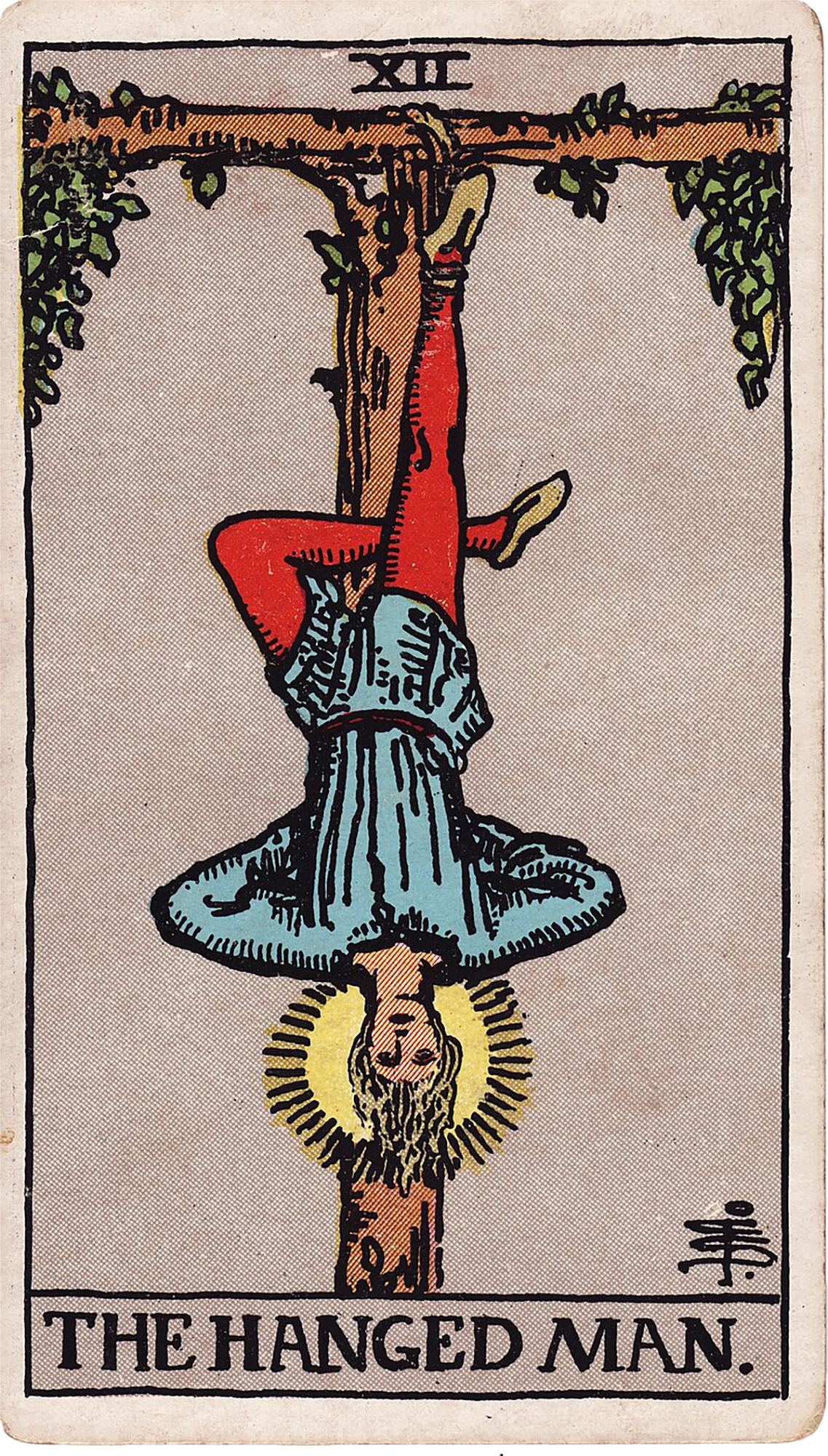 The Hanged Man
Introduction to The Hanged Man and Its Symbolism
The Hanged Man is a profound archetype in the tarot deck, rich with symbolism that speaks to the necessity of pausing, surrendering control, and embracing new ways of seeing. Traditionally depicted as a figure suspended upside down by one foot, The Hanged Man challenges conventional perspectives by literally inverting the world. In the Rider-Waite-Smith imagery seen here, the calm expression of the figure highlights a voluntary, contemplative suspension rather than suffering. This card invites readers to reflect on moments when action is less effective than deliberate waiting or reconsideration. In the upright position, this card emphasizes conscious surrender and the transformative power of perspective shifts. When reversed, it often points to resistance or stagnation around these themes, signaling a blockage or imbalance in the energy of surrender.
Analyzing The Hanged Man Upright in Detail
When The Hanged Man appears upright, the symbolism encourages a deliberate pause and release of control to allow new understanding to emerge. The imagery of the figure hanging by one foot, often with a halo or glowing light around the head, represents enlightened insight coming from a changed viewpoint. This card urges readers to look beyond conventional reactions and consider what can be learned by stepping back rather than advancing forcefully. It highlights qualities such as patience, acceptance, and openness to paradox. Practically, the card suggests working with available resources and accepting the current state as necessary groundwork for future progress. Key questions to explore include: Where can I pause to gain clarity? What assumptions am I holding onto that need to be released? Which part of my situation has become visible enough to engage with consciously now? Avoid interpreting this card as passivity or defeat; it rather embodies empowered surrender that allows transformation.
Interpreting The Hanged Man Reversed and Its Nuances
In the reversed position, The Hanged Man often signals difficulties related to surrender and perspective shifts. Instead of a willing pause, the card can indicate stagnation, martyrdom, or a refusal to see a different viewpoint. The imagery remains the same, but the energy is distorted or blocked. This might manifest as waiting without learning, internalizing suffering unnecessarily, or resisting the necessary change. The reversed card is not inherently negative; it serves as an important diagnostic tool to identify where balance has been lost or where psychic energy may be trapped. The card can also highlight emerging awareness of old patterns, though full transformation is not yet realized. When reading reversed, it is crucial to examine surrounding cards for clues about whether the reversal points to recovery, resistance, or excess. Common questions include: Where am I stuck or resisting necessary change? How am I possibly exaggerating feelings of sacrifice? What old perspective is beginning to surface but remains unintegrated?
Traditional Rider-Waite-Smith Symbolism and Its Role in Interpretation
The Rider-Waite-Smith deck provides rich iconography for The Hanged Man that enhances interpretive depth. The figure’s serene face and the halo symbolize spiritual insight gained through voluntary suspension. The rope tied to one foot suggests a nonviolent restraint, emphasizing that this state is chosen rather than forced. The crossed legs form a subtle triangle, representing the union of mind, body, and spirit during the pause. The absence of struggle in the posture underscores the theme of acceptance rather than victimhood. Recognizing these symbols helps readers avoid common mistakes, such as confusing The Hanged Man with suffering or helplessness. Instead, understanding the card’s traditional symbolism encourages readings that focus on conscious choice, the value of patience, and the gift of seeing the world anew.
Practical Techniques for Reading The Hanged Man in Tarot Spreads
When The Hanged Man appears in a reading, it is helpful to first identify whether the card is upright or reversed, as this shapes the interpretive framework. Begin by focusing on the imagery: the figure’s expression, the light around the head, and the position of limbs offer clues about the nature of the pause or surrender. Next, consider the context within the spread and the question asked. For example, if the reading concerns a difficult decision, The Hanged Man might suggest that the querent pause to reconsider assumptions rather than rushing ahead. Use the card as a prompt to explore themes like delayed action, insight gained through reflection, or the need to release control. Pay attention to related cards to differentiate between constructive surrender and unhealthy stagnation. It is often effective to encourage querents to journal or meditate on the card’s message, fostering internalization of the new perspective. Avoid the error of rushing to concrete predictions; instead, frame The Hanged Man as a guide to a mental or emotional process that unfolds over time.
Common Mistakes and How to Avoid Them When Interpreting The Hanged Man
A frequent mistake is to interpret The Hanged Man as purely negative or as a sign of helplessness. Because the figure is suspended, readers might mistakenly assume victimhood or punishment, overlooking the card’s core theme of chosen surrender and transformation through perspective. Another common error is ignoring the reversed meaning or treating reversal as a mere 'bad omen.' Instead, view reversal as an invitation to explore resistance, imbalance, or emerging awareness. Overlooking the broader context of the reading can lead to misinterpretation; The Hanged Man’s lesson is subtle and process-oriented, so it requires patience and nuance. To avoid these pitfalls, always anchor interpretations in the card’s symbolism as shown in the supplied images, and inquire about the querent’s willingness to embrace stillness and reflection rather than pushing for quick answers.
Examples of The Hanged Man in Practice and Interpretation Logic
Consider a reading where The Hanged Man appears upright in response to a question about a career change. The card suggests that the querent should pause before making a decision, using this time to reconsider assumptions and see the situation from a different angle. Rather than rushing to action, the reader might explore what limiting beliefs need to be released and what fresh insights could emerge from intentional reflection. Conversely, if The Hanged Man is reversed in a relationship spread, it may indicate that one partner is resisting necessary change or stuck in martyrdom, unwilling to surrender old patterns. The interpretation logic rests on examining how the energy of suspension and surrender is either functioning positively or being blocked. In both cases, the card’s imagery, especially the peaceful expression and the halo, reminds readers that transformation arises not from force but from acceptance and openness.
Integrating The Hanged Man Symbolism into Broader Symbolism Studies in Tarot
The Hanged Man’s symbolism connects deeply with broader themes in symbolism studies, including the archetypes of sacrifice, liminality, and rebirth. Its message aligns with psychological concepts of cognitive reframing and the importance of holding space for inner transformation. Within the tarot family of symbolism, The Hanged Man serves as a bridge between active decision-making cards and those emphasizing reflection and inner work. Its presence in a reading encourages a synthesis of surrender and agency, reminding practitioners that sometimes power lies in letting go. By integrating The Hanged Man’s lessons with other symbolic studies—such as color symbolism, numerology (noting its number XII), and elemental associations—readers can enrich their understanding of spiritual and psychological processes symbolized in tarot.
Practice questions
• Where in my life might I benefit from pausing and adopting a new perspective instead of pushing forward?
• How do I typically respond to situations that require surrender or delayed action?
• What assumptions or beliefs am I holding onto that could be challenged by The Hanged Man’s message?
• In what ways might resistance to change be creating stagnation or unnecessary suffering for me?
• How can I consciously cultivate patience and openness to transformation in my decision-making process?
Comments
Sign in to comment.
Continue learning
Interpreting the Dance of Justice and The Devil: Balancing Morality and Temptation in Tarot Readings
The combination of Justice and The Devil in tarot presents a profound exploration of morality, temptation, and personal accountability. This article unpacks how these cards influen...
Advanced Techniques for Combining The Moon and The Star to Enhance Intuition in Tarot Readings
This article explores advanced techniques to combine the symbolism and energy of The Moon and The Star Tarot cards to enhance intuition during Tarot readings. Drawing from traditio...
Unlocking Life Insights with the Celtic Cross Tarot Spread
This article offers a thorough exploration of the Celtic Cross Tarot Spread, focusing on its application within family and practical life contexts. Using a worked example featuring...
Unlocking Hidden Meanings with The Hermit and The Hanged Man for Spiritual Growth
This article offers an in-depth exploration of The Hermit and The Hanged Man Tarot cards focusing on their roles in spiritual growth. It guides readers through beginner and advance...
Unlocking Personal Insight with the Seven Card Horseshoe Spread
The Seven Card Horseshoe Spread is a practical and insightful Tarot layout ideal for exploring personal and family dynamics. This article breaks down each position—Past, Present, H...
Mastering the Court Cards of Wands for Unlocking Personal Drive and Leadership
The Court Cards of Wands represent a dynamic spectrum of personal energy, ambition, and leadership potential within the Minor Arcana. This article offers a comprehensive exploratio...
Tracing the Origins and Evolution of The Fool Card in Tarot History
The Fool card holds a foundational place in tarot tradition, symbolizing beginnings, openness, and the embrace of uncertainty. This article traces its origins from early European d...
Techniques for Reading Court Cards to Unlock Personality Insights
Court cards in Tarot often represent people, personality traits, or energy patterns within a situation. This article offers a structured approach for beginners and advanced readers...
Unlocking Emotional Transformation with Death and The Moon Tarot Combination
This article explores the rich and complex interaction between the Death and The Moon tarot cards within the Rider-Waite-Smith tradition, focusing on their combined potential to un...
Applying The Star Card to Foster Hope and Renewal in Personal Growth
The Star card in Tarot symbolizes hope, authenticity, and the process of steady renewal. In a single-card reading, The Star encourages embracing what is present, cultivating openne...