
Unveiling the Symbolic Language and Elemental Correspondences of the Suit of Wands in Tarot
The Suit of Wands occupies a vital place in Tarot, representing the fire element and themes of motivation, creativity, and ambition. This article delves into the symbolic language and elemental correspondences of Wands, using detailed examination of the Ace, Page, Knight, and Queen of Wands to illustrate how their imagery and traditional meanings guide practical interpretations. Readers will gain insights on reading Wands cards with nuance, avoid common errors, and employ step-by-step techniques that connect symbolism to real-world situations. The article also emphasizes understanding card reversals not as mere opposites but as indicators of stagnation or imbalance, enhancing the depth of Tarot practice in the realm of Wands.
Cards explored in this article
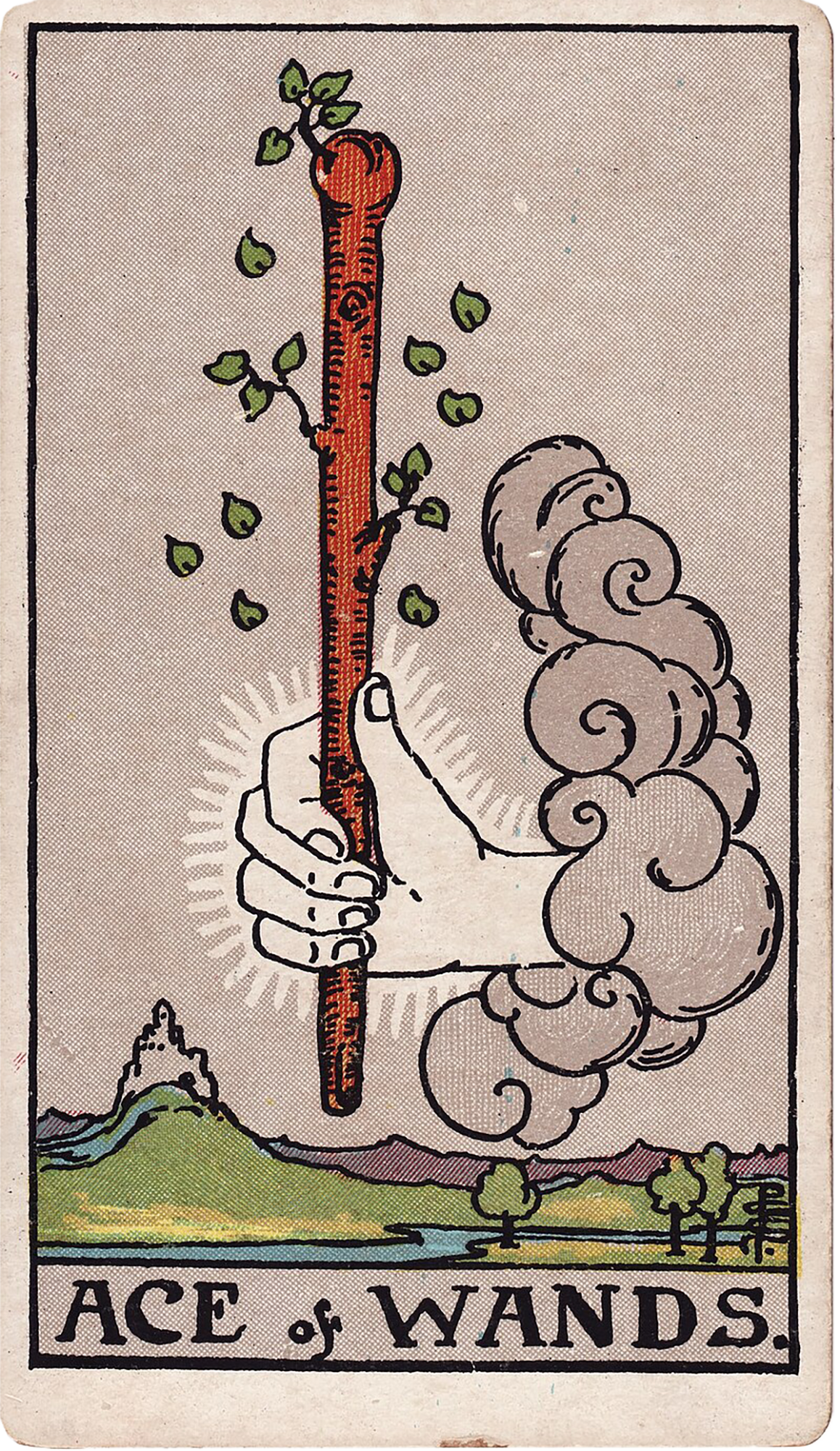 Ace of Wands
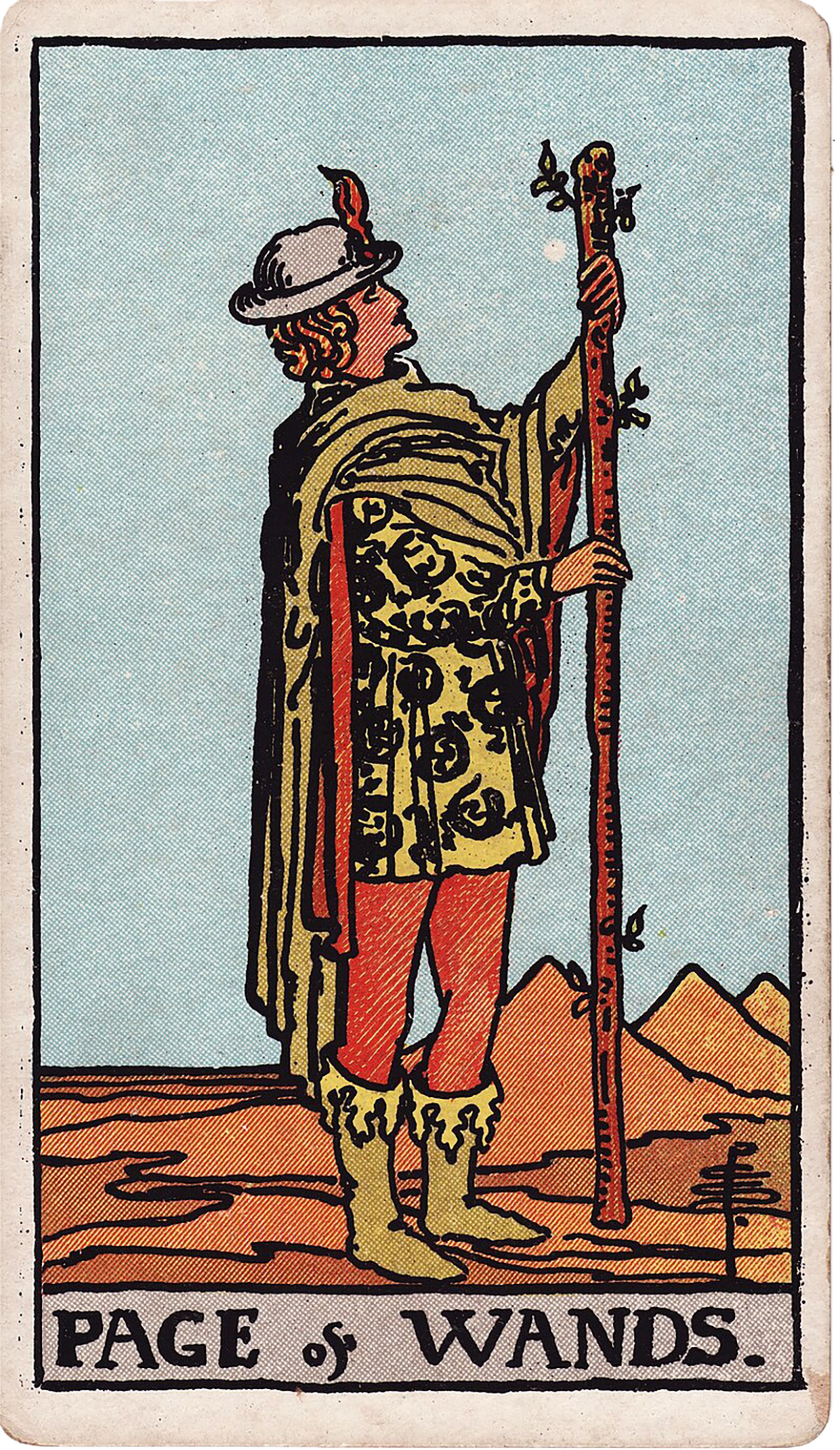 Page of Wands
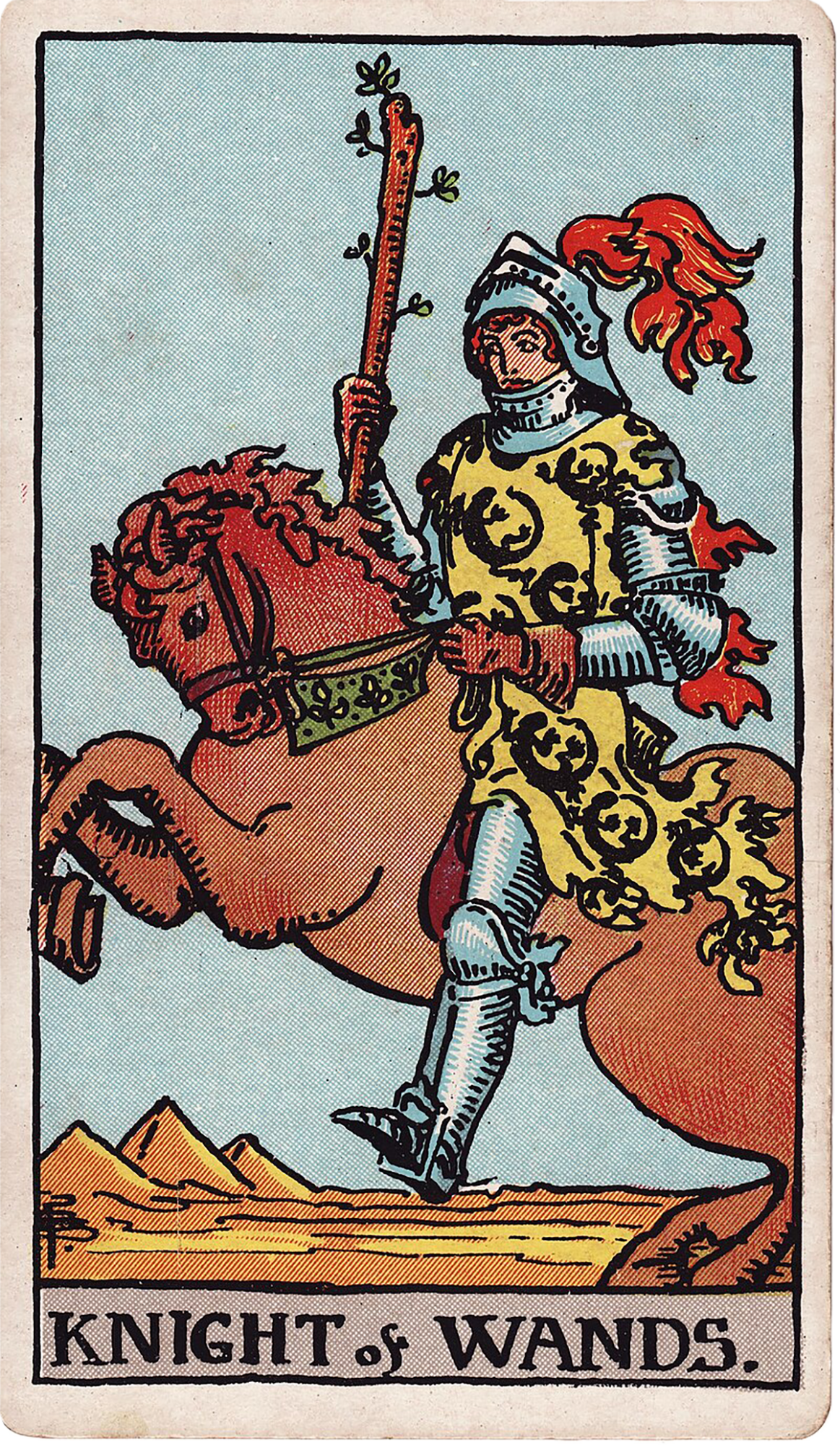 Knight of Wands
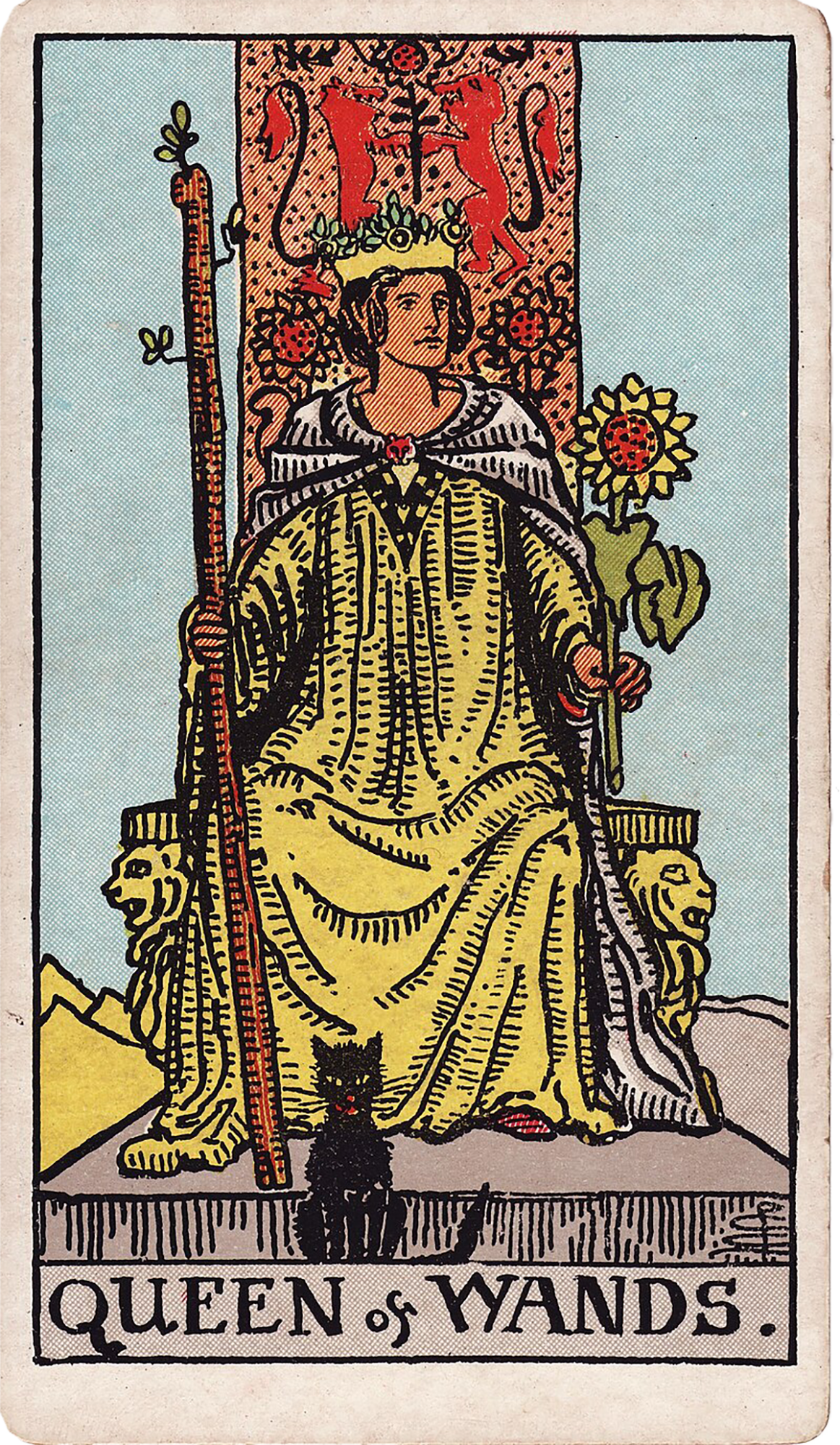 Queen of Wands
Introduction to the Suit of Wands and Its Elemental Foundations
The Suit of Wands is traditionally associated with the element of fire, symbolizing energy, passion, creativity, and the life force that drives initiative. In the Rider-Waite-Smith Tarot system, the Wands suit visually and symbolically communicates these qualities through imagery often featuring wooden staffs or branches, flames, and dynamic movement. Understanding this elemental foundation is crucial to interpreting Wands cards beyond superficial meanings. Fire embodies transformation, drive, and sometimes volatility — all central to the narratives these cards tell. The four Wands court cards and the Ace each represent a stage or aspect within this fiery spectrum, tying personal development to elemental energy. This article will focus closely on the Ace of Wands, Page of Wands, Knight of Wands, and Queen of Wands to unpack their symbolic language, practical reading techniques, and how their elemental correspondences manifest in real-life contexts.
Symbolism in the Ace of Wands: New Impulse and Practical Initiative
The Ace of Wands traditionally heralds a fresh surge of energy or a new beginning rooted in creative impulse. In the Rider-Waite-Smith deck, it is depicted as a sprouting wand held firmly, symbolizing fertile potential and the spark of inspiration. Practically, this card invites the querent to take a first concrete step before enthusiasm wanes. Its upright meaning highlights motivation, ambition, and the directed use of energy, encouraging one to recognize where this emerging force is already visible and how to nurture it for growth. The card’s energy is constructive but demands action aligned with the present moment rather than abstract ideals. When reversed, the Ace of Wands signals blocked inspiration, scattered excitement, or premature action without follow-through. Instead of viewing it simply as a negative, the reversed card prompts reflection on where process breakdowns occur. It calls for simplification, acknowledgment, or practice to restore healthy energy flow. When reading, observe surrounding cards to discern whether this Ace signals the inception, development, escalation, or resolution of energetic patterns.
The Page of Wands as the Embodiment of Beginner Energy and Exploration
The Page of Wands represents the youthful, exploratory phase of fire energy — curiosity, experimentation, and the reception or delivery of a message or idea. The Rider-Waite-Smith depiction often shows a young figure holding a wand upright, gazing at it with intrigue, symbolizing an open, learning attitude toward creative energy. The practical lesson here is to engage with new impulses at a beginner level, testing boundaries and allowing discovery without premature judgment. Upright, the Page of Wands embodies enthusiasm and nascent ambition, motivating action that fits current capacity. Reversed, however, the card warns against immaturity, inconsistency, or fear of appearing inexperienced, which can block progress. It also suggests internal struggles not visible externally. Readers should look beyond the notion of simple opposites and explore which developmental steps or communications are needed to transition from raw excitement to disciplined creativity. This card often signals that embracing vulnerability and patience is necessary for growth.
Knight of Wands Highlighting Decisive Movement and Courage With Direction
The Knight of Wands channels dynamic energy and decisive movement — the courage to act quickly but with conscientious direction. The Rider-Waite-Smith imagery shows a knight on horseback charging forward, emphasizing speed, ambition, and boldness tempered by purpose. In readings, this card signals a phase where motivation is high, and ventures begin to take tangible form. Its upright position invites readers to consider where courage and initiative are being exercised constructively, while also emphasizing the importance of balancing speed with clear goals. The Knight’s energy is potent but can contain underlying effort or discomfort, often tied to managing one’s identity and how energy is directed externally. Reversed, this card brings attention to recklessness, frustration, or restlessness — chasing excitement at the cost of completion or stability. It may also represent repeated patterns of unfinished endeavors. Understanding the Knight’s messages involves discerning when to harness fiery momentum and when to temper haste to avoid burnout or misdirection.
Queen of Wands Representing Creative Leadership and Social Warmth
The Queen of Wands personifies visible confidence, creative leadership, independence, and social warmth. In Rider-Waite-Smith symbolism, she is seated with a sunflower and a black cat, embodying fertility, intuition, and mystery alongside vibrant energy and charisma. The Queen’s upright presence signals a mature expression of fire energy — one that inspires without overpowering others, combining ambition with generosity and social grace. Practically, this card encourages cultivating self-assurance that uplifts rather than diminishes, embracing one’s creative identity with authenticity. The reversed Queen points to challenges such as jealousy, insecurity masked by performance, potential burnout from constant strength projection, or manipulative charm. Unlike simplistic opposites, the reversal invites reflection on internal dynamics that hinder balanced leadership and warmth. It signals a need to simplify, acknowledge vulnerabilities, or communicate openly to restore healthy relational energy.
Practical Techniques for Reading the Suit of Wands
When reading Wands cards, it is essential to ground interpretations in the elemental and symbolic language without defaulting to clichés. Begin by identifying the stage of energy the card represents — inception (Ace), exploration (Page), movement (Knight), or maturity (Queen). Focus on the card’s posture, gestures, accompanying imagery, and how fire manifests — as illumination, heat, growth, or potential volatility. Consider the card’s upright or reversed position not simply as good versus bad but as indicators of balance or blockage within the energy cycle. Use the surrounding cards to contextualize whether the Wands energy is emerging, developing, pressured, or resolving. Ask practical questions: Where is motivation directed? Is ambition constructive or scattered? What identity or creative expression is in focus? Also, observe effort or discomfort signals to avoid over-romanticizing fiery enthusiasm. Avoid common mistakes such as treating reversals as literal opposites, ignoring court card personality nuances, or missing subtle internal conflicts the cards reveal. Integrating these methods will deepen reading accuracy and applicability.
Common Mistakes and How to Avoid Them in Wands Interpretation
A frequent error in interpreting Wands is equating them solely with positive traits like creativity and ignoring their complexity, including restlessness, impatience, or burnout. Another pitfall is treating reversals as mere negatives or contradictions of upright meanings without probing the nuanced ways energy might be stuck or misdirected. For example, the reversed Ace of Wands does not simply mean no creativity but points to where inspiration is blocked or scattered. Similarly, the Knight of Wands reversed demands attention to reckless energy rather than a lack of action. Misreading the court cards by ignoring their developmental symbolism also leads to superficial outcomes; the Queen of Wands’ upright confidence contrasts with the Page’s youthful experimentation, and these stages inform practical advice differently. Overlooking the elemental correspondences of fire—its transformative and sometimes volatile nature—can cause misinterpretation of the intensity or urgency the cards imply. To avoid these mistakes, always contextualize the cards within their elemental framework, consider the querent’s real-life situation, and apply a nuanced reading approach that values process and balance.
Integrating Symbolism and Elemental Correspondences in Practical Readings
The true power of interpreting the Suit of Wands lies in integrating symbolic insight with elemental understanding to offer practical guidance. When the Ace of Wands appears, encourage clients to identify new impulses and take deliberate initial action grounded in present reality. For the Page of Wands, suggest embracing curiosity and experimentation while accepting the learning curve and potential inconsistency. With the Knight of Wands, highlight the importance of courageous, directed movement, advising caution against impulsive recklessness. For the Queen of Wands, reinforce messages of authentic leadership and social warmth, cautioning against burnout or manipulative tendencies. Use the cards’ imagery as visual anchors—such as the sprouting wand of the Ace or the sunflower of the Queen—to evoke deeper intuitive understanding. Acknowledge reversals as opportunities to explore inner blocks and developmental needs rather than mere misfortunes. By combining these approaches, readers can foster meaningful conversations that help querents manage their creative energy, ambition, and identity effectively, leading to actionable insights rather than vague forecasts.
Practice questions
• How does understanding the element of fire deepen your interpretation of the Suit of Wands in Tarot readings?
• In what ways can the upright and reversed meanings of the Ace of Wands inform your approach to new beginnings in a client’s life?
• What practical steps can be suggested when the Page of Wands appears reversed regarding creative exploration or learning processes?
• How can you balance the high energy and decisiveness of the Knight of Wands with the need for careful direction in a reading?
• What internal and external factors might the Queen of Wands reversed be highlighting about confidence and leadership?
• How can you use the symbols within Wands card imagery to connect more intuitively with their meanings during a reading?
• What common mistakes have you noticed in interpreting Wands cards and how will you avoid them going forward?
• How do surrounding cards influence your understanding of whether Wands energy is beginning, developing, or resolving?
Comments
Sign in to comment.
Continue learning
Interpreting the Dance of Justice and The Devil: Balancing Morality and Temptation in Tarot Readings
The combination of Justice and The Devil in tarot presents a profound exploration of morality, temptation, and personal accountability. This article unpacks how these cards influen...
Advanced Techniques for Combining The Moon and The Star to Enhance Intuition in Tarot Readings
This article explores advanced techniques to combine the symbolism and energy of The Moon and The Star Tarot cards to enhance intuition during Tarot readings. Drawing from traditio...
Unlocking Life Insights with the Celtic Cross Tarot Spread
This article offers a thorough exploration of the Celtic Cross Tarot Spread, focusing on its application within family and practical life contexts. Using a worked example featuring...
Unlocking Hidden Meanings with The Hermit and The Hanged Man for Spiritual Growth
This article offers an in-depth exploration of The Hermit and The Hanged Man Tarot cards focusing on their roles in spiritual growth. It guides readers through beginner and advance...
Unlocking Personal Insight with the Seven Card Horseshoe Spread
The Seven Card Horseshoe Spread is a practical and insightful Tarot layout ideal for exploring personal and family dynamics. This article breaks down each position—Past, Present, H...
Mastering the Court Cards of Wands for Unlocking Personal Drive and Leadership
The Court Cards of Wands represent a dynamic spectrum of personal energy, ambition, and leadership potential within the Minor Arcana. This article offers a comprehensive exploratio...
Tracing the Origins and Evolution of The Fool Card in Tarot History
The Fool card holds a foundational place in tarot tradition, symbolizing beginnings, openness, and the embrace of uncertainty. This article traces its origins from early European d...
Techniques for Reading Court Cards to Unlock Personality Insights
Court cards in Tarot often represent people, personality traits, or energy patterns within a situation. This article offers a structured approach for beginners and advanced readers...
Unlocking Emotional Transformation with Death and The Moon Tarot Combination
This article explores the rich and complex interaction between the Death and The Moon tarot cards within the Rider-Waite-Smith tradition, focusing on their combined potential to un...
Applying The Star Card to Foster Hope and Renewal in Personal Growth
The Star card in Tarot symbolizes hope, authenticity, and the process of steady renewal. In a single-card reading, The Star encourages embracing what is present, cultivating openne...