
Unveiling the Symbolic Meanings and Elemental Correspondences of the Ace Tarot Cards
The Ace cards in the Tarot deck mark powerful beginnings that channel elemental energies fundamental to the human experience. This article focuses on the Ace of Wands, Ace of Cups, Ace of Swords, and Ace of Pentacles, revealing their symbolic and elemental meanings within the Rider-Waite-Smith system. By examining their upright and reversed states, the article provides readers with practical approaches to interpretation, common pitfalls to avoid, and techniques for integrating these cards into readings. Anchored by the vivid imagery of each Ace, learners gain a grounded understanding of motivation, emotion, thought, and material opportunity as expressed through the elemental framework essential to Tarot symbolism.
Cards explored in this article
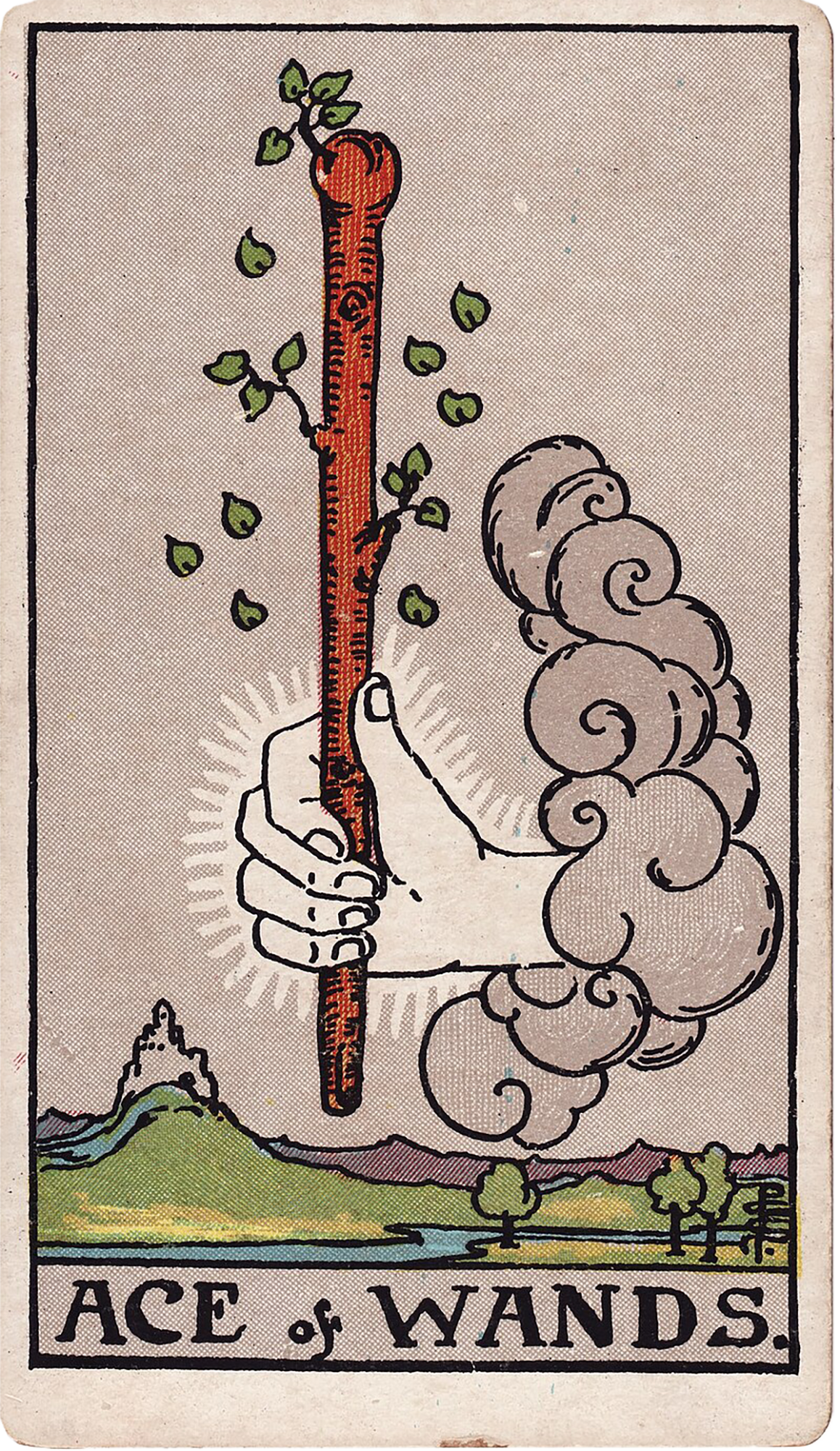 Ace of Wands
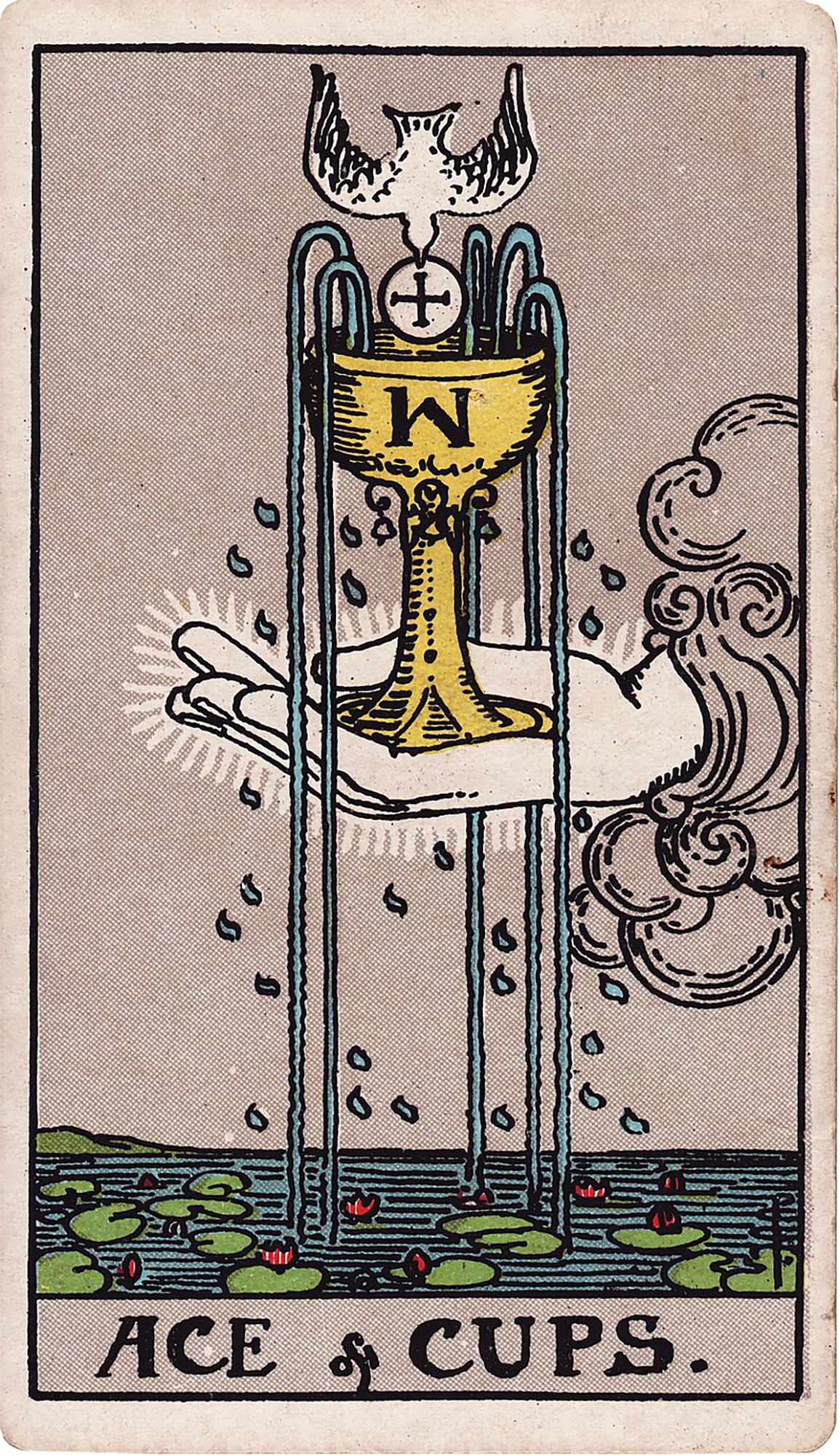 Ace of Cups
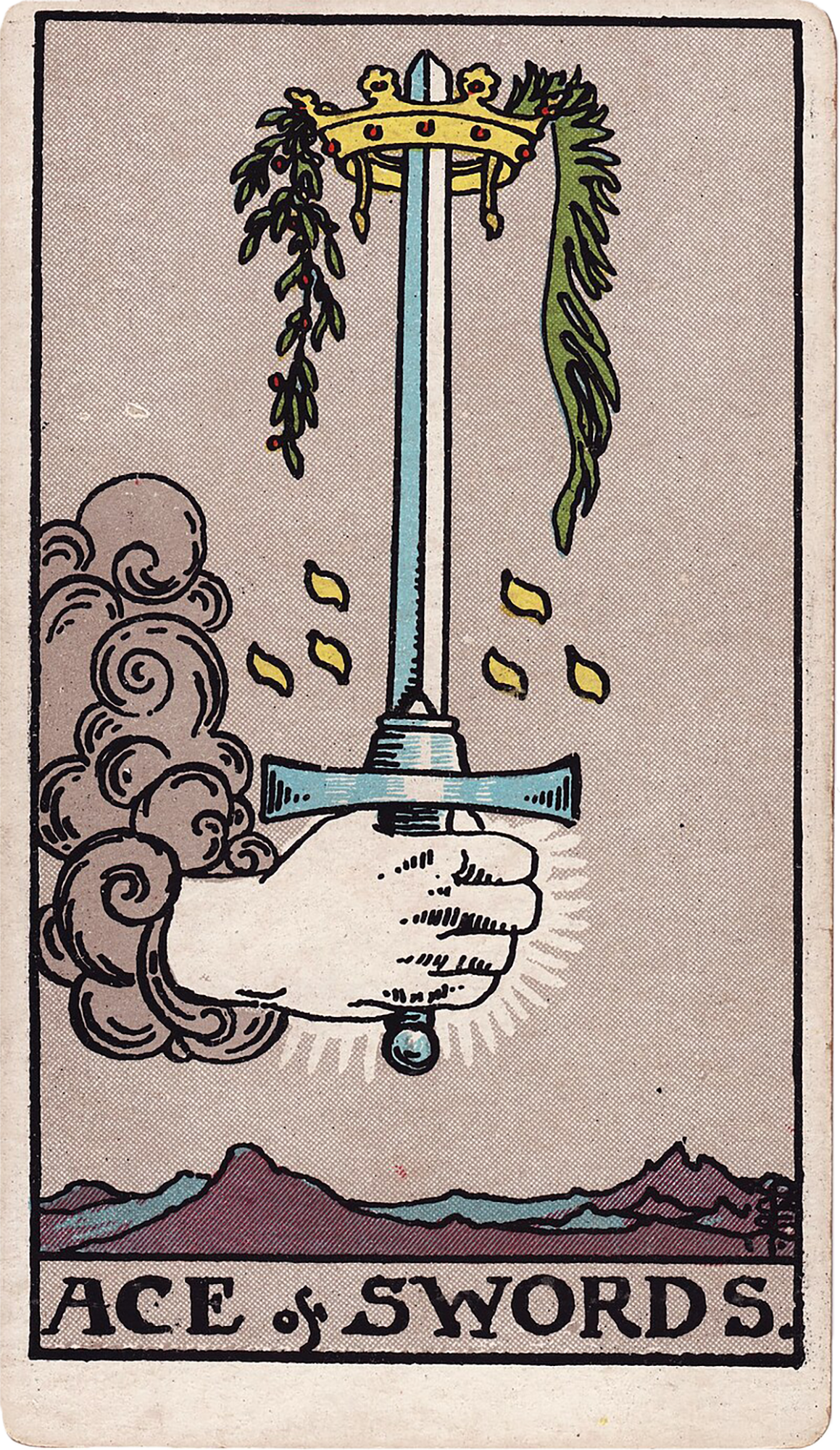 Ace of Swords
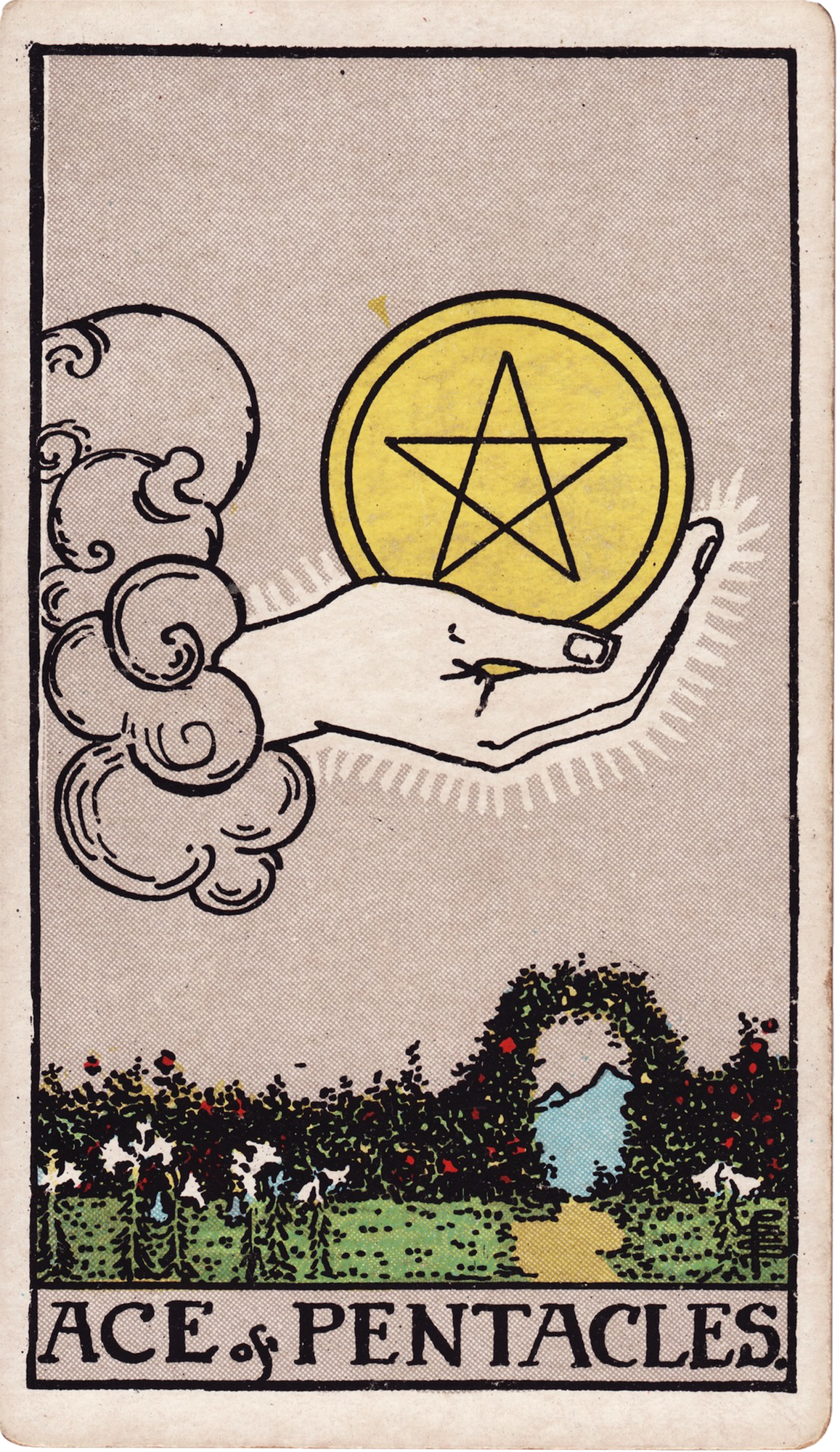 Ace of Pentacles
Introduction to the Aces as Elemental Beginnings
The Aces in Tarot represent the purest expression of their suit’s elemental energy—offering a potent starting point that invites action, reflection, or transformation. In the traditional Rider-Waite-Smith deck, the Ace cards are visually distinct and often feature a single prominent symbol that signifies the foundational force behind the suit. These cards do not predict outcomes but rather highlight the opportunity, impulse, or challenge that is emerging in a querent’s life. They are not abstractions but practical invitations to engage with the elemental qualities of their suits: Wands (fire), Cups (water), Swords (air), and Pentacles (earth). Learning to read these cards involves understanding both their upright energy and the subtle complexities of their reversed states.
Symbolism and Interpretation of the Ace of Wands
The Ace of Wands symbolizes the spark of creative energy, ambition, and initiative—qualities traditionally linked to the fire element. Its imagery typically shows a hand holding a blooming wand, symbolizing potential and growth. Upright, this card urges the querent to translate enthusiasm into practical action that fits the present moment, emphasizing motivation and identity. For example, in a career reading, the Ace of Wands may suggest a new project or venture requiring immediate attention before the initial spark fades. Reversed, the card highlights internal blocks, scattered energy, or hesitation caused by waiting for certainty. Rather than interpreting the reversal simply as a negative, readers are encouraged to explore where the creative process has stalled and what practical steps might simplify or realign the energy. This approach keeps the reading grounded and constructive. Common mistakes include over-romanticizing the card’s potential as a sign of guaranteed success or ignoring the card’s call to practical action. Surrounding cards help clarify whether the energy represented is emerging, intensifying, or resolving.
Symbolism and Interpretation of the Ace of Cups
The Ace of Cups represents the opening of emotional and intuitive channels, closely associated with the water element. Its Rider-Waite-Smith imagery often includes a hand holding a chalice from which water overflows, symbolizing abundance in feelings, compassion, and creative receptivity. When upright, the card signals new emotional beginnings such as relationships, intuition, or creative inspiration that require acknowledgment and expression suited to the current phase. In health readings, it may point to healing through emotional openness. Reversed, the Ace of Cups draws attention to emotional blockages, fear of vulnerability, or suppressed feelings. The reversal is not merely a negation but an indication that the process of emotional expression is incomplete or stuck. Readers should prompt querents to consider what emotional habits need release or acknowledgment to restore healthy flow. A common mistake is to take this card solely as romantic love or emotional positivity; instead, it also encompasses intuitive and creative feeling. Using surrounding cards to assess the depth and development of emotional energy is key.
Symbolism and Interpretation of the Ace of Swords
The Ace of Swords channels intellectual clarity, truth, and decisive communication, aligned with the air element. The card’s imagery usually features a sword piercing the clouds, symbolizing insight cutting through confusion or mental fog. Upright, the card calls for embracing clear thought, strategic decisions, or truth-telling appropriate to the present situation. It often marks breakthroughs in understanding or the need for honest conversation. In conflict-related readings, it encourages handling disputes with clarity and integrity. When reversed, the card points to misuse of logic, confusion, or judgment that is premature or weaponized rather than constructive. The reversal invites a careful inquiry into where communication or thought processes have become harsh, misleading, or internally conflicted. Readers should avoid interpreting the Ace of Swords as a guaranteed victory of the mind and instead focus on the quality and timing of intellectual engagement. Contextualizing this card among others determines whether it signals emerging insight or mental tension.
Symbolism and Interpretation of the Ace of Pentacles
The Ace of Pentacles signifies material opportunity, grounded potential, and the promise of tangible results, associated with the earth element. In Rider-Waite-Smith imagery, it is shown as a large pentacle (coin) held by a hand emerging from clouds, symbolizing a gift or new resource ready for cultivation. Upright, this Ace highlights practical foundations such as work, health, finances, or long-term stability, urging consistent effort to develop these seeds into lasting outcomes. For example, it might suggest a new job offer, financial opportunity, or health improvement that requires careful planning. Reversed, the Ace of Pentacles warns of missed opportunities, lack of preparation, or scarcity mentality. Like other reversed Aces, it signals a disconnect between intellectual understanding and lived experience—indicating internal blocks or misalignment with practical realities. A common pitfall is to read this card purely as financial gain without regard to the need for ongoing commitment and groundwork. Surrounding cards clarify whether the opportunity is ripe, developing, or faltering.
Practical Techniques for Reading the Ace Cards
When working with the Aces, it is essential to treat them as dynamic starting points rather than fixed predictions. Begin by observing the imagery carefully—note hands emerging from clouds, natural elements, and symbols of growth, flow, clarity, or stability. These images anchor the elemental quality and the card’s invitation. Next, consider the card’s orientation. Upright Aces encourage embracing the elemental energy constructively now. Reversed Aces signal internal or external blockages requiring reflection on what practical steps will remove obstacles. Use the surrounding cards to contextualize the energy: Are there cards indicating development, pressure, or resolution? This helps discern whether the Ace energy is nascent, intensifying, or concluding. Ask what response fits the querent’s current stage rather than an idealized outcome. For instance, the Ace of Wands asks what immediate initiative is possible, while the Ace of Cups invites exploring emotional openness at a comfortable pace. Avoid the common mistake of equating Aces with guaranteed success or failure. Instead, focus on their role as energetic potentials that require conscious engagement.
Common Mistakes and How to Avoid Them
One frequent error is treating reversed Aces as simply negative or opposite to their upright meanings. Instead, reversed Aces indicate a stuck process, partial understanding, or internal conflict. An effective reading explores where the elemental energy is blocked and what practical steps—or emotional acknowledgments—are needed to unblock it. Another mistake is ignoring the practical aspect emphasized by these cards. Each Ace asks for a response suited to the present moment rather than abstract ideals. This practical orientation keeps readings grounded and actionable. Additionally, neglecting to use the surrounding cards can lead to oversimplification. For example, the Ace of Swords accompanied by conflict cards may signal that clarity will emerge through confrontation, whereas with peaceful cards, it may simply indicate insight. Finally, over-focusing on romantic or financial interpretations without considering the full elemental and symbolic context can limit understanding. Each Ace’s symbolism must be applied flexibly across life areas.
Integrating the Aces Into Broader Symbolism Studies
The Ace cards serve as foundational references for understanding the elemental suits’ roles within Tarot and symbolic studies broadly. Their vivid imagery and clear elemental correspondences make them ideal starting points for exploring how motivation (Wands), emotion (Cups), intellect (Swords), and materiality (Pentacles) manifest in human experience. In family symbolism studies, these Aces illuminate how fundamental energies emerge within interpersonal dynamics—whether initiating new creative ventures, emotional bonds, intellectual breakthroughs, or material foundations. By consistently returning to the Aces as elemental archetypes, readers and scholars can deepen their appreciation for Tarot’s layered symbolism and apply it across various educational and therapeutic contexts.
Practice questions
• How do the elemental qualities of fire, water, air, and earth shape the meanings of the Ace cards?
• In what ways can reversed Aces provide valuable insights rather than simple negative outcomes?
• How can focusing on practical, present-moment responses improve the usefulness of Ace card readings?
• What role do surrounding cards play in clarifying the energy and development of an Ace in a spread?
• How might the symbolism of the Ace cards inform your understanding of beginnings in personal growth or relationships?
Comments
Sign in to comment.
Continue learning
Interpreting the Dance of Justice and The Devil: Balancing Morality and Temptation in Tarot Readings
The combination of Justice and The Devil in tarot presents a profound exploration of morality, temptation, and personal accountability. This article unpacks how these cards influen...
Advanced Techniques for Combining The Moon and The Star to Enhance Intuition in Tarot Readings
This article explores advanced techniques to combine the symbolism and energy of The Moon and The Star Tarot cards to enhance intuition during Tarot readings. Drawing from traditio...
Unlocking Life Insights with the Celtic Cross Tarot Spread
This article offers a thorough exploration of the Celtic Cross Tarot Spread, focusing on its application within family and practical life contexts. Using a worked example featuring...
Unlocking Hidden Meanings with The Hermit and The Hanged Man for Spiritual Growth
This article offers an in-depth exploration of The Hermit and The Hanged Man Tarot cards focusing on their roles in spiritual growth. It guides readers through beginner and advance...
Unlocking Personal Insight with the Seven Card Horseshoe Spread
The Seven Card Horseshoe Spread is a practical and insightful Tarot layout ideal for exploring personal and family dynamics. This article breaks down each position—Past, Present, H...
Mastering the Court Cards of Wands for Unlocking Personal Drive and Leadership
The Court Cards of Wands represent a dynamic spectrum of personal energy, ambition, and leadership potential within the Minor Arcana. This article offers a comprehensive exploratio...
Tracing the Origins and Evolution of The Fool Card in Tarot History
The Fool card holds a foundational place in tarot tradition, symbolizing beginnings, openness, and the embrace of uncertainty. This article traces its origins from early European d...
Techniques for Reading Court Cards to Unlock Personality Insights
Court cards in Tarot often represent people, personality traits, or energy patterns within a situation. This article offers a structured approach for beginners and advanced readers...
Unlocking Emotional Transformation with Death and The Moon Tarot Combination
This article explores the rich and complex interaction between the Death and The Moon tarot cards within the Rider-Waite-Smith tradition, focusing on their combined potential to un...
Applying The Star Card to Foster Hope and Renewal in Personal Growth
The Star card in Tarot symbolizes hope, authenticity, and the process of steady renewal. In a single-card reading, The Star encourages embracing what is present, cultivating openne...