
Unveiling the Symbolism and Elemental Correspondences of the Four Tarot Suits
This article delves into the deep symbolism and elemental correspondences of the four tarot suits—Wands, Cups, Swords, and Pentacles—anchored in the detailed study of the Ace cards from each suit. By examining the imagery and meanings of the Ace of Wands, Ace of Cups, Ace of Swords, and Ace of Pentacles, readers gain practical insights into how these cards represent beginnings in motivation, emotion, intellect, and material reality. The article provides a comprehensive guide to interpreting these cards in different contexts, common pitfalls in readings, and methods to integrate their elemental symbolism into a cohesive understanding of tarot.
Cards explored in this article
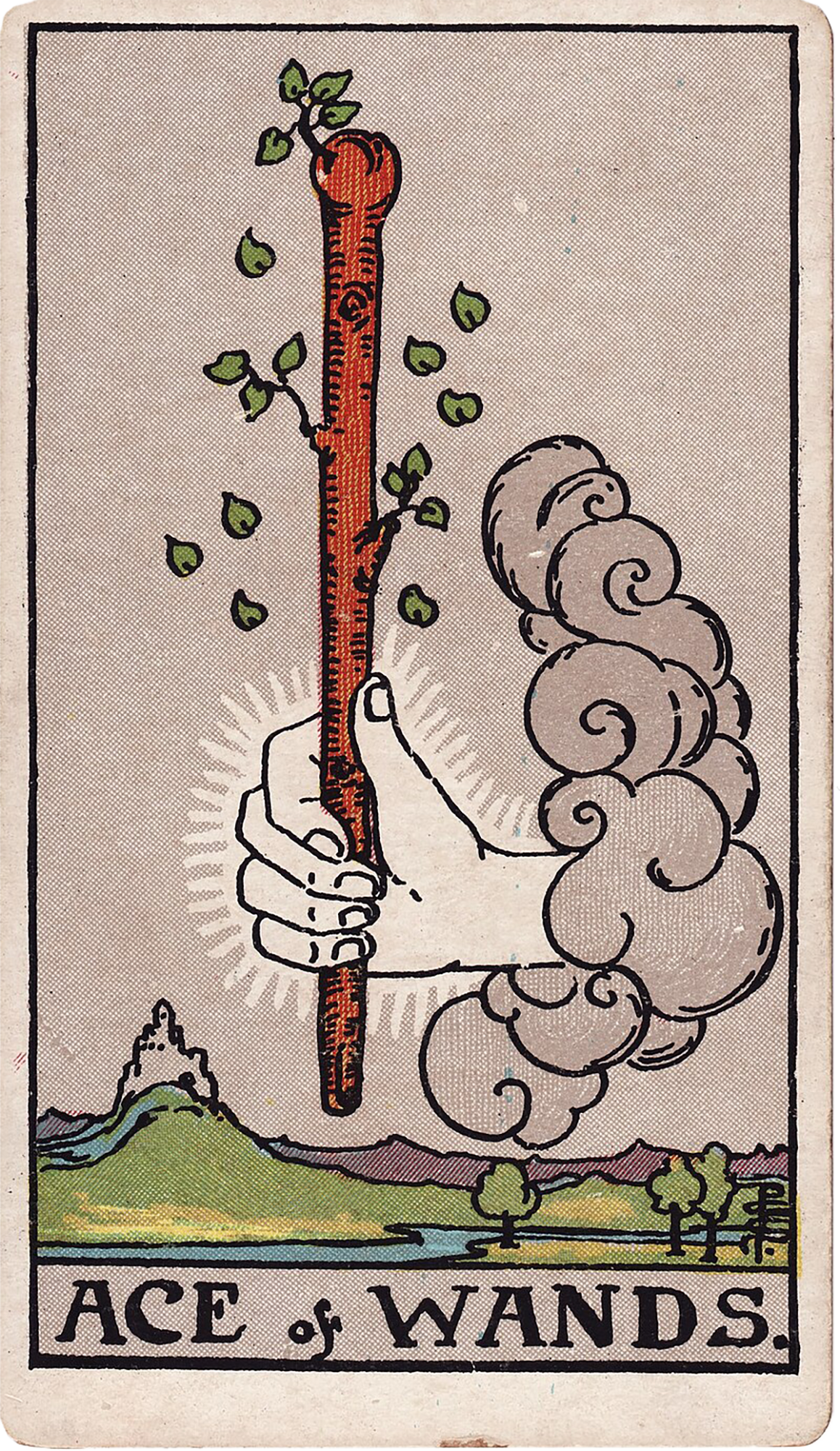 Ace of Wands
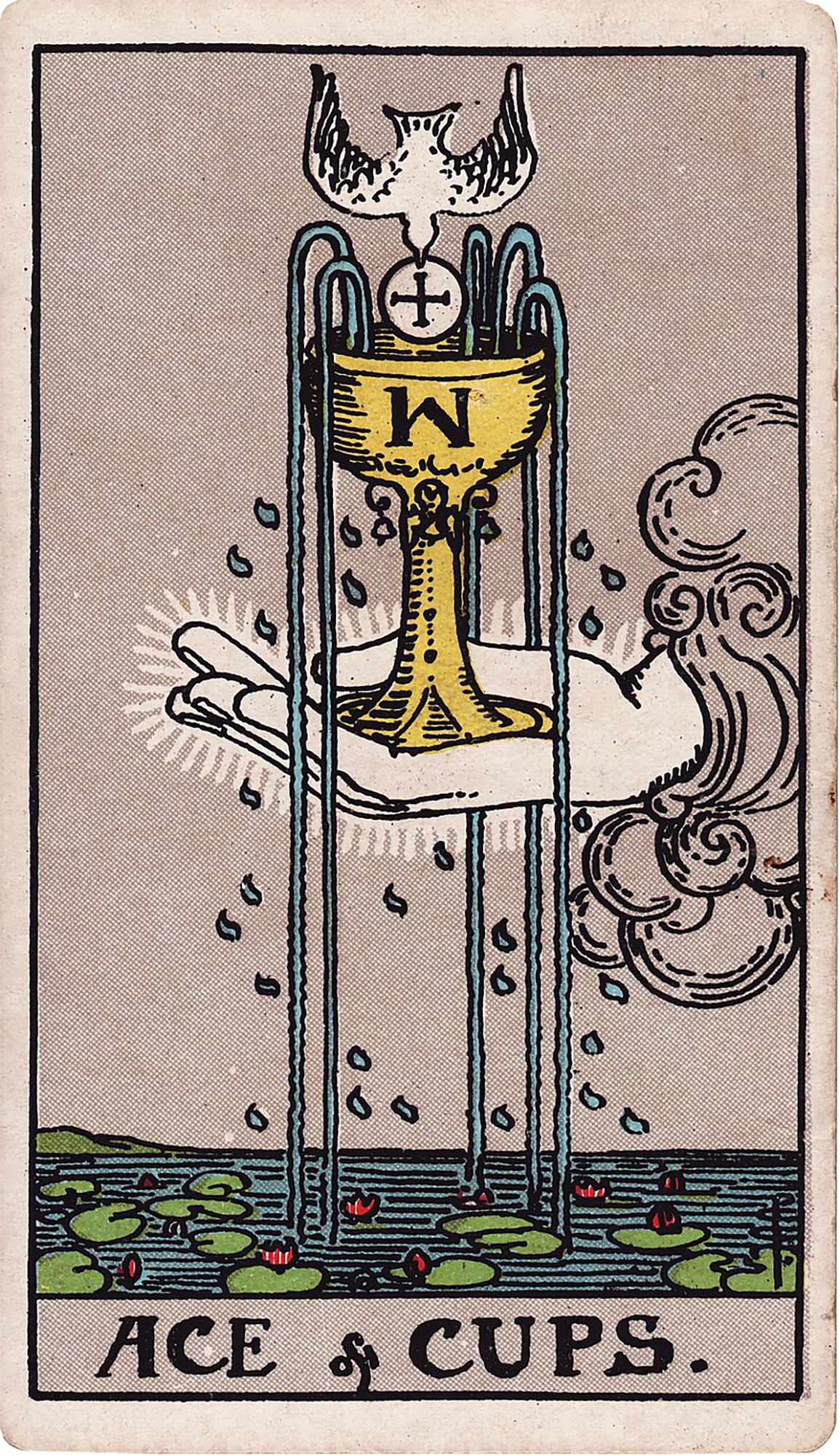 Ace of Cups
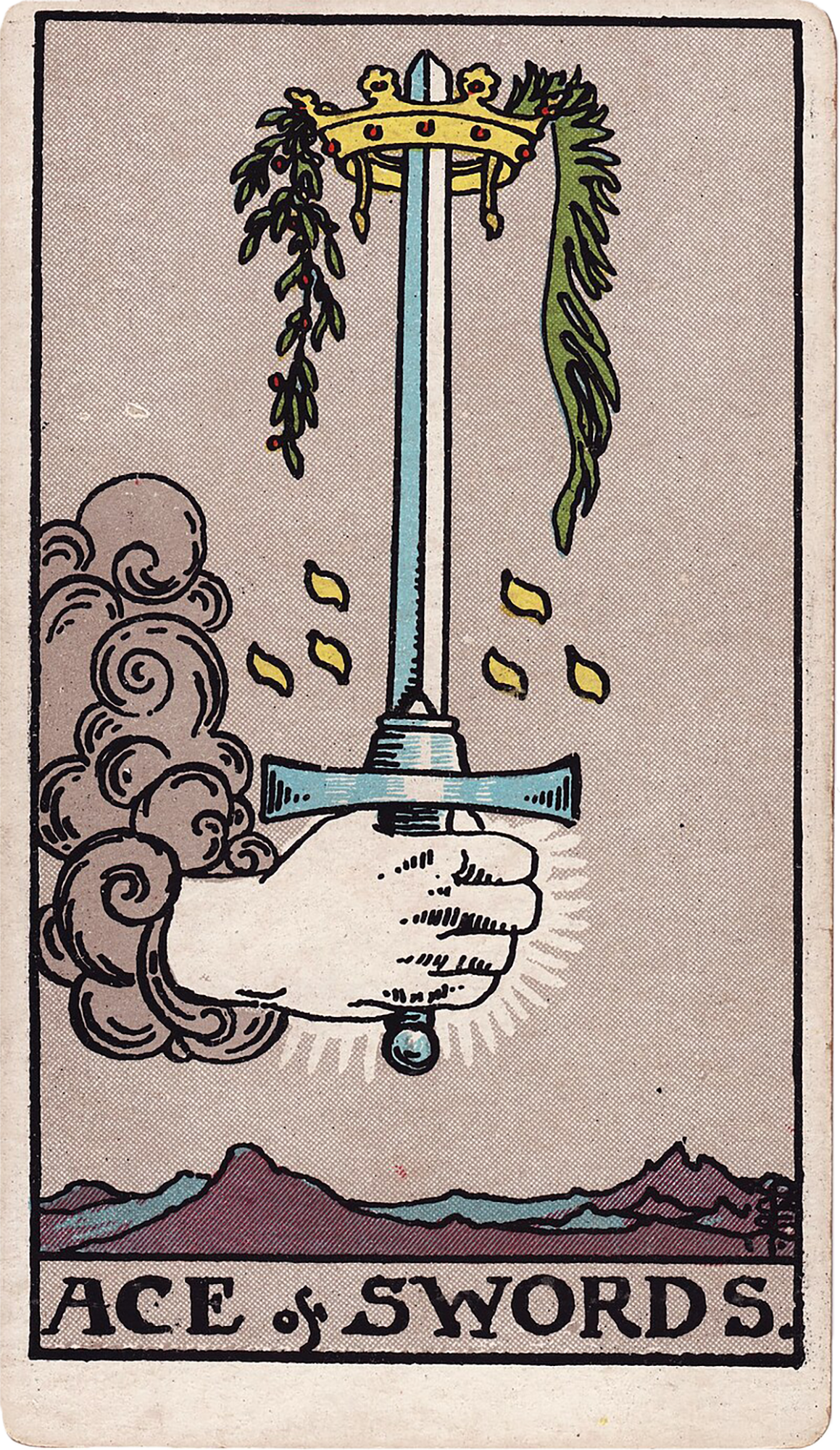 Ace of Swords
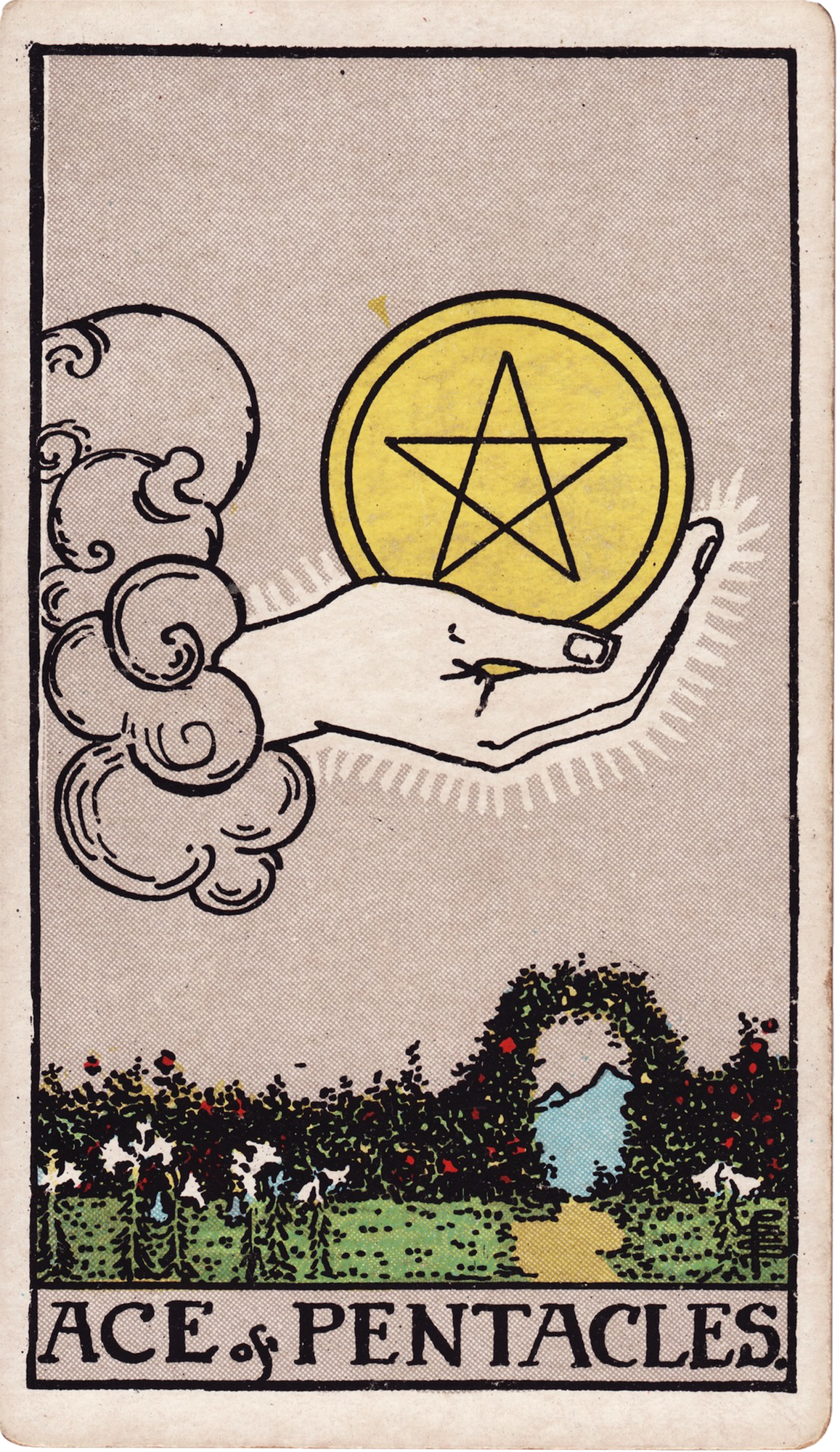 Ace of Pentacles
Introduction to the Four Tarot Suits and Their Elemental Foundations
The tarot deck comprises four suits, each deeply connected to a classical element that shapes their symbolism and practical meanings. Wands correspond to Fire, Cups to Water, Swords to Air, and Pentacles to Earth. These elemental correspondences provide a framework for understanding the energies, challenges, and opportunities each suit represents. Fire (Wands) is about energy, creativity, and initiative; Water (Cups) governs emotions, relationships, and intuition; Air (Swords) focuses on thought, communication, and conflict; Earth (Pentacles) relates to material reality, health, and practical foundations. Understanding these elemental roots helps tarot readers interpret cards in a nuanced, dynamic way, especially when anchored in the Ace cards that represent pure potential within each realm.
The Ace of Wands as a Symbol of Fiery Beginnings and Creative Impulse
The Ace of Wands visually depicts a hand emerging from a cloud, holding a vibrant wooden wand sprouting leaves, symbolizing new growth and potential energy. Upright, this card signals a fresh impulse to act, highlighting motivation, ambition, and the initial spark of creativity. It asks the querent to take practical action fitting the present moment, emphasizing initiative over abstract ideals. In readings, it often identifies where personal drive or creative projects are ready to begin or need a first step before enthusiasm wanes. Reversed, the card points to blocked inspiration, scattered energy, or premature moves lacking preparation. Rather than negating the upright meaning, the reversal invites the reader to locate where the process is stuck—whether due to fear, distraction, or lack of clarity—and consider what practical adjustment can restore the constructive flow of energy. Recognizing the elemental fire in Wands helps frame these interpretations as cycles of ignition, combustion, and renewal.
The Ace of Cups Illuminating Emotional Openings and Receptive Flow
Rendered as a hand offering a chalice brimming with water, often spilling or overflowing with five streams, the Ace of Cups symbolizes the opening of emotional and intuitive realms. Upright, the card encourages embracing affection, compassion, and creative feeling with practical responsiveness to the current stage of emotional development. It often appears when relationships, empathy, or deep inner receptivity are emerging themes. The card’s connection to Water underlines fluidity, depth, and the movement of feelings that require both acknowledgment and expression. When reversed, the Ace of Cups highlights emotional blockages, fear of vulnerability, or feelings that are internally turbulent but unexpressed. The reversal suggests the need to identify and release what suppresses healthy emotional flow. By understanding the fluid elemental symbolism, readers can better grasp how Cups invite ongoing sensitivity to emotional rhythms rather than fixed emotional states.
The Ace of Swords as a Beacon of Mental Clarity and Decisive Insight
The Ace of Swords presents a hand holding a double-edged sword upright, often crowned and decorated with leaves, symbolizing triumph through clear thinking and intellectual breakthrough. This card’s Air element governs thought, communication, conflict resolution, and truth-seeking. Upright, it signals decisive conversations, breakthroughs in understanding, and the cutting away of confusion through logic and clarity. The card invites practical responses where strategy and honest communication are vital, marking the mental inception point in a situation. The reversed Ace of Swords draws attention to misused logic, harsh judgments, or communication that wounds rather than clarifies. It is a prompt to examine where mental processes have become rigid or weaponized rather than constructive. Recognizing the nature of Air as both illuminating and potentially disruptive helps frame balanced interpretations of this suit’s energy.
The Ace of Pentacles Grounding New Material Opportunities and Practical Foundations
The Ace of Pentacles depicts a hand offering a large coin or pentacle, suspended before a lush garden and arched doorway, symbolizing tangible opportunities and the potential for lasting material success. Rooted in the Earth element, this card relates to work, money, health, routine, and physical resources. Upright, it highlights beginnings that require practical care and consistent action to develop into stable, valuable outcomes. It marks the moment when a material seed can be planted with intention. Reversed, it warns of missed opportunities, poor planning, or a scarcity mindset. It indicates the need to reassess foundations and ensure sustainable practices rather than seeking quick results. Earth’s qualities of stability, patience, and groundedness frame the interpretation of Pentacles as the suit of manifestation and nurture.
Techniques for Reading the Four Suits Through Their Aces
Using the Ace cards as entry points, readers can anchor their understanding of each suit’s energy phase—pure potential and inception. Focus on the imagery: hands emerging from clouds or natural surroundings signify gifts or opportunities offered by the universe. Observe elemental symbolism such as fire sparks, flowing water, sharp swords, or solid coins to evoke the related qualities. Assess surrounding cards to determine whether the Ace’s energy is beginning, developing, under pressure, or moving toward resolution. Avoid treating reversed meanings as mere opposites; instead, explore where the energy flow is blocked or imbalanced. Apply practical questions: What action fits this moment? Where is the energy stuck? What skills associated with the suit can help? By integrating elemental knowledge with concrete situational awareness, readers can craft nuanced, personalized interpretations rather than relying solely on textbook definitions.
Common Misinterpretations and How to Avoid Them
A common mistake is to rigidly treat reversed cards as purely negative or the opposite of upright meanings. For example, the reversed Ace of Wands does not simply mean lack of energy but points to where inspiration is blocked or misdirected. Another pitfall is ignoring the practicality emphasized in the Aces’ descriptions—each card calls for an actionable response appropriate to the current stage rather than abstract ideals. Misreading elemental symbolism by ignoring its dynamic qualities can lead to oversimplified interpretations; for instance, viewing Air only as intellect without recognizing its potential to confuse or harm. Finally, neglecting the surrounding cards and context reduces accuracy, as Aces often indicate beginnings that evolve depending on other factors. By maintaining a flexible, context-aware approach and revisiting elemental foundations, these errors can be minimized.
Applying the Study of the Four Aces to Family Symbolism in Tarot
In family symbolism studies, the four suits can represent distinct yet interconnected aspects of family life and relationships. Wands (Fire) embody the family’s drive, ambition, and identity formation; Cups (Water) reflect emotional bonds, nurturing, and intuitive understanding among members; Swords (Air) suggest communication patterns, conflicts, and mental frameworks shaping family dynamics; Pentacles (Earth) represent material support, health, home environment, and practical stability. Studying the Aces of each suit in a family reading can reveal where new energy or challenges are emerging—such as a new initiative (Ace of Wands), emotional opening (Ace of Cups), a breakthrough in understanding (Ace of Swords), or a tangible resource or opportunity (Ace of Pentacles). This elemental mapping aids readers in exploring family systems holistically, recognizing how different energies surface and interact.
Conclusion Emphasizing the Integration of Symbolism and Practical Reading
The four tarot suits offer a rich tapestry of symbolic and elemental correspondences that deepen understanding and enhance reading accuracy. Through focused study of the Ace cards—Wands, Cups, Swords, and Pentacles—learners can grasp the fundamental energies of beginnings within motivation, emotion, thought, and material reality. Practical interpretation requires attention to imagery, elemental qualities, card position, and surrounding influences. Recognizing reversals as signals of blockage or imbalance rather than mere opposites invites a more compassionate and nuanced approach. Finally, applying this knowledge to contexts such as family symbolism broadens tarot’s utility as a tool for insight and growth. Integrating these layers cultivates a confident, flexible tarot practice grounded in tradition and attentive to lived experience.
Practice questions
• How does recognizing the elemental correspondence of each suit enhance your interpretation of tarot cards?
• In what ways can the Ace cards serve as practical starting points for understanding a reading’s core energy?
• How might common misinterpretations of reversed cards affect the accuracy or helpfulness of a tarot reading?
• What specific imagery in the supplied Ace cards helps you connect with their traditional Rider-Waite-Smith meanings?
• How can elemental symbolism inform your understanding of family dynamics when using tarot?
Comments
Sign in to comment.
Continue learning
Interpreting the Dance of Justice and The Devil: Balancing Morality and Temptation in Tarot Readings
The combination of Justice and The Devil in tarot presents a profound exploration of morality, temptation, and personal accountability. This article unpacks how these cards influen...
Advanced Techniques for Combining The Moon and The Star to Enhance Intuition in Tarot Readings
This article explores advanced techniques to combine the symbolism and energy of The Moon and The Star Tarot cards to enhance intuition during Tarot readings. Drawing from traditio...
Unlocking Life Insights with the Celtic Cross Tarot Spread
This article offers a thorough exploration of the Celtic Cross Tarot Spread, focusing on its application within family and practical life contexts. Using a worked example featuring...
Unlocking Hidden Meanings with The Hermit and The Hanged Man for Spiritual Growth
This article offers an in-depth exploration of The Hermit and The Hanged Man Tarot cards focusing on their roles in spiritual growth. It guides readers through beginner and advance...
Unlocking Personal Insight with the Seven Card Horseshoe Spread
The Seven Card Horseshoe Spread is a practical and insightful Tarot layout ideal for exploring personal and family dynamics. This article breaks down each position—Past, Present, H...
Mastering the Court Cards of Wands for Unlocking Personal Drive and Leadership
The Court Cards of Wands represent a dynamic spectrum of personal energy, ambition, and leadership potential within the Minor Arcana. This article offers a comprehensive exploratio...
Tracing the Origins and Evolution of The Fool Card in Tarot History
The Fool card holds a foundational place in tarot tradition, symbolizing beginnings, openness, and the embrace of uncertainty. This article traces its origins from early European d...
Techniques for Reading Court Cards to Unlock Personality Insights
Court cards in Tarot often represent people, personality traits, or energy patterns within a situation. This article offers a structured approach for beginners and advanced readers...
Unlocking Emotional Transformation with Death and The Moon Tarot Combination
This article explores the rich and complex interaction between the Death and The Moon tarot cards within the Rider-Waite-Smith tradition, focusing on their combined potential to un...
Applying The Star Card to Foster Hope and Renewal in Personal Growth
The Star card in Tarot symbolizes hope, authenticity, and the process of steady renewal. In a single-card reading, The Star encourages embracing what is present, cultivating openne...