
Unveiling the Symbolism and Elemental Meanings of the Ace Tarot Cards for New Beginnings
The Ace cards in tarot are powerful symbols of new beginnings, fresh energy, and the potential that sparks creation across different life areas. This article explores the rich symbolism and elemental meanings of the Ace of Wands, Ace of Cups, Ace of Swords, and Ace of Pentacles through a detailed educational lens geared toward learners. Anchored in traditional Rider-Waite-Smith imagery and the supplied card contexts, the article provides techniques for practical interpretation, common pitfalls to avoid, and ways to integrate these cards into readings with clarity and nuance. Emphasizing the balance between abstract ideals and present reality, this guide helps readers develop a grounded understanding of how each Ace invites action and growth in its domain.
Cards explored in this article
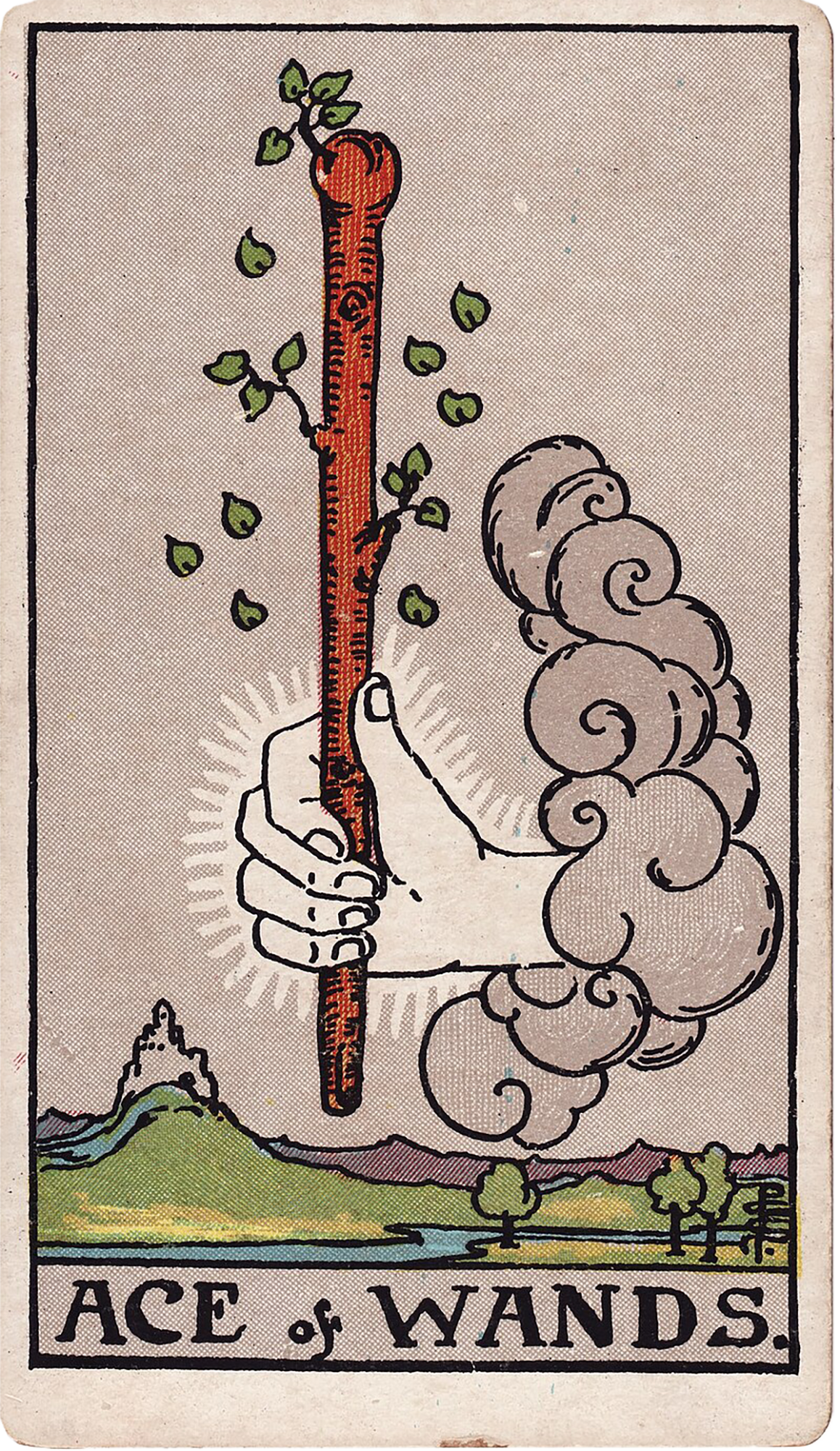 Ace of Wands
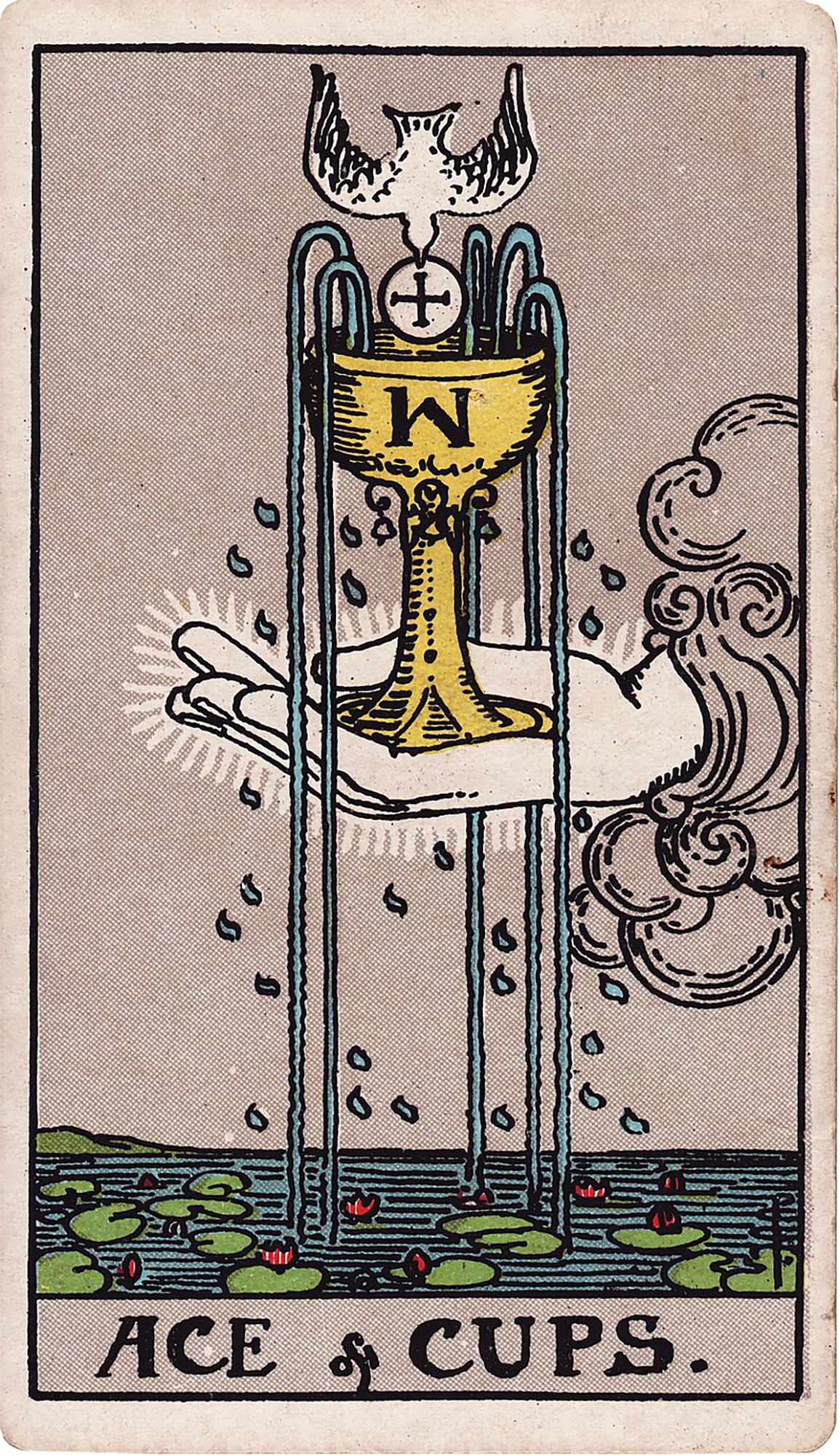 Ace of Cups
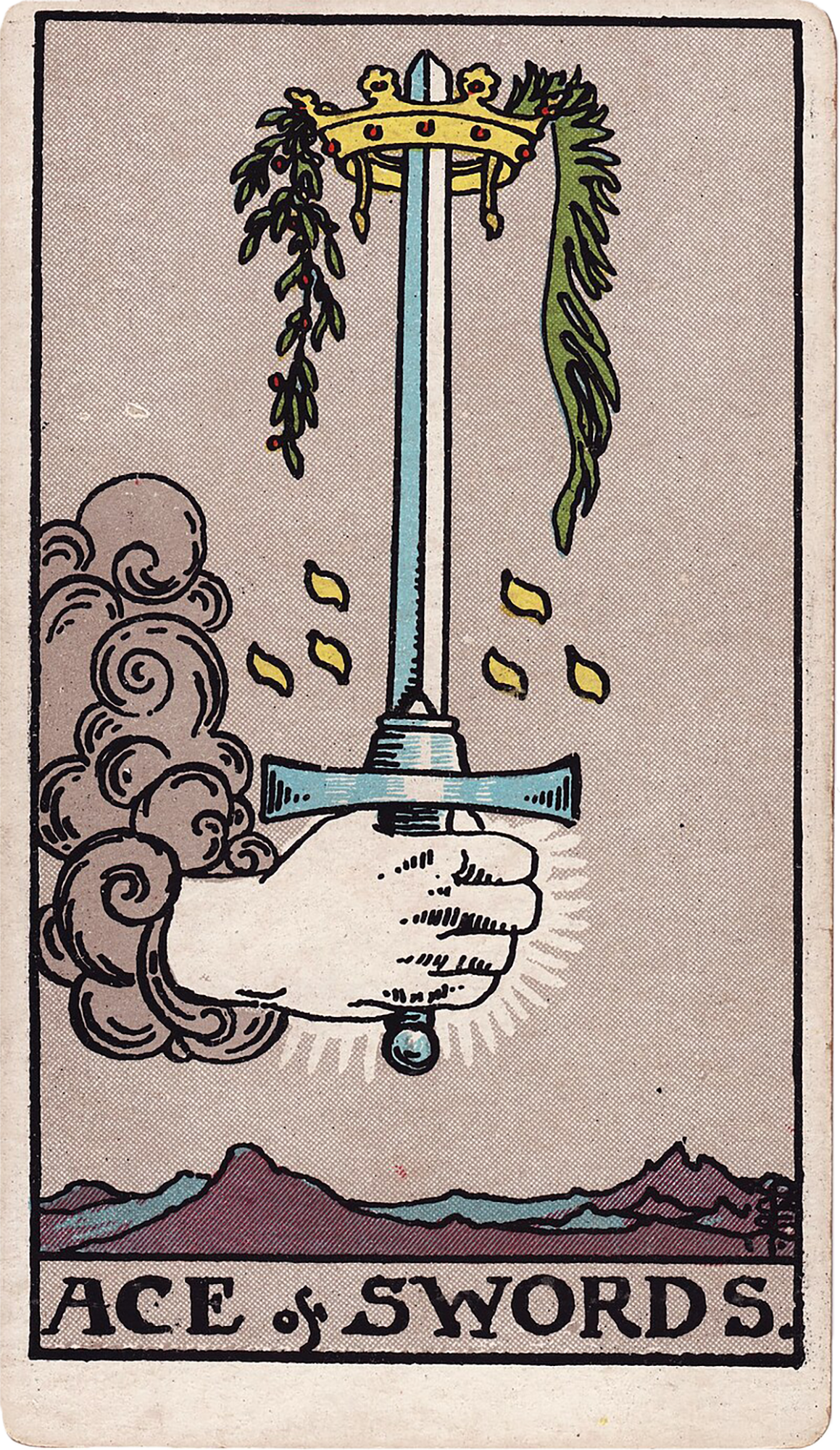 Ace of Swords
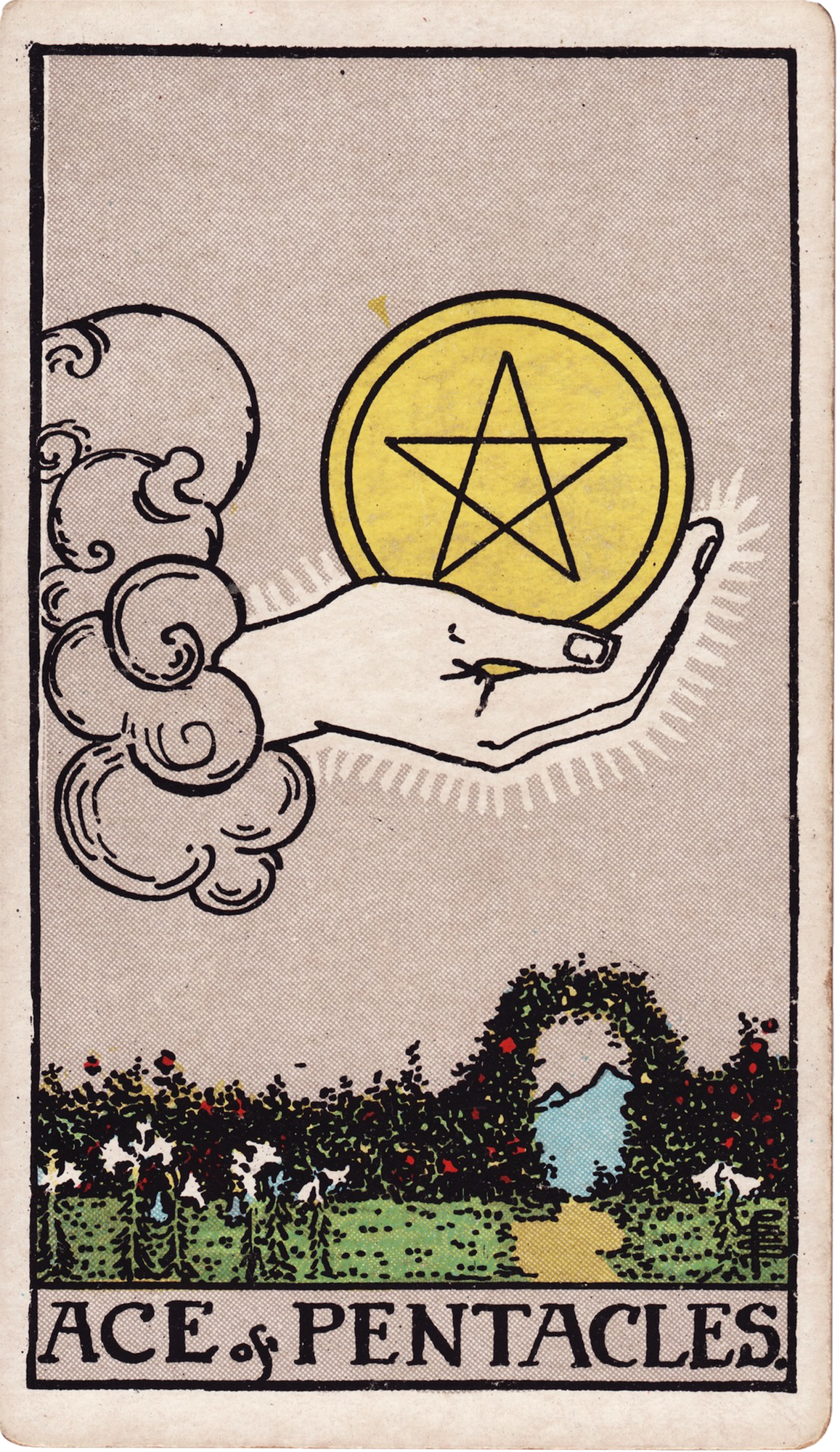 Ace of Pentacles
Introduction to the Ace Cards and Their Role in Tarot
In tarot, the Aces represent the purest form of each suit’s elemental energy and symbolize the inception of a cycle. They mark the threshold of a new journey, offering a seed of potential that requires conscious recognition and nurturing to manifest. Unlike numbered cards that often describe a stage within a process, Aces focus on initiation—an awakening of energy that can lead to transformation. This article focuses on the four elemental Aces: Wands (fire), Cups (water), Swords (air), and Pentacles (earth), exploring how their symbolism reflects new beginnings in creativity, emotion, intellect, and physical reality, respectively. By understanding the elemental roots and Rider-Waite-Smith imagery of these cards, learners can gain insight into how to interpret and apply their messages effectively in readings, emphasizing practical responses over abstract idealism.
The Ace of Wands and the Element of Fire
The Ace of Wands, symbolizing the element of fire, embodies inspiration, initiative, and creative impulse. The upright card signals a fresh burst of energy demanding expression before enthusiasm wanes. On the Rider-Waite-Smith card, the wand held aloft emerges from a hand, often representing divine or external inspiration handed to the querent. This imagery emphasizes opportunity and the spark of motivation that must be acted upon practically. In readings, the Ace of Wands calls for a first step grounded in current reality rather than lofty ideals. For example, where might creative energies already be visible in your life, and what small action could nurture this flame? It also highlights skills like ambition and identity, suggesting that the querent's core task can be named through their motivation and how they direct energy. The reversed Ace of Wands warns of blocked inspiration, scattered excitement, or hesitation caused by waiting for perfect conditions. Rather than seeing reversal as purely negative, ask where the creative process is stuck and what needs simplification or communication to restore healthy flow. A common mistake is to treat the Ace of Wands as merely a sign to act impulsively; learners should remember its call for practical and timely engagement with creative energy.
The Ace of Cups and the Element of Water
The Ace of Cups represents the element of water and the opening of the emotional and intuitive realms. The Rider-Waite-Smith card famously depicts a hand extending a chalice from a cloud, overflowing with water, symbolizing abundant feelings, compassion, and the potential for emotional renewal or new relationships. Upright, this card highlights the emergence of affection, empathy, and creative feeling that calls for expression and reception. Practically, it encourages the querent to notice where emotional openness or receptivity is already present and to act in ways that nurture these connections. The skills associated with Cups—intuition, memory, and emotional processing—are central to interpreting this card. When reversed, the Ace of Cups can indicate emotional blockage or fear of vulnerability. It may show feelings that are present but not healthily expressed, or internal emotional struggles not visible to others. Learners should avoid reading reversal as mere negativity and instead use it as a sign to identify where emotional flow is hindered and to explore what emotional care or communication is needed. In readings, this card reminds us that emotional beginnings require gentle nurturing and an openness to vulnerability, rather than rushing or suppressing feelings.
The Ace of Swords and the Element of Air
The Ace of Swords embodies the element of air, representing intellect, clarity, and breakthrough insight. The Rider-Waite-Smith imagery shows a hand emerging from a cloud, gripping a sword upright—often crowned or surrounded by light—symbolizing mental clarity and the cutting away of confusion. This card signals a decisive moment of understanding, truth, or communication. It highlights the power of clear thinking, strategic decisions, and honest conversations. In practice, the querent is invited to respond to this intellectual breakthrough with practical action that fits the present situation rather than abstract ideals. Reversed, the Ace of Swords may indicate confusion, misuse of logic, or harshness. It warns against premature judgments or using truth as a weapon rather than a tool for understanding. Learners should look beyond simple opposites and identify where mental processes may be stuck—what assumptions need revisiting or what communication requires refinement. A common challenge is over-intellectualizing or becoming overly critical; the Ace reminds readers to balance sharp insight with empathy and flexible thinking.
The Ace of Pentacles and the Element of Earth
The Ace of Pentacles corresponds to the element of earth and represents tangible beginnings such as resources, opportunities, and material stability. The Rider-Waite-Smith card depicts a hand extending a coin or pentacle from a cloud, often set against a lush garden or archway, symbolizing fertility, security, and grounded potential. Upright, this card highlights practical chances that can be nurtured into lasting value through care and consistent action. It encourages identifying where new opportunities or resources are already emerging and what steps can solidify these foundations. The Pentacles suit relates to work, health, craft, money, and the body, making this Ace a call to cultivate physical and financial well-being. When reversed, the Ace of Pentacles points to missed opportunities, scarcity mindset, or impatience for results without building a sound foundation. Rather than seeing reversal as failure, readers should explore what practical elements need attention or what planning is lacking. The key lesson is to embrace grounded, realistic action and to appreciate that long-term security is a process, not immediate gain.
Practical Techniques for Reading the Ace Cards
When interpreting the Ace cards, it is vital to balance their abstract potential with the practical reality of the querent’s situation. First, place attention on the card's elemental associations: fire (Wands), water (Cups), air (Swords), and earth (Pentacles). These elements guide the general domain of the new beginning. Next, contextualize the card within the spread, noting surrounding cards that indicate whether the energy is just emerging, developing, under pressure, or resolving. This helps prevent overgeneralizing or reading Aces as inherently positive or negative. Always consider upright and reversed meanings as nuances rather than binary opposites. A reversed Ace often signals where the natural process is stuck or unbalanced and invites questions about what needs to be simplified, acknowledged, or practiced. Use imagery cues from the Rider-Waite-Smith depictions: the hand emerging from the cloud symbolizes opportunity given or a new offer; overflow (as in Cups) suggests abundance or emotional richness; clarity symbols (like a crown or light rays in Swords) point to intellectual breakthrough; grounded gardens or archways in Pentacles denote stability and growth potential. Encourage querents to identify concrete actions that resonate with the card’s message—for example, initiating a creative project when the Ace of Wands appears or opening to emotional honesty with the Ace of Cups. Avoid vague idealism by linking readings to the querent’s current experiences.
Common Mistakes and How to Avoid Them
A frequent mistake with the Ace cards is treating them as guaranteed good omens without nuance. While they do represent potential, realization depends on the querent’s response and context. Another error is ignoring reversed cards or interpreting them solely as negative. Reversals often highlight where internal work or awareness is needed before healthy energy returns. Overlooking the elemental symbolism can also limit understanding. Each Ace’s elemental qualities shape its message and appropriate actions. Avoid reading Aces in isolation; always integrate surrounding cards and the querent’s story to ground interpretations. Lastly, do not conflate the Aces’ energy with impulsivity or immediate results. These cards invite initiation but also practical care and consistency to develop the seed into fruition.
Examples of Interpretations Anchored in the Supplied Cards
Consider a spread where the Ace of Wands appears upright alongside cards indicating emerging creativity. The reading might focus on a new project that requires immediate but manageable action to keep inspiration alive. If the Ace of Cups appears reversed with cards showing emotional tension, it could suggest internal emotional blockage or fear of vulnerability, inviting the querent to explore where emotional expression is being stifled. The Ace of Swords upright near conflict-related cards may highlight the moment for a clear, honest conversation or intellectual clarity to resolve confusion. Seeing the Ace of Pentacles reversed with cards about financial stress may reveal missed practical opportunities or the need to reassess planning and resource management. These examples demonstrate how anchoring interpretation in the card’s elemental meaning and Rider-Waite-Smith imagery provides a rich and actionable reading.
Conclusion and Integrating the Ace Cards into Symbolism Studies
The Ace tarot cards offer a profound gateway into symbolism studies by linking elemental principles with human experience and practical life domains. Learning to interpret these cards through their Rider-Waite-Smith imagery and elemental associations enriches understanding of new beginnings and the processes they initiate. By avoiding common pitfalls and embracing both upright and reversed nuances, readers can provide grounded, insightful readings that empower querents to engage consciously with opportunities and challenges. Ultimately, the Aces remind us that every journey begins with a spark—whether creative, emotional, intellectual, or material—and our role as readers is to help illuminate how to nurture that spark into meaningful growth.
Practice questions
• How do the elemental associations of each Ace card influence its interpretation in real-life situations?
• In what ways can reversed Ace cards provide insight into internal blocks rather than external failures?
• How can you balance the abstract symbolism of the Ace cards with practical advice during a reading?
• What are some examples from your experience where an Ace card’s energy required immediate action versus patient nurturing?
• How does focusing on Rider-Waite-Smith imagery deepen your understanding of the Ace cards’ meanings?
Comments
Sign in to comment.
Continue learning
Interpreting the Dance of Justice and The Devil: Balancing Morality and Temptation in Tarot Readings
The combination of Justice and The Devil in tarot presents a profound exploration of morality, temptation, and personal accountability. This article unpacks how these cards influen...
Advanced Techniques for Combining The Moon and The Star to Enhance Intuition in Tarot Readings
This article explores advanced techniques to combine the symbolism and energy of The Moon and The Star Tarot cards to enhance intuition during Tarot readings. Drawing from traditio...
Unlocking Life Insights with the Celtic Cross Tarot Spread
This article offers a thorough exploration of the Celtic Cross Tarot Spread, focusing on its application within family and practical life contexts. Using a worked example featuring...
Unlocking Hidden Meanings with The Hermit and The Hanged Man for Spiritual Growth
This article offers an in-depth exploration of The Hermit and The Hanged Man Tarot cards focusing on their roles in spiritual growth. It guides readers through beginner and advance...
Unlocking Personal Insight with the Seven Card Horseshoe Spread
The Seven Card Horseshoe Spread is a practical and insightful Tarot layout ideal for exploring personal and family dynamics. This article breaks down each position—Past, Present, H...
Mastering the Court Cards of Wands for Unlocking Personal Drive and Leadership
The Court Cards of Wands represent a dynamic spectrum of personal energy, ambition, and leadership potential within the Minor Arcana. This article offers a comprehensive exploratio...
Tracing the Origins and Evolution of The Fool Card in Tarot History
The Fool card holds a foundational place in tarot tradition, symbolizing beginnings, openness, and the embrace of uncertainty. This article traces its origins from early European d...
Techniques for Reading Court Cards to Unlock Personality Insights
Court cards in Tarot often represent people, personality traits, or energy patterns within a situation. This article offers a structured approach for beginners and advanced readers...
Unlocking Emotional Transformation with Death and The Moon Tarot Combination
This article explores the rich and complex interaction between the Death and The Moon tarot cards within the Rider-Waite-Smith tradition, focusing on their combined potential to un...
Applying The Star Card to Foster Hope and Renewal in Personal Growth
The Star card in Tarot symbolizes hope, authenticity, and the process of steady renewal. In a single-card reading, The Star encourages embracing what is present, cultivating openne...