
Unveiling the Symbolism and Elemental Power of the Four Tarot Suits
This article delves into the elemental and symbolic essence of the four Tarot suits—Wands, Cups, Swords, and Pentacles—anchored in the study of the Ace cards. It explains their traditional Rider-Waite-Smith symbolism, practical application in readings, common interpretative challenges, and the subtle dynamics revealed by upright and reversed positions. Through a focus on the Ace of Wands, Ace of Cups, Ace of Swords, and Ace of Pentacles, readers will gain a comprehensive understanding of how these suits represent different dimensions of human experience and how to approach them effectively in practice.
Cards explored in this article
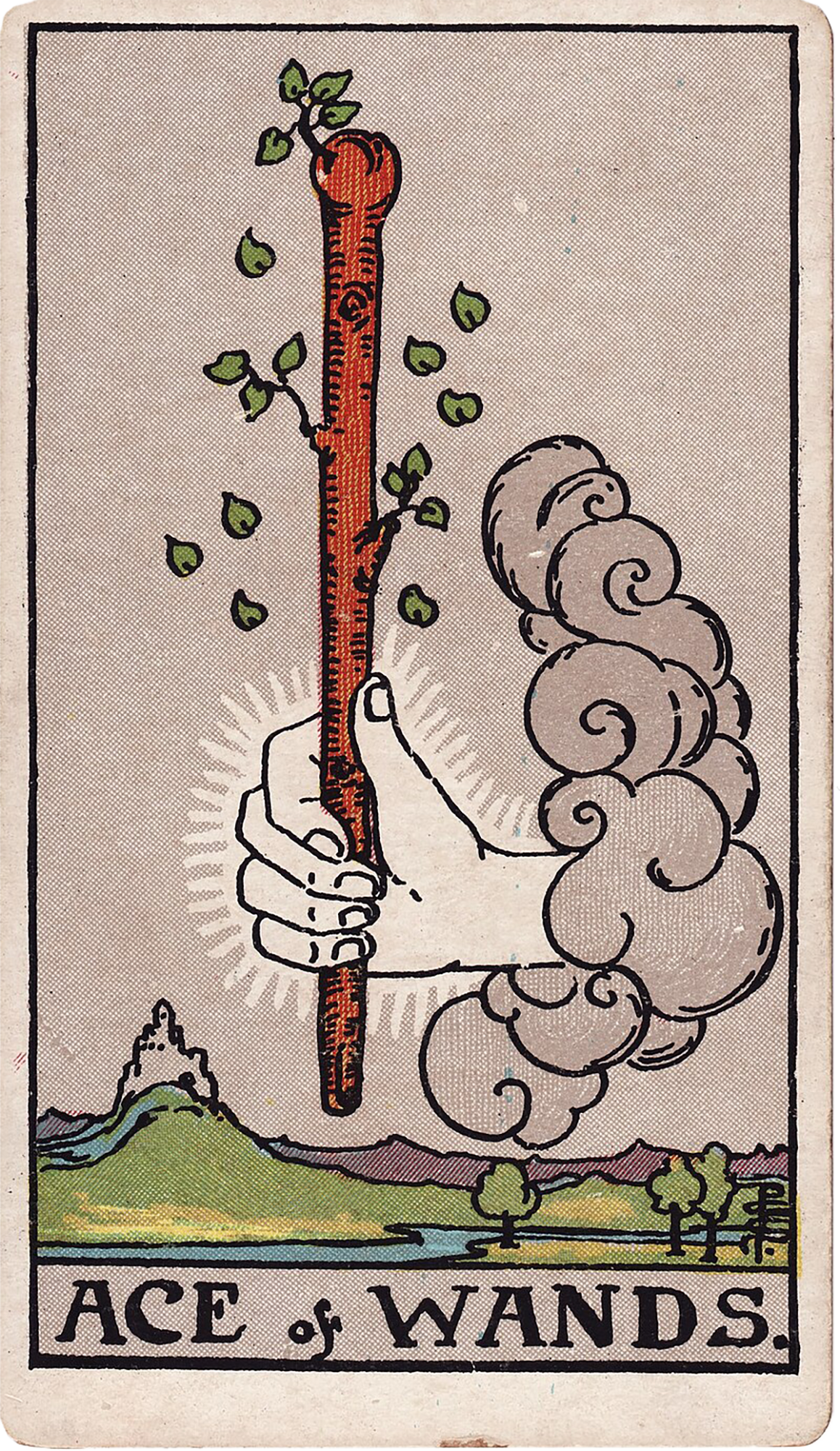 Ace of Wands
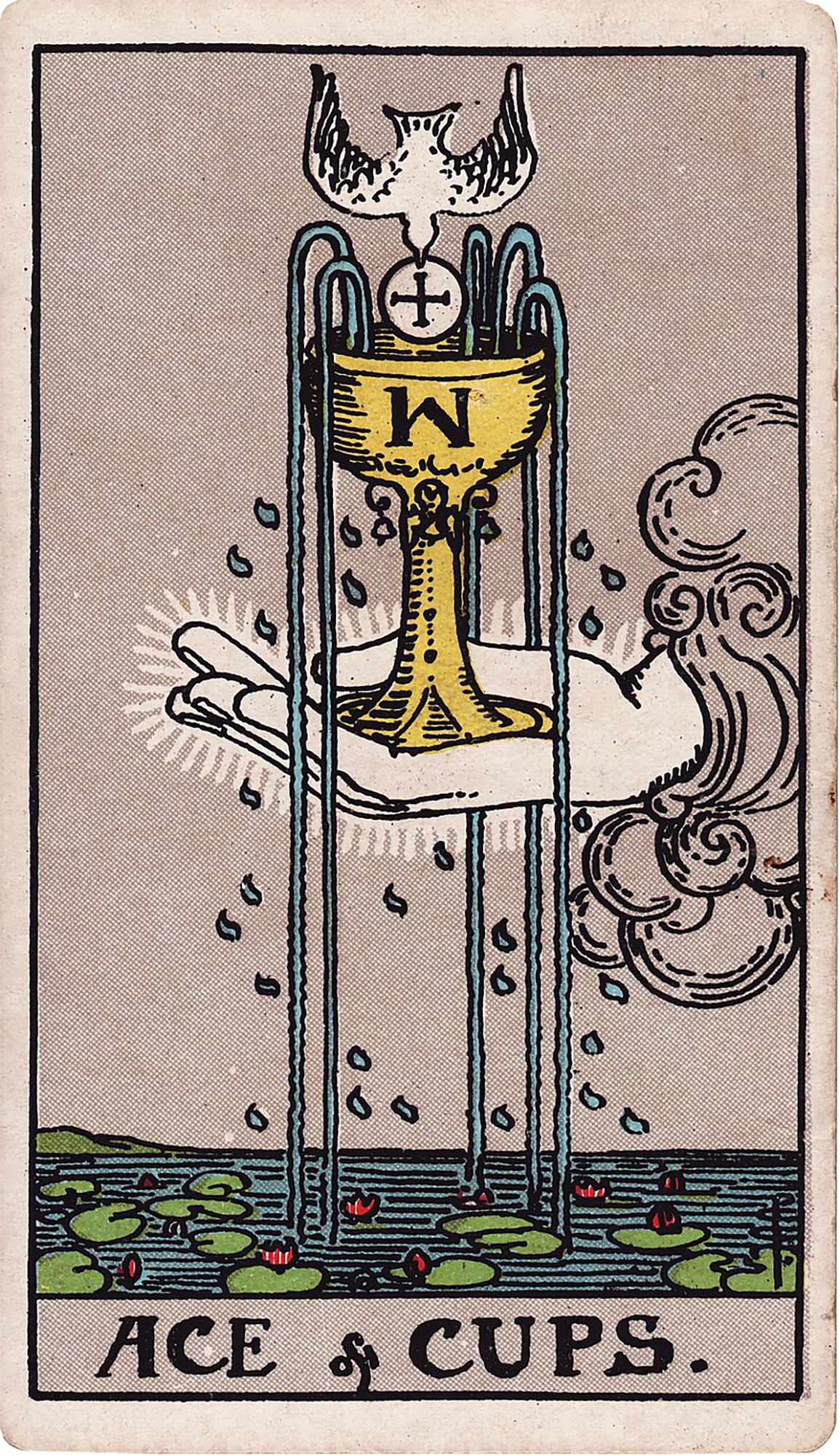 Ace of Cups
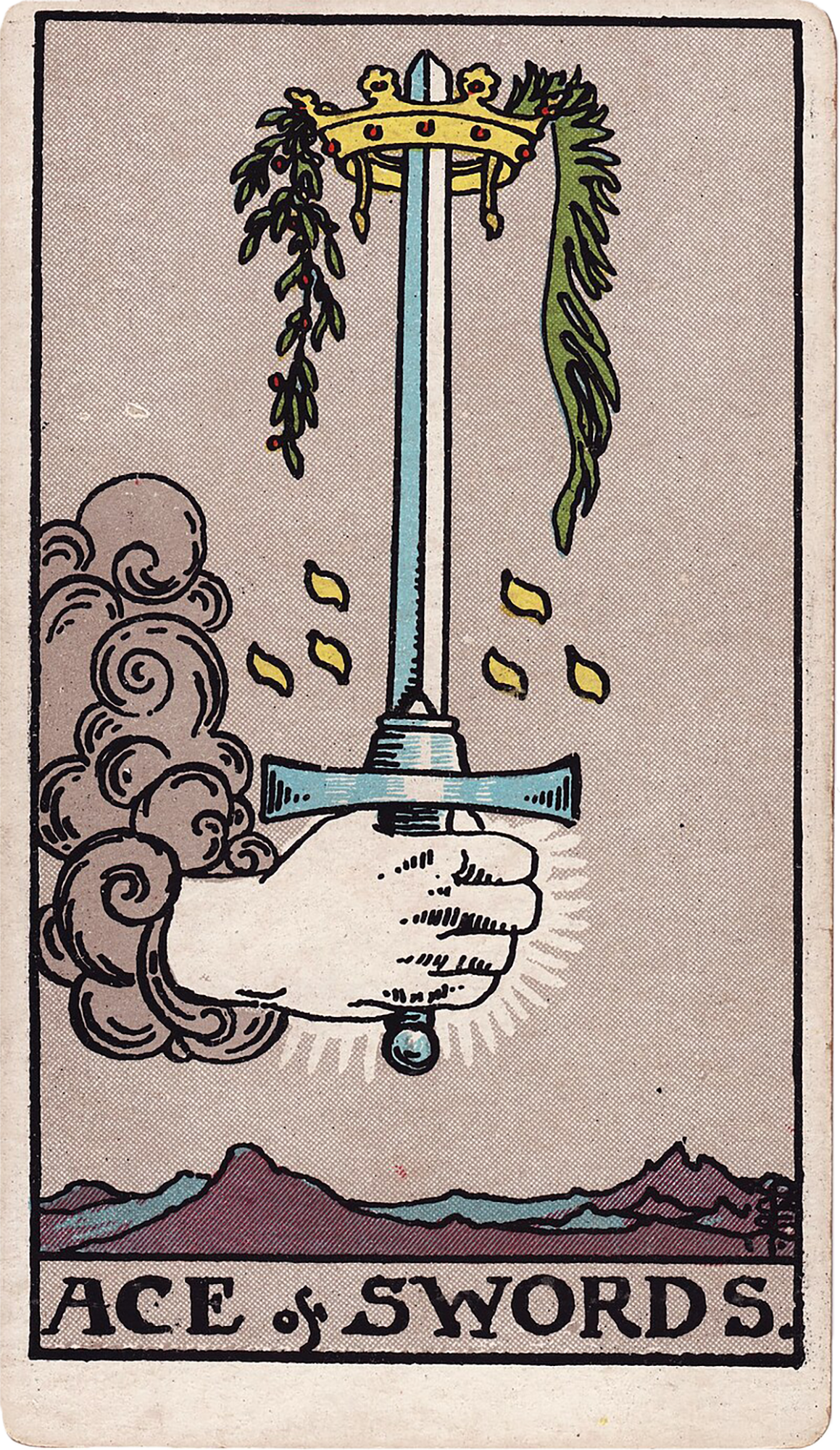 Ace of Swords
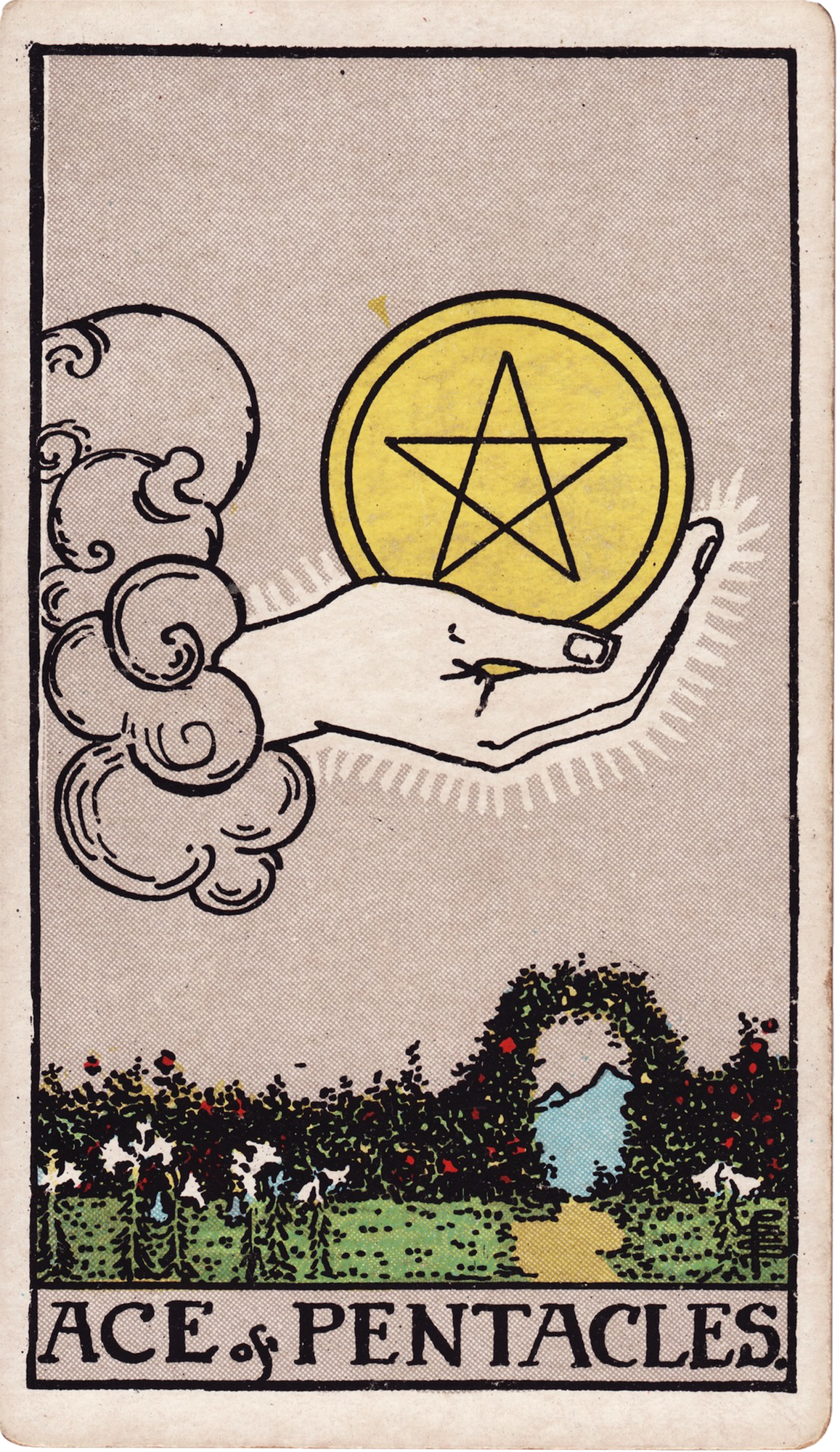 Ace of Pentacles
Introduction to the Four Tarot Suits and Their Elemental Foundations
The Tarot deck is traditionally divided into four suits—Wands, Cups, Swords, and Pentacles—each representing a distinct elemental force and sphere of life experience. Rooted in classical symbolism, these suits correspond respectively to Fire, Water, Air, and Earth. Understanding these elemental foundations provides a framework for grasping the deeper meaning of each suit and their roles in Tarot readings. Fire (Wands) symbolizes energy, creativity, and motivation. Water (Cups) governs emotions, relationships, and intuition. Air (Swords) concerns thought, communication, and conflict. Earth (Pentacles) relates to material matters, physical health, and practical resources. The Ace cards of each suit serve as powerful gateways into these elemental energies, offering an entry point for interpretation that highlights beginnings, opportunities, and core qualities.
The Ace of Wands as a Symbol of Creative Impulse and Practical Initiative
The Ace of Wands embodies the fiery energy of new beginnings in creativity and action. Traditional Rider-Waite-Smith imagery depicts a hand emerging from a cloud, holding a flourishing wand, symbolizing the spark of potential and dynamic force. Upright, this card signals a fresh impulse that demands immediate expression and practical engagement. It resonates with motivation, ambition, and the conscious directing of personal energy. For example, in a reading focused on career, the Ace of Wands may suggest a nascent project or inspiration that requires prompt, tangible steps to cultivate its potential before enthusiasm wanes. The card encourages readers to identify where this creative pattern is already emerging and to take concrete action that aligns with the current developmental phase. Reversed, the Ace of Wands points to blocked inspiration, premature or scattered efforts, or hesitation caused by waiting for perfect conditions. Instead of assuming mere negativity, the reversal invites the reader to explore what internal or external obstacles have stalled progress and what practical changes—be it simplifying goals, articulating desires, or adjusting timing—can restore balanced creative flow.
The Ace of Cups Illuminating Emotional Opening and Intuitive Receptivity
The Ace of Cups channels the watery element’s deep connection to emotion, compassion, and intuition. Its Rider-Waite-Smith imagery features a hand extending a cup overflowing with water, often with a dove or other symbols of spiritual receptivity, emphasizing the overflowing and abundant nature of feelings waiting to be embraced. Upright, the card points to an opening of the emotional field, signaling opportunities for affectionate connection, healing, or creative feeling that needs expression. In relationship readings, this may indicate a new bond or renewal of emotional depth. Its practical dimension insists on recognizing where this emotional pattern exists and what actions—such as openness, empathy, or vulnerability—would nurture it effectively. Reversed, the Ace of Cups highlights emotional blockages, fear of vulnerability, or depletion. This state is not necessarily visible externally but reflects a disconnection from healthy emotional channels internally. Rather than viewing reversal as mere absence, it prompts investigation into what feelings remain unexpressed or misdirected, encouraging practices that simplify emotional communication and foster integration.
The Ace of Swords Representing Intellectual Clarity and Decisive Insight
The Air suit, represented by Swords, is the domain of thought, communication, and mental processes. The Ace of Swords, traditionally shown as a hand gripping a sword topped with a crown and surrounded by radiant light, symbolizes a breakthrough in clarity, truth, or decisive understanding. This card heralds moments when confusion dissipates, enabling clear insight or strategic decision-making. Upright, it invites readers to identify where clear thinking or honest communication can resolve challenges or precipitate progress. The card’s practical aspect involves assessing how mental faculties, dialogue, or conflict resolution skills are being deployed and what next steps can solidify understanding. In reversal, the Ace of Swords warns against misused logic, harsh judgments, or intellectual confusion. Rather than a simple negation, this suggests a process stuck in unhelpful cognitive patterns or a truth weaponized against others rather than used constructively. The reversal encourages reflection on simplifying thought processes, acknowledging biases, and fostering more compassionate communication to reclaim healthy intellectual energy.
The Ace of Pentacles as a Gateway to Material Opportunity and Grounded Stability
The Earth suit, symbolized by Pentacles, connects Tarot to the physical and material world. The Ace of Pentacles, commonly depicted as a hand extending a golden coin or pentacle surrounded by lush natural imagery, represents the seed of tangible success, resources, and long-term security. Upright, this card invites the practitioner to notice new opportunities or resources that, with consistent effort and practical care, can develop into lasting abundance. Its connotations include work, health, routine, and craftsmanship. For practical readings, it encourages identifying where foundations are forming and what steady actions can strengthen these beginnings. Reversed, the Ace of Pentacles may signal missed chances, poor planning, or scarcity thinking. This state often reflects an internal hesitation to build solid groundwork or an unrealistic expectation of instant results. The reversal suggests reviewing practical habits, simplifying resource management, and fostering patience to re-establish a healthy relationship with material realities.
Techniques for Reading the Four Aces Together and Interpreting Their Interplay
When the four Aces appear within a single reading or in proximity, their combined symbolism offers a rich tapestry of elemental forces in dynamic balance or tension. A practical approach to integrated interpretation involves first identifying each Ace’s domain: Wands with creative drive, Cups with emotional openness, Swords with mental clarity, and Pentacles with material grounding. Readers should assess whether the energies indicated by each Ace are beginning, developing, or facing blocks, using the upright and reversed meanings as process markers rather than fixed verdicts. For example, the presence of the Ace of Wands alongside the Ace of Pentacles suggests a promising venture that combines inspired initiative with practical resourcefulness. If the Ace of Cups appears reversed in this mix, it may indicate emotional hesitations or relational strains impacting the project’s progress. Paying close attention to the imagery—such as the overflowing cup, the radiant sword, or the flourishing wand—helps anchor intuitive impressions and provides concrete symbolic reference points. Effective reading also involves contextualizing these elemental energies within the querent’s question or life area, avoiding overgeneralization, and framing insights as developmental possibilities rather than deterministic outcomes.
Common Mistakes in Interpreting the Aces and How to Avoid Them
A frequent challenge when working with the Aces is treating them as purely positive omens or dismissing reversals as simply negative. This binary view limits the nuanced understanding required for deeper Tarot study. Each Ace invites recognition of a process—whether initiation, blockage, or transformation—that interacts with the querent’s situation in complex ways. Another mistake is isolating Aces from the broader narrative of the spread or ignoring the practical advice embedded in their symbolic demands for appropriate action. Learners should resist abstract idealization and instead focus on how the energy represented by each Ace manifests concretely in the present moment. Overemphasis on traditional elemental correspondences without considering the card’s specific imagery and surrounding cards can also weaken interpretation. A balanced approach integrates elemental theory, Rider-Waite-Smith symbolism, and the practical, action-oriented guidance these cards express.
Practical Methods for Applying the Four Aces in Everyday Readings
To incorporate the four Aces effectively in practice, readers are encouraged to use stepwise techniques. Begin by examining each Ace’s position within the spread and its orientation (upright or reversed), noting the initial impulse or blockage indicated. Next, relate the Ace’s elemental qualities to the querent’s situation: Is new energy emerging? Are emotions opening or constricting? Is mental clarity present or confused? Are material opportunities tangible or elusive? Use the imagery details—such as the flourishing wand in the Ace of Wands or the overflowing cup in the Ace of Cups—to deepen intuitive connections. Then, look at surrounding cards for clues about development stages and potential challenges. Encourage querents to view these insights as invitations for practical action—whether initiating projects, expressing feelings, clarifying thoughts, or stabilizing resources—rather than fixed predictions. Keeping a journal of readings with a focus on the four Aces allows learners to track patterns and refine interpretative skills through experience.
Practice questions
• How do the elemental correspondences of Wands, Cups, Swords, and Pentacles shape your understanding of each suit's role in Tarot readings?
• In what ways does the imagery of the Ace cards help you connect with their core energies during interpretation?
• How can you use the upright and reversed positions of the Aces to identify where a process is stuck versus progressing?
• What practical actions can you suggest to querents based on the elemental lessons of each Ace card?
• How might integrating the four Aces in a single spread deepen a reading’s insight about balance across creative, emotional, intellectual, and material domains?
Comments
Sign in to comment.
Continue learning
Interpreting the Dance of Justice and The Devil: Balancing Morality and Temptation in Tarot Readings
The combination of Justice and The Devil in tarot presents a profound exploration of morality, temptation, and personal accountability. This article unpacks how these cards influen...
Advanced Techniques for Combining The Moon and The Star to Enhance Intuition in Tarot Readings
This article explores advanced techniques to combine the symbolism and energy of The Moon and The Star Tarot cards to enhance intuition during Tarot readings. Drawing from traditio...
Unlocking Life Insights with the Celtic Cross Tarot Spread
This article offers a thorough exploration of the Celtic Cross Tarot Spread, focusing on its application within family and practical life contexts. Using a worked example featuring...
Unlocking Hidden Meanings with The Hermit and The Hanged Man for Spiritual Growth
This article offers an in-depth exploration of The Hermit and The Hanged Man Tarot cards focusing on their roles in spiritual growth. It guides readers through beginner and advance...
Unlocking Personal Insight with the Seven Card Horseshoe Spread
The Seven Card Horseshoe Spread is a practical and insightful Tarot layout ideal for exploring personal and family dynamics. This article breaks down each position—Past, Present, H...
Mastering the Court Cards of Wands for Unlocking Personal Drive and Leadership
The Court Cards of Wands represent a dynamic spectrum of personal energy, ambition, and leadership potential within the Minor Arcana. This article offers a comprehensive exploratio...
Tracing the Origins and Evolution of The Fool Card in Tarot History
The Fool card holds a foundational place in tarot tradition, symbolizing beginnings, openness, and the embrace of uncertainty. This article traces its origins from early European d...
Techniques for Reading Court Cards to Unlock Personality Insights
Court cards in Tarot often represent people, personality traits, or energy patterns within a situation. This article offers a structured approach for beginners and advanced readers...
Unlocking Emotional Transformation with Death and The Moon Tarot Combination
This article explores the rich and complex interaction between the Death and The Moon tarot cards within the Rider-Waite-Smith tradition, focusing on their combined potential to un...
Applying The Star Card to Foster Hope and Renewal in Personal Growth
The Star card in Tarot symbolizes hope, authenticity, and the process of steady renewal. In a single-card reading, The Star encourages embracing what is present, cultivating openne...