
Unveiling the Symbolism and Elements of the Suit of Pentacles for Practical Wisdom
This article examines the Suit of Pentacles in tarot through the lens of practical wisdom, emphasizing the symbolism and elemental correspondences found within four key cards: Ace, Page, Knight, and Queen of Pentacles. By integrating traditional Rider-Waite-Smith symbolism with the specific meanings and imagery of these cards, readers are guided in understanding their role in material, financial, and corporeal domains. The article presents a detailed approach to reading these cards, common interpretive pitfalls, and practical methods to harness their energy in tarot spreads. It is designed for learners seeking to deepen their symbolic literacy and improve their reading techniques within the family of Pentacles.
Cards explored in this article
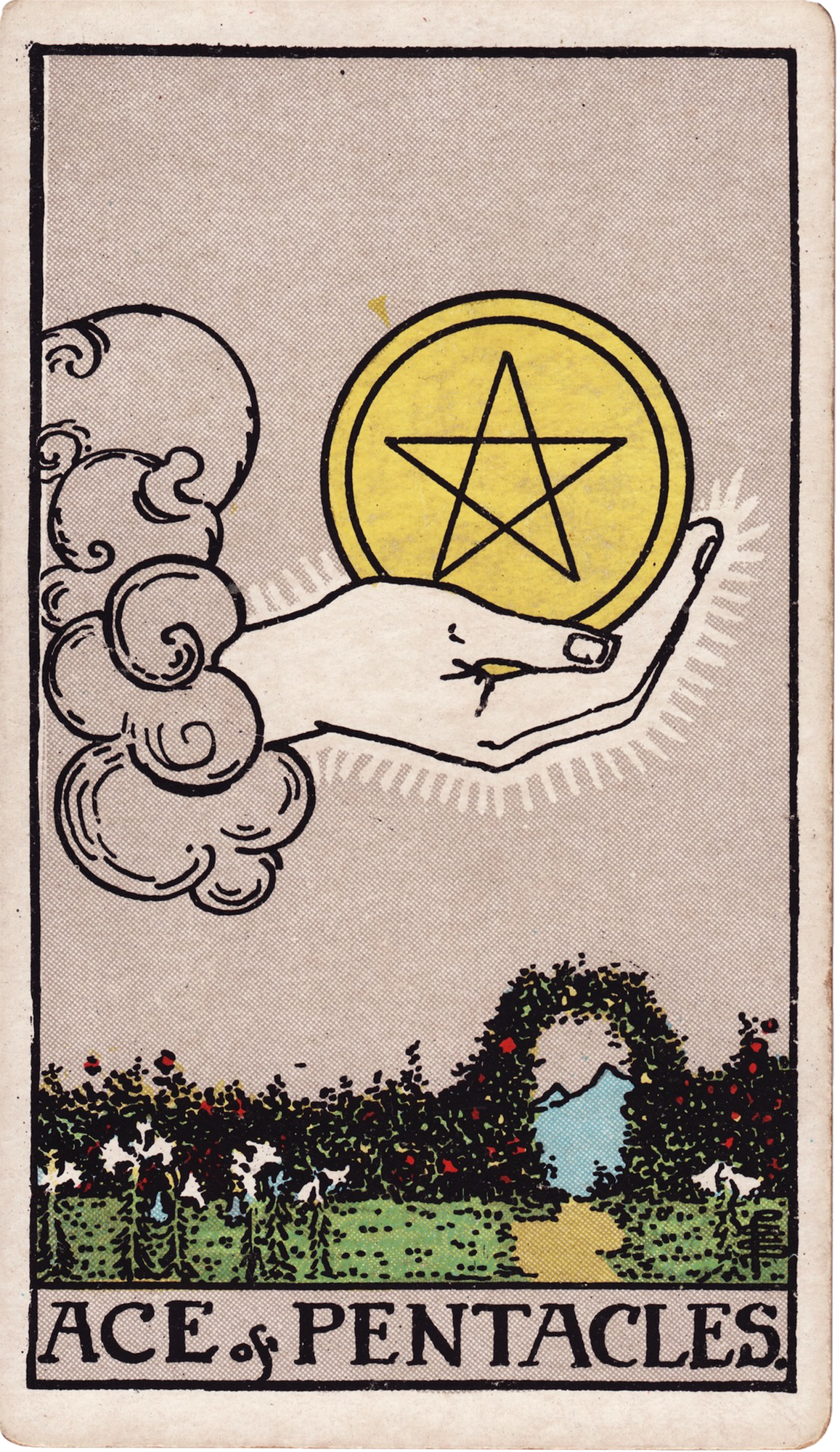 Ace of Pentacles
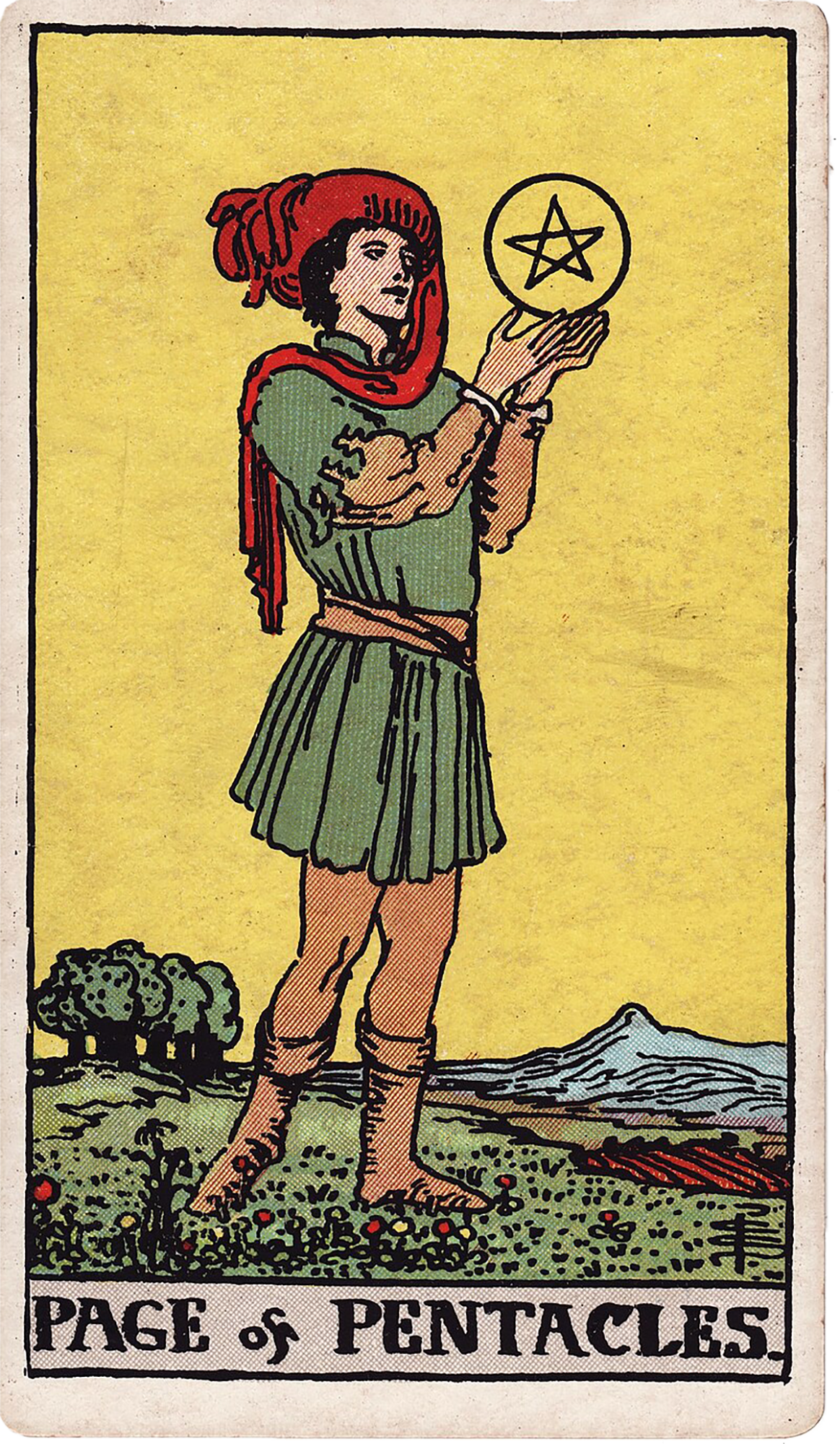 Page of Pentacles
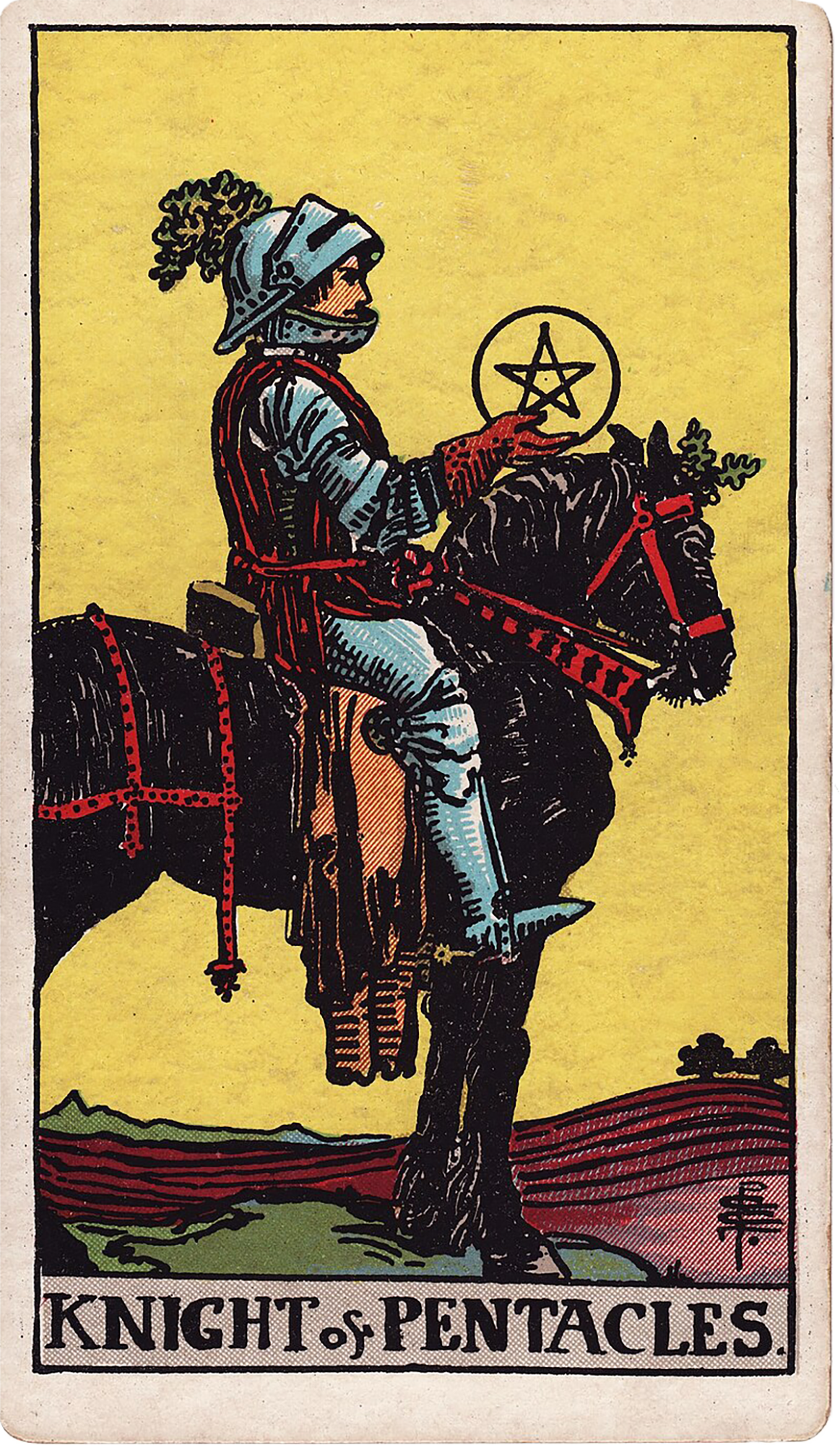 Knight of Pentacles
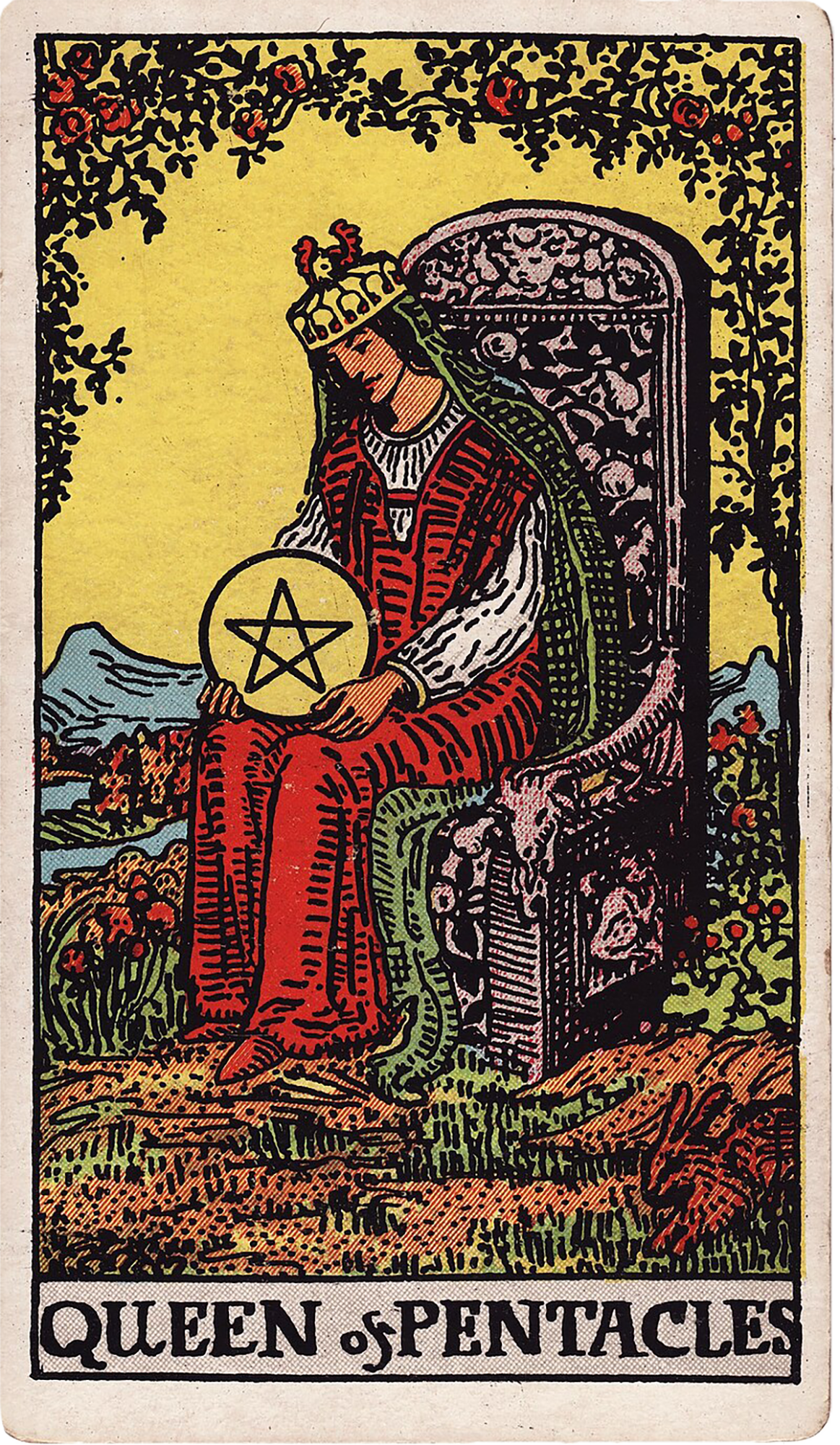 Queen of Pentacles
Introduction to the Suit of Pentacles and Its Symbolism
The Suit of Pentacles is deeply rooted in the element of Earth, signifying material reality, stability, and tangible resources. Traditionally depicted as coins or disks, Pentacles represent not only money and wealth but also the body, health, work, and practical skills. In tarot symbolism, Earth is associated with groundedness, growth, and physical nourishment—qualities that are central to the Pentacles’ energy. The suit invites readers to focus on what is concrete and actionable in life rather than abstract ideals. Within the Rider-Waite-Smith tradition, Pentacles often feature lush natural settings and references to agriculture and craftsmanship, emphasizing the cycle of sowing, tending, and harvesting. The family symbolism of Pentacles involves how material conditions and practical care support the well-being of oneself and others, highlighting themes of responsibility, resource management, and sustained effort.
The Ace of Pentacles as the Foundation of Practical Opportunity
The Ace of Pentacles heralds the beginning of a tangible opportunity or resource that can grow into lasting material success. Its upright meaning emphasizes the importance of responding to current conditions with practical care and consistent action. The card’s symbolism includes a hand emerging from a cloud, offering a pentacle as a gift or seed—an archetype of potential waiting to be realized through grounded effort. This image underscores that the Ace is not about abstract ideals but concrete beginnings. The surrounding landscape, often lush and fertile in the Rider-Waite-Smith imagery, suggests growth and nourishment. When reversed, this card warns of missed opportunities or poor planning, highlighting the need to examine where the practical process has become stuck or where foundational work is lacking. In readings, practitioners should consider the tangible resources available and the specific actions that can nurture development rather than rushing to results.
Page of Pentacles as the Embodiment of Practical Learning and Growth
The Page of Pentacles symbolizes the entry point into practical mastery and material responsibility. Traditionally depicted as a young figure studying or holding a pentacle, the card represents beginner energy focused on learning a skill, initiating a plan, or taking a material opportunity seriously. The earthy background and attentive posture in Rider-Waite-Smith iconography reinforce the card’s message about diligence, curiosity, and the importance of realistic goals. Upright, the Page encourages readers to engage with the present reality thoughtfully and to commit to incremental progress. When reversed, the card draws attention to procrastination, poor study habits, or superficial engagement with material matters, reminding readers to evaluate where follow-through and competence development are lacking. This card teaches that practical wisdom is cultivated through patience and grounded learning rather than impulsive action.
Knight of Pentacles as an Archetype of Steady Progress and Reliability
The Knight of Pentacles embodies the virtues of persistence, routine, and dependable action. His image riding steadily on a slow-moving horse, often with farmland in the background, signals a commitment to methodical progress rather than impulsiveness or grandeur. In the Rider-Waite-Smith tradition, this card highlights the power of consistent effort and the value of reliability over dramatic gestures. Upright, the Knight invites readers to honor daily routines, sustain effort even when results seem slow, and maintain focus on long-term material stability and health. When reversed, the Knight warns of stagnation, workaholism, or confusing inactivity with meaningful progress. It challenges readers to reassess their pace and consider whether their efforts are productive or simply habitual. This card teaches that practical wisdom often lies in steady, unglamorous work that builds solid foundations.
Queen of Pentacles as the Embodiment of Practical Nurture and Competence
The Queen of Pentacles represents mature, nurturing competence in managing material and bodily resources. Traditionally shown seated comfortably in a natural setting with symbols of fertility and abundance, the Queen highlights the balance between care for self and others, and the skillful stewardship of wealth and health. Her imagery in Rider-Waite-Smith connects her to the earth’s bounty and the home environment, emphasizing practicality over status or superficial success. Upright, the Queen encourages embodying resourcefulness, financial savvy, and grounded nurturing. When reversed, the card may reveal tendencies toward overwork, neglect of self-care, or anxiety tied to material security. It challenges readers to avoid measuring self-worth purely through external usefulness and to cultivate a sustainable approach to care. This card teaches that practical wisdom includes emotional intelligence intertwined with material competence.
Techniques for Reading Suit of Pentacles Cards Effectively
When interpreting Pentacles cards, it is crucial to focus on the present stage of the material or practical process rather than abstract ideals or distant outcomes. This approach means asking questions like: What tangible resources or skills are visible right now? Where is effort being applied, and what results are achievable at this stage? Readers should pay close attention to the card’s imagery—such as the environment, posture of figures, and surrounding elements—to anchor their interpretations in concrete symbolism. Context within spreads also matters: Pentacles often relate to questions of work, health, money, craft, and body, so surrounding cards can clarify whether the energy is emerging, developing, encountering obstacles, or resolving. Reversed cards invite examination of blocks, internal conflicts, or misalignments in practical actions rather than assuming mere opposites. A practical technique is to identify what action or attitude the card encourages now, emphasizing simplicity, acknowledgment, and consistent practice. Avoid common mistakes like over-intellectualizing Pentacles or imposing spiritual ideals that distract from their grounded nature.
Common Mistakes and How to Avoid Them in Pentacles Interpretation
One frequent error is treating reversed Pentacles cards as simple opposites of upright meanings. Instead, it is more productive to view reversals as indicators of where a process has stalled or become stuck. For example, the reversed Ace of Pentacles does not merely mean lack but signals poor foundation or planning that can be corrected. Similarly, reversing the Knight of Pentacles should prompt questions about whether routine has become rigidity or boredom rather than just slow progress. Another common mistake is neglecting the material and physical domains of Pentacles and overemphasizing spiritual or emotional interpretations. Practical wisdom requires grounding interpretations in real-world contexts: financial matters, health routines, skill development, and body care. Lastly, readers sometimes overlook the developmental stages within the Pentacles family, failing to distinguish between beginner energy (Page), steady execution (Knight), and mature nurture (Queen). Recognizing these progressive archetypes enhances interpretive clarity.
Applying Practical Wisdom from Pentacles in Tarot Spreads
To apply the teachings of Pentacles effectively in tarot readings, start by identifying the stage of material or practical development the cards point to. For instance, a spread featuring the Ace and Page of Pentacles suggests a new opportunity in its early learning phase, requiring practical study and realistic planning. The presence of the Knight of Pentacles emphasizes the need for steady routine and dependable follow-through, while the Queen of Pentacles calls for mature nurturing and resource management. Reflect on how the querent’s real-world circumstances align with these archetypes: Are they rushing into results without foundation (reversed Ace)? Are they procrastinating or losing focus on competence (reversed Page)? Is their routine productive or stagnant (upright vs. reversed Knight)? Are they balancing care and self-neglect (Queen)? By tuning into these questions, readers can guide querents toward actionable insights and sustainable growth. This practical, stage-aware approach helps avoid overly abstract or vague interpretations and reinforces the Suit of Pentacles as a source of grounded wisdom.
Practice questions
• How do the elemental qualities of Earth manifest in the symbolism of each Pentacles card?
• In what ways can the Ace of Pentacles teach us about foundational work in practical matters?
• What lessons about learning and growth does the Page of Pentacles embody in relationship to material resources?
• How can the steady, reliable energy of the Knight of Pentacles be harnessed effectively in daily life?
• What balance between nurturing others and self-care does the Queen of Pentacles encourage?
• How can reversals in Pentacles cards reveal internal blocks rather than external failures?
• What practical steps can a tarot reader take to avoid common misinterpretations of the Suit of Pentacles?
• How does understanding the developmental stages within the Pentacles family improve tarot reading accuracy?
Comments
Sign in to comment.
Continue learning
Interpreting the Dance of Justice and The Devil: Balancing Morality and Temptation in Tarot Readings
The combination of Justice and The Devil in tarot presents a profound exploration of morality, temptation, and personal accountability. This article unpacks how these cards influen...
Advanced Techniques for Combining The Moon and The Star to Enhance Intuition in Tarot Readings
This article explores advanced techniques to combine the symbolism and energy of The Moon and The Star Tarot cards to enhance intuition during Tarot readings. Drawing from traditio...
Unlocking Life Insights with the Celtic Cross Tarot Spread
This article offers a thorough exploration of the Celtic Cross Tarot Spread, focusing on its application within family and practical life contexts. Using a worked example featuring...
Unlocking Hidden Meanings with The Hermit and The Hanged Man for Spiritual Growth
This article offers an in-depth exploration of The Hermit and The Hanged Man Tarot cards focusing on their roles in spiritual growth. It guides readers through beginner and advance...
Unlocking Personal Insight with the Seven Card Horseshoe Spread
The Seven Card Horseshoe Spread is a practical and insightful Tarot layout ideal for exploring personal and family dynamics. This article breaks down each position—Past, Present, H...
Mastering the Court Cards of Wands for Unlocking Personal Drive and Leadership
The Court Cards of Wands represent a dynamic spectrum of personal energy, ambition, and leadership potential within the Minor Arcana. This article offers a comprehensive exploratio...
Tracing the Origins and Evolution of The Fool Card in Tarot History
The Fool card holds a foundational place in tarot tradition, symbolizing beginnings, openness, and the embrace of uncertainty. This article traces its origins from early European d...
Techniques for Reading Court Cards to Unlock Personality Insights
Court cards in Tarot often represent people, personality traits, or energy patterns within a situation. This article offers a structured approach for beginners and advanced readers...
Unlocking Emotional Transformation with Death and The Moon Tarot Combination
This article explores the rich and complex interaction between the Death and The Moon tarot cards within the Rider-Waite-Smith tradition, focusing on their combined potential to un...
Applying The Star Card to Foster Hope and Renewal in Personal Growth
The Star card in Tarot symbolizes hope, authenticity, and the process of steady renewal. In a single-card reading, The Star encourages embracing what is present, cultivating openne...