
Using Tarot Court Cards to Map Team Roles and Workplace Dynamics
This article teaches a practical, ethically grounded method for using Tarot court cards to identify team roles and workplace dynamics. Focusing on three supplied court cards — Queen of Wands, Knight of Swords, and King of Pentacles — it explains how Rider‑Waite‑Smith symbolism informs workplace readings, offers a step‑by‑step spread for mapping roles and interactions, gives concrete interpretation logic for upright and reversed positions, presents scenario examples with those exact cards, lists common mistakes, and supplies reflection questions for further development. Written for learners rather than as deterministic prediction, the piece emphasizes context, dialogue, and actionable follow‑up.
Cards explored in this article
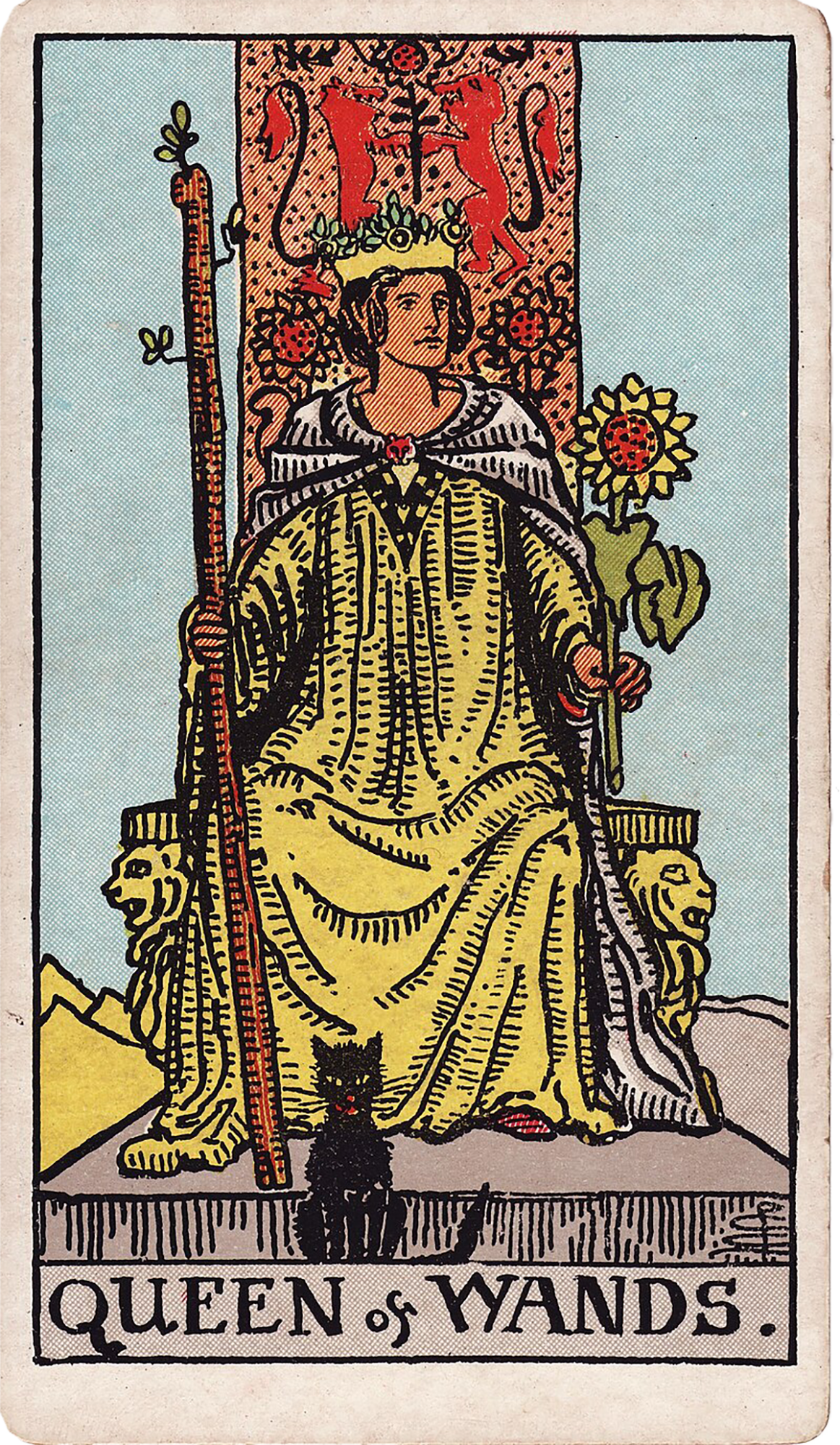 Queen of Wands
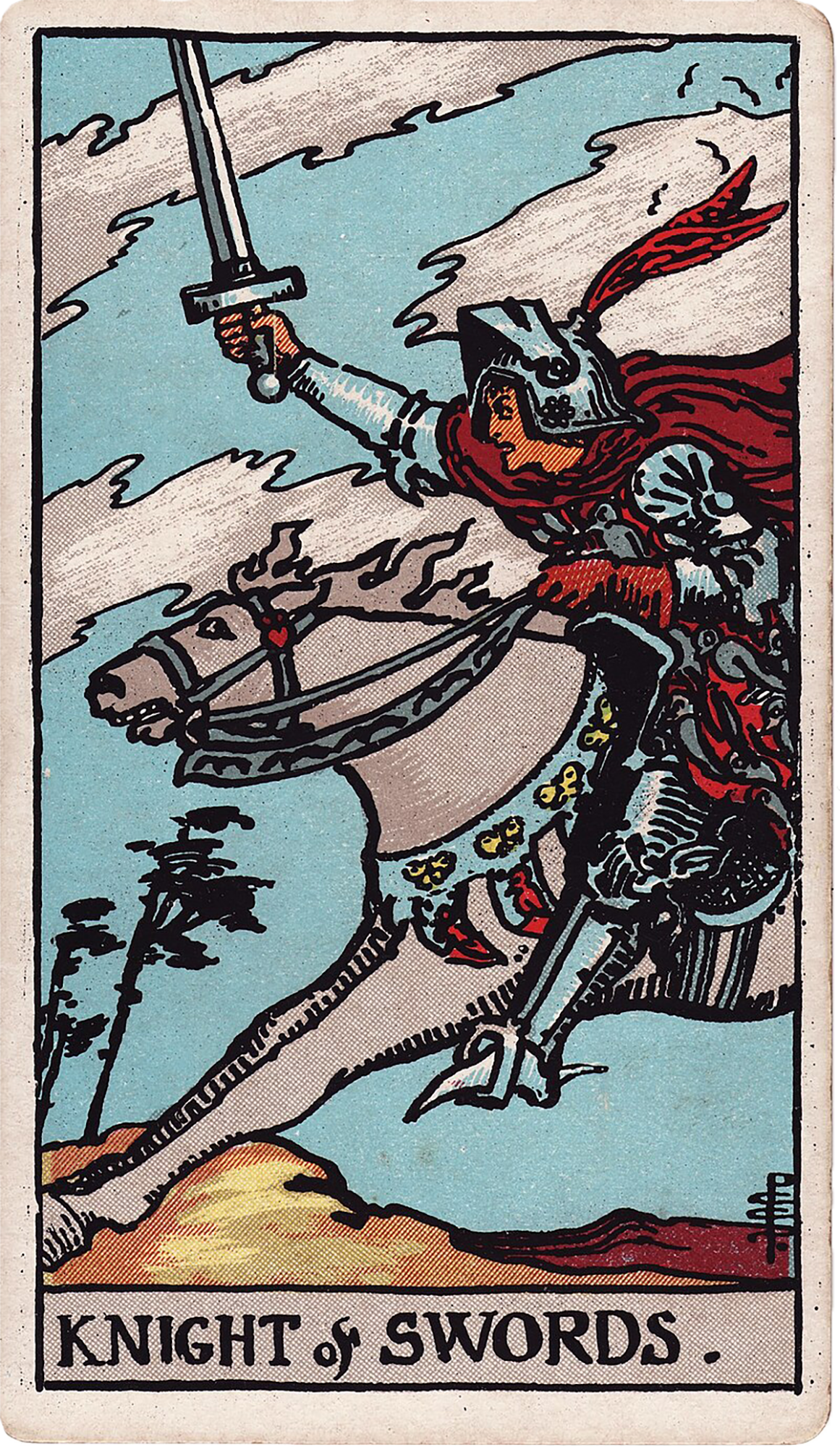 Knight of Swords
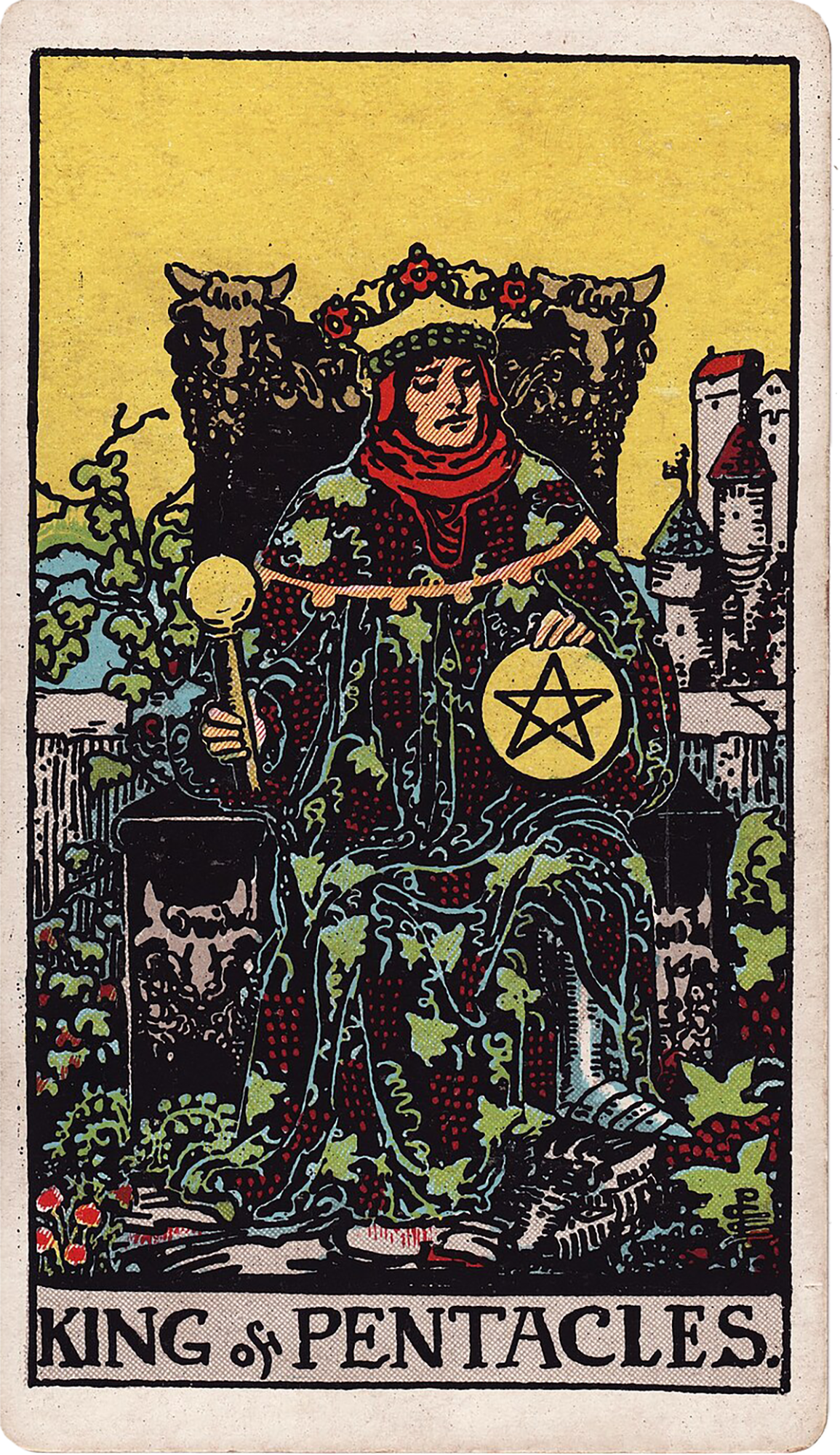 King of Pentacles
Introduction and scope
Court cards are especially useful for mapping people, roles, and relational dynamics because they show personality patterns, modes of action, and social position rather than singular events. This article focuses on the three court cards supplied for illustration — Queen of Wands, Knight of Swords, and King of Pentacles — and uses Rider‑Waite‑Smith symbolism and the supplied upright/reversed guidance to build a repeatable workplace method. The goal is not fortune‑telling but improving team awareness: identifying who tends to show which energy, how those energies interact, and what practical conversations or structural shifts will strengthen the team. Throughout, learners are invited to treat readings as snapshots and prompts for inquiry rather than fixed labels.
Why court cards map well to workplace roles
Court cards are archetypal by design: they represent ways people behave in groups, their decision style, and their relationship to authority and resources. In workplace mapping, a court card can function as a shorthand for a role (e.g., visible creative lead), a function (e.g., conflict initiator), or a relational posture (e.g., nurturer or steward). Rider‑Waite‑Smith imagery helps because it encodes consistent cues — posture, objects, animals, landscape — that point toward stable patterns like courage, steadiness, or haste. Using court cards lets a reader move from abstract personality talk to concrete, image‑based observations: where do you see the sunflower, the black cat, the helmet, the fortress, the grapes, or the charging horse in your team's behavior? The supplied cards provide three complementary archetypes that often recur in teams: the socially magnetic leader (Queen of Wands), the swift decisor or challenger (Knight of Swords), and the resource steward (King of Pentacles).
Quick visual primer on the three supplied cards
Queen of Wands (upright/reversed): The supplied upright text emphasizes "visible confidence that does not need to diminish others; creative leadership, independence and social warmth" and points to Wands skills — motivation, creativity, ambition, initiative, identity and how energy is directed. Rider‑Waite‑Smith imagery typically shows a seated queen holding a blossoming wand, a sunflower at her side, and often a black cat near her throne. These elements signal charisma, fertility of ideas (sunflower), instinct or shadow intelligence (black cat), and grounded, active leadership (wand). The reversed description supplied draws attention to jealousy, insecurity hidden behind performance, burnout from always being strong, or charm used to control outcomes, and advises examining where the process is stuck. Knight of Swords (upright/reversed): The supplied upright text highlights "swift decisive action, courage in debate and the ability to cut through delay," and links the card to Swords skills — thought, communication, conflict, decisions and strategic consequences. In the Rider‑Waite‑Smith image the knight is often charging forward with sword raised, cape and horse against a windy sky, which visually communicates speed, intellectual drive, and a willingness to confront. The reversed text warns against recklessness, aggression, tunnel vision, and moving so fast nuance is missed — a cue to slow down and account for consequences. King of Pentacles (upright/reversed): The supplied upright text emphasizes "mature stewardship of resources, business competence and building stability that can support others as well as oneself," linking to Pentacles skills — work, money, health, routine, resources and long‑term material stability. RWS imagery usually shows a king seated on a throne adorned with bulls and vines, wearing luxurious robes and surrounded by a well‑tended estate or castle, and holding a large pentacle. These symbols encode abundance tempered by responsibility. The reversed description points to greed, rigidity, status obsession, misuse of financial power, or stagnation — practical flags when stewardship becomes hoarding or inflexibility.
Technique: Building a team role spread
Below is a practical spread you can use in workshops, coaching sessions, or reflective practice. Use the three supplied cards as templates; you can also draw additional court or pip cards if your practice allows, but keep the focus on court archetypes for role work. 1) Choose positions. Use a five‑position layout: (A) Current formal role, (B) Natural/expressive role, (C) Role experienced by others (how others perceive this person), (D) Primary contribution or gift, (E) Blind spot or risk. This structure separates formal job description from lived behavior and consequences. 2) Assign cards. For an initial team map, assign a court card to each team member by either asking the group to pick cards for one another or by drawing and discussing. With the supplied cards, note where Queen of Wands, Knight of Swords, and King of Pentacles appear across positions. 3) Read relationally. After placing cards, read interactions pairwise: who pairs as Queen‑Knight, Knight‑King, Queen‑King, etc. Look for complementary or conflicting dynamics: energy, communication, and resource flow. 4) Follow up with questions. Use imagery‑based prompts: "Where do you see the sunflower or black cat? Where does the team feel rushed like a charging knight? Where is the fortress of the King visible in routines or budgets?" Anchor the discussion in behavior and outcomes. 5) Translate to action. End the reading by naming one practical step per person (e.g., create a buffer for the Knight of Swords to slow decision deadlines; ask the Queen of Wands to delegate a visible role to reduce burnout; invite the King of Pentacles to make explicit criteria for resource allocation).
Interpretation logic: upright and reversed in workplace context
Use the supplied upright/reversed texts as functional heuristics rather than moral judgments. Each upright points to a constructive skill set; each reversal highlights where that skill can be misapplied or blocked. Queen of Wands upright: Read as visible confidence, creative leadership, independence, and social warmth. In role mapping this suggests someone who naturally leads creative initiatives, energizes the group, and gets buy‑in through warmth. Practical signals: volunteers for public presentations, mediates informally, brings big ideas and social cohesion. Use this to identify who can take on visible project leadership or cultural roles. Queen of Wands reversed: Flags jealousy, hidden insecurity, burnout, or charm used to control. In a team this may show as a leader who performs strength but resents collaboration, or who becomes overly controlling when challenged. Practical actions: surface workload and emotional load; invite honest feedback; create shared leadership moments to reduce control pressure. Knight of Swords upright: Signals rapid decision‑making, courage in debate, and the capacity to cut through delay. In teams this person is useful when decisive action is needed or when argument clarifies vision. Practical signals: jumps to conclusions quickly, challenges proposals, pushes timelines. Use them for problem solving under time pressure but pair with a reality check. Knight of Swords reversed: Warns of recklessness, aggression, tunnel vision, or ignoring nuance. This often appears as interpersonal friction or failed initiatives because consequences weren't considered. Practical actions: institute pre‑mortems, require one dissenting voice, slow decision cadence for complex choices. King of Pentacles upright: Read as mature stewardship — someone who secures resources, systems, and long‑term stability. In organizations they handle budgets, craft durable processes, and support others' material needs. Practical signals: cares for financials, maintains routines, builds infrastructure. Use them to anchor strategy and preserve gains. King of Pentacles reversed: Indicates greed, rigidity, status obsession, misuse of financial power, or stagnation. Watch for micromanagement of resources, refusal to adapt investments, or prioritizing status over team growth. Practical actions: open resource allocation to transparent criteria, rotate stewardship, and test new small pilots to unfreeze rigidity. When cards appear together, read them relationally. For example, a Queen of Wands upright paired with a Knight of Swords upright can be a powerful creative leader and challenger dynamic — rapid ideation met with immediate critical testing — but if the Knight is reversed, the Queen's warmth may be attacked. If the King of Pentacles is reversed in combination, resource control may block experimentation. Always translate image cues into observable behaviors and then into concrete next steps.
Three scenario examples using only the supplied cards
Scenario A — Creative team under pressure Cards drawn for the roles: Formal Manager = King of Pentacles upright, Project Lead = Queen of Wands upright, Change Agent = Knight of Swords upright. Interpretation: The King of Pentacles provides steady funding and infrastructure; the Queen of Wands brings visible creative leadership and social energy to galvanize the team; the Knight of Swords drives rapid decision legibility and keeps momentum. Together, they form a potent trio: resources, creativity, and decisive action. Practical guidance: establish checkpoints where the King confirms budgetary alignment, let the Queen run public engagement with delegated tasks to avoid burnout, and schedule a short daily sync for the Knight to ventilate urgent decisions while routing major shifts through a brief risk check. Scenario B — Innovation blocked by risk aversion Cards placed: Formal Sponsor = King of Pentacles reversed, Design Lead = Queen of Wands upright, Ops Liaison = Knight of Swords reversed. Interpretation: The Queen of Wands wants visible innovation and social buy‑in, but the King of Pentacles reversed suggests the sponsor is hoarding resources or prioritizing status over experimentation, perhaps unwilling to seed prototypes. The Knight of Swords reversed adds haste without nuance or interpersonal aggression that spooks leadership. Practical guidance: surface the King's concerns in a transparent proposal with staged metrics; slow the Knight's impulse to argue and instead present structured scenarios; ask the Queen to marshal social proof from stakeholders to reduce perceived risk. Scenario C — Toxic speed and burnout Cards placed: Team Member A = Knight of Swords upright, Team Member B = Queen of Wands reversed, Finance = King of Pentacles upright. Interpretation: The Knight's decisive push moves projects faster, but the Queen reversed signals hidden insecurity and burnout from always being the visible glue; she may use charm manipulatively to keep pace. The King anchors resources but may not notice emotional costs. Practical guidance: design workload limits and review cycles, invite the Queen reversed into a supportive coaching conversation about delegation, and ask the King to fund a wellbeing buffer or temporary hires to reduce burnout.
Practical reading method and script
Use this scripted approach to run a short, participatory session with a team or in a coaching context. 1) Set intention and consent: Explain that the reading maps patterns and prompts conversation, not predicts outcomes, and get explicit consent from participants. 2) Clarify roles and positions: Describe the five positions (formal role, natural role, perceived role, main gift, blind spot). 3) Draw and place cards: Either have participants draw or place preselected archetype cards like Queen of Wands, Knight of Swords, King of Pentacles in positions. 4) Describe imagery: For each placement, read the supplied upright or reversed text and point to the RWS imagery: e.g., for Queen of Wands show sunflower (creativity/growth), black cat (intuitive shadow), wand (active leadership). 5) Translate to behavior: Ask concrete questions: What does the sunflower look like in your week? When did you last see the charging horse of the Knight of Swords in a meeting? Where is the King's fortress or grapevine visible in our systems? 6) Commit to actions: For every card that points to a risk, name one micro‑action (timebound) the team will take before the next meeting. 7) Follow up: Document results and revisit the spread after a set period. Script examples of prompts: "When you see the Queen of Wands' sunflower energy, what do you hear people say?" "Where has the Knight of Swords' speed helped, and where has it harmed?" "What routine does the King of Pentacles protect, and is that protection enabling or preventing growth?"
Common mistakes and how to avoid them
1) Reifying cards into fixed personality labels. Mistake: Reducing a person to "just a Knight of Swords" and ignoring context. Solution: Use cards as behavior descriptors for a period or situation, not immutable identity. Pair the card with situational notes (deadlines, stressors, role expectations). 2) Forgetting reversal nuance. Mistake: Treating reversed cards as simply 'bad' or opposite. Solution: Read reversal as stuck process — what needs simplifying, communicating, or practiced — using the supplied guidance to identify blockages. 3) Ignoring imagery. Mistake: Relying only on one‑line meanings rather than the rich Rider‑Waite‑Smith symbols. Solution: Point out specifics (sunflower, black cat, charging horse, fortress, vines, pentacle) and ask participants where those images show up in behavior and physical workspace. 4) Skipping consent and confidentiality. Mistake: Doing public readings that label colleagues without permission. Solution: Always ask if people want to be represented, offer anonymous mapping, and keep actionable findings focused on systems and behaviors rather than personal pathology. 5) Overlooking power differentials. Mistake: Letting a King of Pentacles archetype in the room dictate the reading's outcome. Solution: Make space for less visible roles to speak, and use the reading to democratize decisions (e.g., transparent budgeting criteria).
Ethics, boundaries and translating insight into change
Court‑card mapping can surface uncomfortable truths about power, stress, and inequality. Ethical practice requires: informed consent, respect for privacy, and making clear that images are prompts for dialogue—not evaluations. Use the reading to create shared language for future conversations ("when we say 'Queen energy' we mean public creative leadership, not a personal attack"). Translate insights into concrete systems changes: role descriptions, delegation matrices, risk review checklists, and budget transparency policies. For example, a recurring Queen of Wands reversed across team members signals systemic overwork and performative leadership; the solution may be structural (hiring, redistributing visibility) rather than individual therapy. Keep records of commitments from readings and revisit them to ensure accountability.
Practice exercises for learners
1) Single‑person mapping: Take one team member and place Queen of Wands, Knight of Swords, and King of Pentacles across the five positions (formal role, natural role, perceived role, gift, blind spot). Write three behaviors that match each card's imagery. 2) Pair dynamics: Choose two people and map how each card would influence their interactions in a single project; list potential conflicts and three mitigations. 3) Reversal detective: Identify a recurrent team problem and see which reversed card (Queen of Wands reversed, Knight of Swords reversed, or King of Pentacles reversed) best fits; propose one systems change to unblock that pattern. 4) Imagery inventory: Walk through your office or digital workspace and note up to five visual or procedural elements that echo the RWS imagery of the three cards; discuss what those echoes indicate about priorities.
Conclusion and next steps
Court cards provide a practical bridge between symbolic insight and organizational action. The Queen of Wands, Knight of Swords, and King of Pentacles together illuminate how visibility, speed, and resources organize workplace life. Use the methods above to map roles, test interpretations against behavior, and convert readings into concrete experiments. Always pair insight with consent and accountability: a reading is most useful when it prompts honest conversation, measurable steps, and follow‑through. For learners, the next step is repeated practice in low‑risk settings, keeping a journal of interpretations and outcomes, and gradually introducing more cards only as your participatory ethics and reading skill deepen.
Practice questions
• Which of the three supplied cards most often shows up in your team meetings and why?
• When you imagine the Queen of Wands' sunflower or black cat in your workplace, what concrete behaviors or artifacts come to mind?
• Describe a recent moment of Knight of Swords energy in your team. Was it helpful or harmful in that context?
• Where does King of Pentacles stewardship show up in your processes, and what does it protect or prevent?
• If a team member reads as Queen of Wands reversed, what supportive structural changes could you offer rather than personal criticism?
• How can you build a simple pre‑mortem or pause that would contain Knight of Swords' impulse without stalling progress?
• What transparent budgeting or resource allocation practices would reduce the risks signaled by King of Pentacles reversed?
• How will you document and follow up on one actionable change that comes from a court‑card mapping session?
Comments
Sign in to comment.
Continue learning
Interpreting the Dance of Justice and The Devil: Balancing Morality and Temptation in Tarot Readings
The combination of Justice and The Devil in tarot presents a profound exploration of morality, temptation, and personal accountability. This article unpacks how these cards influen...
Advanced Techniques for Combining The Moon and The Star to Enhance Intuition in Tarot Readings
This article explores advanced techniques to combine the symbolism and energy of The Moon and The Star Tarot cards to enhance intuition during Tarot readings. Drawing from traditio...
Unlocking Life Insights with the Celtic Cross Tarot Spread
This article offers a thorough exploration of the Celtic Cross Tarot Spread, focusing on its application within family and practical life contexts. Using a worked example featuring...
Unlocking Hidden Meanings with The Hermit and The Hanged Man for Spiritual Growth
This article offers an in-depth exploration of The Hermit and The Hanged Man Tarot cards focusing on their roles in spiritual growth. It guides readers through beginner and advance...
Unlocking Personal Insight with the Seven Card Horseshoe Spread
The Seven Card Horseshoe Spread is a practical and insightful Tarot layout ideal for exploring personal and family dynamics. This article breaks down each position—Past, Present, H...
Mastering the Court Cards of Wands for Unlocking Personal Drive and Leadership
The Court Cards of Wands represent a dynamic spectrum of personal energy, ambition, and leadership potential within the Minor Arcana. This article offers a comprehensive exploratio...
Tracing the Origins and Evolution of The Fool Card in Tarot History
The Fool card holds a foundational place in tarot tradition, symbolizing beginnings, openness, and the embrace of uncertainty. This article traces its origins from early European d...
Techniques for Reading Court Cards to Unlock Personality Insights
Court cards in Tarot often represent people, personality traits, or energy patterns within a situation. This article offers a structured approach for beginners and advanced readers...
Unlocking Emotional Transformation with Death and The Moon Tarot Combination
This article explores the rich and complex interaction between the Death and The Moon tarot cards within the Rider-Waite-Smith tradition, focusing on their combined potential to un...
Applying The Star Card to Foster Hope and Renewal in Personal Growth
The Star card in Tarot symbolizes hope, authenticity, and the process of steady renewal. In a single-card reading, The Star encourages embracing what is present, cultivating openne...