
Using the Career Five Card Spread to Navigate Leadership Development and Team Dynamics
This article presents a detailed guide to using the Career Five Card Spread for exploring leadership development and team dynamics. By analyzing the exact cards drawn—The Emperor, The Hierophant, Queen of Wands, Knight of Swords, and King of Pentacles—learners will understand how each card's traditional and symbolic meanings inform the five positions of the spread: Current Position, Strength, Challenge, Opportunity, and Next Step. The article explains how to interpret card relationships, avoid common pitfalls, and structure readings that offer pragmatic guidance for career pathing and leadership roles within teams.
Career Five
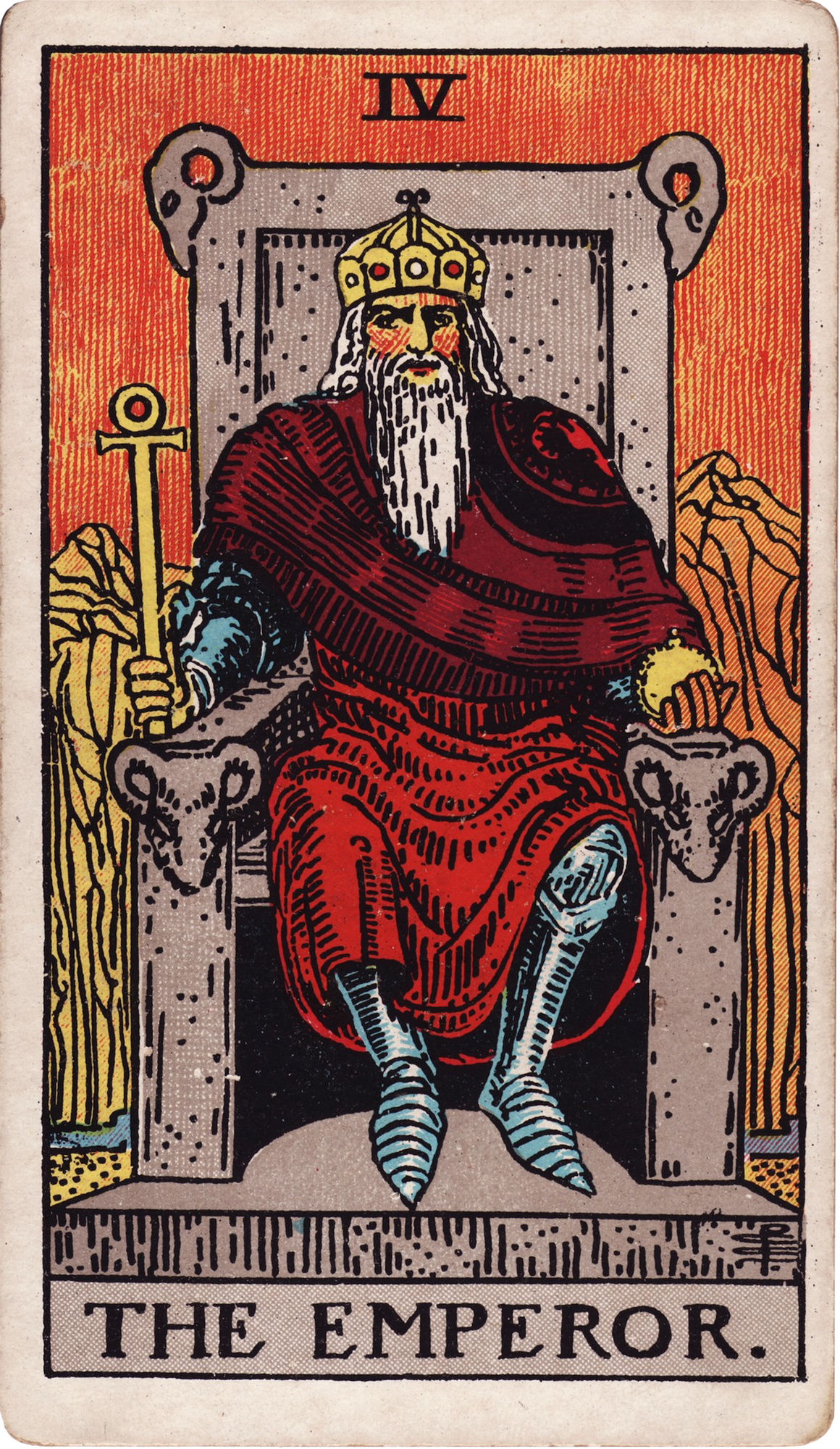 Current PositionThe Emperor
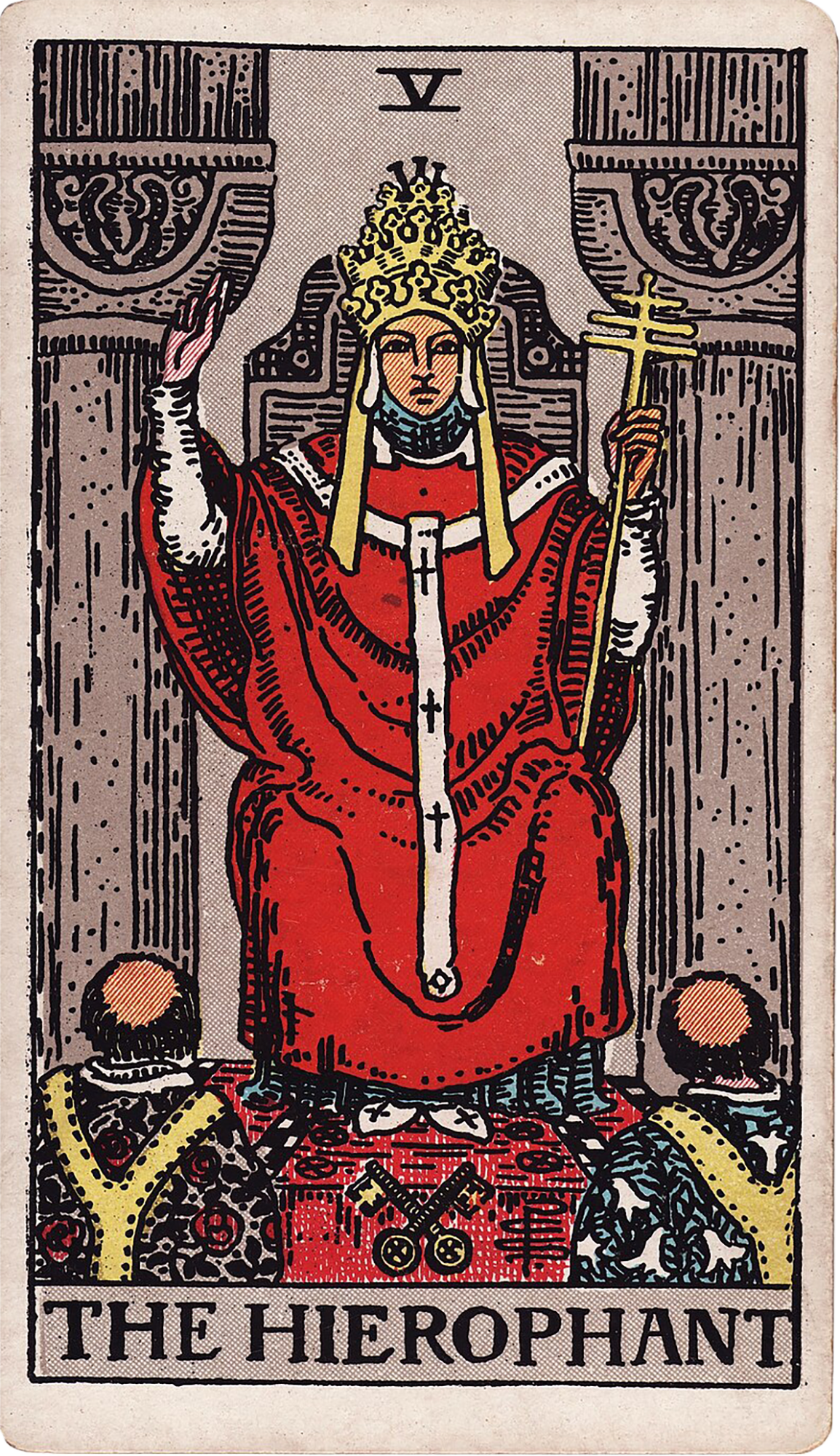 StrengthThe Hierophant
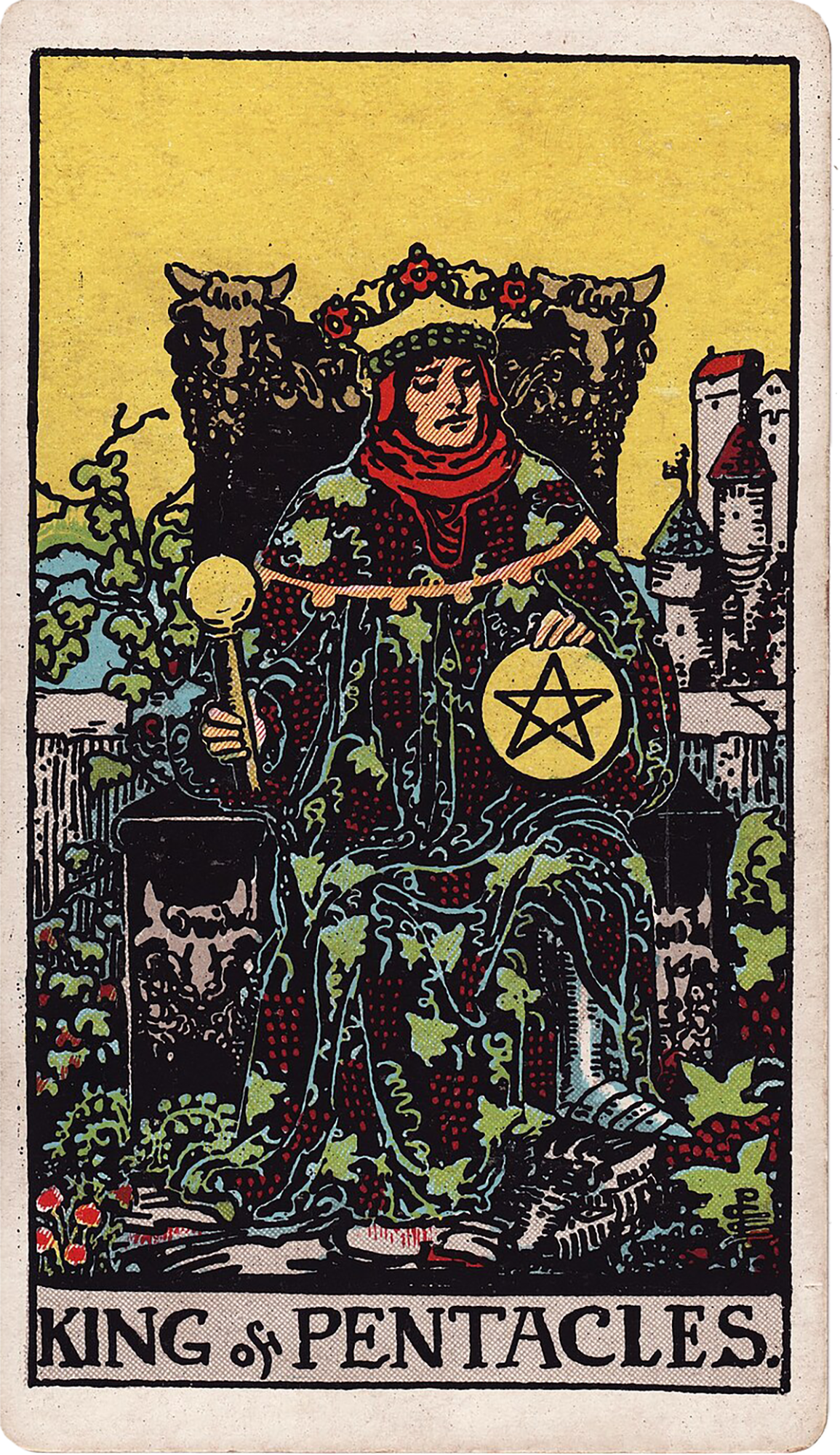 ChallengeKing of Pentacles
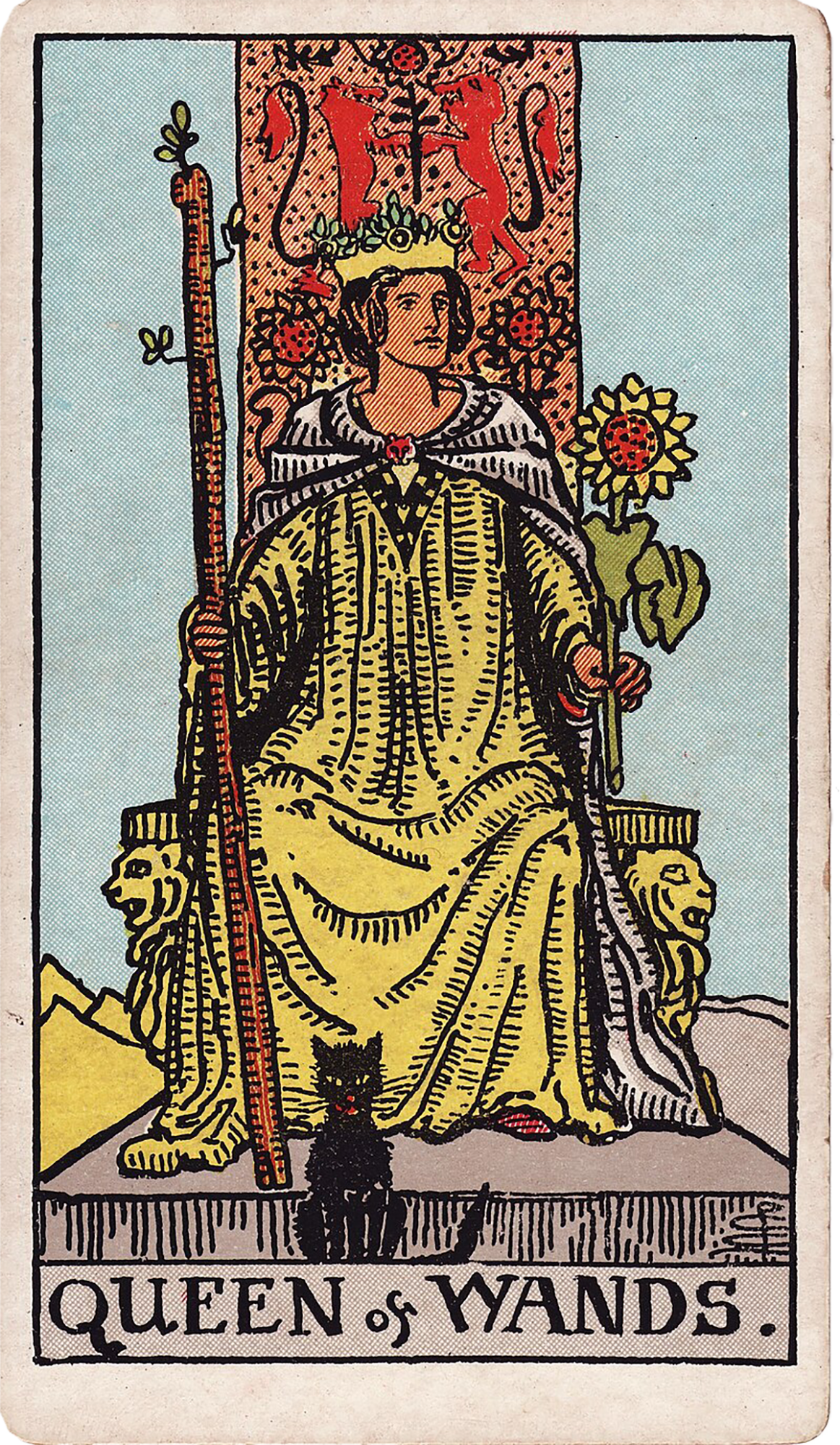 OpportunityQueen of Wands
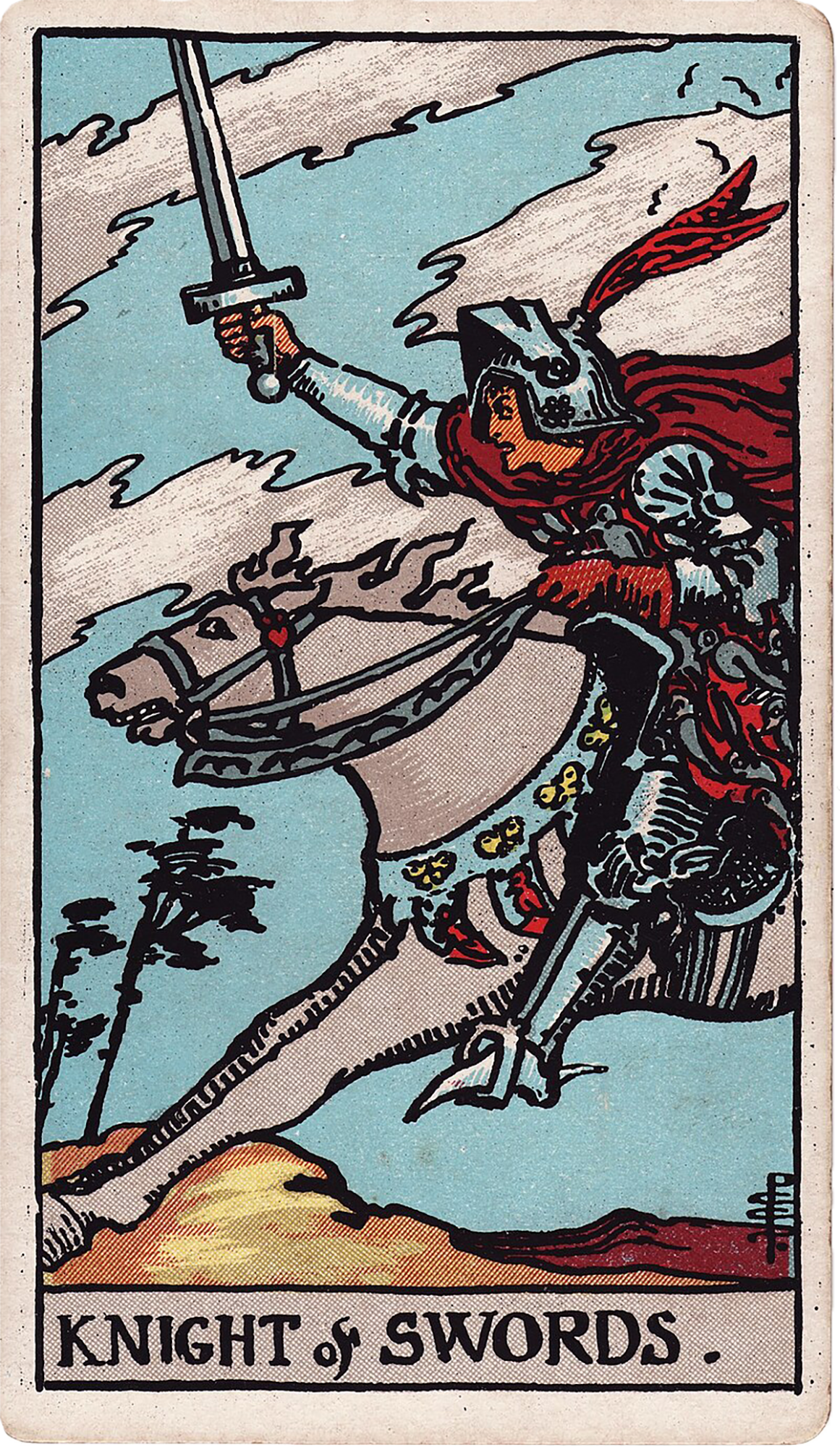 Next StepKnight of Swords
Introduction to the Career Five Card Spread
The Career Five Card Spread is a practical and insightful tarot layout designed to explore professional growth, leadership development, and team dynamics. Unlike general career readings that may focus broadly on job searching or satisfaction, this spread isolates key facets that influence leadership evolution and collaborative environments. The five positions—Current Position, Strength, Challenge, Opportunity, and Next Step—create a narrative arc that helps the querent identify where they stand, what internal and external resources they have, what obstacles they face, possibilities for growth, and concrete actions to take. The layout is versatile and can be adapted for individual career reflection or team leadership consultations. In this article, we use the supplied cards: The Emperor, The Hierophant, Queen of Wands, Knight of Swords, and King of Pentacles, to illustrate how to work with this spread in a deeply educational way.
Position One Current Position and The Emperor
The first card in the spread represents the Current Position—the querent’s present state in their career or leadership role. In this reading, The Emperor appears in the upright position. The Emperor traditionally symbolizes authority, structure, discipline, and responsibility. Rider-Waite-Smith imagery depicts a mature ruler seated on a stone throne, holding a scepter and orb, representing control and governance. This card in Current Position suggests that the querent is currently engaged with setting boundaries, taking accountability, and possibly assuming or preparing to take on leadership roles that require order and systematization. The Emperor’s upright meaning points to a constructive leadership quality, emphasizing the ability to respond to challenges with clarity and a deliberate approach. It encourages working with available resources and visible structures rather than waiting for ideal conditions. For learners, this position indicates an awareness of existing power dynamics and the need to engage consciously with authority—either wielding it or navigating it. Importantly, The Emperor does not guarantee ease but highlights the necessity for disciplined leadership, which lays a foundation for growth.
Position Two Strength and The Hierophant
The second card reflects Strength—the internal or external resource that supports the querent’s development. The Hierophant appears upright here, bringing a theme of tradition, established wisdom, mentorship, and institutional knowledge. The Hierophant’s Rider-Waite-Smith image shows a religious figure holding a triple cross and making a blessing gesture, emphasizing learning from systems and seeking qualified guidance. In the context of leadership and team dynamics, The Hierophant as Strength suggests the querent benefits from grounding their approach in proven principles and expert advice. It speaks to the power of understanding and respecting organizational rules or cultural norms before making decisions. Rather than blind conformity, the card advises deliberate choices about when to follow or innovate beyond existing frameworks. Together, The Emperor and The Hierophant show a relationship between disciplined leadership (The Emperor) and wise adherence to or interpretation of institutional knowledge (The Hierophant). This implies that the querent’s leadership strength comes from balancing authority with humility and learning.
Position Three Challenge and Queen of Wands
The third card identifies the Challenge—the obstacle or tension the querent must navigate. Here, the Queen of Wands appears upright. Traditionally, the Queen of Wands is a figure of vibrant confidence, creativity, independence, and warmth. The Rider-Waite-Smith card depicts a queen holding a sunflower, with a black cat at her feet, symbolizing intuition and protective energy. In a challenge position, the Queen of Wands may represent hurdles in expressing authentic confidence or maintaining positive, creative leadership without overwhelming others or burning out. This card can also highlight difficulties in managing social warmth and ambition simultaneously—balancing assertiveness with empathy. Contrasted with The Emperor and The Hierophant, who emphasize structure and tradition, the Queen of Wands challenges the querent to integrate creative, flexible leadership styles into established systems without losing vitality or becoming overly controlling. It prompts reflection on how confidence and independence might be hindered by internal doubts or external resistance.
Position Four Opportunity and Knight of Swords
The fourth position reveals Opportunity—potential avenues for growth or breakthrough. The Knight of Swords in the upright position embodies swift action, intellectual courage, decisiveness, and clear communication. Rider-Waite-Smith imagery shows a knight charging forward through the clouds with sword raised, ready to confront challenges head-on. For leadership and team dynamics, the Knight of Swords suggests an opening to cut through delays or indecision by embracing a proactive, strategic mindset. This opportunity encourages the querent to engage in courageous debate, clarify objectives, and pursue truth in complex situations. The card promotes channeling mental energy constructively to overcome obstacles. Placed after the Queen of Wands challenge, the Knight of Swords invites the querent to move beyond hesitation or insecurity by taking bold, focused steps. It complements the earlier cards by adding mental agility and assertiveness to the foundation of structure (The Emperor) and wisdom (The Hierophant).
Position Five Next Step and King of Pentacles
The final card indicates the Next Step—the recommended action or attitude to progress successfully. The King of Pentacles appears upright, symbolizing mature stewardship, financial competence, stability, and practical leadership. In Rider-Waite-Smith, the King holds a golden scepter and is surrounded by vines and a bull motif, representing grounded authority and prosperity. As the next step, this card advises the querent to focus on building sustainable systems that support both themselves and their team or organization. It encourages mastery of resources, routine, and long-term planning. This step is less about swift action (Knight of Swords) and more about cultivating reliability and resilience in leadership. The King of Pentacles harmonizes the earlier messages: applying The Emperor’s discipline, The Hierophant’s wisdom, Queen of Wands’ creative energy, and Knight of Swords’ decisiveness in a grounded, financially and operationally sound manner. It signals a movement from dynamic challenge and opportunity toward stability and mature leadership.
Card-to-Card Relationships and Overall Reading
Examining the relationships between the cards enriches interpretation. The Emperor and The Hierophant together emphasize a leadership style rooted in structure and tradition. They form the foundation from which the querent’s current position and strength arise. The Queen of Wands introduces tension by challenging the rigidity of those systems with creative, confident individuality. The Knight of Swords offers an opening to address this tension through swift, strategic action and communication. Finally, the King of Pentacles consolidates these energies into a mature, sustainable leadership approach. This reading suggests a career path where the querent is in a leadership role that demands balancing authority and established knowledge with personal creativity and decisive action. The practical next step is to build stability and steward resources wisely, ensuring long-term success for both self and team. For learners, noticing how the suits and major arcana interplay—the Emperor and Hierophant as major arcana pillars, Wands and Swords as action and mindset suits, and Pentacles as material grounding—demonstrates how tarot can narrate complex professional dynamics.
How to Use the Career Five Card Spread Yourself
To reproduce this spread, begin by framing your question around leadership development, team dynamics, or career growth. Shuffle your deck with this intention. Draw five cards, placing them in a row or pattern reflecting the position labels: 1. Current Position 2. Strength 3. Challenge 4. Opportunity 5. Next Step Take time to observe each card’s imagery, traditional meanings, and your intuitive impressions. Consider how each card relates to its position’s question. Then, explore card-to-card relationships, especially how the Strength supports Current Position, or how Opportunity might address Challenge. Avoid common mistakes such as jumping to conclusions, ignoring reversed meanings (if your deck uses reversals), or reading cards in isolation. Instead, look for themes, contrasts, and progressions. Keep a journal of your readings to track patterns over time. Use the Career Five Card Spread regularly to monitor leadership development or team changes, adjusting interpretation as your situation evolves.
Common Pitfalls and Tips for Accurate Interpretation
A frequent error is treating this spread as a fortune-telling tool rather than a reflective guide. Remember, tarot in career readings is best used as a mirror that highlights energies and possibilities, not fixed outcomes. Another pitfall is neglecting the position context. For example, the Queen of Wands in Challenge requires a different approach than if it appeared in Strength. Similarly, skipping the interplay between cards reduces depth. Learners should also be cautious about overemphasizing dramatic cards or ignoring subtle ones. In this spread, all cards contribute equally to the narrative. Finally, balance traditional Rider-Waite-Smith symbolism with your intuitive insights. For instance, The Emperor’s throne and scepter symbolize authority—notice these details to enrich your interpretation. The Queen of Wands’ sunflower and black cat indicate optimism and intuition, which color how you assess challenges. Practice patience and revisit readings to see how meanings unfold in real situations.
Conclusion
The Career Five Card Spread offers a structured yet flexible approach to exploring leadership and team dynamics via tarot. Using The Emperor, The Hierophant, Queen of Wands, Knight of Swords, and King of Pentacles as example cards, we have demonstrated how to interpret each position, analyze card relationships, and derive practical guidance. By engaging thoughtfully with the images and traditional meanings, learners can develop nuanced readings that support career decisions and leadership growth. Regular use of this spread, combined with reflection and journaling, empowers querents to navigate professional challenges and opportunities with greater awareness and confidence.
Practice questions
• How does your current leadership style align with the qualities of The Emperor?
• In what ways can established wisdom or mentorship (The Hierophant) strengthen your career path?
• Where might creative confidence or independence (Queen of Wands) be both a challenge and an asset in your team interactions?
• How can embracing swift, decisive communication (Knight of Swords) open new opportunities for you?
• What steps can you take to build long-term stability and resource stewardship, as suggested by the King of Pentacles?
Comments
Sign in to comment.
Continue learning
Interpreting the Dance of Justice and The Devil: Balancing Morality and Temptation in Tarot Readings
The combination of Justice and The Devil in tarot presents a profound exploration of morality, temptation, and personal accountability. This article unpacks how these cards influen...
Advanced Techniques for Combining The Moon and The Star to Enhance Intuition in Tarot Readings
This article explores advanced techniques to combine the symbolism and energy of The Moon and The Star Tarot cards to enhance intuition during Tarot readings. Drawing from traditio...
Unlocking Life Insights with the Celtic Cross Tarot Spread
This article offers a thorough exploration of the Celtic Cross Tarot Spread, focusing on its application within family and practical life contexts. Using a worked example featuring...
Unlocking Hidden Meanings with The Hermit and The Hanged Man for Spiritual Growth
This article offers an in-depth exploration of The Hermit and The Hanged Man Tarot cards focusing on their roles in spiritual growth. It guides readers through beginner and advance...
Unlocking Personal Insight with the Seven Card Horseshoe Spread
The Seven Card Horseshoe Spread is a practical and insightful Tarot layout ideal for exploring personal and family dynamics. This article breaks down each position—Past, Present, H...
Mastering the Court Cards of Wands for Unlocking Personal Drive and Leadership
The Court Cards of Wands represent a dynamic spectrum of personal energy, ambition, and leadership potential within the Minor Arcana. This article offers a comprehensive exploratio...
Tracing the Origins and Evolution of The Fool Card in Tarot History
The Fool card holds a foundational place in tarot tradition, symbolizing beginnings, openness, and the embrace of uncertainty. This article traces its origins from early European d...
Techniques for Reading Court Cards to Unlock Personality Insights
Court cards in Tarot often represent people, personality traits, or energy patterns within a situation. This article offers a structured approach for beginners and advanced readers...
Unlocking Emotional Transformation with Death and The Moon Tarot Combination
This article explores the rich and complex interaction between the Death and The Moon tarot cards within the Rider-Waite-Smith tradition, focusing on their combined potential to un...
Applying The Star Card to Foster Hope and Renewal in Personal Growth
The Star card in Tarot symbolizes hope, authenticity, and the process of steady renewal. In a single-card reading, The Star encourages embracing what is present, cultivating openne...