
Using the Five Card Cross Spread to Gain Clarity in Challenging Decision Making
The Five Card Cross spread is a practical and insightful layout designed to help clarify complex decisions by examining the present situation, past influences, future possibilities, challenges, and advice. This article guides learners through the technique using a worked example with The Emperor, The Lovers, Justice, The Hanged Man, and the 2 of Swords. By deeply engaging with each card's traditional Rider-Waite-Smith symbolism and their positions in the spread, readers gain a structured method to approach challenging choices thoughtfully. The article covers how to interpret each card in context, explore card-to-card relationships, avoid common missteps, and reproduce the method for practical readings.
Five Card Cross
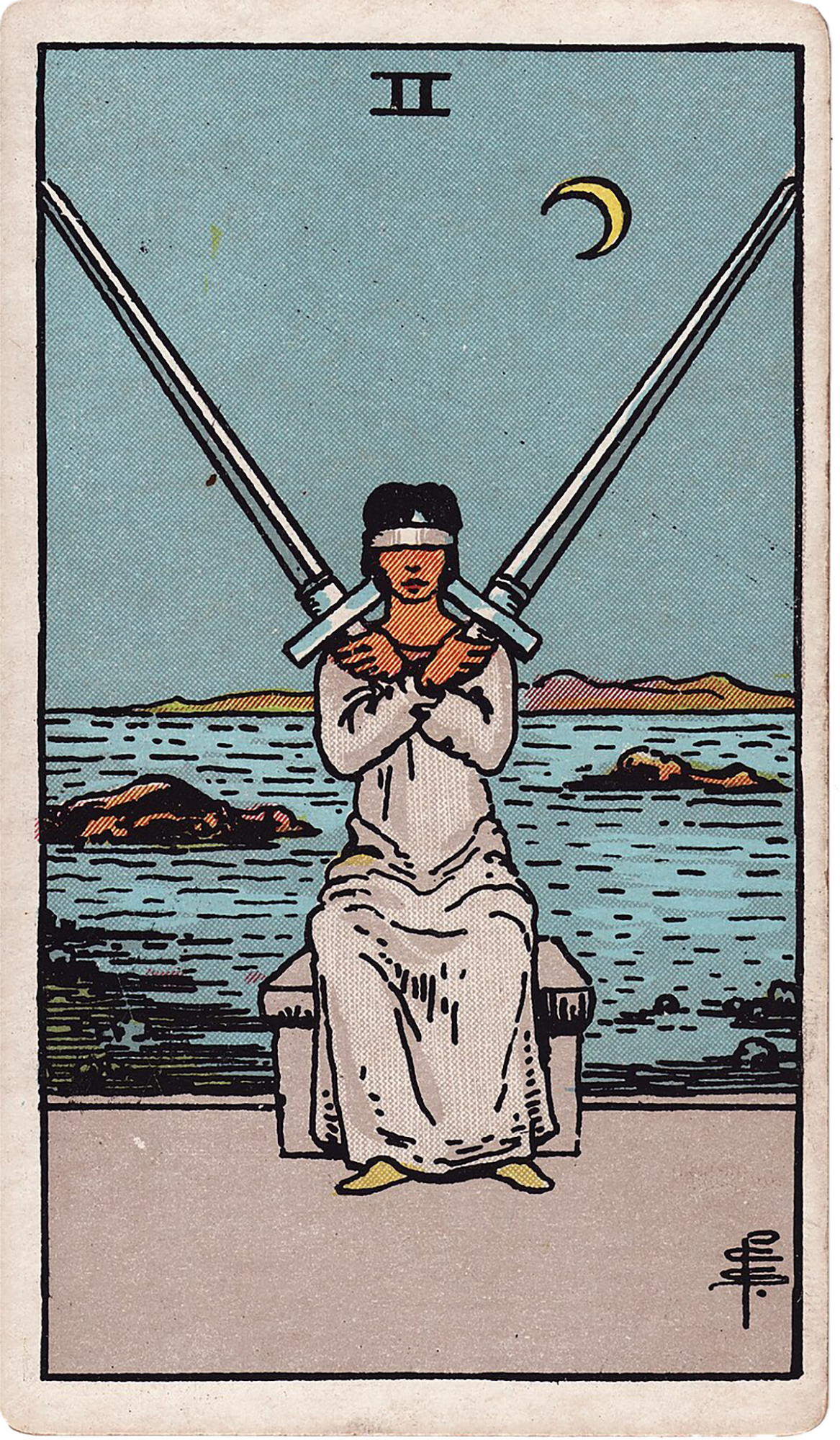 Present2 of Swords
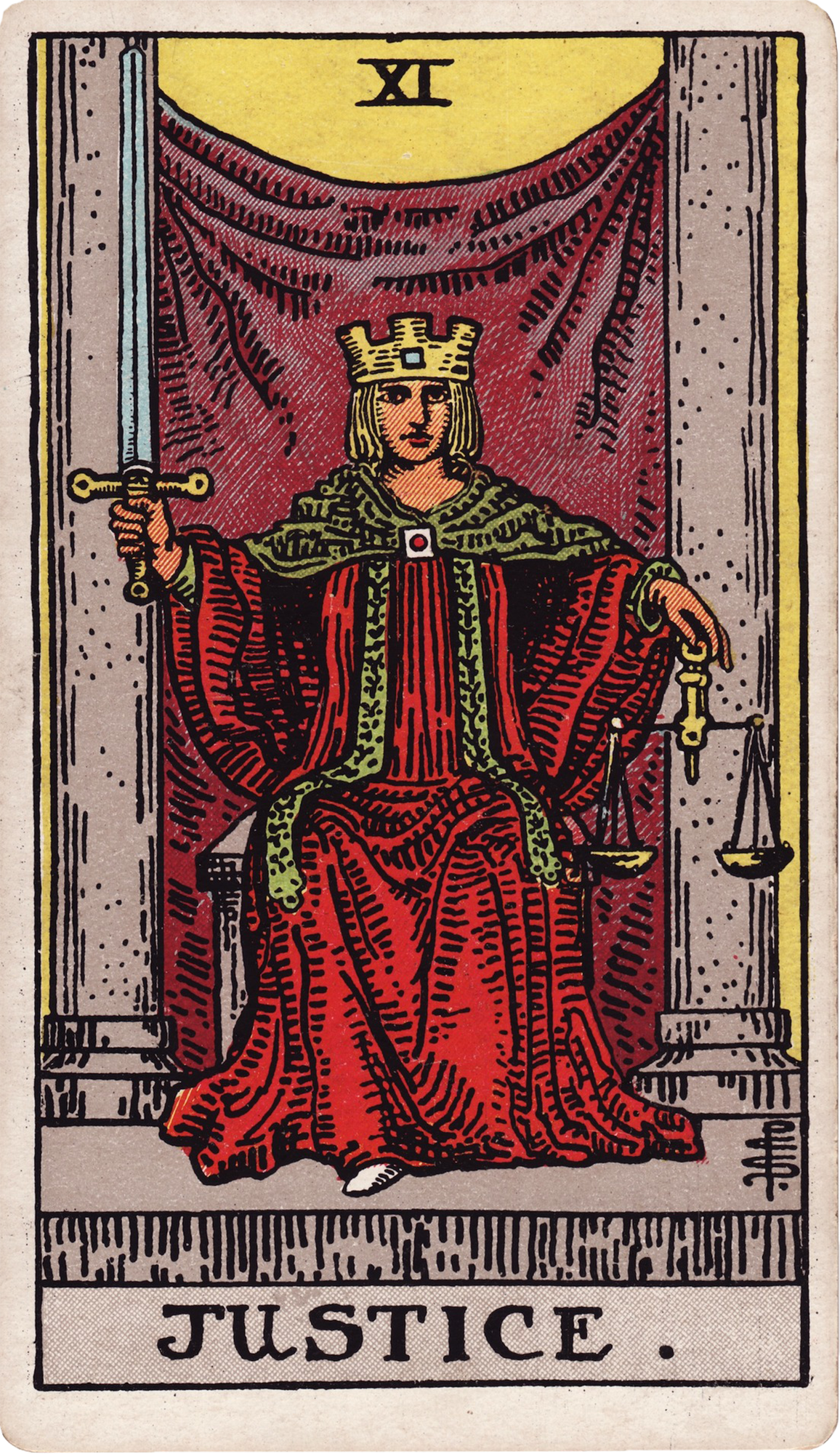 PastJustice
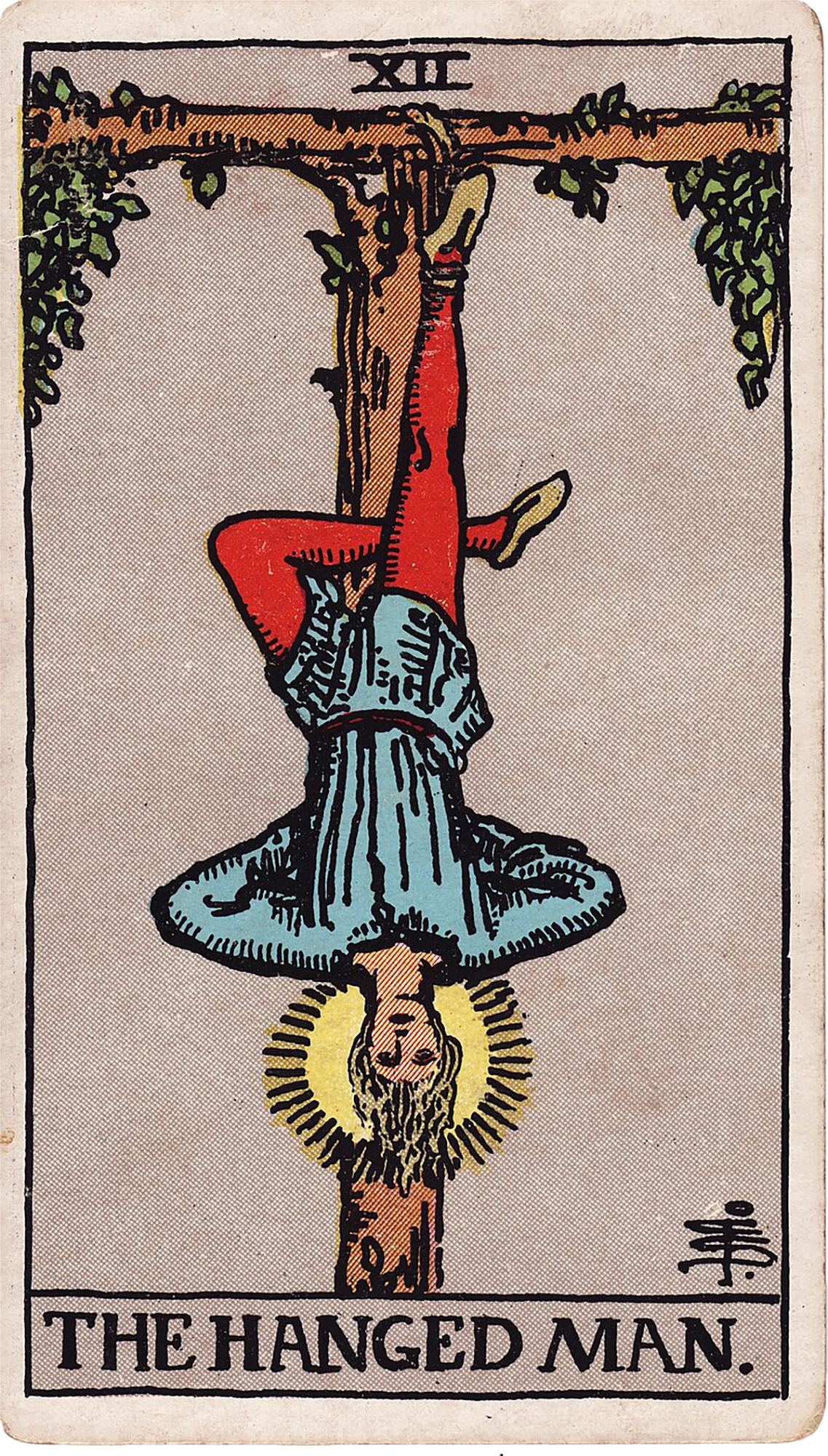 FutureThe Hanged Man
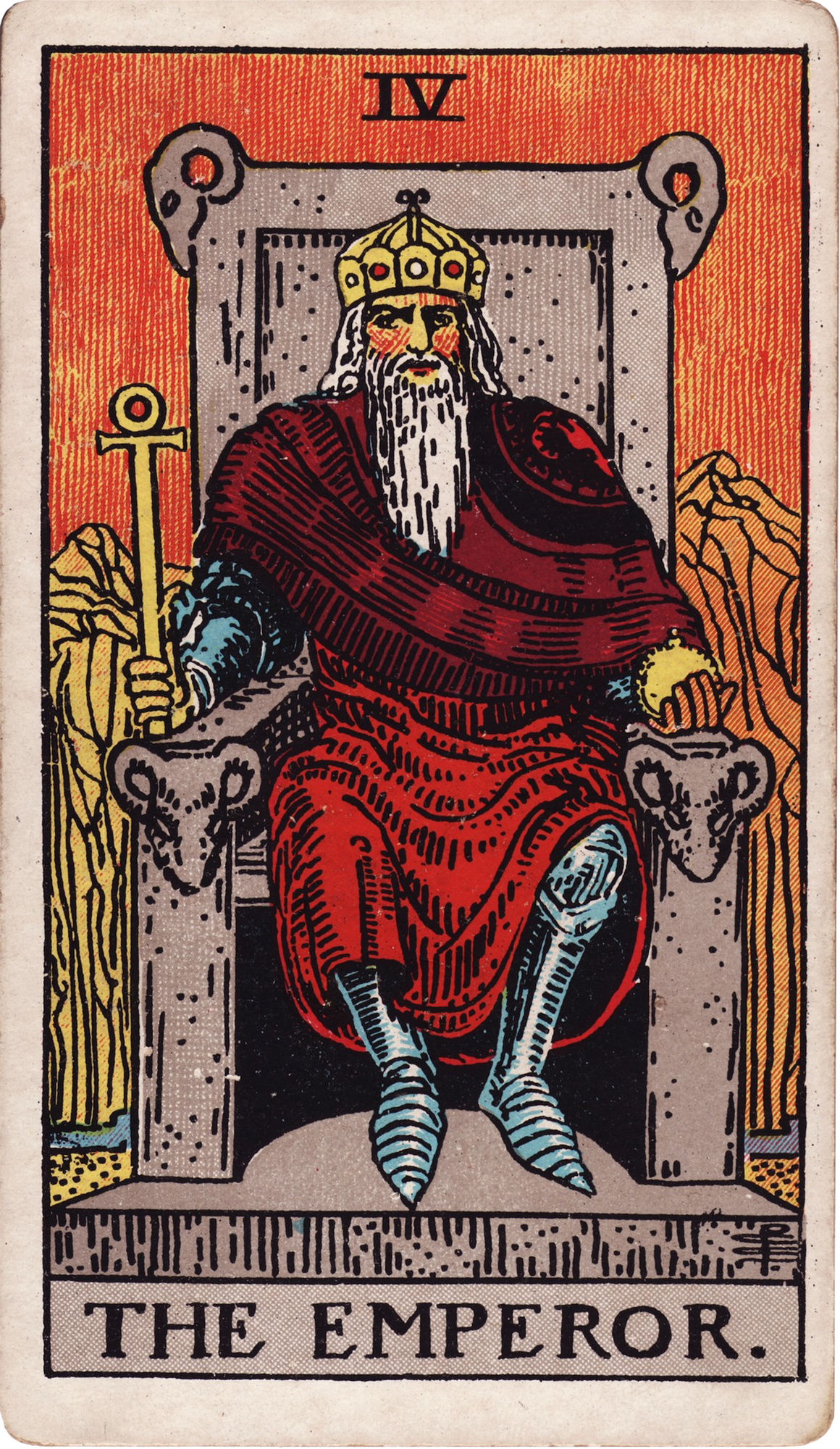 ChallengeThe Emperor
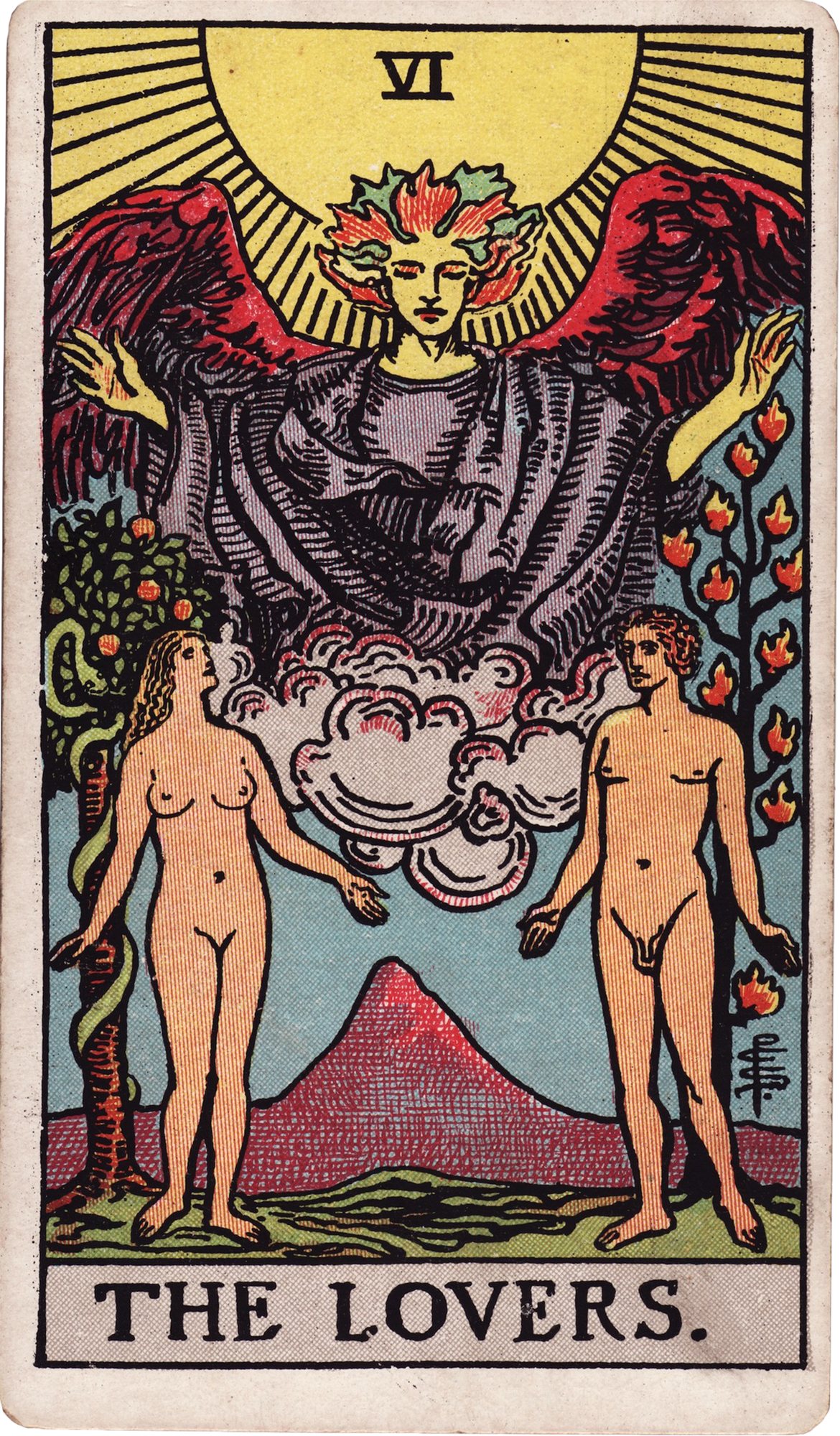 AdviceThe Lovers
Introduction to the Five Card Cross Spread
The Five Card Cross spread is a versatile and practical tool within Tarot readings, especially valuable when facing challenging decisions. It balances complexity and simplicity by focusing on five key aspects: Present, Past, Future, Challenge, and Advice. Each position draws attention to different dimensions of the decision-making process, helping the querent clarify the situation with depth and balance. Unlike more elaborate spreads, the Five Card Cross allows the reader to concentrate on essential energies influencing the question, offering actionable insight rather than overwhelming detail. This spread is ideal for learners who want a structured approach that is both accessible and rich in interpretive potential.
Understanding the Five Positions and Their Roles
To gain clarity in challenging decisions, each position within the Five Card Cross plays a distinct role: 1. Present – This card describes the current state of the querent or the situation, setting the stage for the reading. 2. Past – This card highlights recent factors or influences that have led to the current moment, helping to contextualize the present. 3. Future – This card suggests possible developments or outcomes if current paths continue. 4. Challenge – This card identifies obstacles, resistance, or hidden complications that must be acknowledged. 5. Advice – This card offers guidance on the best approach, mindset, or action to move forward constructively. In readings, these positions encourage a narrative flow that moves from awareness to reflection and onto practical response.
The Cards in the Five Card Cross Spread: A Worked Example
To bring the Five Card Cross to life, consider the following example reading with these cards in order: - Present: The Emperor (upright) - Past: The Lovers (upright) - Future: Justice (upright) - Challenge: The Hanged Man (upright) - Advice: 2 of Swords (upright) Each card is rich in Rider-Waite-Smith symbolism and offers distinct insights related to decision making. By examining each position and card in turn, learners can see how to build an interpretive framework. Present – The Emperor upright symbolizes a moment where structure, clear boundaries, and taking responsibility are key. The querent is encouraged to adopt disciplined leadership rather than chaos. The Emperor’s throne, symbolizing authority and stability, suggests the querent is now in a position to consciously engage with the core issue rather than waiting passively. Past – The Lovers upright represent a foundational choice that involved aligning desire with values and accepting the responsibility of connection. This card in the past signals that the querent has recently faced or made a choice involving relationships, partnerships, or alignment with their deeper values. Future – Justice upright emphasizes the importance of fairness, accountability, and clear-eyed assessment of facts. It suggests that the decision ahead will require scrutiny and acceptance of consequences. Justice’s scales and sword reinforce the need for balanced judgment. Challenge – The Hanged Man upright points to a challenge of pausing deliberately, releasing control, and seeking new perspectives. The querent may resist surrendering old views or may face stagnation if they do not use this pause constructively. The imagery of suspension and inversion calls attention to transformative understanding. Advice – The 2 of Swords upright reflects the need to acknowledge indecision and the suspension of choice due to incomplete information or emotional readiness. The figure blindfolded and holding crossed swords urges the querent to seek clarity through balanced thought and communication. Together, these cards narrate a journey: from a recent value-based choice (Lovers), through a current position of structured authority (Emperor), looking ahead to the need for fair judgment (Justice), confronted by the challenge of perspective shift (Hanged Man), with practical guidance to hold space and carefully weigh options (2 of Swords).
Interpreting Card Relationships Within the Spread
Card-to-card relationships enrich the reading beyond individual meanings. For example: - The Lovers (Past) and The Emperor (Present) together suggest the querent’s current structured approach is grounded in a significant past choice about values and connection. This confirms that the present clarity is not isolated but built on heartfelt decisions. - The Emperor (Present) leading into Justice (Future) indicates that the disciplined leadership now will prepare the querent for a fair and accountable decision. This progression honors responsibility and ethical standards. - The Hanged Man (Challenge) disrupts the direct path from Emperor to Justice, suggesting that without embracing a new perspective or pausing to reflect, the querent may rush into judgment prematurely. - The 2 of Swords (Advice) complements The Hanged Man challenge by recommending conscious suspension and balanced consideration rather than forcing a decision. By understanding these connections, learners realize how the spread forms a dynamic story that mirrors real-life decision-making challenges: past choices shape present authority, future fairness requires overcoming resistance to change, and wise counsel lies in embracing uncertainty and balanced thought.
Technique for Conducting the Five Card Cross Spread
To reproduce this spread effectively, follow these steps: 1. Formulate a clear question or area of focus related to a challenging decision. 2. Shuffle the deck with intention, asking for clarity and balanced insight. 3. Draw five cards and place them in the cross layout, labeling each position clearly: Present (center), Past (left), Future (right), Challenge (bottom), Advice (top). 4. Begin interpretation by identifying the card’s traditional Rider-Waite-Smith imagery and meaning in its position. 5. Reflect on how each card relates to the querent’s situation, considering both upright and reversed meanings as applicable. 6. Explore how cards interact and support one another to form a cohesive narrative. 7. Summarize insights focusing on actionable guidance rather than deterministic prediction. This method encourages readers to balance intuition with structured analysis, enabling clarity when decisions feel complex or overwhelming.
Common Mistakes and How to Avoid Them
Learners often encounter pitfalls that can cloud reading effectiveness: - Ignoring card positions: Each card’s meaning must be interpreted considering its position's role; for example, The Emperor in Challenge may differ significantly from The Emperor in Advice. - Over-focusing on fear of reversals: Reversed cards signal energy blocks or corrections rather than doom. Even upright cards invite nuanced understanding of their constructive qualities. - Overloading with abstract meanings: Using Rider-Waite-Smith imagery directly and focusing on the querent’s practical context keeps interpretations grounded. - Reading cards in isolation: The power of the spread lies in card relationships. Drawing connections reveals deeper insight. - Rushing to prediction: This spread is a tool for clarity and constructive choice, not certainty about the future. Emphasize process over outcome. By maintaining awareness of these common errors, readers develop more confident and meaningful readings.
Applying the Spread in Practical Family and Relationship Decisions
Because the Five Card Cross effectively addresses layered issues and responsibilities, it is particularly useful in family or relationship decision making. For example, The Lovers in Past points to recent relational choices, while The Emperor Present encourages responsible leadership in family dynamics. Justice Future reminds the querent to weigh fairness and consequences for all parties, while The Hanged Man Challenge invites empathy and perspective shifts. Using the spread to clarify where boundaries need to be set, what values anchor the decision, and how to navigate emotional complexity can help reduce conflict and increase mutual understanding. The 2 of Swords advice encourages healthy communication and emotional readiness, reinforcing that some decisions require patient contemplation rather than rushed resolution. In practice, readers can guide querents to journal reflections on each card’s message or role-play scenarios for different outcomes, fostering integration of the Tarot’s wisdom into everyday family life.
Summary and Encouragement for Learners
The Five Card Cross spread is a powerful yet accessible method to gain clarity in challenging decision making. Anchored by traditional Rider-Waite-Smith imagery and symbolism, it balances present awareness, historical context, and future possibilities while acknowledging obstacles and offering practical advice. As learners become comfortable with this layout, they will find it a reliable framework to guide themselves and others through uncertainty with discipline, fairness, and thoughtful reflection. Remember, Tarot is not about predetermined fate but about illuminating pathways with insight and compassion. Use each reading as a moment to deepen connection to your inner wisdom and foster deliberate choice. With practice, the Five Card Cross spread becomes a valuable companion for navigating life’s complex decisions.
Practice questions
• How does the positioning of each card influence its interpretation in a reading?
• In what ways can the challenge card alter the direction suggested by the present and future cards?
• How can you integrate the advice card’s message when the querent feels stuck or uncertain?
• What signs in the cards indicate when a decision requires more patience versus immediate action?
• How might the relationship between The Lovers and The Emperor deepen your understanding of past choices influencing current authority?
Comments
Sign in to comment.
Continue learning
Interpreting the Dance of Justice and The Devil: Balancing Morality and Temptation in Tarot Readings
The combination of Justice and The Devil in tarot presents a profound exploration of morality, temptation, and personal accountability. This article unpacks how these cards influen...
Advanced Techniques for Combining The Moon and The Star to Enhance Intuition in Tarot Readings
This article explores advanced techniques to combine the symbolism and energy of The Moon and The Star Tarot cards to enhance intuition during Tarot readings. Drawing from traditio...
Unlocking Life Insights with the Celtic Cross Tarot Spread
This article offers a thorough exploration of the Celtic Cross Tarot Spread, focusing on its application within family and practical life contexts. Using a worked example featuring...
Unlocking Hidden Meanings with The Hermit and The Hanged Man for Spiritual Growth
This article offers an in-depth exploration of The Hermit and The Hanged Man Tarot cards focusing on their roles in spiritual growth. It guides readers through beginner and advance...
Unlocking Personal Insight with the Seven Card Horseshoe Spread
The Seven Card Horseshoe Spread is a practical and insightful Tarot layout ideal for exploring personal and family dynamics. This article breaks down each position—Past, Present, H...
Mastering the Court Cards of Wands for Unlocking Personal Drive and Leadership
The Court Cards of Wands represent a dynamic spectrum of personal energy, ambition, and leadership potential within the Minor Arcana. This article offers a comprehensive exploratio...
Tracing the Origins and Evolution of The Fool Card in Tarot History
The Fool card holds a foundational place in tarot tradition, symbolizing beginnings, openness, and the embrace of uncertainty. This article traces its origins from early European d...
Techniques for Reading Court Cards to Unlock Personality Insights
Court cards in Tarot often represent people, personality traits, or energy patterns within a situation. This article offers a structured approach for beginners and advanced readers...
Unlocking Emotional Transformation with Death and The Moon Tarot Combination
This article explores the rich and complex interaction between the Death and The Moon tarot cards within the Rider-Waite-Smith tradition, focusing on their combined potential to un...
Applying The Star Card to Foster Hope and Renewal in Personal Growth
The Star card in Tarot symbolizes hope, authenticity, and the process of steady renewal. In a single-card reading, The Star encourages embracing what is present, cultivating openne...