
Using the Five Card Cross Tarot Spread to Overcome Emotional Blocks and Build Resilience
The Five Card Cross Tarot Spread is a practical and insightful method for exploring emotional blocks and fostering resilience. This article examines each position of the spread, interpreting the roles of The Emperor, Strength, The Moon, Queen of Cups, and Knight of Pentacles in a cohesive reading. It provides learners with clear techniques, card relationships, and common pitfalls, empowering them to apply the spread effectively in their own emotional and psychological work.
Five Card Cross
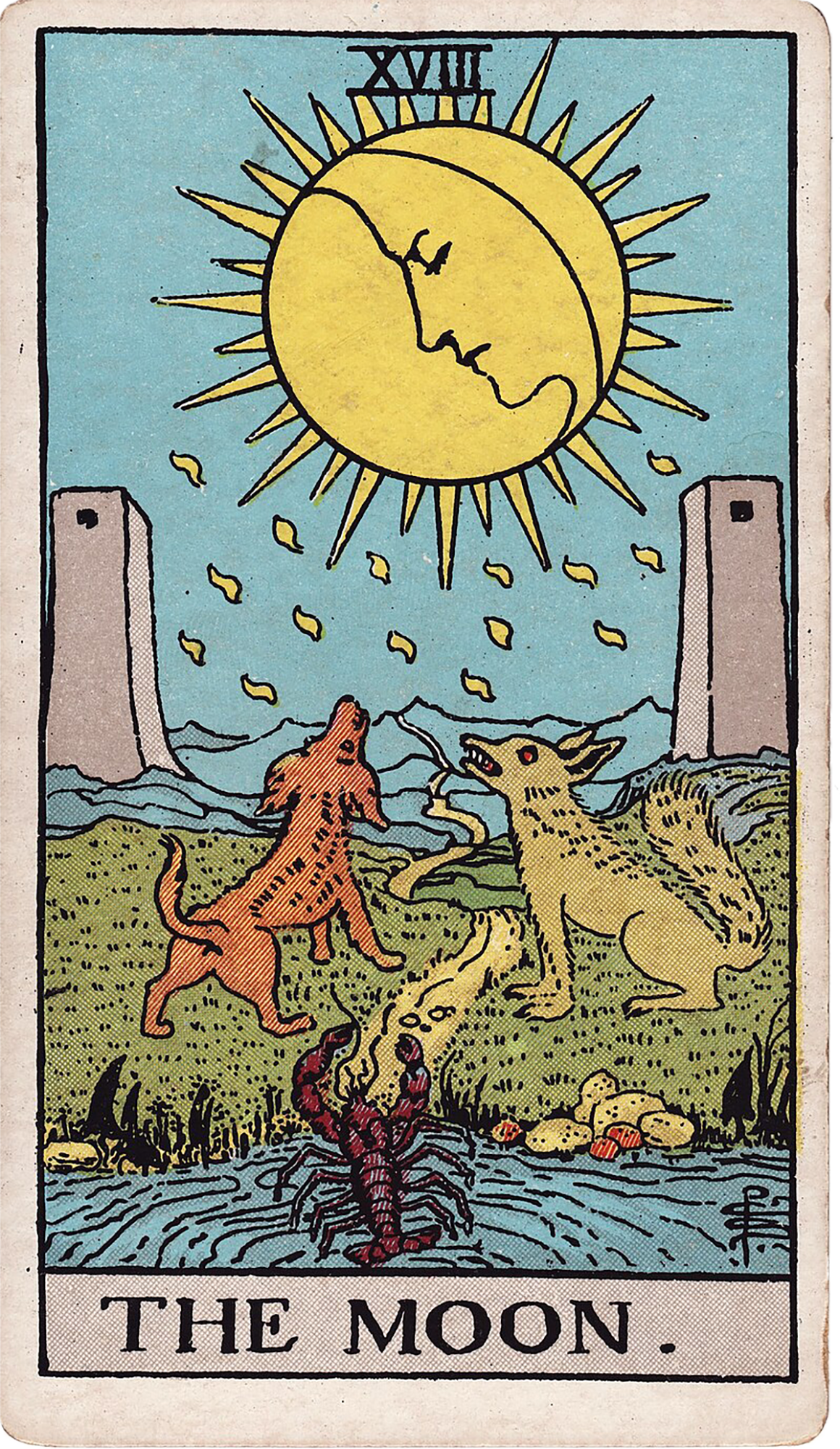 PresentThe Moon
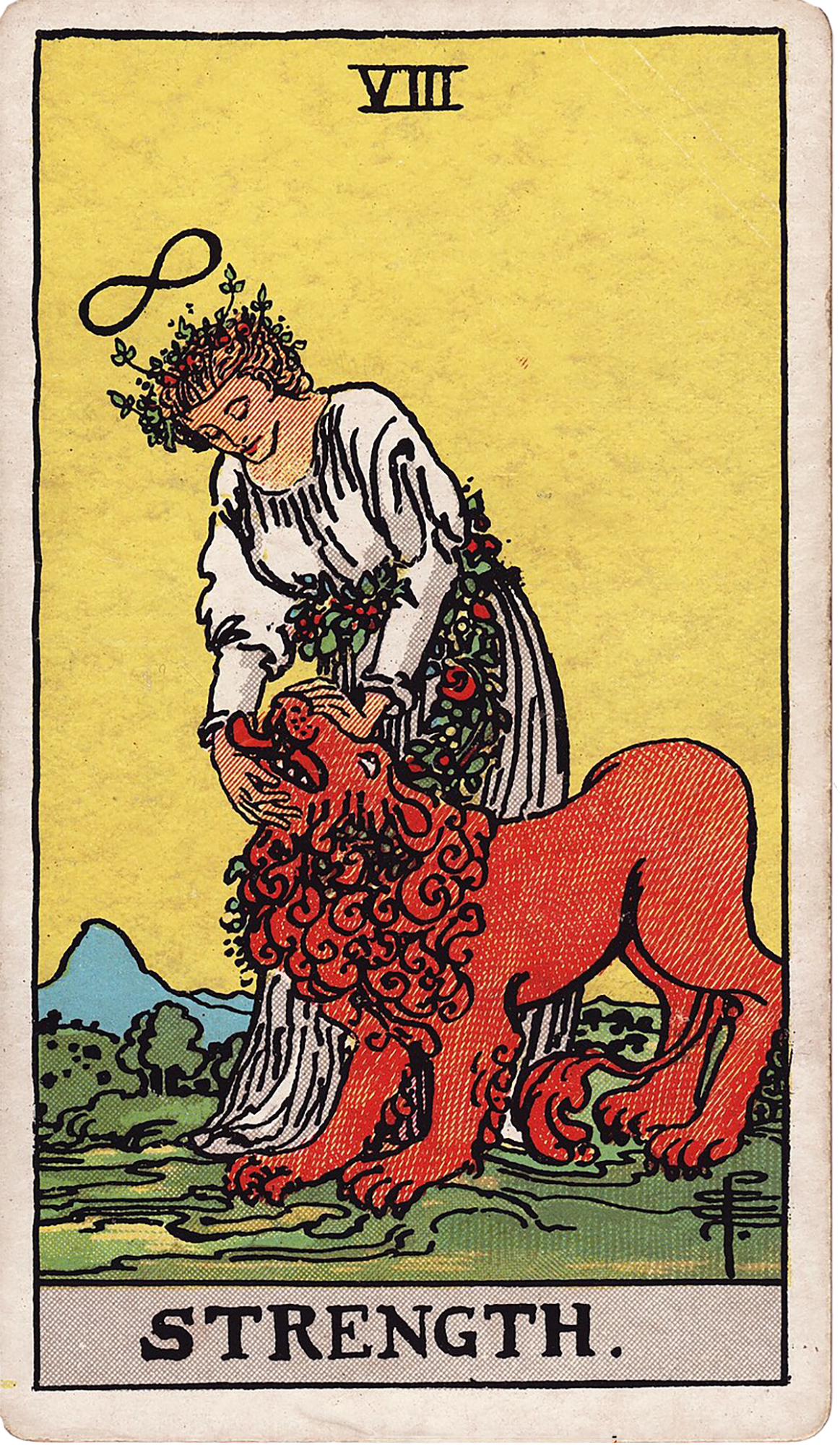 PastStrength
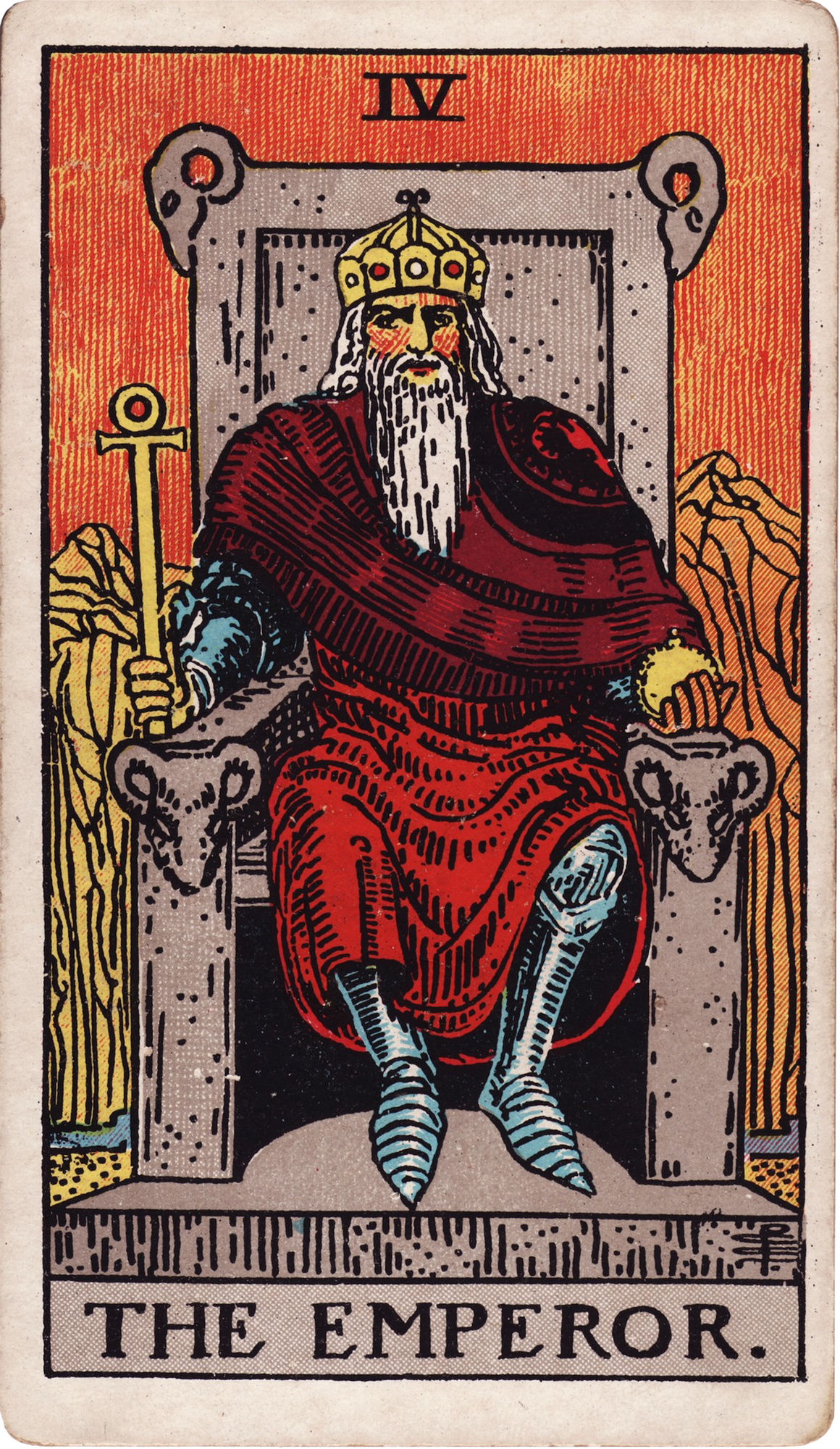 FutureThe Emperor
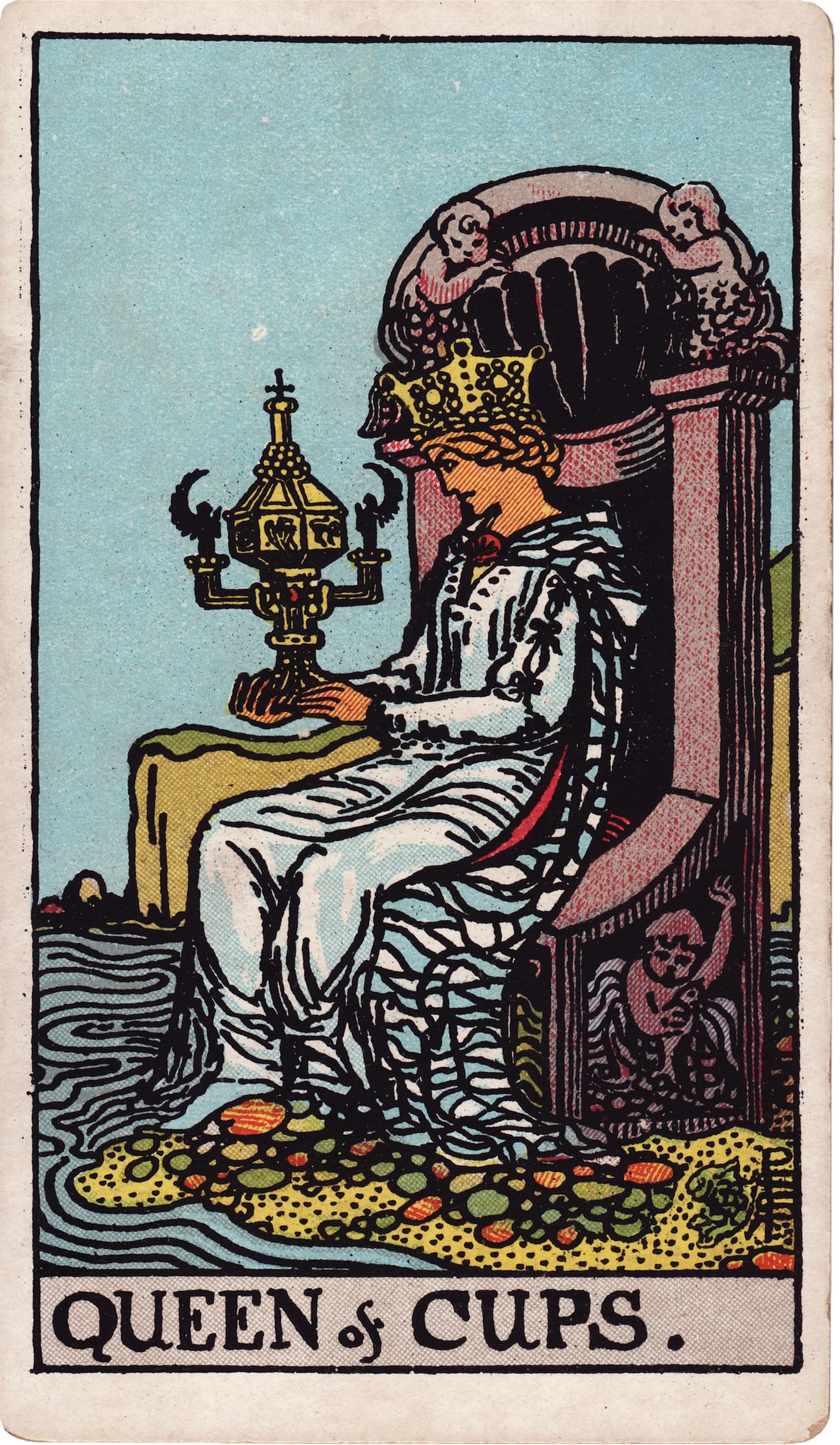 ChallengeQueen of Cups
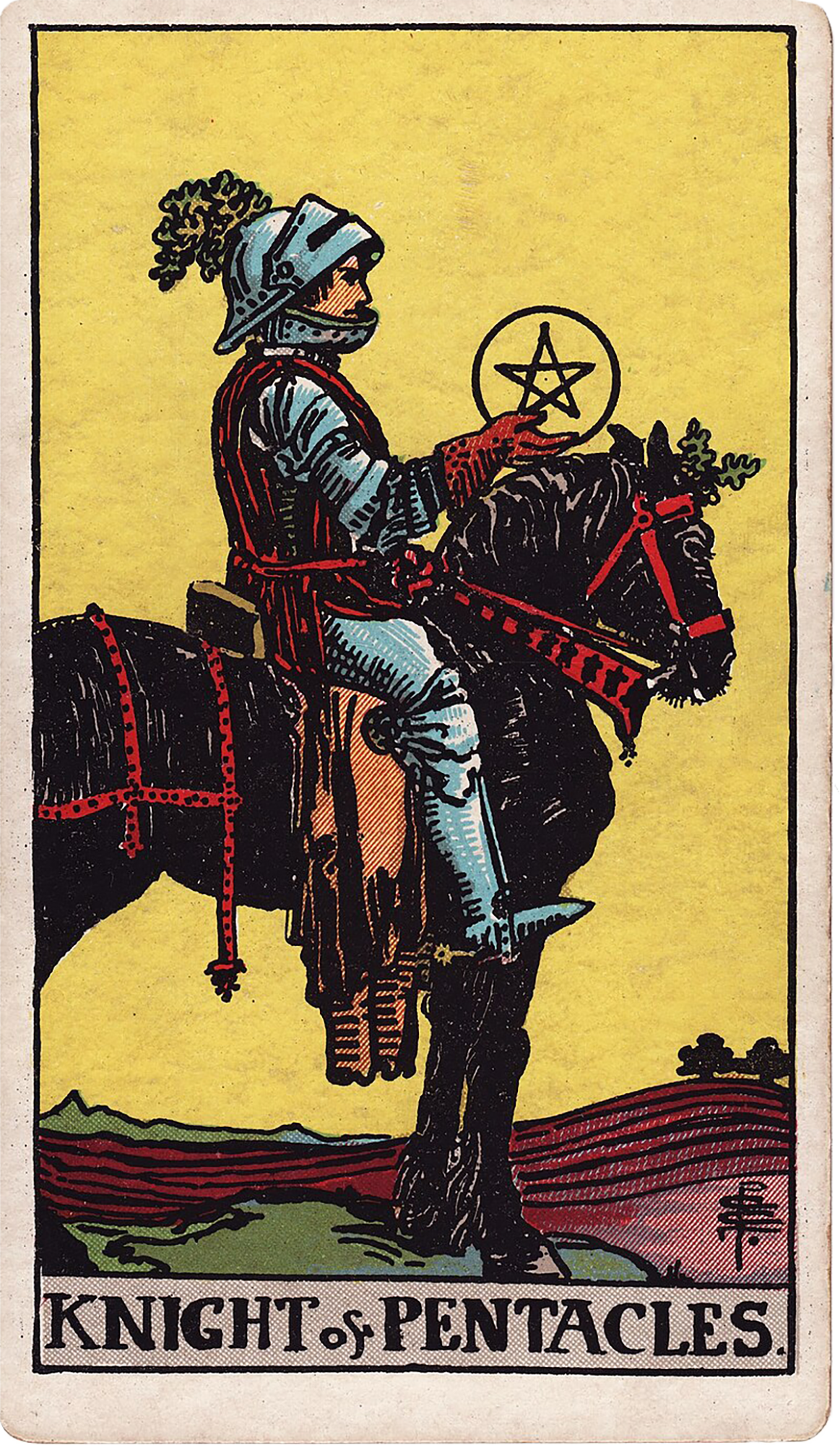 AdviceKnight of Pentacles
Introduction to the Five Card Cross Tarot Spread
The Five Card Cross is a classic tarot layout that balances simplicity with depth, making it ideal for exploring emotional challenges and building resilience. Structurally, it consists of five cards placed in a cross pattern where each position represents a unique aspect of the querent’s situation: Present, Past, Future, Challenge, and Advice. This spread encourages a narrative approach, allowing the reader to see how past influences shape the present, identify upcoming opportunities or obstacles, recognize internal or external challenges, and receive guidance on constructive next steps. Its balanced framework is particularly effective for emotional and psychological readings because it invites reflection on dynamics within and around the self.
Overview of the Card Positions and Their Roles
Each position in the Five Card Cross has a specific role in understanding emotional blocks and resilience: 1. Present – The current emotional state or situation. 2. Past – The influences or experiences leading to the present. 3. Future – The likely or emerging trajectory if current patterns continue. 4. Challenge – Obstacles, resistance, or hidden factors disrupting progress. 5. Advice – Practical guidance or attitude to adopt to navigate the issue. This structure invites a temporal and thematic flow, helping learners and querents alike see the emotional dynamics clearly.
Position 1 Present and The Emperor Upright Interpretation
The Present card, represented here by The Emperor upright, sets the stage for the reading. The Emperor symbolizes structure, authority, boundaries, and disciplined leadership within one’s internal and external world. In the context of emotional blocks, this card suggests that the querent is at a point where setting clear boundaries and taking responsibility for their emotional state is crucial. The Emperor encourages conscious engagement with the issue rather than avoidance or chaos. Learners should note the card’s strong imagery: a stern but protective figure seated on a throne, representing stability and control. This visual anchors the interpretation as a call to organize one’s internal environment, possibly by creating emotional ‘systems’ or routines for managing feelings. The Emperor here is not about harshness but about constructive order and deliberate choices. Practically, the reader might ask, “Where can the querent establish clearer boundaries or take a more deliberate role in managing their feelings?”
Position 2 Past and Strength Upright Interpretation
The Past card is Strength upright, which emphasizes courage, patience, and compassion. This card reflects emotional endurance and the ability to confront inner fears gently. It shows that the querent’s history includes moments of self-respect and calm engagement with intense emotions rather than reactive control or suppression. Strength’s imagery, typically a woman taming a lion with gentle confidence, highlights the theme of mastering raw emotion through patience rather than force. It suggests that the querent has built foundational resilience by meeting challenges with compassion, a vital prerequisite for overcoming current emotional blocks. For learners, it is important to see this card as a resource rather than just background. It represents positive internal qualities or previous successes that can be reactivated or deepened in the present work.
Position 3 Future and The Moon Upright Interpretation
The Future card, The Moon upright, introduces a theme of uncertainty, intuition, and navigating through illusion or hidden fears. It warns that the path ahead may involve psychological complexity, shadow work, and careful discernment between reality and projection. The Moon’s traditional imagery includes a path winding between two towers under a glowing moon, flanked by a dog and a wolf. It symbolizes the subconscious, dreams, and the unknown. For emotional blocks, The Moon suggests that unresolved fears or confusing feelings will surface and need to be confronted with trust in one’s intuition, not haste or denial. Learners should recognize this card as signaling that clarity may not come immediately; instead, a process of careful internal navigation is required. It encourages patience with uncertainty and the practice of verifying intuitive insights against reality.
Position 4 Challenge and Queen of Cups Upright Interpretation
The Challenge card is the Queen of Cups upright, highlighting mature emotional receptivity, empathy, and intuitive understanding. Placed as a challenge, this card suggests that the querent may struggle with balancing emotional openness and maintaining internal boundaries. The Queen of Cups is a symbol of deep feeling held within a secure, calm container—she offers empathy without becoming overwhelmed. As a challenge, this card can indicate difficulty sustaining this balance, perhaps revealing tendencies toward emotional overwhelm, codependency, or blurred boundaries. Learners should focus on the tension between emotional receptivity and resilience here. The challenge is to strengthen the container of the self without shutting down feelings or absorbing others’ moods excessively. The card’s watery imagery reminds readers of the fluid nature of emotions and the importance of skilled processing.
Position 5 Advice and Knight of Pentacles Upright Interpretation
The Advice card is Knight of Pentacles upright, which stresses steady, persistent effort, reliability, and practical progress. This card counsels the querent to adopt a methodical, patient approach to emotional resilience rather than seeking quick fixes or dramatic shifts. The Knight of Pentacles typically depicts a figure on horseback, holding a pentacle, symbolizing grounded effort and focus on the tangible aspects of life. It encourages routine, care for one’s body and resources, and consistent small steps. For learners, this advice card emphasizes that overcoming emotional blocks involves practical discipline—whether through journaling, therapy, meditation, or lifestyle adjustments—and commitment to long-term well-being. It also suggests valuing progress that may feel slow but is steady and sustainable.
Analyzing Card-to-Card Relationships and Narrative Flow
The Five Card Cross’s power lies in how the cards interact: - The Emperor (Present) builds on Strength (Past), suggesting that the querent’s current need for structure and responsibility is supported by a foundation of internal courage and patience. - The Moon (Future) warns that the road ahead holds emotional uncertainty, requiring the querent to trust their developing discipline rather than retreat into confusion. - The Queen of Cups (Challenge) identifies the emotional complexity faced in maintaining balanced empathy without losing oneself. - Knight of Pentacles (Advice) offers a clear strategy: steady, practical work to build emotional resilience. Together, the cards tell a story of evolving self-mastery: from past inner strength to present disciplined order, through future uncertainty that challenges emotional balance, resolved by grounded, persistent effort. Learners should practice tracing these narrative arcs in their readings, asking how each card informs or complicates the others, and looking for recurring themes such as discipline, emotional awareness, or intuition.
Step-by-Step Method to Use the Five Card Cross for Emotional Work
To reproduce this spread effectively, learners can follow these steps: 1. Prepare: Focus on a specific emotional block or resilience-building goal. 2. Shuffle and Draw: Pull five cards and place them in the cross formation: - Center: Present - Left: Past - Right: Future - Top: Challenge - Bottom: Advice 3. Interpret Individually: Analyze each card’s meaning in its position, noting upright or reversed nuances. 4. Explore Relationships: Notice keywords, symbolism, and how cards influence one another. 5. Synthesize: Construct a coherent narrative addressing the emotional block and resilience. 6. Reflect: Ask the querent how the reading resonates and what practical steps are feasible. Common mistakes include rushing interpretation without considering the card’s position, ignoring reversed cards’ nuances, or failing to connect the cards thematically. To avoid this, take time with each step and use the card images and traditional symbolism as anchors.
Practical Tips for Learners and Common Pitfalls
Learners should keep in mind: - Use the imagery actively. For example, The Emperor’s throne and armor illustrate protection and authority; Strength’s taming of the lion shows gentle power. - Avoid deterministic readings. This spread is a tool for guidance, not prophecy. - When a card like Queen of Cups appears as a challenge, consider what aspects of its upright meaning might be blocked or exaggerated. - Balance intuition with structured analysis. The Moon encourages intuition, but it also calls for checking projections against reality. - Document readings to track how themes develop over time, building resilience through self-awareness. Practicing with real or hypothetical cases helps solidify understanding.
Conclusion and Broadening the Technique
The Five Card Cross Tarot Spread offers an accessible yet profound approach to emotional exploration and resilience-building. By focusing on clear positions and integrating well-known cards like The Emperor, Strength, The Moon, Queen of Cups, and Knight of Pentacles, learners can develop nuanced readings grounded in Rider-Waite-Smith symbolism and practical psychology. Beyond emotional blocks, this spread can be adapted to address other life challenges by shifting the focus of questions. The key is to maintain the structure of Present, Past, Future, Challenge, and Advice to create a balanced narrative that supports conscious growth. Mastery comes through repeated practice, reflection, and openness to the dialogue between the cards and the reader’s intuition.
Practice questions
• How does The Emperor’s call for structure manifest in your current emotional challenges?
• In what ways has your past resilience, represented by Strength, shaped your present approach to feelings?
• What fears or uncertainties might The Moon be inviting you to explore rather than avoid?
• How can you balance the emotional openness of the Queen of Cups with the need for healthy boundaries?
• What practical routines or habits can you adopt, inspired by the Knight of Pentacles, to support your emotional resilience?
Comments
Sign in to comment.
Continue learning
Interpreting the Dance of Justice and The Devil: Balancing Morality and Temptation in Tarot Readings
The combination of Justice and The Devil in tarot presents a profound exploration of morality, temptation, and personal accountability. This article unpacks how these cards influen...
Advanced Techniques for Combining The Moon and The Star to Enhance Intuition in Tarot Readings
This article explores advanced techniques to combine the symbolism and energy of The Moon and The Star Tarot cards to enhance intuition during Tarot readings. Drawing from traditio...
Unlocking Life Insights with the Celtic Cross Tarot Spread
This article offers a thorough exploration of the Celtic Cross Tarot Spread, focusing on its application within family and practical life contexts. Using a worked example featuring...
Unlocking Hidden Meanings with The Hermit and The Hanged Man for Spiritual Growth
This article offers an in-depth exploration of The Hermit and The Hanged Man Tarot cards focusing on their roles in spiritual growth. It guides readers through beginner and advance...
Unlocking Personal Insight with the Seven Card Horseshoe Spread
The Seven Card Horseshoe Spread is a practical and insightful Tarot layout ideal for exploring personal and family dynamics. This article breaks down each position—Past, Present, H...
Mastering the Court Cards of Wands for Unlocking Personal Drive and Leadership
The Court Cards of Wands represent a dynamic spectrum of personal energy, ambition, and leadership potential within the Minor Arcana. This article offers a comprehensive exploratio...
Tracing the Origins and Evolution of The Fool Card in Tarot History
The Fool card holds a foundational place in tarot tradition, symbolizing beginnings, openness, and the embrace of uncertainty. This article traces its origins from early European d...
Techniques for Reading Court Cards to Unlock Personality Insights
Court cards in Tarot often represent people, personality traits, or energy patterns within a situation. This article offers a structured approach for beginners and advanced readers...
Unlocking Emotional Transformation with Death and The Moon Tarot Combination
This article explores the rich and complex interaction between the Death and The Moon tarot cards within the Rider-Waite-Smith tradition, focusing on their combined potential to un...
Applying The Star Card to Foster Hope and Renewal in Personal Growth
The Star card in Tarot symbolizes hope, authenticity, and the process of steady renewal. In a single-card reading, The Star encourages embracing what is present, cultivating openne...