
Using the Relationship Five Card Spread to Enhance Communication and Emotional Understanding
This article presents an in-depth exploration of the Relationship Five Card Spread, a practical tarot layout designed to enhance communication and emotional understanding between two people. Using a worked example with the 2 of Cups, Page of Cups, Knight of Cups, Queen of Cups, and King of Cups, the article guides learners through the meaning of each position — You, The Other Person, Connection, Challenge, and Direction — while anchoring interpretations to traditional Rider-Waite-Smith imagery and symbolism. Detailed explanations of card interactions, common interpretive strategies, and practical advice for conducting and reflecting on readings make this a comprehensive resource for students seeking to develop relational insight through tarot.
Relationship Five
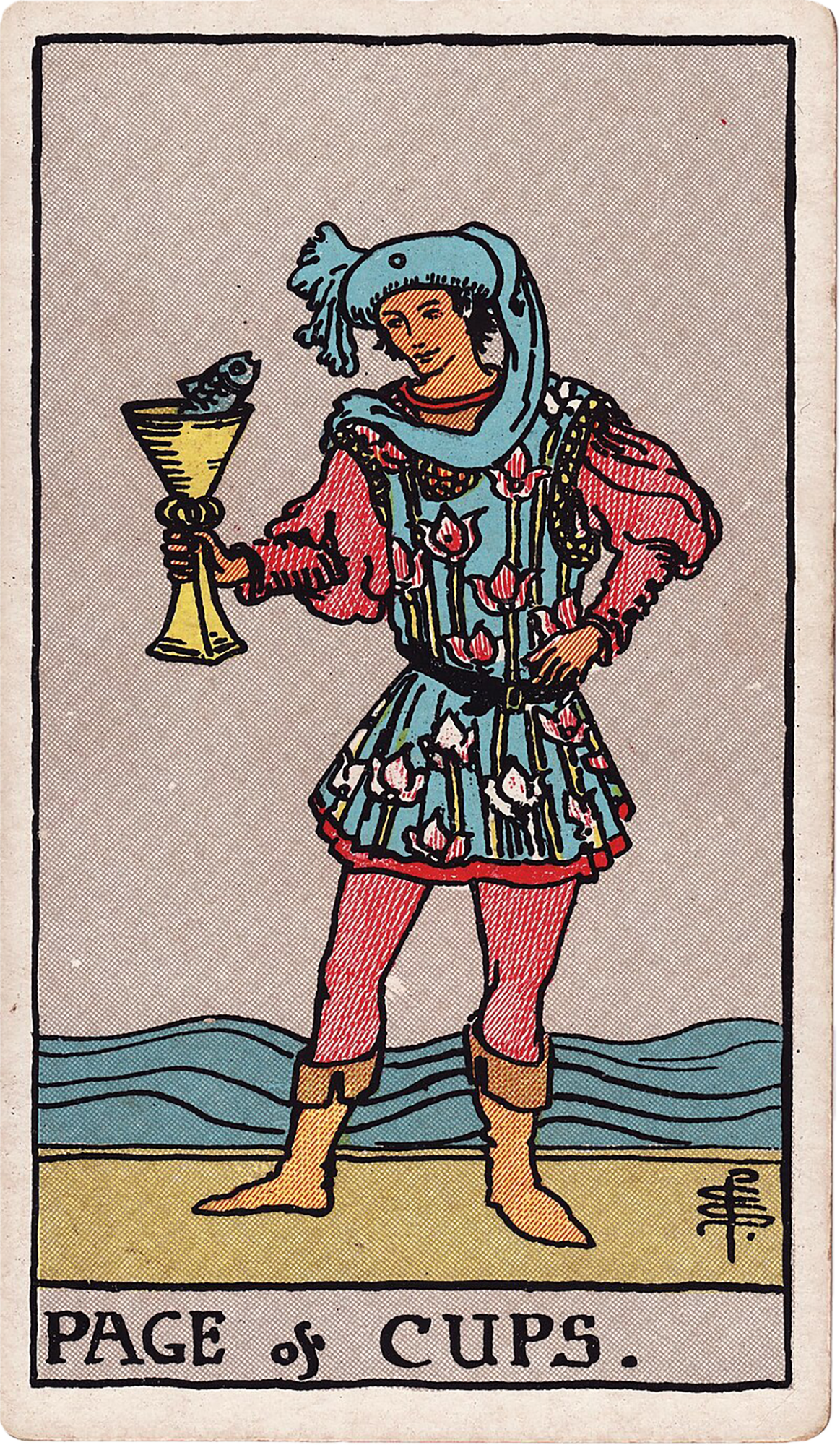 YouPage of Cups
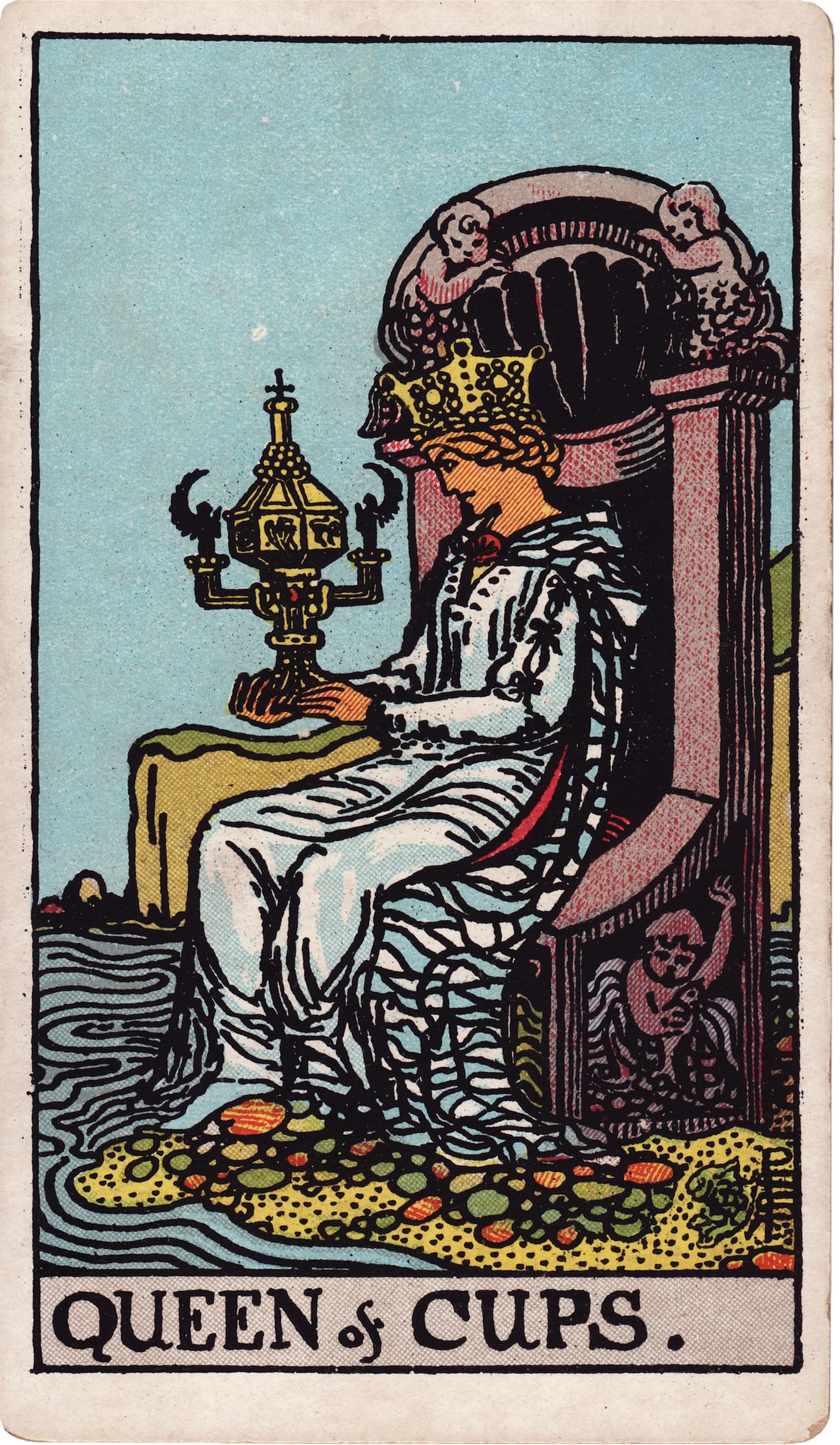 The Other PersonQueen of Cups
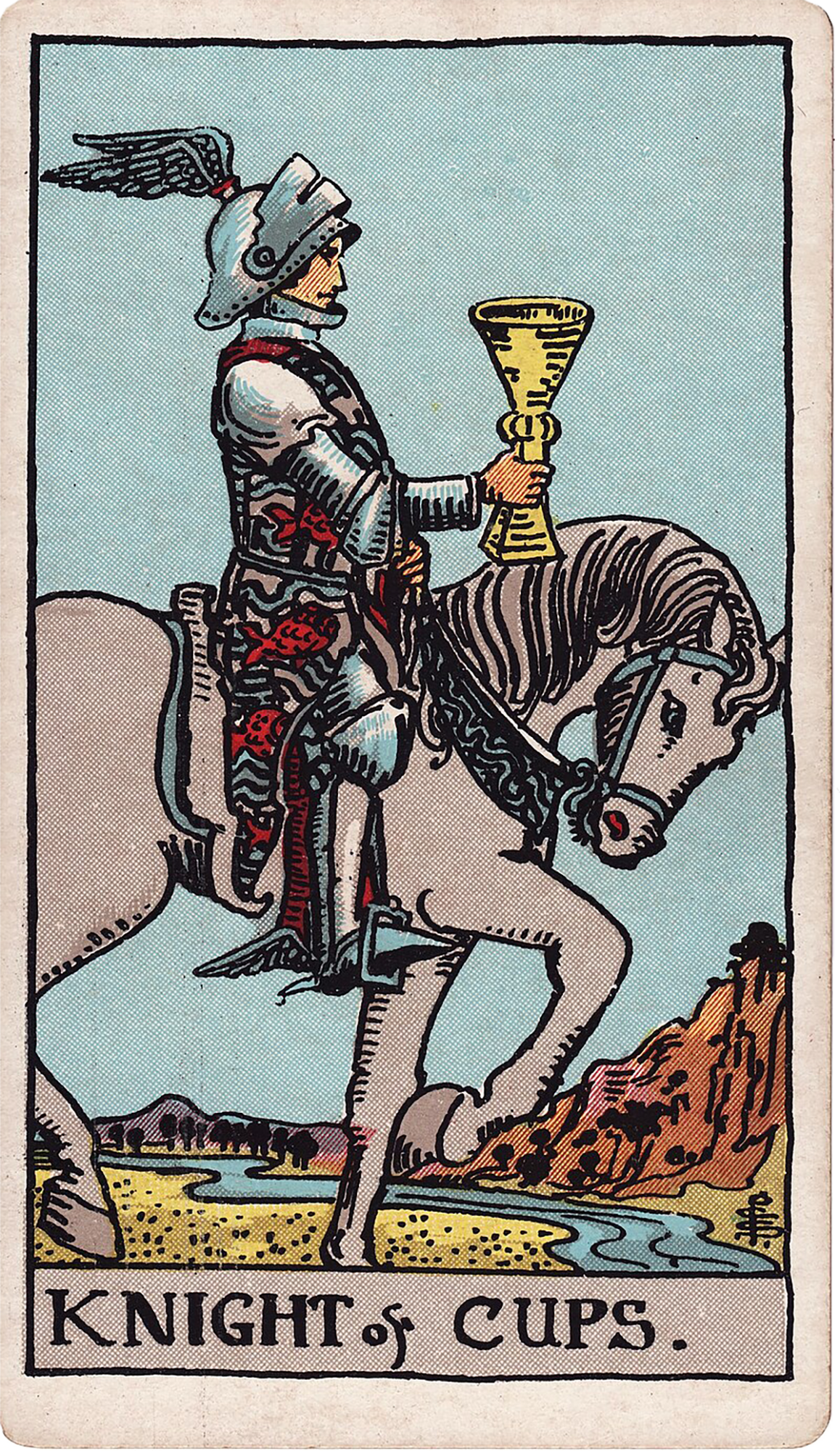 ConnectionKnight of Cups
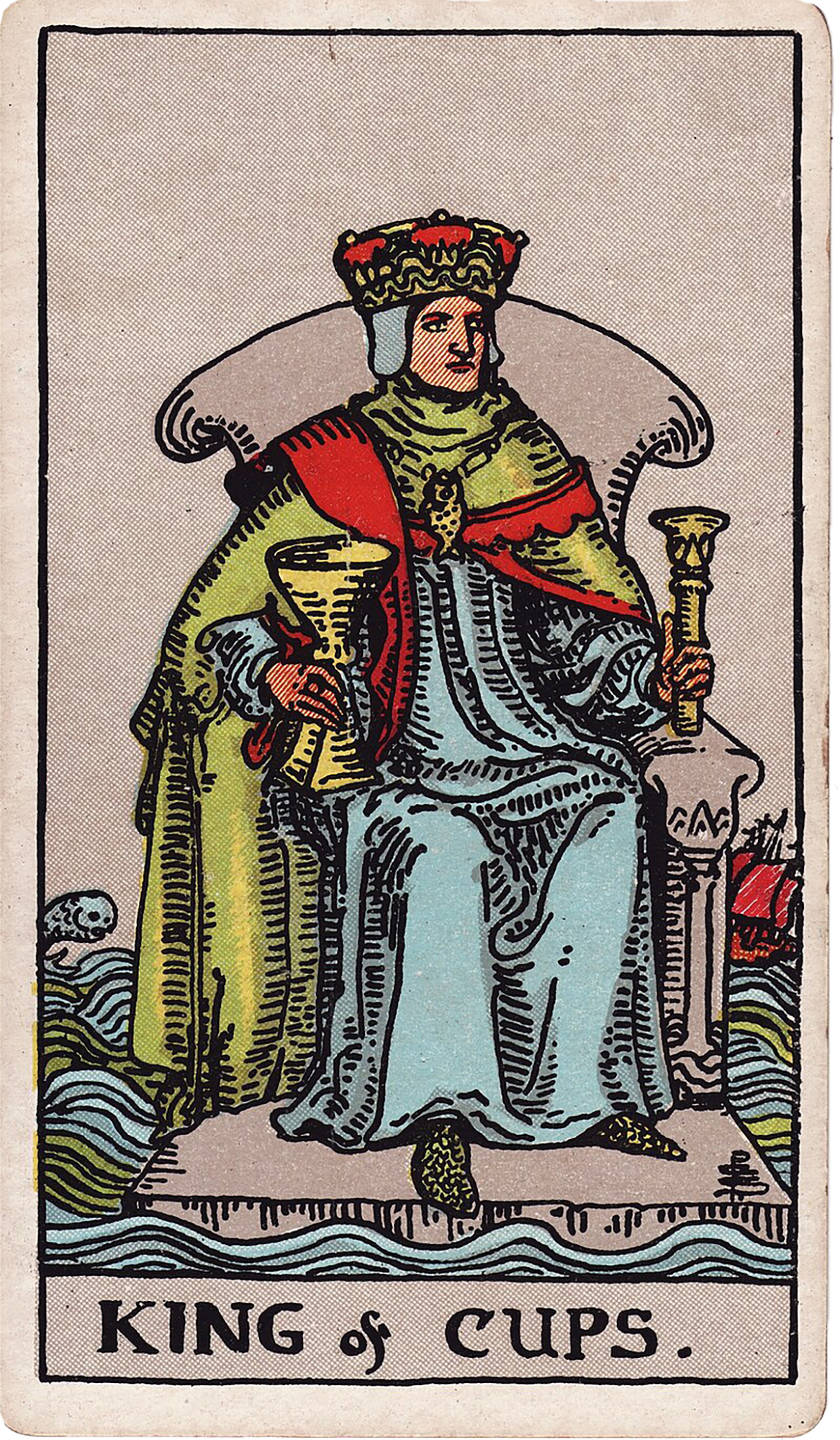 ChallengeKing of Cups
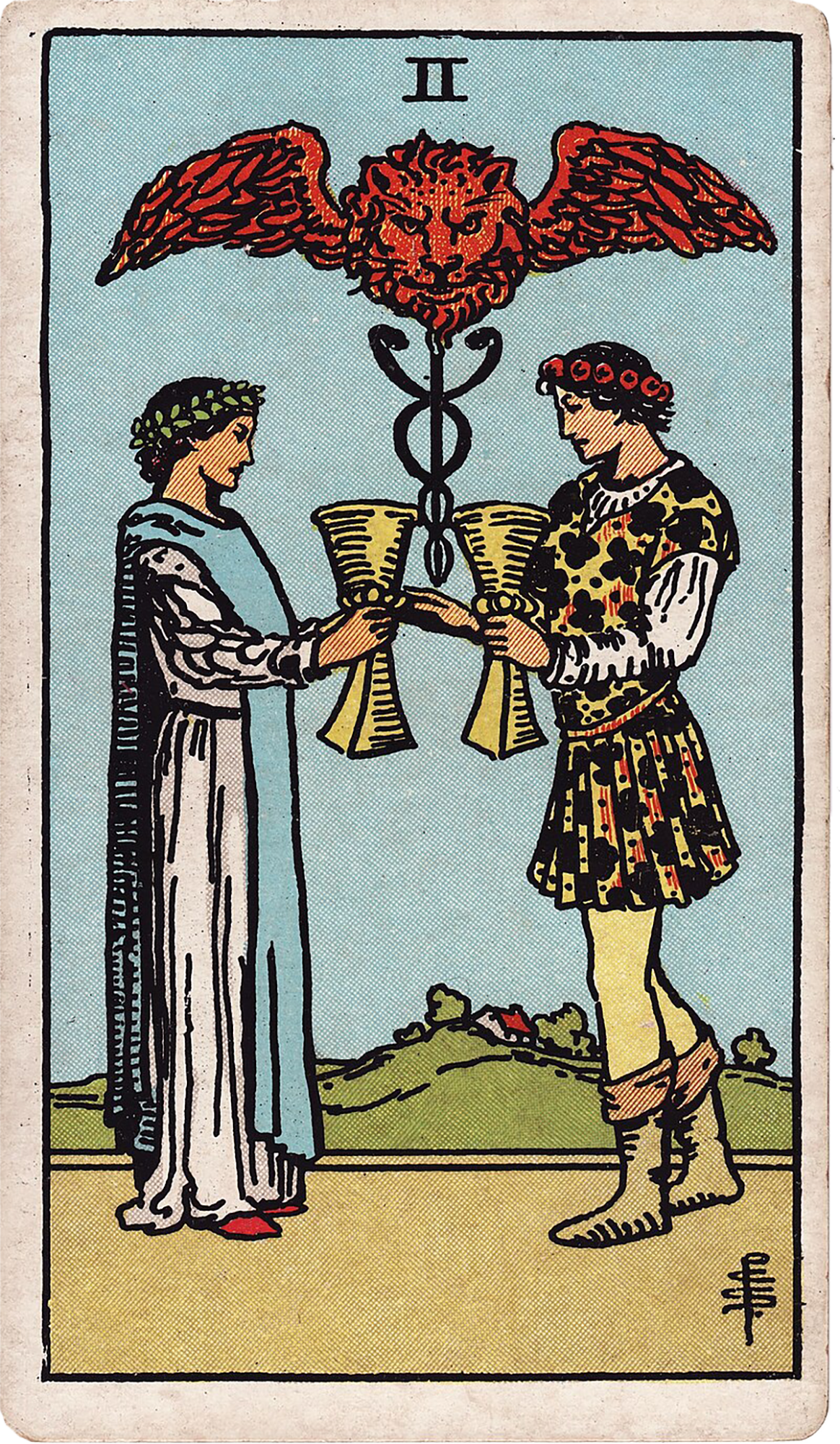 Direction2 of Cups
Introduction to the Relationship Five Card Spread
The Relationship Five Card Spread is an accessible yet profound layout used primarily to explore dynamics between two people — often romantic partners, family members, or close friends. Its five positions are carefully chosen to provide a balanced view of each individual's perspective (You and The Other Person), the mutual energies binding them (Connection), the obstacles or tensions present (Challenge), and the best path forward (Direction). This structure encourages honest communication and emotional clarity, making it particularly valuable in family and practical relational contexts where understanding and empathy are essential. The spread’s simplicity supports learners, making it an excellent teaching tool for developing nuanced, empathic readings. Selecting cards from the Cups suit, which traditionally symbolize emotions, relationships, intuition, and feelings, further grounds this spread in emotional and relational inquiry. This article uses the 2 of Cups, Page of Cups, Knight of Cups, Queen of Cups, and King of Cups to illustrate how the spread can be read, interpreted, and applied.
Position One You with the 2 of Cups
The first position represents the querent or 'You' — the person seeking insight into the relationship. Here, the 2 of Cups appears upright, a card rich in symbolism of mutual recognition, partnership, and emotional reciprocity. Traditionally, the Rider-Waite-Smith deck depicts two figures exchanging cups and holding a caduceus above them, symbolizing healing and balanced exchange. In this role, the 2 of Cups asks the querent to consider where mutual feelings exist and how reciprocity is being practiced. It emphasizes connection through honest emotional exchange rather than one-sided pursuit. The card’s practical message encourages the querent to reflect on their current level of emotional investment and openness to the other person. Are they truly meeting the relationship where it is, or are they projecting idealized expectations? This card suggests the querent is in a stage where building or sustaining emotional balance is central. The 2 of Cups' position here anchors the reading in tangible emotional reality, setting a foundation for exploring how both parties engage with each other.
Position Two The Other Person with the Page of Cups
The second position reflects 'The Other Person' in the relationship, revealing their emotional stance, intentions, or challenges. The Page of Cups upright is a card of youthful emotional openness, intuitive messages, and creative feelings. The card’s traditional imagery—a youthful figure holding a cup with a fish peeking out—suggests surprise, curiosity, and invitations for new emotional experiences. Placed here, the Page of Cups suggests that the other person may be approaching the relationship with fresh emotional perspectives or unexpected communication. This might indicate new emotional developments, tentative feelings, or the need to remain curious rather than make snap judgments. It also implies that openness to intuition and creativity in how emotions are expressed is key. In interaction with the 2 of Cups representing You, the Page of Cups offers a contrast between established mutuality and emerging emotional messages. This dynamic invites the querent to stay attentive to subtle cues and evolving feelings, rather than assuming emotional patterns are fixed.
Position Three Connection with the Knight of Cups
The third position explores the 'Connection' itself — the shared emotional current that links both people. The Knight of Cups upright embodies active pursuit of emotional ideals, romantic gestures, and heartfelt intention. In the traditional Rider-Waite imagery, the Knight rides forward holding a cup, symbolizing a messenger or seeker motivated by matters of the heart. As the Connection card, the Knight of Cups suggests that the relationship energy is driven by genuine emotional expression and imaginative engagement. There may be a sense of movement or development in how feelings are communicated or pursued. This card highlights emotional intention and grace, inviting both parties to consciously nurture the connection through sincere gestures and empathy. In relation to the 2 of Cups and Page of Cups, the Knight of Cups acts as a bridge between mutual emotional foundation and nascent feelings, encouraging the transition from early curiosity to meaningful emotional action.
Position Four Challenge with the Queen of Cups
The fourth position identifies the 'Challenge' or obstacle within the relationship dynamic. The Queen of Cups upright represents mature emotional receptivity, empathy, and intuitive understanding while maintaining internal emotional boundaries. The Rider-Waite-Smith Queen sits calmly holding a cup, often associated with emotional wisdom and sensitivity. As a challenge card, the Queen of Cups points to the difficulty of balancing empathy with self-care. It may highlight risks of emotional overwhelm, codependency, or blurred boundaries. While the Queen’s qualities are generally positive, in this context, the challenge could be managing emotional sensitivity without losing oneself or becoming too absorbed in the other’s moods. This card invites the querent to reflect on how emotional maturity is practiced and whether intuitive insights are communicated effectively or withheld. Its position postulates that the emotional container of the relationship needs strengthening to prevent exhaustion or miscommunication.
Position Five Direction with the King of Cups
The final position guides the 'Direction' — suggesting the healthiest, most constructive path forward. The King of Cups upright symbolizes steady emotional leadership, balance between feeling and reason, and creating emotional safety through composure. The traditional depiction shows a calm figure seated on a throne, holding a cup and a scepter, embodying mastery over emotional tides. As Direction, the King of Cups encourages both individuals to cultivate emotional steadiness and genuine vulnerability without being overwhelmed by changing moods. It highlights the value of compassion paired with self-control and suggests that emotional maturity and leadership will support the relationship’s growth. This card advocates responding to challenges (like those indicated by the Queen of Cups) with calmness, empathy, and clarity. It also implies the importance of maintaining a safe space for honest emotional exchange, reinforcing the spread’s theme of improving communication and understanding.
Interpreting the Spread as a Whole and Practical Reading Tips
When interpreting the Relationship Five Card Spread, the interplay between cards is as important as their individual meanings. Here, the progression from the 2 of Cups through the Cups court cards (Page, Knight, Queen, King) illustrates a narrative of emotional development: - The querent (2 of Cups) holds a balanced emotional stance, ready to engage mutually. - The Other Person (Page of Cups) brings new emotional insights or messages, signaling openness but also vulnerability. - The Connection (Knight of Cups) is dynamic and intentional, pushing the relationship forward with heartfelt gestures. - The Challenge (Queen of Cups) calls for emotional maturity, boundary-setting, and managing sensitivity. - The Direction (King of Cups) advises steady, compassionate leadership and emotional composure. For learners conducting this spread, consider these practical steps: 1. Lay out the five cards in a linear or semi-circular fashion, labeling each clearly. 2. Begin by describing each card’s traditional Rider-Waite-Smith symbolism, focusing on Cups imagery—water, cups, fish, posture, facial expressions. 3. Reflect on the card’s position meaning and how the card’s energy supports or complicates that role. 4. Examine card-to-card relationships: for example, how the youthful curiosity of the Page of Cups might both complement and challenge the mutual recognition of the 2 of Cups. 5. Note any tensions—such as the Queen of Cups’ challenge to the Knight of Cups’ emotional idealism—and explore what this means practically. 6. Avoid predicting fixed outcomes; instead, emphasize choices and emotional skills that can enhance understanding. 7. Encourage journaling or discussion about the Direction card’s advice, integrating the King of Cups’ call for balance and empathy. Common mistakes to avoid include over-generalizing cards without reference to their position and relational context, ignoring reversed card nuances if present, or treating the spread as strictly predictive rather than exploratory. By anchoring interpretations in Cups symbolism and Rider-Waite-Smith imagery, learners deepen emotional resonance and provide more nuanced, practical guidance.
How to Reproduce the Relationship Five Card Spread
To reproduce this spread for personal or client use: - Prepare a quiet, comfortable space focused on relationship inquiry. - Shuffle the tarot deck with the question or intention in mind: gaining clarity on emotional communication and understanding between two people. - Draw five cards and place them in order from left to right or in a gentle arc. - Label each position clearly: You, The Other Person, Connection, Challenge, Direction. - Study each card in detail, referencing Rider-Waite-Smith symbolism and the Cups suit’s emotional language. - Work through the interpretive steps outlined above, encouraging reflection on mutual feelings, new emotional insights, shared energies, emotional obstacles, and balanced paths forward. - Use the spread regularly to track relationship developments, focusing on evolving emotional communication rather than fixed predictions. This method fosters emotional literacy, supports constructive dialogue, and builds empathy, offering a practical tool for family and interpersonal growth.
Practice questions
• How does the 2 of Cups reflect my current emotional approach in this relationship?
• What unexpected emotional messages or feelings might the Page of Cups be inviting me to notice?
• In what ways is the Knight of Cups’ energy present in the connection between us?
• Where might emotional boundaries or empathy, symbolized by the Queen of Cups, be causing tension or imbalance?
• How can I embody the steady emotional leadership and compassion of the King of Cups to improve communication?
Comments
Sign in to comment.
Continue learning
Interpreting the Dance of Justice and The Devil: Balancing Morality and Temptation in Tarot Readings
The combination of Justice and The Devil in tarot presents a profound exploration of morality, temptation, and personal accountability. This article unpacks how these cards influen...
Advanced Techniques for Combining The Moon and The Star to Enhance Intuition in Tarot Readings
This article explores advanced techniques to combine the symbolism and energy of The Moon and The Star Tarot cards to enhance intuition during Tarot readings. Drawing from traditio...
Unlocking Life Insights with the Celtic Cross Tarot Spread
This article offers a thorough exploration of the Celtic Cross Tarot Spread, focusing on its application within family and practical life contexts. Using a worked example featuring...
Unlocking Hidden Meanings with The Hermit and The Hanged Man for Spiritual Growth
This article offers an in-depth exploration of The Hermit and The Hanged Man Tarot cards focusing on their roles in spiritual growth. It guides readers through beginner and advance...
Unlocking Personal Insight with the Seven Card Horseshoe Spread
The Seven Card Horseshoe Spread is a practical and insightful Tarot layout ideal for exploring personal and family dynamics. This article breaks down each position—Past, Present, H...
Mastering the Court Cards of Wands for Unlocking Personal Drive and Leadership
The Court Cards of Wands represent a dynamic spectrum of personal energy, ambition, and leadership potential within the Minor Arcana. This article offers a comprehensive exploratio...
Tracing the Origins and Evolution of The Fool Card in Tarot History
The Fool card holds a foundational place in tarot tradition, symbolizing beginnings, openness, and the embrace of uncertainty. This article traces its origins from early European d...
Techniques for Reading Court Cards to Unlock Personality Insights
Court cards in Tarot often represent people, personality traits, or energy patterns within a situation. This article offers a structured approach for beginners and advanced readers...
Unlocking Emotional Transformation with Death and The Moon Tarot Combination
This article explores the rich and complex interaction between the Death and The Moon tarot cards within the Rider-Waite-Smith tradition, focusing on their combined potential to un...
Applying The Star Card to Foster Hope and Renewal in Personal Growth
The Star card in Tarot symbolizes hope, authenticity, and the process of steady renewal. In a single-card reading, The Star encourages embracing what is present, cultivating openne...