
Using the Relationship Five Card Spread to Identify Key Emotional Needs and Strengthen Bonds
The Relationship Five Card Spread is a practical tarot tool designed to uncover essential emotional needs in family relationships and guide strengthening bonds. This article delves into each card position—You, The Other Person, Connection, Challenge, and Direction—using a worked example with the 8 of Cups, Ace of Pentacles, 7 of Pentacles, 8 of Pentacles, and 9 of Pentacles. Learners will gain insight into the method, understand card symbolism in context, and learn how to interpret intertwined card meanings to provide nuanced readings in family settings.
Relationship Five
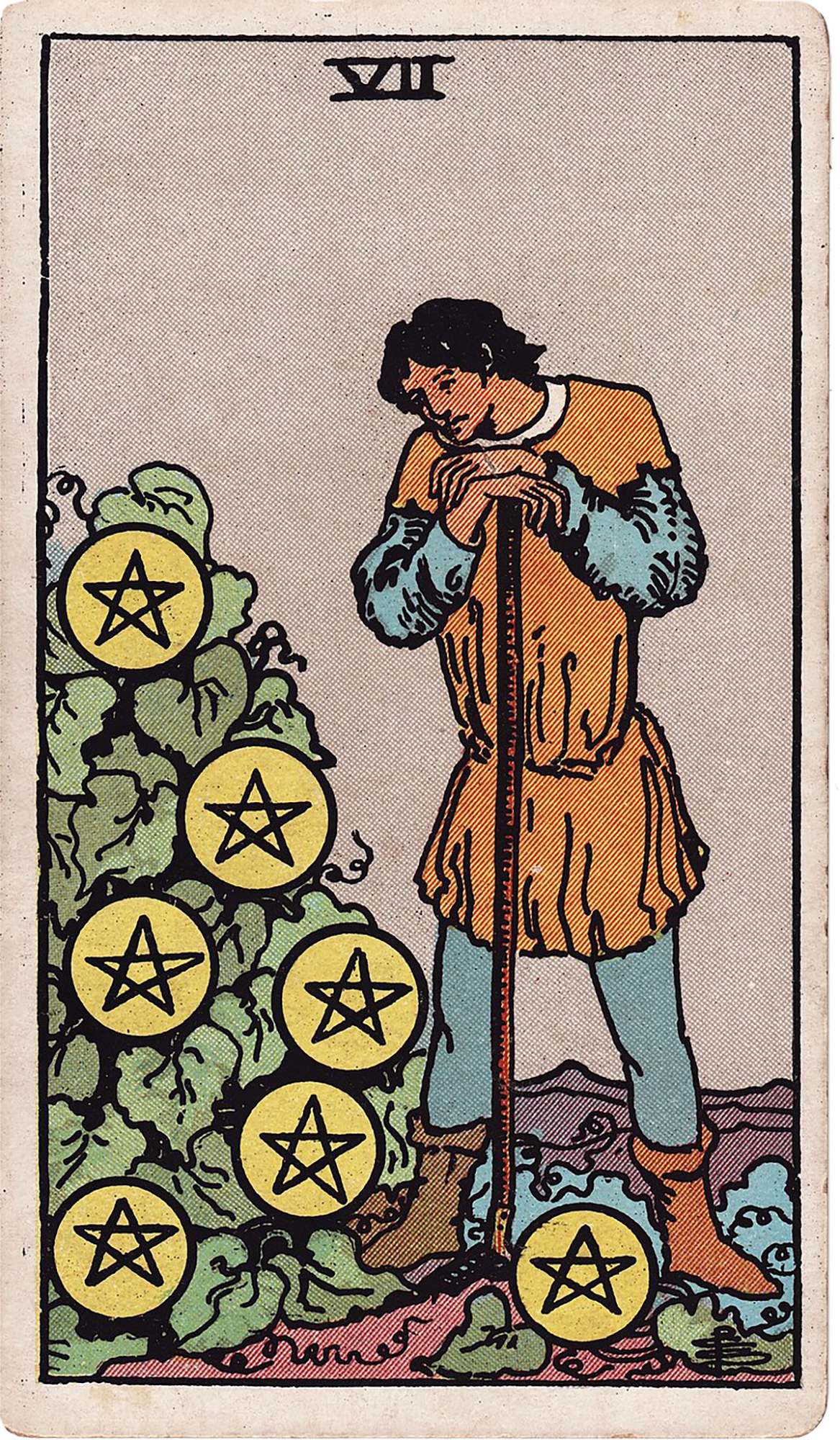 You7 of Pentacles
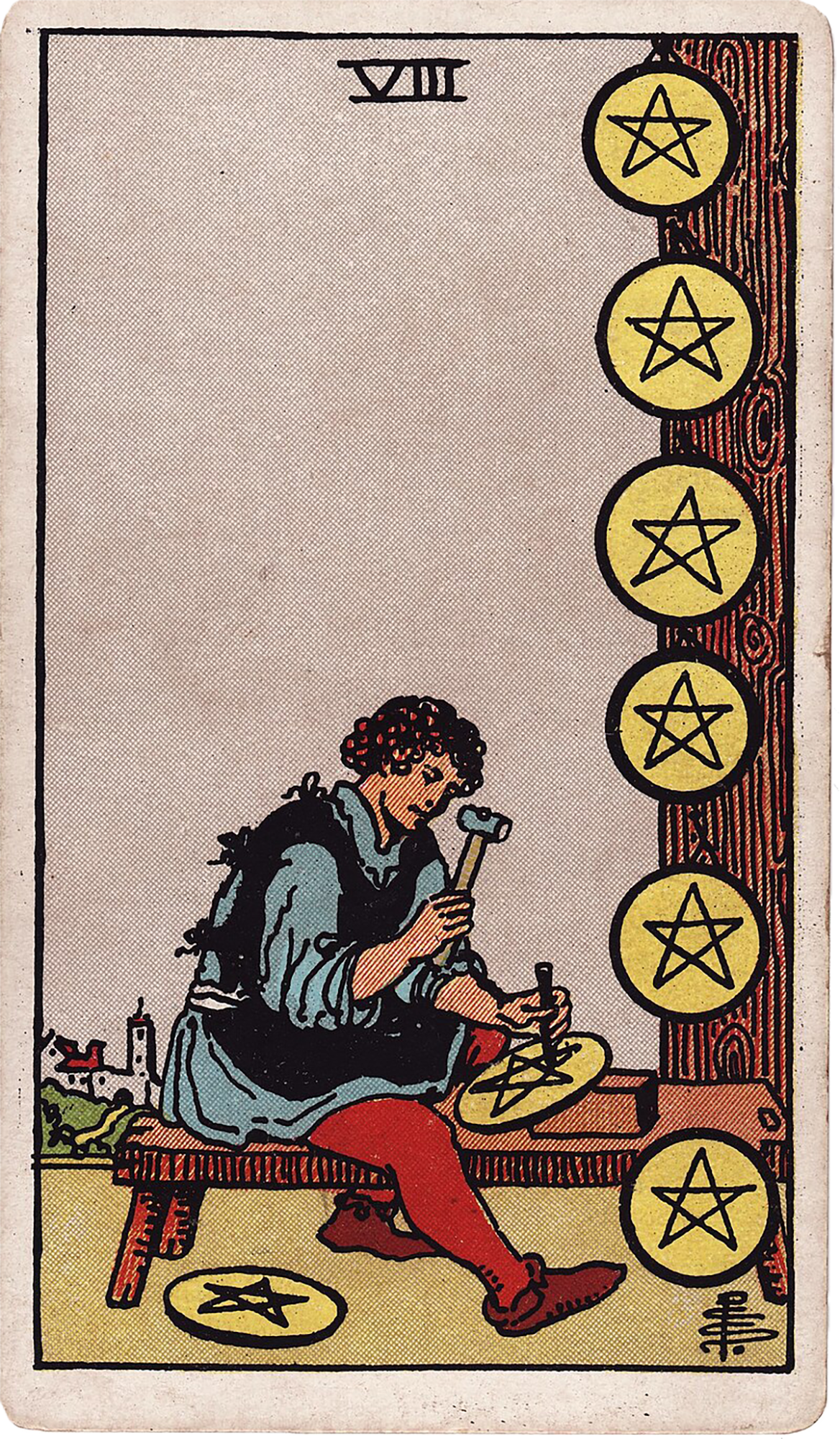 The Other Person8 of Pentacles
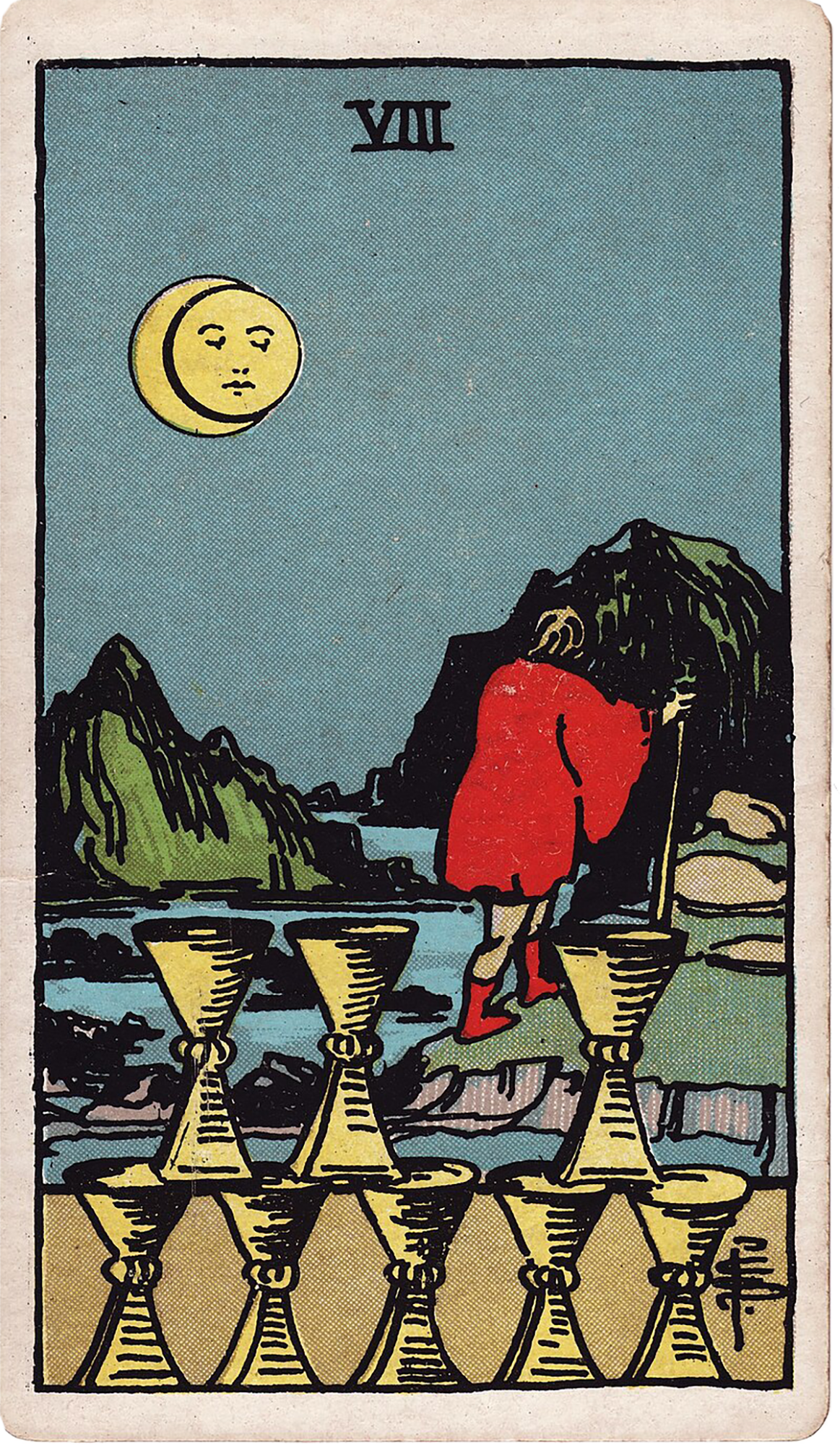 Connection8 of Cups
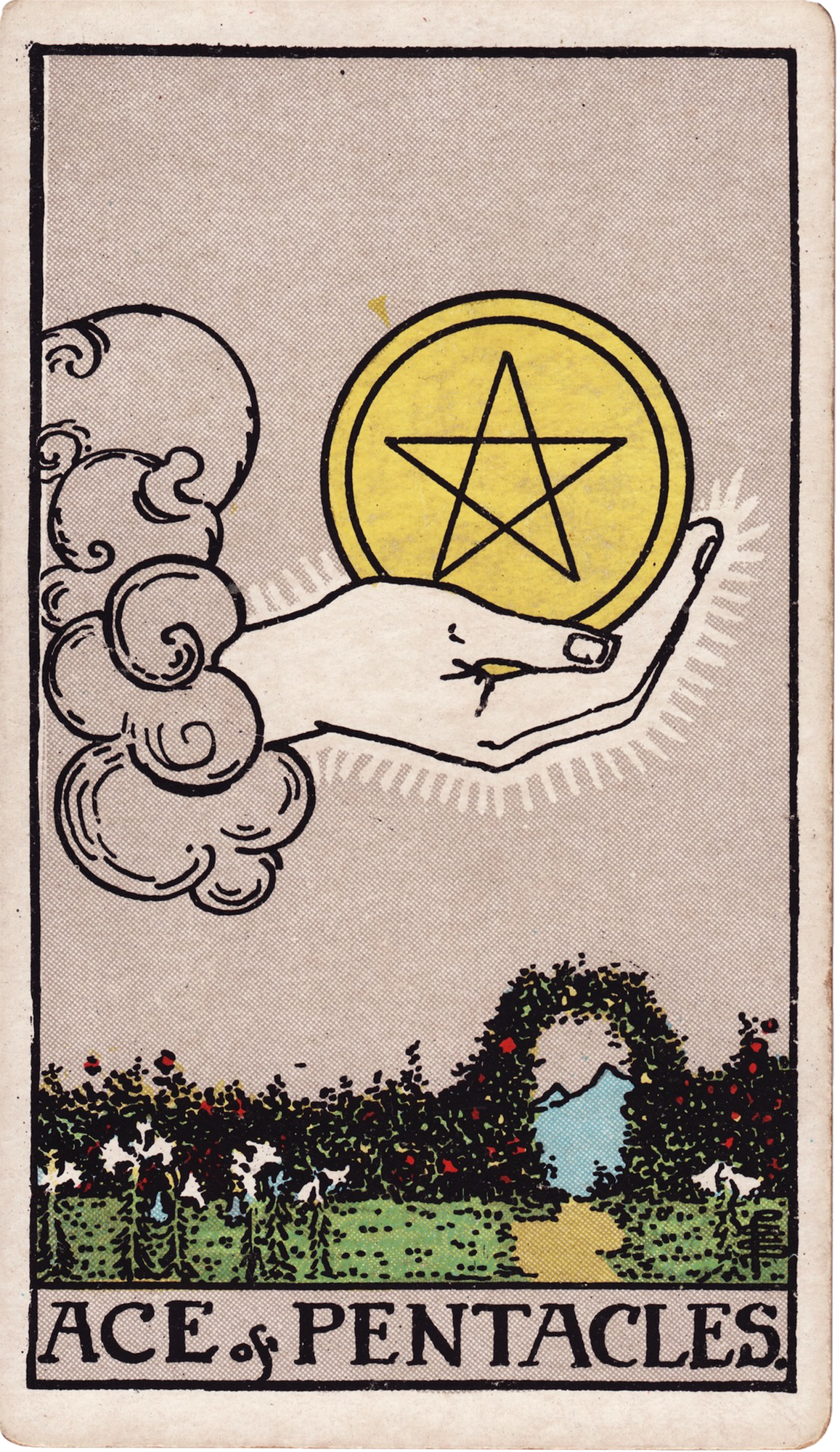 ChallengeAce of Pentacles
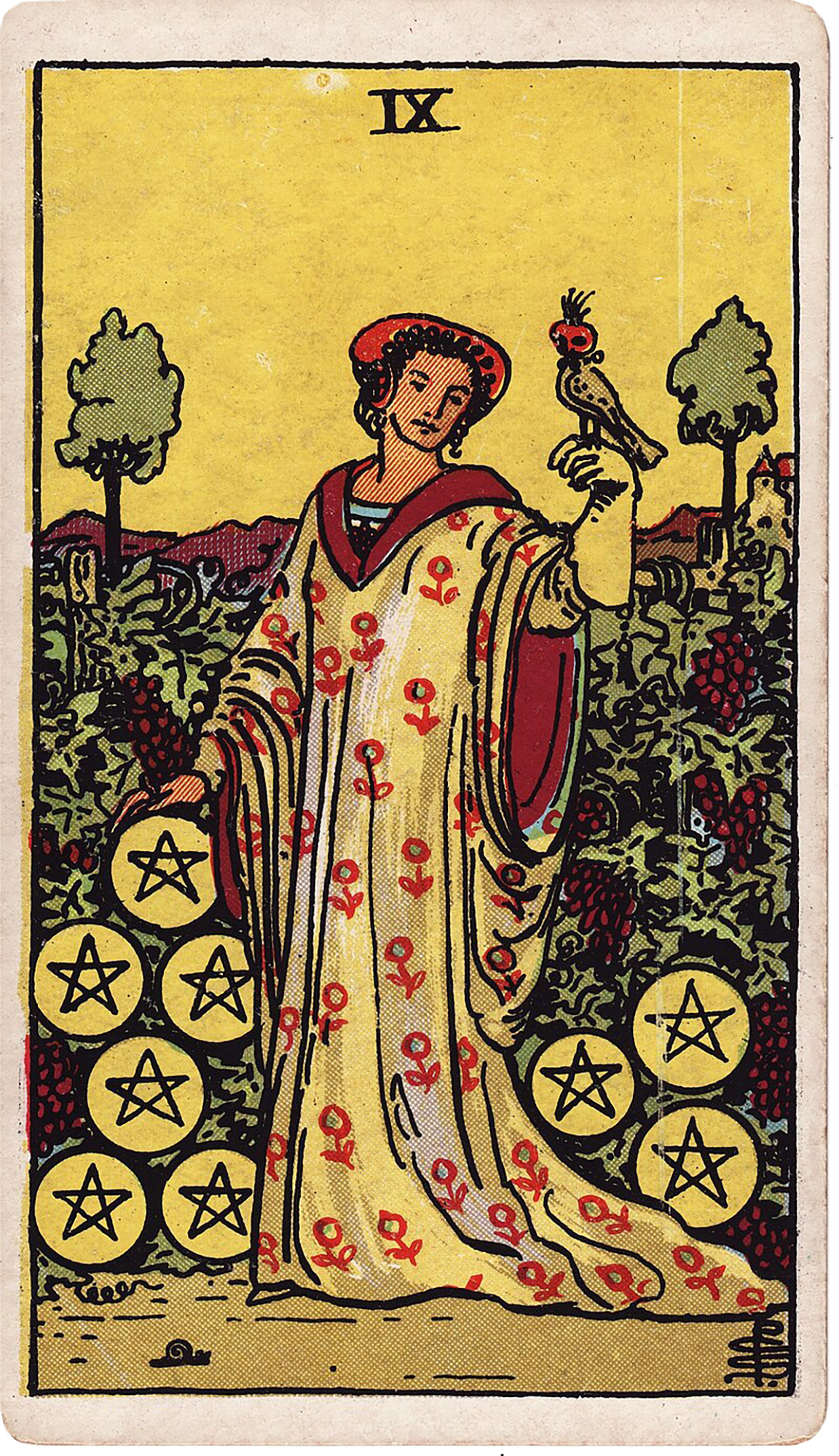 Direction9 of Pentacles
Introduction to the Relationship Five Card Spread
The Relationship Five Card Spread is a focused layout designed for exploring the dynamics between two people within a family or close relational context. Unlike broader spreads, this layout narrows down to key emotional components that influence the relationship’s health and growth. It consists of five positions: You, The Other Person, Connection, Challenge, and Direction. Each position provides a unique perspective, facilitating a comprehensive yet manageable reading that highlights emotional needs and growth opportunities. This spread is particularly useful in family readings where practical growth and mutual understanding are essential. By isolating the participants, the emotional undercurrents connecting them, the obstacles they face, and the path forward, readers can provide actionable insights rather than vague predictions. The technique emphasizes interpreting cards not only individually but also in dialogue with one another, allowing the reader to explore the interplay and energy flow between people. The method is reproducible by learners when they carefully consider positional meanings, the symbolism of each card (particularly Rider-Waite-Smith symbolism where relevant), and the progression from challenge to direction.
Card Positions Explained with Applied Example
Let’s examine the five positions alongside the cards drawn in this example: 8 of Cups (You), Ace of Pentacles (The Other Person), 7 of Pentacles (Connection), 8 of Pentacles (Challenge), and 9 of Pentacles (Direction). This example illustrates how to apply card meanings in the context of family relationships. 1. You — 8 of Cups Upright: The first position represents the querent or the person initiating the reading, showing their current emotional state or needs. The 8 of Cups upright signifies a conscious decision to leave behind something emotionally insufficient, suggesting the person is seeking deeper meaning or fulfillment. In a family context, this might mean recognizing that past emotional patterns or expectations no longer serve their growth. Visually, the figure in the 8 of Cups walks away from cups arranged behind them, symbolizing the voluntary departure from past emotional investments. This card asks the reader to identify emotional dissatisfaction and the desire for authentic connection. 2. The Other Person — Ace of Pentacles Upright: The second position reveals the emotional or practical stance of the other family member involved. The Ace of Pentacles upright introduces the theme of new tangible beginnings, opportunities, or resources. This card suggests that the other person may be open to initiating practical steps toward stability or growth within the relationship. This card’s imagery—a hand offering a pentacle from a cloud—points to a grounded opportunity that requires care and follow-through, indicating potential readiness to build something lasting with practical support. 3. Connection — 7 of Pentacles Upright: The Connection card shows the current shared energy or dynamic between the two people. The 7 of Pentacles upright highlights a period of assessment and patience concerning their joint efforts. It implies that the relationship is at a point where both parties are evaluating whether their emotional and practical investments are yielding desired growth. The figure in the card pauses to reflect on the fruits of labor, symbolizing the need for honest appraisal. Learners should consider how this card complements the 8 of Cups’ search for meaning and the Ace of Pentacles’ new opportunity—a moment to gauge if both emotional and practical sides align. 4. Challenge — 8 of Pentacles Upright: This position identifies obstacles or tensions in the relationship. The 8 of Pentacles upright emphasizes the need for focused effort, skill-building, and consistent practice. It suggests that challenges stem from the necessity to refine communication, emotional skills, or routines within the family bond. The imagery of the craftsman diligently working on pentacles underscores the importance of commitment to improvement rather than quick fixes. This card reminds the reader and querent that relationship growth is an ongoing process requiring attention to detail and patience. 5. Direction — 9 of Pentacles Upright: The final position points to the guidance for moving forward. The 9 of Pentacles upright symbolizes earned independence, competence, and enjoying the fruits of one's labor without needing constant external approval. In relational terms, this card encourages cultivating self-sufficiency and mutual respect within the bond. It suggests that strengthening the relationship involves both parties acknowledging their own worth and supporting each other’s autonomy. Here, the lush garden and confident figure evoke a sense of cultivated stability and harmony that can be the goal of sustained emotional and practical work.
Interpreting Card Relationships and Spread Flow
Understanding how cards relate to each other is crucial for a nuanced reading. In this spread, the journey starts with the 8 of Cups, signaling a personal emotional quest. The Ace of Pentacles in the other person’s position suggests they may offer practical foundations that the querent is ready to explore. The 7 of Pentacles in Connection acts as a balancing reflection—both sides are reviewing their shared commitments to see if continuing along this path is fruitful. The 8 of Pentacles as Challenge indicates the effort required to maintain or improve the relationship, highlighting that patience and skill development are necessary. Finally, the 9 of Pentacles as Direction offers a positive outcome: through steady growth and respect for individual independence, the relationship can mature into a balanced, rewarding connection. This flow—from emotional dissatisfaction through opportunity, assessment, effort, and ultimately independence—mirrors many family dynamics where individuals seek meaning but must also invest practical work and patience to strengthen bonds. Learners should practice identifying these narrative arcs and note how card suits and elements inform temperament (Cups for emotion, Pentacles for material/practical concerns). This example notably contrasts the emotional leaving in Cups with the practical seeds in Pentacles, offering a holistic view.
Step-by-Step Practical Method to Use the Relationship Five Card Spread
1. Prepare the Querent: Begin by explaining the spread’s five positions and their focus on emotional needs and dynamics. 2. Shuffle and Draw: Encourage the querent to shuffle while thinking about the relationship in question, then draw five cards, placing them in the defined positions: You, The Other Person, Connection, Challenge, Direction. 3. Position-by-Position Interpretation: Interpret each card based on its position: - "You": Focus on the querent’s emotional state and needs. - "The Other Person": Reflect on the other party’s stance or emotional reality. - "Connection": Analyze the shared dynamic or bond. - "Challenge": Identify obstacles or growth areas. - "Direction": Suggest constructive paths ahead. 4. Consider Card Interactions: Look at suit combinations, similar themes, or contrasting energies. For example, here Cups and Pentacles interplay to balance emotion and pragmatism. 5. Use Traditional Symbolism: Incorporate Rider-Waite-Smith motifs such as cups representing feelings and pentacles representing resources to deepen understanding. 6. Offer Practical Advice: Translate card meanings into actionable insights like fostering patience (7 of Pentacles), committing to growth (8 of Pentacles), or nurturing independence (9 of Pentacles). 7. Validate with the Querent: Invite discussion to see what resonates, helping the querent integrate the insights into real-life relational decisions. Common mistakes include treating cards in isolation, ignoring suit symbolism, or imposing rigid predictive meanings. Instead, maintain an exploratory, empathetic approach focused on understanding and growth.
Common Challenges and How to Overcome Them in Readings
One common challenge is interpreting reversed cards in this spread since the example only contains upright cards. Reversals should not be seen simply as opposites but as indicators of where emotional or practical processes are stuck or need adjustment. For example, a reversed 8 of Cups might indicate fear of leaving old patterns, while a reversed Ace of Pentacles may highlight missed opportunities or poor planning in the relationship. Another challenge is maintaining balance between the emotional (Cups) and material/practical (Pentacles) aspects of the relationship. The current example is heavy on Pentacles, which can suggest a focus on practical care and growth. Learners should watch for this and ask how emotional needs (Cups) are being addressed or neglected. It’s also essential to avoid overgeneralizing. Each card’s meaning shifts depending on the question’s context and nearby cards. For instance, the 7 of Pentacles alone is about patience and assessment, but next to 8 of Cups and Ace of Pentacles it highlights evaluating emotional and practical investments jointly. Finally, be mindful of the querent’s perspective. The "You" card reflects their inner state, which may differ from external realities. Encouraging self-reflection rather than external judgment improves reading quality.
Summary and Encouragement for Learners
The Relationship Five Card Spread is a powerful yet accessible tool for exploring emotional needs and practical dynamics in family relationships. By focusing on You, The Other Person, Connection, Challenge, and Direction, it organizes complex relational energy into manageable insights. This article’s worked example demonstrates how to blend traditional Rider-Waite-Smith symbolism with clear position meanings, creating a story that guides both reader and querent toward understanding and growth. The key is interpreting cards in relation to each other and the question, not as isolated signs. Learners are encouraged to practice this spread regularly, paying attention to both upright and reversed cards, emotional and material themes, and the dialogue between cards. With time, this method offers clarity and practical guidance for fostering stronger, more nurturing family bonds.
Practice questions
• How does the 8 of Cups illustrate a necessary emotional transition in your family relationships?
• In what ways can the Ace of Pentacles symbolize new opportunities for practical support within your family dynamic?
• What does the 7 of Pentacles suggest about evaluating shared efforts in relationships you experience?
• How can the 8 of Pentacles inspire you to commit to ongoing improvement in communication or family routines?
• What role does the 9 of Pentacles play in encouraging healthy independence within close relationships?
• How can you balance emotional needs (Cups) and practical realities (Pentacles) when interpreting family readings?
• What are common pitfalls when interpreting reversed cards, and how can you approach them constructively?
Comments
Sign in to comment.
Continue learning
Interpreting the Dance of Justice and The Devil: Balancing Morality and Temptation in Tarot Readings
The combination of Justice and The Devil in tarot presents a profound exploration of morality, temptation, and personal accountability. This article unpacks how these cards influen...
Advanced Techniques for Combining The Moon and The Star to Enhance Intuition in Tarot Readings
This article explores advanced techniques to combine the symbolism and energy of The Moon and The Star Tarot cards to enhance intuition during Tarot readings. Drawing from traditio...
Unlocking Life Insights with the Celtic Cross Tarot Spread
This article offers a thorough exploration of the Celtic Cross Tarot Spread, focusing on its application within family and practical life contexts. Using a worked example featuring...
Unlocking Hidden Meanings with The Hermit and The Hanged Man for Spiritual Growth
This article offers an in-depth exploration of The Hermit and The Hanged Man Tarot cards focusing on their roles in spiritual growth. It guides readers through beginner and advance...
Unlocking Personal Insight with the Seven Card Horseshoe Spread
The Seven Card Horseshoe Spread is a practical and insightful Tarot layout ideal for exploring personal and family dynamics. This article breaks down each position—Past, Present, H...
Mastering the Court Cards of Wands for Unlocking Personal Drive and Leadership
The Court Cards of Wands represent a dynamic spectrum of personal energy, ambition, and leadership potential within the Minor Arcana. This article offers a comprehensive exploratio...
Tracing the Origins and Evolution of The Fool Card in Tarot History
The Fool card holds a foundational place in tarot tradition, symbolizing beginnings, openness, and the embrace of uncertainty. This article traces its origins from early European d...
Techniques for Reading Court Cards to Unlock Personality Insights
Court cards in Tarot often represent people, personality traits, or energy patterns within a situation. This article offers a structured approach for beginners and advanced readers...
Unlocking Emotional Transformation with Death and The Moon Tarot Combination
This article explores the rich and complex interaction between the Death and The Moon tarot cards within the Rider-Waite-Smith tradition, focusing on their combined potential to un...
Applying The Star Card to Foster Hope and Renewal in Personal Growth
The Star card in Tarot symbolizes hope, authenticity, and the process of steady renewal. In a single-card reading, The Star encourages embracing what is present, cultivating openne...