
Using the Relationship Five Card Spread to Navigate Emotional Growth Challenges
The Relationship Five Card Spread is an effective practical tool in tarot readings designed to illuminate emotional dynamics between two people. This article breaks down the spread's five positions—You, The Other Person, Connection, Challenge, and Direction—using specific cards from the Cups suit to highlight emotional growth within family or close relationships. Through detailed examination of the Two of Cups, Page of Cups, Knight of Cups, Queen of Cups, and King of Cups, learners will develop a nuanced understanding of emotional reciprocity, intuition, challenges, and leadership. The article also offers guidance on performing the spread confidently and avoiding common pitfalls in interpretation.
Relationship Five
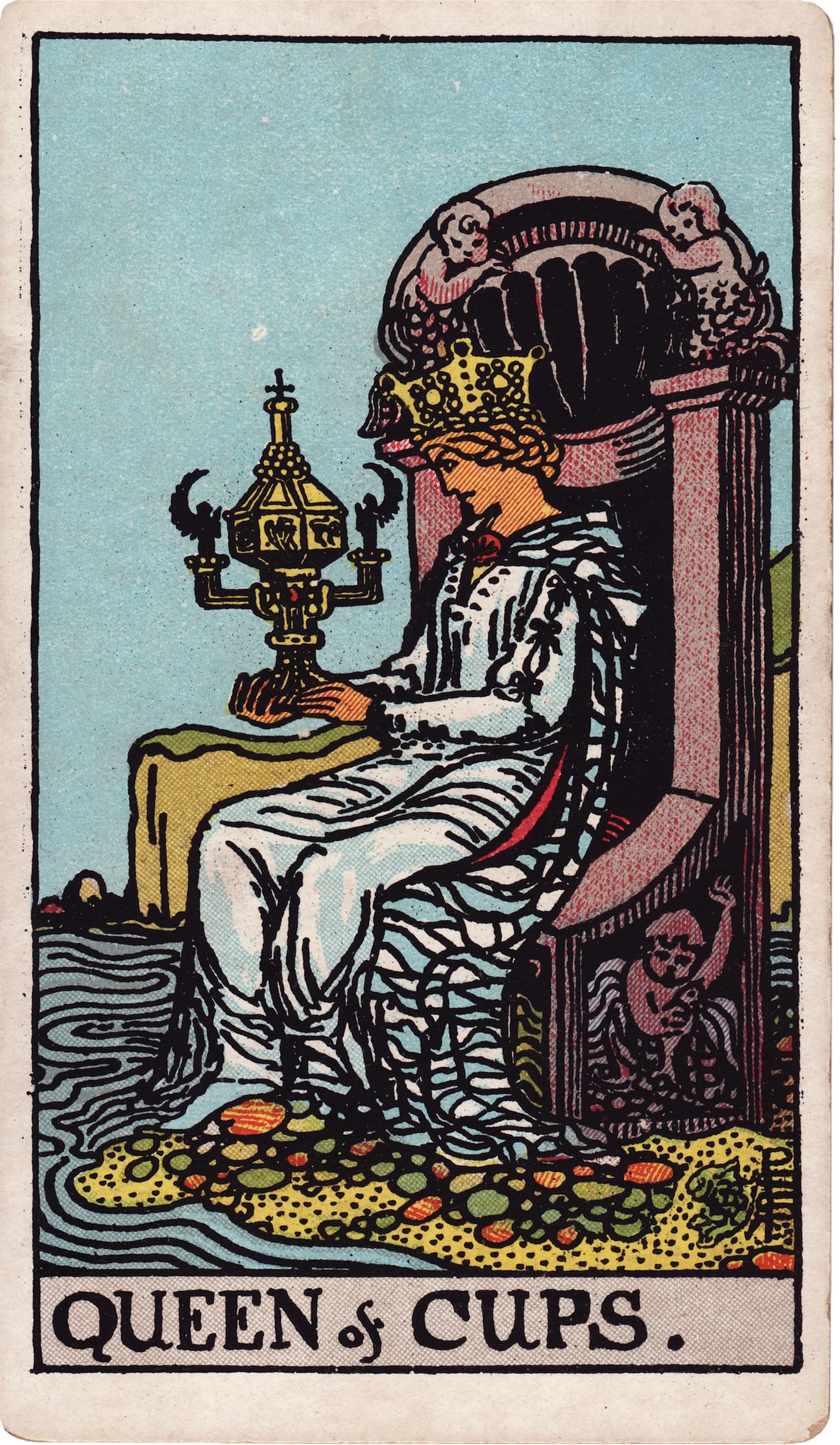 YouQueen of Cups
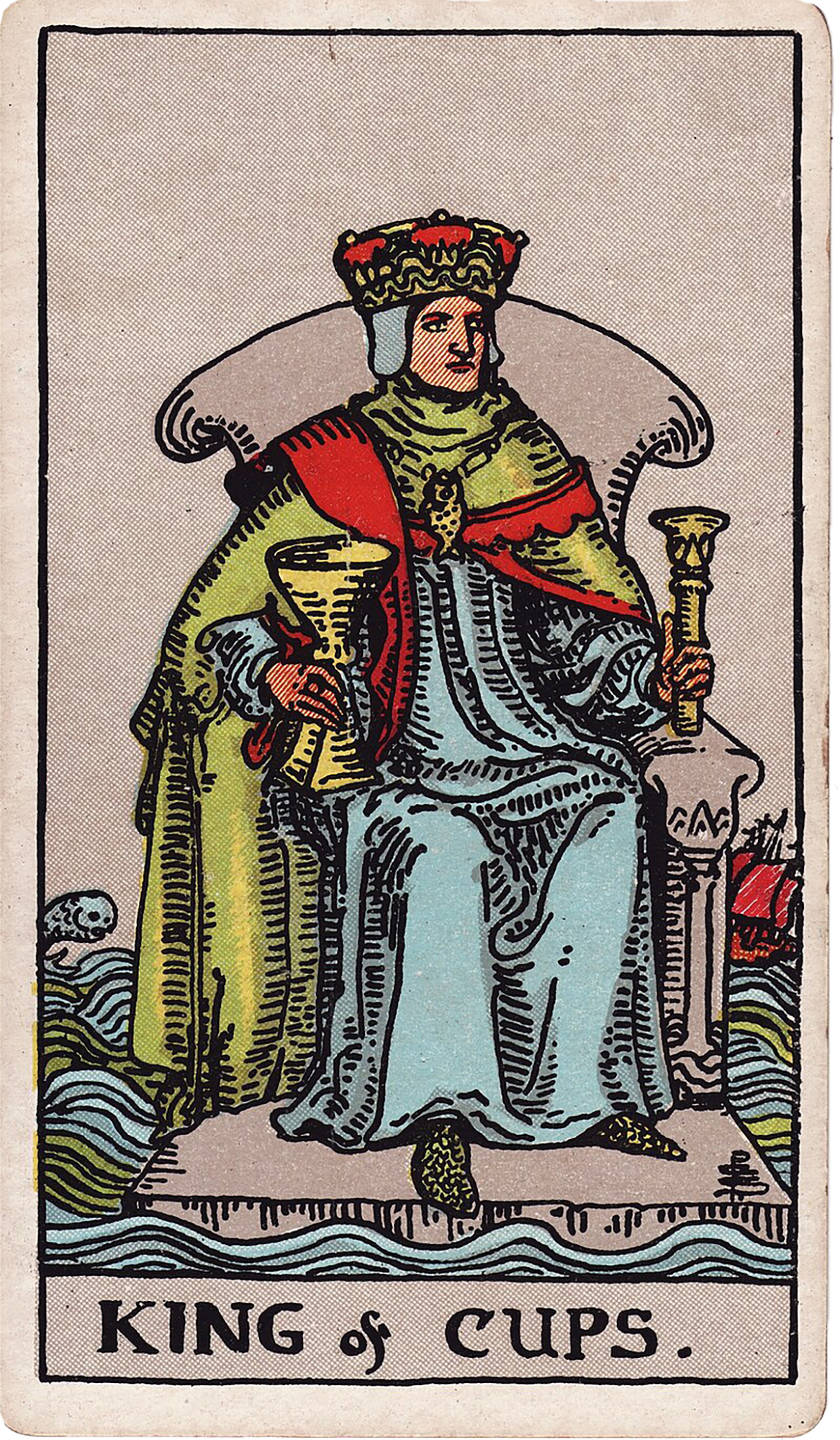 The Other PersonKing of Cups
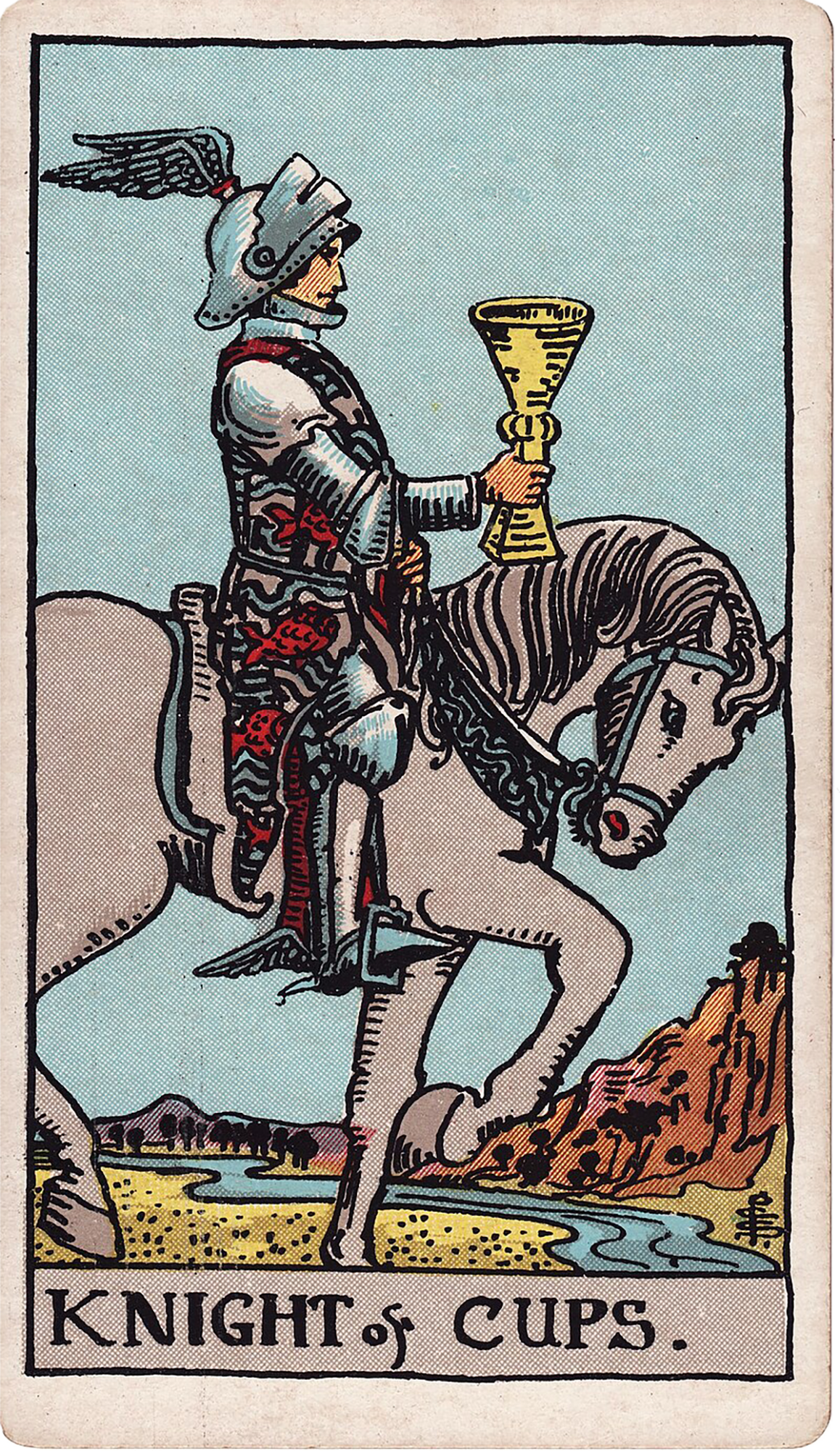 ConnectionKnight of Cups
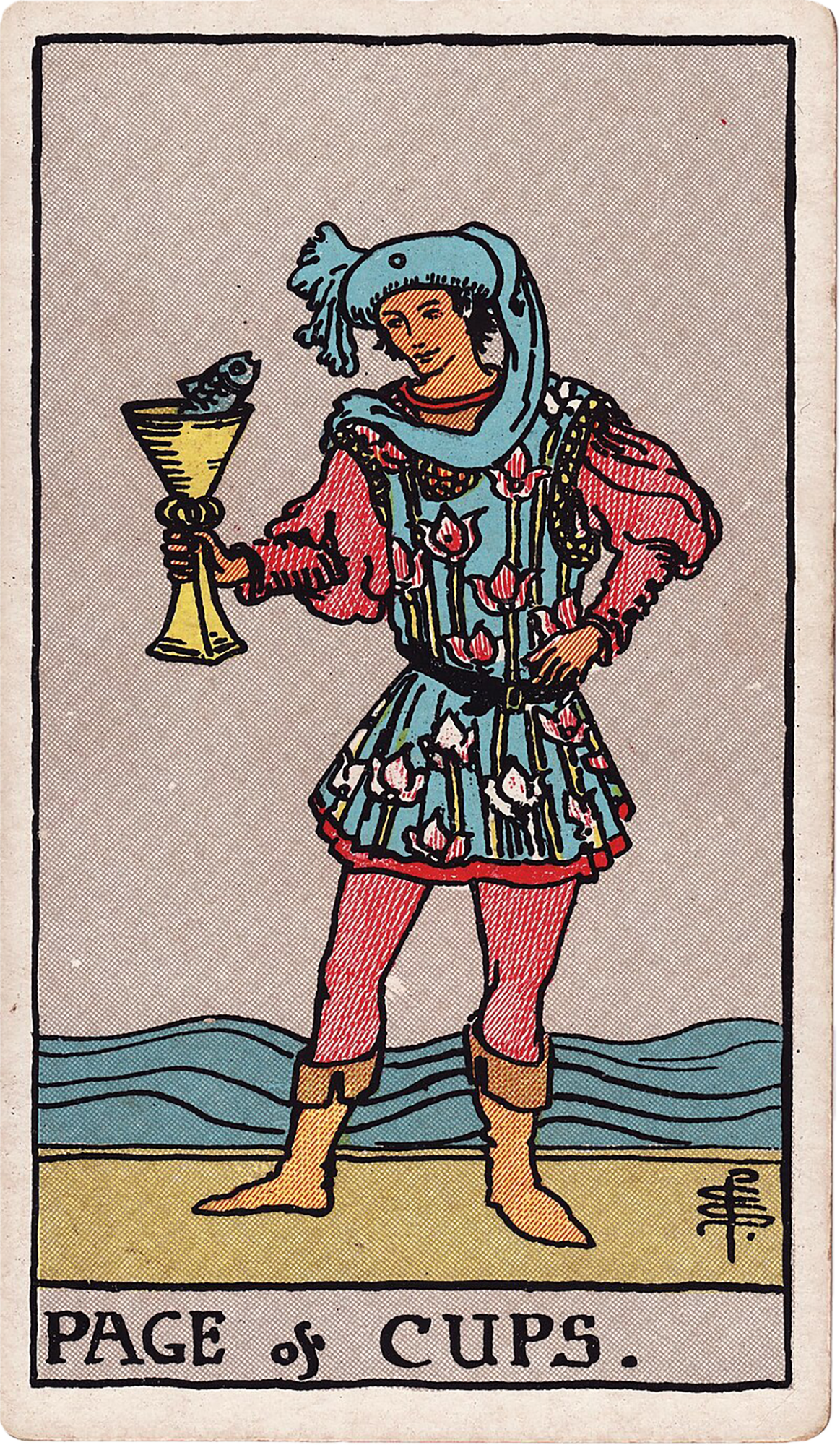 ChallengePage of Cups
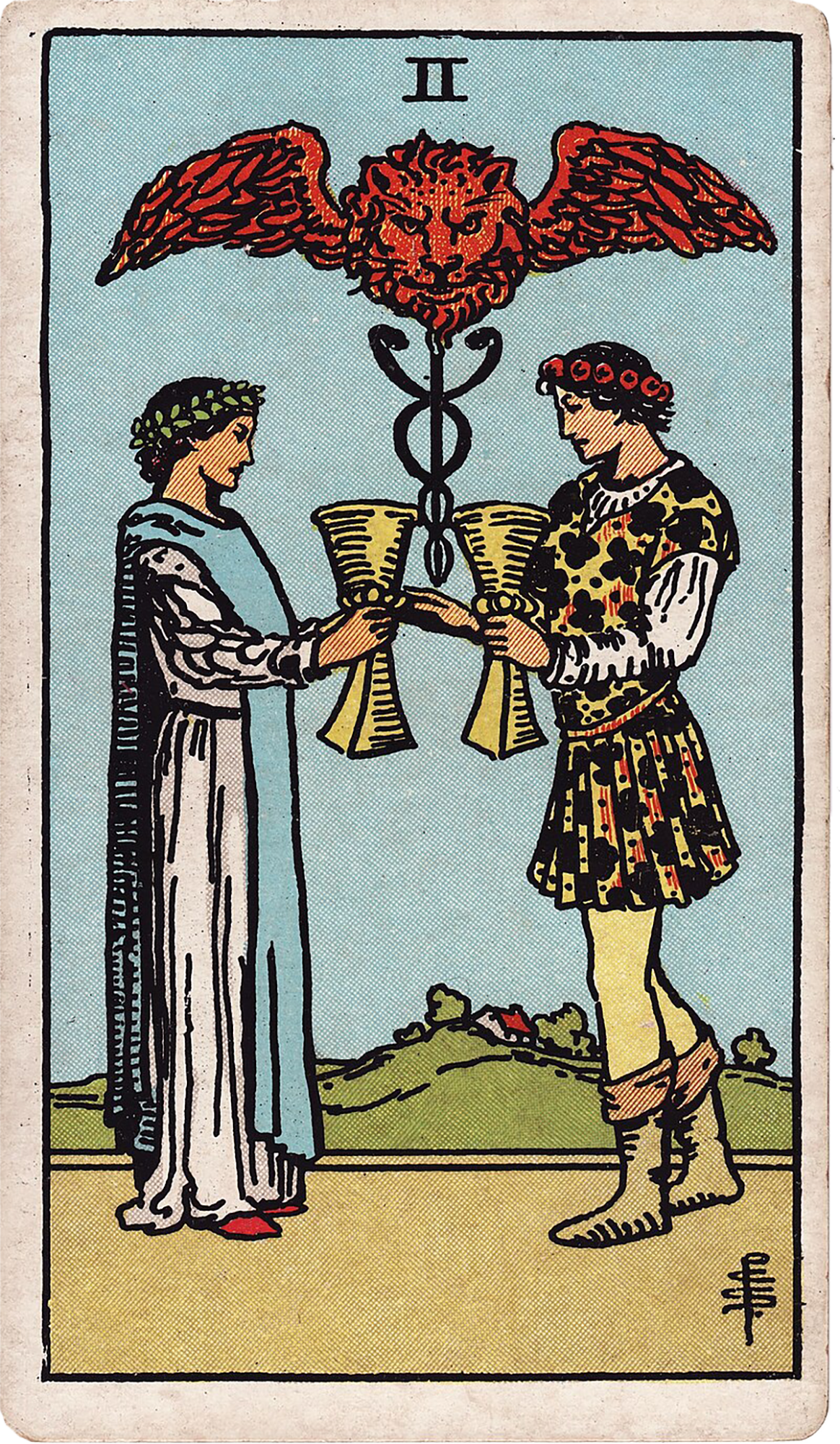 Direction2 of Cups
Introduction to the Relationship Five Card Spread
The Relationship Five Card Spread is a targeted tarot layout designed to explore the emotional interplay between two people, particularly in family or intimate contexts. Its five positions—You, The Other Person, Connection, Challenge, and Direction—offer a structured lens to examine emotional growth, communication, and interpersonal challenges. Unlike generalized relationship spreads, this format balances focus on individual perspectives with the shared emotional space, enabling practical guidance rather than abstract ideals. Using Cups cards exclusively in this example emphasizes emotional processes, intuition, and relational dynamics, which are central to navigating family challenges.
Position One You and the Two of Cups Upright
The first position represents the querent—the person seeking insight—here symbolized by the Two of Cups in its upright form. Traditionally, the Two of Cups illustrates reciprocity, mutual recognition, and the beginning or ongoing development of a harmonious partnership. In Rider-Waite-Smith imagery, the two figures exchange cups under a caduceus and lion’s head, symbolizing healing and courage in union. Practically, this card asks the querent to assess where emotional exchange is balanced or needs balance in their relationship. Are feelings expressed and received honestly? Is the effort mutual? The upright position encourages the querent to meet the relationship where it currently stands, not at some idealized future point. In emotional growth, this card indicates the querent’s readiness or capacity for genuine connection, empathy, and emotional vulnerability—foundational to overcoming relational challenges.
Position Two The Other Person and the Page of Cups Upright
The second position reflects the other person’s emotional stance, here represented by the Page of Cups upright. The Page signifies youthful emotional openness, curiosity, and the arrival of unexpected feelings or intuitive messages. The Rider-Waite-Smith card depicts a young figure holding a cup from which a fish playfully emerges, symbolizing surprises in the emotional realm and a call to remain receptive. In the context of family or close relationships, this card may highlight the other person’s fresh or developing emotional perspective, perhaps signaling the beginning of new emotional insights or vulnerability. It invites the querent to consider how the other person may be processing feelings differently, with innocence or sensitivity, which can be both enriching and delicate. This position helps learners appreciate that emotional growth is often uneven; one partner may be navigating new emotional terrain while the other is more established.
Position Three Connection and the Knight of Cups Upright
The third card represents the connection itself, depicted here by the Knight of Cups upright. The Knight is a figure of active pursuit in emotional matters, carrying a cup with intention and grace. The Rider-Waite-Smith imagery shows him riding forward, embodying romantic or heartfelt initiative. This card in the connection position suggests an ongoing dynamic of emotional pursuit and expression between the two individuals. It indicates that the relationship is characterized by imaginative engagement and emotional intention, not passive feeling. In practice, this encourages the querent to consider how both parties contribute to the emotional momentum: Are emotional gestures timely and sincere? Does the relationship maintain imaginative and heartfelt interaction? It points to a connection that is alive but requires conscious effort to sustain its grace and avoid idealization or fantasy.
Position Four Challenge and the Queen of Cups Upright
The fourth position reveals the core challenge facing the relationship, shown here as the Queen of Cups upright. The Queen embodies mature emotional receptivity, empathy, and intuitive understanding, balanced with an internal emotional container. Her imagery—a calm figure holding a cup, seated by water—evokes deep feeling regulated with composure. As a challenge, this card may indicate difficulties in maintaining emotional balance and boundaries within the relationship. Perhaps one or both parties struggle to embody the Queen’s maturity, leading to overwhelm, codependency, or blurred emotional lines. Understanding this challenge helps learners identify where emotional growth requires greater self-awareness and boundary setting. It highlights the importance of empathy paired with self-care, and the need to listen to intuition without losing oneself in emotional tides.
Position Five Direction and the King of Cups Upright
The final position points to the best direction or advice for the relationship’s emotional growth, represented by the King of Cups upright. The King symbolizes steady emotional leadership: managing feelings with composure and creating safety through calm presence. The Rider-Waite-Smith card shows a regal figure seated on a throne amid water, indicating mastery over emotional depths. For learners and querents, this card advises cultivating emotional maturity that neither suppresses nor is overwhelmed by feelings. It encourages embracing vulnerability with thoughtful regulation and genuine empathy. In relational terms, moving in the direction of the King suggests encouraging open, honest communication supported by emotional resilience and compassionate leadership. This is the path toward lasting stability and mutual growth.
Interpreting Card Relationships and the Overall Reading
The strength of the Relationship Five Card Spread lies in exploring the interplay between the cards. Here, the progression from Two of Cups (You) to Page of Cups (Other) reflects the balance between established mutuality and emerging emotional openness. The Knight of Cups in Connection acts as the energetic bridge, showing active emotional pursuit that needs to be mindful to avoid idealization as warned by the Queen of Cups as Challenge. This Queen card challenges both partners to mature their emotional awareness and boundaries. Finally, the King of Cups as Direction offers a hopeful resolution: cultivating emotional leadership and steadiness to navigate complexities. Learners should note how each card’s Rider-Waite-Smith symbolism aligns with its position’s role. The Two’s mutual cup exchange, the Page’s surprise fish, the Knight’s forward motion, the Queen’s calm receptivity, and the King’s regal composure form a cohesive narrative about emotional growth stages. The reading invites reflection on personal and relational emotional development rather than fixed outcomes.
How to Reproduce the Relationship Five Card Spread
To practice this spread, learners should shuffle their deck with a focus on a specific relationship or emotional challenge. Lay out five cards in a row or a slight arc from left to right, assigning them sequentially: 1. You 2. The Other Person 3. Connection 4. Challenge 5. Direction Begin by interpreting each card individually in its position, using traditional symbolism, especially Rider-Waite-Smith imagery cues. Notice details like figures’ expressions, color, water symbolism, and posture. Next, consider how cards relate to each other. For example, does the energy of the 'You' card complement or contrast with 'The Other Person'? How does 'Connection' mediate between these two? Is the 'Challenge' card showing an internal or external obstacle? Finally, use the 'Direction' card as practical advice or the next step for emotional growth. Avoid reading cards as fixed predictions; instead, see them as guides to deepen understanding and inspire action. Common pitfalls include overgeneralizing cards without reference to position, ignoring reversals or nuances, and forcing idealized interpretations instead of grounded emotional realities.
Common Mistakes and Tips for Effective Readings
A frequent mistake is to treat reversed cards simply as opposites of upright meanings. Instead, view reversals as areas where emotional processes are stuck or underdeveloped. For instance, a reversed Page of Cups signals emotional immaturity or escapism rather than mere emotional absence. Another common error is neglecting the context given by other cards. Each card’s meaning is enriched or altered by surrounding cards, especially in relational spreads where dynamics are fluid. Beginners often rush to definitive conclusions. It's better to use the spread as a reflective tool, inviting questions and ongoing dialogue rather than final judgments. Tips for learners: - Keep a journal to record readings and emotional responses. - Practice reading for yourself and trusted others to build empathy. - Study the Rider-Waite-Smith deck’s Cups suit closely, noting recurring symbolism related to water, cups, and emotional figures. - Balance intuitive impressions with traditional meanings to create nuanced readings. By approaching the Relationship Five Card Spread with openness and patience, learners can foster deeper emotional insight and practical guidance.
Practice questions
• How does acknowledging emotional balance in the Two of Cups position influence your perspective on your role in relationships?
• In what ways might the other person’s emotional openness, as represented by the Page of Cups, challenge or support your growth?
• How can you actively contribute to the emotional energy of your connection, similar to the Knight of Cups?
• What emotional boundaries or self-awareness could help address the challenges signaled by the Queen of Cups?
• How might embodying the King of Cups’ steady emotional leadership transform your approach to relational difficulties?
Comments
Sign in to comment.
Continue learning
Interpreting the Dance of Justice and The Devil: Balancing Morality and Temptation in Tarot Readings
The combination of Justice and The Devil in tarot presents a profound exploration of morality, temptation, and personal accountability. This article unpacks how these cards influen...
Advanced Techniques for Combining The Moon and The Star to Enhance Intuition in Tarot Readings
This article explores advanced techniques to combine the symbolism and energy of The Moon and The Star Tarot cards to enhance intuition during Tarot readings. Drawing from traditio...
Unlocking Life Insights with the Celtic Cross Tarot Spread
This article offers a thorough exploration of the Celtic Cross Tarot Spread, focusing on its application within family and practical life contexts. Using a worked example featuring...
Unlocking Hidden Meanings with The Hermit and The Hanged Man for Spiritual Growth
This article offers an in-depth exploration of The Hermit and The Hanged Man Tarot cards focusing on their roles in spiritual growth. It guides readers through beginner and advance...
Unlocking Personal Insight with the Seven Card Horseshoe Spread
The Seven Card Horseshoe Spread is a practical and insightful Tarot layout ideal for exploring personal and family dynamics. This article breaks down each position—Past, Present, H...
Mastering the Court Cards of Wands for Unlocking Personal Drive and Leadership
The Court Cards of Wands represent a dynamic spectrum of personal energy, ambition, and leadership potential within the Minor Arcana. This article offers a comprehensive exploratio...
Tracing the Origins and Evolution of The Fool Card in Tarot History
The Fool card holds a foundational place in tarot tradition, symbolizing beginnings, openness, and the embrace of uncertainty. This article traces its origins from early European d...
Techniques for Reading Court Cards to Unlock Personality Insights
Court cards in Tarot often represent people, personality traits, or energy patterns within a situation. This article offers a structured approach for beginners and advanced readers...
Unlocking Emotional Transformation with Death and The Moon Tarot Combination
This article explores the rich and complex interaction between the Death and The Moon tarot cards within the Rider-Waite-Smith tradition, focusing on their combined potential to un...
Applying The Star Card to Foster Hope and Renewal in Personal Growth
The Star card in Tarot symbolizes hope, authenticity, and the process of steady renewal. In a single-card reading, The Star encourages embracing what is present, cultivating openne...