
Using the Relationship Five Card Spread to Navigate Emotional Needs Communication and Conflict Resolution
The Relationship Five Card Spread is a practical tool for exploring interpersonal dynamics, emotional needs, communication patterns, and conflict resolution. This article breaks down the spread’s five positions—You, The Other Person, Connection, Challenge, and Direction—using illustrative cards The Empress, The Emperor, The Lovers, Queen of Cups, and King of Cups. Each card’s upright and reversed symbolism guides the reader to interpret how nurturing, boundaries, choices, emotional receptivity, and leadership interplay within relationships. By anchoring learning in specific card imagery and traditional Rider-Waite-Smith symbolism, readers gain a methodical approach to understanding and using this spread for family and practical relationship readings.
Relationship Five
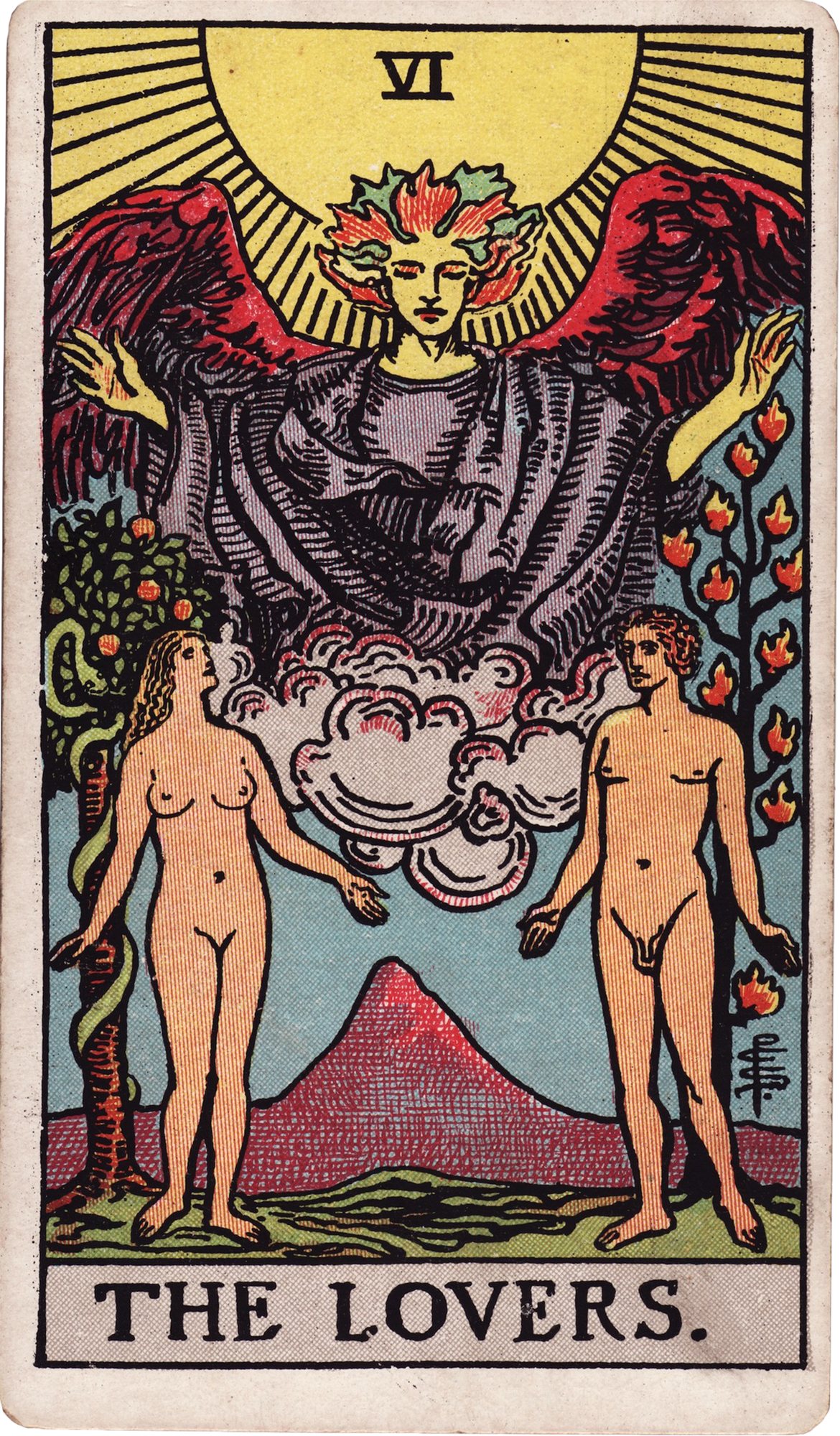 YouThe Lovers
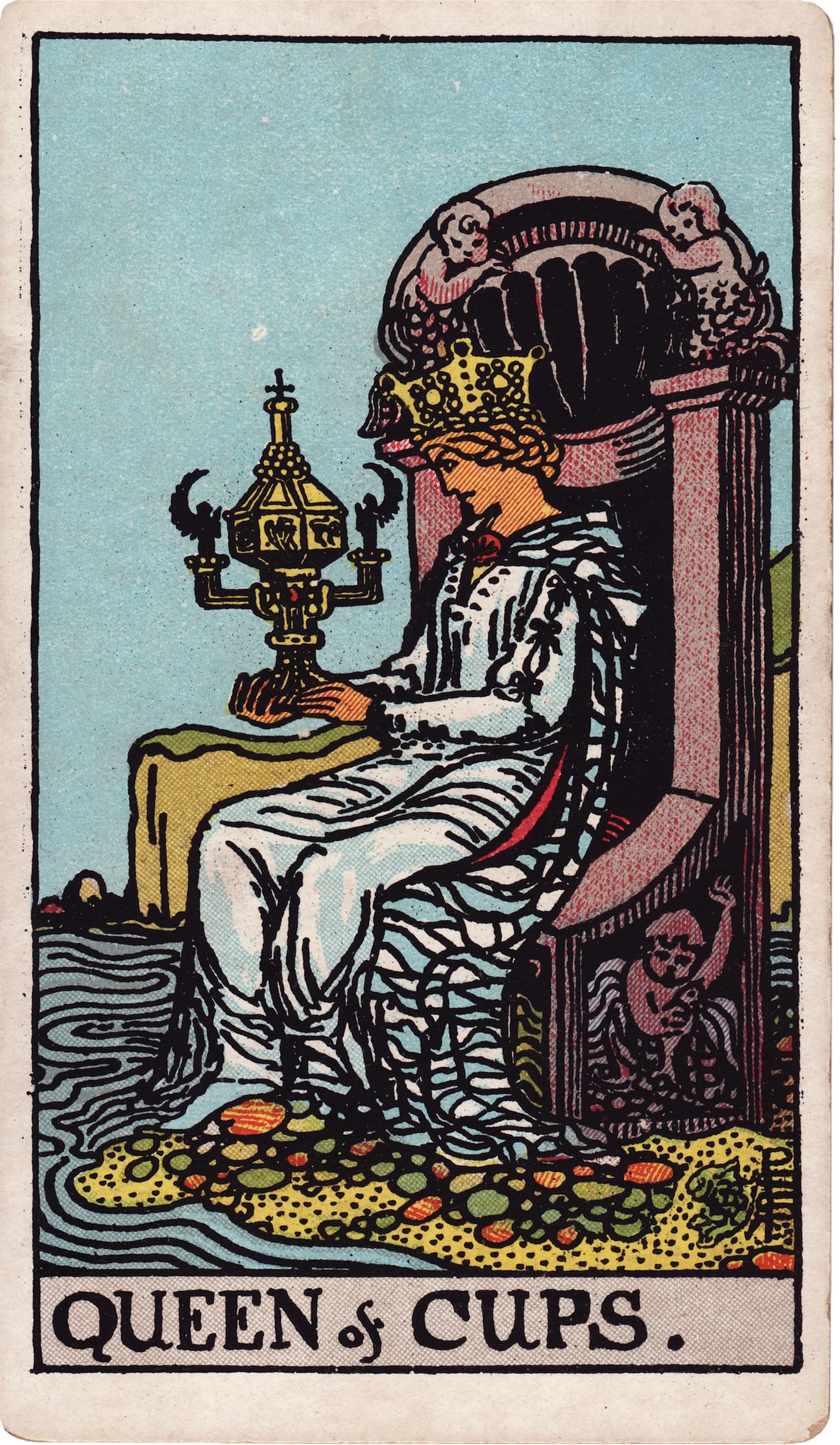 The Other PersonQueen of Cups
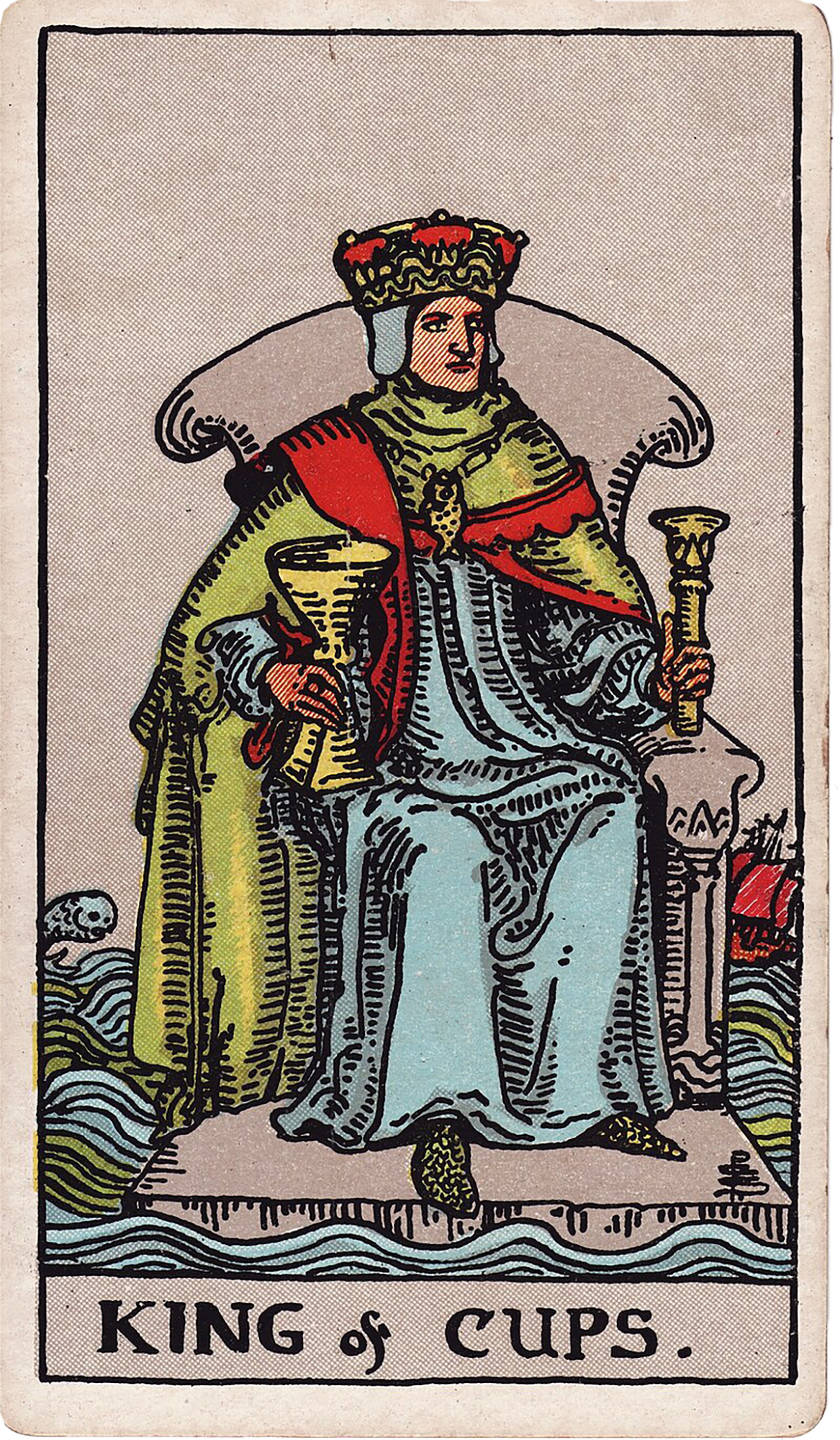 ConnectionKing of Cups
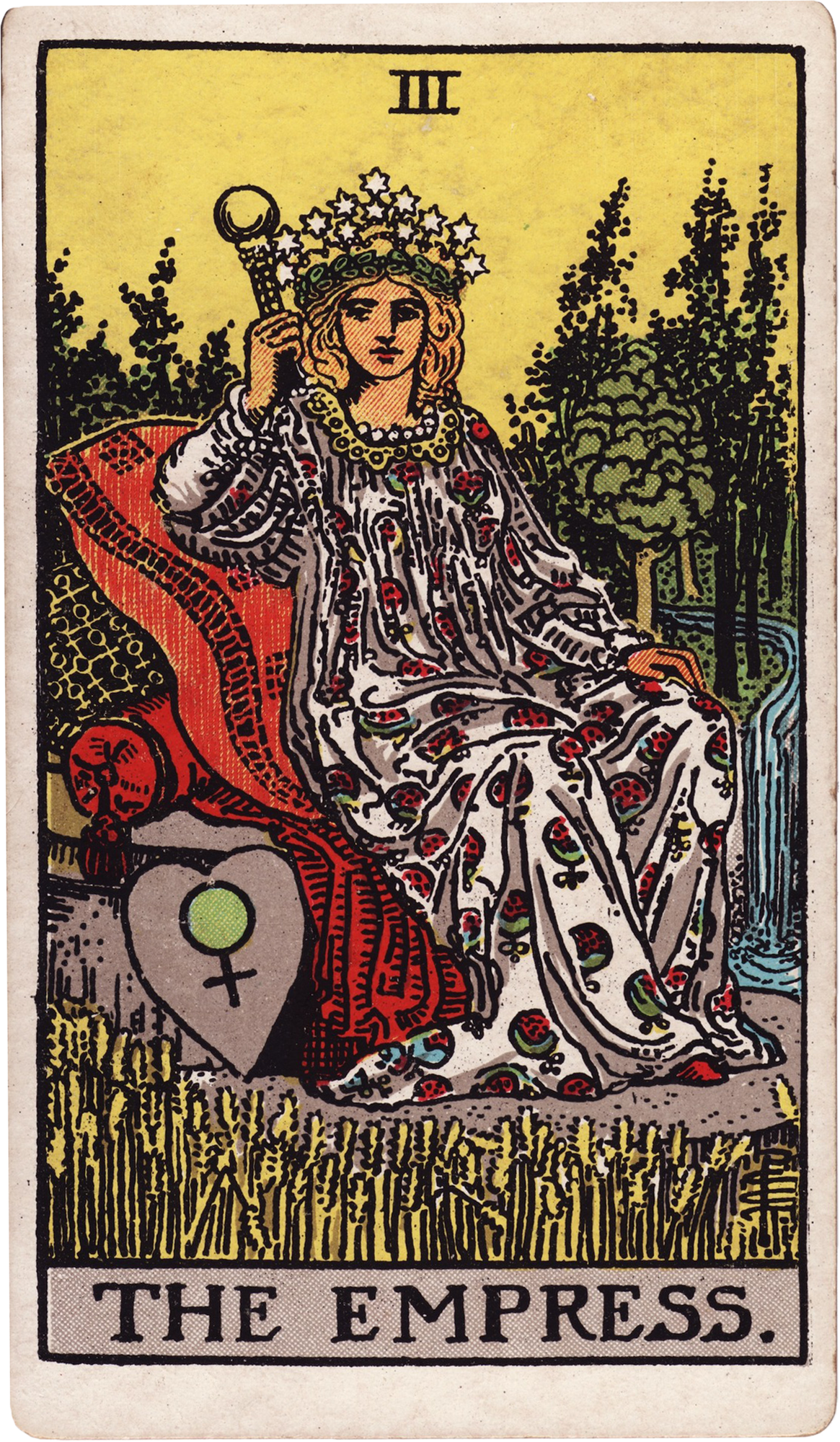 ChallengeThe Empress
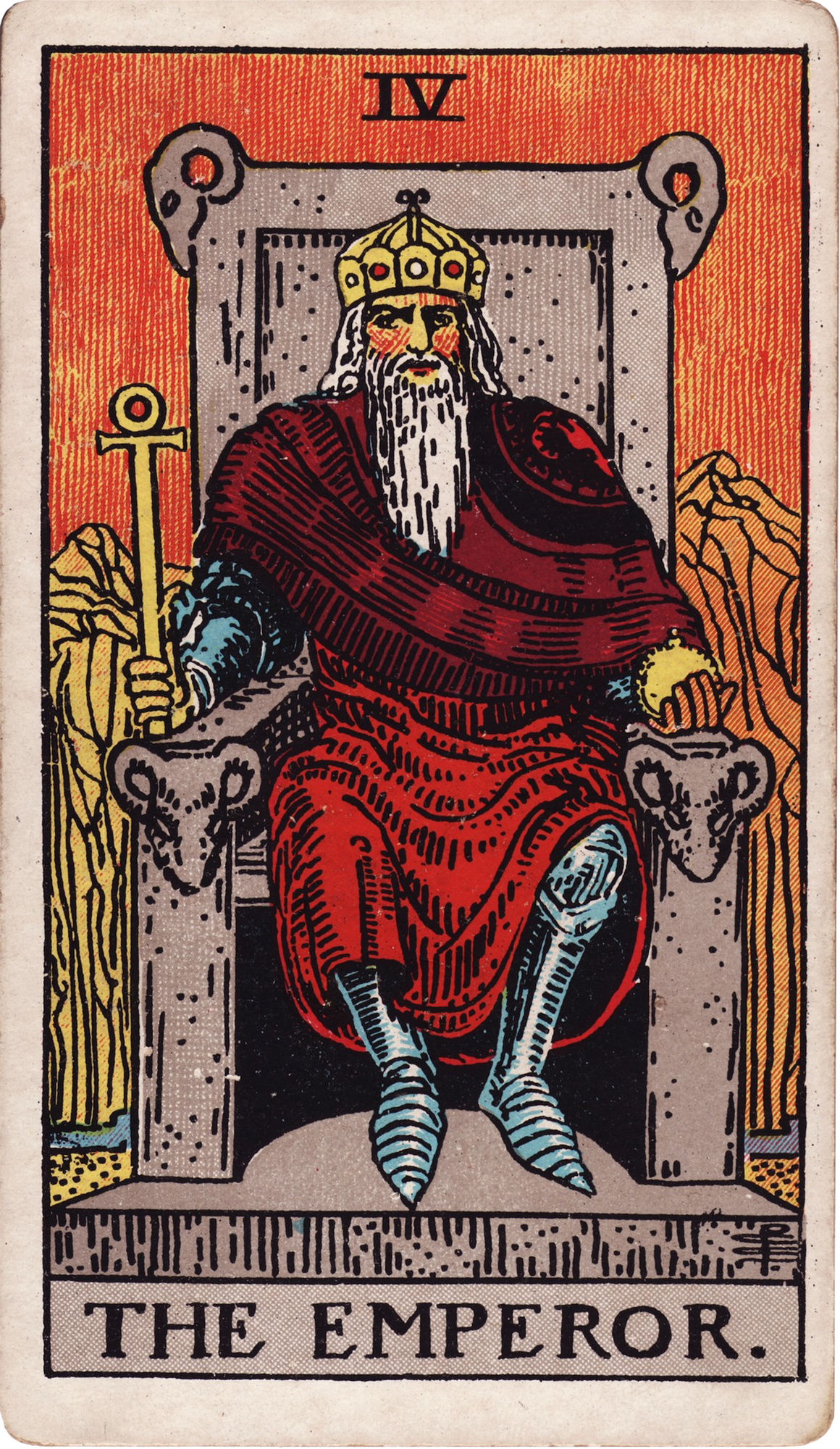 DirectionThe Emperor
Introduction to the Relationship Five Card Spread
The Relationship Five Card Spread is designed to provide insight into the emotional dynamics between two people. It is especially useful for family or intimate partnerships where communication and conflict resolution are vital. This spread focuses on understanding each person’s emotional needs, the nature of their connection, the obstacles that arise, and the best path forward. Unlike larger spreads that can be overwhelming, five cards keep the reading focused and manageable for both new learners and experienced readers alike.
Spread Positions Explained
The layout follows a clear pattern with these five positions: "You," "The Other Person," "Connection," "Challenge," and "Direction." Each position targets a specific aspect of the relationship's emotional and practical dynamics, allowing the reader to form a comprehensive narrative. "You" and "The Other Person" reveal individual emotional states and needs. "Connection" highlights the shared bond or relationship dynamics. "Challenge" exposes obstacles or misalignments in communication or feelings. Finally, "Direction" suggests constructive steps or attitudes to improve the relationship moving forward.
Card One The Empress in the You Position
Drawing The Empress upright in the "You" position emphasizes your current emotional approach to the relationship. The Empress symbolizes nurturing, growth, and care—qualities that suggest you are invested in creating a supportive environment for the relationship to thrive. This card encourages you to examine where you are actively providing emotional warmth or material support. However, it also asks whether you are balancing this nurturing with clear boundaries and honesty. The Empress urges conscious engagement rather than passive waiting. Recognize parts of your behavior that promote growth and those that might smother or overextend, especially in family contexts where care can easily become overgiving.
Card Two The Emperor in the Other Person Position
The Emperor upright in the "Other Person" position points to the other individual’s need for structure, boundaries, or leadership within the relationship. This card’s traditional Rider-Waite-Smith imagery of a stern, authoritative figure seated on a throne reflects responsibility and control. The other person may be trying to set clear limits or take charge to bring order amid emotional complexity. It is important to note that The Emperor’s energy can be constructive when balanced, but if it leans toward rigidity or domination, it could create tension. In the context of family disputes or emotional conversations, this card invites you to consider how the other person’s need for stability either supports or clashes with your own nurturing approach represented by The Empress.
Card Three The Lovers in the Connection Position
The Lovers appearing upright in the "Connection" position highlights the core relationship dynamic as one involving important choices and alignment of values and desires. Traditional symbolism shows a man and a woman beneath an angel, referencing harmony, partnership, and the responsibility that comes with deep connection. Here, this card suggests that the emotional bond between you and the other person is potent but requires conscious decision-making. It invites honest communication about whether desires and values truly align or if there are areas of temptation or divided loyalties waiting to be acknowledged. The Lovers card encourages both parties to face these choices with clarity and mutual respect.
Card Four Queen of Cups in the Challenge Position
The Queen of Cups upright in the "Challenge" position highlights emotional receptivity and empathy as both a strength and a potential difficulty. The Queen of Cups is depicted holding a closed cup, symbolizing a mature, contained emotional life. In challenges, this card asks whether emotional boundaries are clear and whether feelings are being processed healthily. Emotional overwhelm, codependency, or blurred boundaries often reflect the reversed Queen of Cups, so here the upright card signals a need to develop the emotional skills that keep vulnerability balanced with self-care. In communication and conflict resolution, it suggests that one or both parties may struggle to maintain emotional composure or communicate feelings effectively without becoming overwhelmed.
Card Five King of Cups in the Direction Position
The King of Cups upright in the "Direction" position represents the ideal emotional leadership to aspire to in resolving conflicts and improving communication. The King holds mastery over emotions, maintaining calm and compassion even amid turmoil. This card encourages adopting steady emotional guidance rather than reactive mood swings. It advises developing emotional intelligence—leading with empathy, stability, and clear communication. For learners, this means cultivating the ability to understand your partner’s feelings while maintaining your own boundaries and composure. The King of Cups suggests that through mature emotional leadership, relationships can move toward balance and healing.
Interpreting Card-to-Card Relationships within the Spread
The narrative formed by these cards reveals a dynamic interplay: The Empress’s nurturing energy in "You" contrasts with The Emperor’s disciplined structure in "The Other Person." This juxtaposition shows a potential difference in emotional styles—care versus control—that may require negotiation. The Lovers at the center emphasize that the connection calls for conscious choice, suggesting that the relationship’s success depends on harmonizing these energies into shared values. The Queen of Cups as a challenge highlights the emotional complexity and the difficulty of maintaining empathy without losing oneself or becoming overwhelmed. Finally, the King of Cups as direction points toward cultivating emotional maturity and leadership to integrate all these aspects into a healthier relationship.
Practical Steps for Learners Using this Spread
To apply the Relationship Five Card Spread, start by shuffling your deck with the question focused on emotional needs and communication in a particular relationship. Lay out the five cards in the labeled positions: You, The Other Person, Connection, Challenge, and Direction. Carefully observe each card’s imagery and traditional meaning, then consider how each position modifies its message. Pay attention to the upright or reversed status, as this can shift interpretation toward growth or blockage. Reflect on the balance between nurturing and boundaries, choice and responsibility, empathy and emotional leadership. Avoid jumping to predictive conclusions; instead, use the cards as conversation starters that reveal what might be hidden or unspoken.
Common Mistakes to Avoid
A frequent mistake is reading the cards as rigid predictions rather than flexible insights. For example, seeing The Empress as simply 'good' or The Emperor as 'bad' misses the nuances of their energy in the relationship. Another pitfall is ignoring the position context—The Emperor in the "Other Person" spot is specifically about that individual’s approach, not a general character judgment. Learners should also avoid overcomplicating interpretations by adding extra cards or positions beyond the five provided. Sticking to the spread’s structure keeps the reading clear and focused. Lastly, relying solely on one card’s traditional meaning without connecting it to the other cards or the question can lead to fragmented or confusing readings.
Conclusion and Integration
The Relationship Five Card Spread offers an accessible yet rich framework for exploring emotional needs, communication patterns, and conflict resolution strategies within family and intimate relationships. Using the clear symbolism and positioning of The Empress, The Emperor, The Lovers, Queen of Cups, and King of Cups, readers can uncover how nurturing, boundaries, choices, empathy, and emotional leadership interplay in their dynamics. Practicing this spread helps develop emotional literacy, encourages honest dialogue, and supports conscious decision-making in relationships. By anchoring interpretations in traditional Rider-Waite-Smith symbolism while respecting the card positions, readers gain practical tools to navigate the complexities of emotional connection and growth.
Practice questions
• How do The Empress and The Emperor represent different but complementary approaches to emotional care and boundaries in my relationship?
• What choices or value alignments does The Lovers card reveal about the connection I share with the other person?
• In what ways might emotional receptivity, as shown by the Queen of Cups, become a challenge during conflicts?
• How can I embody the emotional leadership qualities of the King of Cups to foster healthier communication?
• What conscious steps can I take to balance nurturing and structure to improve our relationship dynamic?
Comments
Sign in to comment.
Continue learning
Interpreting the Dance of Justice and The Devil: Balancing Morality and Temptation in Tarot Readings
The combination of Justice and The Devil in tarot presents a profound exploration of morality, temptation, and personal accountability. This article unpacks how these cards influen...
Advanced Techniques for Combining The Moon and The Star to Enhance Intuition in Tarot Readings
This article explores advanced techniques to combine the symbolism and energy of The Moon and The Star Tarot cards to enhance intuition during Tarot readings. Drawing from traditio...
Unlocking Life Insights with the Celtic Cross Tarot Spread
This article offers a thorough exploration of the Celtic Cross Tarot Spread, focusing on its application within family and practical life contexts. Using a worked example featuring...
Unlocking Hidden Meanings with The Hermit and The Hanged Man for Spiritual Growth
This article offers an in-depth exploration of The Hermit and The Hanged Man Tarot cards focusing on their roles in spiritual growth. It guides readers through beginner and advance...
Unlocking Personal Insight with the Seven Card Horseshoe Spread
The Seven Card Horseshoe Spread is a practical and insightful Tarot layout ideal for exploring personal and family dynamics. This article breaks down each position—Past, Present, H...
Mastering the Court Cards of Wands for Unlocking Personal Drive and Leadership
The Court Cards of Wands represent a dynamic spectrum of personal energy, ambition, and leadership potential within the Minor Arcana. This article offers a comprehensive exploratio...
Tracing the Origins and Evolution of The Fool Card in Tarot History
The Fool card holds a foundational place in tarot tradition, symbolizing beginnings, openness, and the embrace of uncertainty. This article traces its origins from early European d...
Techniques for Reading Court Cards to Unlock Personality Insights
Court cards in Tarot often represent people, personality traits, or energy patterns within a situation. This article offers a structured approach for beginners and advanced readers...
Unlocking Emotional Transformation with Death and The Moon Tarot Combination
This article explores the rich and complex interaction between the Death and The Moon tarot cards within the Rider-Waite-Smith tradition, focusing on their combined potential to un...
Applying The Star Card to Foster Hope and Renewal in Personal Growth
The Star card in Tarot symbolizes hope, authenticity, and the process of steady renewal. In a single-card reading, The Star encourages embracing what is present, cultivating openne...