
Using the Three Card Tarot Spread for Practical Daily Decision Making
This article delves into the practical use of the Three Card Tarot Spread focused on daily decision making, using a specific card layout featuring The Sun, 10 of Swords, and Knight of Pentacles. Designed for learners, it explains each card’s traditional imagery and meaning, their positions as Past, Present, and Future, and how their relationships inform practical action steps. The article also covers common pitfalls, interpretation strategies, and how to reproduce this method independently for family or personal readings.
Three Card
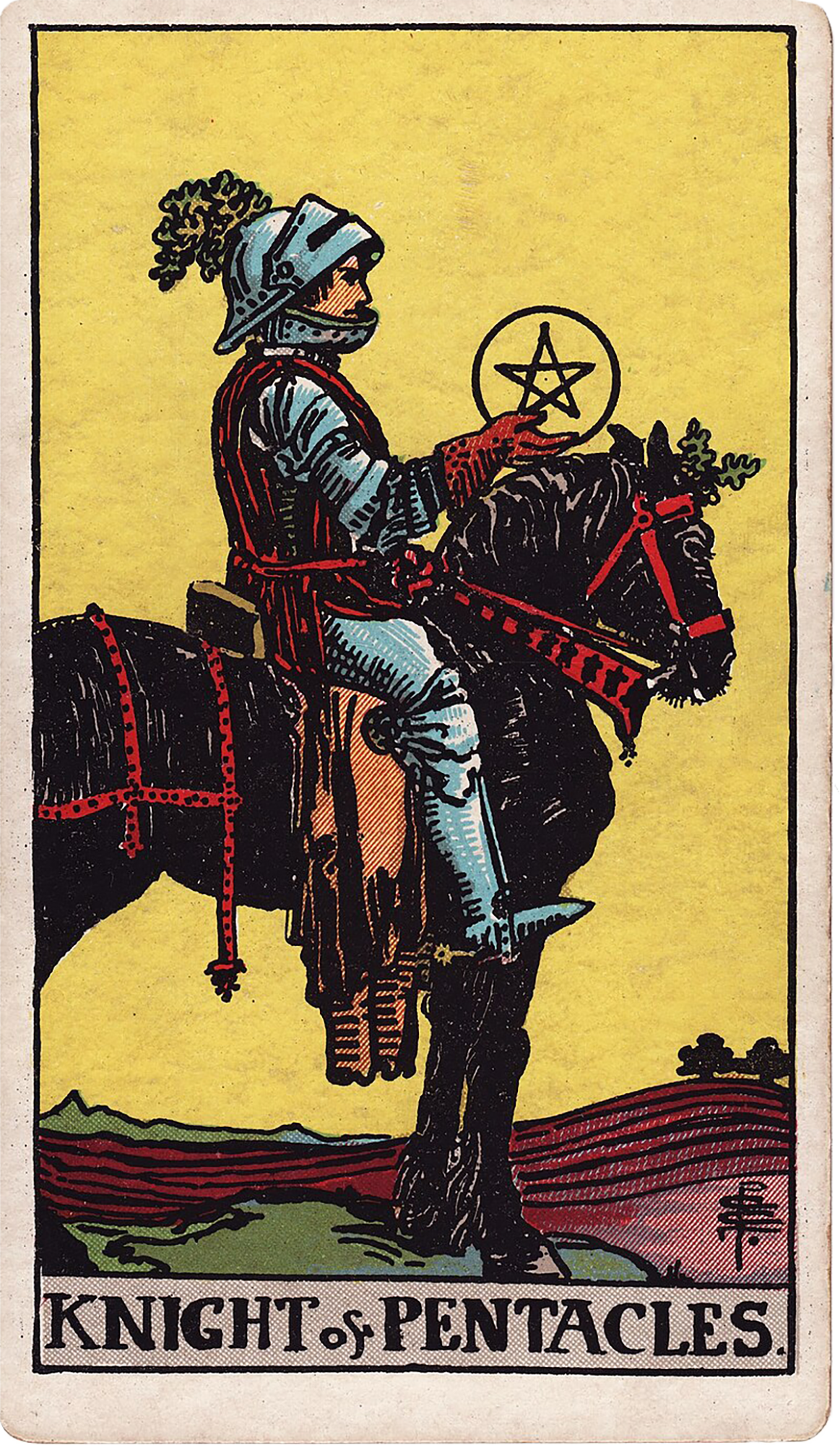 PastKnight of Pentacles
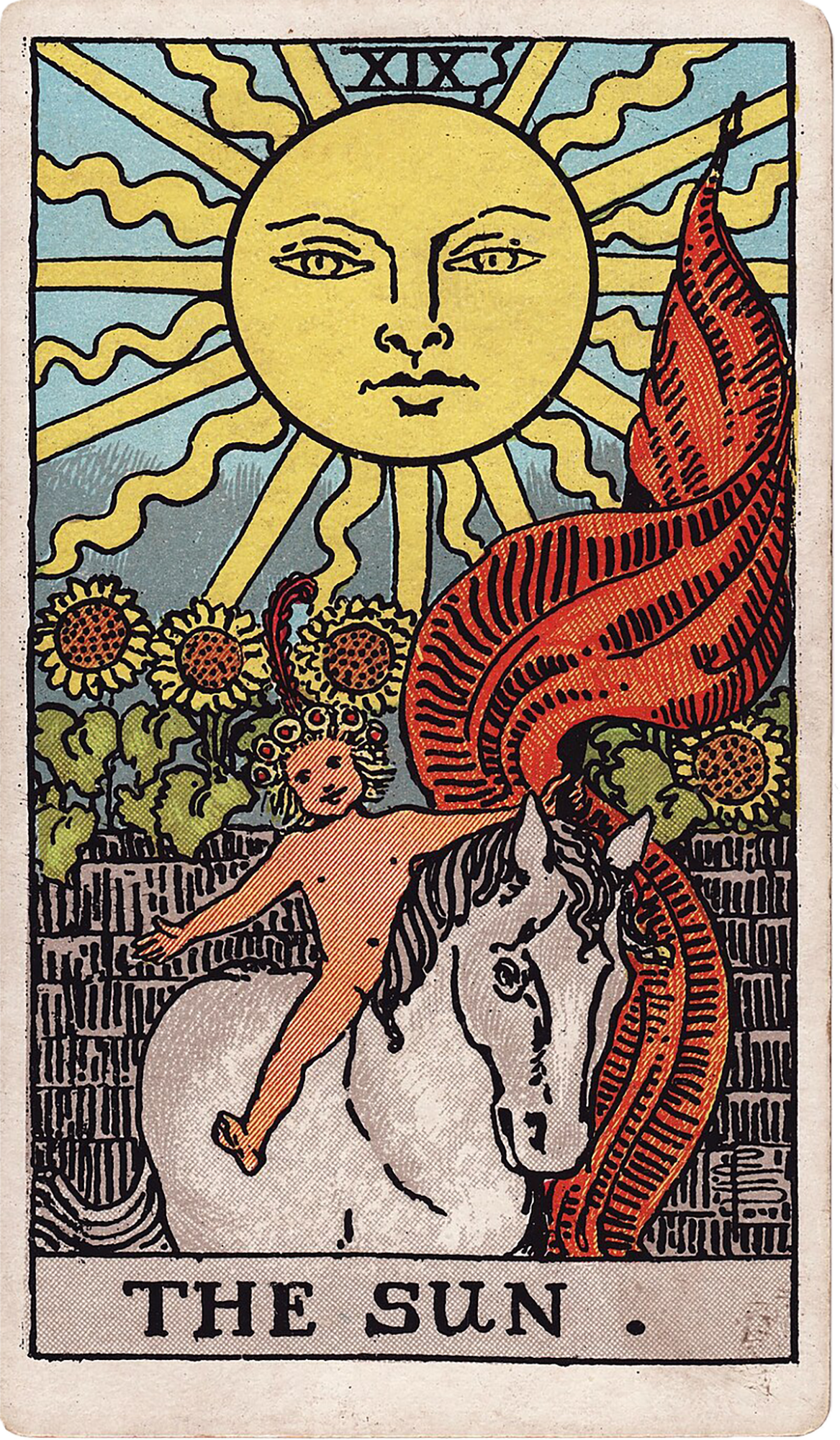 PresentThe Sun
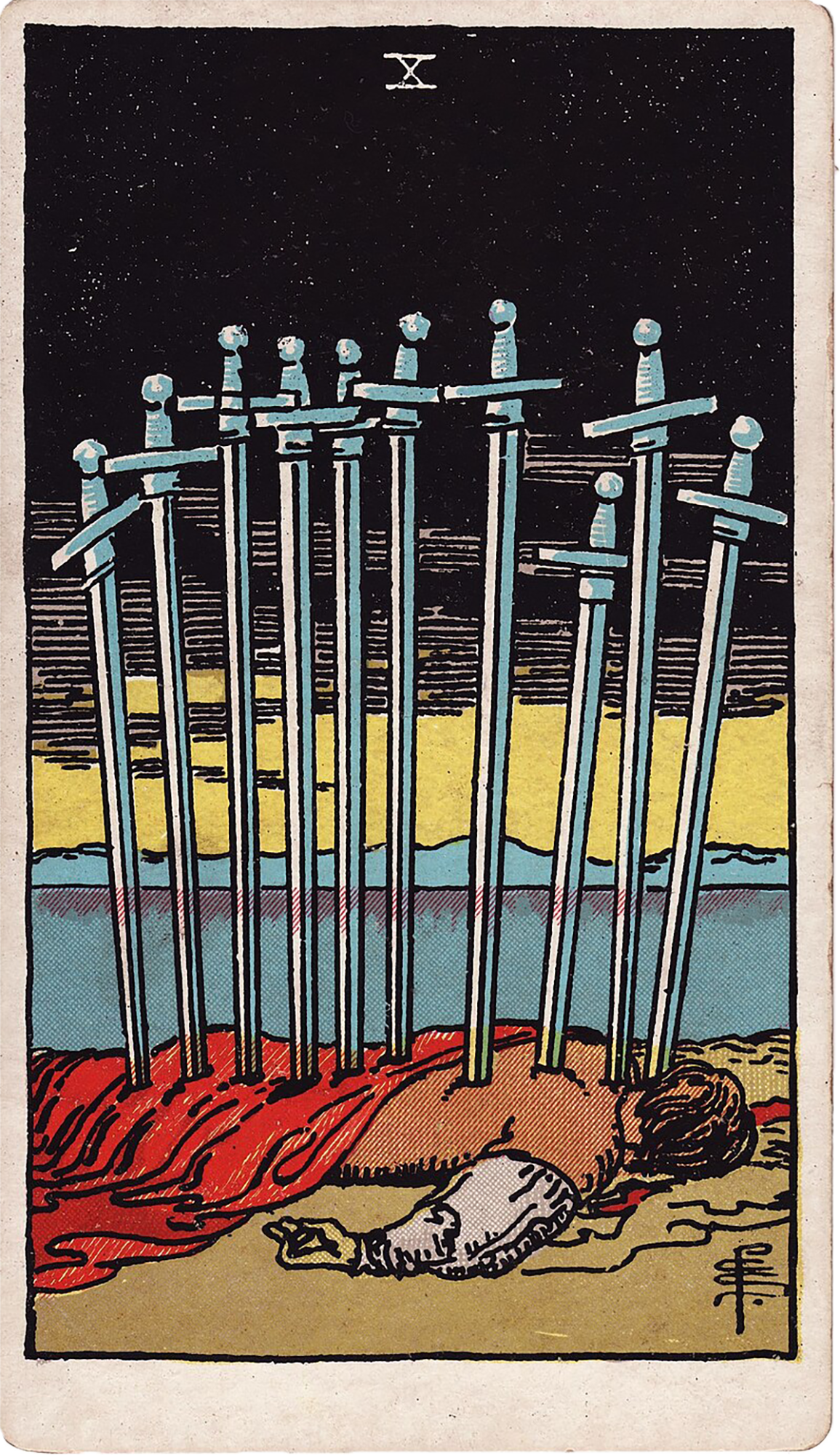 Future10 of Swords
Introduction to the Three Card Tarot Spread for Practical Decisions
The Three Card Tarot Spread is one of the most accessible yet powerful layouts for everyday practical decision making. It allows a querent to gain clarity on a current situation by examining the past influences, understanding the present context, and anticipating possible future developments. This simple arrangement is especially useful for those new to tarot or anyone seeking focused insights without becoming overwhelmed by complex spreads. In this article, you will learn how to use this spread effectively, guided by a concrete example featuring The Sun, 10 of Swords, and Knight of Pentacles. These cards exemplify how Rider-Waite-Smith symbolism and card relationships work together to illuminate practical next steps.
Understanding the Card Positions: Past, Present, and Future
Each of the three positions in the spread serves a distinct interpretive role that frames the reading’s narrative and actionable guidance. The Past position reveals energies, events, or patterns influencing the current issue but whose direct impact is receding. The Present position highlights the main challenge or opportunity at hand, focusing attention on what must be faced or embraced now. The Future position offers a potential outcome based on current trajectories and choices, often suggesting a constructive way forward or a result to prepare for. This linear temporal framework helps learners structure their interpretation logically and practically.
Examining The Sun in the Past Position
In our example, The Sun appears in the Past position. This card, traditionally associated with clarity, vitality, and enlightenment, suggests that the querent has recently experienced a phase of growing awareness or positive energy that brought much-needed transparency and confidence. Rider-Waite-Smith imagery shows a radiant sun shining over a joyful child on a white horse, symbolizing innocence and openness. Upright, The Sun encourages embracing honesty and deliberate choices—qualities that have laid a foundation for the current situation. Notably, the card reminds us that clarity does not guarantee ease but invites us to work with what is visible now. As a learner, focus on how this past clarity can act as a resource rather than viewing it as a finished state. For example, perhaps the querent gained an important insight about family dynamics or financial stability, which now informs their present decisions.
Interpreting the 10 of Swords in the Present Position
Placed centrally, the 10 of Swords often signals a painful ending or the culmination of a difficult mental or emotional cycle. The Rider-Waite-Smith card depicts a figure lying face down with ten swords in the back, beneath a dark sky just beginning to lighten at dawn. This imagery conveys that although the current moment may feel overwhelming or final, acceptance of this stage is necessary to begin recovery and move forward. In practical daily decision making, this card urges the querent to respond realistically to the present challenges rather than idealistically. The 10 of Swords is connected to the Swords suit’s themes: thought, communication, truth, and conflict resolution. The learner should note that while the card can signal suffering, it mostly focuses on the necessity of ending what no longer works to clear the way for progress. Here, the card’s position highlights the importance of confronting an uncomfortable truth or situation directly rather than avoiding it.
Analyzing the Knight of Pentacles in the Future Position
The Knight of Pentacles occupies the Future position, signaling steady, practical progress through persistence and routine. The card’s Rider-Waite-Smith depiction shows a knight methodically riding a dark horse, holding a pentacle with a serious, focused expression. This card embodies reliability, hard work, and long-term stability rather than flashy or impulsive action. As the potential outcome, the Knight of Pentacles suggests that the querent’s best path forward involves consistent effort, patience, and attention to detail, especially regarding material concerns like work, finances, or health. For learners, this placement emphasizes that after the difficult ending indicated by the 10 of Swords, slow and steady rebuilding will be effective. This card’s appearance warns against rushing or expecting dramatic results, instead advocating for grounded, incremental steps.
Card-to-Card Relationships and Combined Narrative
The relationship between these three cards constructs a coherent narrative important for practical decision making. The Sun in the Past shows that clarity and confidence have been established but may no longer be sufficient alone. The 10 of Swords at Present signals a necessary ending or breakthrough that challenges the querent to face reality honestly, perhaps exposing where past optimism did not fully account for difficulties. The Knight of Pentacles in the Future offers a grounding resolution: by accepting the ending and focusing on reliable, steady work, the querent can rebuild a stable foundation. The cards together encourage a movement from awareness (The Sun), through acceptance of difficult truths (10 of Swords), toward disciplined action (Knight of Pentacles). Learners should see this as a process rather than a fixed prediction, adapting the reading to their unique context and intentions.
Practical Steps for Learners to Reproduce This Spread
To use the Three Card Tarot Spread effectively for daily decision making, learners should follow these steps: 1) Formulate a clear, practical question such as 'What should I focus on today to improve my family’s financial health?' 2) Shuffle the deck while concentrating on this question. 3) Draw three cards in sequence and lay them out from left to right, labeling them Past, Present, and Future. 4) Study each card’s Rider-Waite-Smith imagery, traditional meaning, and how it relates to its position. For example, use The Sun’s imagery of light and warmth to interpret past influences that shed light on the issue. 5) Consider how the cards interact to form a narrative, noting contrasts or progressions between the cards. 6) Translate insights into concrete actions or attitudes appropriate for daily life. Avoid overcomplicating the reading; a simple, honest reflection on what each card suggests can be highly effective.
Common Mistakes and How to Avoid Them
A frequent error among learners is to treat the reading as a fixed prediction instead of a flexible guide. The cards reflect energies and potentials, not guarantees. Another mistake is neglecting the card positions and interpreting each card in isolation, which ignores their narrative flow. For example, reading The Sun as unqualified positivity without considering the challenging 10 of Swords that follows can lead to unrealistic expectations. Additionally, learners sometimes overlook reversed meanings or nuances, but in this example, all cards are upright, which simplifies interpretation. It’s also important to avoid forcing the reading into a desired outcome; instead, remain open to what the cards reveal, even if it suggests discomfort or hard work. Finally, over-relying on memorized meanings without connecting to the imagery can limit practical insight. Use the visuals and story to deepen understanding.
Conclusion and Using the Spread in Family or Practical Contexts
The Three Card Tarot Spread is a valuable tool for navigating everyday decisions, especially within family or practical contexts like financial planning, health routines, or communication challenges. Using the example of The Sun, 10 of Swords, and Knight of Pentacles provides a template for balancing clarity, acceptance of difficulty, and steady effort. Learners can adopt this method to frame questions about current challenges, gain perspective on underlying dynamics, and identify actionable steps. Practicing with familiar cards and revisiting the spread regularly builds confidence and sharpens interpretive skills. Ultimately, the spread fosters a grounded approach to tarot that respects both intuition and practical realities.
Practice questions
• How does the Past position influence your understanding of current challenges?
• What uncomfortable truths might the 10 of Swords reveal about your present situation?
• In what ways can the steady approach of the Knight of Pentacles guide your future actions?
• How do the visual symbols in these cards deepen your interpretation beyond the keywords?
• What practical steps can you take today inspired by the messages from these cards?
Comments
Sign in to comment.
Continue learning
Interpreting the Dance of Justice and The Devil: Balancing Morality and Temptation in Tarot Readings
The combination of Justice and The Devil in tarot presents a profound exploration of morality, temptation, and personal accountability. This article unpacks how these cards influen...
Advanced Techniques for Combining The Moon and The Star to Enhance Intuition in Tarot Readings
This article explores advanced techniques to combine the symbolism and energy of The Moon and The Star Tarot cards to enhance intuition during Tarot readings. Drawing from traditio...
Unlocking Life Insights with the Celtic Cross Tarot Spread
This article offers a thorough exploration of the Celtic Cross Tarot Spread, focusing on its application within family and practical life contexts. Using a worked example featuring...
Unlocking Hidden Meanings with The Hermit and The Hanged Man for Spiritual Growth
This article offers an in-depth exploration of The Hermit and The Hanged Man Tarot cards focusing on their roles in spiritual growth. It guides readers through beginner and advance...
Unlocking Personal Insight with the Seven Card Horseshoe Spread
The Seven Card Horseshoe Spread is a practical and insightful Tarot layout ideal for exploring personal and family dynamics. This article breaks down each position—Past, Present, H...
Mastering the Court Cards of Wands for Unlocking Personal Drive and Leadership
The Court Cards of Wands represent a dynamic spectrum of personal energy, ambition, and leadership potential within the Minor Arcana. This article offers a comprehensive exploratio...
Tracing the Origins and Evolution of The Fool Card in Tarot History
The Fool card holds a foundational place in tarot tradition, symbolizing beginnings, openness, and the embrace of uncertainty. This article traces its origins from early European d...
Techniques for Reading Court Cards to Unlock Personality Insights
Court cards in Tarot often represent people, personality traits, or energy patterns within a situation. This article offers a structured approach for beginners and advanced readers...
Unlocking Emotional Transformation with Death and The Moon Tarot Combination
This article explores the rich and complex interaction between the Death and The Moon tarot cards within the Rider-Waite-Smith tradition, focusing on their combined potential to un...
Applying The Star Card to Foster Hope and Renewal in Personal Growth
The Star card in Tarot symbolizes hope, authenticity, and the process of steady renewal. In a single-card reading, The Star encourages embracing what is present, cultivating openne...