
Weekly Skill Drills Guided by Court Cards from Each Suit
This article outlines a four-week, image-anchored practice cycle using the four Pages—Page of Wands, Page of Cups, Page of Swords and Page of Pentacles—to turn court-card insights into concrete weekly skill drills. Each week focuses on a Page's beginner-energy domain (creative initiative, emotional receptivity, mental inquiry, and practical study), with upright and reversed prompts, interpretation logic tied to Rider-Waite-Smith imagery, drills, common errors and a reproducible reading method to track progress.
Cards explored in this article
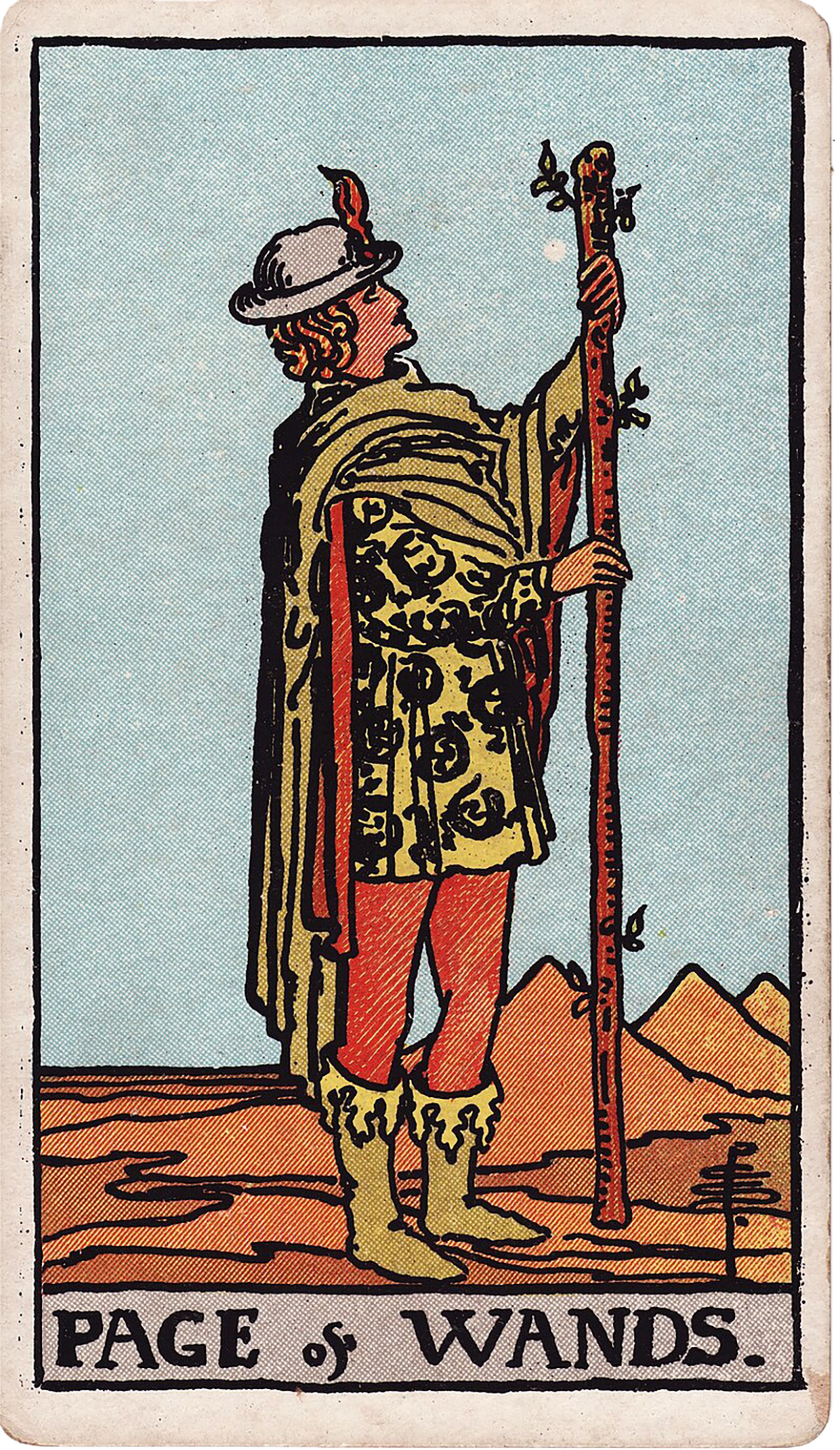 Page of Wands
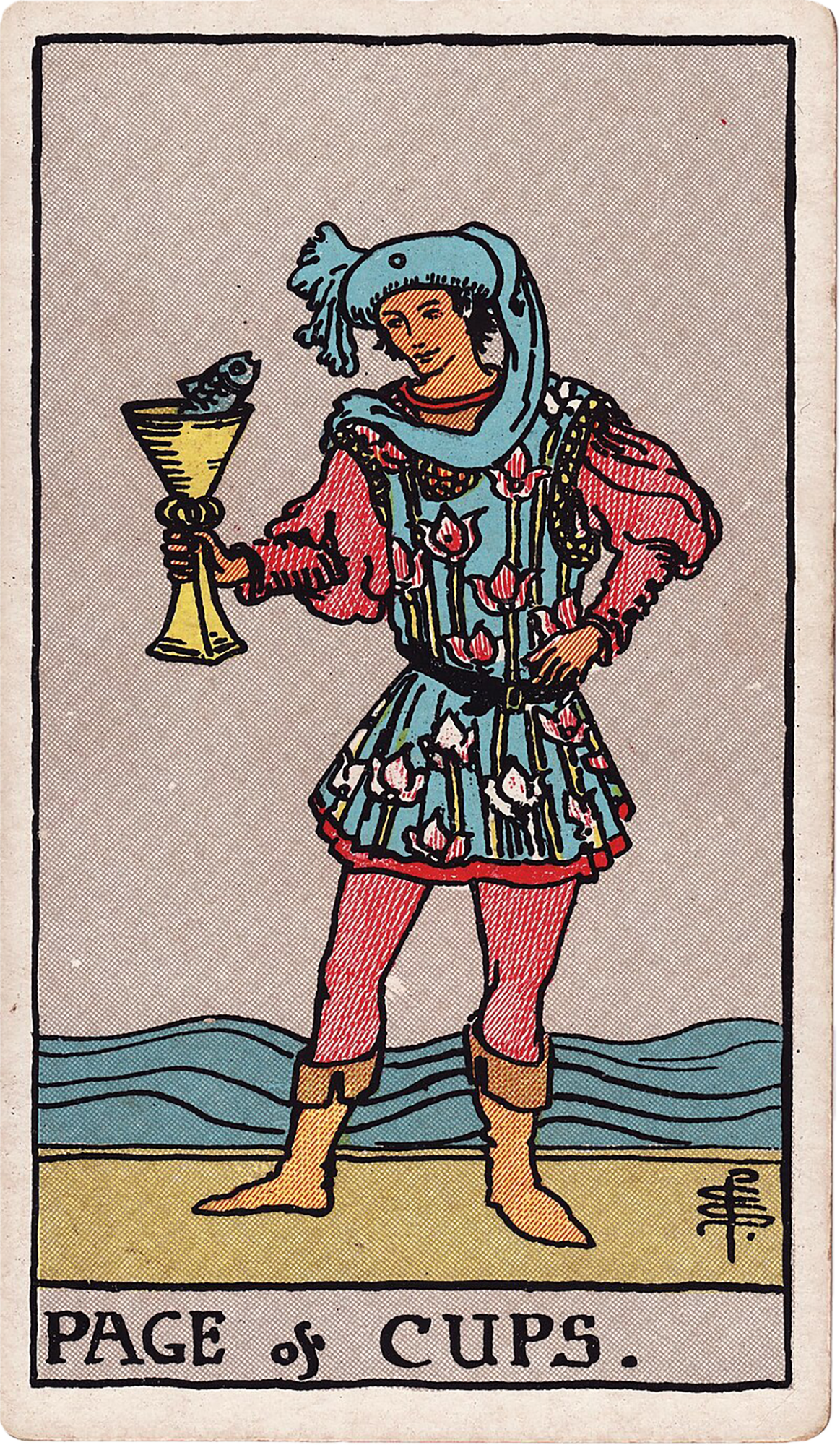 Page of Cups
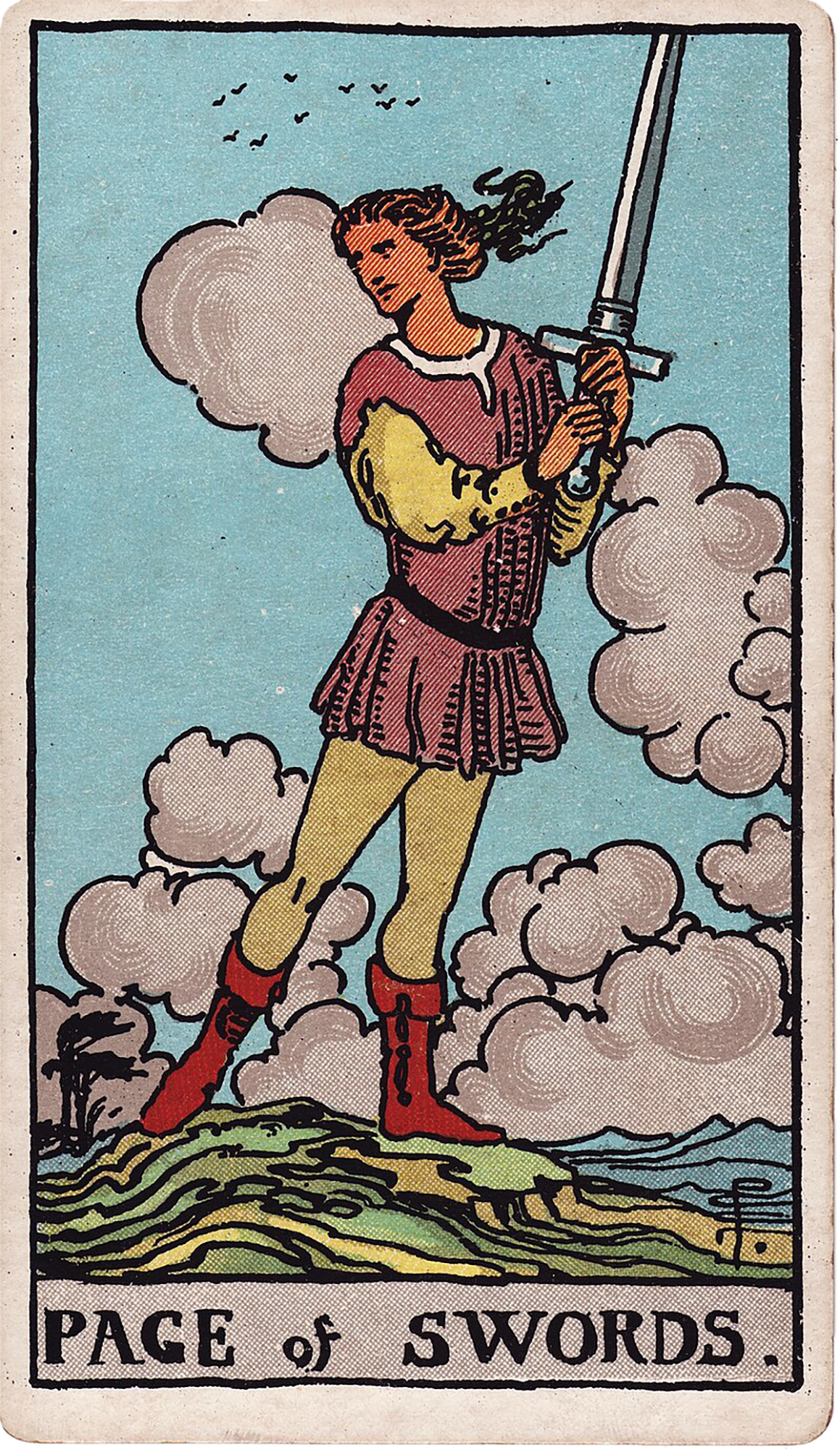 Page of Swords
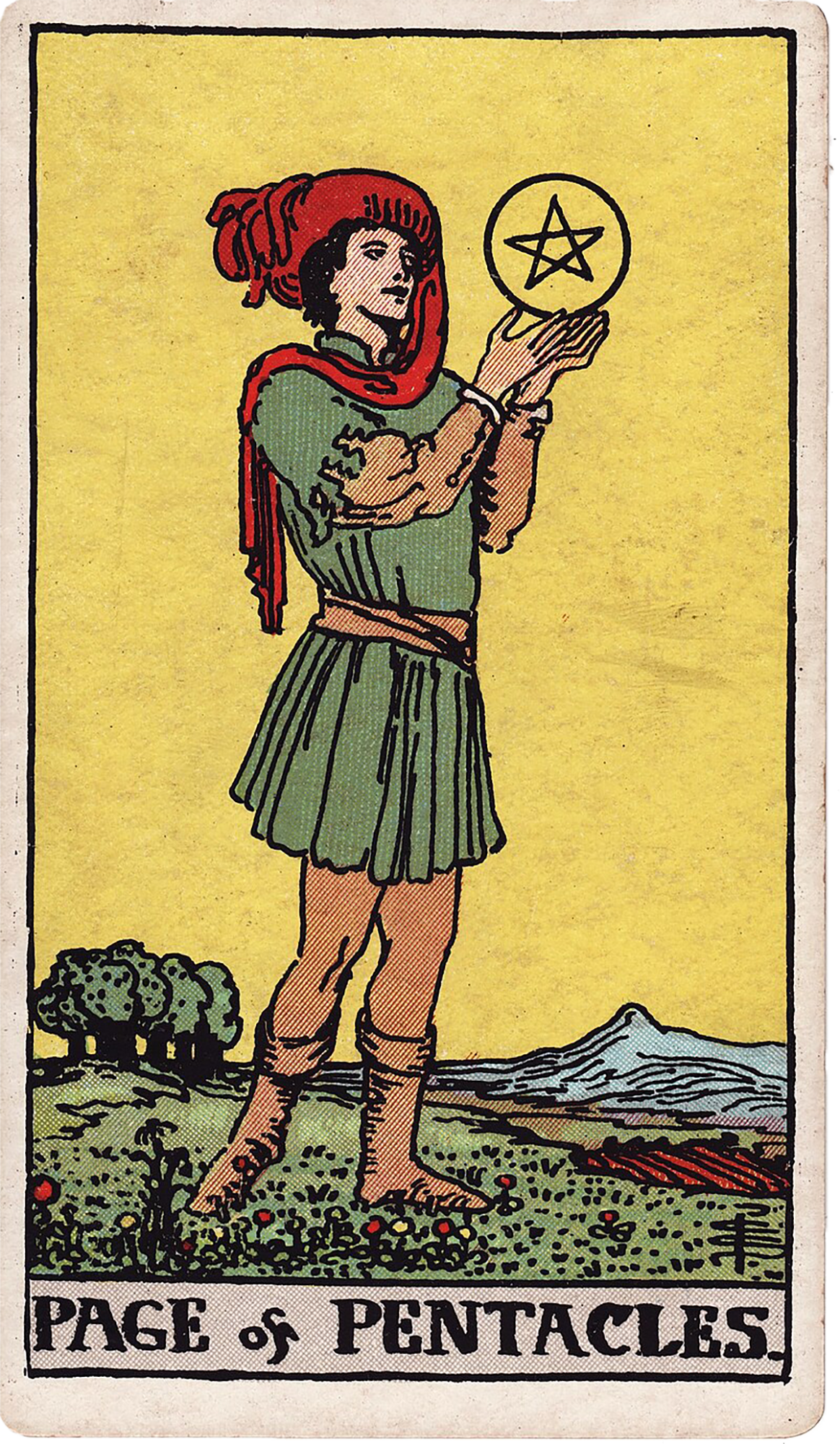 Page of Pentacles
Why use Pages as weekly skill guides
Pages in the court hierarchy represent beginnings, apprenticeships and messages in progress. They are not fully developed court figures; instead they are the signal that a learning process, a message or an invitation to practice is present. When you orient a short practice cycle around Pages you harness that beginner energy: small, repeatable actions that match the Page’s scope rather than attempting to force mastery in one step. The four Pages supplied—Page of Wands, Page of Cups, Page of Swords and Page of Pentacles—map cleanly to four practical training domains: creative initiative, emotional receptivity, inquiry and communication, and vocational or bodily skill. Using each Page as a weekly focal card gives learners bite-sized, suit-specific work and a repeatable structure for both Tarot study and life practice.
Overview of the four Pages and their Rider-Waite-Smith imagery
Anchor your reading by looking closely at each supplied card image before you interpret it. The images from the Rider-Waite-Smith family carry visual cues that point to the Page’s function. Page of Wands: In RWS imagery the Page holds a budding wand, often shown standing in an open, arid landscape. The wand’s bud signals potential growth and creative spark; the environment suggests a beginning that may face scarcity or raw conditions. Use details such as posture, the length and motion of the wand, and clothing patterns to read energy as exploratory, enthusiastic and willingness-oriented. The supplied card context emphasizes “beginner energy in the realm of fire: curiosity, experimentation and a message or idea that invites exploration.” Page of Cups: The classic image shows a young person surprised or delighted by a fish emerging from a cup. Water, floral details and soft garments indicate receptivity, intuition and an emotional message that arrives from the unconscious. Pay attention to the openness of the figure’s expression and the presence of water because they are literal visual metaphors for the card’s invitation to receive unexpected feeling or creative inspiration. Your supplied card text describes this as “an unexpected emotional message, intuitive impression or creative feeling.” Page of Swords: The RWS Page of Swords is alert and windblown, holding a sword upright as if ready to ask questions or defend a search for truth. The posture, sky and motion lines on clothing imply mental curiosity, vigilance and readiness to gather information. The supplied context frames it as “mental curiosity, vigilance and a desire to ask questions or gather information.” Page of Pentacles: RWS shows a figure studying a pentacle attentively, standing in a cultivated field or garden—an image of focused, material apprenticeship. The pentacle itself represents a concrete object of study: money, body, craft or long-term routine. Your supplied card text highlights “learning a practical skill, starting a realistic plan or taking a material opportunity seriously.” Before you start any drill week, spend five minutes with the card image and make observational notes: colors, posture, background elements, and the object the Page holds. Those visual anchors will guide specific drills and keep your practice connected to the card.
How to structure the weekly cycle
Use a four-week rotation where each week is dedicated to one Page. That keeps the scope manageable and matches the Page’s nature as an introductory figure. A recommended weekly template: - Day 0 (Sunday evening): Pull the week’s Page (or decide the sequence: Wands → Cups → Swords → Pentacles) and photograph or look at the card image. Write three image-observations. - Days 1–5: Short daily drills (20–40 minutes total) tailored to the Page’s domain. Keep sessions focused, measurable and reflective. - Day 6: Consolidation practice—longer exercise (60–90 minutes) that synthesizes the week’s learning. - Day 7: Reflection and journaling: what shifted, what repeated, and whether the Page felt upright (moving) or reversed (stuck). If you want a single-week intensive, pull one Page and repeat the daily cycle for seven days; for longer development run the four-week rotation twice and log progress. Keep a simple tracking sheet with: date, Page, upright/reversed experience, drill name, time spent, 1–2 bullet takeaways, and next week’s focus. This small habit of recording is a core part of turning Tarot guidance into skill development rather than vague inspiration.
Practical reading method for applying Pages to life practice
A compact reading format will help you translate a Page’s advice into drills. Use this reproducible mini-spread for every week: 1) Clear question: Frame a concrete practice question (e.g., “What small daily exercise will move me toward consistency in this creative idea?”). Keep the question practical. 2) Place the week’s Page in position A (Signifier of the Week). 3) Pull two clarifiers (optional): Clarifier 1 = a practical barrier or resource; Clarifier 2 = a micro-habit or ritual that helps. You can pull from your deck or use other methods, but if you want to keep the learning tightly focused you may skip clarifiers and rely solely on the Page image. 4) Upright/reversed handling: If the Page appears reversed in your reading or in your sense of the card during the week, treat it as an indicator of stuckness—an immaturity or incomplete practice—not punishment. Ask specifically “Where is this process stuck?” and craft drills that address that friction. 5) Dream up 3 concrete drills based on the card’s visual cues and the question. Example of the logic chain: Card = Page of Wands (image: budding wand in an open landscape) → domain = creative initiative → observation = wand bud implies small experimental acts; desert implies concentrating energy and avoiding distraction → drill = five-minute daily creation sprints, limit to one area, track outcomes. The image elements supply “how” actions should look.
Week 1: Page of Wands drills and reading notes
The Page of Wands points to curiosity and experimentation—beginner-level creative energy. Your supplied upright text frames it as “curiosity, experimentation and a message or idea that invites exploration.” Reversed it signals immaturity, inconsistency or fear of looking inexperienced. Image-focused interpretation: The budding wand invites micro-experiments. The open landscape suggests work with limited resources requires focus and clear boundaries. Daily drills (upright orientation): - 5×5 creation sprints: five minutes of focused output five times daily (sketches, sentences, musical riffs). The aim is iteration, not polish. - Idea capture: carry a small notebook and write one new variation on the idea each time you look at the card image. - One public micro-share: post one tiny sample of your experiment to a trusted circle—feedback trains real-world resilience. If the Page of Wands shows reversed in your reading or personal feeling: - Drill for follow-through: schedule two 15-minute blocks this week and commit to them; treat them like appointments you cannot move. - Simplify: pick the single smallest version of the project you can do in one session and repeat it daily until it feels routine. - Ask: “What would I do if looking inexperienced was not a problem?” Then practice that action twice. Common mistakes learners make with Page of Wands: - Trying to perfect the product instead of exploring process. The Page wants experiments, not finished goods. - Overcommitting to too many ideas. The wand’s openness requires narrowing rather than scattering. - Ignoring the image’s restraint cues (if the background looks sparse, reduce inputs and distractions). How to read the Page of Wands in a practical context: Use it as a signifier for small, energetic steps. If you draw it upright in response to a career question, translate it to “try one experimental task that shows how motivated you are; don’t aim to overhaul everything.” If reversed, treat it diagnostically: identify a barrier to consistency and make an immediate micro-habit to overcome it.
Week 2: Page of Cups drills and reading notes
The Page of Cups invites emotional receptivity, unexpected feeling and creative surprise. The RWS image of a fish startling from the cup is a direct visual metaphor for creative or intuitive messages that arrive unconventionally. Your supplied text emphasizes “an unexpected emotional message, intuitive impression or creative feeling.” Image-focused drills (upright orientation): - Daily 10-minute “sensitive noticing” sit: face the card and track one bodily sensation and one feeling without trying to change it. Note any images, words or impulses that arise. - Creative receptivity exercise: use the fish-in-cup prompt—respond with a small art, movement or writing piece that captures the unexpected. Do this three times during the week. - Message practice: write a short note to yourself from the point of view of your intuition. Keep it gentle and curious. If the Page of Cups feels reversed: possible dynamics are emotional avoidance, hypersensitivity or dismissing intuition. Drills to address reversal: - Grounding-before-receptivity: two-minute breathing or touch routine before journaling so feelings don’t overwhelm. - Boundary practice: rehearse saying one clear sentence about what you need emotionally in a safe roleplay. - Translate intuition into a tiny test: if an impression says “reach out to X,” craft a one-line message and send it; test how the intuition functions in the world. Common mistakes with Page of Cups: - Treating any emotional hit as fate rather than a signal to test. The card asks for curiosity, not surrender. - Confusing mood swings for intuition—practice differentiating bodily sensation (data) from narrative (story). - Over-intellectualizing the fish-in-cup symbol instead of allowing ephemeral images to be recorded and experimented with. Practical reading translation: upright suggests experiment with emotional expression and receptivity; reversed invites concrete steps that stabilize emotional practice (grounding, small communication tests).
Week 3: Page of Swords drills and reading notes
Page of Swords channels questioning, information-gathering and mental agility. The RWS image—an alert youth with sword raised against a windblown sky—suggests active inquiry and readiness to notice. Your supplied text calls this “mental curiosity, vigilance and a desire to ask questions or gather information.” Image-driven drills (upright): - Daily curiosity list: write three precise questions about a topic you care about and spend 20 minutes trying to answer them from reliable sources. - Conversation practice: hold one 15-minute focused conversation where you practice the Page’s blunt curiosity—ask clarifying, nonjudgmental questions and summarize back what you heard. - Note habit: practice one-paragraph summaries of what you read or hear; this builds clarity of thought and reduces scattered attention. If Page of Swords is reversed: guard against gossip, defensiveness, scattered attention or speaking prematurely. Reversal drills: - One-source rule: limit your information to one trusted source for a day to reduce overwhelm. - Pause-and-rephrase exercise: before responding in conversation, hold a silent five-second count and then paraphrase the other person. - Focus blocks: use 25-minute Pomodoro sessions for targeted reading with no multitasking. Common errors with Page of Swords: - Confusing inquisitiveness with interrogation: curiosity should clarify, not dominate. - Using mental energy to ruminate rather than to constructively probe. The Page wants gathering followed by synthesis. - Taking the sword literally as permission to be sharp—temper directness with empathy. Interpretation in readings: upright = gather, ask, and test; reversed = check for gossip, fragmented attention or a need to slow down and verify before speaking.
Week 4: Page of Pentacles drills and reading notes
Page of Pentacles is the apprentice of material and embodied skill. The RWS Page is often shown studying the pentacle intently in a cultivated environment; this signals focused attention on craft, routine and practical learning. Your supplied description frames it as “learning a practical skill, starting a realistic plan or taking a material opportunity seriously.” Image-based drills (upright): - Micro-learning: pick one concrete skill and do 15–30 minutes of deliberate practice daily (e.g., walking form, coding snippet, a single recipe technique). - Habit scaffold: make a checklist with three daily actions that support the larger skill and do them every day. - Resource audit: create a one-page inventory of tools, money, time and health constraints; identify one leverage point and act on it. If the Page of Pentacles appears reversed: watch for procrastination, unrealistic planning or a focus on reward without developing competence. Reversal drills: - Tiny-goal method: break a project into 10-minute tasks and complete three each day to rebuild momentum. - Study ritual: create a 5-step start ritual (prepare space, set timer, warm-up, main task, short note). Rituals reduce procrastination. - Competence log: after practice, write one sentence about what specifically improved. This counters obsessing about outcomes. Common mistakes with Page of Pentacles: - Mistaking busywork for deliberate practice—track what you practiced and why. - Focusing only on future reward (money, status) rather than present competence. - Expecting overnight skill; the Page’s domain is patient, consistent work. Reading translation: upright invites steady study and small investments in craft; reversed asks you to diagnose what blocks practical follow-through and to rebuild with micro-habits.
Combining cards across weeks and sequencing practice
After completing the four-week rotation once, you can combine Pages for nuanced practice or sequence them for projects: - Sequential project formula: begin with Page of Wands to ideate, use Page of Cups to test emotional resonance and intuition, move to Page of Swords to research and plan, and finish with Page of Pentacles to establish practice and material routines. This replicates apprenticeship: spark → feel → plan → practice. - Parallel pairing: if two cards appear together in a reading (for example, the Page of Cups and Page of Pentacles), parse it as emotional receptivity plus practical follow-through: design drills that pair a short emotional check-in with a small, repeatable task. - Reversal cross-check: if one Page is reversed, pair it with another Page upright to ask how that suit’s skill can stabilize the stuck one (e.g., reversed Page of Wands + upright Page of Pentacles = tighten experimental scope with disciplined micro-routines). When you use combinations, always anchor to imagery of each Page and build drills that reflect the visual metaphors. That keeps interpretation grounded rather than poetic.
Common mistakes, troubleshooting and ethical cautions
Common mistakes learners make when turning Pages into practice include: - Overgeneralizing: treating a Page as an all-encompassing prescription rather than domain-specific guidance. Keep your question targeted. - Skipping image work: ignoring the card image and relying on rote keywords loses the Page’s nuance. Spend a few visual minutes each session. - Treating reversals as moral failure: a reversed Page shows process-friction, not character judgment. Reframe it diagnostically. - Fixating on prediction: these drills are skill-builders, not guaranteed outcomes. Use the cards as prompts to experiment. Troubleshooting tips: - If drills feel irrelevant, reframe the practice question more narrowly (what can one 10-minute session change?). - If you repeatedly draw the same Page, treat it as a sign to slow down and deepen the particular domain rather than chase novelty. - If a Page’s image provokes strong emotional reaction, reduce duration and add a grounding step before journaling. Ethical note: Court cards can feel personal. Use them to support learning and communication, not to coerce others. When drills involve other people (asking for feedback, rehearsing conversations), get consent and respect boundaries.
Putting it into a weekly reading and sample interpretations
Use the mini-spread from earlier to make a short reading each week. Two brief examples: Example A — Creative Block Question: "How do I begin the short story I keep avoiding?" Card: Page of Wands upright. Interpretation chain: The Page invites small experiments; the budding wand suggests micro-sparks rather than perfection. Drill: five-minute daily writing sprints, one public reading to a friend after three sprints, and a 1-line daily idea capture. If the Page had been reversed, the advice would shift to simplifying the project and scheduling two non-negotiable writing slots. Example B — New Job Training Question: "How should I approach onboarding and skill gaps?" Card: Page of Pentacles upright. Interpretation chain: Study the pentacle and environment—this is about patient apprenticeship. Drill: 20 minutes daily deliberate practice on core tools, a competence log entry after each session, and a two-week resource audit. If reversed: break tasks into 10-minute increments and implement a start ritual to overcome procrastination. Log each reading outcome in your tracking sheet and reflect weekly on whether the drill produced measurable change (e.g., pages written, minutes practiced, one conversation completed).
Tracking progress and journaling template
A simple journal template you can copy: - Date: - Page of the week (name and upright/reversed feel): - 3 image observations (colors, posture, object): - Concrete practice goal (what you will do this week, measurable): - Daily entries (time practiced, small notes): - One consolidation outcome (what you completed on Day 6): - Weekly reflection: what moved, what resisted, what next? Review every four-week cycle and note trends: which suit do you return to? Which Page tends to be reversed? That pattern is itself meaningful: the suit you avoid reveals where apprenticeship is needed.
Conclusion and next steps
Using Pages as weekly skill drills makes Tarot an active pedagogy instead of passive prophecy. The Rider-Waite-Smith imagery of Page of Wands, Page of Cups, Page of Swords and Page of Pentacles provides clear visual cues you can translate into short, repeatable exercises. Keep each drill small, tightly connected to the image and measurable. Treat reversals as invitations to diagnose and remove friction. Over months, these micro-practices accumulate into real competence in motivation, feeling, thinking and craft. Next steps: try a four-week rotation, keep the tracking sheet, and after two cycles design a project that intentionally runs through the Pages in sequence: spark, feel, research, practice.
Practice questions
• Which Page image felt most resonant when you looked at it closely, and why?
• When a Page appears reversed for you, what concrete barrier usually shows up?
• How can you translate a single visual detail from a Page card into a specific 10-minute daily drill?
• Which suit do you tend to avoid in practice, and what does that suggest about your current apprenticeship needs?
• After a four-week rotation, which measurable improvements do you notice in consistency, skill or emotional insight?
Comments
Sign in to comment.
Continue learning
Interpreting the Dance of Justice and The Devil: Balancing Morality and Temptation in Tarot Readings
The combination of Justice and The Devil in tarot presents a profound exploration of morality, temptation, and personal accountability. This article unpacks how these cards influen...
Advanced Techniques for Combining The Moon and The Star to Enhance Intuition in Tarot Readings
This article explores advanced techniques to combine the symbolism and energy of The Moon and The Star Tarot cards to enhance intuition during Tarot readings. Drawing from traditio...
Unlocking Life Insights with the Celtic Cross Tarot Spread
This article offers a thorough exploration of the Celtic Cross Tarot Spread, focusing on its application within family and practical life contexts. Using a worked example featuring...
Unlocking Hidden Meanings with The Hermit and The Hanged Man for Spiritual Growth
This article offers an in-depth exploration of The Hermit and The Hanged Man Tarot cards focusing on their roles in spiritual growth. It guides readers through beginner and advance...
Unlocking Personal Insight with the Seven Card Horseshoe Spread
The Seven Card Horseshoe Spread is a practical and insightful Tarot layout ideal for exploring personal and family dynamics. This article breaks down each position—Past, Present, H...
Mastering the Court Cards of Wands for Unlocking Personal Drive and Leadership
The Court Cards of Wands represent a dynamic spectrum of personal energy, ambition, and leadership potential within the Minor Arcana. This article offers a comprehensive exploratio...
Tracing the Origins and Evolution of The Fool Card in Tarot History
The Fool card holds a foundational place in tarot tradition, symbolizing beginnings, openness, and the embrace of uncertainty. This article traces its origins from early European d...
Techniques for Reading Court Cards to Unlock Personality Insights
Court cards in Tarot often represent people, personality traits, or energy patterns within a situation. This article offers a structured approach for beginners and advanced readers...
Unlocking Emotional Transformation with Death and The Moon Tarot Combination
This article explores the rich and complex interaction between the Death and The Moon tarot cards within the Rider-Waite-Smith tradition, focusing on their combined potential to un...
Applying The Star Card to Foster Hope and Renewal in Personal Growth
The Star card in Tarot symbolizes hope, authenticity, and the process of steady renewal. In a single-card reading, The Star encourages embracing what is present, cultivating openne...