
What Thrones Crowns and Robes Reveal About Authority in Tarot
This article examines how visible signs of authority in tarot—thrones, crowns, robes, scepters, keys and related regalia—encode different sources and styles of power. Using the Rider‑Waite‑Smith imagery of The Empress, The Emperor, The Hierophant, and King of Pentacles as our visual anchors, the piece provides a lexicon for reading regal symbols, a step‑by‑step practical method, comparative techniques for multi‑card authority dynamics, sample readings, and exercises for building skill. Emphasis is on interpretive nuance, avoiding gendered clichés, and translating visual detail into precise, compassionate reading questions rather than deterministic pronouncements.
Cards explored in this article
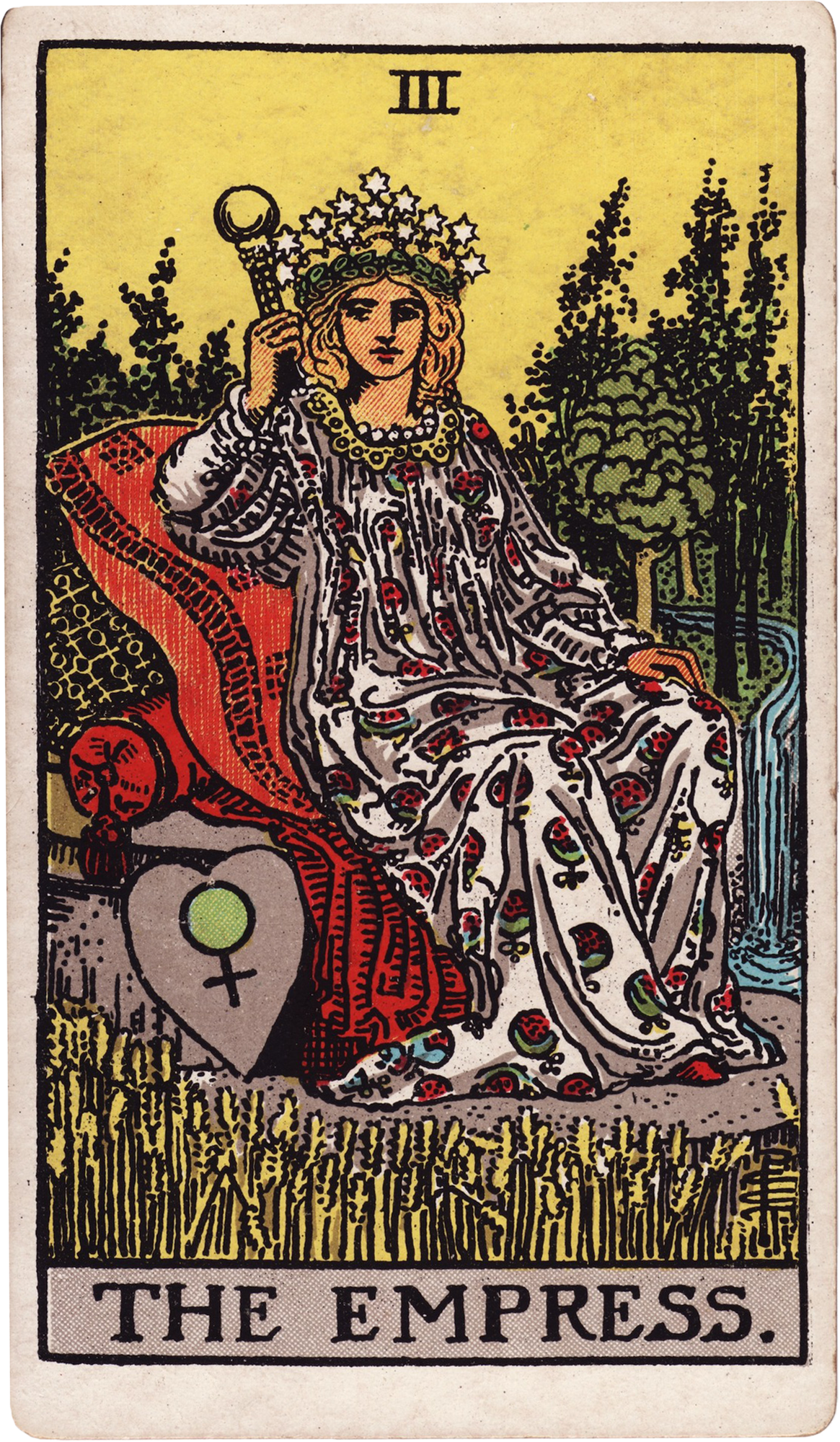 The Empress
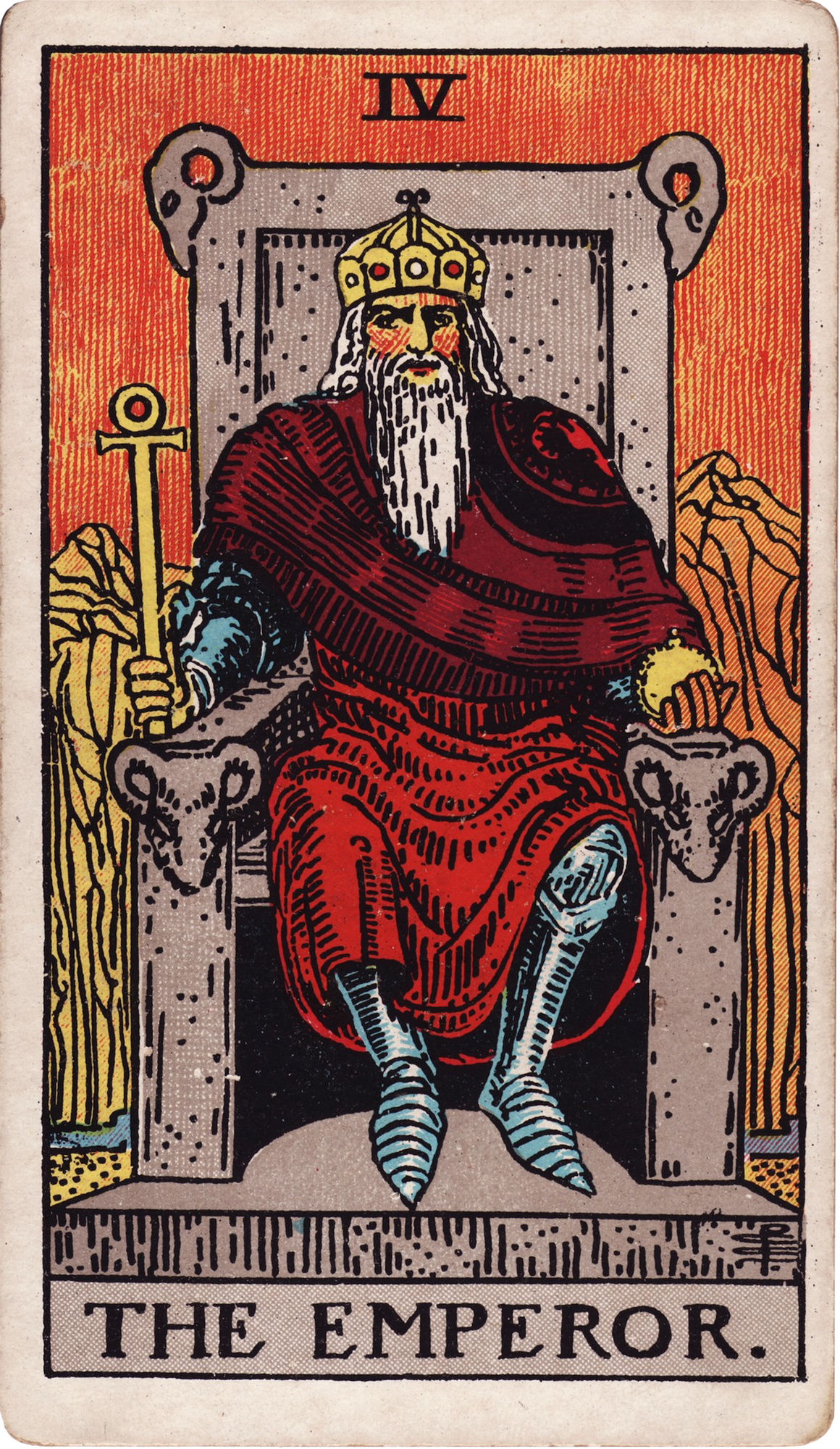 The Emperor
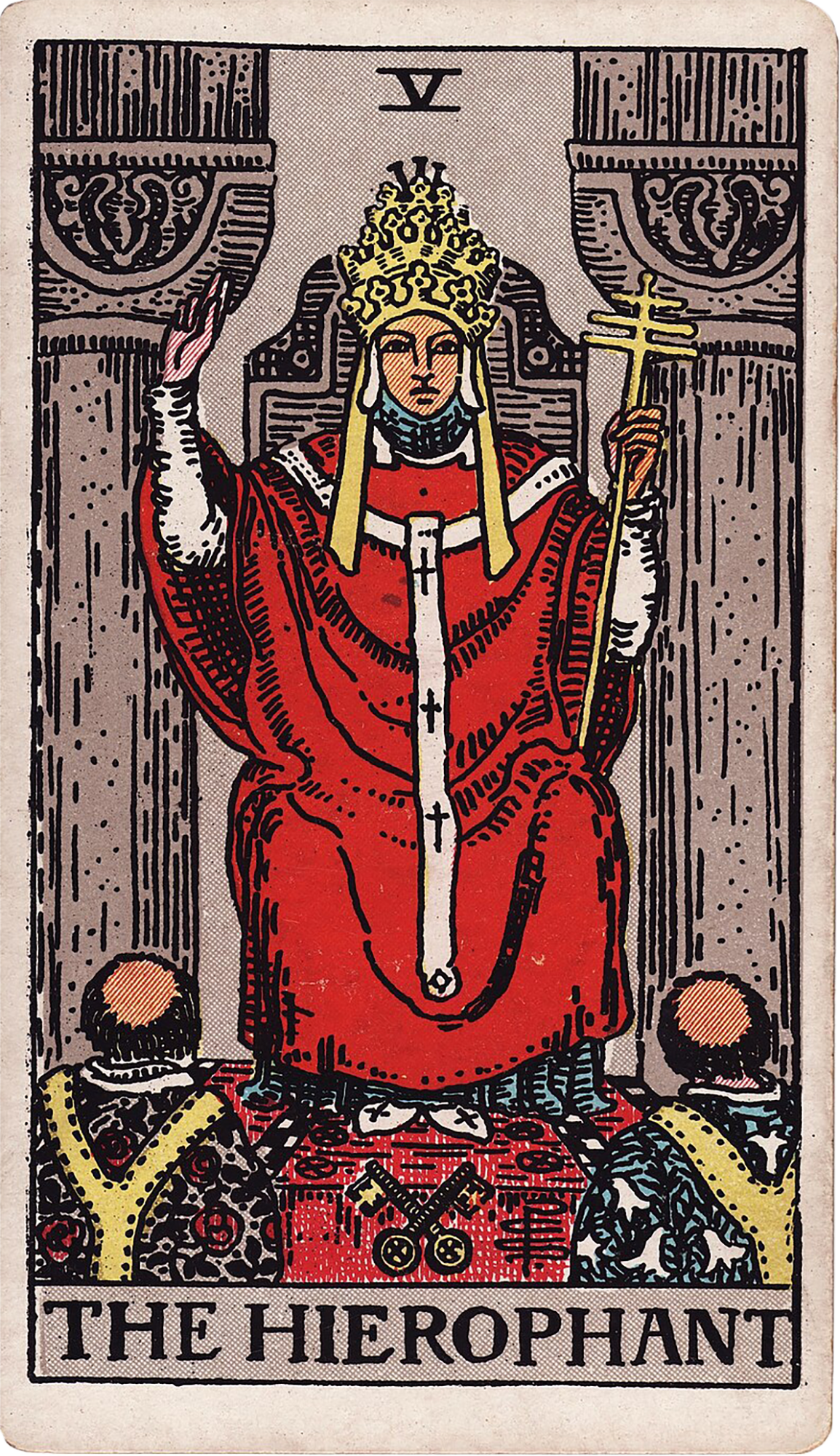 The Hierophant
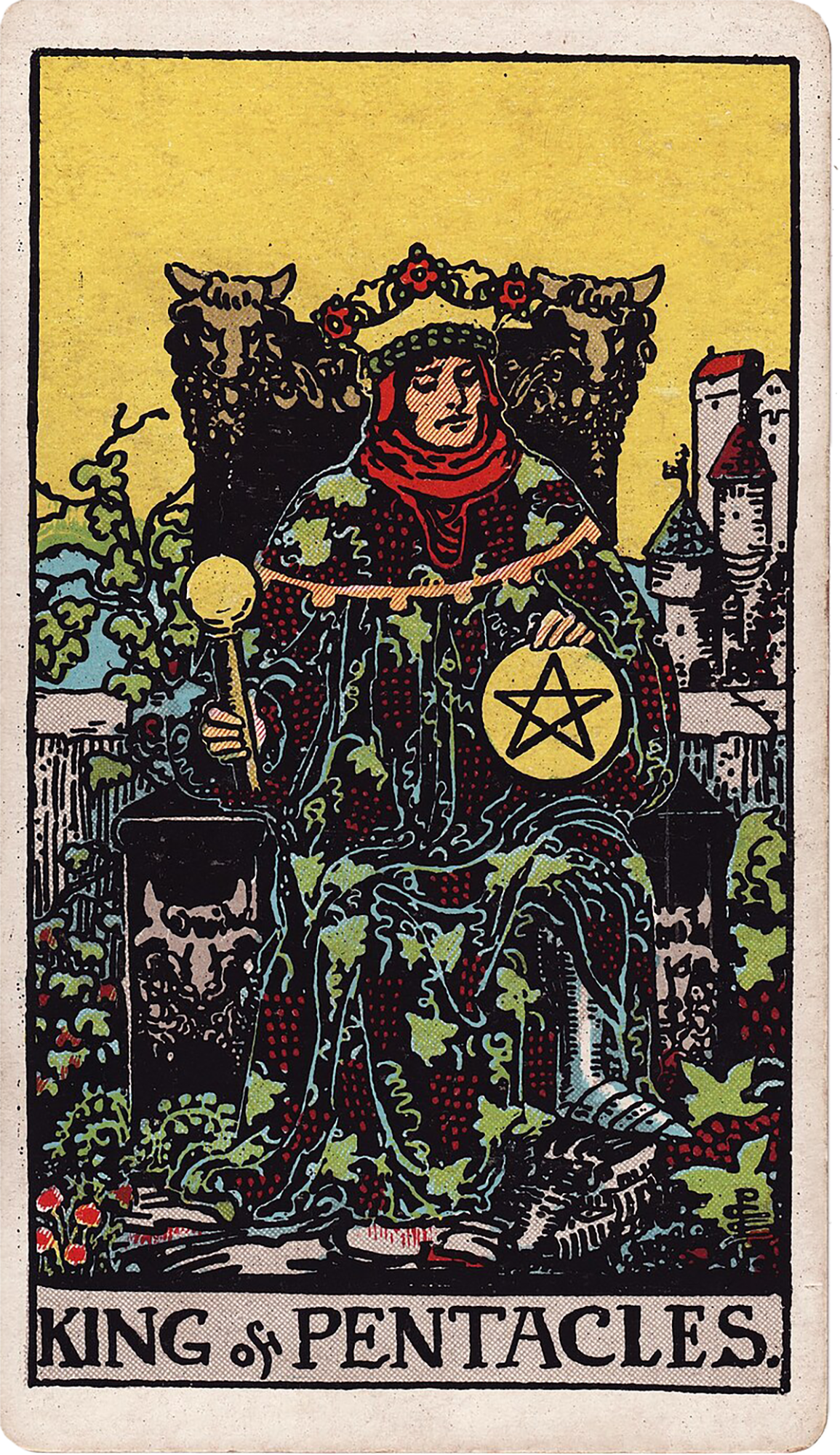 King of Pentacles
Introduction: Why Regalia Matters in Symbolic Reading
Tarot is an image language. Thrones, crowns, robes and related objects are visual shorthand for different kinds of authority: institutional, parental or sovereign; grounded stewardship or ritual legitimacy; coercive force or nourishing governance. When you learn to read those symbols deliberately you gain two advantages. First, you can move from vague impressions of 'power' to a fine-grained sense of where authority is coming from and whom it serves. Second, you can ask more useful questions in a spread—questions that point toward agency and ethical response rather than fatalism. This article uses four supplied cards—the Empress, the Emperor, the Hierophant, and the King of Pentacles—to build a practical approach. Each of these cards displays thrones, crowns and robes in ways that map to distinct types of authority: caregiving stewardship, structured rule, institutional teaching, and material guardianship. Throughout, learners are asked to treat images as prompts for inquiry and not as deterministic labels.
A Visual Lexicon: What Thrones Crowns Robes and Regalia Typically Signal
Before we rehearse individual card readings, establish a working lexicon. The following list pairs common regalia elements with the kinds of authority they usually indicate in Rider‑Waite‑Smith style imagery. Use the supplied cards to test each item. - Throne: permanence, institutional seat of power, boundary between ruler and world. The rock throne and ram heads on The Emperor emphasize built structure and ancestral authority. The Empress’s throne in a living landscape signals rulership embedded in fertility and nature, not only law. - Crown: legitimacy, universality, or specifically sanctioned right. The Empress’s crown of twelve stars connects to seasonal cycles and cosmic rhythm; The Emperor’s crown names formal sovereignty; the Hierophant’s headdress (traditionally papal tiara) indicates institutional religious legitimacy; the King of Pentacles wears a crown that signals earned or inherited status combined with material competence. - Robe / Vestments: performed role and identity. The Hierophant’s layered robes and visible ecclesiastical pattern show ritual authority and office. The Emperor’s red robe over armor suggests a leader who balances passion with protection. The Empress’s decorated gown with pomegranates suggests fecundity and generative power. The King of Pentacles’ fur and embroidered cloak signify comfort, status, and economic mastery. - Scepter / Staff / Orb / Pentacle: tools or signs of delegated power. The Emperor’s scepter and orb denote control over political order; the King of Pentacles often holds a scepter and displays pentacle imagery connecting stewardship to material resources; the Hierophant controls keys (symbolizing access and gatekeeping). - Keys: gatekeeping and doctrinal access. In the Hierophant’s symbolism keys represent control over initiation, teaching, and who may enter a system. - Attendants / Acolytes: relational authority and who is being influenced. The kneeling figures before the Hierophant show transmission of doctrine; empty thrones or solitary rulers can show a solitary mandate or internalized authority. As you look at the supplied images, annotate each of these elements. That annotation is the start of an interpretive argument rather than the whole answer.
Close Reading: The Empress — Nurturing Authority
Image anchor: The Empress seated amid lush growth, crowned with twelve stars, scepter in hand, gown patterned with pomegranates, shield bearing the symbol of Venus nearby. In Rider‑Waite symbolism she is the archetype of fertility, creativity and maternal governance. Authority from The Empress is relational and generative rather than authoritarian; it asks what conditions need tending. The upright context you were supplied emphasizes creating conditions where people, projects and relationships can grow through consistent care. Read the crown: twelve stars suggest alignment with seasonal cycles and the wider natural order; this grants legitimacy that is ecological and cyclical rather than institutional. Read the throne and environment together: a throne located in a living meadow suggests that rulership is integrated with the landscape; authority is not separate from those it serves. The scepter shows she has delegated means to act — direction without domination. In a spread, The Empress usually signals authority exercised through provision, boundary‑holding that protects growth, and decisions made in service of life. Use the upright questions given: where would a direct response or clearer boundary help? Conversely, the reversed Empress (as in your supplied context) indicates overgiving, smothering, or creative stagnation. The same crown and robe that signify legitimacy can become a costume that hides avoidance of hard limit‑setting. In practice, when The Empress appears near a person who expects leadership, ask: who benefits from care? Is the leadership supportive or enabling dependency? Does the crown imply seasonal responsibility or an identity that refuses rest?
Close Reading: The Emperor — Law Structure and Protective Rule
Image anchor: The Emperor seated on a stone throne carved with rams’ heads, wearing armor and a crown, holding a scepter and orb, mountains behind him. Rider‑Waite symbolism frames the Emperor as structure, law, boundaries and the adult will that shapes social order. The stone throne and ram imagery connect his authority to tradition, durability and a lineage of rulership. The armor under a robe is a key visual detail: it indicates that his authority is not just ceremonial; he is prepared to defend order, sometimes through force. The scepter and orb are standard symbols of sovereign control and jurisdiction. Upright, your supplied Emperor text stresses clear boundaries, disciplined leadership, and responsibility. Interpret visually by asking: are his garments practical or ceremonial? The Emperor’s red robe suggests energetic force applied through systems. Reversed, the Emperor turns toward rigidity or domination. The same crown that grants legitimacy can be used as an instrument of control when unchecked. In reading, consider whether the querent needs to enact structure or release it, and whether the image of the Emperor shows protection or suppression. An important technique: contrast The Emperor’s stone throne and mountain backdrop with The Empress’s living seat. This comparison helps reveal whether authority is rooted in instituted order or in caregiving stewardship.
Close Reading: The Hierophant — Ritual Authority and Institutional Gatekeeping
Image anchor: The Hierophant seated between two pillars, wearing layered religious vestments and the traditional tiara, raising a hand in blessing, with two figures kneeling before him and crossed keys at his feet. The Hierophant is the archetype of transmitted tradition, formal instruction and institutional legitimacy. His vestments and triple headdress signal office and ritual competence rather than personal charisma. The keys are a decisive visual marker: they represent control over access, initiation and doctrinal boundaries. Upright, your supplied Hierophant meaning emphasizes learning from established wisdom and seeking qualified guidance. Visually, his gesture of blessing indicates that authority is enacted through ritualized communication—teaching, initiation and custodianship of a body of knowledge. Reversed, the Hierophant warns of dogma, empty ritual or rebellion without context. When this card appears in an authority reading, ask: who decides membership? What rituals maintain order? Are the rites serving life, or are they enforcing conformity? Note too whether the acolytes are present and attentive; they show formal roles being filled. Unlike The Emperor, whose authority often rests on territorial rule, the Hierophant’s authority is custodial: he safeguards a canon and privileges those who learn its rules.
Close Reading: King of Pentacles — Stewardship of Material Power
Image anchor: The King of Pentacles on a throne decorated with bull motifs and vines, wearing rich robes and a crown, often holding a scepter with a pentacle motif nearby. This court card localizes authority in material competence: management of resources, craft, business acumen and bodily health. The King’s throne decorations and garden show a well‑tended estate—the image of economic mastery that benefits from skillful stewardship. Upright summary provided highlights mature stewardship, business competence and long‑term material stability. Notice the texture of his robe and the sureness of his posture: his authority is practical and earned over time. Reversed, the King of Pentacles can indicate greed, rigidity, or attachment to status. The crown that legitimizes his position can harden into entitlement. In readings focused on authority, the King of Pentacles asks who is responsible for economic decisions, who controls access to resources, and whether the steward acts for the household or for self‑interest. Compare the King’s throne of vines and bulls to the Emperor’s stone throne: the King’s power is cultivated and embodied in material abundance rather than inherited institution alone.
Comparative Techniques: Reading Authority Dynamics When Multiple Cards Appear
Readers frequently see two or more authority figures in a spread. The useful skill is not to rank them by title but to map source, method and beneficiaries of power. Start by annotating each supplied card for these three axes: source (where the authority comes from), method (how it is exercised), and beneficiaries (who gains). For example: - The Empress: source = life/nature; method = care and boundary for growth; beneficiaries = dependents, projects, creative communities. - The Emperor: source = institutional/lineage; method = law and disciplined enforcement; beneficiaries = order, citizens, system stability. - The Hierophant: source = doctrine/institutional teaching; method = ritual, credentialing, gatekeeping; beneficiaries = initiated community, tradition. - King of Pentacles: source = competence/wealth; method = stewardship, material management; beneficiaries = household, enterprise, dependents. When two cards appear together form a mini‑hypothesis. Example pairings: - Empress + Emperor: contrast caregiving versus structured authority. Is one protecting the conditions for growth while the other enforces boundaries? Or is the Emperor’s rigidity undermining the Empress’s care? - Hierophant + King of Pentacles: institutional endorsement of economic power. This pattern can indicate a business or household that operates within established tradition—for good or ill. - Emperor reversed + Empress upright: a tension where structure is becoming oppressive while care seeks to resist or repair. Ask: is the Empress being asked to set boundaries with an overly controlling Emperor? These comparisons should be followed by questions that direct agency: what would a proportionate action look like, who needs protection, who needs accountability?
Step‑by‑Step Practical Method for Reading Regal Symbols
Use this method when you want a disciplined, reproducible approach to thrones, crowns and robes. 1) Take inventory: note every regalia element in each card—crown shape, throne material, robe color and pattern, held objects (scepter, keys, pentacle), attendants or landscape. 2) Source identification: ask whether the imagery points to institutional, familial, ecological, or material sources of authority. 3) Method assessment: determine whether authority is enacted via rule (The Emperor), ritual (The Hierophant), care (The Empress), or stewardship (King of Pentacles). 4) Orientation: check posture and expression—open, closed, defensive, blessing, passive. This yields clues about whether authority is protective, controlling, mediating, or benevolent. 5) Upright vs reversed integration: fold in the supplied upright/reversed contexts. For example, an upright King of Pentacles highlights stewardship; reversed it signals greed. Use reversal not as moral judgment but as diagnostic signal of blockage, excess, or inward psychological process. 6) Relation and beneficiaries: who is affected? Annotate winners, losers and those outside the frame. 7) Action prompts: ask what proportionate response is needed. The article’s supplied upright cards stress asking where a clearer boundary, direct response, or deliberate choice would move the situation forward; use that prompt regularly. 8) Test with neighboring cards: validate your hypothesis by checking for reinforcement or contradiction in nearby cards. Repeat the method until you can perform it quickly without losing curiosity.
Example Readings Grounded in the Supplied Cards
Example 1 — Single card draw: The Empress upright. Question: "How should I lead this team?" Visual notes: crown of stars suggests cyclical timing; scepter and garden suggest leadership through conditions. Interpretation: lead by tending the environment, setting predictable rhythms and protecting growth. Practical advice: create a simple care plan, establish a regular check‑in, and name one boundary to prevent burnout. Example 2 — Two‑card dynamic: The Emperor upright + Empress reversed. Question: "Why is the program not scaling?" Visual notes: Emperor’s stone throne suggests rigid systems; Empress reversed shows overgiving or creative stagnation. Interpretation: structure is in place but creativity and emotional resources are being smothered or exhausted. Advice: review rules that block innovation and create small controlled experiments; set limits on labor so creative energy can recover. Example 3 — Institutional endorsement: The Hierophant upright + King of Pentacles upright. Question: "Is it safe to trust this financial advisor?" Visual notes: Hierophant offers credentialing and ritual authority; King of Pentacles shows material competence and stable estate. Interpretation: appearance of institutional backing plus practical stewardship suggests trustworthy process, but verify that institutional teachings align with ethical practice. Advice: ask for references, certifications, and examples of long‑term stewardship. Example 4 — Red flags: The Emperor reversed + King of Pentacles reversed. Question: "What is happening in this corporate boardroom?" Visual notes: Emperor reversed indicates domination and outdated structures; King of Pentacles reversed warns greed and status obsession. Interpretation: leadership may be using structural power for self‑interest; fiscal decisions may prioritize status over sustainability. Advice: strengthen accountability measures, create transparency around resource allocation, and watch for patterns of exploitation. Each example models the technique: annotate imagery, fit to source/method/beneficiary, fold in upright/reversed contexts, and produce a proportionate action.
Common Mistakes and How to Avoid Them
1) Reading crowns as literal rank only. Mistake: assuming a crown equals 'king/queen' in social hierarchy. Remedy: translate crown into legitimacy; ask what legitimizes this figure—tradition, competence, cosmic cycle, or material control. 2) Gender essentialism. Mistake: assuming The Empress always means 'mother' and The Emperor always means 'father'. Remedy: name the function of authority instead of gender. The Empress shows stewardship and growth; it can relate to a male, female or nonbinary person, or to an institution. 3) Treating reversals as moral condemnation. Mistake: labeling reversed cards as 'bad'. Remedy: use reversal as diagnostic language—where is energy stuck, blocked, exaggerated or internalized? 4) Ignoring environment. Mistake: focusing only on the crown and neglecting the throne and landscape. Remedy: read the throne material and surroundings; a stone throne versus a living meadow changes meaning. 5) Overlooking attendants and objects. Mistake: missing keys, scepters or acolytes as crucial markers of method. Remedy: make a checklist in every reading: crown, throne, robe, held objects, attendants, landscape. 6) Forcing modern identity politics onto ancient symbols without context. Mistake: projecting current political systems onto imagery without questioning parallels. Remedy: use images as analogies and pair with questions about present institutions rather than one‑to‑one mapping.
Practice Exercises and Journaling Prompts
Exercise 1 — Focused annotation: lay out the Empress, Emperor, Hierophant and King of Pentacles. Spend 10 minutes annotating every visual regalia: crown shape and placement, robe texture and pattern, throne material, held objects and nearby landscape. Write one sentence for each card answering: 'What does this leader protect?' Exercise 2 — Swap the verbs: for each card, write three verbs that capture method (e.g., Empress: nurture, shelter, fertilize; Emperor: enforce, organize, defend). Then write a two‑sentence reading applying those verbs to a workplace conflict. Exercise 3 — Mini spread: pose a governance question, pull two of the supplied cards. Map source, method, beneficiary and produce one actionable step. Journal the outcome for two weeks. Prompted reflection: after a reading with one of these cards, ask: 'Who becomes more empowered if I act on this card's advice? Who becomes less empowered?' That question trains ethical sensitivity to the effects of authority. Finally, practice role reversals: imagine the Empress acting like the Emperor and describe the dissonance; this clarifies the unique affordances and limits inherent in each kind of regalia.
Conclusion: Reading Authority as Ethical Practice
Thrones, crowns and robes are not vanity—they are visual contracts. Each element in the Empress, the Emperor, the Hierophant and the King of Pentacles communicates who can decide, who is expected to obey, how power is justified, and what the costs might be. For learners, the work is to convert those visual cues into practical, proportionate questions and actions: who benefits, what method enacts power, and what repair or boundary is needed. Use the step‑by‑step method and comparative techniques here to reduce guesswork and to foster readings that respect agency. Above all, treating images as prompts for inquiry and responsibility will make your authority readings more precise, humane and useful.
Practice questions
• When you look at the crown on the Empress versus the crown on the Emperor what differences in legitimacy or source of authority do you notice?
• How does the throne material (stone, living landscape, decorated wood) change your understanding of a ruler’s priorities?
• If the Hierophant appears for a question about access to a profession, what would the keys at his feet ask you to verify?
• How would you translate the King of Pentacles’ robe and throne into concrete questions about financial stewardship in a reading?
• What action would be proportionate if you saw The Emperor upright paired with The Empress reversed in a relationship spread?
• Which of the four cards feels most like inherited authority and which most like earned authority? Why?
• How can you avoid gendered assumptions when interpreting the Empress and the Emperor in contemporary contexts?
• When a regalia element appears in reversal, what diagnostic questions will you ask to determine whether the issue is excess, lack, or internalization?
Comments
Sign in to comment.
Continue learning
Interpreting the Dance of Justice and The Devil: Balancing Morality and Temptation in Tarot Readings
The combination of Justice and The Devil in tarot presents a profound exploration of morality, temptation, and personal accountability. This article unpacks how these cards influen...
Advanced Techniques for Combining The Moon and The Star to Enhance Intuition in Tarot Readings
This article explores advanced techniques to combine the symbolism and energy of The Moon and The Star Tarot cards to enhance intuition during Tarot readings. Drawing from traditio...
Unlocking Life Insights with the Celtic Cross Tarot Spread
This article offers a thorough exploration of the Celtic Cross Tarot Spread, focusing on its application within family and practical life contexts. Using a worked example featuring...
Unlocking Hidden Meanings with The Hermit and The Hanged Man for Spiritual Growth
This article offers an in-depth exploration of The Hermit and The Hanged Man Tarot cards focusing on their roles in spiritual growth. It guides readers through beginner and advance...
Unlocking Personal Insight with the Seven Card Horseshoe Spread
The Seven Card Horseshoe Spread is a practical and insightful Tarot layout ideal for exploring personal and family dynamics. This article breaks down each position—Past, Present, H...
Mastering the Court Cards of Wands for Unlocking Personal Drive and Leadership
The Court Cards of Wands represent a dynamic spectrum of personal energy, ambition, and leadership potential within the Minor Arcana. This article offers a comprehensive exploratio...
Tracing the Origins and Evolution of The Fool Card in Tarot History
The Fool card holds a foundational place in tarot tradition, symbolizing beginnings, openness, and the embrace of uncertainty. This article traces its origins from early European d...
Techniques for Reading Court Cards to Unlock Personality Insights
Court cards in Tarot often represent people, personality traits, or energy patterns within a situation. This article offers a structured approach for beginners and advanced readers...
Unlocking Emotional Transformation with Death and The Moon Tarot Combination
This article explores the rich and complex interaction between the Death and The Moon tarot cards within the Rider-Waite-Smith tradition, focusing on their combined potential to un...
Applying The Star Card to Foster Hope and Renewal in Personal Growth
The Star card in Tarot symbolizes hope, authenticity, and the process of steady renewal. In a single-card reading, The Star encourages embracing what is present, cultivating openne...