
Designing a Personal Tarot Scoring Rubric to Improve Consistency
This article teaches how to design a personal tarot scoring rubric to reduce interpretation drift and increase reliability. It blends beginner and advanced technique by defining score categories, anchors, weighting strategies, and a step-by-step method to score cards in a spread. Throughout the piece the instructions are repeatedly tied to the supplied cards Ace of Swords, 2 of Swords, and 3 of Swords, using Rider-Waite-Smith symbolism and the given upright and reversed meanings to illustrate scoring decisions. The outcome is a practical, trainable system that preserves flexibility while improving consistency across readings.
Cards explored in this article
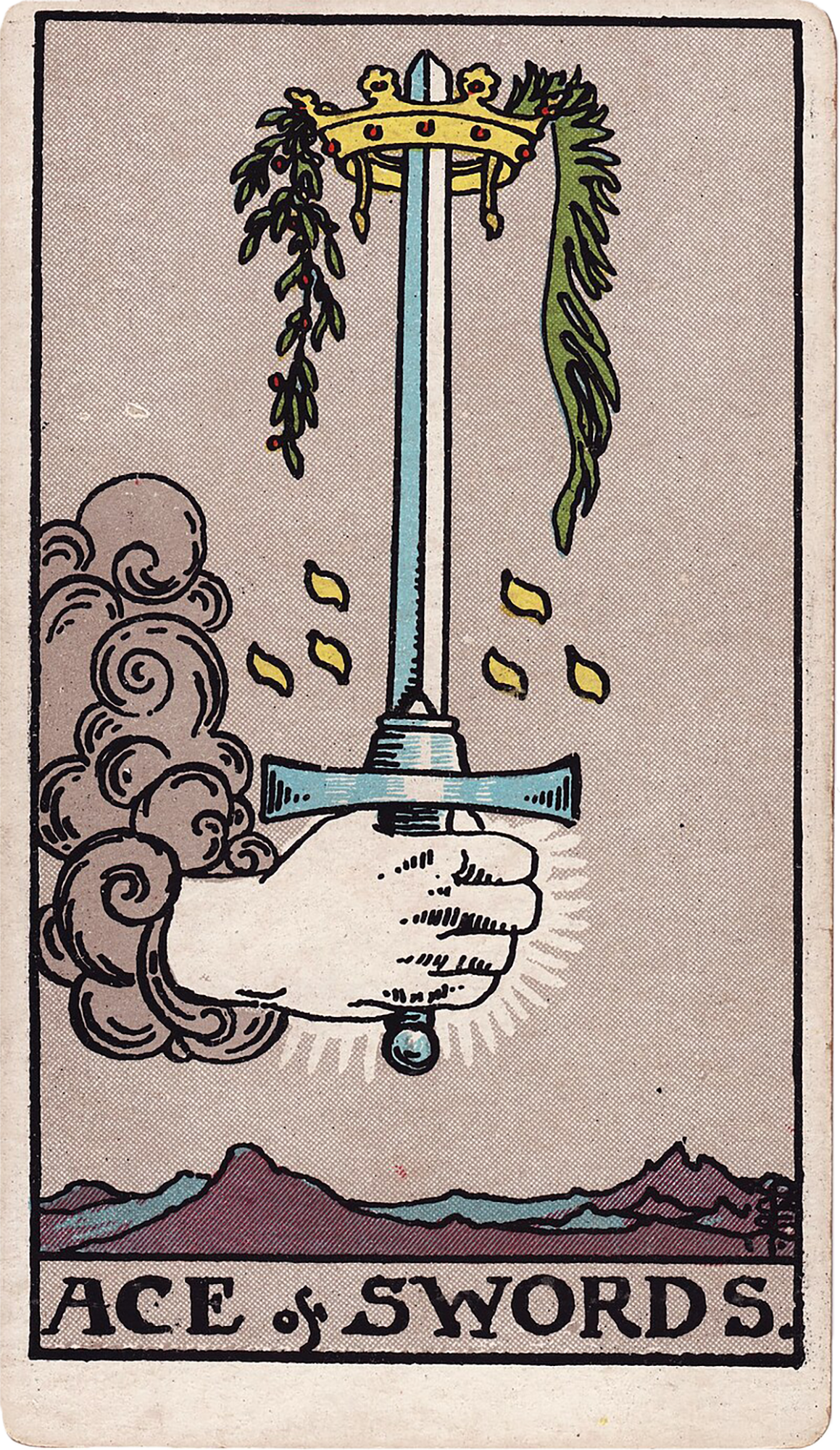 Ace of Swords
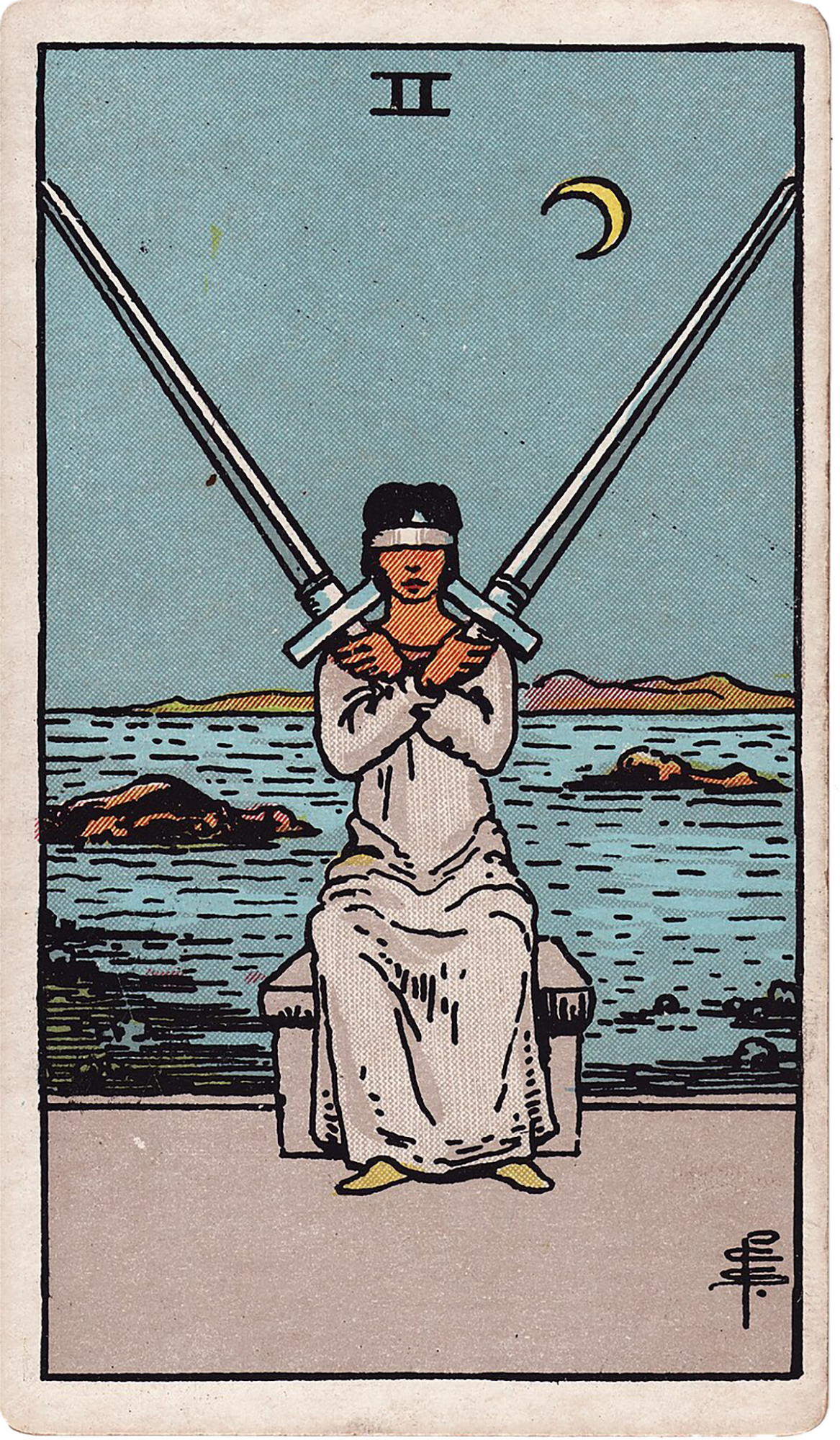 2 of Swords
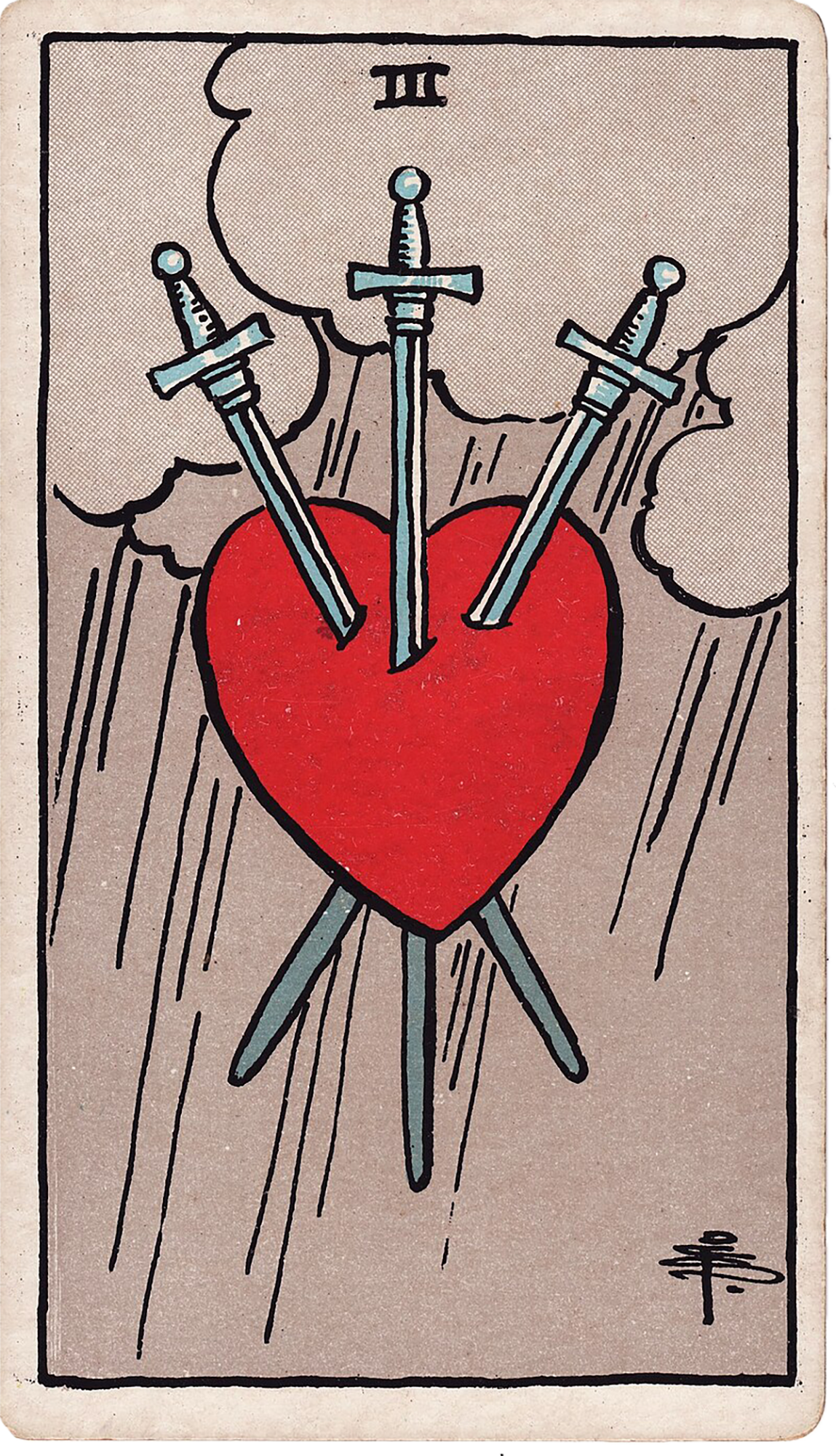 3 of Swords
Introduction and why a rubric matters
Consistency is one of the most useful skills a tarot reader can develop. Consistency does not mean robotic rigidity; it means applying a reliable internal method so similar situations yield similar interpretations. A personal scoring rubric is a compact, repeatable decision framework that helps you translate symbols and impressions into clear, comparable judgments. This article explains how to build that rubric and shows how to use it with the supplied cards Ace of Swords, 2 of Swords, and 3 of Swords. You will learn to define categories, anchor them with imagery and phrases from the Rider-Waite-Smith tradition, assign numeric ranges and weights, and combine scores into interpretation guidance. A well-designed rubric trains your mind to notice the same cues the same way, so you spend less time arguing with yourself about meaning and more time making practical suggestions for querents.
Core principles for any effective tarot scoring rubric
Keep these principles in mind as you design your system. 1) Use concise, observable criteria. Anchor scores to details you can see or consistently sense, such as imagery elements, card posture, position in the spread, upright vs reversed cues, and immediate words that come to mind. 2) Balance objectivity and intuition. Numeric scoring should be repeatable, but leave space for a calibrated intuition score so personal impressions are captured and later reviewed. 3) Keep it small. Four to seven scoring categories is a good target. More becomes unwieldy. 4) Define anchors. For each numeric point on a scale supply a short anchor phrase. Anchors are what train consistency. 5) Record and iterate. Use the rubric on many readings, then tweak anchors, weights and thresholds as you notice drift or ambiguity. We will illustrate each principle using the Ace of Swords, 2 of Swords and 3 of Swords.
Choosing scoring categories and why these matter
A scoring category is a single dimension on which you judge a card or spread element. For a beginner-to-advanced rubric, use categories that are both practical and aligned to the Swords suit themes because the supplied cards are all Swords. Typical categories that work well are: 1) Clarity or Certainty 2) Actionability 3) Emotional Charge or Valence 4) Stage or Process 5) Agency or Control 6) Risk or Severity 7) Intuitive Impression. Tie each category to imagery and traditional meaning. Examples using the supplied cards: - Clarity or Certainty: For Ace of Swords upright, the imagery shows a hand emerging from a cloud holding a crowned sword, which screams clarity and intellectual breakthrough. That card would anchor as a high clarity score. The 2 of Swords seated, blindfolded, suggests low clarity, so a low score on this axis. The 3 of Swords shows a storm and a pierced heart; clarity about suffering is present, so mid-to-high clarity because the pain is explicit. - Actionability: Ace of Swords often calls for decisive conversation or strategy; score high. 2 of Swords indicates suspension, so score low on immediate actionability. 3 of Swords often asks for processing and healing, which can be actionable but over time; assign a medium actionability score depending on context. - Emotional Charge: 3 of Swords upright is high emotional pain; score high. 2 of Swords upright is blocked emotion; score medium-low. Ace of Swords may be emotionally neutral but cognitively intense; score low-to-medium. - Stage or Process: Use this to mark beginning, developing, peak, or resolution. Ace of Swords could be a beginning insight, 2 of Swords a moment of suspension, 3 of Swords a painful peak that portends healing or processing. These categories make the rubric useful for narrative readings rather than single-word meanings.
Designing scales and anchor phrases
Keep numeric scales simple. A 1-5 range is ideal for most categories. For each category provide short anchor phrases for 1, 3 and 5 to keep scoring fast. Example anchors using Clarity: 1 = Obscured or blindfolded, 3 = Hazy but named, 5 = Sharp and indisputable. Then map those anchors to our cards: - 2 of Swords upright visually matches the 1 anchor for Clarity because of the blindfolded figure and the card text about suspended decision. - 3 of Swords upright maps to 3 because pain is clear and named, but the card does not necessarily point to immediate clarity about a plan. - Ace of Swords upright maps to 5 because of the hand emerging from the cloud holding a crowned sword, a classical symbol of intellectual breakthrough. Repeat this process for Actionability, Emotional Charge, Stage, Agency, and Intuition. For Intuitive Impression, anchors can be 1 = nothing significant, 3 = noticeable and consistent thread, 5 = overwhelming and directive. Crucially, write the anchors where you will see them during readings, such as on the back of your notebook or in your reading app.
Weighting categories and how to combine them
Not all categories matter equally for every question. Weighting lets you emphasize the most relevant dimensions. For predictive or timing questions, Clarity and Actionability might be heavier. For counseling or therapy-style readings, Emotional Charge and Stage might be heavier. A simple weighting approach: assign each category a weight between 1 and 3, then compute a weighted average. Example weights for a decision-focused reading: Clarity 3, Actionability 3, Agency 2, Emotional Charge 1, Stage 2, Intuition 2. Suppose you score the Ace of Swords upright: Clarity 5, Actionability 5, Agency 4, Emotional Charge 2, Stage 2, Intuition 4. Weighted sum = (53 + 53 + 42 + 21 + 22 + 42) = 15 + 15 + 8 + 2 + 4 + 8 = 52. Divide by max possible points with those weights to get a percentage or normalized score. This arithmetic approach keeps you honest: a card that looks impressive still needs to perform numerically when interpreted across readings.
Handling upright and reversed cards in the rubric
Your rubric must treat reversals consistently. The supplied card texts provide useful guidance. For example: - Ace of Swords upright indicates decisive clarity. Reversed it points toward harshness, confusion, misused logic or premature judgment. In scoring, reverse the Clarity anchor from high to low and increase Emotional Charge for negative cognitive intensity. - 2 of Swords upright signals suspended decision. Reversed it can mean avoidance breaking or forced choice. Scoring should move Actionability upward in reversal if the card shows a stalemate breaking, but lower Clarity until the choice is actually clear. - 3 of Swords upright highlights named pain; reversed emphasizes recovery or suppressed grief. So reversed 3 of Swords might lower Emotional Charge and increase Stage toward healing. Create a short reversal rulebook that lists how each category shifts when a card is reversed: which categories decrease, which increase, and by how much. For example, a reversal might change Clarity by -2 or +1, Emotional Charge by +/-1, and Actionability by +/-1 depending on the card’s reversal flavor. Most important: be consistent and document your choices.
Step-by-step practical reading method using the rubric
Follow this repeatable procedure during readings to apply your rubric efficiently. 1) Context and question: Note the querent's question and the spread positions. Decide which categories matter most and set weights. 2) Sight and immediate reaction: Look at each card for 15-30 seconds. Note the dominant imagery anchors. For example, with the Ace of Swords look at the hand-from-cloud, the crown and the straight sword. With the 2 of Swords note the blindfold, crossed swords and the crescent moon. With the 3 of Swords notice the pierced heart and storm clouds. 3) Score each category for each card using your 1-5 anchors. Keep a pen list: Clarity 1-5, Actionability 1-5, Emotional Charge 1-5, Stage 1-5, Agency 1-5, Intuition 1-5. 4) Apply reversals: adjust your scores per the reversal rulebook. 5) Compute weighted totals and normalize to a percentage to compare cards or spread positions. 6) Translate numbers into plain language. For example, an Ace of Swords with a high weighted score in a 'next step' position might read as a clear, decisive conversation that should be initiated soon. A 2 of Swords scoring low on Clarity and Agency in a 'choice' position might be read as 'situation is not ready for a committed decision.' 7) Articulate a short, actionable takeaway tied to card imagery and the computed result. Use the card phrases from the supplied texts: for Ace of Swords mention 'clear insight or decisive conversation'; for 2 of Swords mention 'decision held in suspension' or 'avoidance' if reversed; for 3 of Swords stress 'pain that can be named' or 'recovery when reversed.' 8) Record the reading and review later to refine anchors and weights.
Worked three-card spread examples with Ace of Swords 2 of Swords and 3 of Swords
Below are two concise examples showing how the rubric functions. Example A: Question about whether to speak to a colleague. Spread positions: Past, Present, Advice. Cards dealt: Past = 2 of Swords upright, Present = 3 of Swords reversed, Advice = Ace of Swords upright. 1) Weights for a communication question: Clarity 3, Actionability 3, Emotional Charge 2, Stage 2, Agency 2, Intuition 1. 2) Score each card quickly using anchors: - 2 of Swords upright: Clarity 1, Actionability 1, Emotional Charge 2, Stage 2, Agency 1, Intuition 2. Weighted sum = (13 + 13 + 22 + 22 + 12 + 21) = 3 + 3 + 4 + 4 + 2 + 2 = 18. Max possible for weights = (53 + 53 + 52 + 52 + 52 + 51) = 15+15+10+10+10+5 = 65. Normalized = 18/65 = 27.7% which reads as low momentum. Interpretation for Past: stuck avoidance or a suspended decision created the current situation. - 3 of Swords reversed: Clarity 3, Actionability 2, Emotional Charge 3 (reduced from upright), Stage 4, Agency 3, Intuition 2. Weighted sum = (33 + 23 + 32 + 42 + 32 + 21) = 9+6+6+8+6+2 = 37. Normalized = 37/65 = 56.9%. Interpretation for Present: recovery or suppressed grief is in process; there is increasing movement toward healing so the emotional terrain is becoming accessible. - Ace of Swords upright: Clarity 5, Actionability 5, Emotional Charge 2, Stage 2, Agency 4, Intuition 4. Weighted sum = (53 + 53 + 22 + 22 + 42 + 41) = 15+15+4+4+8+4 = 50. Normalized = 50/65 = 76.9%. Advice interpretation: clear insight and a decisive conversation are favored now; the actionability and clarity scores support initiating a focused discussion. Combined reading: The past shows avoidance, the present shows healing, and the advice suggests a clear conversation will help consolidate recovery. The imagery anchors align: 2 of Swords blindfold, 3 of Swords reversed moving toward forgiveness, Ace of Swords hand and crown pointing to a targeted discourse. Example B: A timing/decision check with positions Situation, Obstacle, Outcome. Cards: Situation = Ace of Swords reversed, Obstacle = 2 of Swords upright, Outcome = 3 of Swords upright. Using the same weights, score ACE reversed: apply reversal rule: Clarity -3 relative to upright, Emotional Charge +1 for harsh or misused logic, Actionability -1. So if upright earlier gave Clarity 5, Actionability 5, Emotional Charge 2, reversed might be Clarity 2, Actionability 4, Emotional Charge 3. Weighted sum roughly = (23 + 43 + 32 + 22 + 32 + 31) = 6+12+6+4+6+3 = 37. Normalized 56.9% with a cautionary tone: the insight exists but is misapplied or harsh; not ideal as a starting place. 2 of Swords upright low momentum score as above. 3 of Swords upright high Emotional Charge and clear naming of pain yields mid-high score. Outcome reading: the situation may lead to a painful but clarifying conclusion; the combined numbers prompt cautious, compassionate planning rather than a headlong choice.
Common mistakes and how to avoid them
Mistake 1: Overcomplicating the rubric. Too many categories makes scoring slow. Fix: limit to 4-7 categories and merge similar axes. Mistake 2: Anchors that are vague. If your anchor phrase could mean different things to you on different days you will drift. Fix: write precise, image-based anchors like 'blindfolded indecision' for 2 of Swords clarity = 1. Mistake 3: Failing to treat reversals consistently. Fix: create a short reversal rule list and consult it every reading. Mistake 4: Relying solely on numbers and ignoring the narrative. Fix: always translate numeric outcomes into a 1-2 sentence plain-language takeaway tied to visual imagery. Mistake 5: Confirmation bias. If you like a certain interpretation you may force scores to match. Fix: periodically audit past readings: try scoring the same card later and compare. Mistake 6: Using categories irrelevant to the question. Fix: set weights at the start of each reading so the rubric adapts to the query without becoming inconsistent.
Practice drills and how to train consistency
Use short, repeatable exercises to build scoring fluency. 1) Single-card sprint: pull one card, or look at one supplied card image, score it in all categories in 60 seconds. Compare your new scores to previous attempts. 2) Blind scoring: shuffle and draw a card without flipping it. Describe the position you expect the card to be in using the rubric, then reveal and score. This trains mental prediction. 3) Daily three-card logging: deal three cards to common spread positions and score them. Write the one-line takeaway. After a week review patterns and adjust anchors. 4) Pair practice: if you have a study partner, score the same card independently and compare anchors and numeric differences. Discuss why you differed and refine anchors. 5) Create a small spreadsheet that computes weighted totals automatically so you only score and the math is instant. These drills will make your scoring second nature and will help you notice subtle differences in cards like the supplied Ace, 2 and 3 of Swords.
Conclusion and next steps
A personal tarot scoring rubric is a practical tool that reduces indecision and improves teaching and self-review. By anchoring numeric categories to concrete imagery and the traditional Rider-Waite-Smith motifs shown in Ace of Swords, 2 of Swords and 3 of Swords you make your interpretive signals visible and repeatable. Start small: choose categories, write anchors tied to the supplied cards, pick weights for a type of question and run a sequence of practice readings. Record, review and refine. Over time your rubric will become a calibrated habit that supports both beginner learning and advanced nuance without locking you into one dogmatic system.
Practice questions
• Which two scoring categories feel most natural to you and why when you look at the Ace of Swords image
• When you examine the 2 of Swords blindfolded figure, which anchor phrase captures the card for you and how would that map to a numeric score
• How would you alter category weights for a reading focused on emotional healing versus one focused on career decisions
• What consistent reversal rule would you apply to the three supplied Swords cards and why
• Review one reading you did recently and rescore the cards using this rubric. What changed about your interpretation
• What are three concise anchor phrases you can memorize for Clarity 1, 3 and 5 using the imagery of the three supplied cards
• How will you audit your rubric after 10 readings to decide which anchors or weights to adjust
• Which common mistake from the article have you noticed in your own practice and what concrete step will you take to correct it
Comments
Sign in to comment.
Continue learning
Advanced Techniques for Combining The Moon and The Star to Enhance Intuition in Tarot Readings
This article explores advanced techniques to combine the symbolism and energy of The Moon and The Star Tarot cards to enhance intuition during Tarot readings. Drawing from traditio...
Unlocking Hidden Meanings with The Hermit and The Hanged Man for Spiritual Growth
This article offers an in-depth exploration of The Hermit and The Hanged Man Tarot cards focusing on their roles in spiritual growth. It guides readers through beginner and advance...
Techniques for Reading Court Cards to Unlock Personality Insights
Court cards in Tarot often represent people, personality traits, or energy patterns within a situation. This article offers a structured approach for beginners and advanced readers...
Integrating The Fool and The World to Chart the Journey of Tarot Initiation
This article explores the integration of The Fool and The World cards as symbolic bookends in the Tarot journey, emphasizing their complementary lessons for initiates. Drawing on t...
Developing Intuitive Tarot Reading Skills with The High Priestess and The Moon
This article guides tarot learners through developing intuitive reading skills focusing on two powerful cards: The High Priestess and The Moon. Using traditional Rider-Waite-Smith...
Unlocking Advanced Intuition Techniques Using The High Priestess The Moon and The Hermit
This article examines advanced intuition development in tarot reading by focusing on The High Priestess, The Moon, and The Hermit cards. It offers practical techniques for beginner...
Mastering Intuition with The High Priestess The Hermit and The Moon in Tarot Readings
This article delves into mastering intuition through three powerful Tarot cards: The High Priestess, The Hermit, and The Moon. It guides readers from beginner to advanced reading t...
Building Intuition and Analytical Skills with The High Priestess and The Hermit in Tarot Readings
This article explores how The High Priestess and The Hermit, two powerful Major Arcana cards, serve as complementary guides for developing intuition and analytical skills in tarot...
Techniques for Unlocking Personal Ambition Using The Chariot and Seven of Wands
This article provides a comprehensive guide for Tarot readers at all levels to utilize The Chariot and Seven of Wands cards in unlocking personal ambition. Through detailed explana...
Developing Advanced Intuition with The High Priestess The Hermit and The Moon
This article delves into developing advanced intuition for Tarot readers by focusing on three powerful cards: The High Priestess, The Hermit, and The Moon. By exploring their uprig...