
Integrating The Fool and The World to Chart the Journey of Tarot Initiation
This article explores the integration of The Fool and The World cards as symbolic bookends in the Tarot journey, emphasizing their complementary lessons for initiates. Drawing on traditional Rider-Waite-Smith imagery and meanings, it guides readers through beginner to advanced interpretive techniques. Using the supplied card contexts, the article highlights practical reading methods, common pitfalls, and reflection strategies to foster a conscious and balanced Tarot practice. The focus remains on cultivating awareness of beginnings, completion, and the cyclical nature of personal growth as reflected in these iconic Major Arcana cards.
Cards explored in this article
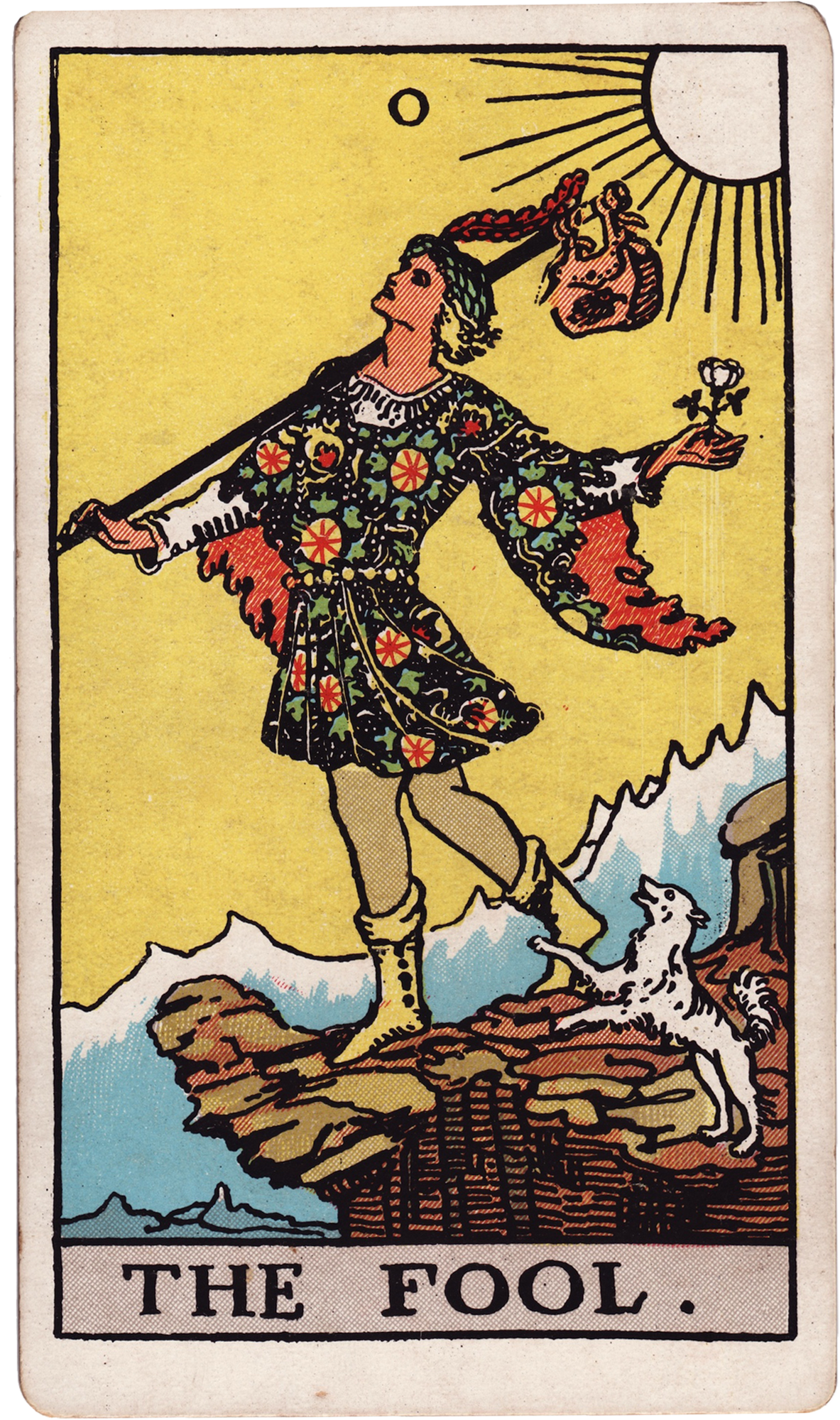 The Fool
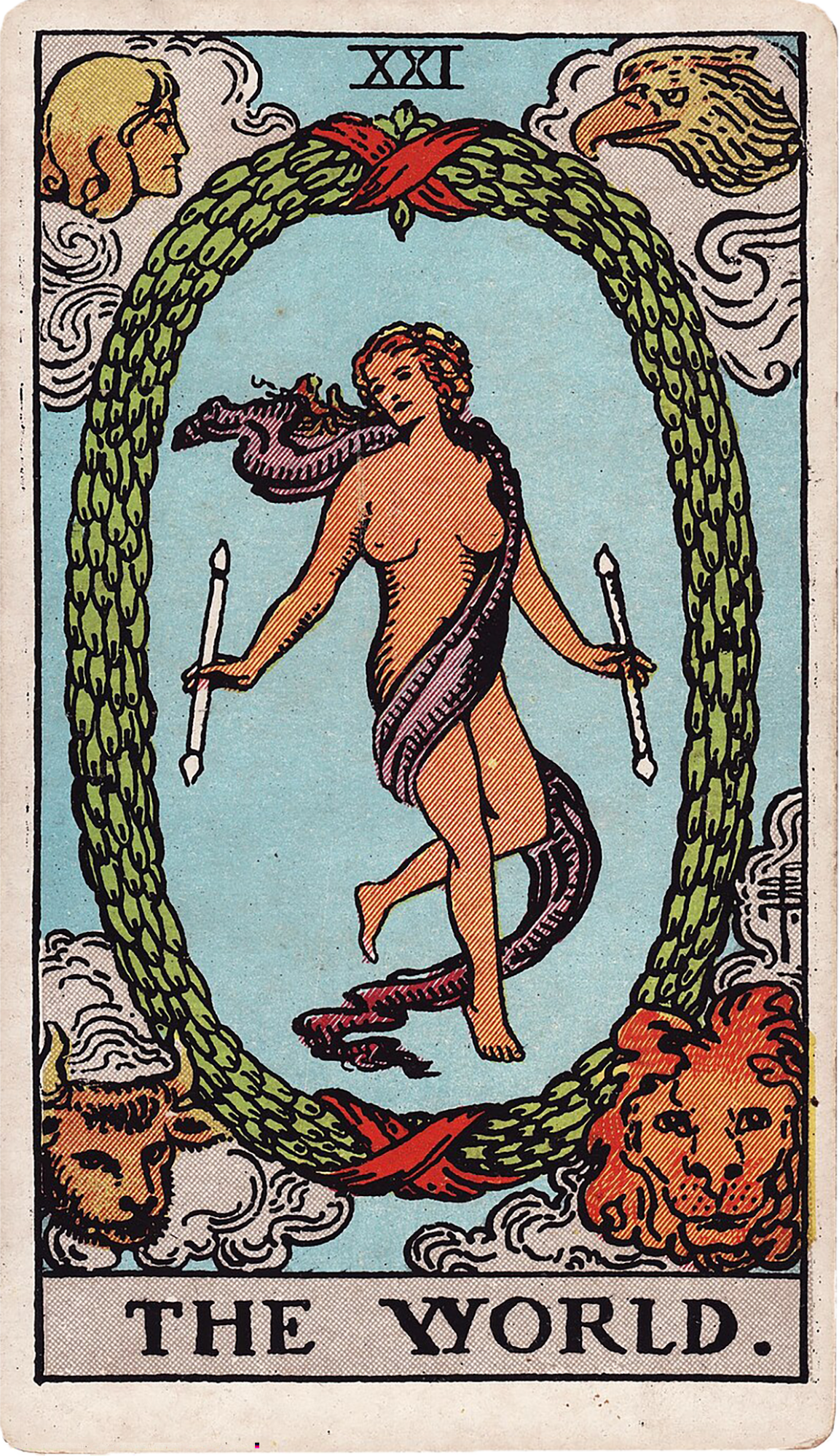 The World
Understanding The Fool as the Tarot Journey’s Beginning
The Fool is often regarded as the first step on the Tarot's path, symbolizing new beginnings, spontaneity, and the leap of faith required to start any journey. In the Rider-Waite-Smith deck, the Fool is depicted as a youthful figure poised on the edge of a cliff, looking upwards with a small bag of possessions and a white rose, accompanied by a curious dog. This imagery conveys openness, innocence, and trust in the unknown. The card’s upright meaning encourages starting before all details are known, choosing curiosity over hesitation, and engaging with life’s unfolding chapter with openness and lightheartedness. It invites the reader to focus on what is available in the present moment rather than postponing action waiting for certainty. This practical lesson is essential for Tarot initiates who may struggle with analysis paralysis or fear of the unknown. Conversely, the reversed Fool points to recklessness, avoidance, or naivety, highlighting a blockage or imbalance in the energy to begin. Recognizing this allows readers to question where the energy is distorted and how it may require recalibration.
The World as the Tarot Journey’s Culmination and Integration
At the other end of the Tarot journey is The World, the card that symbolizes completion, integration, and cycles coming full circle. The Rider-Waite-Smith image shows a dancing figure enclosed within a laurel wreath, flanked by the four living creatures representing the fixed signs of the zodiac: an angel, an eagle, a lion, and a bull. This card celebrates the realization of a goal or the maturation of a process, emphasizing the importance of recognizing accomplishments and using them as a foundation for the next cycle. Like The Fool, The World upright calls for a conscious and deliberate engagement with the present situation rather than waiting for perfect conditions. Reversed, The World points to incomplete business, delayed closure, or perfectionism, signaling resistance to moving forward. For Tarot learners, The World teaches that endings are as vital as beginnings in the Tarot’s cyclical framework, underscoring the necessity of integration before renewal.
Integrating The Fool and The World to Chart the Tarot Initiation
Together, The Fool and The World form a powerful dyad symbolizing the full arc of the Tarot journey—from the initial leap of faith to the triumphant completion and integration. For learners, working with these two cards can scaffold a deep understanding of Tarot’s cyclical nature. The Fool invites the querent to embrace new phases with openness despite uncertainty, while The World reminds us to honor closure and integration when cycles conclude. Practically, readers can frame a Tarot initiation reading by placing The Fool and The World as conceptual anchors. This sets a narrative tension between potential and fulfillment, exploration and mastery. Awareness of this dynamic helps avoid common mistakes such as rushing prematurely through stages or becoming stuck in endless beginnings without closure. When these cards appear in a spread—either upright or reversed—their interplay offers clues about where the querent is on their personal or spiritual journey. For example, an upright Fool followed by a reversed World might suggest enthusiastic starts without successful completion, signaling the need to focus on integration. Conversely, a reversed Fool paired with an upright World could indicate hesitation to begin despite readiness to move forward.
Practical Reading Method Using The Fool and The World
To harness the lessons of these cards, begin by visualizing The Fool’s imagery: the figure stepping into the unknown with trust and curiosity. Ask the querent or yourself what new journey or project is being initiated and where hesitation or naivety might be present. Explore what small, practical steps can be taken with current resources rather than waiting for ideal circumstances. Next, engage with The World’s imagery: the wreath as a symbol of victory and cycles, the dancing figure as mastery, and the four creatures as stability and balance. Reflect on what completions or integrations are underway or required. In a reading, place these cards at the start and end of the spread or use them as reference points when they appear naturally. Note whether each is upright or reversed, then consider how their energies interact—encouraging the querent to embrace beginnings with responsibility and endings with grace. This method helps cultivate a reading that is simultaneously grounded and visionary, supporting the querent’s awareness of their journey’s continuum.
Common Mistakes and How to Avoid Them When Reading These Cards
One common mistake is to treat The Fool and The World as simplistic 'start' and 'finish' points without appreciating their nuanced lessons. Readers might overlook the complexity of The Fool’s call to begin consciously, not recklessly, or the World’s invitation to integrate fully, not just check off a milestone. Another error is neglecting reversals or interpreting them purely negatively. As supplied, both cards’ reversed meanings invite inquiry into energy distortions rather than doom. For example, The Fool reversed might indicate an internal blockage to starting, urging deeper psychological work rather than immediate action. Similarly, The World reversed could highlight perfectionism or fear of closure that requires compassion and reflection. Avoid framing these cards as either-or absolutes; instead, use them as dynamic guides highlighting where balance, honesty, or clearer boundaries are needed. Anchoring the reading firmly in the cards’ Rider-Waite-Smith symbolism—such as The Fool’s cliff or dog and The World’s wreath and zodiac creatures—deepens insight and keeps interpretations grounded in tradition.
Advanced Techniques for Deepening The Fool and The World Integration
For advanced readers, integrating The Fool and The World involves exploring their esoteric correspondences and narrative interplay more deeply. The Fool holds the numeric value 0, symbolizing potentiality and the void before manifestation, while The World is 21, representing the completion of the 22-card Major Arcana cycle. Reflecting on this numeric spectrum enriches understanding of the Tarot as a journey from infinite possibility to realized wholeness. One technique is to use these cards as framing tools in extended spreads that track cycles of learning, growth, and transformation. Another is to meditate on the symbolic elements: The Fool’s white rose (purity), knapsack (past experience), dog (instinct), and cliff (risk), alongside The World’s laurel wreath (victory), dancing figure (integration), and zodiac symbols (universal balance). Consider how these images reflect psychological stages or archetypal energies within the querent’s life. Journaling on questions such as “What inner ‘foolishness’ must I embrace to grow?” or “Where in my life do I resist completing cycles?” can unlock profound insights. Combining these reflective practices with active Tarot reading fosters a holistic initiation into Tarot mastery.
Conclusion Embracing The Fool and The World for Continuous Initiation
The Fool and The World together offer a roadmap for Tarot initiation that embraces both beginnings and endings as essential, interconnected parts of growth. By honoring The Fool’s call to consciously begin and The World’s invitation to fully integrate, readers cultivate a balanced and dynamic Tarot practice. Whether at the start of learning or in advanced stages, reflecting on these cards’ symbolism, upright and reversed meanings, and mutual relationship supports a mindful approach to Tarot reading. This integration encourages continual renewal—recognizing that every ending is a new beginning, and every beginning presupposes eventual completion. For Tarot learners and seasoned practitioners alike, The Fool and The World serve as enduring guides in the unfolding journey of self-discovery and transformation.
Practice questions
• Where in my current life journey do I see the energy of The Fool inviting me to take a conscious leap?
• Are there any areas where I resist closure or integration, reflecting The World reversed?
• How can I balance openness to new beginnings with responsibility to complete existing cycles?
• What symbols in The Fool’s and The World’s imagery resonate most with my personal experience?
• In what ways does recognizing both The Fool and The World help me view my Tarot readings as part of a larger cyclical process?
Comments
Sign in to comment.
Continue learning
The Fool in Life Transitions and New Beginnings
The Fool card embodies the spirit of beginnings, curiosity, and the leap of faith required during life transitions. This article explores The Fool’s meanings across various reading...
Unlocking the Energies of the King Queen and Knight of Cups for Emotional Intelligence
This article delves into the King, Queen, and Knight of Cups from the Minor Arcana's family Suit and Court Cards, emphasizing how these archetypes embody stages and expressions of...
Unlocking Personality Traits Through the Court Cards of Pentacles
This article delves into the personality traits and life lessons embodied by the court cards of Pentacles: Page, Knight, Queen, and King. Grounded in the practical symbolism of the...
Unlocking Personality and Leadership Qualities with the King Queen and Knight of Pentacles
This article delves into the King, Queen, and Knight of Pentacles court cards within the Minor Arcana, focusing on their symbolism of personality traits and leadership within the f...
Unlocking the Roles and Personalities of Page Knight Queen and King of Swords
This article delves deeply into the family suit lessons of the Page, Knight, Queen, and King of Swords, exploring their roles and personalities within the Minor Arcana. Anchored in...
Unlocking Personality Insights Through the Court Cards of Cups
The Court Cards of Cups offer a rich framework for understanding emotional personality traits, interpersonal dynamics, and intuitive processes. This article guides learners through...
Unlocking the Dynamic Partnership of The Magician and The High Priestess in Tarot Combinations
The Magician and The High Priestess represent two complementary archetypes in the tarot deck that, when combined, offer a rich interplay of conscious action and intuitive insight....
Unlocking Leadership Styles Through the King Queen and Knight of Swords
This article delves into the leadership styles portrayed by the King, Queen, and Knight of Swords, court cards in the Minor Arcana’s Suit of Swords. By closely examining their Ride...
Unlocking Practical Wisdom and Ambition Through the Court Cards of Pentacles
This article delves deeply into the suit of Pentacles’ court cards—Page, Knight, Queen, and King—offering tarot learners a comprehensive understanding of their practical wisdom and...
Mastering Dual Interpretations with The Hanged Man and The Devil in Tarot Readings
This article guides tarot learners through mastering the dual interpretations of The Hanged Man and The Devil cards. Using traditional Rider-Waite-Smith symbolism and supplied card...